
Note: This article contains affiliate links. If you click on these links and make a purchase, we may earn a small commission at no extra cost to you. This helps support our research and content. Read our full affiliate disclosure here.
If you need compact but capable refrigeration, an 18-cubic-foot top-freezer refrigerator is a common choice for apartments, small households, and secondary kitchen spaces. You want an appliance that balances usable shelving, consistent cooling, and reasonable operating costs without wasting floor or counter space. This guide presents five shortlisted 18-cubic-foot top-freezer refrigerators chosen for everyday reliability and efficient layout. We evaluated usable capacity, temperature stability, energy footprint, and storage flexibility so you can pick the model that fits your kitchen and lifestyle. Read on for a quick orientation before the product summaries.
Top Picks at a Glance
| Best Quality Built to a higher standard if you want something more solid | LG 18 cu ft Top-Freezer Refrigerator | 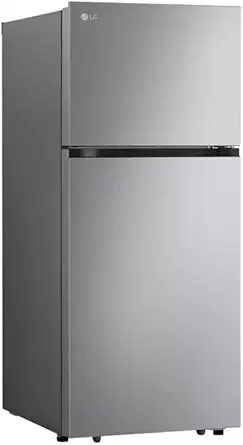 |
| Best Budget The cheapest option that still gets the job done reliably | Midea MRT18D3BST 18 Cu. Ft. Refrigerator |  |
| Top Rated A top-rated pick with lots of positive feedback | Amana 18.2 cu. ft. Top Freezer Refrigerator |  |
| Most Popular A crowd favorite that many people choose with confidence | Frigidaire 18 Cu. Ft. Top Freezer Refrigerator |  |
| Best Seller A high-volume bestseller chosen again and again | Samsung RT70F18LASR 18 Cu. Ft. Refrigerator |  |
LG 18 cu ft Top-Freezer Refrigerator

| Capacity | 17.5 cubic feet |
|---|---|
| Freezer Capacity | 4.5 cubic feet |
| Defrost System Type | Automatic |
| Installation Type | Freestanding |
| Specification Met | Energy Star |
The LG 18 cu ft top-freezer refrigerator is a straightforward, performance-oriented option that pairs a roomy fresh-food section with a moderately sized top freezer and garage-ready durability. It uses a smart inverter compressor and a multi-air flow system to help maintain consistent temperatures across three shelves and door bins, which keeps produce and dairy items fresher for longer. Typical use is everyday household food storage where reliable cooling, energy efficiency, and flexible shelf arrangement matter most. Notable features include glass shelving, gallon door bins for tall containers, automatic defrost, and compatibility with an ice maker if you want to add one later. Practical benefits are its Energy Star certification and reduced temperature fluctuation thanks to the compressor and airflow design, which is important if you run the unit in a warm garage or high-use kitchen. Trade-offs are its conventional top-freezer layout if you prefer bottom-freezer or French-door ergonomics, and the freezer space is modest compared with larger models.
Best for: Buyers who prioritize reliable, energy-efficient cooling and want a durable, garage-ready top-freezer with practical interior storage for everyday household use.
Less Ideal for: Shoppers who prefer bottom-freezer or French-door ergonomics or need a larger freezer-first layout for heavy frozen food storage.
- Smart inverter compressor for consistent, efficient cooling
- Multi-air flow system helps even temperature distribution
- ENERGY STAR certified for lower annual energy consumption
- Gallon door bins and glass shelves offer practical, flexible storage
- Garage-ready design tolerates wider ambient temperatures
- Top-freezer layout requires more bending to access fresh food
- Freezer capacity is relatively small compared with larger models
Verdict: Choose this LG if you want a performance-focused, energy-efficient 18 cu ft top-freezer that stays reliable in garages or warm spaces.
Midea MRT18D3BST 18 Cu. Ft. Refrigerator

| Configuration | Freezer-on-Top |
|---|---|
| Defrost System Type | Frost Free |
| Cooling Method | Compressor |
| Capacity | 18 cubic feet |
| Installation Type | Freestanding |
The Midea MRT18D3BST is a straightforward 18 cu ft top-freezer fridge built for simple, reliable cooling in a variety of locations including garages. It uses a compressor cooling system and frost-free defrost so you avoid manual defrosting, and the gallon-sized door bins make beverage and milk storage convenient. The unit is freestanding and advertised as garage-ready with stable operation between 38 and 110 Fahrenheit, which is useful if you plan to place it in an unconditioned space. Expect basic, no-frills controls and a single-door aesthetic that maximizes usable interior capacity for its footprint. Trade-offs are its plain feature set and lack of advanced temperature controls or smart features, but those omissions help keep the package focused and budget-friendly. For buyers who need a solid, no-nonsense top-freezer that handles everyday food storage and can work in warmer areas like a garage, this model covers the essentials without added complexity.
Best for: Buyers looking for an affordable, functional top-freezer refrigerator that reliably stores family groceries and can be placed in a garage or secondary space without fuss.
Less Ideal for: Those who want smart features, precise temperature zoning, or a premium design finish should consider higher-end alternatives.
- Frost-free defrost eliminates manual defrosting.
- Garage-ready design supports stable cooling from 38 to 110 F for placement in unconditioned spaces.
- Gallon-sized door bins provide convenient storage for large bottles and containers.
- 18 cubic foot capacity offers substantial storage for a top-freezer layout.
- No advanced temperature controls or smart connectivity for fine-tuning or remote monitoring.
- Basic single-door appearance and limited premium features compared with higher-end models.
Verdict: A practical, budget-friendly 18 cu ft top-freezer that delivers reliable, frost-free cooling and garage-ready operation for buyers who prioritize value over bells and whistles.
Amana 18.2 cu. ft. Top Freezer Refrigerator

| Configuration | Freezer-on-Top |
|---|---|
| Capacity | 18.2 cubic feet |
| Fresh Food Capacity | 12 cubic feet |
| Defrost System Type | Automatic |
| Cooling Method | Compressor |
This Amana top-freezer refrigerator is a straightforward, no-frills 18.2 cu. ft. unit designed for dependable daily use. It uses a compressor cooling method with automatic defrost and glass shelving to store a household's fresh and frozen goods, while touch digital temperature controls and an electronic door lock add simple modern conveniences. The layout includes two main shelves, three door bins, and a 12 cu. ft. fresh food section that suits standard grocery loads without complex features. Practical benefits include easy freestanding installation, a durable stainless steel exterior, and controls that make temperature adjustments simple. Limitations are its basic feature set — there are no advanced humidity-controlled drawers, ice maker, or specialty compartments — and the design favors function over upscale styling or smart connectivity. For buyers who prioritize straightforward, reliable refrigeration rather than bells and whistles, this model delivers sensible performance in a compact footprint.
Best for: Buyers who want a dependable, low-maintenance top-freezer refrigerator that focuses on straightforward cooling and durability rather than advanced features.
Less Ideal for: Shoppers seeking high-end features like built-in ice makers, humidity-controlled drawers, or smart home integration should consider other models.
- Simple compressor cooling with automatic defrost for low-maintenance operation
- Digital temperature controls and touch interface make adjustments straightforward
- Stainless steel exterior offers a durable, easy-to-clean finish
- Glass shelves and multiple door bins provide flexible everyday storage
- No ice maker or specialty crispers for produce management
- Feature set is basic with no smart connectivity or advanced freshness controls
Verdict: A practical, reliability-focused 18.2 cu. ft. top-freezer refrigerator that delivers straightforward cooling and low-maintenance operation.
Frigidaire 18 Cu. Ft. Top Freezer Refrigerator

| Configuration | Freezer-on-Top |
|---|---|
| Capacity | 18 cubic feet |
| Defrost System Type | Hot Gas |
| Cooling Method | Compressor |
| Door Orientation | Reversible |
This Frigidaire top-freezer refrigerator is a straightforward, no-frills 18 cu ft unit designed for basic household refrigeration. It uses a compressor cooling system with a hot gas defrost, a single wire shelf in the fresh food section, and a reversible door so it can fit a variety of kitchen layouts. Typical use is everyday food storage for a small family or apartment, with the freezer compartment on top and simple wire shelving that is easy to clean and rearrange. The electronic lock adds a modest security feature while the freestanding installation makes placement flexible. Important limitations are the sparse shelving and lack of advanced features like adjustable glass shelves, humidity-controlled crispers, or energy star certification, so buyers focused on efficiency or premium organization may want to look elsewhere. For shoppers who prioritize reliable basic cooling and straightforward maintenance, this model delivers a practical, familiar refrigerator layout.
Best for: Buyers seeking a reliable, familiar top-freezer layout for basic daily food storage in an apartment or small household and who value straightforward operation over advanced features.
Less Ideal for: Shoppers who want high energy efficiency, extensive internal organization, or premium features like adjustable glass shelving and humidity-controlled crispers should consider other models.
- Simple compressor cooling with hot gas defrost for reliable temperature control
- Reversible door allows flexible placement in different kitchen layouts
- Matte white freestanding design is easy to clean and fits standard interiors
- Electronic lock provides basic security for stored items
- Only one wire shelf limits internal organization and adjustable storage options
- Not Energy Star certified, so it may use more power than newer efficient models
Verdict: A dependable, no-frills 18 cu ft top-freezer refrigerator that suits buyers who want simple, familiar cooling and easy placement without extra features.
Samsung RT70F18LASR 18 Cu. Ft. Refrigerator

| Configuration | Full-Sized Freezer-on-Top |
|---|---|
| Capacity | 18 cubic feet |
| Additional Features | Ice Maker, All-Around Cooling System, True No-Frost Technology |
| Defrost System Type | Frost Free |
| Cooling Method | Compressor |
This Samsung top-freezer refrigerator delivers straightforward, reliable cooling with features that matter to everyday households. The 18 cubic foot interior gives usable storage for a small family or as a primary fridge in a compact kitchen, while the top freezer layout keeps frozen items separate and accessible. Notable features include a built-in ice maker, LED interior lighting, and Samsung's All-Around Cooling system paired with True No-Frost technology to reduce frost buildup and maintain even temperatures. The compressor-driven cooling and frost-free defrost system mean less manual maintenance than older units that require periodic defrosting. Practical trade-offs are the tall, narrow footprint typical of top-freezer designs which limits wide platters or very large items on shelves, and the spec sheet does not list smart-home connectivity or advanced temperature controls. For buyers who prioritize dependable refrigeration with basic modern conveniences and low-maintenance operation, this model is a sensible, conservative choice.
Best for: Buyers who want a dependable, low-maintenance full-sized refrigerator with straightforward features and an emphasis on proven cooling reliability.
Less Ideal for: Those seeking a counter-depth look, large-capacity wide-shelf storage for oversized items, or integrated smart-home features should consider other styles.
- True No-Frost technology reduces the need for manual defrosting
- Built-in ice maker provides convenient on-demand ice
- All-Around Cooling system helps maintain even temperatures throughout the cabinet
- Energy-efficient LED lighting improves interior visibility with lower energy use
- Top-freezer layout limits usable shelf width for large platters or wide containers
- No smart connectivity or app-based controls listed
Verdict: A sensible, low-maintenance 18 cu. ft. top-freezer refrigerator that prioritizes reliable cooling and convenience features like an ice maker and no-frost operation.
Choosing the Right 18-Cubic-Foot Top-Freezer Refrigerator: Key Factors to Consider
Actual Usable Capacity
Nominal cubic feet give a baseline, but internal layout determines how much you can realistically store. Shelving thickness, door bin depth, and the footprint of the freezer compartment all reduce usable space. Look for models with shallow shelf frames and full-depth shelves if you need to fit wide platters or tall bottles. Consider how the freezer door and internal divider affect the space you can stack frozen goods.
For small households, the ability to reconfigure shelves or remove a shelf entirely often matters more than a fraction of a cubic foot on the spec sheet. Measure common items you store and compare those to shelf spacing and bin dimensions to avoid surprises.
Temperature Stability and Control
Consistent temperature across the refrigerator compartment and a reliably cold freezer are essential for safe food storage and freshness. Top-freezer designs often yield good natural cold distribution, but the efficiency of the thermostat and the placement of air ducts make a difference. Check for adjustable temperature controls that allow fine tuning and modes that help recover temperature after door openings.
Temperature stability also affects energy use. Units that recover faster after the door is opened tend to run shorter cycles, which saves power and reduces wear on the compressor. If you store temperature-sensitive items like dairy, prepared foods, or frozen meats, prioritize units with predictable temperature performance.
Energy Efficiency and Operating Cost
Annual energy consumption is a practical consideration for any refrigerator, and it matters more for continuous-use appliances in small living spaces. A more efficient compressor and better insulation lower electricity draw and monthly cost. Look at annual kWh estimates if available, and choose a model that balances efficiency with the features you need.
Remember that small efficiency improvements compound over years. A refrigerator with modestly better efficiency will typically pay back through lower utility use, especially if it runs in a warm kitchen or near heat sources.
Adjustability and Storage Flexibility
Flexible storage features increase the refrigerator's usefulness in everyday life. Adjustable shelves, split shelves that accommodate tall items, slide-out crisper drawers, and multi-position door bins all help you adapt the interior to weekly shopping habits. Some units offer convertible bins or simple shelf removal to create space for large roasts or party trays.
Evaluate how easy it is to reconfigure the interior without tools and whether shelf materials are durable and easy to clean. Flexible storage reduces the need to compromise on what you can store and makes the most of the 18-cubic-foot footprint.
Noise, Build Quality, and Expected Longevity
In small homes and open-plan layouts, compressor noise and general vibration are more noticeable. Look for models with quieter compressors, good vibration damping, and straightforward serviceability. Basic build quality—such as door hinge robustness, gasket fit, and drawer sliders—affects long-term durability and how often you need maintenance.
A slightly heavier-duty build may cost more upfront but can reduce service issues and replacement needs. Consider typical warranty terms and the availability of simple parts like door gaskets when judging long-term ownership costs.
Sizing for Your Space and Door Clearance
Measure the installation space carefully before you decide. An 18-cubic-foot top-freezer refrigerator can vary in width and depth, and you need sufficient clearance for the door to open fully and for ventilation behind the unit. Remember to allow extra space if the refrigerator will sit next to a wall or inside a shallow alcove.
Check swing direction and hinge placement. Some models offer reversible doors that let you shift the hinge to the opposite side, which can be useful in tight kitchens. Also account for floor-to-ceiling height if you plan to move the unit through narrow hallways or staircases.
- Measure width, depth, and height at the final installation location
- Allow 1 to 2 inches for ventilation behind the unit
- Confirm door swing and clearance for nearby cabinets or walls
Cleaning, Maintenance, and Common Service Items
Routine cleaning and simple maintenance preserve performance. Regularly clean door gaskets, defrost any excess frost in manual-freeze freezers, and clear dust from condenser coils if they are exposed. Some units have accessible rear coils while others enclose them for safety and aesthetics; enclosed coils are lower maintenance but may run slightly warmer.
Inspect door seals periodically for gaps or compression loss. A leaking gasket reduces cooling efficiency and increases run time. If the unit develops persistent frost or inconsistent temperatures, basic troubleshooting steps include checking thermostat settings and ensuring adequate ventilation around the cabinet.
- Wipe gaskets with mild soap and water every few months
- Vacuum or brush exposed coils to remove dust annually
- Check and replace water filters or ice components only if the model includes them
Organizing Food in a Top-Freezer Layout
Top-freezer refrigerators typically provide a freezer compartment above the refrigerator section. Use the top shelf of the fridge for ready-to-eat items and dairy, mid-level shelves for prepared meals, and lower drawers for produce because cooler air settles lower. Door bins are best for condiments and bottles rather than highly perishable items.
In the freezer, store frequently used items toward the front and bulk or long-term items toward the back. Consider using clear, labeled bins to keep small items accessible and to reduce the time the freezer door stays open while searching for foods.
- Keep raw meat on the lowest shelf to prevent cross-contamination
- Store flat items like frozen vegetables stacked to save space
- Use a thermometer to verify temperatures if you suspect variability
When a Compact Fridge Is Not Enough
An 18-cubic-foot top-freezer is a solid choice for many situations, but it is not the best fit for every household. If you routinely entertain large groups, store bulk-buy frozen goods, or need advanced features such as convertible compartments or through-the-door dispensers, a larger or differently configured refrigerator may be more practical.
Also consider lifestyle patterns like frequent grocery delivery or storing specialized items such as long bottles, bulk baking trays, or a lot of fresh produce. If those needs are regular, prioritize interior flexibility and wider shelves rather than compact capacity alone.
- Assess typical weekly grocery volume before deciding
- Think about long-term needs, not just current apartment constraints
- Consider a different layout if you need more freezer space or specialty features
How We Chose the Best 18-Cubic-Foot Top-Freezer Refrigerator
We focused on the attributes that matter for buying an 18-cubic-foot top-freezer refrigerator and applied practical filters to narrow the field. First, we limited candidates to units near the 18-cubic-foot nominal capacity to ensure comparable usable volume. We prioritized consistent temperature control across fridge and freezer compartments, since even cooling directly affects food safety and storage life. Energy efficiency was a second major filter because lower draw reduces monthly operating cost in small households. Layout and adjustable shelving were used to judge real-world storage flexibility for tall items, deli trays, and frozen goods. Noise levels and basic durability indicators were also considered, since a quiet, long-lasting appliance improves daily life in compact homes. We excluded specialty units such as commercial displays, built-in column units, and refrigerators with atypical cooling architectures that would not serve a standard apartment kitchen. The final picks reflect balance across these dimensions rather than optimizing a single spec. Editorial judgment emphasized usability and long-term operating cost over marginal differences in spec-sheet features.
Our full evaluation process is outlined in our review methodology.
FAQ
How cold should an 18-cubic-foot top-freezer refrigerator run?
Most refrigerators perform well when the fridge compartment is set between 35 and 38 degrees Fahrenheit and the freezer at 0 degrees Fahrenheit. Use an appliance thermometer to confirm actual temperatures because settings can vary between models, and ambient kitchen temperatures affect performance.
Can I fit large platters or tall bottles in an 18-cubic-foot top-freezer?
Often yes, but it depends on shelf adjustability and door-bin depth. Look for models with removable or split shelves and multi-position door bins to accommodate taller items without sacrificing too much usable space.
Are top-freezer refrigerators more efficient than other layouts?
Top-freezer designs are generally simpler and can be more energy efficient than some other layouts because of natural cold-air flow and fewer feature-driven power draws. However, actual efficiency depends on insulation, compressor design, and thermostat control rather than layout alone.
How much clearance does an 18-cubic-foot refrigerator need?
Allow at least one to two inches behind the unit for ventilation and a couple of inches above if specified by the manufacturer. Also account for door swing clearance and enough space to pull drawers or remove shelves for cleaning.
What maintenance keeps a top-freezer running well?
Keep the condenser area free of dust if visible, clean door gaskets periodically, and defrost any manual-freeze sections when frost buildup exceeds the manufacturer recommendation. Regular checks of temperature and gasket condition help maintain efficiency and food safety.
Final Verdict
When choosing an 18-cubic-foot top-freezer refrigerator, prioritize usable interior layout and consistent temperature control above minor differences in nominal capacity. Energy efficiency and adjustable shelving are the next most important considerations for long-term cost and everyday convenience. Balance noise and build quality against the features you need, and measure your installation space carefully before buying. Focus on the combination of storage flexibility, predictable cooling, and reasonable energy draw to select the most practical option for a compact kitchen. That approach will yield the best day-to-day experience without unnecessary tradeoffs.