
Note: This article contains affiliate links. If you click on these links and make a purchase, we may earn a small commission at no extra cost to you. This helps support our research and content. Read our full affiliate disclosure here.
When space is limited, a well-chosen small refrigerator does more than keep drinks cold. A 7-cubic-foot mini fridge can serve as a second fridge in a garage, a primary unit in a dorm room, or a compact kitchen backup while still offering usable storage and stable temperatures. Choosing the right mini fridge matters because interior layout, temperature control, and energy use directly affect what you can store and how much maintenance you will do. This guide shortlists seven top 7-cubic-foot mini fridges that balance usable capacity, power draw, and convenience features. Below we explain the evaluation criteria we used and walk through practical factors that should steer your decision, then move into the product shortlist.
Top Picks at a Glance
| Best Overall The best all-around choice for most situations | West Bend 7.5 Cu.Ft. Refrigerator |  |
| Best Quality Built to a higher standard if you want something more solid | Frigidaire Retro Refrigerator EFR786 |  |
| Best Value The sweet spot between price and what you get | BANGSON 7.1 Cu Ft Refrigerator | 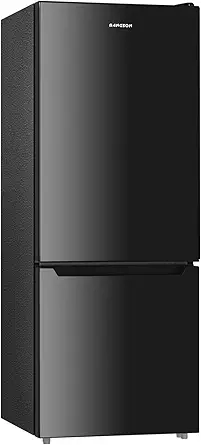 |
| Best Budget The cheapest option that still gets the job done reliably | Qyrztaon 7.4 Cu. Ft. Refrigerator |  |
| Top Rated A top-rated pick with lots of positive feedback | Upstreman 7.1 Cu Ft Refrigerator |  |
| Most Popular A crowd favorite that many people choose with confidence | Frigidaire Retro Refrigerator EFR751 |  |
| Best Seller A high-volume bestseller chosen again and again | Upstreman 7.7 Cu.Ft. Refrigerator BD75 |  |
West Bend 7.5 Cu.Ft. Refrigerator

| Capacity | 7.5 cubic feet |
|---|---|
| Freezer Capacity | 1.5 cubic feet |
| Form Factor | Compact |
| Cooling Method | Compressor |
| BEE Star Rating | ENERGY STAR |
The West Bend 7.5 cu ft apartment refrigerator is a compact, practical fridge for small kitchens and secondary spaces. It pairs a 6 cu ft fresh-food section with a 1.5 cu ft top freezer and uses a compressor cooling system for reliable temperature control. Adjustable, removable tempered glass shelves and full-width door bins make it straightforward to organize tall bottles, leftovers, and produce, while the clear crisper drawer and LED interior light help visibility and freshness. The doors are reversible for flexible placement and recessed handles keep the exterior profile neat. Its ENERGY STAR certification and modest annual energy consumption make it a reasonable choice for efficiency-minded buyers. Expect basic, no-frills operation with semi-automatic defrosting and an included ice tray rather than advanced smart features or frost-free convenience. Installation is simple as a freestanding unit but its compact footprint means storage capacity is limited compared with full-size refrigerators. For buyers wanting a balanced, efficient mini fridge that handles everyday groceries cleanly, this model is a solid, sensible option.
Best for: Buyers looking for a balanced, efficient compact refrigerator that fits apartments, dorms, or secondary kitchens and prioritizes straightforward storage and energy savings.
Less Ideal for: People who need large capacity, completely maintenance-free frost-free operation, or advanced connected features should look at larger or higher-end models.
- Space-optimized 7.5 cu ft layout with separate 1.5 cu ft top freezer
- Adjustable and removable tempered glass shelves for flexible storage
- Reversible doors and recessed handles for flexible placement
- ENERGY STAR certified for lower energy use and LED interior lighting
- Semi-automatic defrost requires occasional manual maintenance
- No smart features or frost-free technology
Verdict: A practical, energy-efficient 7.5 cu ft mini fridge that balances usable storage and simple, reliable performance for everyday apartment use.
Frigidaire Retro Refrigerator EFR786

| Configuration | Freezer-on-Top |
|---|---|
| Capacity | 7.5 cubic feet |
| Freezer Capacity | 1.5 cubic feet |
| Defrost System Type | Manual |
| Power Source | Corded Electric |
The Frigidaire EFR786 is a compact top-freezer refrigerator that combines a retro look with practical everyday storage. It provides 7.5 cubic feet of total capacity with three adjustable glass shelves in the fridge and a removable freezer shelf, plus a transparent crisper and full-width door bin for organized storage. Mechanical controls and an adjustable thermostat make temperature management straightforward, while reversible doors and leveling legs with rear castors simplify placement in tight spaces. The unit uses a compressor cooling system and a manual defrost freezer, so expect efficient cold performance for fresh food but occasional defrost maintenance in the freezer. Construction is sturdy with chrome trim and spill-proof glass shelves that are easy to clean, though heavier users may find the 1.5 cu ft freezer limited for bulk frozen storage. Its ETL listing and simple mechanical controls favor durability and low complexity over smart features. For buyers prioritizing straightforward, reliable cooling in a compact, styled package this model delivers consistent day-to-day performance, with the main compromise being freezer capacity and the need to manually defrost.
Best for: Buyers who need a reliable, straightforward compact refrigerator with good fresh-food capacity and a retro aesthetic for apartments, dorms, or small kitchens.
Less Ideal for: Anyone who requires large frozen storage, automatic no-defrost operation, or smart connectivity in their refrigerator.
- Generous 7.5 cu ft total capacity for a compact fridge
- Adjustable glass shelves and removable freezer shelf for flexible organization
- Reversible door and leveling legs with castors for flexible placement
- Mechanical controls and compressor cooling for simple, reliable temperature management
- Freezer is small at 1.5 cu ft and uses manual defrost
- No smart features or advanced temperature controls
Verdict: Choose this fridge if you want a reliable, performance-oriented 7.5 cu ft compact refrigerator with straightforward controls and flexible interior storage.
BANGSON 7.1 Cu Ft Refrigerator

| Capacity | 7.1 cubic feet |
|---|---|
| Refrigerator Net Capacity | 5.45 cubic feet |
| Defrost System Type | Manual Defrost |
| Cooling Method | Compressor |
| Number of Doors | 2 |
This 7.1 cu ft refrigerator is built for small spaces and steady everyday use, pairing a 5.45 cu ft fresh-food section with a 1.65 cu ft bottom freezer. It cools with a compressor and offers five thermostat settings so you can tune temperatures for beverages, dairy, or frozen items, while adjustable glass shelves, a crisper drawer, and door bins keep contents organized. The unit is manually defrosted and includes a defrost tool and two freezer drawers for tidier storage, and reversible doors plus leveling legs make placement easier in tight layouts. Noise is modest at roughly 39 dB in normal operation, and the fridge ships with an ice tray and interior night light for convenience. Expect to let the cabinet sit upright for several hours after delivery before powering it on. If you need fast automatic defrost or a larger freezer, this model's manual system and modest freezer capacity are important constraints to consider.
Best for: Buyers who want a space-efficient, no-frills refrigerator that maximizes usable storage in small kitchens, apartments, or offices and value adjustable organization over extra freezer volume.
Less Ideal for: Users who need a large freezer, automatic frost-free operation, or heavy-duty cold storage for bulk frozen items should consider larger or frost-free models instead.
- Compact footprint fits small apartments, offices, or studios
- Separate bottom freezer with two drawers for organized frozen storage
- Adjustable glass shelves and door bins let you customize interior layout
- Rated around 39 dB for relatively quiet daily operation
- Manual defrost requires periodic thawing and intervention
- Freezer capacity is modest compared with larger refrigerators
Verdict: A practical, compact bottom-freezer fridge that squeezes useful organized storage into small spaces while keeping operation quiet.
Qyrztaon 7.4 Cu. Ft. Refrigerator

| Total Capacity | 7.4 Cu. Ft. |
|---|---|
| Freezer Capacity | 1.8 Cu. Ft. |
| Refrigerator Capacity | 5.6 Cu. Ft. |
| Temperature Control | 7-Level Adjustable Thermostat |
| Defrost System Type | Manual |
This Qyrztaon 7.4 cu ft two-door refrigerator pairs a 1.8 cu ft freezer with a 5.6 cu ft refrigerator compartment to serve apartments, dorms, or offices where space is limited. It uses a compressor cooling system, offers a 7-level adjustable thermostat for simple temperature control, and includes LED lighting, adjustable shelves, and a crisper drawer for everyday food organization. The reversible door, adjustable feet, and rear rollers make placement flexible in tight layouts, and the manual defrost system keeps the unit straightforward and repairable. Expect modest energy use by compact-fridge standards and typical compressor noise rather than near-silent operation. Installation is freestanding and the interior layout is functional but basic, so it is best for buyers who need reliable cold storage rather than premium features like automatic defrost or advanced temperature zoning. The unit ships with common accessories such as an ice tray and shelf dividers and comes with a two-year manufacturer warranty.
Best for: Buyers looking for an affordable, space-saving fridge with a dedicated freezer who prioritize straightforward functionality and flexible placement in apartments, dorms, or offices.
Less Ideal for: People who want near-silent operation, automatic defrost, or advanced temperature management for specialty items should consider higher-end models.
- Compact two-door layout gives separate freezer and fridge storage for organized cold storage
- 7-level adjustable thermostat lets you tailor temperatures for different contents
- Reversible door, adjustable feet, and rear rollers allow flexible placement in small spaces
- LED interior light and adjustable shelves improve visibility and storage adaptability
- Manual defrost requires occasional user maintenance to remove ice buildup
- Annual energy consumption listed is relatively high for a small refrigerator
Verdict: A budget-friendly, space-conscious two-door mini fridge that delivers basic, dependable cold and freezer storage for small living spaces.
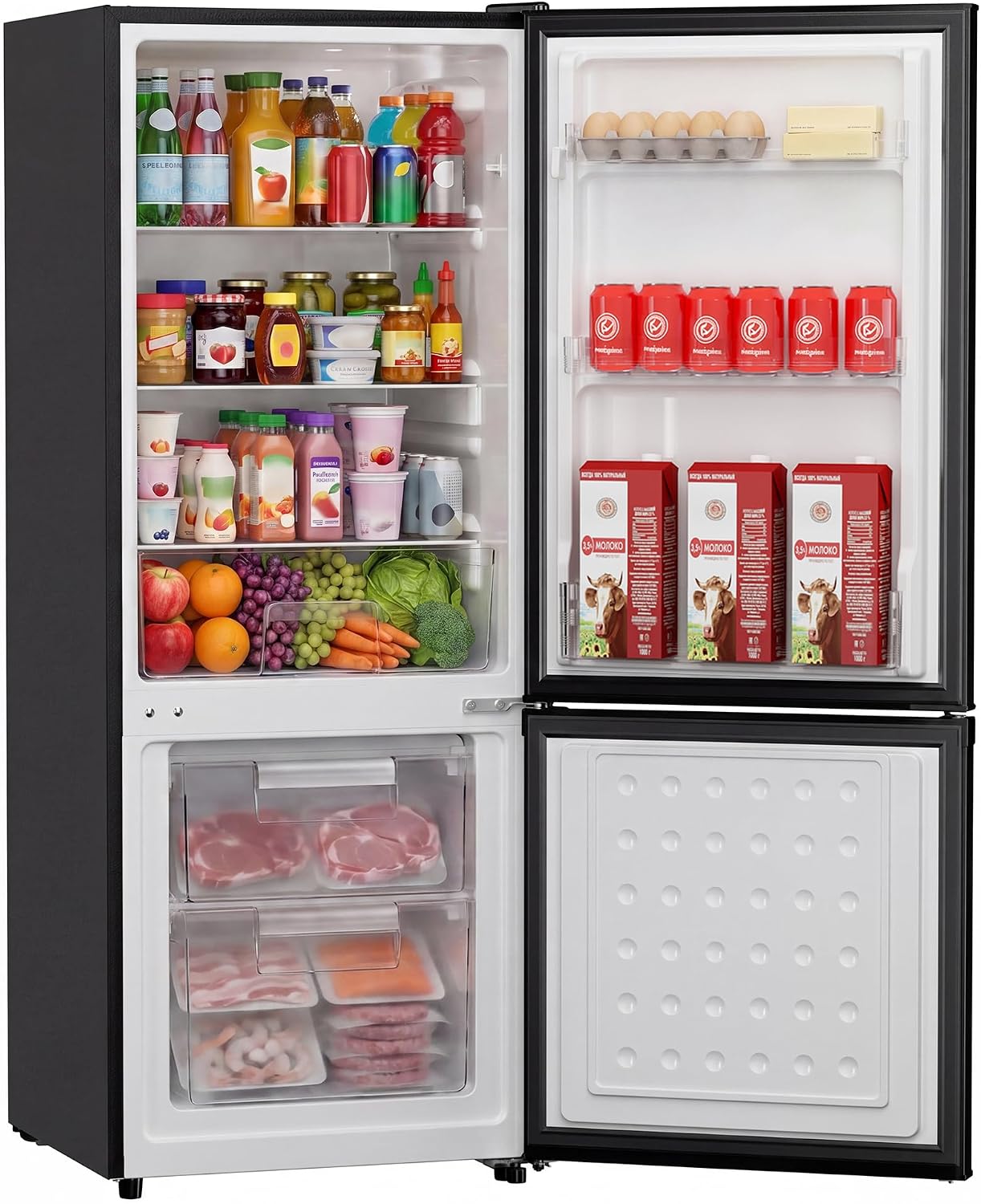
Upstreman 7.1 Cu Ft Refrigerator
| Capacity | 7.1 cubic feet |
|---|---|
| Freezer Capacity | 1.65 cubic feet |
| Defrost System Type | Manual |
| Voltage | 115 volts |
| Refrigerant | R-600A |
This Upstreman 7.1 cu ft refrigerator pairs a bottom freezer layout with a modest footprint to deliver usable storage in small spaces. It places the fresh-food compartment at eye level and the 1.65 cu ft freezer below, which makes loading heavier frozen items easier and reduces bending. Adjustable shelves, a built-in light, and a reversible door give installation flexibility while the compressor cooling and R-600A refrigerant provide standard cooling performance. The unit emphasizes efficiency and quiet operation, with stated annual energy use and a low noise figure that suit open-plan apartments and dorm rooms. Controls offer a five-step temperature range for both fridge and freezer so you can tailor cooling to groceries or beverages. Expect manual defrosting rather than auto-defrost, and the refrigerator is a compact freestanding piece rather than built-in cabinetry fit, so it may require occasional leveling and manual maintenance. For buyers prioritizing a simple, energy-conscious small fridge with practical storage and quiet running, this model is a sensible pick.
Best for: Buyers who want a compact, dependable refrigerator for apartments or dorms that emphasizes efficient, quiet day-to-day operation and practical storage organization.
Less Ideal for: Households that need large freezer volume, zero-maintenance frost-free operation, or a built-in cabinet installation should look elsewhere.
- Bottom-freezer layout keeps fresh food at eye level and reduces bending when accessing frozen items
- Energy-efficient compressor design with a low annual consumption rating
- Quiet operation around the stated 39 dB level suitable for open kitchens and shared living spaces
- Adjustable shelves, built-in light, reversible door, and included accessories for flexible setup
- Manual defrost freezer requires occasional maintenance to avoid ice buildup
- Limited freezer capacity at 1.65 cu ft for users who need large frozen storage
Verdict: A reliable, energy-conscious 7.1 cu ft freestanding fridge that delivers quiet, practical cooling for apartments and dorm rooms.
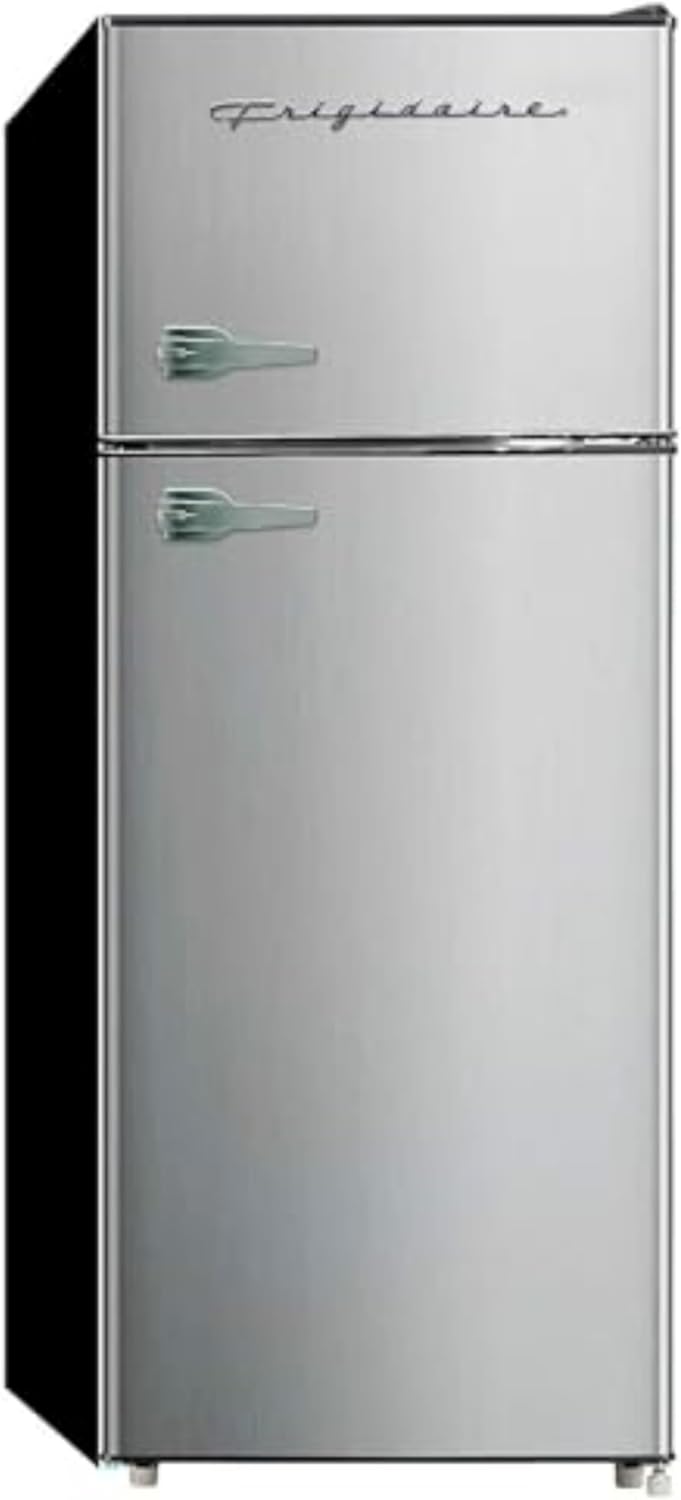
Frigidaire Retro Refrigerator EFR751
| Capacity | 7.5 cubic feet |
|---|---|
| Freezer Capacity | 2 cubic feet |
| Defrost System Type | Manual |
| Cooling Method | Compressor |
| Annual Energy Consumption | 378 kilowatt hours per year |
This Frigidaire Retro Refrigerator EFR751 is a compact upright fridge with a separate top freezer designed for small kitchens, dorms, and other tight spaces. It provides 7.5 cubic feet of total capacity with about 6 cu ft for fresh food and a 2 cu ft freezer, and it uses a compressor cooling system with manual defrost. The interior is organized with three adjustable glass shelves, a clear crisper, and door bins that accommodate tall bottles, while the freezer includes an adjustable wire shelf. Practical touches include reversible door hinges, front leveling legs and rear castors for placement, and simple mechanical controls and interior lighting. Expect quiet, basic operation and straightforward maintenance, but no automatic defrost or advanced temperature controls, and annual energy use is relatively high at 378 kWh. For buyers who want a stylish small refrigerator that balances storage and simple functionality, this model delivers predictable performance; buyers who need low energy consumption or feature-rich temperature management should consider other options.
Best for: Buyers who want a roomy, no-nonsense small refrigerator with retro styling and straightforward controls for dorms, apartments, or secondary spaces where appearance and usable storage matter.
Less Ideal for: Those prioritizing the lowest possible energy use, automatic defrost, or advanced temperature precision should look at more energy-efficient or feature-rich alternatives.
- Generous 7.5 cu ft total capacity with separate freezer for compact spaces
- Adjustable glass shelves and clear crisper for flexible, organized storage
- Reversible door and rear castors plus front leveling legs make placement and installation easy
- Simple mechanical controls and interior lighting make it easy to use and maintain
- Manual defrost requires occasional maintenance compared with frost-free models
- Higher annual energy consumption (378 kWh) than some modern compact refrigerators
Verdict: A stylish, spacious 7.5 cu ft compact fridge that delivers reliable, straightforward storage for small-space buyers who value capacity and classic looks.
Upstreman 7.7 Cu.Ft. Refrigerator BD75

| Capacity | 7.7 cubic feet |
|---|---|
| Freezer Capacity | 1.5 cubic feet |
| Defrost System Type | Manual Defrost |
| Voltage | 115 volts |
| Cooling Method | Compressor |
The Upstreman BD75 is a compact freestanding refrigerator with a 7.7 cubic foot capacity and a 1.5 cu ft top freezer that fits apartments, dorms, or offices. It uses a rotary scroll compressor and manual defrost, and offers five adjustable thermostat settings to control both fresh and freezer zones. Inside there are two tempered glass removable shelves, a crisper drawer for produce, five door shelves for bottles and condiments, and an automatic interior light that comes on when the door opens. Practical benefits include a small footprint with relatively large storage, a reversible door hinge for flexible placement, and a quiet operating level quoted at 39 dB. Important limitations are the manual defrost freezer, which requires occasional maintenance, and the basic mechanical thermostat rather than digital controls. Energy usage is average for the class at about 346 kWh/year, so it is not the most efficient option but reasonable for its size. For buyers who want simple, roomy cooling in a compact footprint, this model covers essentials without advanced frills.
Best for: Buyers who prioritize a reliable, no-frills refrigerator with roomy storage for a small apartment, dorm, or office and prefer straightforward mechanical controls over smart features.
Less Ideal for: If you need a frost-free freezer, precision digital temperature control, or the highest possible energy efficiency, look at models with auto-defrost and electronic thermostats instead.
- Generous 7.7 cu ft total capacity with a larger 1.5 cu ft freezer for its footprint
- Reversible door hinge allows flexible placement in small rooms
- Removable tempered glass shelves and crisper drawer make organizing and cleaning simple
- Quiet operation around 39 dB suitable for bedrooms or offices
- Five manual thermostat settings give straightforward temperature control
- Manual defrost freezer requires periodic thawing and maintenance
- No digital controls or advanced temperature zoning features
Verdict: A roomy, quietly running compact refrigerator that gives straightforward, risk-free cooling and flexible placement for small homes without complicated controls.
Choosing the Right 7-Cubic-Foot Mini Fridge: Key Factors to Consider
Interior Layout and Shelf Flexibility
A 7-cubic-foot rating tells you total volume but not how usable that space is. Different manufacturers allocate space differently between door bins, freezer compartments, and main shelves. Adjustable shelves and removable door bins let you fit taller bottles or create a makeshift freezer shelf for frozen meals.
Consider whether shelves are wire or glass. Glass shelves often make cleaning easier and prevent small items from tipping. Also check if the freezer compartment is large enough for the items you plan to store and whether the door offers stable seals that keep contents from shifting during opening.
Temperature Control and Thermostat Options
Reliable temperature control keeps food safe and minimizes spoilage. Basic mechanical thermostats are simple and usually durable, while electronic controls offer finer adjustment and sometimes faster recovery after the door is opened. Pay attention to the range of the thermostat and how the unit reports setpoint versus actual interior temperatures.
Also evaluate how quickly the fridge recovers after frequent door openings and whether the freezer area maintains temperatures independently. Some 7-cubic-foot units have small manual freezers that struggle in warm ambient conditions, so think about where you will place the fridge and how often it will be accessed.
Energy Consumption and Efficiency
Energy efficiency affects operating costs and environmental impact. A compact fridge with poor insulation or an inefficient compressor can draw significantly more power over a year. Look for clear energy-use specifications or ratings and consider units with automatic defrost cycles that do not impose excessive standby draw.
Also factor in ambient temperature. A fridge placed in a hot room or garage will run more often, increasing energy use. Choosing a model with good insulation and an efficient compressor reduces long-term running costs and keeps internal temperatures steadier.
Noise Levels and Mechanical Vibration
Noise matters for units used in bedrooms, studios, or quiet offices. Compressor cycling, fan noise, and vibration against floors or counters can be disruptive. Check quoted decibel ranges when available and note how the fridge is mounted internally.
Rubber feet, balanced compressors, and well-damped cabinets reduce transmitted vibration. If you are noise-sensitive, prioritize models with reputation for quiet operation and look for features like low-vibration compressors and isolated mounting points.
Durability, Materials, and Finish
Durable construction pays off over time. Interior liners that resist staining, door seals that maintain an airtight closure, and metal reinforcements around shelving improve longevity. The exterior finish should match the room where the fridge will live and withstand occasional scuffs.
Check whether parts like door seals and shelves are replaceable. Units with readily available service parts and straightforward disassembly will be easier to maintain. Also consider corrosion resistance if the fridge will be in a humid or garage environment.
Installation, Door Swing, and Placement Options
A compact fridge can be deceptively hard to place. Measure doorway clearances and account for the door swing direction. Many 7-cubic-foot fridges have reversible doors, which expands placement options but requires clear mounting points and user comfort with the switch process.
Consider ventilation space requirements too. Compressors need airflow at the rear or sides; placing the fridge flush against cabinetry can impede airflow and raise operating temperatures. Look for models that explicitly state minimum clearance distances and mounting flexibility.
Sizing the 7-Cubic-Foot Fit in Your Space
A 7-cubic-foot mini fridge typically fits under a counter or alongside a dorm room wall, but exterior dimensions vary. Measure floor-to-ceiling clearance, doorway widths, and the intended location before narrowing choices.
Also account for required ventilation space. Most units need a couple of inches behind and above the cabinet to dissipate heat. If you plan to tuck the fridge into built-in furniture, ensure the manufacturer-specified clearances are respected to avoid overheating and reduced compressor life.
- Measure both the fridge footprint and required clearance for airflow
- Confirm door swing fits the intended location or choose a reversible-door model
- Factor in space for cord routing and socket access
Placement and Ambient Temperature Considerations
Where you locate a mini fridge affects its performance. Units placed in a hot room or garage run more frequently and may struggle to keep freezer compartments at deep-freeze temperatures. For stable operation, place the fridge in a conditioned space when possible.
Avoid direct sunlight or proximity to heat sources. Small refrigerators have less thermal mass than full-size models, so rapid ambient temperature shifts can cause more noticeable temperature fluctuation inside.
- Indoor, shaded locations are best for consistent cooling
- In warm environments, prefer models with stronger compressors and better insulation
- Keep the fridge off carpets that could restrict bottom ventilation
Maintenance, Cleaning, and Defrosting
Regular cleaning preserves efficiency and reduces odors. Wipe interiors with mild detergent and avoid abrasive cleaners that can damage liners. Remove shelves for easier access when possible.
Understand the model's defrosting approach. Manual-defrost freezers require periodic thawing and cleaning, which is simple but requires a maintenance schedule. Automatic defrost models reduce hands-on upkeep but may have slightly higher energy draw and can cause periodic warm cycles that affect certain frozen goods.
- Clean door seals and gaskets to maintain an airtight closure
- Defrost manually as recommended or choose an auto-defrost model if you want less hands-on upkeep
- Vacuum condenser coils or rear vents occasionally to maintain airflow
Organizing Food and Drinks Efficiently
Organize items to make the most of limited space. Use stackable containers and shallow bins to prevent items from getting lost at the back. Place frequently used items in door bins or on upper shelves for easy access.
If you store a mix of perishables and drinks, reserve a stable middle shelf for dairy and cooked items where temperatures are most consistent. Use the top shelf or freezer compartment for long-term frozen goods.
- Use clear, stackable containers for small items
- Keep raw meats contained and off lower shelves to avoid cross-contamination
- Label leftovers and rotate stock to reduce waste
Quiet Operation Tips for Small Spaces
If the fridge will live in a bedroom or workspace, prioritize installation steps that minimize noise transfer. Place the unit on a solid, level surface and consider a thin rubber mat to absorb vibration. Avoid tiny shelves or loose items inside that can rattle during compressor cycles.
Run the fridge for a day in its intended location before committing to placement so you can judge noise and vibration in context.
- Use rubber feet or isolation pads to dampen vibration
- Keep internal contents organized to prevent rattling
- Test noise levels in the actual room to confirm comfort
How We Chose the Best 7-Cubic-Foot Mini Fridge
We focused on practical, measurable features that matter to everyday users of 7-cubic-foot mini fridges. Primary evaluation dimensions included interior storage usability, temperature control and stability, energy efficiency and running cost, build quality and noise, and convenience features such as reversible doors and adjustable shelving. We prioritized models that offered clear cold zones, flexible shelf configurations, and reliable thermostat control so buyers can store perishables safely. We excluded oversize compact refrigerators with capacity meaningfully above 7 cubic feet and specialty units designed only for beverage dispensing or medical use. We also set aside models with unverified energy claims or inconsistent temperature control histories. Our short list favors units that combine consistent cooling performance with low standby draw and everyday convenience for dorms, offices, or small apartments. Editorial filters included documented interior volume near 7 cubic feet, manufacturer-specified energy ratings or measured power draw, build features that affect long-term durability, and user-facing amenities like shelving adjustability and door flexibility. These criteria map directly to the scoring metrics below and reflect what buyers most often notice after purchase.
Our full evaluation process is outlined in our review methodology.
FAQ
Will a 7-cubic-foot mini fridge keep frozen foods solid?
Many 7-cubic-foot units include a small freezer compartment that can store frozen foods, but performance varies. Freezer sections in compact fridges can struggle in warm ambient temperatures or with frequent door openings. If you need reliable long-term freezing, verify the unit's freezer design and consider placement in a cooler room.
How much clearance does a mini fridge need around the back?
Clearance requirements vary, but most compact fridges need at least a couple of inches behind for ventilation and a small gap above for heat dissipation. Check the manufacturer's stated minimum clearances and avoid enclosing the unit in a tightly sealed cabinet without ventilation.
Can I install a 7-cubic-foot mini fridge in a small kitchen under the counter?
You can install it under a counter if the exterior dimensions and door swing fit and required ventilation is provided. Some models are specifically designed for built-in use and note reduced clearance needs. Confirm power outlet location and door reversal options before installation.
Are manual-defrost mini fridges better than automatic defrost?
Manual-defrost models typically use less energy and maintain lower freezer temperatures, but they require periodic thawing and cleaning. Automatic-defrost units are more convenient but may run defrost cycles that slightly raise interior temperatures temporarily.
How noisy are 7-cubic-foot mini fridges?
Noise varies by model and compressor type. Many run quietly enough for common living spaces, but some produce noticeable cycling or fan noise. If noise is a concern, look for models rated for low-noise operation and plan on placing the unit on a level, vibration-dampening surface.
Final Verdict
Choosing a 7-cubic-foot mini fridge comes down to balancing usable interior layout, temperature stability, and operating economy. Prioritize models with flexible shelving and reliable thermostat control if you store a mix of perishables and drinks. If the unit will sit in a warm room or run constantly, give extra weight to energy efficiency and compressor strength. Accept tradeoffs: compact freezers may be limited and auto-defrost convenience can slightly raise energy draw. By focusing on the factors above and matching the fridge to your placement and usage habits, you can pick a compact refrigerator that serves reliably for years.