
Note: This article contains affiliate links. If you click on these links and make a purchase, we may earn a small commission at no extra cost to you. This helps support our research and content. Read our full affiliate disclosure here.
If you rely on frequent pot refills or want a hands-off commercial-style setup at home, a coffee maker with a water line connection can transform your routine. These machines tap directly into a cold-water line so you get continuous fills, steadier brew strength, and fewer interruptions during high-traffic hours. This guide shortlists the top choices for home and light commercial use, and explains the practical tradeoffs—installation needs, plumbing compatibility, and maintenance—so you can pick a model that fits your kitchen and brewing habits. Read on to see the criteria we used and the factors that matter most.
Top Picks at a Glance
| Best Overall The best all-around choice for most situations | Keurig K-2550 Commercial Coffeemaker |  |
| Best Quality Built to a higher standard if you want something more solid | Waring Café Deco WCM50P |  |
| Best Value The sweet spot between price and what you get | NUPANT Dual Drip Commercial Coffee Maker |  |
| Best Budget The cheapest option that still gets the job done reliably | VEVOR 12-Cup Commercial Drip Coffee Maker |  |
| Top Rated A top-rated pick with lots of positive feedback | Brew Express BE-110 BS 10-Cup |  |
| Most Popular A crowd favorite that many people choose with confidence | Keurig K-2500 Commercial Coffee Maker | 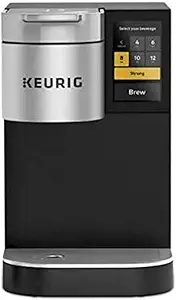 |
Keurig K-2550 Commercial Coffeemaker

| Compatible Coffee Pods | K-Cup |
|---|---|
| Cup Sizes | 4, 6, 8, 10, 12 oz |
| Operation Mode | Fully Automatic |
| Filter Type | Reusable |
The Keurig K-2550 is a commercial-grade single-serve brewer built to deliver quick, customizable beverages in a medium office or busy shared space. It accepts K-Cup pods and offers five cup sizes plus a STRONG setting to boost brew strength, and it can be plumbed to a water line or used with a 110 oz reservoir for flexible installation. The high-resolution touchscreen and brew-over-ice capability make it simple for staff to select drinks, and internal drainable tanks and non-porous surfaces ease cleaning and relocation. As a commercial unit it produces a single cup in about a minute and supports a wide variety of pods from major brands. Limitations to consider are its single-serve focus—it is not designed for batch brewing—and its reliance on K-Cup pods may be less attractive to buyers who prefer ground coffee or lower-waste options. The machine's size and commercial orientation also mean it is overkill for small households but well suited where speed, ease of use, and plumbed water reliability matter most.
Best for: Buyers who need a reliable, fast single-serve brewer for a medium office or high-traffic shared space and prioritize easy maintenance and plumbed water hookup.
Less Ideal for: Home users who want to brew large pots or people who prefer ground coffee, low-waste brewing methods, or a compact, low-capacity machine.
- Plumbable to a water line or usable with a 110 oz reservoir for installation flexibility
- Five cup sizes and a STRONG setting for quick beverage customization
- Hi-res touchscreen interface makes selections fast and intuitive
- Built for commercial hygiene with non-porous materials and drainable internal tanks for easy cleaning
- Designed only for single-serve pod brewing, not for batch or carafe brewing
- Uses K-Cup pods which generate more waste and limit use of loose grounds
Verdict: Choose the K-2550 when you need a commercial single-serve brewer that can be plumbed for continuous, low-maintenance service in a medium business setting.
Waring Café Deco WCM50P

| Operation Mode | Fully Automatic |
|---|---|
| Wattage | 1800 watts |
| Voltage | 120 volts |
| Coffee Maker Type | Pour Over |
| Filter Type | Paper |
The Waring Café Deco WCM50P is a heavy-duty pour-over coffee brewer built for high-volume settings where continuous hot coffee is needed. It brews up to 3.9 gallons per hour and accepts large 64 oz decanters, while offering both pour-over operation and automatic refill to keep service moving without constant attention. Individually controlled upper and lower warmers with self-regulating temperature control keep brewed coffee hot and the upper warmer has guardrails to reduce spills. Stainless steel construction makes daily wipe-downs straightforward in a commercial environment, and a front-mounted faucet provides hot water on demand for tea or cleaning. At 1800 watts with button controls and NSF certification, it is intended for restaurants, cafes, catering, and office beverage stations that need dependable output. The unit is not a compact home machine and requires counter space and electrical capacity typical of professional equipment, and decanters are sold separately which adds to setup cost for new installs.
Best for: Buyers who need a robust, performance-focused coffee brewer for commercial or high-traffic water-line setups where continuous brewing, hot-water access, and reliability are top priorities.
Less Ideal for: Casual home users or buyers with limited counter space and residential electrical setups should consider smaller household machines instead.
- High throughput: brews over 3.9 gallons per hour for sustained service
- Dual individually controlled warmers maintain serving temperature and reduce waste
- Durable stainless steel body that cleans easily for commercial environments
- Front-mounted faucet supplies hot water without disturbing brewing or decanters
- Designed for commercial use so it is large and requires dedicated counter and power capacity
- Decanters are not included, increasing total setup cost
Verdict: Choose the Waring Café Deco WCM50P when you need a rugged, high-throughput pour-over brewer with built-in warmers and hot-water access for a busy commercial water-line installation.
NUPANT Dual Drip Commercial Coffee Maker

| Wattage | 3220 watts |
|---|---|
| Voltage | 120 volts |
| Operation Mode | Fully Automatic |
| Capacity | 3.6 liters |
| Filter Type | Paper |
This NUPANT dual-station commercial coffee maker is built to keep coffee flowing in busy settings by brewing two 1.8 L pots (3.6 L total) and maintaining four glass decanters on individual warmer plates. It connects to a water line for automatic refill or can be filled manually, and the machine claims a 7-minute brew time per 3.6 L cycle, letting you serve continuously during peak periods. Construction uses 304 stainless steel for the housing, funnel, and boiler components, and included stainless-steel and paper filters simplify cleanup. Practical controls and status lights make operation straightforward, and overheat protection helps avoid damage if the unit runs dry. Expect real-world limits: the warming plates can get very hot, there is no automatic shutoff, and the unit is large and power-hungry, so it needs a proper counter location and mindful operation to avoid energy waste. For restaurants or offices that need steady, high-volume drip coffee with hands-free water replenishment, this machine delivers reliable throughput but requires routine descaling and cautious handling of hot surfaces.
Best for: Buyers who prioritize consistent, high-volume hot coffee service and want a plumbed, low-intervention brewer for restaurants, offices, or event stations.
Less Ideal for: Home users with limited counter space or anyone seeking a low-power, automated machine with auto-off and lower temperature warmers should consider smaller or different models instead.
- Auto-fill water-line connection for hands-free continuous brewing
- Dual-station design brews two pots quickly to maintain high output
- Four individual warmer plates with separate controls to keep multiple carafes hot
- 304 stainless steel construction for durability and easier cleaning
- No automatic shutoff so the unit must be turned off manually to save energy and for safety
- Warming plate surfaces reach high temperatures and can pose a burn risk if touched
Verdict: Choose this machine when you need a durable, plumbed commercial brewer that reliably produces large quantities of drip coffee with minimal manual refilling.
VEVOR 12-Cup Commercial Drip Coffee Maker

| Capacity | 2.8 liters |
|---|---|
| Operation Mode | Fully Automatic |
| Voltage | 110 volts |
| Filter Type | Reusable |
This VEVOR commercial drip machine is built for simple high-volume brewing where you need steady hot coffee on demand. It uses an automatic water intake and mechanical controls to brew roughly 12 to 13 cups in about six minutes into three glass carafes, with three warmer plates to hold pots at serving temperature. The removable stainless steel funnel and stainless exterior make cleanup straightforward, and the reusable filter keeps operating costs lower than single-use filters. In practice it is suited to an office, cafe, or event setting where multiple pots are served throughout the day and speed matters. Limitations include a basic control set with no programmable scheduling or strength presets, and plastic/glass carafes and exposed warming plates that require careful handling. Expect a straightforward commercial-style brewer that emphasizes capacity and uptime rather than precision brewing features or consumer conveniences.
Best for: Buyers who need an inexpensive, high-capacity brewer that reliably delivers multiple hot pots for workplace or small commercial use and prioritize throughput over advanced controls.
Less Ideal for: Home users seeking precision coffee features, built-in grinders, or programmable scheduling should consider consumer-focused machines instead.
- Brews a full 12-cup batch in around six minutes, suitable for busy service periods
- Three glass carafes with three independent warmer plates keep multiple pots hot and available
- Automatic water intake simplifies refill and continuous brewing for back-to-back pots
- Removable stainless steel funnel and reusable filter reduce ongoing consumable costs and ease cleaning
- Stainless steel body offers durable, commercial-oriented construction
- No programmable timer or brew-strength controls for scheduled or customized brewing
- Glass carafes and exposed warmer plates need caution to avoid spills and breakage
- Relatively basic interface and features compared with consumer programmable brewers
Verdict: Choose this unit if you want a budget-minded commercial brewer that quickly produces multiple hot pots and stays ready with three warmer plates.
Brew Express BE-110 BS 10-Cup

| Capacity | 10 cups |
|---|---|
| Wattage | 1400 watts |
| Operation Mode | Fully Automatic |
| Human Interface Input | Touchscreen |
| Filter Type | Reusable |
The Brew Express BE-110 BS is a built-in drip coffee system that connects directly to a household water supply so you do not need to add water manually. It brews from a single cup up to a full 10-cup carafe using a programmable timer and touchscreen controls, and it spreads water evenly across the grounds for consistent extraction. Because it is hard-wired and plumbed, the unit is intended for permanent installation in a recessed mounting box and saves counter space compared with counter-top machines. Practical conveniences include a reusable filter, pause-and-brew infrared sensor to remove the carafe mid-cycle, a soft-blue nightlight, and a redesigned carafe that retains heat better for serving in another room. Limitations are that installation requires plumbing and electrical work and optional mounting accessories may be needed for retrofit installs, so it is not a plug-and-play replacement for a portable maker. The 1400 watt heating system promises quick brew times, but servicing or relocating the unit is more involved than with freestanding machines.
Best for: Buyers who prioritize a permanently installed, low-maintenance coffee setup that reliably delivers scheduled coffee without daily water refilling.
Less Ideal for: People who need a simple plug-and-play or portable coffee maker or who cannot accommodate a hard-plumbed installation.
- Self-filling connection to home water supply eliminates manual water refills
- Programmable timer and touchscreen for scheduled brewing
- Reusable filter reduces ongoing filter purchases
- Pause-and-brew sensor lets you remove the carafe mid-cycle without spills
- Recessed built-in design saves counter space and includes rough-in box
- Requires hard plumbing and electrical installation which increases setup complexity
- Not portable and more difficult to service or relocate than countertop models
Verdict: If you want a reliable, permanently plumbed coffee system that delivers scheduled 10-cup brews without ever adding water, this built-in Brew Express unit is a practical choice.
Keurig K-2500 Commercial Coffee Maker

| Wattage | 1500 watts |
|---|---|
| Coffee Input Type | K-Cups |
| Capacity | 12 ounces |
| Operation Mode | Fully Automatic |
| Other Special Features | Plumbed Water Source, Strong Brew, Touch-Screen, Commercial Rating |
The Keurig K-2500 is a commercial single-serve brewer built for steady office use and optional plumbed installation. It accepts K-Cup pods, offers five cup sizes up to 12 ounces, and includes a STRONG setting for a bolder cup, plus a Brew Over Ice option for cold beverages. The 1500-watt brewer is aimed at fast service, producing hot or cold drinks in under a minute and supporting continuous use when plumbed in. The touchscreen and serviceable modules simplify daily operation and maintenance, and the unit meets NSF-4 cleaning standards through UL EPH classification. Trade-offs are its single-serve pod format, which creates more waste than bulk-brew systems, and the commercial footprint and power draw that may be overkill for very small households. For offices or hospitality settings that need quick, consistent single-serve drinks and the convenience of a water line, the K-2500 delivers reliable performance and easy servicing.
Best for: Buyers seeking a reliable, fast single-serve brewer for offices or light commercial settings who prioritize consistent performance and the convenience of a plumbed water line and easy servicing.
Less Ideal for: Those who want a large-batch brewer for serving many people at once or buyers focused on low-waste brewing and minimal power draw should consider alternatives.
- Plumbed or optional reservoir installation enables continuous brewing without refilling
- Five cup sizes and STRONG setting let users customize strength and volume
- Fast cycle time, brewing hot or cold beverages in under one minute
- Touchscreen controls and serviceable modules simplify operation and maintenance
- Uses K-Cup pods only, which produce more single-use waste compared with bulk brewing
- Commercial power and size may be unnecessary for small homes or occasional use
Verdict: Choose the K-2500 when you need a fast, serviceable single-serve commercial brewer that can be plumbed for continuous, low-touch operation.
Choosing the Right Coffee Maker with Water Line: Key Factors to Consider
Plumbing Compatibility
Confirm the machine's required inlet fitting size and the recommended water pressure range before installation. Some units accept a standard 1/4-inch quick-connect, while others require a threaded adapter; not all home supply lines match those fittings. Mismatched fittings can add cost and delay if you need extra adapters or a plumber.
Also check whether the coffee maker expects a dedicated cold-water line or can share a line with other appliances. Shared lines can reduce available flow during peak demand and might affect brew consistency. Planning for a nearby shutoff valve and easy access to connections makes future servicing and winterization simpler.
Filtration and Water Treatment
Hard water causes scale buildup that shortens component life and degrades flavor. Machines that support an inline filter cartridge or have integrated filtration ports make it easier to control dissolved minerals and chlorine taste. Consider whether the unit uses replaceable cartridges, a bypass option, or requires a separate external filter system.
Also think about the ongoing cost and frequency of filter changes. A good filtration pathway reduces descaling frequency and protects internal pumps and valves. If your water has known quality issues, choose a model that makes adding or accessing a filter straightforward.
Installation Complexity and Professional Needs
Some coffee makers are designed for DIY installation with quick-connect fittings and clear instructions, while others expect professional plumbing work. Evaluate whether the unit includes installation hardware, a clear diagram, and a recommended placement for the line and shutoff. If you are not comfortable working with household plumbing, factor in the likely time and cost of hiring a licensed plumber.
Also consider the routing of the supply line. Tight cabinetry or island placements can require longer tubing runs and added fittings. Machines that minimize required clearance around the inlet simplify installation and reduce the chance of leaks from stressed connections.
Maintenance Access and Serviceability
Regular descaling and occasional valve or pump service are normal for water-line coffee makers. Look for designs with accessible water paths, removable panels, or clear service points so routine maintenance does not require full disassembly. Units that allow easy flushing of the line and simple filter swaps will reduce downtime.
Check for straightforward instructions on backflushing, filter replacement intervals, and component accessibility. If replacement parts are modular and user-replaceable, you will likely have lower long-term ownership effort and cost. Good documentation and labeled service ports are especially helpful for non-technical users.
Flow Control and Brew Consistency
Stable water flow is critical to consistent extraction and predictable brew strength. Machines with regulated inlet valves, pressure compensation, or internal buffering tanks deliver more consistent pours than those directly dependent on line pressure. Consider whether the model provides adjustable flow or pre-infusion features that let you fine-tune extraction.
Water-line setups can mask problems if line pressure fluctuates, so models that list acceptable pressure windows and include pressure-regulating components are easier to keep producing uniform results. Consistent flow also reduces channeling and uneven extraction during high-volume periods.
Leak Detection and Safety
A connected water line introduces a potential leak point in your kitchen. Prefer machines that include built-in leak detection, drip trays with overflow sensors, or clearly defined shutoff valves. Visible access to the connection makes it easier to spot early signs of wear or mineral buildup that could lead to leaks.
Also assess electrical and plumbing separation recommendations in the manual. Units intended for integrated installation often specify minimum clearances and grounding procedures to reduce water-related hazards. Prioritizing safety features protects both the appliance and surrounding cabinetry.
Preparing Your Kitchen for a Water-Line Coffee Maker
Before buying, map where the cold-water shutoff and supply line will sit relative to the coffee maker. Identify a nearby accessible valve so you can isolate the machine for service without shutting off water to the rest of the house. Clear access under counters or behind cabinetry will speed installation and future maintenance.
Think about the length and routing of the supply tubing. Long runs mean more fittings and a higher chance of pressure loss. If your intended location is distant from existing plumbing, plan for additional rigid or braided tubing and consider whether the unit's inlet fitting type matches common home plumbing standards in your area.
- Locate a dedicated shutoff near the installation point
- Measure tubing run and allow slack for cabinet movement
- Ensure electrical outlet placement follows manufacturer clearance guidance
Inline Filters: Types and Tradeoffs
Inline filtration can include carbon filters, scale-reducing cartridges, or combined sediment and taste-treatment elements. Carbon-based cartridges are good for improving taste and odor, while scale-reducing filters help protect internal plumbing from mineral buildup. Decide which performance outcome matters most for your water profile.
Consider ease of replacement and replacement frequency. Cartridge changes that require removing panels or disconnecting plumbing are more labor-intensive. Some systems use accessible quick-change housings that snap into place under the sink or behind the unit for minimal fuss.
- Carbon filters improve flavor and chlorine removal
- Scale inhibitors extend service life of pumps and valves
- Quick-change housings reduce downtime during maintenance
Practical Tips for Long-Term Reliability
Schedule regular descaling based on your water hardness and the manufacturer's recommendations. Even with filtration, mineral-rich water can accumulate over time. Creating a maintenance calendar and keeping spare filter cartridges on hand prevents unexpected downtime.
Inspect inlet fittings periodically for mineral deposits and signs of minor leaks. Tighten connections to the manufacturer torque recommendations, and replace any worn washers or O-rings promptly. These small checks prevent larger failures and maintain consistent brew quality.
- Set a calendar reminder for filter changes and descaling
- Keep spare O-rings and common fittings available
- Record line pressure if you notice inconsistent brews
When to Choose a Plumbed Unit Versus a Reservoir Model
A plumbed, water-line unit is ideal if you brew frequently or serve many people and want continuous operation without refilling. It reduces interruptions and delivers more uniform extraction for back-to-back cycles. If you only brew occasionally, a reservoir model might be simpler and avoid plumbing work.
Consider space, installation complexity, and the frequency of use. A hard-plumbed coffee maker brings convenience at the cost of initial setup, whereas reservoir machines trade convenience for portability and simpler maintenance. Match the choice to your daily volume and willingness to manage plumbing.
- Plumbed units excel in high-volume or shared settings
- Reservoir models are better for low-use or portable setups
- Factor installation complexity into overall convenience
How We Chose the Best Coffee Maker with Water Line
We focused on models that genuinely support a dedicated water line connection and deliver reliable, repeatable brewing without requiring frequent manual refills. Our editorial filters prioritized installation practicality, plumbing compatibility, consistent water delivery, and ease of daily upkeep. We evaluated specification details such as inlet fittings and recommended water pressure ranges, the availability of integrated filtration options, tank bypass capabilities, and how each design simplifies or complicates routine cleaning and descaling. We excluded single-serve units that only accept removable water reservoirs and machines that require custom plumbing beyond standard cold-water connections. We also ruled out designs that lack clear manufacturer guidance on water-line installation or that rely solely on proprietary plumbing adapters. Ultimately, selections emphasize dependable flow control, durable internal valves and fittings, straightforward serviceability, and practical features that matter to regular users and small-office settings.
Our full evaluation process is outlined in our review methodology.
FAQ
Do I need a plumber to install a coffee maker with a water line?
It depends on your comfort level and the machine's fittings. Some units are designed for DIY install with quick-connect fittings, but others may need threaded adapters or a shutoff valve relocation. Hiring a plumber ensures correct pressure regulation and leak-free connections.
How often should I change inline filters on a plumbed coffee maker?
Filter change intervals vary by cartridge type and water quality, but a common schedule is every 2 to 6 months. Heavier mineral content and higher usage shorten replacement intervals. Follow the manufacturer's guidance and monitor taste and flow for signs it is time to change.
Will a water line connection improve coffee taste?
A water line itself does not guarantee better taste, but consistent water delivery and proper filtration help maintain stable extraction and remove chlorine or off-flavors. The combination of steady flow and appropriate filtration typically yields more consistent cups over time.
Can I connect a coffee maker to hot water instead of cold?
Most coffee makers are designed to connect to a cold-water supply. Hot-water connections can cause premature wear and allow bacteria growth in some systems. Always follow the manufacturer's specifications for inlet temperature to avoid damage.
What should I do if my brew strength varies after installing a water line?
First check the line pressure and inspect fittings for leaks or partial obstructions. Confirm that the machine's flow regulator or buffering tank is functioning and that filtration media is not clogged. If issues persist, review the installation steps or consult a technician.
Final Verdict
A coffee maker with a water line is a practical upgrade if you brew frequently or need uninterrupted service for multiple users. Prioritize plumbing compatibility, filtration access, and models with clear installation guidance to minimize downtime and keep extraction consistent. Be realistic about installation needs and maintenance commitments because those tradeoffs determine long-term satisfaction. Choose a plumbed unit when you value continuous operation and consistent brew performance; opt for a reservoir model if you prefer simplicity and portability. With the right planning and upkeep, a water-line connection can deliver reliable, hands-off brewing for years.