
Note: This article contains affiliate links. If you click on these links and make a purchase, we may earn a small commission at no extra cost to you. This helps support our research and content. Read our full affiliate disclosure here.
If your home runs on a private well and septic system, a standard dishwasher can create headaches from poor performance, inefficient cycles, or wasted water. Choosing a dishwasher built to handle variable water pressure, low-sediment intake, and septic-compatible wash cycles helps protect your drainfield and saves water over time. This guide shortlists the top dishwasher options for well and septic setups and explains the practical tradeoffs to expect. Below we cover each shortlisted dishwasher and how it performs on the factors that matter most for well and septic homes: water use, pump and pressure tolerance, filtration, and cycle selection. Use the evaluation criteria to match a model to your system constraints and household habits.
Top Picks at a Glance
| Best Overall The best all-around choice for most situations | Kenmore 24" Hybrid Tub Dishwasher |  |
| Best Quality Built to a higher standard if you want something more solid | Sharp SDW6726MS Dishwasher |  |
| Best Value The sweet spot between price and what you get | COMFEE' Countertop Dishwasher CDC22P1BBB | 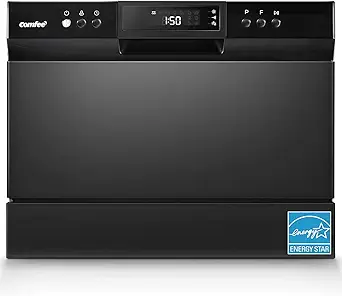 |
| Best Budget The cheapest option that still gets the job done reliably | EUHOMY Countertop Dishwasher DW001-5 |  |
| Top Rated A top-rated pick with lots of positive feedback | AIRMSEN Countertop Dishwasher TDQR03 |  |
| Most Popular A crowd favorite that many people choose with confidence | NOVETE Countertop Dishwasher TDQR01 |  |
| Best Seller A high-volume bestseller chosen again and again | Midea 18" Built-in Dishwasher |  |
Kenmore 24" Hybrid Tub Dishwasher

| Installation Type | Built-In |
|---|---|
| Capacity | 12 load |
| Noise | 54 db |
| Cycle Options | Delay Start, Express Wash, Heated Dry, Normal, Heavy Duty, Eco Wash, Sani Rinse, High Temp |
| Energy Consumption | 240 kilowatt hours per year |
The Kenmore 24" Premium Hybrid Tub Dishwasher aims to deliver dependable cleaning for everyday loads while keeping noise low. Its UltraWash system uses two pressurized spray arms and a three-stage filter to remove stuck-on food, and the SmartWash sensor cycle automatically adjusts temperature, pressure, and time to match soil level. The adjustable MoreSpace upper rack can be lowered or removed to fit taller items, and the unit supports common cycles like Heavy, Eco, Sani Rinse, and Heated Dry. At 54 dBA it runs quietly enough for open kitchens and it is ENERGY STAR certified for reasonable annual energy use. Practical benefits include simplified maintenance with a removable filter, flexible loading for mixed dish types, and a pocket-handle flush front that fits modern kitchens. Limitations to note are the 12-place setting capacity, which may feel tight for larger households, and the 54 dBA rating is quiet but not ultra-quiet compared with premium models that run closer to 40 dBA.
Best for: Buyers who want a balanced, reliable built-in dishwasher for everyday family use and value sensor-driven cleaning with flexible loading and energy efficiency.
Less Ideal for: Large households that need higher capacity or buyers seeking the absolute quietest premium models and top-tier drying performance.
- UltraWash with two pressurized spray arms for stronger cleaning of stuck-on food
- SmartWash soil sensor that adjusts cycle settings automatically
- MoreSpace adjustable upper rack for flexible loading of tall or oddly shaped items
- ENERGY STAR certified for lower annual energy consumption
- 12-place setting capacity may be small for larger families
- Noise level of 54 dBA is not as quiet as higher-end, ultra-quiet dishwashers
Verdict: A practical, energy-efficient 24" built-in dishwasher that balances automated sensor cleaning and flexible loading for everyday households.
Sharp SDW6726MS Dishwasher

| Installation Type | Built-In |
|---|---|
| Noise | 47 db |
| Controls Type | Front Touch Control |
| Water Consumption | 3.5 gph |
| Cycle Options | Economy, Heavy, Normal, Rapid, Rinse |
The Sharp SDW6726MS is a 24-inch built-in dishwasher aimed at buyers who want strong cleaning performance in a relatively quiet package. It uses a three-sprayer system with a dedicated Power Wash sprayer and soil sensors to target heavily soiled pots while automatically adjusting cycles for efficiency. The adjustable third rack expands usable space for flatware and utensils and helps organize mixed loads, while the heated dry option speeds turnaround compared with passive condensation drying. Controls are front touch and the exterior is fingerprint-resistant stainless steel, which keeps the look tidy in an open kitchen. At 47 dB the unit runs quietly enough for open-concept homes. Practical limitations include a 12-place setting capacity, which may be small for very large households, and the product listing focuses on standard built-in plumbing rather than specific well or septic system optimizations, so installers should confirm local drain requirements. For buyers prioritizing targeted cleaning power and a flexible interior in a compact built-in footprint, this model delivers usable features without unnecessary complexity.
Best for: Buyers who prioritize cleaning performance and flexible loading in a compact built-in dishwasher and want a quiet, sensor-driven machine for everyday and heavy-duty cookware.
Less Ideal for: Large households that regularly wash very large loads or buyers who need a dishwasher with documented well- or septic-specific plumbing features.
- Power Wash sprayer and three-sprayer system provide stronger scrubbing on heavily soiled cookware
- Adjustable third rack increases loading flexibility for flatware and small items
- Soil sensors automatically tailor cycles for better cleaning and water efficiency
- Quiet 47 dB operation suitable for open-concept kitchens
- 12-place setting capacity may be limiting for very large households
- No explicit features addressing well or septic-specific drain/installation needs
Verdict: Choose this Sharp if you want a compact built-in dishwasher that combines quiet operation with targeted, sensor-driven cleaning power and flexible loading.
COMFEE' Countertop Dishwasher CDC22P1BBB

| Installation Type | Countertop |
|---|---|
| Capacity | 6 liters |
| Number of settings | 8 |
| Noise | 52 db |
| Voltage | 120 volts |
The COMFEE' CDC22P1BBB is a space-saving countertop dishwasher intended for small kitchens, RVs, and dorms that need a plug-and-play cleaning solution. It holds up to six place settings and offers eight wash programs including Heavy, Baby-Care, ECO, Glass, and a 45-minute Speed cycle, plus an extra-dry function. Installation is simple: use the included inlet/drain hoses and faucet adapter to connect directly to a sink or place it on a counter and use the built-in water tank for no-plumb setups. Practical features include a 360° spiral spray with 12 nozzles on the heavy program, a high-temperature option up to 154°F for sanitizing, and an LED touch display. The unit is Energy Star rated and uses relatively little water per cycle, which helps cut utility use. Trade-offs are its compact capacity—best for 2 to 3 people—and a 52 dB noise level that can be noticeable in very small spaces; it is also heavier than some tabletop units. For buyers prioritizing easy setup, consistent cleaning, and water efficiency, this model delivers a convenient countertop option.
Best for: Buyers who want a ready-to-run, water-efficient countertop dishwasher that saves space and minimizes installation work for small households, apartments, RVs, or seasonal homes.
Less Ideal for: People who need a large-capacity or fully built-in dishwasher for a family of four or larger, or those seeking an ultra-quiet unit for an open-plan studio.
- Compact footprint fits on counters or inside a cabinet cutout
- Eight wash programs including Baby-Care and a 45-minute Speed cycle for flexible use
- High-temperature wash up to 154°F and 12 nozzles for effective cleaning and sanitizing
- Energy Star rated and low water consumption per cycle for efficiency
- Includes hoses and faucet adapter for easy, tool-free installation
- Six-place capacity limits use for larger households or frequent entertaining
- 52 dB operating noise may be noticeable in very small rooms
- At 46 pounds it is heavier than some portable countertop units so moving it frequently is less convenient
Verdict: Choose this COMFEE' countertop dishwasher when you need a compact, easy-to-install, water-efficient cleaner that handles everyday loads for small households.
EUHOMY Countertop Dishwasher DW001-5

| Installation Type | Countertop |
|---|---|
| Capacity | 5 liters |
| Noise | 40 db |
| Number of settings | 6 |
| Water Consumption | 5 gpm |
The EUHOMY countertop dishwasher is a plug-and-play countertop unit that uses an internal 5L tank or an included hose to connect to a faucet for continuous water supply. It offers six programs — Normal, ECO, Quick (29 minutes), Baby Care/Heavy, Fruit, and Dry — and runs at about 40 dB, making it suitable for open apartments or RVs. Dual spray arms provide 360 degree coverage and Baby Care/Heavy reaches higher temperatures for sanitizing items like bottles. Drying includes a 60-minute hot-air phase and an extended automatic ventilation option that can run up to about 73 hours to help prevent odors. The unit fits plates up to roughly 10.25 inches and comes with a cutlery basket and small racks for cups and fruit. Practical limitations are its small 5L tank capacity and countertop footprint, which mean larger pots or big loads will not fit and frequent refilling or faucet hookup is needed for heavy use; it also requires scraping very heavy baked-on residue before washing. For well and septic systems, the efficient small-tank cycles can reduce water use compared with handwashing, but ensure local septic guidelines are followed.
Best for: A buyer who needs a low-cost, no-install countertop dishwasher for apartments, RVs, or small households that prioritizes convenience and low water use over large load capacity.
Less Ideal for: Households that regularly wash large pots, casserole dishes, or full-family loads should choose a built-in or full-size dishwasher instead.
- Built-in 5L tank allows use without permanent plumbing or installation
- Quiet 40 dB operation suitable for open-plan spaces and RVs
- Six program options including a 29-minute quick cycle and high-temp Baby Care/Heavy mode
- Dual spray arms offer 360 degree cleaning coverage for dishes and small cookware
- Extended ventilation/dry mode helps keep dishes odor-free for up to ~73 hours
- Limited internal capacity restricts large or bulky items
- Not intended for heavy soiled pots without pre-scraping
- No self-clean mode on this 6-program variant
Verdict: A compact, budget-friendly countertop dishwasher that delivers quiet, water-efficient cleaning for small households and mobile living.
AIRMSEN Countertop Dishwasher TDQR03

| Installation Type | Countertop |
|---|---|
| Capacity | 1.2 gallons |
| Noise | 50 db |
| Energy Consumption | 950 watts |
| Number of settings | 6 |
The AIRMSEN TDQR03 is a no-hookup countertop dishwasher aimed at households that need a standalone cleaning solution. It uses a built-in 5-liter water tank so you can run cycles without connecting to a faucet, or optionally attach the included inlet hose for direct hookup. The unit offers six settings including Normal, Speed, Glass, Baby Care and Fruit plus extra drying and a 72-hour ventilated storage mode, and its LED touch display makes cycle selection straightforward. Cleaning relies on two spray arms and 14 nozzles with hot wash temperatures up to 167°F, which helps with stubborn food and bottle sanitation. At about 50 dB it is reasonably quiet for countertop use. Practical limitations include modest internal space — sized for a 2–4 person household but tight for larger pots — and the reliance on the onboard tank if you want true portability you must refill it manually. Energy and water use are competitive versus hand washing, but heavy loads or oversized cookware will need pre-rinsing or separate cleaning.
Best for: Buyers who prioritize a reliable, standalone dishwasher solution for homes on wells or septic systems and want appliance-level cleaning without plumbing changes.
Less Ideal for: Large households that need to wash full-size pots, pans, or high-volume loads in a single cycle should consider a larger built-in or traditional dishwasher.
- Built-in 5L water tank allows operation without a faucet hookup
- Multiple specialized cycles including Baby Care and Glass for delicate items
- Hot wash up to 167°F and 14 nozzles for thorough cleaning and bottle sanitation
- Touch LED control panel and interior LED light for easy use and monitoring
- Compact countertop footprint for small kitchens, apartments, and RVs
- Limited internal capacity may not fit large pots or full-family loads
- Requires manual refilling of the tank when used without a water hookup
Verdict: A dependable countertop dishwasher with a built-in tank that provides factory-quality cleaning without a water hookup, ideal for well or septic households needing a plumbing-free solution.
NOVETE Countertop Dishwasher TDQR01

| Capacity | 1.3 gallons |
|---|---|
| Noise | 50 db |
| Cycle Options | Baby Care/Heavy, Heated Dry, Normal, Soft/Fruit, Speed |
| Water Consumption | 5 liters |
| Energy Consumption | 950 watts |
The NOVETE TDQR01 is a portable countertop dishwasher designed for apartments, RVs, and homes without permanent plumbing. It cleans up to four place settings using either the internal 5 L water tank or the included inlet hose to connect to a faucet, and offers five cycles including a Baby Care/Heavy mode that raises wash temperature up to 167°F for sterilizing. Controls are via an LED touch panel and the unit includes upper and lower spray arms, a cutlery basket, storage rack, and a fruit basket so small pots and utensils can be arranged for effective cleaning. After washing the machine can run a 60-minute heated dry and enter a ventilated storage mode that cycles air for 72 hours to reduce moisture and odors. Noise is moderate at about 50 dB and energy use is listed at 950 watts. The compact footprint fits under most cabinets but internal space limits you to roughly four place settings and angled loading for larger plates, so it is best for small households rather than full-family kitchens.
Best for: Buyers who want a ready-to-run countertop dishwasher for a small household, vacation rental, or RV and who prioritize convenience and sanitizing cycles over large capacity.
Less Ideal for: Large families or cooks who need to wash full dinnerware loads or oversized pans should consider a full-size or larger portable dishwasher instead.
- Built-in 5 L water tank lets you run cycles without a faucet connection.
- Five wash modes including a high-temperature Baby Care/Heavy cycle for sterilizing.
- Heated 60-minute dry plus 72-hour ventilated storage to keep dishes dry and odor-free.
- Comes with multiple accessories (cutlery basket, storage rack, fruit basket, inlet and drain hoses).
- Compact footprint fits under most cabinets and works in small spaces or RVs.
- Capacity limited to about four place settings and angled loading for larger plates.
- Consumes up to 950 watts which is higher than some low-power portable models.
- Inner materials are mostly plastic which may show wear sooner than heavier-duty interiors.
Verdict: If you need a compact, plug-and-play dishwasher that sanitizes baby items and stores dishes odor-free, this NOVETE countertop model is a practical choice.
Midea 18" Built-in Dishwasher

| Capacity | 8 place settings |
|---|---|
| Noise | 52 db |
| Cycle Options | Heavy, Normal, ECO, Delicate, Quick, Rinse |
| Voltage | 120 volts |
| Water Consumption | 15.5 gph |
This compact Midea 18-inch built-in dishwasher fits into tight kitchens and apartments while still handling a full 8 place settings. Typical use is everyday dishwashing for plates, glasses, pots and pans using one of six programs (Heavy, Normal, ECO, Delicate, Quick, Rinse) and extra functions like Heated Dry, Hi-Temp and Sanitize for more thorough cleaning. The stainless steel tub and LED digital controls make operation straightforward, and the heated dry reduces towel-drying. It offers a 24-hour delay start and a dedicated glass holder and removable cutlery basket for flexible loading. Expect reasonably quiet operation at 52 dB and modest water use indicated by the listed consumption. The unit is slim but practical for households that need a built-in solution where space is limited; however installation requires a compatible under-counter space and plumbing. For buyers on well or septic systems, the sanitize and high-temperature cycles are helpful for extra cleaning, but check local septic guidelines about temperature and detergent use to ensure compatibility.
Best for: Buyers who prioritize a reliable, space-saving built-in dishwasher for everyday household loads and want straightforward controls and sanitizing options without premium complexity.
Less Ideal for: Large families or users who need higher capacity or the quietest possible operation should consider a larger or quieter model instead.
- Slim 18-inch footprint fits small kitchens and apartments
- Six wash programs plus Hi-Temp and Sanitize for flexible cleaning needs
- Stainless steel tub for durability and better drying performance
- Heated dry function reduces need for towel drying
- 24-hour delay start for off-peak or scheduled runs
- Requires proper under-counter installation and plumbing access
- 52 dB noise level is not the quietest compared with higher-end models
Verdict: A compact, reliable built-in dishwasher that delivers full 8-place cleaning and sanitizing options in a slim footprint ideal for small kitchens and apartments.
Choosing the Right Dishwasher for Well and Septic: Key Factors to Consider
Water Consumption Per Cycle
How much water a dishwasher uses each cycle directly affects both your well recharge rate and the load on the septic system. Lower gallons-per-cycle reduce the frequency of sewage entering the drainfield, which helps avoid saturation and potential failure.
Look for dishwashers with configurable eco or low-water cycles and clear manufacturer disclosure of gallons per cycle. Remember that shorter, repeated cycles can use more water overall than a single full wash, so cycle selection matters as much as the listed efficiency.
Performance at Low Inlet Pressure
Homes on wells sometimes have variable or lower water pressure than municipal supplies. A dishwasher that tolerates lower inlet pressure will fill adequately and maintain spray-arm force for cleaning. Poor low-pressure performance leads to longer cycles, re-washes, and greater water use.
Check the appliance specifications for minimum required inlet pressure and whether the unit has built-in compensating pumps or adaptive fill controls. If your household pressure is borderline, prioritize machines rated for low-pressure operation or those that explicitly support booster installation without voiding warranty.
Inlet Filtration and Sediment Management
Well water can carry sand, silt, and rust particles that damage strainers, valves, and pumps inside a dishwasher. Models with accessible inlet filters, robust strainers, and serviceable sump screens resist premature wear and are easier to maintain in high-sediment environments.
Opt for dishwashers whose documentation shows removable, cleanable screens or accessible sump areas. Regularly inspecting and cleaning these parts prevents clogs that can reduce cleaning performance and increase mechanical stress.
Septic-Safe Cycle Choices
Septic-safe cycles minimize scalding temperatures and excessive detergent use that can disrupt septic bacterial action. Look for extended soak, low-temperature, or eco-wash options that reduce chemical and thermal shocks to the bacterial populations that treat waste.
Models that allow custom cycle programming or have a delicate/soak setting give you control to lower the load on your septic field while still achieving acceptable cleanliness. Avoid frequent use of high-temperature sanitize cycles if septic management is a priority.
Drain and Pump Compatibility
Septic systems and private wells often rely on gravity drains or small lift pumps. Confirm the dishwasher's drain requirements, whether it needs an air gap, and whether its drain pump can handle the vertical lift or distance to your septic connection.
Dishwashers with stronger built-in drain pumps or the ability to connect to existing household drainage systems without backflow risk are preferable. If your setup includes a long run or lift, choose a dishwasher that specifies adequate drain pump head or plan for a separate lift solution.
Cycle Flexibility and Customization
Being able to tailor cycle length, temperature, and detergent dispensing helps you balance cleaning performance with the constraints of a well and septic system. Flexible cycles let you run an eco or soak program when conserving water is essential, or step up to a more intensive cycle when needed.
Dishwashers with delayed start and load-sensing features also help: delayed starts can run cycles at times when well recovery is better, and load sensors adjust water use to the actual soil level, reducing unnecessary water input.
Preparing Your Plumbing and Water Supply
Before installing a dishwasher in a well and septic home, inspect the household water filtration and pressure systems. A whole-house sediment filter upstream of the dishwasher inlet can protect internal strainers and pumps, though it should be sized for appliance flow rates and maintained on a schedule.
Measure your typical inlet pressure and note any pressure fluctuations. If pressure is frequently below the dishwasher's specified minimum, plan for a pressure tank adjustment or consult a plumber about a pressure-boosting solution that preserves appliance warranties and avoids unnecessary cycling of the well pump.
- Install a sediment pre-filter sized to the dishwasher flow rate.
- Verify minimum inlet pressure in the dishwasher manual.
- Consider scheduled maintenance of house filtration to prevent clogging.
Maintaining a Dishwasher on Well Water
Routine maintenance reduces the risk of failures from sediment and mineral buildup. Clean inlet strainers, sump filters, and spray-arm ports regularly, especially if you notice reduced spray performance or longer fill times. Periodic inspection helps catch issues before they strain the pump or motor.
Also monitor for signs of rust or corrosion inside access panels and replace sacrificial parts like inlet screens when they show wear. If your well water is particularly hard, consider a water-softening regimen that is compatible with your septic system to limit scale.
- Clean filters and strainers every 1 to 3 months depending on water clarity.
- Run occasional maintenance cycles with no dishes to flush the system if sediment is suspected.
- Document any pressure or performance abnormalities to share with a service technician.
Detergent and Sanitizing Considerations for Septic Systems
Septic systems rely on bacterial action to break down waste, so detergent choice and sanitizing frequency affect long-term system health. Use phosphate-free, septic-friendly detergents and avoid excessive use of bleach or high-heat sanitize programs unless required for health reasons.
When you must use sanitize cycles, balance frequency against septic loading. Combining gentler cycles with better pre-rinsing and load separation can often maintain hygiene without frequent high-temperature or chemical shocks.
- Choose septic-safe detergents labeled biodegradable and low-phosphate.
- Limit use of bleach and high-temperature sanitize programs.
- Space out heavy-duty loads to avoid repeated shocks to the septic system.
When to Consider External Upgrades
If your well pressure is persistently low or sediment levels are high, external upgrades such as a pressure tank adjustment, a dedicated booster pump, or a larger pre-filtration system may be warranted. These changes protect the dishwasher and household fixtures but should be planned with a plumber or well technician to match system capacity.
External drainage modifications, like adding a larger lift pump for long-run drains, can resolve issues with wastewater discharge. Only pursue plumbing upgrades after confirming that the appliance itself does not allow acceptable operation under adjusted cycle settings.
- Consult a professional before installing booster pumps to avoid frequent well cycling.
- Upgrade pre-filters if sediment regularly clogs the dishwasher inlet.
- Consider a dedicated laundry-style sump if multiple appliances compete for drain capacity.
Practical Tips for Daily Use
Load dishes to avoid blocking spray arms and use the appropriate cycle for soil level. Full but not overpacked loads are more water-efficient than multiple partial cycles. Use delayed start to run a cycle when the well supply has recovered from other household uses.
Run the eco or gentle cycles for routine cleaning and reserve heavy or sanitize cycles for soiled items. Periodic visual checks on spray-arm rotation and spray strength are an easy way to detect early issues related to pressure or clogs.
- Run full loads and avoid repeated short cycles.
- Use delayed start to stagger water demand in the house.
- Inspect spray arms monthly for blockages.
How We Chose the Best Dishwasher for Well and Septic
We prioritized features and specifications that directly affect reliability and environmental compatibility in homes with private wells and septic systems. Key evaluation points included water consumption per cycle, the machine's tolerance for low inlet pressure, and whether the model offers septic-safe or extended soak cycles that reduce the need for multiple short rinses. We also examined inlet filtration and removable-strainer design to limit sediment intake and reduce pump wear when groundwater contains particulate matter. Additional filters included energy and water-efficiency ratings because lower water use reduces strain on septic systems, and cycle flexibility so homeowners can select gentler or longer soak phases. We excluded units that require specialized external plumbing alterations or dedicated booster pumps as primary assumptions included using the household's existing plumbing. We also ruled out models lacking clear documentation on inlet pressure range, filtration, or available sanitize and soak options. The resulting picks balance conservative water use, durable intake filtration, and cycle options suited to septic maintenance and well supply variability.
Our full evaluation process is outlined in our review methodology.
FAQ
Will a dishwasher damage my septic system?
Not if you follow septic-conscious practices. Use low-phosphate detergents, avoid frequent high-heat sanitize cycles, and space heavy loads. Proper water-efficiency and cycle selection minimize stress on bacterial action in the drainfield.
How do I know if my inlet pressure is too low for a dishwasher?
Check the dishwasher manual for minimum inlet pressure and measure your household supply with a gauge. Signs of too-low pressure include long fill times, weak spray arms, or repeated wash failures. If pressure is borderline, a plumber can recommend adjustments or a pressure solution.
Do I need a sediment filter for my dishwasher on well water?
A sediment filter upstream is often a good idea when well water contains visible particulates or causes frequent clogs. Filters protect internal strainers and pumps, but they must be sized correctly and maintained regularly to avoid restricting flow.
Are sanitize cycles harmful to septic systems?
Sanitize cycles that use high heat or strong chemicals can temporarily reduce septic bacterial activity. Occasional sanitize cycles are usually fine, but frequent use is not recommended if septic health is a priority. Balance sanitizing needs with gentler cleaning options.
Can I install a dishwasher if my drain requires a lift pump?
Yes, but confirm the dishwasher's drain pump head rating and whether it will handle the required lift and run length. If not, an external lift pump or modified drain configuration may be necessary. Coordinate changes with a plumber to ensure proper venting and backflow protection.
How often should I clean the dishwasher filter and sump on well water?
Inspect and clean inlet strainers and sump filters every one to three months depending on water clarity. More frequent cleaning is prudent if you notice reduced spray strength, unusual noises, or visible sediment in the sump.
Final Verdict
Choosing the right dishwasher for a well and septic home is about matching the appliance to your water supply and drainage realities. Prioritize low water consumption, reliable performance at your measured inlet pressure, and accessible inlet filtration to reduce sediment-related wear. Factor in cycle flexibility so you can favor septic-safe, lower-temperature, or soak programs when appropriate. Balance the tradeoffs between aggressive cleaning and septic health by using eco or extended soak cycles for routine loads and reserving high-temperature or sanitize options for when they are truly needed. With targeted maintenance and appropriate plumbing preparation, you can get dependable dish-cleaning performance without compromising your well or septic system.