
Note: This article contains affiliate links. If you click on these links and make a purchase, we may earn a small commission at no extra cost to you. This helps support our research and content. Read our full affiliate disclosure here.
Choosing the right fan range hood matters for everyday cooking comfort, grease control, and indoor air quality. The right hood removes smoke, odors, and airborne grease while fitting your ventilation setup and kitchen layout. This guide shortlists the top options for homeowners who need reliable extraction, quieter operation, and easy maintenance. We evaluated models across airflow, noise, installation flexibility, and grease capture to surface practical picks for common kitchen situations. Read on for a concise overview of our top picks and the criteria that drove our selections.
Top Picks at a Glance
| Best Overall The best all-around choice for most situations | Cosmo Vista Collection COS-63175S 30 in. |  |
| Best Quality Built to a higher standard if you want something more solid | Hauslane Chef Series PS10 30" |  |
| Best Value The sweet spot between price and what you get | COMFEE' 30-Inch Range Hood |  |
| Best Budget The cheapest option that still gets the job done reliably | SNDOAS 30 Inch Under Cabinet Range Hood | 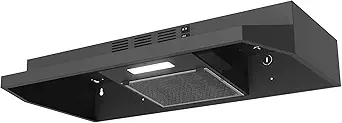 |
| Top Rated A top-rated pick with lots of positive feedback | Broan-NuTone Range Hood 413001 |  |
| Most Popular A crowd favorite that many people choose with confidence | COMFEE' 30 Inch Range Hood CVU30W2AST |  |
Cosmo Vista Collection COS-63175S 30 in.

| Air Flow Capacity | 380 cfm |
|---|---|
| Noise | 45 db |
| Controls Type | Touch |
| Light Source | LED |
| Number of Speeds | 3 |
The Cosmo COS-63175S is a 30-inch wall-mounted canopy hood designed to clear cooking odors and grease with a 380 CFM motor and three fan speeds. It is typically installed with top venting but can be converted to ductless with a separately sold carbon filter kit, making it flexible for different kitchen setups. Soft-touch controls and high-lumen 2W LED lights make operation simple and improve cooktop visibility, while the stainless steel ARC-FLOW baffle filters are permanent and dishwasher-safe for low maintenance. The unit ships with an adjustable stainless chimney, backdraft damper, and basic installation kit including flexible ducting and a 3-prong power cord for straightforward installation. Noise is reasonable at lower speeds (as low as 45 dB under optimal conditions) though peak output is louder. Buyers should note the duct conversion filter is sold separately and that true performance depends on proper ducting and installation. For its size and features, this hood balances performance, easy cleaning, and contemporary styling for everyday home kitchens.
Best for: Home cooks who want a reliable, easy-to-maintain wall-mounted hood that balances strong airflow, simple controls, and dishwasher-safe filters for everyday use in a modern kitchen.
Less Ideal for: Homes needing very high-end commercial ventilation or users who require an out-of-the-box ductless system without buying extra filters should consider other options.
- 380 CFM motor provides effective smoke and odor removal for typical home cooking
- Dishwasher-safe stainless steel baffle filters reduce replacement and upkeep costs
- Soft-touch controls and bright LED lighting simplify operation and improve visibility
- Includes adjustable stainless chimney, damper, and installation kit for straightforward setup
- Ductless conversion requires a separately sold carbon filter kit
- Top performance depends on proper rigid ducting; flexible ducting included may reduce peak efficiency
Verdict: A well-rounded 30-inch wall hood that delivers strong 380 CFM airflow, low-maintenance stainless baffle filters, and simple touch controls ideal for everyday home kitchens.
Hauslane Chef Series PS10 30"

| Air Flow Capacity | 900 cfm |
|---|---|
| Noise | 7 sones |
| Number of Speeds | 3 |
| Controls Type | Touch |
| Voltage | 120 volts |
The Hauslane Chef Series PS10 is a performance-focused 30-inch under-cabinet range hood built to clear heavy cooking smoke and grease quickly. It delivers up to 900 CFM airflow through baffle filters that are removable and dishwasher-safe, which helps keep capture efficiency high and maintenance simple. Three touch-controlled speeds let you dial suction and noise to the job, and two LED light settings improve task visibility without wasting power. The unit is designed for a 6-inch round duct and mounts under cabinetry, with a stainless steel finish that resists staining and is easy to wipe clean. At roughly 7 sones on its higher setting the hood is noticeable when working hard, so it balances power with audible output rather than near-silent operation. Installation requires planning for the duct and a 120V connection, and the hood is sized for typical 30-inch cooktops rather than wider ranges. For cooks who demand strong extraction and straightforward upkeep, this model brings near-professional ventilation in a compact under-cabinet package.
Best for: Home cooks who prioritize strong, reliable extraction for frequent high-heat or greasy cooking and want a durable, easy-to-clean under-cabinet hood.
Less Ideal for: People who need ultra-quiet ventilation or who cannot run a 6-inch ducted vent should consider alternatives.
- High 900 CFM airflow handles heavy cooking smoke and steam effectively
- Dishwasher-safe baffle filters make grease cleanup easy and thorough
- Touch controls with three speeds give simple, precise fan adjustment
- Integrated LED lights with two settings improve cooktop visibility
- Noise level reaches about 7 sones at higher speeds, which is noticeable
- Requires ducted installation with a 6-inch round exhaust which may limit placement
Verdict: Choose this hood if you need near-professional 900 CFM extraction in a compact, easy-to-clean under-cabinet design.
COMFEE' 30-Inch Range Hood

| Air Flow Capacity | 200 cfm |
|---|---|
| Number of Speeds | 2 |
| Noise | 71 db |
| Light Source | LED |
| Ventilation Type | both |
This COMFEE' 30-inch under-cabinet range hood is a compact, no-frills ventilation option for smaller kitchens and apartments. It delivers up to 200 CFM through two push-button speeds, so it can handle light to moderate cooking tasks like simmering, frying, and broiling while the built-in LED provides task lighting over the cooktop. The unit supports both ducted and ductless setups and ships with an aluminum mesh filter plus a carbon composite filter for odor control when used ductless. The metal body and dishwasher-safe mesh make maintenance straightforward, and the slim profile saves cabinet space. Noise at higher speed is listed around 71 dB, so it is noticeably louder on high but acceptable for short cooking bursts. Controls are simple but basic, lacking variable fan increments or a timer. Installation requires standard under-cabinet mounting and typical electrical hookup, and an E26 bulb (not included) is used for lighting. For buyers who want a compact, functional hood without advanced controls or premium quieting, this model covers the essentials effectively.
Best for: Buyers looking to maximize ventilation value in a small kitchen or apartment who prioritize straightforward installation, easy maintenance, and a compact under-cabinet footprint.
Less Ideal for: Those who need very quiet operation, advanced fan controls, or high-end features like variable-speed blower motors and smart controls should consider higher-tier models.
- 200 CFM airflow handles common cooking fumes and odors
- Supports both ducted and ductless installation for flexible setup
- Dishwasher-safe aluminum mesh filter eases cleaning
- Slim under-cabinet design saves space and fits standard 30-inch openings
- Simple push-button controls and integrated LED light for straightforward operation
- Only two fan speeds limits fine control over ventilation
- Higher-speed noise level is relatively loud at about 71 dB
Verdict: A space-saving, practical 30-inch under-cabinet hood that delivers solid 200 CFM ventilation and easy maintenance for compact kitchens.
SNDOAS 30 Inch Under Cabinet Range Hood

| Air Flow Capacity | 230 cfm |
|---|---|
| Mounting Type | Under Cabinet Mount |
| Number of Speeds | 2 |
| Light Source | LED |
| Ventilation Type | convertible |
This SNDOAS 30-inch under-cabinet range hood is a slim, budget-friendly ventilation option for small kitchens and apartments. It provides two fan speeds and a 230 CFM airflow that handles light to moderate cooking fumes, and the rocker switch makes it simple to operate. The unit can be installed as ducted (top or rear venting) or used ductless with the included carbon-filtered mesh, which is convenient when external venting is not available. Integrated LED lighting brightens the cooktop while using less energy than halogen bulbs, and the three-layer aluminum mesh with carbon cotton composite helps capture grease and odors. Because the hood is only 4.7 inches tall it saves space under cabinets and has a painted black stainless-steel look that suits modern kitchens. Expect basic performance rather than restaurant-level extraction, and note the exhaust outlet decision is permanent during installation and the hood is hardwired unless you add an optional power-cord kit.
Best for: Buyers looking for an affordable, space-saving under-cabinet hood for everyday cooking in small kitchens or apartments who prioritize simple installation options and basic ventilation.
Less Ideal for: Homes that require high-extraction ventilation for heavy frying, large cooktops, or frequent high-heat cooking should consider more powerful commercial-style hoods.
- Convertible ducted or ductless installation with included carbon-filtered mesh
- Energy-efficient integrated LED lighting for better cooktop visibility
- Compact, slim profile saves space under cabinets
- Simple two-speed rocker control for easy operation
- 230 CFM provides moderate suction that may be insufficient for heavy-duty cooking
- Requires hardwiring unless you purchase an optional power cord kit
Verdict: A compact, budget-minded under-cabinet hood that delivers useful LED lighting and convertible ducting for light to moderate home cooking.
Broan-NuTone Range Hood 413001

| Mounting Type | Under Cabinet Mount |
|---|---|
| Number of Speeds | 2 |
| Light Source | Incandescent |
| Filter Type | Charcoal |
| Ventilation Type | recirculation |
The Broan-NuTone 413001 is a basic ductless under-cabinet range hood designed to improve kitchen air quality where external ducting is not possible. It uses a replaceable charcoal filter and a two-speed, recirculating fan to capture grease and reduce odors while integrated lighting (accepts up to a 75 W bulb) illuminates the cooktop. Controls are simple rocker-style switches for independent light and fan operation, and the unit can be hardwired or fitted with an optional power cord kit for flexible installation. Practical details such as hemmed bottom edges and mitered sides make cleaning safer and the alloy steel construction feels durable for everyday use. Expect modest airflow and noticeable noise at higher speed since this is an economy duct-free model; it will not move air outside or match the extraction power of ducted hoods. The charcoal filter needs periodic replacement to retain effectiveness, which adds a small ongoing maintenance task. For straightforward, reliable recirculating ventilation and lighting in kitchens without duct access, this model is a dependable, no-frills choice.
Best for: Buyers who need a straightforward, dependable ventilation solution where external ducting is not an option and prioritize reliable everyday performance over high extraction power.
Less Ideal for: Those who regularly cook at high heat, need strong smoke and humidity removal, or can install ducting should choose a ducted range hood with higher extraction capacity.
- Simple two-speed fan with independent light control for easy operation
- Replaceable charcoal filter effectively traps odors and grease in non-ducted installs
- Durable alloy steel construction with hemmed edges for safer cleaning
- Accepts up to 75 W bulb for bright cooktop illumination and flexible lighting choices
- Recirculating design limits removal of heat and humidity compared with ducted hoods
- Modest airflow and noticeable noise on high speed
- Requires periodic purchase and replacement of charcoal filters
Verdict: Choose this model when you need a reliable ductless under-cabinet hood that provides simple, maintenance-based odor and grease control with dependable lighting.
COMFEE' 30 Inch Range Hood CVU30W2AST

| Air Flow Capacity | 200 cfm |
|---|---|
| Number of Speeds | 2 |
| Noise | 71 db |
| Controls Type | Touch |
| Light Source | LED |
This COMFEE' 30-inch slim range hood is a basic under-cabinet vent designed to clear everyday cooking smoke and odors. It offers two fan speeds with a 200 CFM airflow that handles simmering, frying, and broiling at typical home cook levels, and it can be installed ducted or ductless thanks to the included aluminum mesh and activated carbon composite filters. Touch controls and an LED light make operation simple, and the stainless steel body and removable mesh filter are easy to wipe down or pop in the dishwasher. At higher speed the unit is noticeably louder, and 200 CFM is modest for heavy-duty wok or high-BTU cooking, so expect some lingering smells with very intense use. The hood ships with basic mounting hardware and an E26 lamp holder so installation is straightforward for standard cabinet setups. For buyers seeking a space-saving, budget-friendly hood that improves kitchen air for routine cooking, this model offers a practical, no-frills solution.
Best for: Buyers who prioritize proven customer feedback and want an affordable, space-saving under-cabinet hood that reliably improves air for everyday home cooking.
Less Ideal for: Homes that require high-capacity ventilation for heavy commercial-style cooking or open-plan kitchens needing powerful extraction should consider higher-CFM models.
- Convertible ducted or ductless installation with included filters
- Simple touch controls and integrated LED light for easy use
- Slim stainless steel design fits under cabinets and is easy to clean
- Removable aluminum mesh filter is dishwasher-safe
- Maximum airflow (200 CFM) is modest for very high-heat or heavy wok cooking
- Noise level increases noticeably on the high speed (listed at 71 dB)
Verdict: A compact, budget-friendly 30-inch hood that delivers reliable ventilation for routine home cooking with simple controls and convertible installation.
Choosing the Right Fan Range Hood: Key Factors to Consider
Airflow Capacity
Airflow capacity, usually listed in cubic feet per minute, determines how quickly a fan range hood can remove smoke, steam, and odors from the kitchen. Higher CFM values clear air faster, which helps during high-heat cooking like searing or frying. However, excessive CFM can be noisy and may require larger ductwork for optimal performance.
Match airflow to your cooktop and kitchen size. For typical home ranges, choose a hood with enough CFM to handle your most intense cooking sessions without oversizing the system beyond what your ducting and noise tolerance will support.
Noise and Acoustic Performance
Noise matters because the hood runs while you cook and often while guests are present. Look for measured noise levels at normal and boost speeds. Lower decibel ratings mean a more pleasant cooking environment; quiet designs use efficient motors and better insulation to reduce perceived sound.
Also consider fan placement and whether the hood supports remote blower or ducted configurations, which can significantly lower in-kitchen noise by moving the loudest components away from the cooking area.
Grease Filtration and Capture
Effective grease capture prevents buildup inside ducts and on cabinetry, and reduces cleaning frequency. Hoods use baffle, mesh, or specialized filters; baffle filters tend to trap grease well and are durable, while mesh filters can be lighter but require frequent cleaning. Filter design also affects airflow resistance, so balance filtration efficiency against the hood's rated CFM.
Easy-to-remove, dishwasher-safe filters make maintenance less of a chore and help preserve long-term performance and indoor air quality.
Installation Type and Venting Options
Installation flexibility affects where and how you can place a fan range hood. Common options include ducted vents to the outside or recirculating setups that filter and return air indoors. Ducted installations typically deliver the best ventilation but need compatible ductwork and sufficient clearance. Recirculating hoods are easier to install where exterior venting is impractical but depend heavily on filter quality.
Consider ceiling height, cabinet layout, and available duct runs. Check whether the hood supports different canopy sizes or remote blowers if you need lower in-cabinet noise or higher performance.
Control and Feature Set
Controls affect day-to-day usability. Look for straightforward fan speed steps, an accessible light switch, and timed blower options if you like automatic run-down features. Electronic controls and indicator lights add convenience but can be harder to service than mechanical switches.
Additional features like variable-speed fans, heat sensors, and LED lighting can improve the cooking experience, but prioritize core ventilation performance and durability when choosing which extras matter most.
Build Quality and Materials
A range hood is a long-term appliance that should withstand heat, grease, and frequent cleaning. Stainless steel construction resists corrosion and cleans easily, while lower-cost finishes may show wear faster. Check the quality of welds, seams, and the robustness of mounting hardware.
Solid build quality reduces vibration and noise and helps ensure the unit maintains its fit and finish over years of use.
Matching Hood Size to Your Cooktop
Choose a hood width that aligns with your cooktop for effective capture. A hood that is at least as wide as the cooking surface provides better containment of smoke and grease. For island installations, overhang and projection become more important because the hood must intercept rising fumes before they disperse.
If you have a professional-style range with larger burners, consider a slightly wider or more powerful hood to handle higher heat output. For smaller cooktops, a compact hood with the right airflow can be quieter and more energy efficient.
- Hood width should match or exceed cooktop width
- Island hoods need sufficient projection to catch fumes
- Higher-output burners often require higher CFM or wider coverage
Ducting Considerations and Best Practices
Duct layout strongly influences performance. Short, straight duct runs with gradual turns preserve airflow and reduce noise. Smooth-walled ducts perform better than heavily ridged flexible ducts. When planning installation, minimize the number of elbows and restrictors between the hood and the outside vent.
Use the largest practical duct diameter the hood supports. Undersized ducts increase static pressure, which reduces effective airflow and can raise noise. Where possible, route ductwork from the hood to an exterior wall or roof in a way that balances performance with installation cost.
- Prefer short, straight duct runs
- Use smooth-walled ducts over highly corrugated flexible ducts
- Choose the largest supported duct diameter for lower resistance
When to Choose Ducted Over Recirculating
Ducted setups vent fumes and moisture outside and generally provide superior ventilation and odor removal. If external venting is feasible given your home layout, it is the preferred option for the best indoor air quality. Ducted systems also tend to produce less in-kitchen noise when the blower is mounted remotely.
Recirculating hoods are a practical alternative when exterior venting is impossible. They rely on high-quality filters to remove grease and odors, but they do not remove humidity. If you choose a recirculating model, plan for more frequent filter changes and ensure the hood offers strong filtration performance.
- Ducted: best for odor and moisture removal
- Recirculating: good when exterior venting is impractical
- Recirculating setups need stronger filters and more maintenance
Maintenance Tips to Preserve Performance
Regular cleaning keeps a fan range hood operating efficiently. Clean or replace filters based on the manufacturer's recommendations and your cooking habits. Grease buildup reduces airflow and can cause odors or smoke to linger in the kitchen.
Wipe down the hood exterior frequently and schedule deeper cleaning of internal baffles and fan housings as needed. Check duct terminations outside for obstructions and make sure backdraft dampers move freely to prevent infiltration when the hood is off.
- Clean filters regularly; dishwasher-safe filters save time
- Inspect ducts and vents annually for buildup
- Keep exterior vent caps clear of debris and nests
Lighting and User Convenience
Integrated lighting improves visibility while you cook. Look for bright, energy-efficient LED lamps with even coverage across the cooking surface. Lighting controls should be easy to reach and operate even when the hood is installed at higher clearances.
User-friendly features such as delay timers, memory speed settings, and simple filter indicators enhance everyday use. Balance these conveniences against the core ventilation needs to select a hood that fits both functional and lifestyle preferences.
- LED lights offer long life and low heat output
- Simple, intuitive controls reduce user frustration
- Timers and memory settings add convenience for frequent cooks
How We Chose the Best Fan Range Hood
We focused on measurable performance and real-world usability when picking the six fan range hoods included here. Priority went to airflow capacity as measured in cubic feet per minute and how effectively the fan moves smoke and cooking fumes for typical home kitchens. Noise levels at normal and boost speeds were used to judge user comfort during cooking. Grease capture and filter design were evaluated for both effectiveness and ease of cleaning, since long-term maintenance affects performance. Installation versatility was considered, including ducted and recirculating options, mounting type, and the clarity of required clearances. We also checked construction quality and controls for durability and user convenience. We excluded models that lack clear performance specs or that rely on undocumented engineering claims. Purely decorative hoods without adequate ventilation capacity were not considered. Our selection favors balanced designs that pair practical extraction with manageable noise and straightforward upkeep.
Our full evaluation process is outlined in our review methodology.
FAQ
How loud should a kitchen hood be during normal use?
Normal operating noise often ranges from quiet background levels up to moderate noise on higher speeds. Look for measured decibel ratings and compare normal-speed numbers if you want a quieter daily experience. Remote blowers or lower RPM motors can reduce in-kitchen noise significantly.
Can I install a fan range hood myself?
Installation depends on the hood type and your existing ductwork. Simple under-cabinet or recirculating units can be DIY for someone with basic tools, but ducted installations, new roof or wall penetrations, and electrical hookups often require professional help to meet code and ensure safe operation.
How often should I clean or replace filters?
Frequency depends on cooking style. Heavy frying or daily cooking may require cleaning mesh or baffle filters monthly, while lighter use may allow quarterly cleaning. Recirculating charcoal filters usually need replacement on a set schedule defined by the manufacturer.
Will a more powerful hood always improve air quality?
Higher airflow can clear fumes faster, but only if ducting, hood placement, and duct size support that capacity. Oversized airflow with undersized ducts may reduce effectiveness and increase noise. Balance CFM with proper ductwork and placement for the best results.
Is a vent to the roof better than a vent to the wall?
Both can work well. Roof vents are common where duct runs travel upward, while wall vents are preferable for shorter, horizontal runs. The key is a short, straight path to the outside with minimal turns to preserve airflow regardless of direction.
Final Verdict
Pick a fan range hood by prioritizing the ventilation needs of your cooktop and the layout of your kitchen. Focus first on matched airflow and proper ducting, then weigh noise performance, grease capture, and installation flexibility. Consider maintenance demands and choose a filtration approach that fits whether you plan to vent outside or recirculate. With those tradeoffs in mind, you can confidently select a hood that balances performance, quiet operation, and easy upkeep for years of reliable kitchen ventilation.