
Note: This article contains affiliate links. If you click on these links and make a purchase, we may earn a small commission at no extra cost to you. This helps support our research and content. Read our full affiliate disclosure here.
If your home uses a septic system, choosing the right garbage disposal matters more than in homes on municipal sewers. The wrong unit can overload bacteria, increase pump frequency, or lead to clogs and costly maintenance. You need a disposal that grinds food waste finely, limits water and grease load, and operates quietly and reliably. This guide shortlists the top garbage disposals designed with septic-safe performance in mind. We evaluated units based on grinding efficiency, impact on septic biology, noise and durability, and installation compatibility. Read on to understand the tradeoffs and find the style and features that fit your kitchen and septic system needs.
Top Picks at a Glance
| Best Overall The best all-around choice for most situations | KRAUS WasteGuard 1 HP Disposal |  |
| Best Quality Built to a higher standard if you want something more solid | American Standard ASD-1250 Disposal |  |
| Best Value The sweet spot between price and what you get | GE Disposall GFC720N |  |
| Best Budget The cheapest option that still gets the job done reliably | Waste King L-111 1/3 HP Disposal |  |
| Top Rated A top-rated pick with lots of positive feedback | InSinkErator Evolution Pro PRO750 |  |
| Most Popular A crowd favorite that many people choose with confidence | Waste King L-1001 1/2 HP Disposal |  |
| Best Seller A high-volume bestseller chosen again and again | InSinkErator Badger 5 1/2 HP | 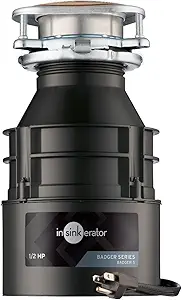 |
KRAUS WasteGuard 1 HP Disposal

| Power | 1 HP |
|---|---|
| Motor speed | 3800 RPM |
| Voltage | 120 volts |
| Mount | Universal 3-bolt |
The KRAUS WasteGuard 1 HP is a continuous-feed garbage disposal built for powerful, everyday kitchen cleanup. Its 3800 RPM MagnaGrind permanent-magnet motor reaches speed quickly to grind tougher scraps and the continuous-feed design lets you add waste while it runs, which speeds dishwashing and meal prep cleanup. QuietStorm soundproofing and an anti-vibration mount noticeably reduce noise and rattle compared with basic units, and the included power cord, flange, splash guard, and dishwasher connector make DIY installation straightforward with the universal 3-bolt mount. Durable metal grinding components inside an ABS grinding chamber aim to resist corrosion and odor, and an automatic shut-off with reset protects the motor during jams. For septic-system households, the unit is labeled septic-safe and should help reduce bagged kitchen waste. Expect a relatively compact footprint and solid grinding performance, though very heavy-duty commercial use or repeatedly disposing of large bones may push its limits and require more robust models.
Best for: Home cooks who want a quiet, high-speed disposal that handles regular household food waste and fits an easy DIY installation approach while being suitable for septic systems.
Less Ideal for: Users seeking a commercial-grade disposer for constant heavy-duty use or those who plan to grind large bones and exceptionally hard waste regularly.
- Powerful 3800 RPM permanent-magnet motor for fast grinding
- QuietStorm soundproofing and anti-vibration mount reduce noise
- Continuous-feed design allows adding scraps while running
- Includes power cord, flange, splash guard, and dishwasher connector for easy DIY install
- Designed to be septic-safe and reduce kitchen waste sent to trash
- Not intended for heavy commercial use or frequent grinding of large bones
Verdict: A quiet, fast 1 HP continuous-feed disposal that balances strong grinding performance with septic-safe design and easy DIY installation.
American Standard ASD-1250 Disposal

| Horsepower | 1.25 HP |
|---|---|
| Installation Method | 3-Bolt |
| Voltage | 110 volts |
| Material | Stainless Steel |
| Included Components | Food Waste Disposer, Removable Splash Guard, Attached Power Cord, Stopper, Silver Guard |
The American Standard ASD-1250 is a performance-focused household garbage disposer designed to grind a wide range of food scraps, from coffee grounds to small bones, and route the resulting particles into the drain. Powered by a 1.25 horsepower motor and built with a stainless steel grind chamber, it is intended for regular kitchen use where higher grinding power and durability matter. The 3-bolt mount simplifies installation or replacement under most sinks and the unit includes a removable splash guard, attached power cord, and stopper for immediate setup. Practical features include an integrated odor protection system to reduce smells and a magnetic Silver Guard that helps catch dropped metal items, plus a front reset button for overload protection. The disposer is rated safe for septic systems in the product description and the stainless chamber carries a lifetime corrosion warranty, which supports longevity in septic use. Downsides are typical for high-power disposers: it is a heavier, more robust unit that may require basic electrical and mounting checks during installation and it does not list sound insulation features.
Best for: Buyers who prioritize robust grinding performance and long-term durability for a septic-safe kitchen disposal will appreciate this unit for frequent meal prep and heavy-duty use.
Less Ideal for: If you need a compact, ultra-quiet unit or plan minimal installation effort without any electrical or mounting checks, consider a lighter or sound-rated alternative.
- Powerful 1.25 HP motor capable of handling tough food waste
- Corrosion-resistant stainless steel grind chamber with lifetime warranty against corrosion failure
- Standard 3-bolt mount for straightforward replacement installs
- Built-in odor protection to reduce kitchen smells during regular use
- Front reset button and magnetic guard add practical safety and protection
- No specific noise reduction or sound-dampening features mentioned
- Relatively heavy and may require careful handling during installation
Verdict: A sturdy, high-power disposal built for reliable, septic-safe food grinding and long-term corrosion resistance.
GE Disposall GFC720N

| Motor | 3/4 horsepower |
|---|---|
| Speed | Over 2,700 RPM |
| Grind chamber capacity | 32 ounces |
| Material | Stainless-steel grinding components |
The GE GFC720N is a powerful 3/4 HP continuous-feed disposer built for regular kitchen cleanup and family cooking. It grinds food waste at more than 2,700 RPM using stainless-steel, jam-resistant dual swivel impellers and a two-level precutter to reduce scraps to small particles that are safer for septic systems. Practical features include Drain Boost technology to help move waste through the drain, sound-reduction design for quieter operation, and a large 32-ounce grind chamber so you can handle bigger loads between rinses. The unit ships with a three-bolt mount adapter and sink flange for straightforward DIY installation and has a manual-reset overload protector and splashguard for simple maintenance. Expect robust performance on vegetable peels, fruit pits, and small bones, but note this model is non-corded so electrical hookup beneath the sink or hardwiring is required. For homeowners focused on reliable grinding and fewer clogs, the GFC720N delivers consistent, septic-friendly particle reduction with a practical feature set.
Best for: Homeowners who want a sturdy, high-speed disposal that reliably breaks food into septic-safe particles and who prefer a practical, do-it-yourself install and maintenance approach.
Less Ideal for: Buyers who need a plug-and-play corded unit or who prioritize the longest available manufacturer warranty should look elsewhere.
- Powerful 3/4 HP motor with over 2,700 RPM for effective grinding
- Stainless-steel grinding impellers and turntable for durability and rust resistance
- Drain Boost technology and anti-jam design reduce clogs and help move waste through the drain
- Large 32-ounce grind chamber handles bigger loads before needing to rinse
- Includes 3-bolt mount adapter and sink flange for easier DIY installation
- Non-corded design requires hardwiring or adding a power outlet under the sink
- Manufacturer warranty listed as 1 year which is shorter than some premium models
Verdict: Choose the GE GFC720N when you need a high-speed, durable disposer that grinds food into smaller particles well suited for septic systems while remaining straightforward to install and maintain.
Waste King L-111 1/3 HP Disposal

| Motor | 1/3 HP permanent magnet |
|---|---|
| Speed | 1,900 RPM |
| Operation | Continuous feed |
| Power | 115 volts |
The Waste King L-111 is a straightforward, budget-friendly continuous-feed garbage disposal built for basic kitchen waste handling and compatibility with septic systems. It uses a 1/3 HP permanent magnet motor that spins at about 1,900 RPM and stainless steel swivel impellers intended to reduce jamming, so it handles typical food scraps reliably. The unit includes a pre-installed 36-inch power cord for simple plug-in installation and an EZ-mount system that speeds up under-sink replacement without electrical work. The grind chamber and drain housing use glass-filled nylon to resist rust and corrosion, and a removable splashguard and front-mounted reset button make day-to-day use and troubleshooting easier. Sound insulation is included but the compact, lightweight design prioritizes space savings over premium noise suppression. As a budget model it does not offer high horsepower or advanced anti-vibration engineering, so it is best for households with moderate food waste rather than heavy-duty or commercial use.
Best for: Homeowners on a tight budget who need a simple, easy-to-install disposal that is safe for properly sized septic systems and handles daily household food scraps.
Less Ideal for: Large households or users who routinely dispose of heavy, fibrous, or large quantities of food waste should choose a higher-horsepower commercial-style unit instead.
- Pre-installed 36-inch power cord for easy plug-in installation without electrical work
- Permanent magnet 1/3 HP motor with 1,900 RPM for energy-efficient, low-jam operation
- Corrosion-resistant glass-filled nylon grind chamber and drain housing for durability with septic use
- EZ-mount and removable splashguard simplify installation and cleaning
- Lower horsepower limits ability to grind very fibrous or large volumes of waste
- Compact, lightweight design gives modest noise insulation compared with heavier premium models
Verdict: A no-frills, easy-to-install disposal that delivers reliable, septic-safe performance for budget-minded households with typical daily food waste.
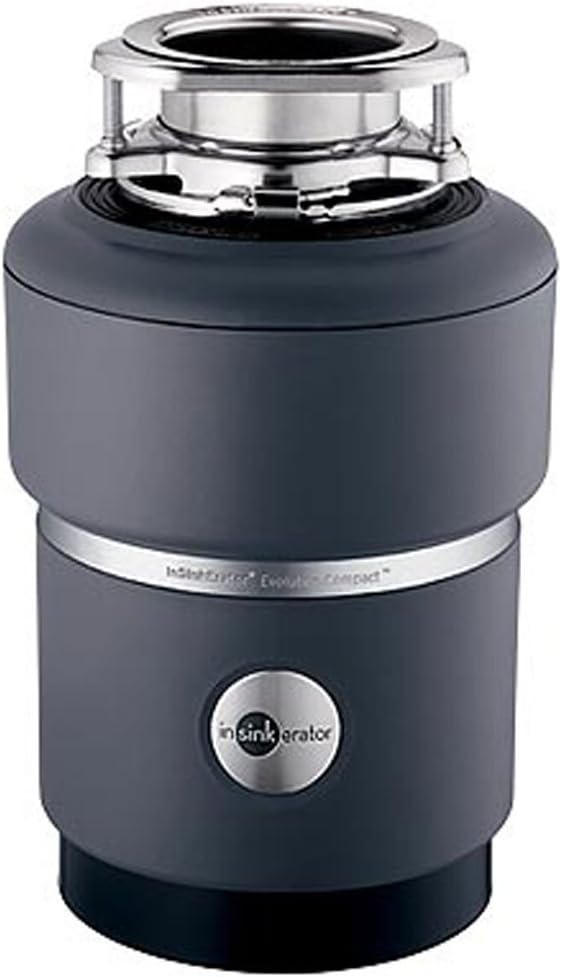
InSinkErator Evolution Pro PRO750
| Material | Stainless Steel |
|---|---|
| Voltage | 120 volts |
| Item model number | PRO750 |
| Item Package Quantity | 1 |
The InSinkErator Evolution Pro PRO750 is a 3/4 hp continuous-feed garbage disposal built for regular kitchen use where quieter operation and durability matter. It uses stainless steel grinding components and a robust motor to handle typical food waste while SoundSeal insulation reduces noise compared with basic disposals, making it more pleasant under daily use. Installation is standard for a household disposal and the unit runs on 120 volts; the continuous-feed design allows you to add scraps while running rather than batch feed. Practical benefits include a stronger motor for tougher scraps and a quieter cabinet environment, and the stainless steel material improves corrosion resistance for longer life. The unit is not compact, so it requires sufficient under-sink clearance, and like most disposals it still needs proper use to avoid jams and should be paired with septically appropriate practices such as avoiding excessive fibrous or starchy wastes. For homeowners who want a dependable, quieter disposal with good grinding power, this model is a solid, long-lived choice.
Best for: Homeowners who prioritize a durable, quieter disposal that handles regular kitchen waste reliably and want a longer-lasting, higher-powered unit.
Less Ideal for: Users with very limited under-sink space or those needing a disposal explicitly marketed with septic-specific attachments or approvals.
- 3/4 horsepower motor offers stronger grinding power than basic models
- Stainless steel grinding components resist corrosion and wear
- SoundSeal insulation reduces operational noise for quieter cabinets
- Continuous-feed design allows adding scraps while running for convenience
- Larger physical footprint requires adequate under-sink clearance
- Not specifically described with septic-system accessories or certifications
Verdict: Choose this model if you want a reliable, quieter 3/4 hp disposal with stainless-steel grinding components for heavy home use.
Waste King L-1001 1/2 HP Disposal

| Motor speed | 2,600 RPM |
|---|---|
| Horsepower | 1/2 HP |
| Feed type | Continuous Feed |
| Power source | Corded Electric |
| Septic safe | Yes (properly sized tanks) |
The Waste King L-1001 is a straightforward continuous-feed garbage disposal aimed at homeowners who want reliable, no-frills performance. It uses a 2,600 RPM permanent magnet motor and stainless steel swivel impellers to reduce jams while grinding typical kitchen scraps. Installation is simplified by the EZ Mount system and a preinstalled power cord so you can plug it in without running new wiring, and a removable splashguard makes routine cleaning easier. The grind chamber and drain housing use glass-filled nylon to resist rust and corrosion, which helps longevity in everyday kitchen conditions, and sound insulation keeps noise modest for under-sink operation. The unit is rated safe for properly sized septic tanks and includes a front-mounted reset button for quick troubleshooting. Limitations include modest 1/2 HP power that may struggle with very fibrous or large quantities of waste and a lightweight construction that trades some solidity for compactness. The five-year limited in-home warranty provides added reassurance for buyers looking for social proof-backed reliability.
Best for: Homeowners who prioritize a proven, easy-to-install disposal that is explicitly rated safe for septic systems and backed by a long warranty.
Less Ideal for: Large households that generate heavy volumes of tough, fibrous food waste or installers seeking a heavy-duty all-metal commercial-grade unit.
- High-speed 2,600 RPM permanent magnet motor reduces jams and maintains steady grinding
- Preinstalled power cord and EZ Mount speed up installation without electrical work
- Stainless steel swivel impellers and corrosion-resistant grind chamber improve durability
- Front-mounted reset button and removable splashguard simplify maintenance
- Rated safe for properly sized septic tanks and backed by a five-year limited in-home warranty
- 1/2 HP motor may be underpowered for heavy or fibrous waste loads
- Glass-filled nylon body is corrosion-resistant but lighter than full stainless steel construction
Verdict: Choose the Waste King L-1001 if you want a compact, easy-to-install, septic-safe disposal with reliable everyday performance and a strong warranty.
InSinkErator Badger 5 1/2 HP

| Size | 1/2 HP |
|---|---|
| Voltage | 120 volts |
| Included Components | Power cord, Stopper, Discharge tube, Flange, Gasket, Jam-Buster Wrench |
| Usage | Inside |
The InSinkErator Badger 5 is a straightforward, budget-friendly 1/2 HP continuous-feed garbage disposal designed for everyday kitchen scraps. It uses a Dura-Drive induction motor and galvanized steel grind components to break down food waste and fit under most sinks without taking much space. Installation is simplified with a factory-installed power cord and the brand's Lift and Latch mounting that makes aligning and securing the unit easier for a single installer. The unit is described as septic-safe for properly maintained systems, so it is appropriate if you want to reduce food waste and kitchen odors without changing your septic setup. Expect reliable, no-frills performance for typical vegetable peels, coffee grounds, and small bones, though the basic galvanized grind system is not as corrosion-resistant as premium stainless alternatives and may not be ideal for very heavy or frequent grinding. The Badger 5 is best for homeowners seeking a proven, easy-to-install disposal from a long-established maker without advanced noise reduction or high-end materials.
Best for: Homeowners who prioritize a proven, low-risk replacement that is easy to install and compatible with septic systems and routine household food waste disposal.
Less Ideal for: Buyers who run a high-volume household, need the quietest unit, or want premium stainless steel grind components for maximum corrosion resistance should consider higher-end models.
- Factory-installed power cord for quicker installation
- Compact footprint fits most under-sink spaces
- Dura-Drive induction motor offers steady, jam-busting torque
- Lift and Latch mounting simplifies sink connection
- Rated septic-safe for properly maintained septic systems
- Galvanized steel grind components are less corrosion-resistant than stainless alternatives
- Basic continuous-feed design lacks advanced noise insulation or anti-vibration features
Verdict: A reliable, easy-to-install 1/2 HP disposal that gives risk-averse buyers a septic-safe, no-frills solution for everyday kitchen scraps.
Choosing the Right Garbage Disposal for Septic Systems: Key Factors to Consider
Grinding Fineness and Throughput
How finely a disposal grinds waste affects what reaches the septic tank. Finer grinding produces smaller particles that are easier for septic bacteria to break down, reducing the chance of solids accumulating and shortening pump intervals.
Throughput measures how quickly a unit can process typical meal prep waste. A disposal with good throughput prevents kitchen backups and lets you run smaller, controlled loads into the system rather than long, water-heavy cycles.
Impact on Septic Biology
Septic tanks rely on bacterial activity to digest organic matter. Units that create very large quantities of solids or emulsified grease can overwhelm that biology and lead to slower digestion or increased scum and sludge buildup.
Look for disposals designed to limit fat and grease discharge and that promote particle sizes compatible with biological breakdown. Consider pairing a suitable disposal with proper household practices to avoid overtaxing the tank.
Water Use and Drain Strategy
Using a disposal increases water flow to the septic system. Excessive water can reduce retention time in the tank, impairing bacterial digestion and allowing solids to pass into the drainfield.
Choose models that encourage efficient rinsing and avoid constant high-volume flushing. Also plan household drain use so dishwasher or laundry cycles do not run simultaneously with heavy disposal use, maintaining stable hydraulic loads to the system.
Noise, Vibration, and Mounting Stability
Quieter disposals typically have better-balanced motors and grinding assemblies, which can be a sign of higher manufacturing quality. Excessive vibration can loosen sink mounts or plumbing connections and may indicate lower long-term durability.
If your sink setup is lightweight or you have open-concept living spaces, noise level and vibration isolation become practical buying factors. Look for units with sound insulation or anti-vibration mounts for improved comfort.
Installation and Serviceability
Septic homes often have limited tolerance for lengthy plumbing work, so straightforward installation matters. Check whether a unit fits standard sink openings, uses common electrical connections, and allows for easy access to jam-clearing or maintenance features.
Serviceability also includes whether the grinding chamber is accessible for clearing clogs without major disassembly and whether replacement parts are commonly available. Simpler, more serviceable units reduce downtime and the need for professional visits.
Durability, Materials, and Warranty
Materials such as stainless steel grinding components and cast housings resist corrosion and wear, extending service life in the moist, abrasive environment of a disposal.
A clear warranty that covers motor burnout or corrosion issues is valuable for septic homeowners who cannot easily swap units. Longer warranties and replaceable wear components typically indicate a longer useful life and lower total ownership hassle.
How a Disposal Affects Your Septic System
A garbage disposal changes what enters the septic tank by converting whole food scraps into smaller particles and increasing the tank's organic load. Smaller particles are easier for septic bacteria to process, but the overall volume of organic matter still increases. Over time that can lead to more frequent pumping if household habits and water use are not adjusted.
- Small particle size generally improves digestibility
- Increased organic load can shorten time between tank pump-outs
- Water volume from disposal use affects retention time in the tank
Best Household Practices When You Have a Septic System
Adopt routines that reduce the combined hydraulic and organic burden on your septic system. Run the disposal only with modest amounts of food waste and avoid spiral or repeated heavy loads. Use cold water to solidify fats so they are chopped more effectively, and keep grease out of the drain when possible.
- Stagger dishwasher and disposal use from laundry cycles
- Avoid fibrous or starchy wastes in large quantities
- Periodically check and pump the tank according to local recommendations
Installation Notes and Electrical Considerations
Most residential disposals attach to a standard sink flange but vary in motor size and electrical needs. Confirm the unit's voltage and circuit requirements and whether a dedicated circuit is advisable. If your kitchen wiring is older, consult an electrician to ensure safe and compliant installation.
- Verify sink flange compatibility before purchase
- Check whether an air switch or wall switch is preferred in your setup
- Ensure proper grounding and GFCI protection if required by code
Maintenance Tips to Protect Your Septic System
Regular, simple maintenance keeps a disposal efficient and reduces the chance of introducing problematic wastes to the septic tank. Avoid putting large bones, fibrous vegetable stalks, coffee grounds in excess, or grease directly into the unit. Run cold water for at least 15 seconds after grinding to clear the line to the tank.
- Use a weekly small citrus peel or ice-and-salt cycle to clean the chamber
- Inspect for leaks and unusual noises as soon as they appear
- Schedule septic inspections earlier if household habits change
When a Disposal Is Not the Right Choice
In some homes with very small tanks, shallow drainfields, or recurring septic problems, adding a disposal may not be advisable. If the system is already near capacity or the household produces large amounts of food waste, the extra load could accelerate failures. Consult a septic professional if you have a history of rapid pump-outs, slow drains, or a system designed for minimal organic input. There are alternative waste-management strategies that avoid sending food solids to the tank entirely.
- Homes with very small tanks or failing systems should seek professional advice
- Consider composting or municipal food-waste programs where available
- Temporary changes like increased household occupancy warrant a septic assessment
How We Chose the Best Garbage Disposal for Septic Systems
We selected disposals that demonstrate measurable benefits for homes on septic systems, using a combination of specification review and industry best-practice guidance. Primary evaluation criteria included grind fineness and throughput, which determine how well solids are reduced and how much material reaches the tank. We also prioritized units with low water-use and efficient motor designs that minimize the additional hydraulic load to the septic system. Durability and serviceability were evaluated by looking at materials, warranty terms, and typical maintenance requirements, since frequent servicing is especially inconvenient for septic homes. Noise level and vibration were considered because quieter units are typically better balanced and indicate more precise engineering. Finally, installation compatibility and electrical requirements were checked to ensure straightforward replacement without major plumbing or electrical changes. We excluded commercial-style units intended for heavy-duty foodservice use and disposals that explicitly advise against use with septic systems. Units lacking clear grind or water-efficiency specs were not considered. The result is a curated set of septic-conscious disposals that balance grinding performance, septic impact, and homeowner convenience.
Our full evaluation process is outlined in our review methodology.
FAQ
Will a garbage disposal harm my septic system?
Not necessarily. A properly chosen disposal used with conservative household habits can be compatible with septic systems. The key is particle size and total organic and water load. Overuse or adding large quantities of fats and solids can stress the tank.
How often should I pump my septic tank if I use a disposal?
Pumping frequency depends on tank size, household size, and how much food waste you generate. Using a disposal may shorten the interval between pump-outs, so monitor inspection results and consult local regulations or a septic pro for schedule adjustments.
Are there disposal types to avoid with a septic system?
Avoid heavy commercial-style units that produce large volumes of fine slurry too quickly and units that have no guidance about septic compatibility. Also avoid disposals that encourage continuous high-water use during operation.
Can I install any residential disposal on my existing sink and septic system?
Most residential disposals fit standard sink flanges, but electrical capacity, space under the sink, and plumbing layout can vary. Confirm physical clearance, circuit capacity, and whether your local code requires specific protections before installation.
What household practices reduce the septic impact of a disposal?
Run small, staggered loads through the disposal, use cold water to solidify fats, minimize grease and starchy or fibrous wastes, and avoid running other major water consumers at the same time. Regular septic inspections also help detect issues early.
Final Verdict
For septic-system homes the best disposal choice balances fine grinding performance with restrained water and organic load. Prioritize units that produce small particles, run efficiently on limited water, and include durable materials and straightforward serviceability. Pair the hardware with conservative household habits and scheduled septic maintenance to avoid shortening tank service life. If you are unsure about capacity or past issues, consult a septic professional before installing a disposal. With the right unit and sensible use, a garbage disposal can be a convenient addition without creating undue strain on your septic system.