
Note: This article contains affiliate links. If you click on these links and make a purchase, we may earn a small commission at no extra cost to you. This helps support our research and content. Read our full affiliate disclosure here.
If you do a lot of home canning, the cooktop you use matters more than you might think. Induction ranges deliver fast heat and responsive control, which helps you hold steady simmering temperatures required for safe water-bath and pressure canning. This guide shortlists the top induction ranges for canning based on stability, burner size, and practical features that reduce common canning hassles. Below are our top picks and why they made the cut, followed by the buying factors and answers to common canning questions. Use the evaluation notes to match a range to the way you preserve food.
Top Picks at a Glance
| Best Overall The best all-around choice for most situations | Duxtop Professional Induction Cooktop BT-C35-D |  |
| Best Quality Built to a higher standard if you want something more solid | Waring WIH400X Induction Burner |  |
| Best Value The sweet spot between price and what you get | Nuwave Flex Precision Induction Cooktop | 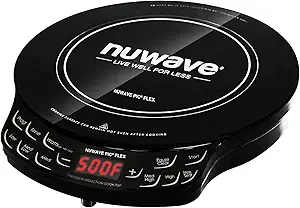 |
| Best Budget The cheapest option that still gets the job done reliably | Mueller RapidTherm Induction Cooktop IC-711 |  |
| Top Rated A top-rated pick with lots of positive feedback | Nuwave Pro Chef Induction Cooktop | 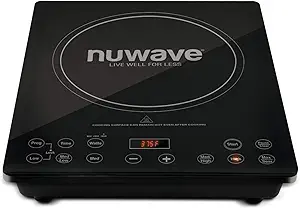 |
| Most Popular A crowd favorite that many people choose with confidence | Waring Commercial WIH400 Induction Range |  |
| Best Seller A high-volume bestseller chosen again and again | CHANGBERT Induction Cooktop CIB-80 |  |
Duxtop Professional Induction Cooktop BT-C35-D

| Wattage | 1800 watts |
|---|---|
| Controls Type | Touch |
| Voltage | 120 volts |
| Heating Element | Induction |
| Number of Heating Elements | 1 |
The Duxtop Professional BT-C35-D is a single-burner portable induction cooktop designed for fast, efficient stovetop cooking where a full range is impractical. It delivers up to 1800 watts with 20 power levels and 20 temperature settings (100 to 460°F), controlled via a sensitive sensor touch panel and large LCD that shows timers and mode selection. The unit includes a quick boil button, a programmable countdown timer up to 10 hours, and safety features such as auto-pan detection and over-heat protection, which makes it useful for long, steady tasks like simmering or canning. Its stainless steel build and glass top are easy to wipe clean, and the fan-assisted cooling helps the unit handle extended runs, but it requires magnetic-bottom cookware and will not heat noncompatible pots. The burner is compact and portable for use in temporary setups or supplemental cooking, though its single zone and requirement for appropriate induction cookware limit multitasking and some large-batch workflows. For canning, it provides precise temperature control and reliable heat for processing jars if used with compatible, flat-bottomed pots.
Best for: Buyers who need a reliable, high-power single induction burner for precise temperature control during long processes like home canning and who already have compatible magnetic cookware.
Less Ideal for: Those who need multiple cooking zones, want to use non-induction cookware, or need an ultra-lightweight travel hot plate are better off with other solutions.
- High maximum power (1800W) and 20 power/temperature levels for precise heat control.
- Large angled LCD and sensitive touch controls make setting temperature and timers straightforward.
- 10-hour programmable countdown timer and quick boil function useful for long processes like canning.
- Stainless steel construction and glass cooktop are durable and easy to clean.
- Safety features include auto-pan detection and overheat protection for unattended processing.
- Only a single burner, so you cannot run multiple pots simultaneously on one unit.
- Requires magnetic-bottom induction-compatible cookware and a flat minimum diameter to operate.
- Unit weight and footprint limit how compact it is compared with lighter portable hot plates.
Verdict: A powerful, well‑controlled single induction burner that gives home canners precise, long-run heat when used with induction-compatible pots.
Waring WIH400X Induction Burner

| Wattage | 1800 watts |
|---|---|
| Cooking Surface | 11" x 11" Schott ceramic glass |
| Temperature Range | 120°F to 500°F |
| Timer | 10-hour countdown timer |
| Voltage | 120 volts |
The Waring WIH400X is a commercial-style single induction range built for precise, high-heat countertop cooking. It uses an 11" x 11" Schott ceramic glass cooking surface and offers 12 temperature settings from 120°F to 500°F plus a 10-hour countdown timer, so you can hold low-simmering sauces or run long gentle heats without babysitting. Controls are push-button with an easy-to-read blue LCD and the stainless steel housing wipes clean quickly after spills. At 1800 watts it delivers rapid heat-up and stable power for tasks that need consistent temperatures. Safety features include empty-pan and small-object detection and the lack of open flame makes it suitable for indoor use and tight prep areas. Limitations are the single cooking zone and the 11" square surface which restricts cookware size and capacity for large-batch canning, and the unit is suited to induction-compatible pots only.
Best for: People who need reliable, high-power induction heat with precise temperature control for single-pot tasks and occasional heavy-duty stovetop work in constrained countertop space.
Less Ideal for: Those who plan to do large-scale or multiple-pot canning at once or need to run wide canning kettles that exceed an 11" cooking area.
- High 1800W power for fast heat-up and steady cooking.
- Wide temperature range with 12 settings from 120°F to 500°F for precise control.
- Durable Schott ceramic glass top and stainless steel body that are easy to clean.
- 10-hour countdown timer for unattended long cooks and precise timing.
- Safety features like empty-pan detection reduce burn and misuse risk.
- Single burner limits simultaneous use and caps maximum cookware footprint.
- 11" x 11" cooking surface may be too small for large canning kettles or wide pots.
Verdict: Choose this unit if you want a powerful, precise single-burner induction range that holds steady temps for careful canning or stovetop preservation tasks.
Nuwave Flex Precision Induction Cooktop

| Wattage | 1400 watts |
|---|---|
| Heating Element | Induction |
| Controls Type | Touch |
| Power Source | induction |
The Nuwave Flex Precision is a portable induction burner built around fine-grain temperature control and a compact footprint. It offers 81 selectable temperatures from 100°F to 500°F (in 5°F steps), six preset ranges and three wattage settings that help dial in low-simmer tasks or high-heat searing. The 6.5 inch heating coil under a 10.25 inch ceramic glass top uses Nuwave's insulation design to push heat efficiently into compatible cookware, so pans warm quickly and evenly. Controls are touch-based and responsive, and you can change temperature or time on the fly without restarting a cycle. The glass top is rated shatter-resistant for safer countertop use, and the unit's quick heat-up and accurate low-temperature range make it suitable for delicate jobs like holding sauces or gentle canning steps. Limitations include a maximum 1300 to 1400 watt class power ceiling, which may slow very large-volume canning jars compared with full-size induction ranges, and the single-burner layout means you must process batches sequentially.
Best for: Home cooks who optimize kitchen tools for accuracy and efficiency and need a compact induction burner for controlled low-temperature work or small-batch canning.
Less Ideal for: People who plan to process large multi-jar canning sessions at once or need multiple burners simultaneously should choose a full-size range or multi-burner solution.
- Precise temperature control with 81 steps from 100°F to 500°F for fine tuning heat
- Responsive touch controls that allow on-the-fly temperature and time adjustments
- Shatter-resistant ceramic glass cooking surface for safer countertop use
- Slim, portable design that heats cookware quickly thanks to close coil insulation
- Single burner and sub-1500W power limit can lengthen time for large-volume canning
- Requires induction-compatible cookware to function
Verdict: If you want precise, portable temperature control for careful small-batch canning steps and simmering, this slim induction cooktop delivers accurate heat in a compact package.
Mueller RapidTherm Induction Cooktop IC-711

| Wattage | 1800 watts |
|---|---|
| Heating Element | Induction |
| Controls Type | Touch |
| Temperature Range | 140°F–460°F |
| Timer | 1–240 minutes |
The Mueller RapidTherm IC-711 is a single-burner induction cooktop designed for portable use in small kitchens, RVs, dorms, or as an extra burner during food prep and canning sessions. It delivers up to 1800W with 8 power levels and 8 temperature settings from 140°F to 460°F, plus four one-touch presets and a programmable timer that runs up to 240 minutes, which is useful for long, low simmering tasks like processing jam or water-bath canning. The flat glass-ceramic surface stays cooler than conventional ranges and wipes clean easily, while automatic pan detection, child lock, overheat protection, and an internal cooling fan add safety during extended runs. It requires magnetic-base, flat-bottom cookware and a dedicated 15A circuit for sustained high-power cooking, and the unit self-limits continuous on-time to meet ETL safety rules, which may interrupt very long canning cycles on a single run. For basic home canning needs the precise temperature control and long timer are practical, but heavy or professional canning that needs uninterrupted multi-hour heating may need a full-range solution.
Best for: Home cooks on a budget who need a portable, precise heat source for occasional water-bath canning, small-batch preserves, or as a temporary extra burner during busy canning days.
Less Ideal for: People doing high-volume or continuous multi-hour commercial canning who require uninterrupted heavy-duty range operation and multiple burners.
- High max power (1800W) and fine-grain control with 8 power and 8 temperature levels for accurate simmering or rapid boiling.
- Long programmable timer up to 240 minutes suitable for extended canning or simmering tasks.
- Safety features including automatic pan detection, child lock, overheat protection, and ETL listing.
- Smooth glass-ceramic surface that is easy to clean and stays relatively cool compared with conventional burners.
- Only works with magnetic, flat-bottom cookware so non-magnetic or warped pans will not function.
- ETL-mandated duty cycle and auto-shutoff behavior can interrupt very long continuous canning sessions.
- Single burner limits batch throughput compared with multi-burner ranges.
Verdict: If you want an affordable portable burner with precise temperature control and a long timer for occasional home canning, this 1800W Mueller induction cooktop is a practical choice.
Nuwave Pro Chef Induction Cooktop

| Wattage | 1800 watts |
|---|---|
| Controls Type | Touch |
| Heating Element | Induction |
| Voltage | 120 volts |
The Nuwave Pro Chef is a commercial-grade portable induction cooktop designed for precise, high-heat cooking on a countertop. It uses an 8-inch heating coil and 1800 watts to deliver fast, efficient heat transfer directly to compatible cookware, and the touch controls let you pick from 94 temperature steps in 5°F increments or use several preset programs. The shatter-proof ceramic glass surface is NSF-certified for durability and is engineered to resist breakage in demanding use, and built-in safety features include automatic shutoff and programmable stage cooking for longer processes. In practice it reaches searing temperatures quickly and maintains steady low temps for gentle simmering, which helps when processing jars or keeping water at consistent temperatures. Limitations are typical of single-burner units: you are confined to one pot at a time and need induction-compatible, flat-bottomed cookware large enough to match the coil for best results. It is lightweight and portable, so it suits temporary or auxiliary setups but does not replace a full range for high-volume canning workflows that require multiple pots simultaneously.
Best for: Buyers who prioritize a dependable, commercial-grade countertop induction source for accurate temperature control during occasional canning or single-pot processing steps.
Less Ideal for: Those who need to run multiple jam or canner pots simultaneously or who lack induction-compatible cookware should look for multi-burner setups or traditional ranges instead.
- High maximum temperature up to 575°F for fast searing and reaching boiling temperatures quickly
- Very fine temperature control with 94 settings in 5°F increments for steady low-heat holds
- NSF-certified, shatter-proof ceramic glass surface rated for commercial use
- Efficient 1800W induction heating transfers most energy to the pot for faster cook times and lower energy waste
- Single cooking zone limits you to one pot at a time
- Requires induction-compatible, flat-bottomed cookware sized to the 8-inch coil for optimal performance
Verdict: If you need a reliable, commercial‑grade single-burner induction unit that holds exact temperatures for canning tasks, the Nuwave Pro Chef delivers precision and durability in a portable package.
Waring Commercial WIH400 Induction Range

| Power Source | Induction |
|---|---|
| Wattage | 1800 watts |
| Voltage | 120 volts |
| Heating Surface | 11" x 11" Schott ceramic glass |
| Control Type | Digital Touch |
The Waring Commercial WIH400 is a heavy-duty single-burner induction countertop range intended for demanding kitchen use. It uses a large 11" x 11" Schott ceramic glass cooking surface and provides precise temperature control via digital touch with 12 temperature settings from 120°F to 500°F, which helps maintain steady heat when simmering or holding liquid during canning. The 1800W, 120V induction element heats cookware quickly and the unit includes small-article and pan detection for safety. A 10-hour timer and stainless steel construction suit long sessions and frequent use in a commercial or serious home canning setup. Limitations to note are the single heating zone, which means you cannot process multiple canner pots simultaneously on one unit, and the unit requires compatible ferrous cookware to work. For home users planning heavy-duty or multi-pot canning, you may need multiple burners or a larger cooktop, but for individual kettles or maintaining precise simmer temperatures this model performs well.
Best for: Buyers who prioritize accurate, steady heat for single-pot canning or processing small batches and who want a commercial-grade countertop solution.
Less Ideal for: Shoppers who need to run multiple canning pots at once or who lack induction-compatible cookware should consider other options.
- Precise temperature control with 12 settings from 120°F to 500°F for steady simmering.
- Large 11" Schott ceramic glass surface fits a range of pot sizes used in canning.
- High 1800W power delivers fast heat-up for quicker processing.
- Durable stainless steel construction and commercial-grade design for frequent use.
- Safety features include pan detection and a 10-hour timer for long sessions.
- Single-burner design limits throughput when processing multiple canner pots.
- Requires ferrous-compatible cookware to operate.
Verdict: If you need precise, commercial-grade induction heat for single-pot canning or holding jars at steady temperatures, the WIH400 is a reliable countertop choice.
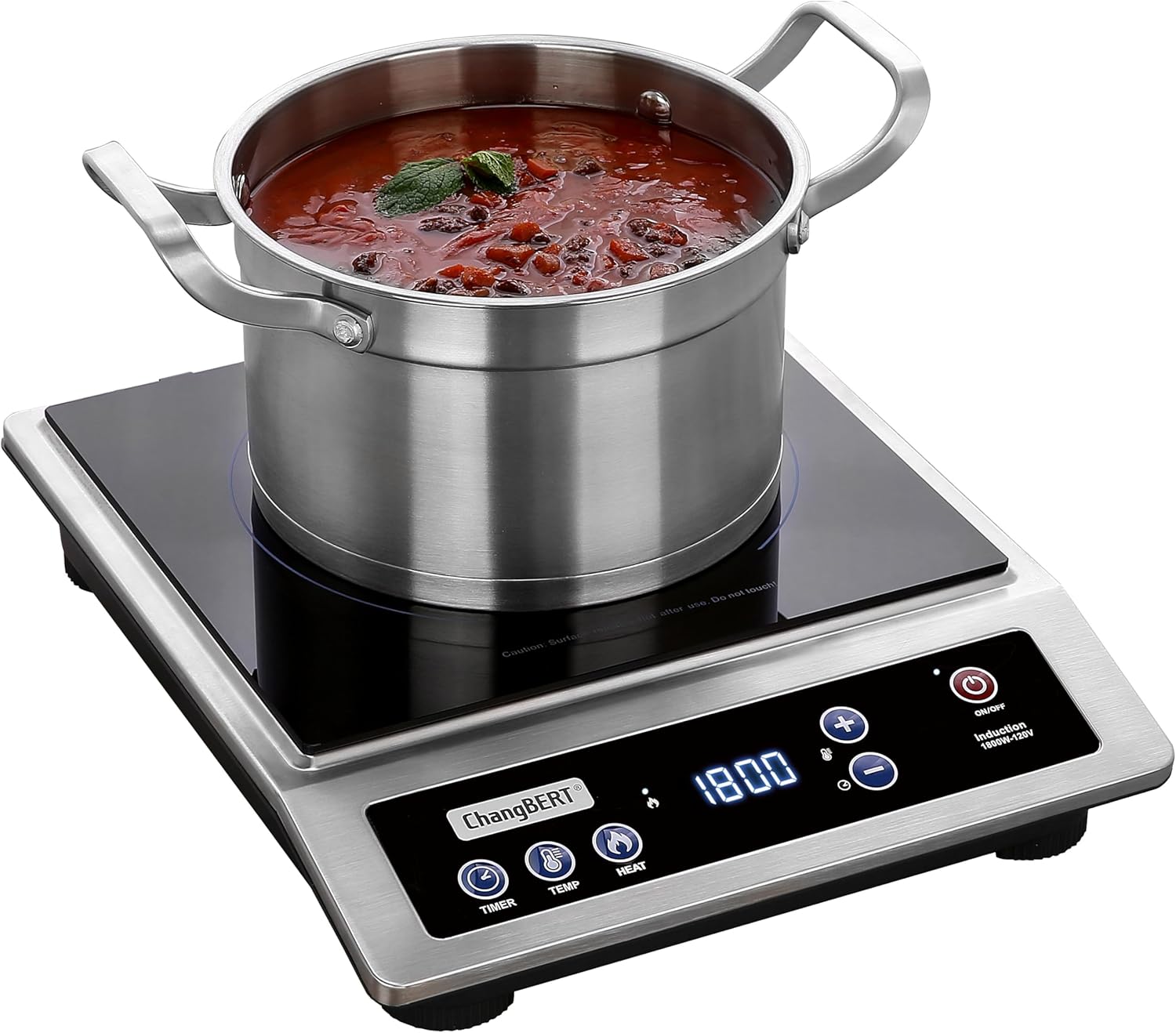
CHANGBERT Induction Cooktop CIB-80
| Wattage | 1800 watts |
|---|---|
| Number of Heating Elements | 1 |
| Controls Type | Push Button |
| Voltage | 120 volts |
| Special Features | NSF Certified |
The CHANGBERT CIB-80 is a heavy-duty portable induction burner designed for frequent, high-power use in both home and commercial kitchens. It offers nine power levels (200–1800W), 18 temperature settings (120–460°F), and a 10-hour countdown timer, which makes it suitable for long simmering tasks like canning or large-batch cooking. The large 8-inch coil and stainless steel housing support even heat transfer and durability, while NSF and ETL certifications signal it was built to commercial standards. Controls are push-button with a clear display and tactile feedback, so adjustments are quick even with wet hands or gloves. Safety features include auto-pan detection, overheat protection, hot-surface indication, and auto-shutdown. Because it is countertop and portable, it frees up range space and is easier to position for large canning pots. The main limitations are its 120V/1800W ceiling, which can extend processing time compared with higher-voltage commercial units, and its single-burner layout, which limits simultaneous batches. For buyers prioritizing reliable, certified performance and easy cleanup, it is a practical choice for home canning setups.
Best for: Buyers who want a risk-averse, reliable, commercial-standard portable induction burner for consistent low-and-slow tasks like home canning and batch cooking.
Less Ideal for: Anyone who needs multi-burner capacity or faster high-volume processing that requires higher-voltage commercial equipment.
- Commercial NSF and ETL certifications indicate durable, foodservice-grade construction
- Large 8-inch induction coil for more even heating across pot bottoms
- 1800W output with 9 power levels and 18 temperature settings for precise temperature control
- 10-hour digital timer and multiple safety protections for long canning runs
- Stainless steel housing that tolerates heavy use and is easy to clean
- Single burner only, so you cannot run multiple canning pots at once
- Limited to 120V/1800W which may lengthen processing time versus higher-voltage commercial units
Verdict: Choose this NSF-certified 1800W countertop induction burner when you want a dependable, commercial-grade portable cooker well suited for cautious home canning.
Choosing the Right Induction Range for Canning: Key Factors to Consider
Temperature Stability and Low Heat Control
Canning processes require holding water at a precise temperature for a specified time. Small temperature swings during a processing cycle can lengthen or shorten effective processing time and affect safety. Look for ranges that maintain a steady low simmer without hunting between on and off states.
Low heat control is also important because many canning recipes call for a gentle simmer rather than a rolling boil. Induction ranges with fine-grained power steps let you dial in the exact output needed to keep jars at the correct level of agitation without overboiling.
Burner Size, Spacing, and Layout
Canning often uses multiple large pots simultaneously. Burner diameter and spacing determine whether you can fit two or more canners on the cooktop without crowding. Larger burners or flexible dual-zone elements are useful for accommodating wide water-bath canners and pressure canners alike.
Consider the cooktop layout relative to the pots you use most. A range with one oversized burner and thoughtfully spaced secondary elements reduces the need to rotate pots or transfer jars mid-process, which helps maintain consistent processing conditions.
Power Output and Recovery
High maximum output matters when you need fast heat-up for a large volume of water or when recovering temperature after adding cold jars. A range with sufficient wattage on the main burners gets up to temperature quickly and recovers speedily when lids or jars lower the system temperature.
Equally important is how the range scales power down for simmering. Good recovery combined with smooth low-power behavior reduces the time jars spend out of safe processing windows and simplifies multi-pot workflows.
Surface Durability and Easy Cleaning
Canning can be sticky and messy. Spills of fruit syrups, tomato juices, and high-acid liquids can caramelize or stain if the surface is hard to clean. A tough glass-ceramic surface with scratch resistance helps the cooktop stand up to heavy pots and utensils used during canning sessions.
Look for models with wipe-friendly surfaces and cleaning modes that loosen stuck-on residues. Rounded edges around burner zones reduce trapped grime and make post-session cleanup quicker.
Safety Features and Weight Capacity
Large canning pots are heavy when filled. The range should have a cooktop that supports that weight without flexing and safety features that prevent accidental shutdowns during processing. Features such as automatic pan detection, child locks, and overheat protection keep long canning cycles safer.
Some ranges include weight-sensing or erratic-power protection that stops cooking when a pan is removed. While this is useful for safety, confirm the behavior suits long unattended processes so the range will not interrupt a canning run unintentionally.
Control Interface and Feedback
Precise control requires interfaces that let you choose small increments of power and that provide clear feedback on current settings. Knobs with fine detents, responsive touch sliders, or well-labeled numeric steps reduce trial-and-error when setting a simmer.
Clear displays and audible cues help when you step away briefly during long canning cycles. Interfaces that remember recent settings or offer programmable routines can speed repeated canning sessions and reduce setup time.
Why Induction Works Well for Canning
Induction cooktops heat cookware directly through magnetic coupling, which produces very fast responses to control changes. That responsiveness makes it much easier to establish and maintain the gentle simmer that many canning processes require.
Because induction transfers heat into the pot rather than into the cooktop surface, heat-up times are shorter and recovery after adding jars is quicker. This efficiency reduces time spent waiting and helps you hold processing temperatures more consistently over long cycles.
- Quick heat-up and fast power changes minimize temperature overshoot.
- Less wasted heat around the pot makes it safer and slightly more energy efficient.
- Even heat across the base of properly matched magnetic cookware improves processing consistency.
Matching Cookware to Induction Ranges
Not all pots perform identically on induction. For canning, choose wide, flat-bottomed magnetic pots that make full contact with the burner. This maximizes the area receiving energy and reduces hot spots.
Heavy-gauge steel or enameled steel canners often provide the best combination of capacity and stable bottom geometry. Avoid thin-bottomed pans that warp or develop hotspots under sustained heat.
- Test cookware by checking magnetic attraction across the base.
- Prefer heavier, flat bases for even heat distribution.
- Use lids and stacking techniques recommended for your canning method to maintain safe processing temperatures.
Managing Multiple Pots and Workflow Tips
When running several canners at once, plan a cooktop layout that leaves space for tongs, jar racks, and lids. Move pots as little as possible once processing begins to avoid temperature swings.
Stagger start times if your range has limited large burners. Start the heaviest or largest canner first so it reaches processing temperature, then add secondary pots. Using lids can help reduce recovery time when a new batch of jars is added.
- Keep frequently used tools within arm's reach to avoid leaving pots unattended.
- Use a timer and an accurate thermometer to verify processing times and temperatures.
- Consider a helper or small cart to move filled jars safely away from the cooktop.
Cleaning and Maintenance After Canning
Clean up spills promptly once the cooktop has cooled. Sugary syrups and acidic tomato residues can etch or discolor surfaces if left to bake on. Use manufacturer-recommended cleaners and soft scrapers made for glass-ceramic cooktops.
Check seals and control surfaces for sticky buildup after heavy sessions and remove residues before they harden. Regular inspection of the cooktop surface and controls preserves both appearance and reliable operation.
- Wipe spills with a damp cloth while warm, not hot, for easier removal.
- Use nonabrasive cleaners to avoid scratching the glass surface.
- Inspect burners and vents periodically for food debris that could affect cooling.
Safety Practices Specific to Canning on Induction
Because induction zones are usually cooler to the touch than electric coil or gas, they reduce the risk of accidental burns. However, pots and lids remain hot, so always use heat-resistant gloves and jar lifters when handling equipment.
Be mindful of automatic pan-detection features that may pause power if pans shift or are lifted momentarily. Before starting a long cycle, confirm how the range behaves with your filled canner so you do not get an unintended interruption.
- Always center heavy canners on the designated burner to maintain stable contact.
- Lock controls if you have curious children around during long sessions.
- Keep a clear, dry work area to prevent slips while transporting hot jars.
How We Chose the Best Induction Range for Canning
We focused on attributes that directly affect canning outcomes and everyday usability. Key evaluation criteria included how accurately a range maintains low simmer temperatures, burner size and layout to accommodate multiple canning pots, and the range's ability to deliver consistent heat across a variety of pot sizes. We examined control resolution and responsiveness to quick power adjustments because fine control prevents scorching and maintains safe processing temperatures. Safety and durability factors included built-in protections, robust surface materials that handle heavy canning pots, and ease of cleaning after sticky spills. We excluded ranges that lack low-temperature modulation or have limited large-burner output, because those shortcomings compromise canning consistency. We also filtered out products with poor user feedback on long-term reliability or insufficient safety features. The final list reflects a balance between practical canning performance, cooktop versatility, and homeowner-friendly features.
Our full evaluation process is outlined in our review methodology.
FAQ
Can I use my pressure canner on an induction range?
Often yes, if the pressure canner has a magnetic, flat base that makes full contact with the induction element. Check that the manufacturer's instructions for the canner and range allow induction use and that the burner is large enough for the canner's base.
Will induction affect processing times for water-bath canning?
The processing times called for in recipes do not change, but induction's faster heat-up and better recovery can make it easier to reach and maintain the required temperature. Use an external thermometer and timer to verify temperatures during the first runs.
Are there any safety concerns unique to canning on induction?
The main concerns are heavy pot handling and possible automatic pan-detection interruptions. Ensure pots are centered, controls are locked if needed, and you understand how the cooktop responds if pans are lifted or shifted during processing.
Do I need special cookware for induction canning?
Yes, cookware must be magnetic. Heavy, flat-bottomed steel or enameled steel canners work best. Test existing pots with a magnet to confirm compatibility and prefer thicker bases for even heating.
How do I prevent jars from tipping or colliding when using multiple canners?
Use appropriately sized racks and avoid overcrowding the cooktop. Leave some clearance between pots and stagger start times if necessary. Secure jars in their racks and handle them with two-handed tools designed for canning.
Final Verdict
When choosing an induction range for canning, prioritize stable low-heat control, appropriately sized and placed burners, and a cooktop surface that stands up to heavy pots and sticky spills. Consider how you work during a canning session: frequent multi-pot runs require large burners and good spacing, while occasional small batches benefit most from precise control settings. Balance power and low-end responsiveness against safety features and surface durability to find a range that supports consistent processing. Focus on the listed evaluation criteria to narrow choices and select a model that matches your typical canning volume and workflow.