
Note: This article contains affiliate links. If you click on these links and make a purchase, we may earn a small commission at no extra cost to you. This helps support our research and content. Read our full affiliate disclosure here.
If you want consistent, draft-style beer at home without spending a fortune, the right kegerator matters. A well-chosen unit keeps beer at stable serving temperatures, minimizes foam and waste, and fits into your bar or garage space for everyday use. This guide highlights five shortlisted kegerators under $500 that balance temperature control, tap quality, and installation ease. Below we summarize the criteria used to vet each option and explain what features matter for different setups, so you can pick the unit that suits your space and pouring habits.
Top Picks at a Glance
| Best Quality Built to a higher standard if you want something more solid | Krups BeerTender B95 |  |
| Best Value The sweet spot between price and what you get | KEG STORM Stainless Steel Jockey Box |  |
| Top Rated A top-rated pick with lots of positive feedback | EdgeStar BR1000SS Refrigerator |  |
| Most Popular A crowd favorite that many people choose with confidence | SPT Mini Kegerator BD-0538 |  |
| Best Seller A high-volume bestseller chosen again and again | EdgeStar BR2001 Kegerator-Ready Refrigerator |  |
Krups BeerTender B95

| Capacity | 5 liters |
|---|---|
| Cooling Method | Compressor |
| Defrost System Type | Automatic |
| Installation Type | Countertop |
The Krups BeerTender B95 is a countertop beer-tap system built to chill and serve 5-liter Heineken DraughtKegs. It uses a compressor cooling system with selectable temperature settings (36, 39, or 42 F) and an internal design aimed at quiet operation, so it sits well on a bar or kitchen counter. The unit has an LCD display that shows temperature and pour volume, and detachable parts for easier cleaning. With a 5-liter capacity and a stated freshness window of up to 30 days, it is tuned for occasional to regular home entertaining rather than high-volume commercial use. The compact, freezerless form factor keeps the footprint small, but that also means it is limited to the single keg size and brand ecosystem it was designed for. If you want a simple, quiet, and attractive tap system to serve party-size draught beer at controlled temperatures, this model delivers sensible performance, though it lacks broader keg compatibility and the larger capacity of full-size kegerators.
Best for: Buyers who want a quiet, space-saving draft system to serve party-size 5L kegs and who prioritize precise temperature control and simple operation.
Less Ideal for: People who need larger capacity, broader keg compatibility, or a multi-keg setup for frequent heavy use should consider larger kegerators instead.
- Compressor cooling with three temperature settings for precise chilled pours
- Compact, countertop design fits small spaces
- LCD display shows temperature and dispense volume for easy monitoring
- Detachable parts simplify cleaning and maintenance
- Designed specifically for 5L Heineken DraughtKegs, limiting keg compatibility
- Single-keg capacity is small compared with full-size kegerators
Verdict: Choose the Krups BeerTender B95 if you want a compact, quiet, temperature-controlled countertop tap built for serving 5L draught kegs.
KEG STORM Stainless Steel Jockey Box

| Capacity | 50 liters |
|---|---|
| Container Type | Bucket |
| Shell Type | Stainless Steel |
| Additional Features | Stain Resistant |
This KEG STORM jockey box is a portable stainless steel draft cooler built to serve multiple kegs at gatherings and events. It includes a pre-assembled cooler body, four taps with handles, and a 10 meter stainless steel line for connecting Sankey-style kegs or homebrew setups, so setup is straightforward for someone familiar with keg fittings. The 50 liter capacity and stainless shell make it suitable for parties, tailgates, or small catering jobs where portability and corrosion resistance matter. Practical benefits include a stain-resistant exterior that holds several kegs and four simultaneous pours to reduce lines during service. Expect the unit to be heavier when loaded and to require ice or a cooling medium to keep kegs cold since it is a jockey box style cooler rather than a refrigerated kegerator. Assembly appears minimal but buyers should be comfortable with keg connections and basic maintenance of lines and faucets. Given its focus on portability and multi-tap service, it is best used for outdoor events or temporary draft setups rather than permanent indoor installations.
Best for: Buyers who need a portable, multi-tap draft solution for events and value easy hookup to Sankey kegs and durable stainless construction.
Less Ideal for: People seeking a permanently installed, plug-in refrigerated kegerator for daily home use should look at refrigerated units instead.
- Four taps for serving multiple beers at once
- Stainless steel shell and stain-resistant finish improve durability
- Includes faucet, handle, and long stainless beer line for easy hookup
- 50 liter capacity accommodates multiple kegs for events
- Requires ice or external cooling medium; not a self-contained refrigerated kegerator
- Reported low customer rating suggests variable quality or fitment issues
Verdict: Choose this jockey box if you want a portable, four-tap stainless draft station for events that hooks easily to Sankey kegs.
EdgeStar BR1000SS Refrigerator
| Capacity | 3.2 cubic feet |
|---|---|
| Temperature range | 32 – 46 F |
| Cooling method | Compressor |
| Voltage | 115 volts |
| Refrigerant | R-600A |
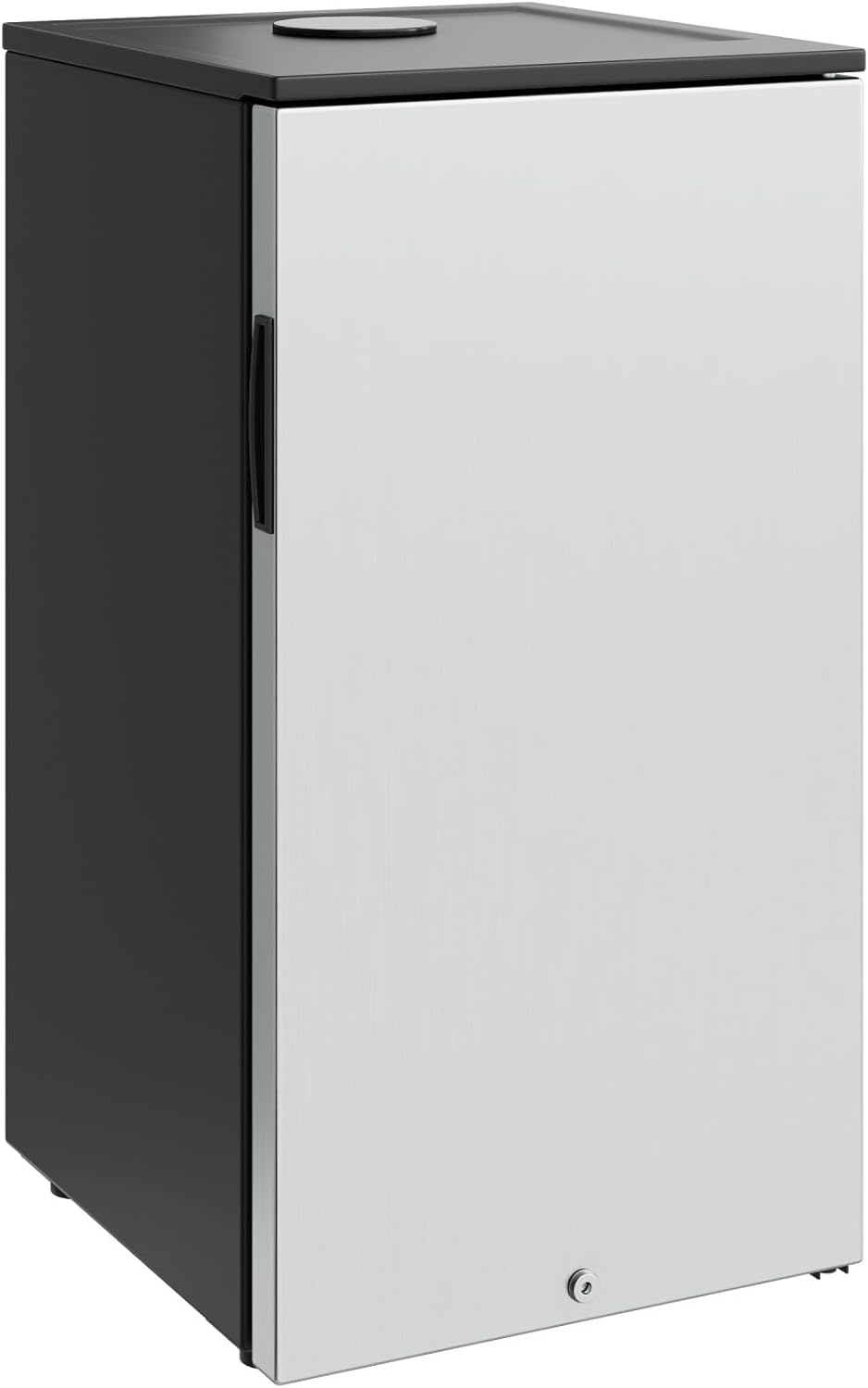
The EdgeStar BR1000SS is a compact, freezerless freestanding refrigerator built to be converted into a kegerator for home draft setups. It cools using a compressor with an internal circulation fan and a digital thermostat that lets you set temperatures in the 32 to 46 F range, which is suitable for keeping beer at serving temperature. The cabinet fits one sixth-barrel or one Cornelius corny keg and includes a drip tray and recessed shelving for a tidy interior layout. Practical touches include a reversible door, integrated electronic lock, and a removable recessed handle that helps with installation in tighter spaces. Because it is a simple, purpose-built unit without casters or extra bells, maintenance and repairs are straightforward and parts are commonly available. Limitations are its modest 3.2 cu ft capacity and manual defrost, so it is best for single-keg use and not for buyers needing extra storage or automatic defrost convenience.
Best for: Buyers prioritizing a reliable, no-frills kegerator conversion that chills beer consistently and is easy to maintain in a small home bar or garage.
Less Ideal for: People who need large-capacity refrigeration, multi-keg setups, or a unit with automatic defrost and mobility features.
- Designed to accept a sixth-barrel or Cornelius keg for straightforward kegerator conversion
- Digital thermostat and internal circulation fan for stable, adjustable temperatures
- Compact footprint and recessed shelving make it easy to place in small spaces
- Reversible door and integrated electronic lock add installation flexibility and security
- Manual defrost requires occasional user maintenance
- No casters makes repositioning the unit more difficult
Verdict: Pick this unit if you want a compact, dependable refrigerator built specifically to be converted into a single-keg kegerator under $500.
SPT Mini Kegerator BD-0538
| Capacity | 0.17 cubic feet |
|---|---|
| Noise | 38 db |
| Installation Type | Freestanding |
| Special Features | Thermoelectric Cooling, CO2 Pressure Control |
| Voltage | 120 volts |
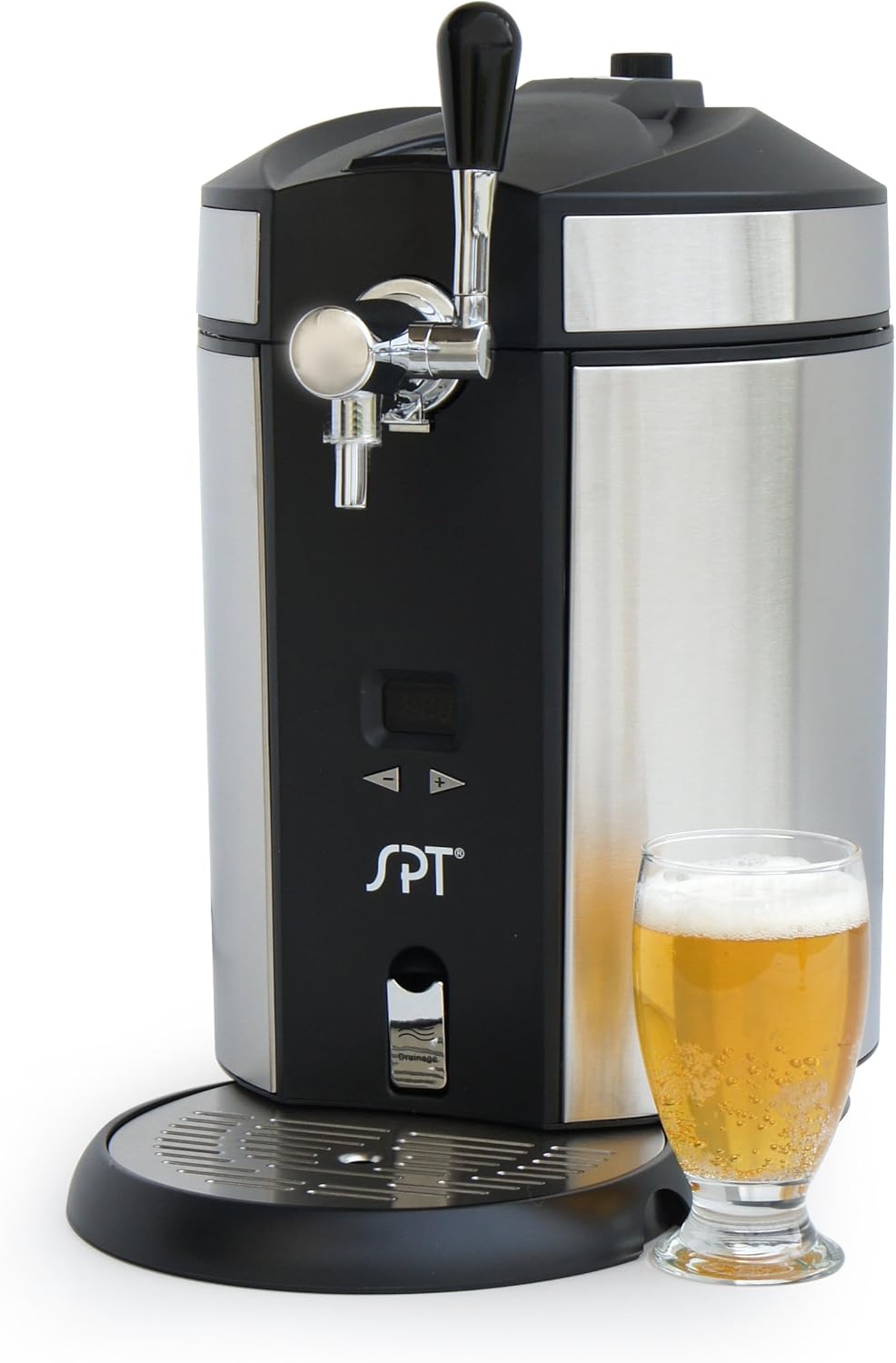
The SPT Mini Kegerator BD-0538 is a small freestanding dispenser designed for 5 liter and Heineken-style mini kegs, aimed at delivering draft beer at home or at small gatherings. It uses thermoelectric cooling rather than a compressor, which keeps operation quieter and avoids vibrations that can disturb carbonation, and the unit includes a digital LED temperature display with adjustable settings. CO2 pressure control is built in and the package comes with three CO2 cartridges plus multiple connectors and seals, so you can get pouring without buying separate fittings. The stainless steel housing looks tidy and the removable drip tray makes cleanup straightforward. Because the cooling system is thermoelectric, it may struggle in very warm rooms or with heavy use and it does not provide the rapid recovery or extreme cold of compressor models. Capacity is limited to mini kegs, so it is best for personal use rather than high-volume entertaining. For buyers seeking a compact, relatively quiet kegerator that includes connectors and CO2 to get started, this covers the basics well.
Best for: Buyers who want a compact, plug-in kegerator that is ready to use with included CO2 and connectors and who prioritize quiet operation and convenience for small gatherings.
Less Ideal for: Users who need rapid cooling, very cold setpoints, or large-capacity dispensing for frequent big parties should consider a compressor model with larger keg capacity instead.
- Accepts standard 5L and Heineken mini kegs for easy keg sourcing
- Includes CO2 cartridges and multiple connectors so you can start pouring out of the box
- Thermoelectric cooling produces quieter operation with minimal vibration
- LED temperature display and adjustable settings for simple temperature control
- Stainless steel exterior and removable drip tray simplify cleaning and upkeep
- Thermoelectric cooling has limited chill power compared with compressor kegerators
- Small 5L capacity is not suited to high-volume or long events
Verdict: A compact, ready-to-run mini kegerator that’s ideal for quiet, low-volume home use and includes CO2 and fittings to start pouring immediately.
EdgeStar BR2001 Kegerator-Ready Refrigerator

| Capacity | 4.9 cubic feet |
|---|---|
| Configuration | Freezerless |
| Cooling Method | Compressor |
| Power | 115 volts |
| Defrost System Type | Frost Free |
The EdgeStar BR2001 is a compact, freestanding refrigerator built to accommodate kegerator conversion hardware or serve as a dedicated beer cooler. It holds up to a half-shell Sankey keg or multiple smaller sixth-barrel or Cornelius kegs and cools beverages in the low 30s to mid 40s with digital temperature control and a compressor cooling system. The unit has two wire shelves and casters for moving it easily, plus a reversible stainless steel door with a keyed lock and frost-free defrosting for low-maintenance use. Practical benefits include ample internal capacity for draft setups in small kitchens, garages, or home bars and the ability to cap the tower hole when used as a refrigerator only. Important limitations are that it is freestanding only and will not accept larger rubberized kegs from some brands, and it is not Energy Star certified which may matter for long-term energy costs.
Best for: Buyers wanting a straightforward, low-risk fridge that can be converted to a kegerator and moved as needed, prioritizing reliable cooling and simple setup over integrated built-in installation.
Less Ideal for: People seeking a built-in or undercounter kegerator solution or owners who need to fit oversized rubberized kegs should consider other options.
- Accepts a half-shell Sankey keg or multiple smaller kegs for kegerator conversion
- Digital temperature control and compressor cooling for beer-safe temperatures
- Included casters make relocation and setup easier
- Frost-free operation and reversible stainless steel door add convenience and durability
- Not compatible with some oversized rubberized kegs such as certain Coors or Miller models
- Freestanding only so it cannot be built into cabinetry
Verdict: A dependable, easy-to-convert freestanding refrigerator that gives risk-averse buyers straightforward kegerator capability under $500.
Choosing the Right Kegerator: Key Factors to Consider
Temperature Control Range
Serving temperature is the single biggest factor that affects pour quality and beer flavor. A kegerator must be able to hold a narrow temperature range appropriate for the beers you drink. For lagers and pilsners you generally want colder setpoints, while many ales are served a few degrees warmer. Units with a clear numeric thermostat and verified delta from ambient will give you predictable results.
Beyond setpoint range, look for a unit with minimal temperature swing when the door opens or when the compressor cycles. Smaller compressors can struggle with rapid recovery, which leads to foam and wasted beer during busy pouring sessions.
Tap Hardware and Draft Line
Faucet and draft-line quality determine how cleanly a beer pours. A well-designed faucet with a smooth bore and a compatible shank length reduces turbulence and foam. Also consider interior hose diameter and whether the unit uses beer-rated tubing and quick-disconnect fittings for easier keg changes.
Some budget units include basic chrome faucets that work fine, but upgrading to a better faucet or adding a flow control can noticeably improve pour consistency. Check that the draft path is accessible so you can clean or replace components without significant disassembly.
Interior Capacity and Keg Compatibility
Not all kegerators fit every keg size. Under-$500 units often prioritize space economy, so confirm whether the interior supports full-size half-barrel, quarter-barrel, or only sixth-barrel kegs. Also check if the unit has the clearance for kegs with extra hardware, like CO2 tanks or additional regulators mounted inside.
If you plan to run multiple kegs or taller kegs, verify removable shelving or adjustable mounts. Capacity matters for parties and longer-term use because running out of beer or needing frequent keg swaps diminishes the convenience of a draft system.
Installation and Plumbing Options
A straightforward installation saves time and reduces the need for tools. Important considerations include whether the kegerator ships as a ready-to-use tower with preinstalled lines, or as a conversion-ready fridge that requires you to cut a hole and install a tower. Also check whether the unit supports internal or external CO2 mounting based on your intended setup.
Look for clear instructions, standard thread sizes for fittings, and the ability to route gas and beer lines without pinching. For renters or limited-work projects, models that avoid permanent modifications are preferable.
Noise, Power Use, and Recovery
Compressor noise and power consumption affect where you can comfortably place the unit. A quieter compressor is valuable in open-plan homes or when the kegerator sits near living spaces. Also consider recovery time after the door opens; faster recovery reduces the risk of warm beer or foaming during heavy use.
Energy efficiency matters for ongoing costs. While under-$500 units are typically less optimized than pricier models, some still offer reasonable insulation and compressor efficiency that keep running costs lower over time.
Cleaning Access and Long-Term Serviceability
Draft systems require periodic cleaning to prevent off-flavors and maintain flow. A kegerator should allow easy access to the faucet, shank, and beer lines for routine cleaning. Removable drip trays, quick-disconnect lines, and straightforward interior access simplify maintenance.
Long-term serviceability also depends on whether replacement parts like gaskets, faucets, and regulators use standard fittings. Units that accept common aftermarket components will be easier and cheaper to maintain over their lifespan.
Types of Kegerators Under $500
Budget kegerators typically come in two basic forms: freestanding single-tap units and conversion kits for small refrigerators. Single-tap freestanding models are ready to operate out of the box and often include a mounted CO2 cylinder bracket, faucet, and basic draft lines. Conversion kits let you turn an existing under-counter or compact fridge into a draft system but require more DIY work.
Choosing between a ready-made unit and a conversion depends on your comfort with installation, available space, and whether you already own a compatible fridge. Ready-made units minimize setup time, while conversions can be more space-efficient if you have an appropriately sized fridge to repurpose.
- Freestanding units: plug-and-play, usually easier to install.
- Conversion kits: lower upfront cost if you have a spare fridge, require cutting and mounting.
- Consider where CO2 will be mounted—inside for compact footprint or outside for extra space.
Where to Place a Kegerator
Placement affects cooling performance and user convenience. Avoid placing a kegerator in direct sunlight, unconditioned spaces where temperatures fall well below freezing, or in areas with poor ventilation around the compressor. A well-ventilated spot prevents overheating and helps the compressor run more efficiently.
Think about pouring ergonomics and drip management. Position the unit on a level surface near an electric outlet and with room to access the back for CO2 and keg changes. If you expect frequent pouring for gatherings, leave extra clearance so you can swap kegs without moving the entire unit.
- Allow clearance at the rear for proper airflow.
- Keep away from heat sources like ovens or direct sunlight.
- Level placement reduces vibration and faucet misalignment.
Maintaining Cold, Clean Pours
Regular maintenance keeps pours consistent and flavors clean. Flush beer lines with an appropriate cleaner at recommended intervals, typically every two weeks with regular use. Clean the faucet and shank assembly more often, and inspect seals and gaskets for wear during each keg change.
Also monitor CO2 pressure and regulator function. Incorrect gas pressure is a common cause of foamy or flat beer. Keep a small toolkit and spare washers so you can address leaks or worn fittings quickly.
- Flush beer lines regularly to prevent yeast and bacteria buildup.
- Clean faucet internals and replace worn seals.
- Check regulator and CO2 connections for tightness before each pour session.
Upgrades Worth Considering
Even on a budget, a few modest upgrades can noticeably improve pours. Swapping a basic faucet for a higher-quality chrome or stainless draft faucet reduces turbulence. Installing a dedicated regulator with a fine-adjustment gauge helps dial in pouring pressure and reduces foam.
If the unit supports it, upgrade tubing to thicker-walled, beer-rated lines for better insulation and reduced pressure loss. These improvements are incremental but increase reliability and reduce ongoing maintenance headaches.
- Better faucet for improved pour control.
- Precision regulator for consistent gas pressure.
- Upgraded tubing and quick-disconnects for easier keg swaps.
Common Installation Pitfalls
Beginners often underestimate the importance of correct shank and tower sealing. Poorly sealed towers allow warm air ingress and make maintaining serving temperature harder. Also avoid over-tightening fittings which can damage threads or crush tubing.
Another common mistake is using incorrect tubing lengths or diameters for the distance between keg and faucet. Excessively long or undersized lines change flow characteristics and increase foam. Plan your layout before finalizing hose routing and mounting brackets.
- Ensure proper tower sealing to maintain insulation.
- Use recommended tubing diameters and keep lines reasonably short.
- Avoid overtightening fittings; use proper washers and clamps.
How We Chose the Best Kegerator
We focused on features and performance that most directly affect everyday use of an entry-level home kegerator. Key evaluation criteria included refrigeration consistency because steady serving temperature reduces foam and preserves flavor; tap and draft hardware quality since faucet design and shank length determine pour control; footprint and installation flexibility to ensure the unit fits common home bar, kitchen, or garage placements; capacity and keg compatibility so users know what keg sizes are supported; and ease of maintenance covering cleaning access and replacement parts availability. We excluded units whose documented specs lacked clear temperature ranges, refrigeration power, or had limited user-accessible serviceability. We also filtered out models with nonstandard keg fittings or proprietary tap systems that restrict parts availability. The final list emphasizes practical durability, measurable temperature performance, and straightforward installation for home use.
Our full evaluation process is outlined in our review methodology.
FAQ
What keg sizes typically fit in budget kegerators?
Most units under $500 support common smaller keg sizes like sixth-barrels or quarter-barrels, and some support slim full-size kegs depending on interior clearance. Check internal height and footprint before assuming a particular keg type will fit.
Can I mount the CO2 tank inside the kegerator?
Some compact models have brackets or compartments for small CO2 cylinders inside the cabinet to save space, but this limits keg capacity. External mounting keeps interior room free but requires routing lines through grommets or ports.
How often should I clean the beer lines?
With regular home use, flush and clean beer lines every two weeks to prevent buildup and off-flavors. Increase cleaning frequency if you switch beer styles frequently or notice flavor or flow changes.
Is a conversion kit as reliable as a factory-built kegerator?
A conversion can be equally reliable if installed correctly and using appropriate components. Factory-built units simplify setup and often have better integrated ventilation and fittings, while conversions require more careful sealing and mounting for consistent performance.
What causes excessive foam during pours?
Excessive foam usually results from incorrect CO2 pressure, warm beer, or turbulence in the draft path. Check temperature stability, regulator settings, and inspect tubing for kinks or incorrect diameters to reduce foaming.
Final Verdict
Choosing a kegerator under $500 is about balancing serving performance with space and installation needs. Prioritize models with reliable temperature control and accessible draft hardware if pour quality is your top concern. If space is tight or you already own a compatible fridge, a conversion approach can save money but requires careful installation. Decide which tradeoffs matter most for your home setup—capacity versus footprint, plug-and-play convenience versus DIY flexibility—and pick the unit that offers the best combination of temperature stability, tap quality, and maintainability for your pouring habits.