
Note: This article contains affiliate links. If you click on these links and make a purchase, we may earn a small commission at no extra cost to you. This helps support our research and content. Read our full affiliate disclosure here.
If you want cafe-style cappuccinos at home, the right milk frother makes a major difference in texture, temperature, and consistency. A good frother produces dense, velvety microfoam that lifts espresso without large bubbles and holds its structure through latte art and spooned toppings. This guide covers seven carefully shortlisted milk frothers for cappuccinos, focusing on real-world performance factors such as foam quality, temperature control, and everyday cleanup. Below you will find the top picks evaluated against practical buying criteria so you can match features to how you make coffee at home.
Top Picks at a Glance
| Best Overall The best all-around choice for most situations | Nespresso Aeroccino3 Milk Frother | 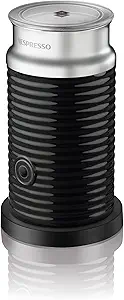 |
| Best Quality Built to a higher standard if you want something more solid | Breville Milk Café Frothe |  |
| Best Value The sweet spot between price and what you get | Secura Milk Frother MMF-015 |  |
| Best Budget The cheapest option that still gets the job done reliably | SIMPLETASTE Milk Frother |  |
| Top Rated A top-rated pick with lots of positive feedback | PARIS RHÔNE MF017 Milk Frother |  |
| Most Popular A crowd favorite that many people choose with confidence | Zulay Kitchen Milk Frother Z1 |  |
| Best Seller A high-volume bestseller chosen again and again | Zulay Kitchen Milk Frother Z1 |  |
Nespresso Aeroccino3 Milk Frother
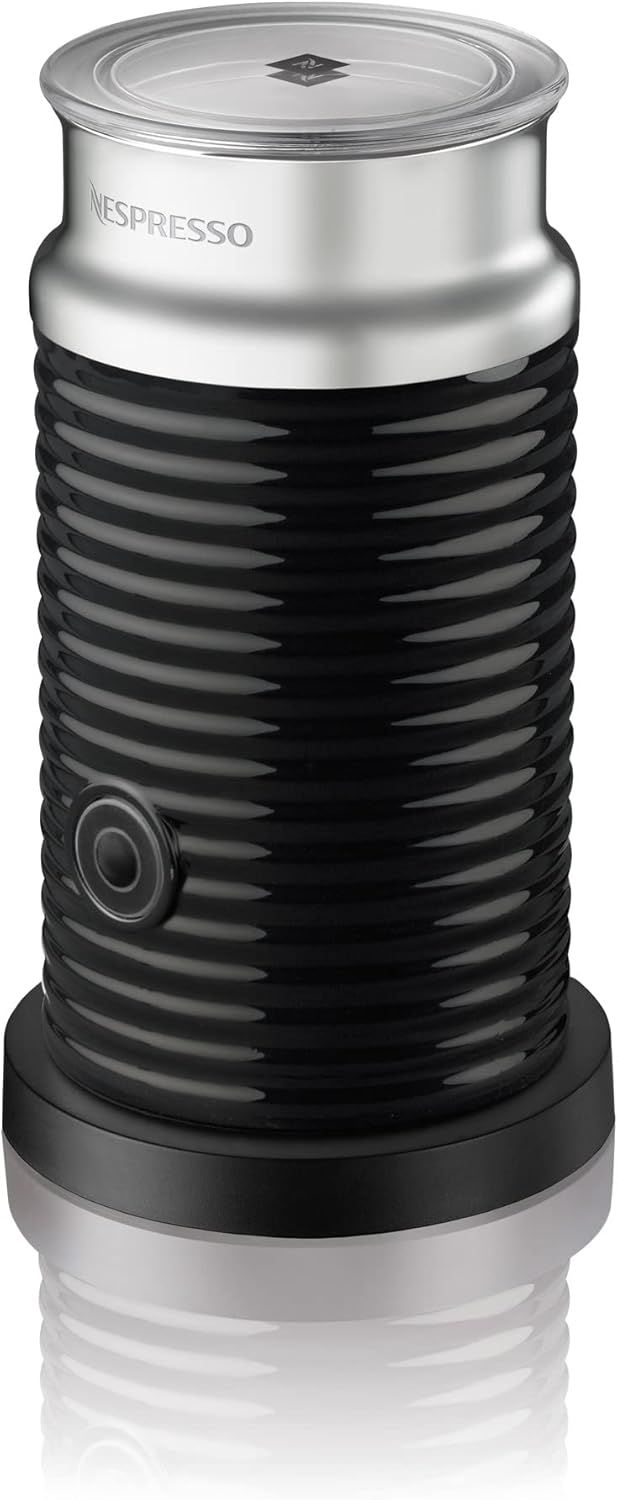
| Capacity | 8.1 ounces |
|---|---|
| Number of settings | 2 |
| Power Source | Corded Electric |
| Wattage | 550 watts |
| Voltage | 120 volts |
The Aeroccino3 is a compact, user-friendly milk frother designed to produce hot milk, hot milk foam, or cold froth with a single-button operation. You press the button briefly for hot milk or froth and hold it for cold froth, and the unit heats milk to roughly 160 to 170 F for warm drinks. It comes with a whisk and slim base, and its stainless steel interior plus a nonstick finish make it easy to rinse or place parts in the dishwasher. With a small capacity suited to single-serve cappuccinos, it works well for quickly adding frothed milk to espresso or brewed coffee. The frother is manual in the sense that it has two preset settings rather than adjustable temperature or texture controls, so you get consistent, simple results but not fine-grained customization. Its compact footprint fits easily on crowded countertops, but the limited volume means you will need to froth in batches for multiple drinks.
Best for: Buyers who want a straightforward, reliable frother to make single-serve cappuccinos and lattes quickly without fuss or advanced controls.
Less Ideal for: Those who regularly prepare multiple drinks at once or want adjustable froth texture and temperature should consider larger or more feature-rich models.
- One-touch operation makes frothing hot or cold milk fast and simple
- Stainless steel interior with nonstick surface is easy to clean and dishwasher safe
- Slim base and compact design save counter space
- Heats milk to cappuccino-friendly temperatures (about 160–170 F) for reliable warm drinks
- Small capacity limits use to one cup at a time and requires multiple batches for several drinks
- Only two preset settings so there is no manual control over froth density or temperature
Verdict: A compact, no-fuss frother that reliably produces single-serve hot or cold foam for cappuccinos with one-touch simplicity.
Breville Milk Café Frothe

| Power Source | Corded Electric |
|---|---|
| Wattage | 500 watts |
| Voltage | 120 volts |
| Material Type | Stainless Steel |
The Breville Milk Café Frothe uses induction heating and a spinning jug to produce consistently hot, finely textured milk ideal for espresso drinks and hot chocolate. You pick one of two frothing discs for cappuccino or latte textures, add milk, set the target temperature and the unit froths and stops automatically when that temperature is reached. Induction heating promotes even warming and small bubbles for creamier foam, and the included measuring cap and dishwasher-safe jug speed prep and cleanup. At 500 watts it heats quickly while remaining compact on a countertop, but the stainless steel jug is hand-wash only for parts care and the unit is single-purpose compared with steam wands on espresso machines. Performance-focused users will appreciate the consistent foam quality and temperature control, though those wanting full manual control or an integrated espresso-steam solution may prefer a different tool.
Best for: Home baristas who prioritize consistent, high-quality milk texture and precise temperature control for cappuccinos and lattes without using an espresso machine steam wand.
Less Ideal for: People who need full manual steaming control or want an integrated solution built into an espresso machine should look elsewhere.
- Induction heating for even warming and finer microfoam
- Two frothing discs for distinct cappuccino and latte textures
- Automatic shutoff at selected temperature for repeatable results
- Dishwasher-safe jug for easier cleanup
- Compact stainless steel design fits small countertops
- Hand-wash recommended for parts despite dishwasher-safe claim in some sections
- Single-purpose frother cannot replicate the power or flexibility of a steam wand
Verdict: Choose the Milk Café Frothe if you want reliable, café-style cappuccino foam and precise temperature control from a compact countertop frother.
Secura Milk Frother MMF-015
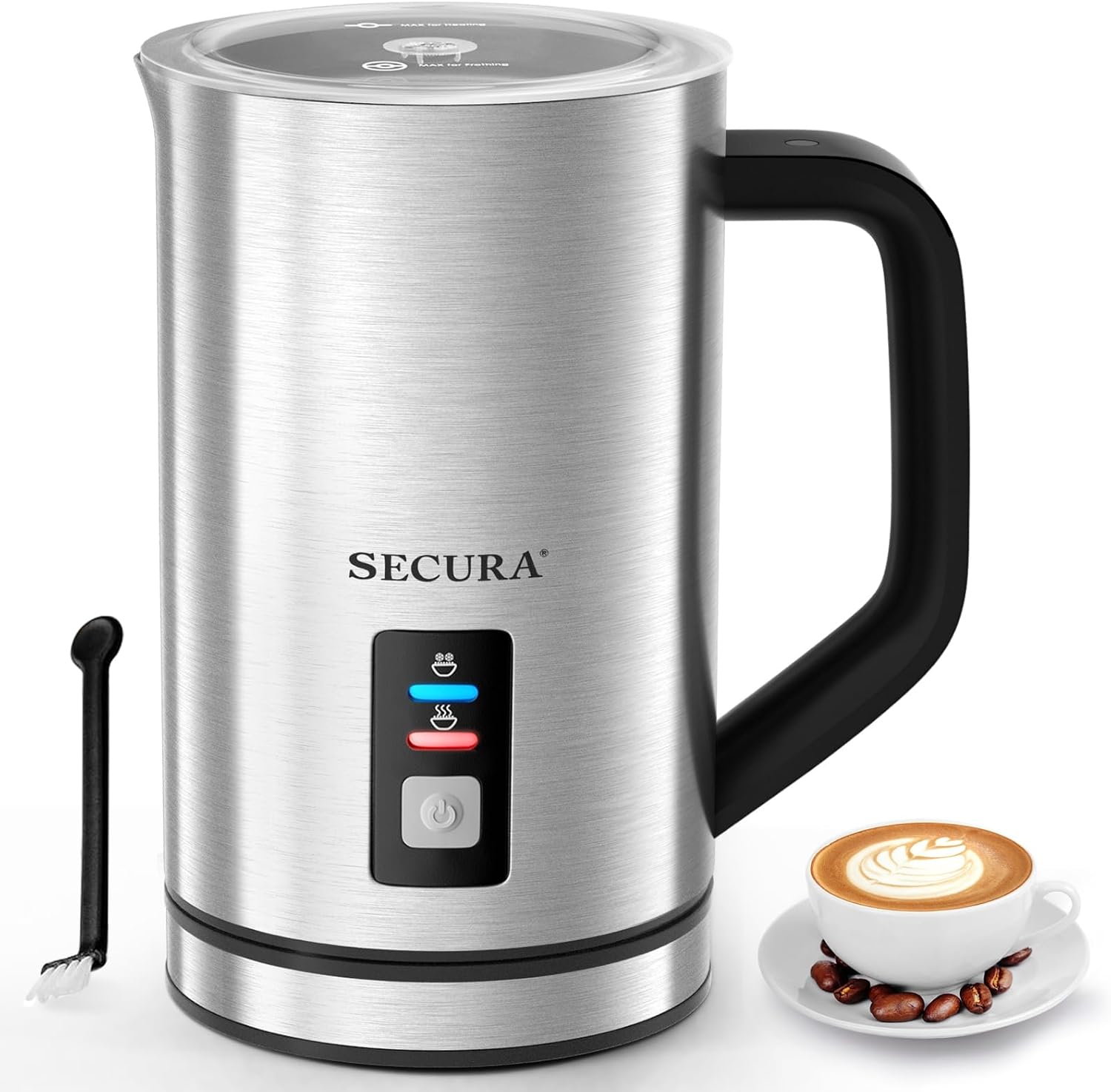
| Capacity | 250 ml |
|---|---|
| Power Source | Electric |
| Voltage | 120 volts |
| Material Type | Stainless Steel |
The Secura MMF-015 is a compact electric milk frother designed to produce hot froth, cold foam, or simply heat milk for lattes, cappuccinos, and hot chocolate. It has one-button operation with indicator lights for the three modes and an automatic shut-off for safe, hands-off use. Built from stainless steel with a nonstick interior, the jug includes clear max/min fill lines so you can froth or heat the right volume without spills; the unit handles up to 4.2 oz of froth or 8.4 oz of heated milk. In practice it makes dense, pourable foam quickly for single-serve drinks and the angled spout helps when pouring for latte art. Cleaning is straightforward with the nonstick coating and the included cleaning brush, though the base and controls must stay dry. Limitations: plant-based milks with low protein generally will not foam well and the small capacity means it is best for one or two drinks at a time rather than serving several guests.
Best for: Buyers who want a simple, reliable countertop tool to make café-style cappuccinos and lattes at home without learning manual steaming techniques or using a full espresso machine.
Less Ideal for: People who regularly prepare multiple drinks at once or rely on low-protein plant milks as their primary milk choice should consider larger or specialized alternatives.
- One-touch control for hot froth, cold foam, or heating milk simplifies daily use
- Stainless steel body with nonstick interior is durable and easy to rinse clean
- Clear max/min indicators reduce overfilling and spills
- Automatic shut-off adds safety and prevents overheating
- Small capacity is suited to single-serve drinks rather than multiple cups
- Plant-based milks low in protein (almond, oat, coconut, rice) do not froth well
Verdict: A compact, easy one-touch frother that delivers café-quality hot and cold foam for single-serve cappuccinos and lattes.
SIMPLETASTE Milk Frother
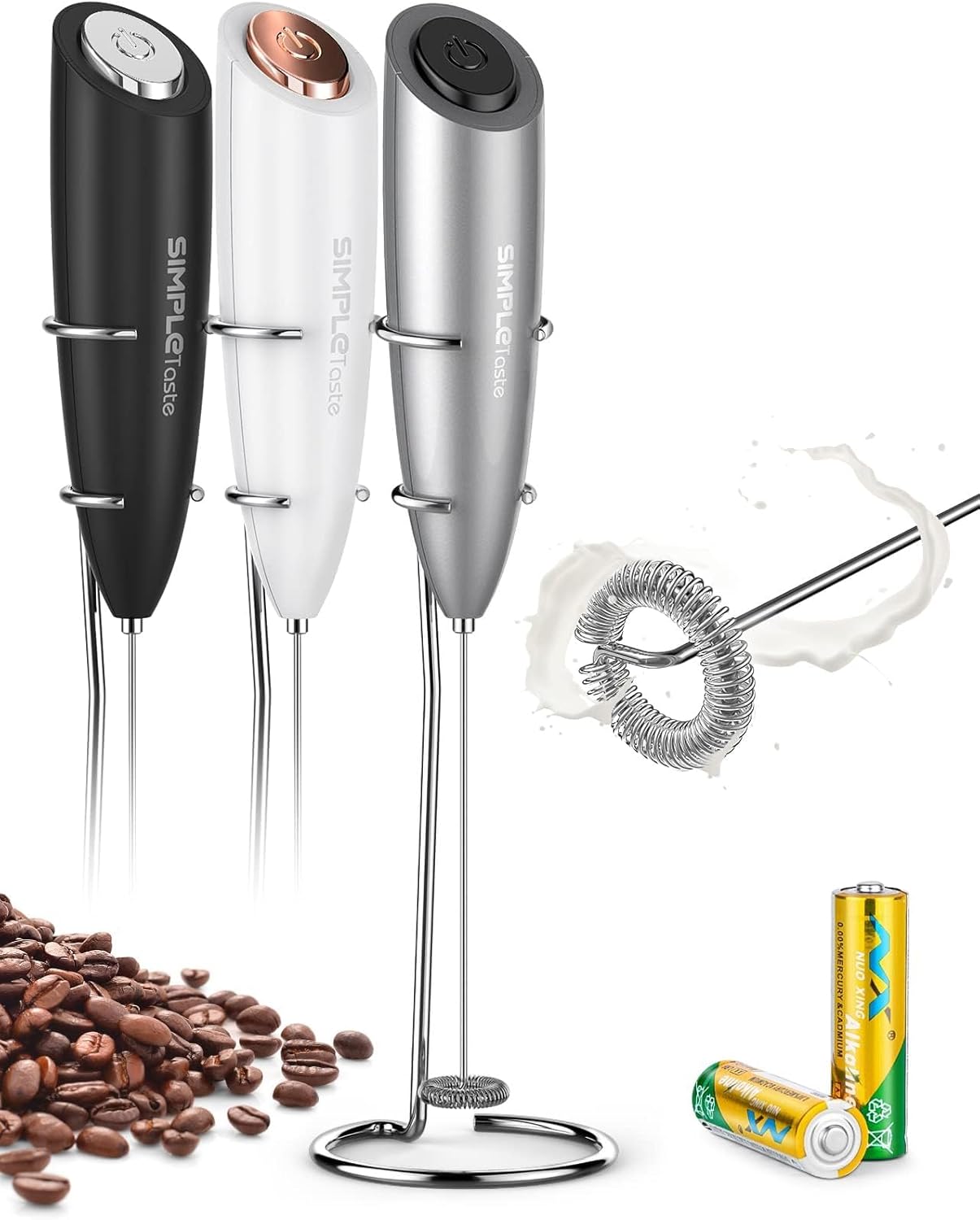
| Power Source | Battery Powered |
|---|---|
| Number of Batteries | 2 |
| Material Type | Plastic, Stainless Steel |
| Voltage | 15 volts |
The SIMPLETASTE Milk Frother is a compact, battery-operated handheld whisk designed to produce creamy foam for cappuccinos, lattes, hot chocolate, and other mixed drinks. It runs on two AA batteries, has a lightweight ergonomic plastic handle, and a 304 stainless steel whisk that resists rust. Use it by inserting the whisk into a glass or small pitcher filled about one third with milk, press the single power button, and froth for 15 to 30 seconds for a useful foam. The included stand keeps the frother upright on the counter and the small footprint makes storage easy. Because it is battery-powered and cordless, it is convenient for quick single-serve drinks without needing a dedicated appliance or a power outlet. Limitations include minimal capacity handling for large pitchers, no built-in heater for warming milk, and the housing must not be immersed in water, so cleaning requires care around the handle.
Best for: Buyers looking for a very inexpensive, no-frills way to add foam to single-serve cappuccinos and lattes will appreciate its simplicity and portability.
Less Ideal for: Do not choose this if you need a heated milk steamer, frequent high-volume frothing, or a model that is fully submersible for dishwasher cleaning.
- Fast frothing that produces usable foam in about 15–30 seconds
- Stainless steel whisk resists rust and handles hot or cold liquids
- Battery-powered cordless operation for quick single-serve use
- Includes a small stand for tidy countertop storage
- Not suitable for heating milk since it does not warm liquids
- Handle cannot be immersed so cleaning requires care to avoid water entry into the motor
- Small size limits efficiency with large pitchers or high-volume frothing
Verdict: A simple, budget-friendly cordless frother that delivers fast single-serve foam for cappuccinos without the bulk of larger machines.
PARIS RHÔNE MF017 Milk Frother

| Material Type | Stainless Steel |
|---|---|
| Other Special Features of the Product | Auto Shut-Off |
| Model Name | MF017 |
| Recommended Uses For Product | Residential |
This PARIS RHÔNE MF017 is a compact electric milk frother built for everyday café-style drinks at home. It offers four preset modes—hot foam, cold foam, latte, and cappuccino—selected with one-touch controls, and includes two rotating whisk attachments so you can switch between thicker and lighter foam textures. The unit is stainless steel, has an ergonomic grip, and is designed to be waterproof so the jug and accessories can be rinsed or placed in the dishwasher for deeper cleaning. Included accessories like a sponge brush and silicone spatula help with maintenance. Practical benefits include consistent foam for cappuccinos without manual steaming and easy cleanup that supports frequent use. Important limitations are a relatively small capacity for batch frothing and no temperature display or adjustable temperature settings, so users who want precise heat control or larger volumes may find it constrained.
Best for: Buyers who prioritize a reliable, low-maintenance frother that consistently produces café-style foam for single-serve cappuccinos and values easy cleanup.
Less Ideal for: People who need high-capacity frothing for multiple cups at once or want precise temperature control for specialty milk drinks.
- Four one-touch modes for hot foam, cold foam, latte, and cappuccino
- Two interchangeable rotating whisks for different foam textures
- Waterproof stainless steel construction and dishwasher-safe parts for easy cleaning
- Includes cleaning accessories (sponge brush and silicone spatula) for maintenance
- Small capacity limits preparation of multiple drinks at once
- No adjustable temperature display or precise heat control
Verdict: A dependable, easy-to-clean frother that reliably makes cappuccino-style foam for everyday single-serve use.
Zulay Kitchen Milk Frother Z1

| Power Source | Battery Powered |
|---|---|
| Wattage | 30 watts |
| Number of Batteries | 2 |
| Material Type | Plastic |
The Zulay Kitchen handheld frother is a compact, battery-powered whisk designed to create creamy foam for lattes, cappuccinos, matcha and protein drinks in seconds. It is typically used by inserting two AA batteries, placing the frother into milk or beverage, and running the high-speed whisk to produce dense foam or to mix powders without a blender. Notable features include a 30-watt motor, cordless operation, a small countertop stand for storage, and a lightweight ergonomic plastic body that makes single-handed use easy. Practical benefits are speed and convenience for home barista tasks, easy cleaning by briefly running under warm water, and wide compatibility with dairy and plant-based milks. Limitations are that it is battery dependent rather than rechargeable, so you will incur ongoing battery replacements, and the small whisk head is meant for single-cup use rather than frothing large volumes. For buyers seeking a simple, proven handheld frother that performs reliably and stores neatly, this model delivers consistent foam quickly.
Best for: Buyers who want a reliable, no-fuss handheld frother to produce cafe-style foam quickly at home and value proven performance backed by strong customer feedback.
Less Ideal for: Those who need a frother for high-volume use, commercial settings, or prefer a rechargeable or electric base unit with larger capacity.
- Fast foam generation suitable for single servings
- Cordless operation with included AA batteries for immediate use
- Comes with a compact stand for tidy countertop storage
- Lightweight ergonomic handle for comfortable one-handed use
- Battery powered rather than rechargeable, requiring periodic battery replacement
- Small whisk head is not ideal for frothing multiple cups or large pitchers
Verdict: A straightforward, effective handheld frother that delivers quick, consistent foam for single-serving cappuccinos and home barista use.
Zulay Kitchen Milk Frother Z1

| Power Source | Handheld,Electric |
|---|---|
| Number of Batteries | 2 |
| Number of settings | 1 |
| Material Type | Stainless Steel |
The Zulay Kitchen Z1 is a battery-powered handheld frother that whips milk and powdered drinks into foam in seconds. It uses a high-speed motor (listed as 13,000 RPM) and a multi-loop whisk head to produce dense, creamy foam for cappuccinos, lattes, matcha, hot chocolate, and protein shakes. Operation is straightforward: a single on/off button, a comfortable grip, and two included batteries make it portable and easy to use around the kitchen or on the go. The stainless steel whisk and simple rinse-cleaning method mean maintenance is quick, and the slim profile stores easily in a drawer. Limitations are typical for handheld frothers: it is manual rather than automatic, so you control duration for desired foam and it lacks temperature control or heating functions, and battery power means you will need replacements over time. For buyers wanting a compact, no-fuss way to add cafe-style foam without a large machine, this frother delivers reliable, fast results.
Best for: Buyers who want a low-risk, easy-to-use handheld frother for everyday cappuccinos and powdered drinks and who prioritize simplicity and proven reliability.
Less Ideal for: Those who want an integrated milk heater, automatic frothing cycles, or a rechargeable unit with higher continuous run time should consider other types of frothers.
- Fast high-speed motor creates thick foam quickly
- Simple one-button operation and compact, lightweight design
- Stainless steel whisk is easy to clean and rust resistant
- Includes batteries and is fully portable for use anywhere
- Runs on disposable batteries rather than rechargeable power
- No heating or temperature control, only frothing function
Verdict: A compact, no‑fuss handheld frother that reliably produces cafe‑style foam for everyday cappuccinos.
Choosing the Right Milk Frother for Cappuccinos: Key Factors to Consider
Froth Quality & Texture
Froth quality determines whether you get a proper cappuccino or just foamy milk. Dense microfoam with fine bubbles integrates with espresso crema and supports spooned foam on top of a ristretto or double shot. Evaluate how well a frother can transform whole, skim, and alternative milks into stable, velvety foam rather than large, unstable bubbles. Froth that holds its shape for several minutes is especially helpful for serving multiple drinks or for practicing simple latte art.
Different frothing mechanisms produce different textures. Aerating wands and whisk-based drivers typically yield a tighter foam than high-speed rotary frothers intended for cold froth. Consider the typical result with the milk types you use most often when judging this factor.
Temperature Control
Proper temperature is crucial for flavor and mouthfeel. Cappuccino foam benefits from milk heated to a range that sweetens milk sugars without scalding proteins; too hot and the foam collapses or tastes flat. Look for frothers with consistent heat profiles, thermostatic cutoffs, or adjustable temperature settings if you prefer precise control. A frother that maintains heat during frothing and doesn't overshoot the target is less likely to burn milk or produce thin, watery foam.
If you use plant-based milks, note that many alternatives foam best at slightly different temperatures than dairy. A unit that lets you control or predict final temperature will make it easier to adapt recipes for non-dairy options.
Capacity & Speed
Capacity matters based on how many cappuccinos you make per session. Single-serve frothers should produce one to two cappuccino portions without repeated cycles, while larger pitchers are better for serving guests. Speed influences morning routines; faster frothers reduce wait time and keep extraction and serving times aligned for optimal crema integration.
Also consider the size of the frothing chamber relative to the milk expansion during aeration. Overfilling can create spills and inconsistent foam. A practical capacity and a short, reliable cycle time improve flow in a busy kitchen or when preparing drinks for multiple people.
Compatibility With Milk Types
Different milk types behave differently under heat and aeration. Whole milk tends to produce denser, sweeter foam while skim milk can create more voluminous bubbles. Plant-based options such as oat, almond, soy, and pea protein have varying protein and fat compositions that influence foam stability and texture. Choose a frother known to handle the milk types you use frequently.
Some units include separate settings or attachments tuned for alternative milks. If you switch between dairy and plant-based milks, look for a versatile frother or one that comes with clear instructions for preferred settings and techniques to get the best results.
Ease of Cleaning and Maintenance
Daily cleaning practice affects whether a frother becomes part of your routine or an appliance you avoid. Units with removable whisks, dishwasher-safe pitchers, or simple wipe-clean interiors make upkeep fast. Hard-to-reach seams, permanently attached foam heads, or porous internal coatings increase buildup risk and shorten usable life.
Also consider maintenance needs such as descaling or replacing small components. A design that minimizes trapped milk and allows quick disassembly will save time and reduce the chance of off flavors from old residue.
Controls and Ergonomics
Controls should match how you use the device. Intuitive single-button cycles are great for straightforward cappuccinos, while variable speed, temperature, or froth-density options provide more control for enthusiasts. Ergonomics such as handle comfort, spout shape, and stability during frothing affect both safety and repeatability.
A stable base and easy-to-read indicators help avoid spills and over-processing. If you routinely froth directly into a cup, consider the height and spout positioning to ensure a clean pour and minimal mess.
Manual Vs Automatic Frothers
Manual and automatic frothers each have tradeoffs relevant to cappuccino makers. Manual frothing using a handheld whisk or pump gives direct tactile feedback and can produce excellent microfoam when you have the technique. It also requires more effort and practice to get consistent results.
Automatic frothers offer convenience and repeatability. They typically handle heating and timing automatically, which is helpful for daily use or when you need predictable outcomes with minimal skill.
- Manual: More control, steeper learning curve, no electricity required for simple pumps.
- Automatic: Consistent cycles, built-in heating, less technique-dependent.
Getting Great Foam From Alternative Milks
Alternative milks vary widely in foaming behavior. Oat milk tends to be the most forgiving and produces creamy foam in many machines, while almond and some nut milks often require lower temperatures and vigorous aeration to build structure. Soy and pea proteins can foam well but may need specific frothing speeds to avoid large bubbles.
To get better results with alternatives, chill the milk first, use the recommended frothing setting for plant milks when available, and avoid overheating. Small technique adjustments such as shorter, controlled aeration and finishing with a brief hot cycle can improve stability.
- Try barista-style plant milks when possible; they are formulated for foam stability.
- Cold milk and measured volumes reduce foam variability.
Cleaning Tips to Preserve Foam Consistency
Residue from previous sessions can alter foam texture and create odors. Rinse or wipe the frother components immediately after use to prevent protein films from drying on whisks and pitcher walls. Weekly deeper cleans such as soaking removable parts or running a vinegar solution through heated systems help prevent buildup.
Avoid abrasive tools on coated interiors and follow manufacturer guidance for dishwasher safety. Keeping seals and attachments clean will maintain airflow and mechanical action needed to produce fine microfoam.
- Rinse parts under warm water right after frothing.
- Perform a scheduled deep clean based on usage frequency.
Integrating a Frother Into Your Espresso Workflow
Timing matters when you prepare a cappuccino. Heat and froth the milk so it is ready just after pulling the espresso shot to preserve crema and achieve the best texture. If your frother has a preheat or warm-up time, factor that into your sequence and consider machines that complete cycles in a minute or less for tight coordination.
If you often prepare multiple drinks, plan for capacity or run multiple cycles with short cool-down intervals. Consider countertop space, whether you froth into separate pitchers, and how you store the clean components for quick access.
- Match frother cycle time to your shot-pull routine.
- Use a small pitcher for single cups and a larger one for serving guests.
Common Troubleshooting for Weak or Large-Bubbled Foam
Large or weak bubbles usually stem from incorrect technique, wrong milk temperature, or underpowered frothing action. Start by confirming milk is cold and the frother is not overfilled. For handheld devices, change the angle and depth of the whisk to introduce the right amount of air. For automatic units, try a shorter aeration period followed by a brief heating phase.
If foam quality suddenly degrades, check for residue on the whisk or inner walls and clean as necessary. Verify seals and attachments are properly seated to maintain correct airflow and mechanical contact.
- Do not overfill the frothing chamber.
- Clean components regularly and check for wear.
How We Chose the Best Milk Frother for Cappuccinos
We screened milk frothers for cappuccinos using criteria that matter for making traditional cappuccinos and consistent microfoam. First, we prioritized foam quality and texture, looking for units that produce dense, fine-bubbled foam suitable for spooning and light latte art. Temperature control and heat consistency were essential because cappuccino foam must reach and hold the proper drinking temperature without scalding the milk. Next, we evaluated capacity and speed so models are practical for single- and double-shot drinks and fit common home routines. Ease of cleaning and maintenance were included since removable parts and simple surfaces reduce daily friction. Durability of components and the reliability of motors or heating systems were considered to estimate long-term performance. Finally, we assessed controls and ergonomics so the frother integrates smoothly into typical home espresso workflows. We excluded novelty or single-use gadgets that cannot produce tight microfoam or that are intended only for cold foam. Models that lacked basic safety features or presented cleaning difficulties were removed from contention. The resulting shortlist reflects machines that meet these practical standards rather than gimmicks or raw power metrics alone.
Our full evaluation process is outlined in our review methodology.
FAQ
Can I froth plant-based milk for cappuccinos?
Yes, many plant-based milks can be frothed into cappuccino foam, though results vary by type. Oat and specially formulated barista blends tend to produce the most stable microfoam. Adjusting temperature and aeration technique helps with other alternatives.
How much milk should I use for one cappuccino?
A standard cappuccino typically uses about 5 to 6 ounces of steamed milk including foam for a single serving. Leave room in the frother for milk expansion during aeration to avoid overflow and inconsistent texture.
Is it better to froth milk separately or directly in the cup?
Frothing in a separate pitcher gives more control over texture and temperature and makes it easier to spoon foam onto espresso. Frothing directly in the cup is faster but offers less precision and can limit the foam quality for traditional cappuccinos.
How often should I deep-clean my milk frother?
Deep cleaning frequency depends on use, but a weekly thorough clean is a good starting point for regular home use. Rinse components after each use and perform a deeper soak or descaling as needed to prevent buildup and off flavors.
Will a handheld frother produce cafe-quality foam?
A handheld frother can produce excellent foam with practice, especially for single servings. It tends to require more technique to achieve consistent microfoam compared with purpose-built automatic frothers that control timing and temperature.
Final Verdict
When choosing a milk frother for cappuccinos, prioritize froth quality, temperature control, and cleaning ease. Decide whether you prefer the hands-on control of manual frothing or the repeatability of automatic machines, and match capacity to how many drinks you make per session. Expect tradeoffs between speed, versatility with different milks, and maintenance needs. Focus on the few features that matter most to your routine—texture, predictable heat, and simple upkeep—and you will have the best chance of making consistent, cafe-style cappuccinos at home.