
Note: This article contains affiliate links. If you click on these links and make a purchase, we may earn a small commission at no extra cost to you. This helps support our research and content. Read our full affiliate disclosure here.
Picking the right mini fridge for a small family means balancing usable storage, consistent cooling, and easy upkeep. You want a compact refrigerator that still fits milk, fresh produce, leftovers, and a few frozen staples without constant juggling. This guide shortlists the top mini fridges that match family routines, from weekend snacks to weekday meal prep. We evaluated options for dependable temperature control, practical interior layouts, and daily convenience features so you can choose a unit that fits your kitchen, laundry room, or secondary food-storage spot. Read on for our top picks and the evaluation criteria that matter when buying a mini fridge for family use.
Top Picks at a Glance
| Best Overall The best all-around choice for most situations | Igloo 3.2 Cu. Ft. Mini Fridge |  |
| Best Quality Built to a higher standard if you want something more solid | GE Double-Door Mini Fridge GDE03GLKLB | 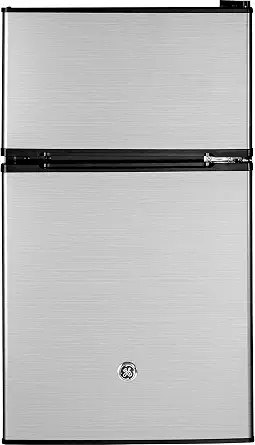 |
| Best Value The sweet spot between price and what you get | Upstreman 3.2 Cu.Ft Mini Fridge BR321 |  |
| Best Budget The cheapest option that still gets the job done reliably | Frestec 1.7 Cu Ft Mini Fridge |  |
| Top Rated A top-rated pick with lots of positive feedback | Midea 3.1 Cu Ft Mini Fridge |  |
| Most Popular A crowd favorite that many people choose with confidence | Frigidaire Retro 3.2 Cu Ft Fridge |  |
Igloo 3.2 Cu. Ft. Mini Fridge

| Capacity | 3.2 cubic feet |
|---|---|
| Freezer Capacity | 0.2 cubic feet |
| Cooling Method | Compressor |
| Defrost System Type | Automatic |
| Voltage | 120 volts |
The Igloo 3.2 cu. ft. mini fridge pairs a separate top freezer with a compressor cooling system to offer true refrigeration for dorms, offices, or small family kitchens. It has two removable frameless glass shelves with spill guards, vertical can and tall bottle storage, and a small 0.2 cu. ft. freezer compartment that handles ice and frozen meals. Temperature is set with an easy mechanical thermostat that ranges roughly between 32 and 50°F, and the automatic defrost and quiet compressor make it unobtrusive for shared spaces. Practical touches include door shelves for condiments, an included ice tray and scraper, and a matte finish that fits most room styles. Expect modest annual energy use compared with full-size units, but note the limited freezer space and mid-level capacity — it is best for families needing extra chilled storage rather than full meal prep or bulk freezing. Installation is simple since it is freestanding, but buyers wanting larger frozen storage or faster cooling cycles should consider a larger upright or chest freezer instead.
Best for: Buyers who want a compact, reliable secondary refrigerator that fits small-family needs and prioritizes organized shelving and a usable freezer over large capacity.
Less Ideal for: Households that require extensive freezer space, heavy meal prepping, or large-volume cold storage should look at larger refrigerators or dedicated freezers.
- Separate freezer compartment for small frozen items and ice
- Removable frameless glass shelves with spill guards for easy cleaning and organization
- Adjustable mechanical thermostat for simple temperature control
- Quiet compressor cooling suitable for dorms, offices, and bedrooms
- Automatic defrost reduces maintenance
- Freezer capacity is very small and not suited for bulk freezing
- Annual energy consumption figure is mid-range compared with more efficient mini fridges
Verdict: A practical compact fridge with a usable freezer and simple controls, ideal as a small-family secondary refrigerator when space is limited.
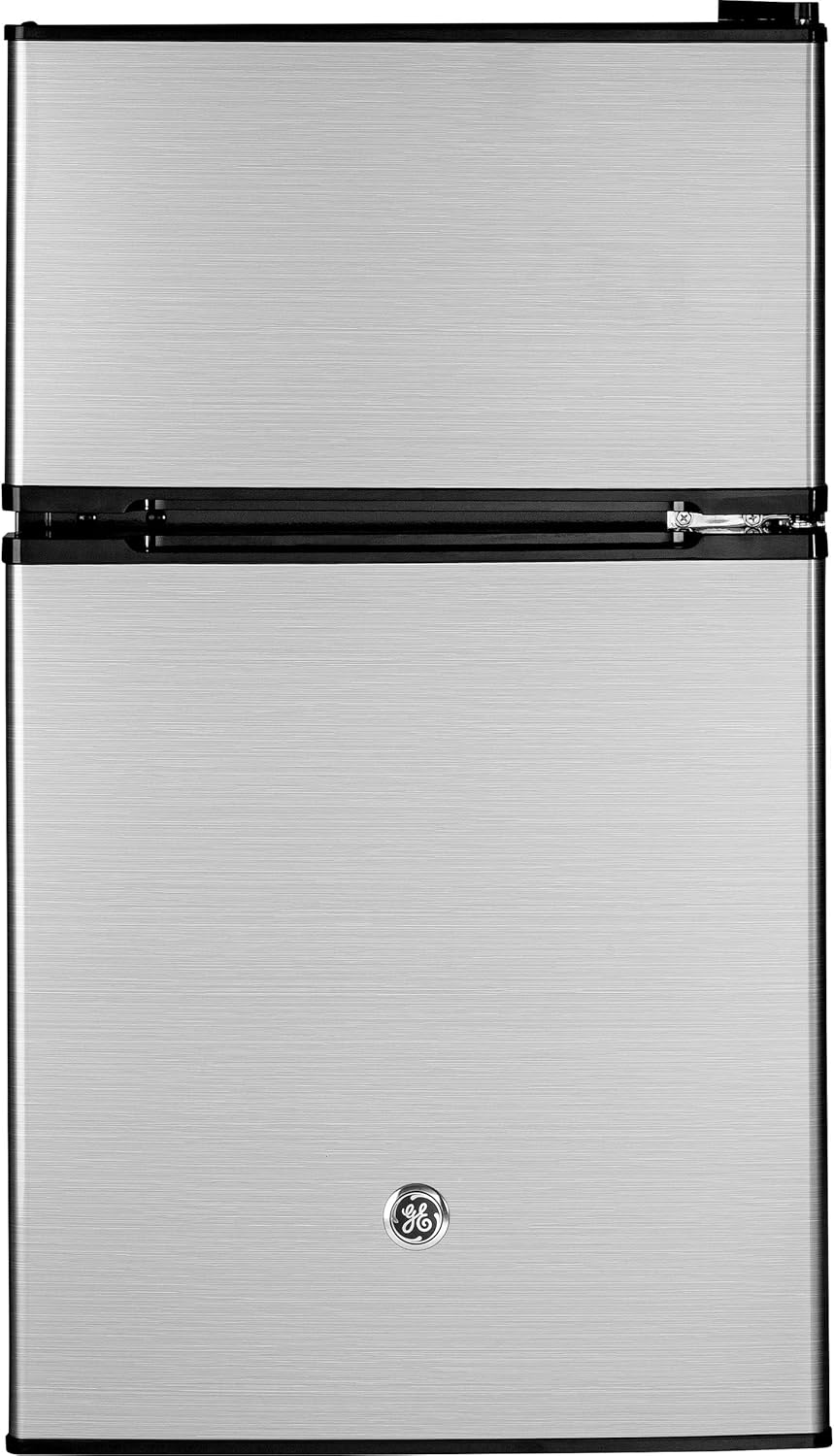
GE Double-Door Mini Fridge GDE03GLKLB
| Capacity | 3.1 cubic feet |
|---|---|
| Freezer Capacity | 0.93 cubic feet |
| Defrost Type | Partial Automatic Defrost |
| Energy Star | Yes |
| Form Factor | Compact |
This GE double-door mini fridge delivers practical, reliable cooling for small-family use where space is limited. It separates the fresh-food area from a true 0.93 cu. ft. freezer, so you can store frozen meals and ice without crowding the refrigerator section. Sturdy glass shelves and a clear crisper make organizing produce and leftovers simple, while an in-door can rack and tall-bottle storage free up shelf room. The compressor is durability-tested and the unit meets Energy Star, so it balances steady performance with reasonable energy use. Partial automatic defrost keeps the fresh-food section frost-free, though the freezer requires manual defrosting. Recessed handles help the cabinet fit into tighter spots, but the compact capacity means it will not replace a full-size family fridge for bulk shopping or meal prep. For kitchens, dorms, or garages needing a dependable secondary refrigerator, this model performs well; just plan around its limited total storage and occasional freezer maintenance.
Best for: Buyers who need a reliable, energy-efficient secondary refrigerator for small-family homes or tight spaces and prioritize steady cooling and organization over maximum capacity.
Less Ideal for: Households that routinely cook in bulk or need large-capacity refrigeration for full grocery loads should choose a larger primary refrigerator instead.
- Separate freezer compartment allows frozen meals and ice storage without cluttering the fridge
- Sturdy glass shelves and clear crisper make organization and cleaning straightforward
- Energy Star qualified and tested compressor for reliable, energy-conscious performance
- In-door can rack and tall-bottle storage free up usable shelf space
- Freezer requires manual defrosting, adding occasional maintenance
- 3.1 cu. ft. total capacity is limited for larger family grocery runs
Verdict: A dependable, energy-efficient compact refrigerator with a true freezer that fits small-family needs when space and steady performance matter more than large capacity.
Upstreman 3.2 Cu.Ft Mini Fridge BR321

| Capacity | 3.2 cubic feet |
|---|---|
| Freezer Capacity | 0.3 cubic feet |
| Defrost System Type | Manual Defrost |
| Cooling Method | Compressor |
| Voltage | 115 volts |
The Upstreman BR321 is a compact compressor mini fridge built to give small households straightforward, flexible cold storage. It offers a 3.2 cu ft interior with a 0.3 cu ft freezer and two adjustable glass shelves plus door bins, so you can organize drinks, produce, and deli items without wasting vertical space. The five-level adjustable thermostat (32°F to 50°F) makes it easy to dial in cooler temperatures for beverages or slightly warmer settings for produce, and the reversible door and leveling feet help it fit tight spots in a kitchen, dorm, or office. Energy performance is reasonable for the class with an annual consumption spec and a quiet 38 dB operating noise that will not intrude in living spaces. Expect manual defrosting and modest freezer performance that is not designed for long-term ice or ice cream storage. Installation is freestanding only and there is no lock or advanced smart controls, so the BR321 is best when you want a simple, efficient secondary fridge rather than a high-performance primary appliance.
Best for: Buyers who prioritize efficient, space-conscious cold storage and need a simple, reliable secondary refrigerator for a small family or shared living space.
Less Ideal for: Large households that need substantial freezer capacity or anyone wanting a primary full-size refrigerator with advanced features or remote controls.
- Compact footprint with 3.2 cu ft usable capacity that fits tight spaces
- Adjustable glass shelves and door bins for flexible organization
- Reversible door and leveling feet improve placement options
- Quiet compressor operation (around 38 dB) suitable for bedrooms and offices
- Energy-efficient design with specified annual energy consumption
- Freezer is small and not suitable for long-term ice or ice cream storage
- Manual defrost requires occasional maintenance
- No lock or smart features for shared or remote-managed use
Verdict: A practical, energy-conscious compact refrigerator that delivers flexible everyday cold storage for small families needing a reliable secondary fridge.
Frestec 1.7 Cu Ft Mini Fridge

| Capacity | 1.7 cubic feet |
|---|---|
| Freezer Capacity | 0.2 cubic feet |
| Cooling Method | Compressor |
| Defrost Type | Manual |
| Voltage | 115 volts |
The Frestec 1.7 Cu Ft Mini Fridge is a small freestanding refrigerator that provides basic cold storage and a 0.2 cu ft internal freezer in a footprint intended for dorms, bedrooms, or small offices. It uses a compressor cooling system and offers six temperature settings via a manual thermostat knob plus a one-touch defrost for the freezer area, which makes routine maintenance straightforward. The reversible door and adjustable feet let you fit it into tight or asymmetrical spaces, and a removable glass shelf allows taller items like bottles. It runs quietly at about 37 dB and reports low daily energy use, so it will not dominate a small living area or spike electricity. Limitations are its very small capacity—best for snacks, beverages, and light meal components rather than full family grocery storage—and manual defrost means occasional upkeep. For buyers who need simple, reliable cooling in a compact footprint, it covers the essentials without extras like automatic defrost or advanced temperature controls.
Best for: Buyers on a tight budget who need an inexpensive, space-saving secondary fridge for snacks, drinks, or supplemental cold storage in small apartments or dorm-style rooms.
Less Ideal for: Households that need to store weekly groceries, large quantities of fresh food, or want a no-maintenance auto-defrost refrigerator should choose a larger or feature-rich model instead.
- Compact footprint fits under desks or in small rooms
- Internal freezer provides light freezing storage for ice and small items
- Reversible door and adjustable feet increase placement flexibility
- Quiet operation around 37 dB suitable for bedrooms and offices
- Removable glass shelf allows taller items when needed
- Very limited 1.7 cu ft capacity not suitable for full family food storage
- Manual defrost requires occasional user intervention
Verdict: A budget-friendly, compact compressor mini fridge that delivers quiet, no-frills cooling and a small freezer for buyers who need inexpensive supplemental storage.
Midea 3.1 Cu Ft Mini Fridge

| Capacity | 3.1 cubic feet |
|---|---|
| Configuration | Compact Freezer-on-Top |
| Defrost System Type | Manual |
| Cooling Method | Compressor |
| Voltage | 120 volts |
The Midea 3.1 cu ft mini fridge is a freestanding compact refrigerator with a top freezer that keeps basics chilled and frozen without taking much floor space. It is typically used in small kitchens, dorms, or as supplemental family fridge space for beverages and leftovers; the separate freezer section and adjustable shelves make it easy to organize tall bottles and produce. Notable features include Energy Star certified compressor operation for lower energy use, a reversible door and adjustable legs for flexible placement, interior LED lighting, and a manual defrost system for the freezer. In practice it runs quietly and keeps temperatures steady when the thermostat is set correctly, and removable shelves plus a crisper drawer simplify cleaning and storage layout. Important limitations are its limited total capacity compared with full-size units and manual defrosting for the freezer, which requires occasional hands-on maintenance and reduces usable freezer storage compared with frost-free models.
Best for: Buyers who prioritize a quiet, energy-efficient, space-saving secondary fridge for everyday chilled foods and occasional frozen items and want a durable, no-frills appliance that fits small kitchens or dorm-style spaces.
Less Ideal for: Families who need substantial frozen storage or full-size refrigerator capacity for meal prepping or large grocery hauls should consider larger models instead.
- Energy Star certified compressor reduces annual energy use compared with non-certified compact fridges
- Reversible door and adjustable legs allow flexible placement in tight layouts
- Separate freezer compartment for frozen items and ice cream
- Removable shelves and a crisper drawer make organizing and cleaning straightforward
- LED interior light improves visibility without adding noticeable energy draw
- Freezer uses manual defrost so it needs periodic thawing to maintain performance
- 3.1 cu ft capacity limits how much a small family can store compared with larger compact fridges
Verdict: A reliable, energy-efficient compact fridge that provides practical refrigerated and frozen storage for small families needing a quiet, space-saving secondary refrigerator.
Frigidaire Retro 3.2 Cu Ft Fridge

| Capacity | 3.2 cubic feet |
|---|---|
| Freezer Capacity | 0.2 cubic feet |
| Defrost System Type | Manual |
| Cooling Method | Compressor |
| Voltage | 110 volts |
This Frigidaire retro-style compact fridge packs classic looks into a practical small-refrigeration package for dorms, offices, and small-family kitchens that need supplemental cold storage. It provides 3.2 cubic feet of usable space with two glass shelves, a 0.2 cu ft chiller/freezer compartment and a large 2L door basket for tall bottles, plus a built-in can dispenser and side bottle opener that make entertaining easier. The compressor cooling and manual defrost system keep temperatures steady while consuming modest energy for its class. The reversible door and flush-back profile help fit it against walls or in tighter nooks. Expect the usual limitations of a mini fridge: limited overall capacity compared with a standard household refrigerator, a small freezer not suited for long-term frozen storage, and manual defrosting when ice builds up. For buyers watching reliability and social proof, its solid brand name and thousands of reviews offer reassurance without complex smart features.
Best for: Buyers who want a reliable, well-reviewed compact fridge that adds character to small kitchens or shared spaces while providing straightforward cold storage for a small family.
Less Ideal for: Large households that need full-size refrigerated and frozen storage or users who require precise temperature controls and hands-off defrosting.
- Eye-catching retro design that doubles as decor
- 3.2 cu ft capacity with two glass shelves and a door basket for organized storage
- Small chiller/freezer compartment and included ice tray for occasional frozen items
- Reversible door and flush-back design for flexible placement
- Built-in bottle opener and can dispenser for entertaining convenience
- Freezer space is very small and not meant for bulk frozen storage
- Manual defrost requires occasional maintenance
- No advanced features like temperature display or smart controls
Verdict: A stylish, dependable compact fridge that gives small families practical cold storage and entertaining convenience without complexity.
Choosing the Right Mini Fridge for Small Families: Key Factors to Consider
Capacity Vs Footprint
Capacity matters because families need to store more perishable items than a single user. Look beyond the headline liter or cubic-foot number and check the usable internal volume after shelves and door bins are in place. A slightly taller unit with adjustable shelving can often hold more everyday items than a wider model with fixed shelves.
Footprint is equally important for placement. Measure the intended location and leave clearance for ventilation and door swing. For small families, a compact footprint that maximizes vertical space often provides the best compromise between capacity and room constraints.
Interior Layout and Flexibility
Interior configuration determines how well the fridge adapts to family needs. Adjustable shelves, removable bins, and a split freezer compartment allow you to reorganize space for tall bottles, meal containers, or a batch of leftovers.
Door storage is valuable for condiments and beverages, but deep door bins can reduce shelf width. Consider how often you need to store platters or tall milk containers and choose a layout that minimizes awkward rearranging during daily use.
Temperature Consistency and Cold Zones
Reliable cooling ensures dairy, produce, and cooked food stay safe between family meals. Temperature consistency across shelves and door zones reduces the chance that some items will freeze while others stay too warm. Look for units with clear temperature controls, a well-insulated door, and design features that promote air circulation.
For families, a modest freezer compartment can be useful for ice packs and frozen meals, but freezer size should not compromise refrigerator cold-zone performance. Consider how often you use frozen items and whether a small integrated freezer meets your routines.
Energy Use and Operating Cost
A mini fridge runs continuously, so efficiency affects household energy use. Check energy consumption metrics or ratings and prefer designs with good insulation and efficient compressors. Lower energy draw reduces monthly operating cost and lessens heat output in small spaces.
Energy efficiency also ties to longevity. Units that cycle less frequently because of better insulation and efficient cooling components generally place less strain on the compressor over time, which can improve reliability for family use.
Noise and Location Suitability
Noise level matters when the fridge will sit near living areas, bedrooms, or open-plan kitchens. Compressor-driven mini fridges vary in how loud they are during normal cycles and when the compressor starts. Evaluate typical operating noise and any reported vibration or rattling features.
If the unit will go in a quiet space, look for models with low decibel ratings or vibration-isolating feet. Keeping the fridge level and not overstuffed can also reduce operational noise.
Maintenance and Cleanability
Families generate spills and crumbs, so easy cleaning is essential. Removable shelves, accessible drains, and simple interior surfaces speed cleanup and reduce odors. A defrostable or frost-free design affects maintenance needs; frost-free models require less manual defrosting but may be more mechanically complex.
Also consider how easy it is to access the condenser or coils for occasional cleaning. A design that allows light maintenance without moving the whole unit is preferable in family settings.
Sizing and Placement Tips for Family Use
Think about both how much you need to store on a typical week and where the mini fridge will live. Kitchens, basements, garages, and home offices each have different ventilation and temperature considerations that affect performance. Allow at least a few inches of clearance behind and above the fridge for airflow.
Place the unit away from direct heat sources like ovens or windows. If you have narrow spaces, vertical models with adjustable shelves usually fit taller items more easily than squat wide designs.
- Measure the doorway and planned location before buying.
- Leave space for door swing and ventilation.
- Consider a recessed or built-in style only if ventilation is addressed.
Freezer Needs: How Much Is Enough?
Small family use benefits from a modest freezer compartment for ice packs, a few frozen meals, or bulk ice. A tiny icebox-style freezer is fine for occasional needs, but if you regularly freeze leftovers or buy frozen foods in bulk, ensure the freezer has practical shelving and door storage.
Remember that larger freezer capacity usually reduces refrigerator volume in the same footprint, so weigh your priorities between frozen storage and fresh-food space.
- If you rarely freeze foods, prioritize refrigerator shelving and door bins.
- For regular frozen meals, look for deeper freezer trays and easy-access la trays.
Organizing a Family Mini Fridge
Use consistent zones for dairy, produce, and leftovers so family members can put items away quickly. Clear bins and labeled shelves reduce lost items and food waste. Keep raw meat separate and low in the fridge to prevent drips onto ready-to-eat foods.
Rotate older items forward and use stackable, uniform containers to maximize usable space. Door bins are best for condiments and drinks rather than perishable dairy, which benefits from steadier temperatures in the interior.
- Use shallow containers to increase visible space.
- Store milk on lower shelves rather than the door for more consistent cooling.
- Keep a designated shelf for leftovers with dates to reduce waste.
Installation, Ventilation, and Seasonal Use
Proper installation improves cooling efficiency and lifespan. A level surface prevents vibration and door misalignment. Ensure ventilation clearance as specified by the manufacturer and avoid tight cabinets unless there is active airflow.
Seasonal placement matters too. Garages and unconditioned spaces can expose the fridge to temperature extremes that reduce performance or cause the unit to run constantly. If you plan to use the fridge in variable temps, pick a model rated for the expected ambient range.
- Place on a flat, stable surface and check leveling feet.
- Avoid enclosed cabinetry without ventilation.
- Consider a thermostat lock or child-safety feature if needed.
Noise Management and Nighttime Considerations
If the mini fridge will be near bedrooms or a media area, factor in typical operating noise. Look for models with quiet compressors and vibration-dampening components. Small adjustments like rubber feet and a level placement can significantly reduce perceived noise.
Run the unit for a day before deciding on final placement so you can hear its normal cycle and compressor behavior. If the noise proves distracting, moving it slightly or placing an anti-vibration pad underneath may help.
- Test the unit in its intended spot before permanent placement.
- Keep it away from resonant surfaces like hollow cabinets.
- Use anti-vibration pads for reduced noise transfer.
How We Chose the Best Mini Fridge for Small Families
We selected mini fridges that suit small-family needs by focusing on concrete, real-world performance and usability. Our evaluation prioritized consistent temperature control and cold-zone stability to prevent spoilage, plus interior storage layout and shelf flexibility so families can fit bottles, produce, and leftovers without wasted space. We also considered energy efficiency and run-time cost because continuous operation matters for households, and we flagged units with straightforward maintenance and easy-to-clean interiors for busy family schedules. Noise level was another filter to ensure the fridge would be unobtrusive in open or multiuse spaces. Finally, we reviewed build quality and warranty coverage to gauge long-term reliability. We excluded novelty units and models intended only for single-person dorm or office use that lack sufficient capacity or durable cooling for family demands. The resulting shortlist focuses on mini fridges that combine usable interior volume, reliable cooling, manageable energy draw, and family-oriented convenience features.
Our full evaluation process is outlined in our review methodology.
FAQ
How much fridge capacity does a small family typically need?
A small family often finds a mini fridge in the 3.0 to 4.5 cubic-foot range useful for secondary storage, but primary-family use may require more. Prioritize usable shelf space and adjustable layout over raw cubic numbers to ensure practical day-to-day storage.
Can a mini fridge run in an unheated garage or summer shed?
It depends on the model. Many mini fridges are designed for moderate indoor temperatures and can struggle in unconditioned spaces. Check ambient temperature ratings and avoid extremes to maintain cooling performance and compressor life.
Are frost-free mini fridges better for family use?
Frost-free systems reduce manual defrost maintenance, which is convenient for families, but they can be more mechanically complex and sometimes slightly less energy efficient. For light freezer use, a manual-defrost compartment may be sufficient and simpler to maintain.
How noisy are mini fridges and how can I reduce vibration?
Noise varies by compressor quality and installation. To minimize sound, set the unit on a level surface, use anti-vibration pads, and avoid placing it against resonant walls or thin cabinetry. Regular maintenance and ensuring nothing touches the compressor area also help.
What features make a mini fridge easier to clean?
Removable glass or wire shelves, accessible drip trays, and smooth interior surfaces simplify cleaning. A design with simple door seals and an easily reachable drain or defrost access will speed routine maintenance and help control odors.
Final Verdict
Choosing a mini fridge for a small family means balancing usable interior space, consistent temperature control, and practical daily features. Prioritize units with flexible shelving and stable cold zones so dairy, produce, and leftovers stay fresh without constant rearranging. Consider energy efficiency and noise if the unit will sit near living areas, and plan for proper ventilation and placement to maintain long-term performance. Ultimately, focus on the layout and cooling stability that match your household routines. That approach will help you pick a compact refrigerator that supports family meal habits reliably over time.