
Note: This article contains affiliate links. If you click on these links and make a purchase, we may earn a small commission at no extra cost to you. This helps support our research and content. Read our full affiliate disclosure here.
Finding the right mini fridge for work matters more than you might think. At the office, a small refrigerator needs to fit limited space, run quietly during long shifts, and hold the lunches and drinks you rely on without frequent defrosting. This guide walks you through seven shortlisted mini fridges for work that meet practical office needs. We evaluated options across capacity, noise, energy use, and convenience features so you can pick a compact cooler that fits your desk area and daily routine. Read on for the factors that matter and our top picks for common workplace scenarios.
Top Picks at a Glance
| Best Overall The best all-around choice for most situations | Upstreman FR17 Mini Fridge |  |
| Best Quality Built to a higher standard if you want something more solid | Midea 3.1 Cu.ft Mini Fridge |  |
| Best Value The sweet spot between price and what you get | EUHOMY WC-6B Mini Fridge | 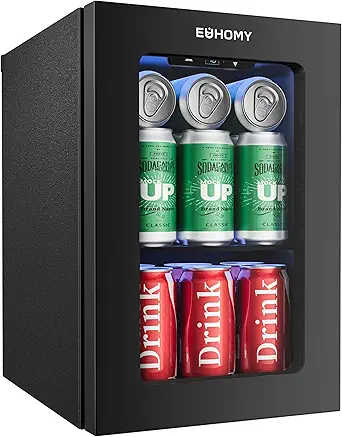 |
| Best Budget The cheapest option that still gets the job done reliably | Antarctic Star Compact Mini Fridge |  |
| Top Rated A top-rated pick with lots of positive feedback | Midea Compact Refrigerator WHS-65LB1 |  |
| Most Popular A crowd favorite that many people choose with confidence | Cooluli Classic 4L Mini Fridge |  |
| Best Seller A high-volume bestseller chosen again and again | EUHOMY BR013-110 Beverage Refrigerator |  |
Upstreman FR17 Mini Fridge
| Capacity | 1.7 cubic feet |
|---|---|
| Freezer Capacity | 0.2 cubic feet |
| Cooling Method | Compressor |
| Defrost System Type | Manual Defrost |
| Voltage | 115 volts |
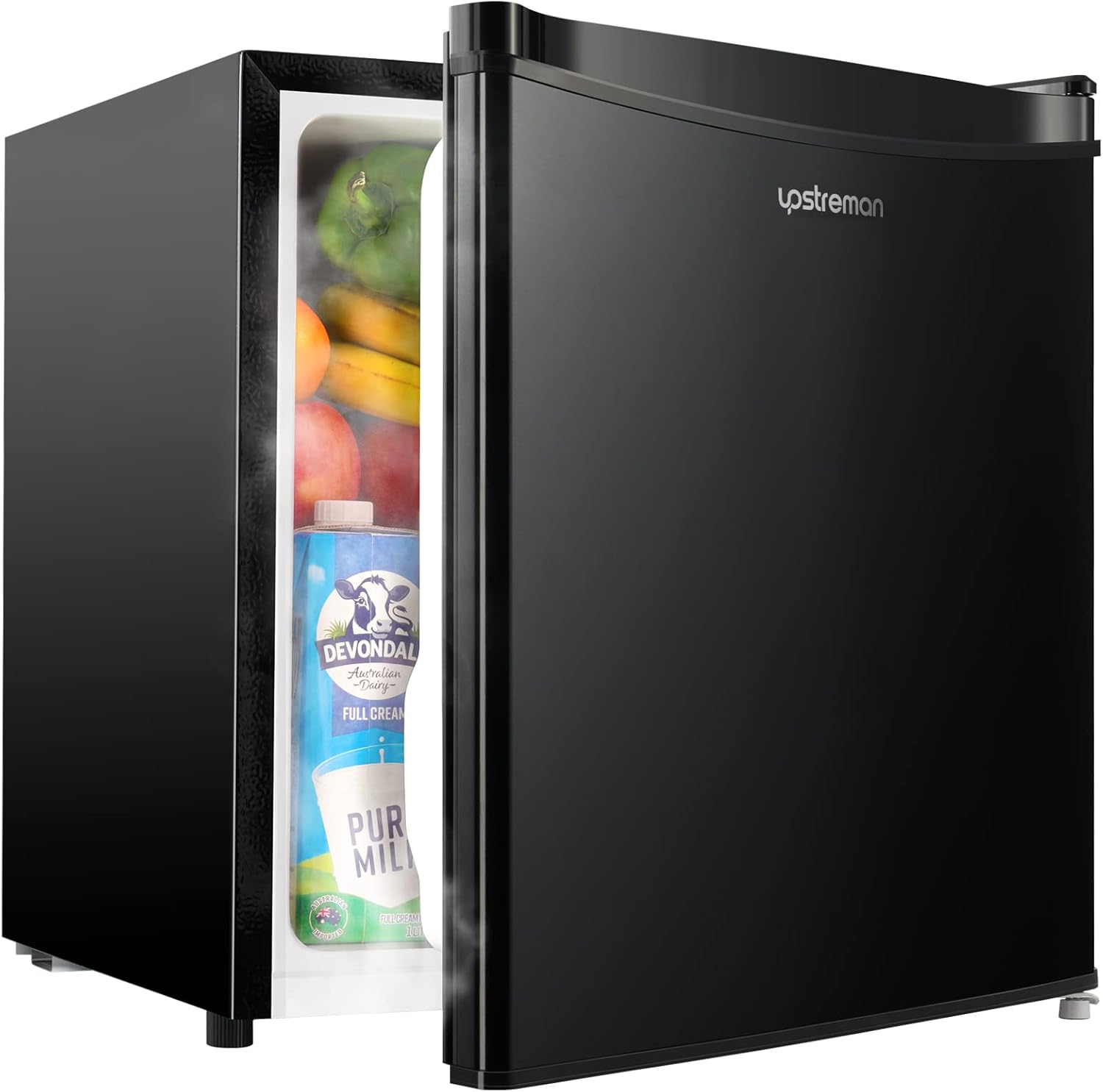
The Upstreman FR17 is a compact 1.7 cubic foot fridge with a 0.2 cu ft freezer that delivers basic cooling in a very small footprint. It uses a compressor cooling system with an adjustable 5‑setting thermostat that keeps drinks and snacks cold while the top-mounted mini freezer makes small ice trays and holds frozen items for short-term storage. The unit is freestanding, has a reversible door for flexible placement, and operates at about 38 dB so it is quiet enough for offices or bedrooms. Shelving is simple — one main shelf plus door racks — and defrosting is manual, which keeps the design low-cost but requires occasional maintenance. Energy consumption is reported and the refrigerator meets Energy Star specifications, so daily running costs should be modest. Trade-offs are limited interior space and a small freezer that is not suitable for long-term frozen storage, and the simple controls lack precise digital temperature display. For someone who needs a compact, energy-aware fridge for a workspace or dorm, it covers the essentials without extras.
Best for: Buyers who want a quiet, energy-efficient compact refrigerator to keep drinks and light foodstuffs cold in an office, dorm, or small bedroom and value footprint and simplicity over capacity.
Less Ideal for: People who need significant refrigerated or long-term frozen storage, precise digital temperature control, or multiple shelving configurations should consider larger or feature-rich models.
- Very compact footprint fits under counters or beside desks
- Includes a small freezer compartment for ice and short-term frozen storage
- Reversible door improves placement flexibility in small spaces
- Quiet operation (~38 dB) suitable for offices and bedrooms
- Energy Star rated for lower running costs and efficient refrigerant (R-600A)
- Limited interior capacity with only one main shelf and small freezer
- Manual defrost requires periodic maintenance
- No digital temperature display or advanced climate controls
Verdict: A compact, quiet, and energy-efficient mini fridge that reliably handles basic office or dorm refrigeration needs.
Midea 3.1 Cu.ft Mini Fridge

| Capacity | 3.1 cubic feet |
|---|---|
| Freezer Capacity | 0.92 cubic feet |
| Cooling Method | Compressor |
| Annual Energy Consumption | 270 kwh |
| Door Orientation | Reversible |
The Midea 3.1 Cu.ft Mini Fridge is a compressor-cooled compact refrigerator built for small spaces like offices and work break rooms. It pairs a 0.92 cu ft top freezer with a 2.16 cu ft fresh-food section, adjustable glass shelves, a crisper drawer and a 2L bottle rack so you can organize drinks, lunches and snacks efficiently. The unit is ENERGY STAR certified and uses an R600A high-efficiency compressor rated at about 270 kWh/year, which helps keep running costs and heat output low during long workdays. Controls are mechanical, making temperature adjustment straightforward, and the reversible door plus removable shelves let you tailor layout to tight locations. Limitations include a manual defrost freezer and a basic mechanical thermostat that lacks precise digital control, so it is not ideal if you need freezer-grade performance or precise temperature logging. Noise is rated around 45 dB, typical for compressor minis but noticeable in very quiet office settings. Overall, it is a practical, energy-conscious choice for teams needing dependable refrigeration without a large footprint.
Best for: Workers or small teams who prioritize steady, energy-efficient refrigeration in a compact footprint and want an uncomplicated, durable unit for storing lunches and beverages.
Less Ideal for: Users who need precise digital temperature control, heavy-duty freezer performance, or a completely silent appliance for ultra-quiet workspaces should consider other options.
- ENERGY STAR certified with R600A compressor for lower annual energy use
- Top freezer plus fresh-food section offers flexible storage for meals and frozen items
- Adjustable/removable glass shelves and crisper drawer for customizable organization
- Reversible door allows installation in tight office layouts
- Manual defrost freezer requires periodic maintenance
- Mechanical thermostat lacks precise digital temperature control
Verdict: A dependable, energy-efficient mini fridge that delivers practical storage and low running costs for office and workroom use.
EUHOMY WC-6B Mini Fridge

| Capacity | 18 liters |
|---|---|
| Temperature range | 40°F to 61°F |
| Cooling method | Compressor |
| Defrost system type | Manual |
| Voltage | 115 volts |
The EUHOMY WC-6B is a countertop mini fridge built to keep cans and small bottles cold without taking much space. It uses a compressor cooling system with a digital control that allows setting temperatures between 40°F and 61°F, so it can chill soda, beer, or a few wine bottles to serving temperature and hold that temperature steadily. The interior includes a removable shelf to adapt layouts for cans or bottles and an LED light for visibility in low light. The unit is freestanding, has a right-hinged door with UV-protective glazing, and is marketed as running quietly under 40 dB, which matters in an office. On the downside its 18 L capacity is strictly for personal or small-team use and it requires manual defrosting; the compressor design is efficient but means it is not as light as thermoelectric models. For a work desk, small break room, or home office, it balances reliable cooling and compact footprint well if you only need a few drinks on hand.
Best for: Buyers who want a small, reliable fridge to keep a few drinks chilled at a workstation or small office and prioritize steady cooling and low noise over large capacity.
Less Ideal for: Not a good choice for users who need to store many beverages, family-sized groceries, or want a freezer compartment or automatic defrost.
- Compressor cooling for stable, consistent temperatures.
- Digital temperature control with 40°F–61°F range for precise chilling.
- Removable shelf lets you switch between cans and bottles.
- Quiet operation rated under 40 dB suitable for office environments.
- Compact freestanding footprint fits on countertops or desks.
- Very small 18 L capacity limits quantity stored to a few cans or bottles.
- Manual defrost required instead of automatic defrosting.
Verdict: A quiet, compressor-driven mini fridge that delivers steady, reliable cooling for a desk or small office when you only need to keep a few drinks cold.
Antarctic Star Compact Mini Fridge

| Capacity | 4 liters |
|---|---|
| Cooling Method | Thermoelectric |
| Power Options | 115V AC and 12V DC |
| Noise Level | 25 dB (quiet) |
This Antarctic Star compact mini fridge is a portable 4‑liter cooler aimed at keeping a few drinks, skincare items, or snacks chilled on a countertop or in a vehicle. It uses thermoelectric cooling with a removable shelf and a manual defrost, and it can run on standard 115V household power or a 12V car outlet, which makes it easy to move between office, dorm, or travel use. The unit is quiet at about 25 dB and claims to reach temperatures roughly 32°F–59°F, cooling about 53°F–64°F below ambient within an hour or two. Practical benefits include the small footprint for tight workspaces, the removable shelf for flexible storage, and electronic lock capability for securing contents. Expect limitations common to tiny thermoelectric fridges: very limited capacity (about six 12‑oz cans), slower cooling than compressor models, and modest energy performance. For basic workplace needs like keeping beverages or a lunch chilled at a desk or in a car, it is a simple, low-cost solution, but it is not suited for large-volume cooling or strict temperature control for sensitive items.
Best for: Someone furnishing a small workspace who prioritizes a low-cost, portable cooler to keep a few drinks or personal items chilled during the day.
Less Ideal for: People who need to chill large quantities, freeze items, or require precise, fast cooling for sensitive food or medical storage.
- Portable AC and 12V DC power options let you use it at a desk or in a car
- Very quiet operation (around 25 dB) suitable for work environments
- Removable shelf adds storage flexibility for bottles, cans, or skincare items
- Electronic lock and single-door design keep contents secure and accessible
- Only 4 liters of capacity — fits roughly six 12‑oz cans, so not for multi-person use
- Thermoelectric cooling is slower and less cold than compressor mini fridges
- Manual defrost requires occasional maintenance
Verdict: A compact, budget-friendly mini fridge that provides quiet, portable cooling for one person's drinks or personal items at work.
Midea Compact Refrigerator WHS-65LB1

| Capacity | 1.6 cubic feet |
|---|---|
| Annual Energy Consumption | 207 kilowatt hours per year |
| Defrost System Type | Automatic |
| Door Orientation | Reversible |
| Cooling Method | Compressor |
The Midea 1.6 cu ft compact refrigerator is a straightforward small‑space fridge built for steady, everyday use in offices or workrooms. It uses an R600A compressor and is ENERGY STAR certified, so it runs efficiently and keeps power draw low for continuous operation. The unit includes an internal chiller compartment for quick cooling, an adjustable glass shelf and generous door storage that can hold a 2L bottle, and a reversible door hinge to suit placement. Controls are manual and simple to set across several temperature levels, and the fridge operates quietly, making it suitable for shared work environments. Limitations are its small capacity and the chiller is only for short-term cooling rather than full freezing, so it is best for drinks and short-term perishables rather than bulk meal storage or freezing needs. If you need a compact, energy-efficient fridge that stays out of the way and runs reliably day after day, this model delivers practical features without complexity.
Best for: Buyers who prioritize a reliable, low-energy fridge for an office, studio, or small workspace and value quiet, simple operation over large capacity.
Less Ideal for: People who need freezer capability, bulk food storage, or multi-person meal prep solutions should consider larger or dual-door models instead.
- ENERGY STAR certified with R600A compressor for lower annual energy consumption
- Reversible door and removable shelf for flexible placement and storage arrangement
- Quiet operation suitable for office or workroom environments
- Door racks sized to hold 2L bottles and frequently used items
- Very limited 1.6 cu ft capacity not suitable for storing large amounts of food
- Chiller compartment only provides short-term quick cooling and will not freeze items
Verdict: A compact, energy-efficient mini fridge built to run quietly and dependably in workspaces where modest cold storage is needed.
Cooluli Classic 4L Mini Fridge

| Capacity | 4 liters |
|---|---|
| Cooling Method | Thermoelectric |
| Power Source | AC/DC/USB |
| Defrost System Type | Manual Defrost |
| Specification Met | ETL |
The Cooluli Classic 4L is a compact thermo-electric cooler and warmer made for short-term storage of drinks, skincare, medications, and snacks at work or on the go. It runs on AC, DC, or a USB power source, so you can use it on a desk, in a car, or at a job site with a suitable power bank. The unit cools roughly 20°–22°C (35°–40°F) below ambient and can warm items up to about 149°F, and a simple switch flips between modes. Its lightweight design and molded top handle make it easy to move, and the two internal shelves plus a door shelf let you organize small bottles, cans, or beauty products. Thermoelectric cooling is quiet and refrigerant-free, but it is not as powerful as compressor models for very hot environments or heavy loads, and capacity is limited to about six cans or small skincare jars. Included AC and DC cords and ETL listing add convenience and safety for workplace use.
Best for: Buyers who want a proven, compact fridge for a desk, office, or vehicle and value flexible power options and quiet operation over large capacity.
Less Ideal for: People who need to chill large quantities, keep items very cold in hot conditions, or require freezer storage should consider larger compressor refrigerators.
- Runs on AC, DC, or USB for flexible workplace power options
- Both cooling and warming modes for versatile storage
- Very compact and lightweight with a molded handle for portability
- Two internal shelves plus a door shelf help organize small items
- Small 4-liter capacity limits what you can store at once
- Thermoelectric cooling is less effective than compressor units in very hot ambient conditions
Verdict: A quiet, highly portable 4L cooler/warmer with AC/DC/USB power that fits desks and cars for reliable small-item storage at work.
EUHOMY BR013-110 Beverage Refrigerator

| Capacity | 3.2 cubic feet |
|---|---|
| Temperature range | 37°F to 61°F |
| Cooling method | Compressor |
| Number of shelves | 5 |
| Defrost system | Frost Free |
The EUHOMY BR013-110 is a freestanding 3.2 cubic foot beverage fridge intended for home or office use where easy access to chilled drinks is needed. It uses a compressor cooling system with an internal fan for even temperature distribution and a double-layer glass door with UV blocking to help protect contents; the touchscreen digital control adjusts from 37°F to 61°F so you can store anything from beer and soda to light wines. Five removable shelves slide into five height positions, letting you swap between cans and taller bottles, and the reversible door and adjustable feet make placement flexible in small work kitchens or office break areas. Energy use is modest at about 0.69 kWh per day and the unit is billed as quiet for desk-side locations. Expect standard mini-fridge limitations: it lacks a dedicated freezer, and while compressor units are reliable they can be heavier and may produce more vibration than thermoelectric alternatives. For risk-averse buyers this model presents a straightforward, feature-complete option backed by a one-year support period.
Best for: Buyers who want a reliable, fuss-free drink fridge for an office or work break area and prioritize consistent cooling, visible storage, and flexible shelf arrangements.
Less Ideal for: People who need a built-in undercounter solution, require a freezer, or must minimize appliance weight for frequent moves.
- Precise digital temperature control (37°F–61°F) for flexible drink storage.
- Compressor cooling with fan for consistent internal temperatures.
- Five removable shelves with multiple positions for flexible organization.
- Reversible door and adjustable feet allow easy placement in small workspaces.
- Double-layer UV-blocking glass door helps protect contents and shows inventory.
- No freezer compartment for frozen items or ice.
- Larger and heavier than some thermoelectric or compact countertop models.
Verdict: A dependable, office-friendly beverage fridge that delivers precise compressor cooling, flexible shelving, and visible storage for everyday workplace use.
Choosing the Right Mini Fridge for Work: Key Factors to Consider
Usable Capacity and Interior Layout
Capacity matters, but usable volume is what affects daily convenience. Look beyond the cubic feet number to how shelves, door bins, and any removable components are arranged. A fridge with adjustable shelves and split compartments will hold wider containers and a mix of tall bottles and shallow meal boxes.
In an office setting you often want room for multiple lunches plus several cans or bottles. If you plan to store prepared meals, check interior shelf spacing and whether a small freezer compartment reduces usable refrigerated space. Consider how often you will restock versus store longer-term items, because higher usable capacity reduces the need for frequent runs to a communal fridge or grocery stop.
Noise Level and Vibration
Quiet operation is essential for a work fridge placed near desks or in small offices. Compressor models are common and efficient, but some can produce noticeable hum or vibration. Thermoelectric models are often quieter but may struggle with higher ambient temperatures.
Look for manufacturer noise ratings in decibels and any notes about anti-vibration feet or quieter compressors. Even small differences in noise can affect concentration in open-plan offices. If the fridge will sit on or under a desk, choose a model with low vibration and soft feet to avoid transmitting sound through furniture.
Energy Use and Long-Term Running Cost
A mini fridge runs continuously, so energy draw compounds into meaningful cost and environmental impact over time. Choose units with lower wattage and better energy-class ratings when available. Efficient compressors and good insulation reduce runtime while maintaining temperatures.
Also consider standby features like eco modes or thermostats that prevent overcooling. For workplaces that keep a fridge powered 24/7, a model that uses less electricity will save money and reduce facility load. Look for clear power specifications rather than assuming smaller always means cheaper to run.
Temperature Control and Cooling Type
Consistent temperature is important for food safety and drink enjoyment. Compressor cooling typically maintains colder, more stable temperatures and handles warm ambient spaces better. Thermoelectric cooling can be quieter and lighter but may not reach very low temperatures and performs worse in hot rooms.
Examine how the unit manages temperature—adjustable thermostats, separate freezer compartments, and the ability to hold setpoints under load matter. If you store perishable lunches or dairy, prioritize stable refrigeration over minimal energy draw.
Footprint, Door Swing, and Placement Flexibility
Office space is limited, so the external dimensions, depth, and door swing direction affect where the fridge can live. Consider models with reversible doors if placement flexibility is important. Slim, tall designs maximize capacity while occupying less floor space, but wide, shallow units can fit under low counters.
Also think about ventilation clearance requirements and whether the unit needs to be freestanding or can slide into a built-in niche. If the fridge will be placed on a desk or shelf, check weight and whether cooling performance changes when the unit is elevated.
Maintenance, Cleaning, and Frost Management
Ease of cleaning impacts hygiene and the long-term condition of the fridge. Removable shelves, washable door bins, and accessible drip trays simplify upkeep. Models with automatic defrost or frost-free operation reduce the need for manual defrost cycles, which is helpful in busy offices.
If a small freezer compartment is included, verify whether it requires regular defrosting. Consider how spills are contained and whether interior surfaces are stain-resistant. Simpler maintenance keeps the fridge sanitary and reduces downtime for cleaning in a shared workspace.
Where to Place a Mini Fridge at Work
Placement affects performance and convenience. Avoid tucking a mini fridge into an enclosed cabinet or tightly against a wall unless the manufacturer permits it. Compressors need ventilation space to reject heat efficiently, and cramped installations can raise operating temperatures and reduce lifespan.
If the fridge will sit near workstations, prioritize models with low vibration and a quiet compressor or thermoelectric cooling. When placing under desks, confirm the unit's height and door clearance so doors open fully without hitting furniture. For shared break areas, a central low-profile unit reduces trip hazards and keeps supplies accessible.
- Leave a few inches of clearance at the rear and sides for ventilation.
- Use reversible doors if access dictates left- or right-hand swing.
- Avoid direct sunlight or proximity to heat sources that increase runtime.
Power and Circuit Considerations
Most mini fridges run on a standard single-phase outlet, but check the unit's power draw, especially in environments with many appliances on the same circuit. High-start-up current from compressors can trip breakers if multiple fridges or kettles share a line.
If your office has limited outlets, plan placement near a dedicated receptacle or consult facilities staff about load balancing. For temporary workspaces or events, portable thermoelectric fridges that draw less current may be a better fit though they have cooling limits.
- Confirm rated wattage and any startup current notes in the product specifications.
- Avoid extension cords when possible; use code-compliant power strips with surge protection if required.
Common Interior Features That Make a Difference
Small design choices inside the fridge can substantially improve usability. Split shelves and removable dividers let you switch between bottles and meal containers. Door bins sized for cans are useful but should not block shelf access when loaded.
Other helpful features include a small freezer compartment for ice packs, built-in bottle racks, and interior lighting to find items quickly. Magnetic or reversible doors, spill-proof shelving, and rounded corners speed cleanup and reduce trapped crumbs or liquids.
- Removable shelves for flexible storage
- Door bins sized for cans and condiments
- A freezer compartment or designated freezer shelf
Dealing with Condensation and Odors
Condensation and odors are common in small fridges due to frequent door openings and mixed food storage. Prevent moisture buildup by keeping frequently opened items in insulated containers and wiping spills promptly. A small, replaceable odor absorber or baking soda can help neutralize smells between cleanings.
Regular cleaning and a simple schedule to dispose of old food will keep the interior sanitary. If condensation accumulates frequently, check door seals and temperature settings, because poor sealing or overly cold settings can create excess moisture.
- Store liquids in sealed containers to limit spills and smells.
- Wipe gaskets and interior surfaces weekly in heavy-use settings.
- Use odor absorbers or open baking soda containers for neutralization.
Transport and Installation Tips for Office Use
Moving a mini fridge into an office often requires navigating tight corridors and elevators. Measure doorways and freight elevators before purchase and consider models that can be tilted or carried with two people. Avoid laying compressor-based fridges on their side for long periods during transport as oil can migrate within the compressor.
For installation, allow the unit to sit upright for a recommended period if it was transported on its side. Check that the leveling feet are adjusted so doors close reliably and vibrations are minimized. If the office has carpeted floors, place a hard mat underneath to prevent airflow obstruction and make cleaning easier.
- Measure access paths before ordering or moving a unit
- Keep the fridge upright after transport for any recommended settling time
- Level the unit to avoid door misalignment and excess vibration
How We Chose the Best Mini Fridge for Work
To assemble this list of mini fridges for work we applied a consistent editorial filter focused on real-world office use. We prioritized usable internal capacity and shelving flexibility so a fridge can hold containers, canned drinks, and meal-prep boxes without awkward stacking. Quiet operation was a key exclusion criterion; models that list fan noise above typical office thresholds or lack vibration-dampening features were not shortlisted. Energy efficiency and running cost were assessed via published power draw and energy class details, favoring models that keep daily electricity use low. Temperature control and cooling type were judged for stability and frost management, because frequent defrosting and temperature swings reduce food quality. We also considered footprint and installation options, targeting fridges that fit under desks or in small break areas and offer reversible doors or removable shelves. Finally, we excluded specialty units meant for outdoor use or dedicated wine storage because those designs trade everyday convenience for niche performance. The resulting selections balance capacity, quietness, efficiency, and user-friendly features that matter in a workplace environment.
Our full evaluation process is outlined in our review methodology.
FAQ
How quiet is a typical mini fridge for work?
Noise varies by cooling type and build, but many office-suitable mini fridges operate in a low to moderate decibel range. Compressor models can emit a steady hum and occasional cycles, while thermoelectric units are often quieter. Choose a model with explicit noise ratings if the unit will sit close to desks.
Can a mini fridge for work keep meal-prepped food safe for a full day?
Yes, a properly sized mini fridge with stable temperature control can keep meal-prepped food safe for a workday. Ensure the thermostat holds refrigerator temperatures near four to five degrees Celsius and avoid overfilling, which reduces internal airflow and can raise temperatures.
Is a freezer compartment necessary in a work mini fridge?
A small freezer compartment is convenient for ice packs and frozen items but reduces usable refrigerated space. If you only need to chill drinks and lunches, a fridge without a freezer can offer more flexible storage. Consider how often you need frozen storage before choosing.
How often should I clean a workplace mini fridge?
In a busy office, a basic wipe-down and spill check should be done weekly, with a more thorough cleaning monthly. Remove expired items promptly and clean removable shelves and bins to prevent odors and bacterial growth.
Will a compact mini fridge run on a standard office outlet?
Most mini fridges are designed for standard single-phase office outlets. However, check the rated wattage and take note of startup current for compressor units, especially if multiple appliances share the same circuit.
Final Verdict
When choosing a mini fridge for work, prioritize the features that match how you will use it. Usable interior layout and consistent temperature control matter most if you store prepared meals, while low noise and vibration are critical for units placed near desks. Energy efficiency and footprint will drive long-term cost and placement flexibility. Balance capacity against desk or break-room space and pick a model with adjustable shelving, quiet operation, and clear power specifications. Focusing on these tradeoffs will help you choose a dependable office fridge that keeps food fresh without disrupting the workplace.