
Note: This article contains affiliate links. If you click on these links and make a purchase, we may earn a small commission at no extra cost to you. This helps support our research and content. Read our full affiliate disclosure here.
Buying a mini fridge on sale is a practical way to add extra cold storage without a big upfront cost. Whether you need a dorm-room cooler, office under-desk unit, or a secondary fridge for beverages, picking the right compact refrigerator affects how much you actually use it and how much power it consumes. This guide covers our shortlisted picks for mini fridges on sale, with attention to usable capacity, energy efficiency, noise, and reliability. Read on to see how we evaluated each option and which features matter most for your situation.
Top Picks at a Glance
| Best Overall The best all-around choice for most situations | Midea 3.1 Cu.ft Mini Fridge |  |
| Best Quality Built to a higher standard if you want something more solid | Frigidaire Retro 3.2 Cu Ft Fridge |  |
| Best Value The sweet spot between price and what you get | EUHOMY WC-6B Mini Fridge | 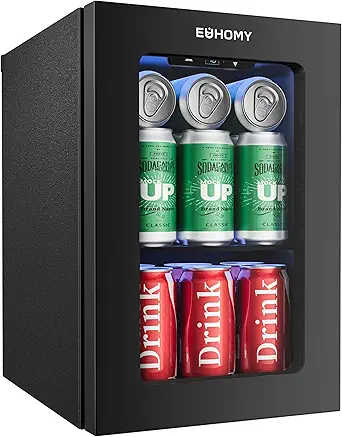 |
| Best Budget The cheapest option that still gets the job done reliably | Cooluli Classic 4L Mini Fridge |  |
| Top Rated A top-rated pick with lots of positive feedback | Midea 1.6 Cu Ft Compact Refrigerator |  |
| Most Popular A crowd favorite that many people choose with confidence | Upstreman BR321 3.2 Cu Ft Mini Fridge |  |
| Best Seller A high-volume bestseller chosen again and again | Frostorm 1.6 Cu Ft Mini Fridge |  |
Midea 3.1 Cu.ft Mini Fridge

| Capacity | 3.1 cubic feet |
|---|---|
| Freezer Capacity | 0.92 cubic feet |
| Annual Energy Consumption | 270 kwh |
| Defrost System Type | Manual |
| Cooling Method | Compressor |
The Midea 3.1 cu ft mini fridge is a straightforward compact refrigerator built for small spaces like dorms, offices, or apartments. It uses a compressor and R600A refrigerant and is ENERGY STAR certified, which the manufacturer cites as 270 kWh per year and a quieter 45 dB operation, making it cheaper to run and suitable for bedrooms. The unit has a small freezer compartment, removable glass shelves and a crisper drawer that let you reconfigure storage for bottles, snacks, and meal prep. A mechanical thermostat provides an adjustable temperature range and the reversible door helps placement flexibility. Practical benefits include lower energy use versus noncertified minis and easy maintenance from removable shelving, but expect manual defrosting and limited capacity that may not suit families or heavy meal prep. The build and features match a value-oriented compact fridge rather than a full-size replacement, delivering sensible performance for tight spaces where efficiency and quiet operation matter most.
Best for: Buyers seeking an energy-efficient, quiet compact fridge for a dorm room, office, or small apartment who prioritize lower running costs and flexible storage over large capacity.
Less Ideal for: Anyone needing a high-capacity fridge or a fully frost-free freezer for family meal storage should look at larger models instead.
- ENERGY STAR certified with 270 kWh/year for lower operating costs
- Adjustable removable glass shelves and crisper drawer for flexible storage
- Reversible door increases placement options in small spaces
- Includes a dedicated freezer compartment for frozen items
- Manual defrost freezer requires occasional maintenance
- Limited total and freezer capacity not suited for large households
Verdict: Choose this compact ENERGY STAR mini fridge if you want a quiet, energy-efficient small refrigerator with flexible shelving and a top freezer for tight living spaces.
Frigidaire Retro 3.2 Cu Ft Fridge

| Capacity | 3.2 cubic feet |
|---|---|
| Freezer Capacity | 0.2 cubic feet |
| Defrost System Type | Manual |
| Cooling Method | Compressor |
| Voltage | 110 volts |
The Frigidaire Retro 3.2 cu ft compact fridge is a stylish countertop or small-space refrigerator that balances looks with everyday function. It cools with a compressor system and includes a 0.2 cu ft chiller compartment for ice and frozen snacks while two glass shelves, a 2L door basket and a can dispenser help organize beverages. The unit is built for placement against walls thanks to its flush-back design and a reversible door lets you change hinge orientation to suit the space. Practical touches include a built-in side bottle opener and an easy-open pull handle that reinforce the retro aesthetic. Performance-minded buyers will appreciate the compressor cooling for more consistent temperatures than thermoelectric mini-fridges, though the manual defrost freezer means occasional maintenance and the 3.2 cu ft capacity is best for singles or small households. Energy consumption is listed, so you can compare running costs, and the compact footprint makes it easy to fit in a dorm, office, or small kitchen nook.
Best for: Buyers prioritizing reliable cooling performance in a compact, stylish unit who need a dependable mini fridge for a dorm, office, or small apartment and value classic design details.
Less Ideal for: Not a good fit for families or anyone needing large-capacity food storage or a no-maintenance frost-free freezer solution.
- Compressor cooling provides more consistent and reliable refrigeration than thermoelectric models
- Built-in chiller/freezer compartment keeps ice and frozen items on hand
- Organized interior with two glass shelves, door basket and can dispenser
- Reversible door and flush-back design allow flexible placement against walls
- Retro styling with integrated bottle opener adds practical charm for entertaining
- Manual defrost freezer requires periodic thawing and maintenance
- 3.2 cu ft capacity is limited for larger households or heavy food storage
Verdict: Choose this retro Frigidaire if you want compressor-level cooling and compact, styled storage for a single person or small space.
EUHOMY WC-6B Mini Fridge

| Capacity | 18 liters |
|---|---|
| Cooling Method | Compressor |
| Temperature Range | 40°F to 61°F |
| Power | 115 volts |
The EUHOMY WC-6B is a small compressor-driven beverage fridge meant for countertop or freestanding use where space is limited. It cools between 40°F and 61°F via a digital control, holds roughly 24 cans or a few bottles on a removable shelf, and uses a UV-protected door and interior LED to keep contents visible while limiting light exposure. Compressor cooling gives more stable temperatures than thermoelectric units, which helps preserve drinks in warmer rooms, and the unit is rated to operate quietly at under 40 dB. Practical details include a single right-hinged door, manual defrost, and ETL certification. Trade-offs are its very small net capacity and single shelf, which limits how many tall bottles fit and makes it unsuitable as a primary fridge, and the manual defrost means occasional maintenance. For buyers seeking a compact, quieter cooler for a dorm, office, or bar cart, the WC-6B delivers stable cooling and a lightweight footprint; buyers needing larger capacity or full refrigeration features should look elsewhere.
Best for: Buyers who prioritize a space-efficient, stable cooler for drinks in small living spaces or work areas and want a quiet, moveable unit with simple digital controls.
Less Ideal for: People who need a primary refrigerator, large-capacity storage, or multiple shelving configurations for tall bottles should consider larger models instead.
- Compressor cooling provides stable, reliable temperatures compared with thermoelectric units
- Compact 18L capacity fits on countertops or small spaces and is easy to move
- Digital temperature control with 40°F–61°F range for precise beverage chilling
- Removable shelf and LED interior light allow flexible storage and visibility
- Quiet operation under 40 dB suitable for bedrooms or offices
- Very limited internal capacity and single shelf restricts bottle and bulk storage
- Manual defrost requires occasional maintenance
Verdict: Choose the EUHOMY WC-6B when you need a compact, quiet, compressor-cooled beverage fridge that fits tight spaces and keeps drinks at stable temperatures.
Cooluli Classic 4L Mini Fridge

| Capacity | 4 liters |
|---|---|
| Cooling Method | Thermoelectric |
| Power Source | AC/DC/USB |
| Defrost System Type | Manual Defrost |
| Specification Met | ETL |
The Cooluli Classic 4L is a lightweight thermo-electric mini fridge that cools or warms small items and runs from AC, DC or USB power, making it usable at home, in a car, or on the go. Its 4-liter interior holds about six cans or a few skincare and medication items, and a switch flips between cooling and warming modes so you can chill serums or keep a small snack warm. Thermoelectric cooling means it is quiet and refrigerant-free, and the included AC, DC and USB cords add flexibility for desk, dorm, or travel use. Practical benefits include a molded top handle for carrying, two small shelves to organize contents, and ETL certification for countertop use. Important limits are the very small 4-liter capacity and the thermoelectric design, which cools relative to ambient temperature rather than reaching fridge-level setpoints in hot environments, so it is best for short-term storage and small items rather than full food refrigeration.
Best for: Buyers seeking an inexpensive, highly portable cooler/warmer for personal items like skincare, medications, or a few drinks who prioritize mobility and convenience over large capacity.
Less Ideal for: People who need to store full meals, multiple beverages, or reliable refrigeration in hot environments should choose a larger compressor fridge instead.
- Multiple power options: AC, DC and USB make it usable at home, in vehicles, and with power banks
- Compact and lightweight with a built-in handle for easy transport
- Quiet, refrigerant-free thermoelectric cooling that is gentle on cosmetics and meds
- Switchable cooling and warming modes for versatile short-term storage
- Very small 4-liter capacity limits what you can store
- Thermoelectric cooling only reduces temperature relative to ambient, so performance drops in hot conditions
Verdict: A budget-friendly, ultra-portable mini fridge for keeping a few skincare items, meds, or drinks cool or warm when you need mobility and simplicity.
Midea 1.6 Cu Ft Compact Refrigerator

| Capacity | 1.6 cubic feet |
|---|---|
| Annual Energy Consumption | 207 kilowatt hours per year |
| Defrost System Type | Automatic |
| Voltage | 115 volts |
| Cooling Method | Compressor |
The Midea 1.6 cu ft compact refrigerator is a straightforward, budget-friendly mini fridge made for tight spaces like dorms, offices, and bedrooms. It uses an R600A compressor and is ENERGY STAR certified, so it runs more efficiently than many similarly sized units and lists low annual energy use. The interior includes a small chiller compartment for short-term cooling, one removable shelf and door racks sized for bottles, and a mechanical thermostat with several settings to tune cooling. The reversible door and compact footprint make placement flexible, and the manufacturer cites a noise level under 42 dB for quiet operation. Limitations are its small capacity and a chiller that cannot deep-freeze items, so it is best for drinks, snacks, and short-term food storage rather than long-term frozen goods. The controls are basic rather than digital, and buyers should expect simple performance rather than advanced features.
Best for: A buyer who prioritizes dependable, energy-efficient refrigeration in a very small footprint and needs a quiet, no-frills appliance for drinks and short-term food storage.
Less Ideal for: People who need to store large amounts of food, keep items frozen long-term, or want digital controls and advanced features.
- ENERGY STAR certified with an efficient R600A compressor for lower annual energy use
- Reversible door and compact footprint allow flexible placement in small rooms
- Removable shelf and door racks accommodate bottles and odd-shaped items
- Quiet operation advertised at under 42 dB suitable for bedrooms or offices
- Very small 1.6 cu ft capacity limits what you can store inside
- Internal chiller is for short-term cooling only and will not freeze or preserve frozen foods
Verdict: Choose this Midea mini fridge when you want a compact, quiet, and energy-efficient refrigerator for reliable everyday cooling in tight spaces.
Upstreman BR321 3.2 Cu Ft Mini Fridge

| Capacity | 3.2 cubic feet |
|---|---|
| Freezer Capacity | 0.3 cubic feet |
| Cooling Method | Compressor |
| Defrost System Type | Manual Defrost |
| Voltage | 115 volts |
The Upstreman BR321 is a straightforward compact refrigerator built to maximize usable storage in a small footprint. It provides 3.2 cubic feet of total capacity with a 0.3 cu ft freezer and two adjustable glass shelves, so you can fit bottles, cans, and taller items by rearranging shelving. Temperature is set with a five-step adjustable thermostat that covers basic refrigeration needs from about 32°F to 50°F, and the unit uses a rotary scroll compressor for consistent cooling. Practical touches include a crisper drawer, reversible door, leveling feet, and a manual defrost system; it runs quietly at about 38 dB and is ETL listed for safety. Energy use is modest for the class, making it suitable for continuous use in a bedroom or office. Limitations are typical for mini fridges: the freezer is small and not meant for ice cream or large frozen items, defrosting is manual, and advanced features like automatic frost control or smart connectivity are absent. For buyers who want a simple, efficient secondary fridge, this model covers the essentials reliably.
Best for: Buyers seeking a well-reviewed, no-frills secondary refrigerator for a dorm, office, or small apartment who prioritize dependable cooling and quiet operation backed by social proof.
Less Ideal for: Households that need large freezer space, automatic defrosting, or smart features should consider a larger or feature-rich refrigerator instead.
- Compact footprint with 3.2 cu ft capacity that fits dorms, bedrooms, and small kitchens
- Adjustable glass shelves and crisper drawer let you configure storage for bottles and taller items
- Runs quietly (about 38 dB) so it will not disturb sleep or work
- Reversible door and leveling feet improve placement flexibility
- Energy-efficient design with ETL listing and modest annual consumption
- Freezer is very small and not suitable for storing ice cream or large frozen items
- Manual defrost requires occasional maintenance
- No advanced features like automatic defrost or smart controls
Verdict: Choose the Upstreman BR321 if you want a quiet, energy-conscious compact fridge that delivers reliable cooling and flexible interior storage for dorms or small spaces.
Frostorm 1.6 Cu Ft Mini Fridge

| Capacity | 1.6 cubic feet |
|---|---|
| Freezer Capacity | 0.3 cubic feet |
| Defrost System Type | Automatic |
| Cooling Method | Compressor |
| Voltage | 115 |
This Frostorm 1.6 Cu Ft mini fridge is a compact upright unit with a dedicated top freezer that works like a scaled-down refrigerator for a single person or small space. It uses a compressor cooling system and a simple 1–5 mechanical thermostat for temperature control, and the small freezer can reach well below freezing for ice and frozen treats. The reversible door and adjustable feet make placement flexible in tight layouts, and its ETL-certified 115V plug and steel cabinet give a sense of factory-quality build. At about 30 dB it runs quietly enough for bedrooms or study areas, and the interior layout with a metal shelf and recommended thermostat setting helps organize dairy, drinks, and produce. Expect straightforward maintenance: automatic defrosting, a smooth interior, and a supplied ice scraper. The unit is not built for heavy food storage or large families since usable capacity is limited, and the compact compressor will be less powerful than full-size models during frequent door openings, so it performs best with modest loads and steady settings.
Best for: A cautious buyer who wants a simple, reliable small refrigerator for a dorm, bedroom, or office and prioritizes quiet, energy-efficient operation and straightforward maintenance.
Less Ideal for: Families or users who need substantial chilled or frozen storage, or anyone needing rapid recovery after frequent door openings should consider a larger upright or full-size model.
- Dedicated top freezer that reaches freezing temperatures for ice and small frozen items
- Compressor cooling for consistent, faster pull-down temperatures compared with thermoelectric alternatives
- Reversible door and adjustable feet for flexible placement in small rooms
- Very quiet operation around 30 dB suitable for bedrooms and offices
- ETL-certified plug and durable steel cabinet for a more factory-quality feel
- Limited total capacity suited to one person or light use rather than family food storage
- Not as cold-fast under heavy or frequent door openings compared with full-size refrigerators
Verdict: A quiet, energy‑efficient mini fridge with a real top freezer that delivers dependable, no-frills cooling for one-person spaces.
Choosing the Right Mini Fridge on Sale: Key Factors to Consider
Usable Interior Capacity and Layout
Capacity matters more than external dimensions. Two fridges with similar cubic feet can vary significantly in usable space depending on shelf thickness, door storage, and how the compressor and insulation are packaged.
Consider how you plan to load the fridge. If you store tall bottles, look for adjustable or removable shelves and a door bin deep enough for bottles. A small freezer compartment reduces refrigerated volume, so weigh how often you need frozen storage against chilled capacity.
Energy Efficiency and Operating Cost
A lower upfront price on a sale unit can be offset by higher ongoing electricity bills. Check the energy consumption rating or estimated annual kWh where available and compare that to your expected usage pattern.
For continuous use in a dorm or office, prioritize higher efficiency units with modern compressors and better insulation. If the fridge will be used intermittently, also consider models with mechanical thermostats that allow coarse control to save power when full cooling is unnecessary.
Cooling System and Temperature Control
Mini fridges use different cooling approaches and these affect how cold they get and how steadily they maintain temperature. Compressor-driven systems deliver reliable low temperatures and faster recovery after the door is opened, while thermoelectric coolers are quieter but less effective in warm ambient conditions.
Look for a clear temperature range and an adjustable thermostat. For storing perishables, you want a unit that can hold steady in the safe refrigeration band. If you need mostly beverage chilling, a narrower but consistent range may be acceptable.
Noise Level and Location Suitability
Noise matters for bedroom, study, or living-room placement. Compressor mini fridges can generate steady low-frequency sound and occasional cycling hums. Thermoelectric models are often quieter but may not provide the same cooling performance.
Pay attention to user-reported decibel ranges when available and consider the room. If the fridge will sit next to a bed or workspace, choose a model with a reputation for quiet operation or features that damp vibration, like rubber feet and tight door seals.
Build Quality and Practical Features
Durable construction and thoughtful features extend the life and usefulness of a mini fridge. Inspect details such as door hinge quality, reversible doors for flexible placement, and corrosion-resistant shelving. Internal lighting and a removable drip tray simplify everyday use.
Additional conveniences to consider include adjustable legs or leveling feet, the presence of a small freezer compartment, and whether the shelves are easy to remove for cleaning. Good customer-accessible documentation and a reasonable serviceability profile reduce long-term headaches.
Size, Fit, and Ventilation Requirements
Even compact fridges need clearance for airflow behind and above the unit. A sale-priced model that fits your available footprint might still overheat if tucked into a tight cabinet without ventilation.
Measure height, width, and depth including connectors and handles. Ensure you can leave the recommended gap for heat dissipation and that the door swing fits in the intended location. Consider models with rear ventilation or front-venting compressors if installation space is constrained.
Where Mini Fridges Work Best
Mini fridges excel in secondary-cool-storage roles. They are ideal for dorm rooms, offices, garages, entertainment centers, and small apartments where a full-size refrigerator is unnecessary or impractical.
Think about the primary use case. For beverage service in a home bar, prioritize horizontal shelving and door access. For dormitory or office use with mixed food, focus on temperature range and a small freezer section if you need ice or frozen meals.
- Dorm rooms: compact footprint and beverage storage
- Offices: low-noise operation and energy efficiency
- Garages or workshops: choose models rated for wider ambient temperature ranges
Installation Tips and Best Placement
Allow appropriate clearance for ventilation—typically a few inches on the back and top unless the unit is front-venting. Ensure the surface is level to prevent door misalignment and compressor strain.
Avoid placing the mini fridge in direct sunlight or next to heat sources. For under-counter applications, confirm whether the unit is front-vented; many compact fridges require rear airflow and should not be fully enclosed.
- Measure door swing and handle clearance before purchase
- Keep the unit on a stable, level surface to reduce noise and wear
Maintenance and Simple Troubleshooting
Regular maintenance keeps a mini fridge working well. Clean condenser coils if accessible, defrost the freezer compartment when frost builds up, and wipe seals to maintain an airtight door.
If the fridge is not cooling properly, check for blocked vents, inadequate clearance for ventilation, or an overly high thermostat setting. Persistent performance issues often point to compressor faults, which may require professional service.
- Defrost manual-freezer compartments periodically
- Keep vents clear and maintain door gasket integrity
Maximizing Efficiency During Heavy Use
A full fridge is more energy-efficient than an empty one because stored items help stabilize interior temperatures. When stocking for events, pre-chill items and avoid frequent door openings.
Set the thermostat slightly warmer if you only store beverages, and use interior organization to minimize open-door time. Consider adding a small thermometer to monitor actual internal temperatures rather than relying solely on dial settings.
- Pre-chill items before loading
- Group like items together to reduce door-open duration
Safety and Food Storage Guidelines
Mini fridges can safely store perishable foods if they maintain consistent refrigeration temperatures. Keep ready-to-eat items chilled and follow standard food-safety timelines for perishable goods.
Avoid overloading the fridge in a way that blocks internal airflow. Use airtight containers for leftovers and store raw meats on the lowest shelf to prevent cross-contamination.
- Use a thermometer to confirm temperatures stay in the safe range
- Store raw meats on lower shelves and keep perishables covered
How We Chose the Best Mini Fridge on Sale
We compiled candidate mini fridges by focusing on real-world buyer priorities for compact refrigeration. Selection began with units that matched the on-sale scope and offered clear specifications for internal capacity, energy consumption, and cooling method. We excluded temporary or novelty coolers that lack sealed compressor systems or do not list meaningful performance specs. Our evaluation emphasized measurable, buyer-relevant dimensions: usable interior volume and shelf configuration, energy efficiency and estimated annual electricity draw, cooling method and temperature range, compressor quality and expected lifespan, and noise level during operation. We also checked build details such as reversible doors, adjustable shelving, and the presence of a small freezer compartment when applicable. Excluded from consideration were incomplete listings without verified technical specs, units that rely solely on thermoelectric cooling for full refrigeration tasks, and designs without adequate user-service options. The final list balances efficiency, capacity, features, and likely long-term reliability for typical mini fridge use cases.
Our full evaluation process is outlined in our review methodology.
FAQ
How cold does a typical mini fridge get?
Most compressor-based mini fridges can reach standard refrigerator temperatures between about 34 and 40 degrees Fahrenheit. Exact minima vary by model and thermostat setting. Thermoelectric units usually run warmer and may not be suitable for perishable foods.
Can I put a mini fridge in a garage or unconditioned space?
Some mini fridges can operate in wider ambient ranges, but many are designed for indoor, temperature-controlled environments. Check the manufacturer's specified operating range and choose a model rated for higher ambient temperatures if you plan garage use.
What is the difference between thermoelectric and compressor mini fridges?
Thermoelectric coolers use a solid-state heat pump and are generally quieter and lighter but less effective at maintaining low temperatures in warm rooms. Compressor fridges use a refrigeration cycle and deliver stronger, more consistent cooling suitable for food storage.
How much space should I leave around my mini fridge?
Leave a few inches of clearance at the back and top for adequate ventilation unless the unit is explicitly front-venting. Tight enclosures can reduce cooling efficiency and cause the compressor to work harder, shortening its lifespan.
Is it okay to lay a mini fridge on its side for transport?
Laying a compressor mini fridge on its side can allow oil to migrate into the refrigerant lines. If transported that way, stand it upright for several hours before plugging it in to let fluids settle. Follow any transport instructions provided with the unit.
Final Verdict
When choosing a mini fridge on sale, prioritize the combination of usable interior capacity, energy efficiency, and cooling method that matches your intended use. Quiet operation and practical features like adjustable shelving, reversible doors, and front ventilation can make a compact unit far more useful over time. Balance immediate savings against expected operating cost and placement constraints. Focus on the factors that will most affect daily use in your space and choose a unit that delivers reliable cooling where you need it most.