
Note: This article contains affiliate links. If you click on these links and make a purchase, we may earn a small commission at no extra cost to you. This helps support our research and content. Read our full affiliate disclosure here.
Picking the right Pressure Cooker Combo Slow Cooker makes weekday dinners simpler and weekend meal prep more flexible. You want an appliance that handles fast pressure cooking, reliable low-and-slow braises, and convenient cleanup without adding complexity to your routine. This guide spotlights seven shortlisted options that cover a range of household needs and cooking styles. We evaluated each unit for cooking versatility, safety and reliability, control simplicity, and how easy it is to maintain. Read on for concise guidance to match one of these multicookers to your kitchen habits, then dive into the detailed product summaries below.
Top Picks at a Glance
| Best Overall The best all-around choice for most situations | Ninja PossibleCooker PRO MC1001 |  |
| Best Quality Built to a higher standard if you want something more solid | Breville Fast Slow Pro BPR700BSS | 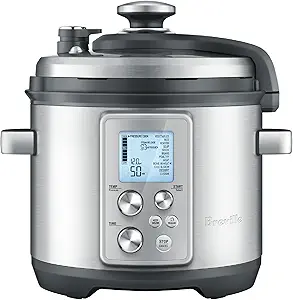 |
| Best Value The sweet spot between price and what you get | Cosori 6-Quart Pressure Cooker |  |
| Best Budget The cheapest option that still gets the job done reliably | COMFEE' 6-Quart Pressure Cooker |  |
| Top Rated A top-rated pick with lots of positive feedback | Instant Pot Duo 6-Quart |  |
| Most Popular A crowd favorite that many people choose with confidence | Instant Pot Duo Crisp 8QT | 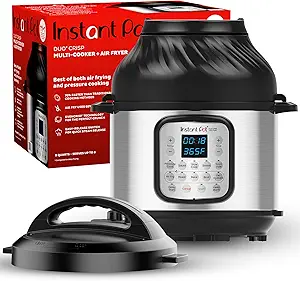 |
| Best Seller A high-volume bestseller chosen again and again | Nuwave Duet Pressure Cooker |  |
Ninja PossibleCooker PRO MC1001

| Capacity | 8.5 quarts |
|---|---|
| Wattage | 825 watts |
| Voltage | 120 volts |
| Control Method | Touch |
The Ninja PossibleCooker PRO MC1001 is an 8.5-qt multi-cooker designed for large batches and meal prep, combining slow cook, sear, sauté, roast, steam and other functions in a single rectangular pot. Its Triple Fusion Heat system uses bottom, side, and steam elements to speed cooking compared with a conventional oven and helps finish dishes like a whole chicken more quickly, while the oven-safe nonstick pot (to 500°F) lets you transfer for crisping without extra pans. Typical use cases are braises, full racks of ribs, large roasts, and multi-step one-pot recipes where you want to sear then slow-cook in the same vessel; the integrated spoon-ladle and recipe guide are handy for batch cooking and entertaining. The large 8.5-qt capacity and rectangular shape make it easier to fit long cuts of meat, and the touch controls simplify switching modes. Expect easy cleanup from the nonstick surface, but keep in mind the unit is fairly heavy and its size is geared toward families or meal preppers rather than single-serving cooks.
Best for: Buyers who need a versatile, family-sized multi-cooker for meal prep, entertaining, or batch cooking and value one-pot workflows that go from sear to slow-cook to oven finish.
Less Ideal for: Those who primarily cook single servings, have limited counter or storage space, or want an ultra-light portable slow cooker should consider smaller, simpler models instead.
- Large 8.5-qt rectangular pot fits full racks of ribs and large roasts for batch cooking
- Triple Fusion Heat (bottom, side, and steam elements) cooks faster than a conventional oven
- Oven-safe nonstick pot to 500°F allows searing then finishing in the oven without switching cookware
- Integrated spoon-ladle, glass lid, and recipe guide simplify serving and getting started
- Unit is relatively heavy which may make moving or storing it less convenient
- Designed for large batches so it may be oversized for small households or single servings
Verdict: Choose this when you want a single, family-sized cooker that replaces many appliances and speeds up large-batch, one-pot cooking.
Breville Fast Slow Pro BPR700BSS

| Capacity | 6 quarts |
|---|---|
| Wattage | 700 watts |
| Control Method | Touch |
| Number of settings | 11 |
| Material | Stainless Steel |
The Breville Fast Slow Pro is a versatile 6-quart multi-cooker that switches between pressure and slow cooking while automatically adjusting time, temperature and pressure using dual top-and-bottom sensors. You use the one-press controls and an LCD readout to pick from 11 pressure and slow-cook settings, and the cooker handles steam release with a hands-free auto release that chooses quick, pulse or natural methods. Practical touches include a removable dishwasher-safe lid, a ceramic-coated cooking bowl that doubles as a serving dish, and included stainless steel rack and steamer basket for layering. The triple-safe lid construction and clear pressure indicator give confidence when working at higher pressures, and the range of pressure levels supports both fast braises and delicate slow-cooked textures. The main compromises are its somewhat heavy build and learning curve for optimizing settings versus a simple manual cooker; power and full feature set suit cooks who want consistent, performance-oriented results rather than a barebones unit.
Best for: Serious home cooks who want a performance-focused multi-cooker that delivers reliable pressure and slow-cooked results with automated controls and safety features.
Less Ideal for: People wanting a lightweight, entry-level or strictly manual cooker without many presets should look at simpler models instead.
- Auto-adjusting dual-sensor control for consistent temperature and pressure across modes
- Hands-free auto steam release that selects Quick, Pulse, or Natural release automatically
- Removable dishwasher-safe lid and ceramic-coated bowl that serves and cleans easily
- Wide range of pressure levels and 11 preset cooking programs for flexible recipes
- Heavier, more substantial unit that takes up counter space and is less portable
- Requires time to learn optimal settings for different recipes compared with basic cookers
Verdict: Choose the Fast Slow Pro if you want a feature-rich, performance-oriented multi-cooker that automates pressure and slow cooking for consistent results.
Cosori 6-Quart Pressure Cooker
| Capacity | 6 quarts |
|---|---|
| Wattage | 1100 watts |
| Control Method | Touch |
| Inner Pot | Non-stick ceramic coating |
| Functions | 9-in-1 cooking functions |
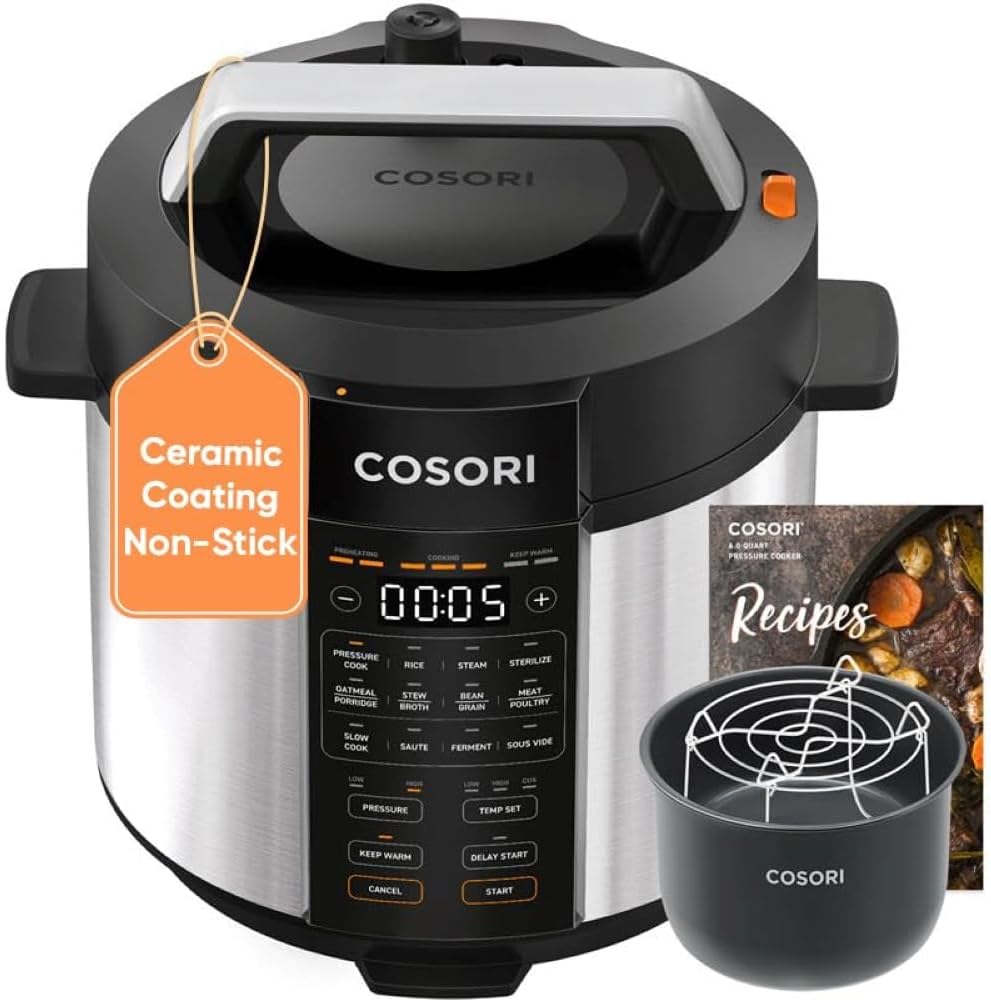
The Cosori 6-quart pressure cooker is a versatile electric multi-cooker that handles pressure cook, rice, steam, slow cook, sauté, sous vide and a range of preset meals from one stainless steel housing. It is typically used as a weeknight workhorse: you can brown or sauté directly on the unit, switch to pressure cook for fast stews or to tenderize meats, and use slow cook or sous vide for hands-off plans. The touch control panel and 13 presets simplify common tasks while the 1100-watt heater brings food up to pressure quickly. Practical details include a dishwasher-safe, nonstick ceramic inner pot and a safer venting design with a recessed seal/vent button and backward-angled steam release. Trade-offs are modest size limits for larger families and the unit weight and footprint that take counter space, and some users may prefer metal nonstick or heavier-duty inner pots for very frequent searing or high-heat use.
Best for: Home cooks who want one reliable, space-efficient appliance to replace a pressure cooker and slow cooker and who value preset convenience and easy cleanup.
Less Ideal for: Those who regularly cook for large gatherings or need a lightweight, highly portable cooker for storage or travel should consider larger or more compact alternatives.
- Multiple built-in programs covering pressure cook, slow cook, rice, steam, sous vide and ferment for one-pot versatility.
- Ceramic nonstick inner pot that is dishwasher-safe and described as BPA-free for food contact.
- 1100W power and touch controls speed up heating and make everyday operation simple.
- Safer venting and a lid-locking alignment system designed to reduce accidental steam release.
- 6-quart capacity may be small for very large households or batch cooking.
- Unit is relatively heavy and has a noticeable countertop footprint compared with compact models.
Verdict: Pick this Cosori if you want a single, easy-to-use multi-cooker that combines pressure and slow cooking with dishwasher-friendly cleanup for everyday meal prep.
COMFEE' 6-Quart Pressure Cooker

| Capacity | 6 quarts |
|---|---|
| Wattage | 1000 |
| Control Method | Touch |
| Voltage | 120 volts |
| Cooking Program | Cook, Keep Warm, Reheat, Simmer, Steam |
The COMFEE' 6-quart electric pressure cooker is a versatile multi-cooker that combines pressure cooking, slow cooking, rice cooking, steaming, sautéing and more in one countertop appliance. It offers 14 presets and a digital touch controller to simplify common tasks like making meat, beans, oatmeal or yogurt, and the 24-hour delay timer lets you have hot food ready when you need it. The included accessories cover basic needs for portioning and steaming, and the unit runs at 1000 watts which is typical for this size. Safety-minded features such as overheat protection, automatic pressure release and a lid-safety lock add confidence during use. Because the inner pot is aluminum with a nonstick finish, it heats quickly and is easy to clean, though aluminum may not be as durable as thicker stainless alternatives. The cooker is a solid choice if you want a budget-friendly multi-function slow cooker and pressure cooker in one, but users seeking heavy-duty build materials or high-end finishes may prefer a pricier model.
Best for: Buyers looking for an affordable all-in-one cooker that replaces a slow cooker and pressure cooker and prioritizes convenience and preset cooking over premium materials.
Less Ideal for: Those who want commercial-grade construction, thicker stainless steel inner pots, or a premium finish should consider higher-end models instead.
- Multi-function unit with 14 presets for pressure cooking, slow cooking, rice, steaming and more.
- Digital touch controls and a 24-hour delay timer for convenient, hands-off cooking.
- Several built-in safety features including overheat protection, auto pressure release and lid-safety lock.
- Comes with basic accessories (ladle, measuring cup, steam rack) so it is ready to use out of the box.
- Inner pot is aluminum which may wear faster than stainless steel alternatives.
- Nonstick finish can require gentler cleaning to maintain longevity.
Verdict: A budget-friendly 6-quart multi-cooker that delivers convenient presets and safety features for everyday pressure cooking and slow-cooked meals.
Instant Pot Duo 6-Quart

| Capacity | 5.68 liters |
|---|---|
| Wattage | 1000 watts |
| Control Method | Touch |
| Operation Mode | Automatic |
| Material | Stainless steel |
The Instant Pot Duo is a versatile 7-in-1 electric cooker that replaces several countertop appliances by pressure cooking, slow cooking, sautéing, steaming, making rice and yogurt, and keeping food warm. Typical use is straightforward: select one of 13 one-touch smart programs, set time and pressure, and let the cooker handle the rest—there is also a sauté mode for browning before pressure cook cycles. The 6-quart stainless steel inner pot with tri-ply bottom is built for searing and even heating, and the unit includes a stainless steel steamer rack. Safety is a priority with more than 10 safety mechanisms, an easy-seal lid lock and an easy-release steam switch that make pressurizing and depressurizing less intimidating. Cleanup is easier than older models because the inner pot and lid are dishwasher-safe. Trade-offs are that the control panel is basic compared with newer connected models and the unit is fairly heavy, which may make moving it between storage and counter less convenient.
Best for: Buyers who prioritize a reliable, proven all-in-one cooker for everyday family meals and batch cooking will appreciate the Duo's safety features and steady performance.
Less Ideal for: If you want a lightweight, highly portable cooker or a model with smart app integration and remote control, this older Duo model is not the best choice.
- Combines seven cooking functions into one appliance so you can replace several devices
- Stainless steel inner pot with tri-ply bottom supports searing and even heat distribution
- 13 one-touch programs simplify common recipes and reduce guesswork
- Multiple safety features including an easy-seal lid and easy-release steam switch make pressure cooking safer
- Inner pot and lid are dishwasher-safe for easier cleanup
- Control panel is simple and lacks modern connectivity or app-driven controls
- Heavier unit makes it less convenient to store or move frequently
Verdict: Choose the Instant Pot Duo if you want a dependable, safety-focused multi-cooker that handles pressure cooking and slow cooking reliably for family-sized meals.
Instant Pot Duo Crisp 8QT

| Wattage | 1500 watts |
|---|---|
| Control Method | Touch |
| Controller Type | app |
| Capacity | 8 quarts |
| Operation Mode | Automatic |
The Instant Pot Duo Crisp pairs a full‑size 8‑quart pressure cooker with an air fryer lid to deliver fast, versatile meal prep in one appliance. It pressure cooks, slow cooks, sautés, steams, and also air fries, roasts, bakes, dehydrates, warms and more using 11 preset programs and touch controls with app integration. The stainless steel inner pot with tri‑ply bottom is sturdy enough for searing on the stovetop and is dishwasher safe for easy cleanup, while EvenCrisp air frying uses high heat and a basket to give crispy finishes with far less oil than deep frying. At 1500 watts the unit reaches high temperatures quickly, which shortens cook times but makes it a heavy, countertop‑dominant appliance. The package includes multiple accessories such as a broil tray, air fryer basket and steam rack so you can switch between functions without buying extras. Safety features and a secure sealing lid make pressure cooking straightforward, though the device is large and may be overbuilt for single cooks or small kitchens.
Best for: Buyers who want a single cooker that handles family‑size pressure cooking plus air frying and value built‑in safety features and included accessories for immediate use.
Less Ideal for: People with very limited countertop space, those who only need a basic slow cooker or small single‑serve appliance, or buyers avoiding cookware with PTFE/PFAS-related materials.
- Combines pressure cooking and air frying in one 8‑quart unit for wide recipe flexibility
- Stainless steel tri‑ply inner pot supports stovetop searing and is dishwasher safe
- EvenCrisp technology produces crispy results with significantly less oil
- Includes multiple accessories (air fryer basket, broil/dehydrator tray, steam rack) so you can use all functions out of the box
- Large and heavy, requiring substantial counter or storage space
- Contains PTFE and other chemicals called out in the product disclosures
Verdict: Choose the Duo Crisp if you want an all‑in‑one 8‑quart cooker that pairs fast pressure cooking with built‑in air frying and useful accessories for family meals.
Nuwave Duet Pressure Cooker

| Capacity | 6 quarts |
|---|---|
| Wattage | 1500 watts |
| Control Method | Touch |
| Controller Type | Digital and Dial Control |
| Included Components | Air Fryer Lid, Glass Lid for Slow Cook, Pressure Cooker Lids, Stainless Steel Inner Pot, Temperature Probe |
The Nuwave Duet combines a 6 quart pressure cooker with an air fryer lid and slow-cook/glass lid to handle pressure cooking, air frying, slow cooking, grilling, searing and more in one countertop unit. It ships with a heavy-duty 18/10 stainless steel inner pot, a digital temperature probe and dual NTC sensors for more precise doneness when roasting or combo-cooking. The unit offers 300 one-touch presets, 150 memory slots, touch and dial controls, a 24-hour delay timer and a warm function that make it easy to set-and-forget meals for a family of four to six. With 1500 watts and Dynamic Pressure Control the cooker reaches high pressure quickly for faster results, and the finish and removable lids simplify cleanup compared with multi-appliance setups. Expect a learning curve to get timing right for some combo recipes and the overall footprint is larger than a basic pressure cooker, but for someone who wants a single, safety-focused appliance that replaces several devices, the Duet is practical and capable.
Best for: Home cooks who want a single, safety-minded appliance to replace several countertop devices and prefer lots of presets and a durable stainless inner pot for family-style meals.
Less Ideal for: Buyers who need a very compact, lightweight unit for occasional use or who prefer a basic, no-frills pressure cooker for simple one-step recipes.
- Multi-function design covers pressure cook, air fry, slow cook, grill and more with three removable lids
- Heavy-duty 18/10 stainless steel inner pot that is triple-thick and non-coated
- Integrated digital temperature probe and dual sensors for more precise cooking control
- Large set of presets and memory slots plus delay timer for convenient set-and-forget cooking
- Larger and heavier footprint than single-function pressure cookers
- Some users may need time to dial in timings for combo cook modes
Verdict: Choose the Duet if you want a safety-focused, all-in-one cooker that combines pressure cooking and air frying with precise temperature control for family meals.
Choosing the Right Pressure Cooker Combo Slow Cooker: Key Factors to Consider
Cooking Modes and Temperature Range
A pressure cooker combo slow cooker must deliver reliable pressure settings plus low-temperature slow cooking. Look for models that offer multiple pressure levels and a true low-heat slow-cook range rather than a single ''low'' setting. This lets you adapt recipes from rapid pressure-braised meats to gentle overnight stews.
Temperature and mode granularity affect how predictable recipes turn out. More granular controls let you follow tested recipes closely and reproduce results. If you plan to use sauté or sear functions, check that those temperatures reach a real browning level rather than a shallow simmer.
Control Interface and Programmability
The user interface determines how often you will actually use advanced features. Simple, labeled buttons and a clear display reduce mistakes and speed routine cooking. Programmable delay timers, multi-stage cooking (pressure then slow), and an intuitive manual mode help when converting old recipes.
Avoid units with overly complex nested menus if you want quick weeknight dinners. Conversely, if you like precise timing or multi-step recipes, prioritize models with memory functions, multiple presets, and straightforward manual adjustments.
Safety Features and Pressure Management
Pressure cooking requires reliable safety systems. Important features include an audible/visual pressure indicator, a secure locking lid, and multiple pressure-release options. Look for models that give clear feedback when pressure is present and that allow controlled steam release to avoid splattering.
Safety also includes robust gaskets and vent paths that are easy to inspect and replace. Well-designed pressure valves and a simple, obvious manual-release method reduce accidental burns and make steaming or quick-release steps less stressful.
Inner Pot Material and Cleaning
The inner pot material affects cooking results and upkeep. Stainless steel inner pots are durable and do not react with acidic foods, while nonstick liners simplify cleanup but may wear over time. Dishwasher-safe, removable lids and sealing rings are significant conveniences for regular use.
Consider the thickness and weight of the inner pot too. Heavier pots retain heat better and reduce hot spots for browning and simmering, but very heavy liners can be awkward to handle for smaller cooks or when washing by hand.
Capacity and Kitchen Fit
Choose a capacity that matches typical meal sizes. Smaller families often do well with compact 4- to 6-quart pots, while larger households or batch cooks should prefer 6-quart and up. The physical footprint matters for countertop storage and stovetop clearance when moving the unit.
Also consider lid storage and whether the unit can remain on the counter. If you have limited space, a model with a more vertical profile can be easier to tuck away. Keep in mind that larger capacities affect cooking times and liquid volume calculations for both pressure and slow modes.
Accessories and Replacement Parts
Included accessories like steam racks, condensation collectors, and spare sealing rings add practical value. Replacement gaskets, lids, and inner pots should be readily available and easy to swap. Accessories that facilitate multi-step recipes, such as a trivet for roasting or a steamer basket, broaden what you can cook without additional purchases.
Pay attention to how easily seals and valves can be removed for cleaning and whether replacement parts are standardized. Long-term ownership is smoother when common wear items are simple to source and install.
How Pressure and Slow Modes Complement Each Other
Using pressure cooking for quick braises and then switching to slow mode for finishing gives you both speed and depth of flavor. Pressure cooking extracts juices and tenderizes tough cuts, while a subsequent low, slow simmer lets flavors meld and reduces liquids without overcooking delicate ingredients.
Consider workflows where you pressure-cook to break down connective tissue, then use a slow-cook or warm phase to thicken sauces and let herbs infuse. Models that allow automatic transitions between modes simplify that process.
- Start on pressure to tenderize, finish on low to deepen flavor
- Automatic mode transitions prevent overcooking during manual transfers
- Sauté and deglaze features help build flavor before pressure sealing
Meal Planning with a Multicooker
A Pressure Cooker Combo Slow Cooker can change how you schedule meals. Use it for rapid weeknight proteins, then repurpose leftovers into slow-simmered soups, stews, or shredded-meat meals. The same appliance can support meal-batch workflows by cooking large quantities quickly and holding them on warm or slow settings.
Plan recipes that use similar liquid ratios across both modes to avoid repeatedly recalculating quantities. When scaling recipes, remember that pressure cooking often needs slightly less liquid than stovetop methods.
- Batch-cook proteins under pressure, then portion and finish individual servings later
- Use keep-warm or low slow settings to hold food without overcooking
- Adapt one-pot recipes so the sauté step builds flavor before sealing
Cleaning Habits That Extend Lifespan
Regular, thorough cleaning of lids, seals, and valves keeps performance consistent and prevents odors. Remove the sealing ring and wash it separately to avoid trapped grease. Wipe steam vents and the lid locking area after each use so pressure paths remain clear.
If the inner pot is nonstick, use only recommended utensils and avoid abrasive cleaners. For stainless liners, occasional descaling or a baking soda scrub removes cooked-on residues and maintains heat transfer.
- Clean and dry sealing rings after each use to prevent odor buildup
- Inspect pressure valves monthly and clear any food residue
- Follow manufacturer guidance for dishwasher-safe components
Common Mistakes to Avoid
Overfilling is a frequent error. Pressure cooking needs headspace for steam; avoid filling above the recommended level for high-starch or foaming foods. This reduces clogging of vents and messy quick releases.
Another mistake is skipping the sauté deglaze step. Browning and deglazing before sealing removes stuck-on bits that can cause burn warnings and improves overall flavor. Also, using the wrong sealing ring or a damaged gasket compromises pressure performance and safety.
- Do not exceed the fill line for pressure recipes
- Always deglaze after sautéing before sealing the lid
- Replace worn gaskets promptly to maintain safe seals
Adapting Favorite Recipes for Multicookers
Converting stovetop or oven recipes is mostly about adjusting liquid and time. Pressure cooking shrinks cook times dramatically, so start with conservative reductions and test doneness. Slow-cooker conversions usually require more liquid retention and longer times at low heat.
Preserve texture by adding quick-cooking ingredients toward the end of the cycle. Vegetables that break down quickly can be added during a slow-cook finish or after pressure release to stay bright and slightly firm.
- Reduce liquid for pressure recipes, increase for slow-cook conversions
- Add delicate vegetables or herbs near the end to preserve texture
- Use natural pressure release for large cuts to avoid shredding
How We Chose the Best Pressure Cooker Combo Slow Cooker
We focused on features and performance that matter most for people who expect one multicooker to replace several countertop pots. Primary evaluation criteria include cooking versatility across pressure, slow, and sauté modes; control simplicity and programmability for common recipes; safety features and pressure-handling reliability; and ease of cleaning for daily use. We also weighed build quality and inner-pot materials because durability and food-contact surfaces influence flavor and maintenance. In assembling the shortlist we excluded single-function slow cookers and pressure-only units. We prioritized models that offer clear, repeatable results across cooking styles and that include useful presets without overwhelming menus. Units were assessed on measurable specs such as maximum pressure settings, programmable delay and keep-warm ranges, inner-pot material and dishwasher compatibility, and the presence of basic safety interlocks and pressure-release methods. We favored machines that balance convenience with robust cooking capability rather than gimmicky features that add little real-world value.
Our full evaluation process is outlined in our review methodology.
FAQ
Can I use the slow-cook function overnight safely?
Yes, most pressure cooker combo slow cookers are designed for unattended slow cooking with keep-warm features. Ensure the unit is on a stable surface, follow fill-level guidance, and use the appropriate low-temperature slow setting. Regularly inspect seals and cords for wear if you plan frequent overnight use.
How much liquid do I need for pressure versus slow cooking?
Pressure cooking generally needs less liquid because steam creates internal pressure and condensation. Slow cooking requires more liquid to compensate for evaporation. Specific amounts depend on recipes, but allow some headspace for pressure recipes and expect to add a bit more liquid for extended slow-cook times.
Are sealing rings interchangeable between different inner pots?
Sealing rings are often specific to a given unit design and size. While some rings share dimensions across models, you should confirm compatibility with the exact appliance to ensure a safe and reliable seal. Replace worn rings promptly to avoid pressure loss.
Will cooking under pressure affect texture compared with slow cooking?
Yes. Pressure cooking breaks down connective tissues quickly and can make proteins very tender in minutes, while slow cooking produces a gradual breakdown that can yield richer, slightly firmer textures. Choose pressure for speed and slow cook for nuanced, melded flavors.
How do I prevent burn warnings during pressure cooking?
Burn alerts often result from insufficient liquid, layered thick sauces, or stuck-on bits from inadequate deglazing. Use enough liquid, deglaze the pot after sautéing, and avoid thickening agents before pressure sealing. Stir and scrape to loosen browned bits before closing the lid.
Final Verdict
When choosing a Pressure Cooker Combo Slow Cooker, prioritize cooking versatility and reliable pressure management, then consider control simplicity and ease of cleaning. Think about household size and countertop space when selecting capacity, and favor units with accessible replacement parts and straightforward safety features. The best choice balances fast pressure capabilities with a trustworthy slow-cook function and minimal upkeep. Focus on how you actually cook: if you value speed and batch-cooking, weight cooking versatility and durability higher; if you often use long, slow braises, emphasize low-heat performance and easy maintenance.