
Note: This article contains affiliate links. If you click on these links and make a purchase, we may earn a small commission at no extra cost to you. This helps support our research and content. Read our full affiliate disclosure here.
Picking the right refrigerator under $1,000 matters because it affects daily food freshness, energy bills, and kitchen workflow. With a modest budget, you still need reliable cooling, sufficient storage, sensible organization, and reasonable energy use. This guide shortlists seven well-rounded refrigerators that balance those needs and explains the practical tradeoffs to expect at this price point. You will find concise explanations of capacity, layout, energy performance, and build considerations so you can match a model to your space and lifestyle. Below are the top picks followed by the criteria we used and the key factors to weigh.
Top Picks at a Glance
| Best Overall The best all-around choice for most situations | Frigidaire EFR751 7.5 cu ft Refrigerator |  |
| Best Quality Built to a higher standard if you want something more solid | BLACK+DECKER 14.6 Cu. Ft. Top Mount Refrigerator |  |
| Best Value The sweet spot between price and what you get | BLACK+DECKER 2.5 Cu. Ft. Compact Refrigerator |  |
| Best Budget The cheapest option that still gets the job done reliably | DEMULLER 45L Mini Fridge |  |
| Top Rated A top-rated pick with lots of positive feedback | hOmeLabs Beverage Refrigerator HME030065N | 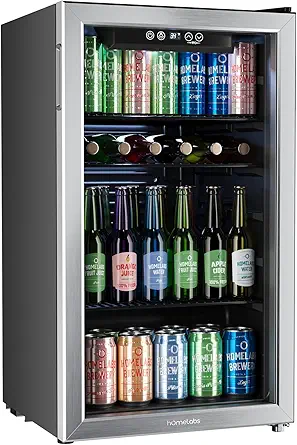 |
| Most Popular A crowd favorite that many people choose with confidence | Frigidaire Retro 3.2 cu ft |  |
| Best Seller A high-volume bestseller chosen again and again | Upstreman BD75 7.7 Cu.Ft. Refrigerator |  |
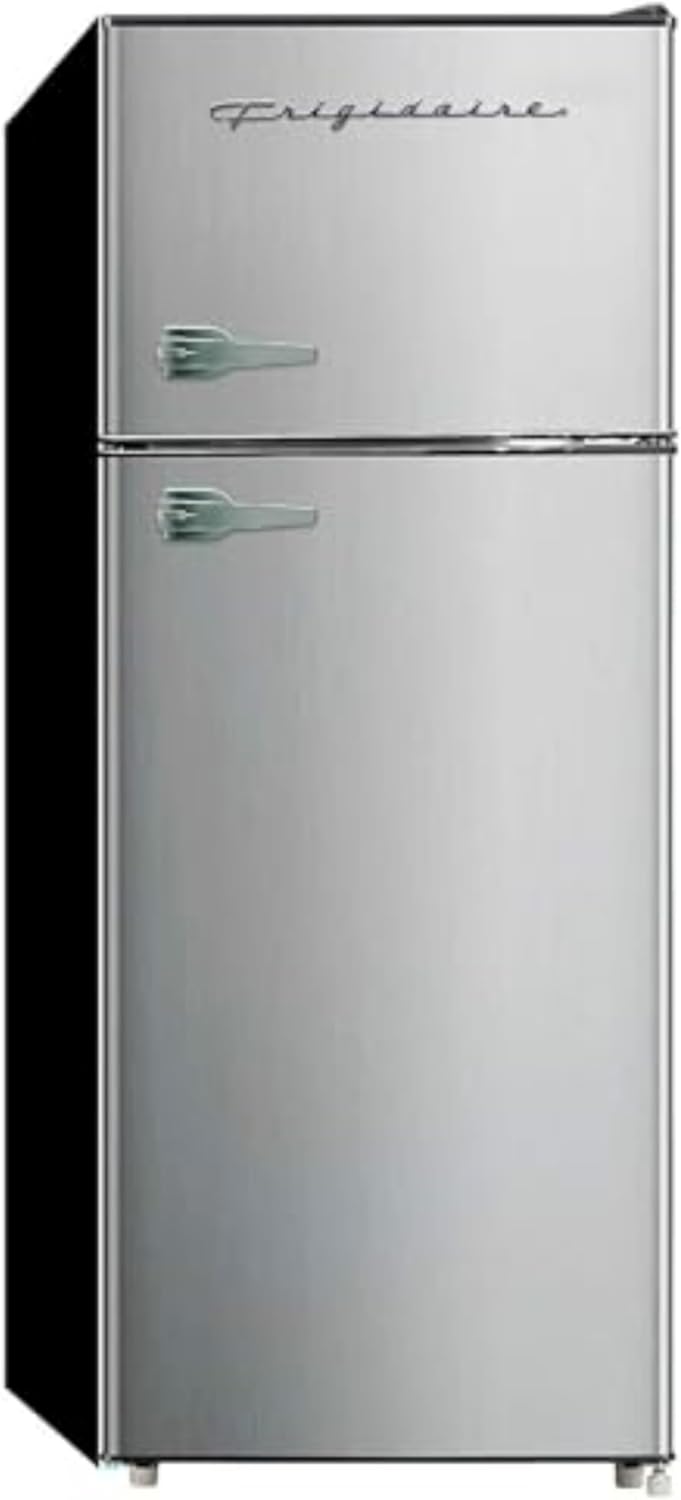
Frigidaire EFR751 7.5 cu ft Refrigerator
| Capacity | 7.5 cubic feet |
|---|---|
| Freezer Capacity | 2 cubic feet |
| Cooling Method | Compressor |
| Defrost System Type | Manual |
| Power | 120 volts |
The Frigidaire EFR751 is an apartment-size refrigerator with a top freezer that targets small kitchens, dorms, and secondary spaces. It provides 7.5 cubic feet of total capacity with a 2 cu ft freezer and adjustable glass shelves and a crisper for organized storage. The unit uses a compressor cooling method with basic mechanical controls and a manual defrost freezer, so operation is straightforward and easy to maintain. Practical touches include a reversible door hinge, front leveling legs with rear castors for easier placement, and clear door bins for tall bottles. The stainless steel retro styling and chrome trim give it a distinctive look compared with plain compact fridges. Expect typical compact-fridge performance: it is functional and space-efficient but not feature-rich — there is no frost-free auto-defrost in the freezer and annual energy use is moderate. For buyers wanting a simple, stylish secondary refrigerator under 1,000 dollars, this model balances usable storage, flexible shelving, and a classic design.
Best for: Buyers looking for a stylish, no-frills secondary refrigerator for a small kitchen, apartment, dorm, garage, or office who value organized storage and easy placement.
Less Ideal for: People who need a frost-free freezer, the lowest possible energy use, or large-capacity primary refrigerators should consider other options.
- Compact 7.5 cu ft capacity with separate freezer makes it suitable for small kitchens and dorms
- Adjustable/removable glass shelves and clear door bins for flexible organization
- Reversible door and built-in castors/leveling legs simplify placement in tight spaces
- Retro stainless steel styling with chrome trim offers an upgraded aesthetic over basic compact units
- Freezer uses manual defrost rather than an automatic frost-free system
- Annual energy consumption (378 kWh/year) is higher than the most efficient compact models
Verdict: A stylish, space-efficient 7.5 cu ft refrigerator that delivers practical storage and easy placement for buyers wanting a reliable secondary fridge under $1,000.
BLACK+DECKER 14.6 Cu. Ft. Top Mount Refrigerator

| Capacity | 14.6 cubic feet |
|---|---|
| Freezer Capacity | 3.2 cubic feet |
| Refrigerant | R-600A |
| Power | 120V, 60Hz |
| Defrost System Type | Frost Free |
This BLACK+DECKER top-mount refrigerator provides straightforward, performance-focused cooling in a compact full-size footprint. It separates fresh and frozen storage with a 11.4 cu ft fresh food compartment and a 3.2 cu ft freezer, each with independent temperature controls and sensors for more precise settings. The inverter compressor and frost-free auto-defrost reduce temperature swings and eliminate routine manual defrosting, which helps keep food fresher and cuts maintenance time. Practical touches include glass shelving, a removable wire freezer shelf for larger items, reversible doors, adjustable leveling feet, interior lighting, and a Sabbath Mode that silences displays when needed. Energy Star certification and listed annual energy use suggest reasonable operating costs. Limitations include the absence of an ice maker and a modest freezer volume compared with larger units, so heavy freezer users may find capacity tight. The unit is freestanding and sized to fit typical apartment and kitchen openings, so measure doorways before delivery. For buyers wanting efficient, no-frills performance in a sub-1000 refrigerator, this model delivers dependable cooling without extra frills.
Best for: Buyers who prioritize reliable cooling performance and energy efficiency in a compact full-size refrigerator for apartments or smaller kitchens.
Less Ideal for: Households that need a large freezer, frequent ice production, or advanced smart features should consider larger or feature-rich models instead.
- Energy Star certified with an inverter compressor for efficient, stable cooling
- Frost-free auto-defrost reduces maintenance and prevents ice buildup
- Separate temperature controls and sensors for fridge and freezer for finer temperature management
- Reversible doors and adjustable leveling feet make installation flexible
- Glass shelves and removable freezer shelf allow configurable storage layouts
- No built-in ice maker or dispenser
- Freezer capacity is relatively small for users who store large amounts of frozen food
Verdict: A practical, energy-efficient top-freezer refrigerator that prioritizes reliable cooling and low operating cost for apartment-sized kitchens.
BLACK+DECKER 2.5 Cu. Ft. Compact Refrigerator

| Capacity | 2.5 cubic feet |
|---|---|
| Freezer Capacity | 0.2 cubic feet |
| Defrost System Type | Automatic |
| Refrigerant | R-600A |
| Specification Met | Energy Star |
This BLACK+DECKER compact refrigerator is a straightforward small-fridge option for dorms, home offices, and tight kitchens. It uses a compressor with R600a refrigerant and offers a 2.5 cu. ft. capacity split between a main fresh compartment and a small chiller compartment (not a freezer). Interior organization includes two removable glass slide-out shelves, door bins sized for cans and a 2-liter bottle, and a five-can dispenser, while a mechanical dial gives seven temperature settings for simple control. The unit is freestanding, has a reversible door and leveling legs for flexible placement, and carries Energy Star certification for low energy use. Practical buyers will appreciate the usable shelving and straightforward setup, though the chiller should not be relied on for freezing and the capacity is limited for households that need to store large amounts of frozen food. The refrigerator is best when you need a reliable, energy-efficient secondary fridge rather than a full-size replacement.
Best for: Buyers who need an efficient, space-saving secondary refrigerator for occasional food and beverage storage and value straightforward controls and flexible placement.
Less Ideal for: People who need substantial frozen storage or a primary family refrigerator should choose a larger unit with a proper freezer compartment.
- Compact footprint fits under counters or in tight spaces
- Two removable glass shelves and door bins allow flexible organization
- Reversible door and leveling legs make placement adaptable
- Mechanical dial with seven settings is simple to use
- ENERGY STAR certified for low energy consumption
- Chiller compartment is not a true freezer and will not reliably freeze foods
- Limited total capacity compared with full-size refrigerators
Verdict: A compact, energy-efficient secondary refrigerator that delivers usable shelving and simple controls for small spaces and light household storage.
DEMULLER 45L Mini Fridge

| Capacity | 45 liters |
|---|---|
| Freezer Capacity | 0.8 cubic feet |
| Refrigerator Net Capacity | 1.6 cubic feet |
| Defrost System Type | Manual Defrost |
| Cooling Method | Compressor |
This compact DEMULLER mini fridge is built for small spaces and single-person use, combining a 0.8 cu ft freezer compartment above with a 1.6 cu ft refrigerated section below. Cooling is handled by a compressor and a seven-position temperature knob that claims a range from -0.4°F to 50°F, letting you dial in colder freezer settings or milder refrigerator temperatures. The interior has two removable plastic shelves and two door racks for basic organization, and manual defrosting simplifies cleaning. The unit runs quietly at about 38 dB and sits on two adjustable feet to stay level on uneven floors. Practical strengths are its small footprint, adjustable thermostat, and simple, energy-efficient compressor cooling, but expect limited storage and the need to defrost by hand; it is not suited for large batches of groceries or heavy-duty household use. For buyers prioritizing space savings and a low-cost personal fridge, this model covers essentials without extra features like automatic defrost or advanced temperature controls.
Best for: Buyers on a tight budget who need a quiet, space-saving personal refrigerator for a dorm, office, or small apartment and prioritize compactness and straightforward cooling over extra features.
Less Ideal for: Families, meal preppers, or anyone needing large refrigerated capacity or convenience features like automatic defrost should consider a larger or more feature-rich model.
- Very compact footprint fits tight spaces and small rooms
- Seven-position thermostat provides simple temperature control from near freezing to cooler settings
- Compressor cooling offers quicker, more consistent cooling than thermoelectric units
- Removable shelves and door racks allow basic organization and flexible storage
- Operates quietly (~38 dB) and includes adjustable feet for leveling
- Manual defrost requires periodic user maintenance
- Small total capacity limits storage to single-person use or minimal groceries
- Basic controls and feature set lack automatic defrost or advanced temperature displays
Verdict: A compact, budget-friendly compressor mini fridge that delivers quiet, reliable cooling for one person in very small spaces.
hOmeLabs Beverage Refrigerator HME030065N

| Capacity | 3.2 cubic feet |
|---|---|
| Storage | Up to 120 cans |
| Temperature range | 34°F-50°F |
| Cooling method | Compressor |
| Defrost system | Automatic |
This hOmeLabs beverage refrigerator is a freestanding, compressor-cooled mini fridge built to hold bottles and cans for home bars, offices, dorms, or small kitchens. It offers a 3.2 cubic foot interior with three removable chrome wire shelves so you can rearrange storage for slim cans or a few wine bottles. Temperature is set via a touch-button digital control and runs down to about 34°F, while a bright internal LED makes it easy to see contents without leaving the door open. The double-glazed glass door with a stainless-steel frame is reversible, and the whisper-quiet compressor keeps noise low during normal use. Practical benefits include straightforward setup, flexible shelving, and consistent cooling for drinks, but the unit is a compact, freezerless design so it will not freeze items and its annual energy use is modestly high compared with some smaller models. If you need a simple, reliable dedicated drink cooler that balances capacity and quiet operation, this model does the job well.
Best for: Buyers who prioritize a steady, low-noise beverage cooler with enough capacity for parties or shared spaces and want an easy-to-use, freestanding unit.
Less Ideal for: Users who need a freezer function, large kitchen refrigeration, or the absolute lowest possible energy draw should consider other appliance types.
- Holds up to 120 slim cans in a 3.2 cu ft interior for substantial beverage capacity in a small footprint
- Digital touch temperature control down to 34°F for consistent drink-cooling
- Reversible double-glazed glass door and bright LED interior for easy access and display
- Three removable chrome wire shelves allow flexible organization
- Whisper-quiet compressor suitable for offices, dorms, and living spaces
- No freezer compartment so it cannot make or store ice or frozen items
- Annual energy consumption listed is relatively high compared with some compact fridges
Verdict: A reliable, quiet compressor beverage refrigerator that delivers large can capacity and simple temperature control for home bars and shared spaces.
Frigidaire Retro 3.2 cu ft

| Capacity | 3.2 cubic feet |
|---|---|
| Cooling Method | Compressor |
| Defrost System Type | Automatic |
| Installation Type | Freestanding |
| Specification Met | Energy Star |
This Frigidaire Retro compact fridge brings vintage styling to small kitchens, dorms, offices, or bedrooms while offering practical refrigeration. It uses a compressor cooling system and provides 3.2 cubic feet of usable space with two glass shelves, a 2L bottle door basket and a small chiller/freezer compartment with an ice tray. The flush-back design and reversible door make placement against a wall straightforward, and the included built-in bottle opener is a convenient touch for entertaining. Energy Star specification and automatic defrost reduce upkeep compared with manual-defrost units, though the freezer is small and best suited for ice and a few frozen snacks rather than bulk frozen storage. Expect standard compressor noise and modest annual energy use typical for compact fridges. For buyers wanting a combination of style, basic organization, and reliable cooling in a footprint that fits tight spaces, this model is an easy choice; those who need larger freezer capacity or whisper-quiet operation should consider larger or specialty models.
Best for: Buyers who want a stylish, space-saving refrigerator for a dorm, office, bedroom, or small apartment where looks and practical everyday cooling matter more than large freezer capacity.
Less Ideal for: Those who need substantial freezer storage, very quiet operation for bedrooms, or a full-size kitchen refrigerator should look at larger units instead.
- Retro design with flush-back profile fits well in small rooms and looks decorative
- 3.2 cu ft capacity with two glass shelves and a 2L bottle door basket for organized storage
- Compressor cooling with an internal chiller/freezer compartment and ice tray
- Reversible door and built-in bottle opener add placement flexibility and entertaining convenience
- Automatic defrost and Energy Star specification reduce maintenance and energy use
- Freezer/chiller space is limited and not suited for storing large amounts of frozen food
- Standard compressor noise may be noticeable in very quiet rooms
Verdict: Choose this retro-styled 3.2 cu ft Frigidaire if you want an eye-catching, Energy Star compact fridge that balances style with practical everyday cooling for small spaces.
Upstreman BD75 7.7 Cu.Ft. Refrigerator

| Capacity | 7.7 cubic feet |
|---|---|
| Freezer Capacity | 1.5 cubic feet |
| Defrost System Type | Manual Defrost |
| Voltage | 115 volts |
| Annual Energy Consumption | 346 kilowatt hours per year |
The Upstreman BD75 is a compact top-freezer refrigerator designed for apartments, offices, and dorms that need a larger-capacity small fridge without a big footprint. It offers a 7.7 cu ft total capacity with a 1.5 cu ft freezer and 6.2 cu ft fresh food area, two tempered glass removable shelves and a crisper drawer for produce. Temperature is adjusted manually across five settings for both fresh and freezer zones, and the reversible door lets you change swing direction to fit tight layouts. The unit uses a rotary scroll compressor and is rated quiet in operation, with automatic interior lighting and five door bins for bottles and condiments. Expect manual defrosting rather than frost-free convenience and simple mechanical controls rather than digital precision, but that also means fewer electronic parts to fail. Energy use is moderate for this class at about 346 kWh/year. For buyers wanting straightforward cooling, easy shelf reconfiguration, and a roomy small-fridge capacity, this model provides practical, low-tech reliability at an affordable level.
Best for: Buyers who prioritize a reliable, no-frills refrigerator with more storage than typical mini-fridges and who value simple mechanical controls and quiet operation for small living spaces.
Less Ideal for: Shoppers who want frost-free convenience, precise digital temperature control, or high-end smart features should consider other models.
- Relatively large 7.7 cu ft total capacity for a compact footprint
- Removable tempered glass shelves and crisper drawer allow flexible storage
- Reversible door and five door bins increase installation and organization options
- Quiet compressor operation suitable for bedrooms or offices
- Simple manual controls reduce complexity and potential repair points
- Manual defrost freezer requires periodic thawing and maintenance
- No digital temperature readout or advanced features like frost-free operation
Verdict: A spacious, quietly running compact refrigerator that delivers straightforward, low-tech reliability for risk-averse buyers seeking more capacity than a mini-fridge.
Choosing the Right Refrigerator: Key Factors to Consider
Interior Capacity and Shelf Layout
Capacity determines how much fresh and frozen food you can store and how often you need to restock. In this price range, cubic footage can vary significantly, so pay attention to usable space rather than headline numbers. Look for adjustable shelving, door bin depth, and removable drawers that let you adapt the interior to tall items like milk cartons or party platters.
Shelf materials and layout affect visibility and spill control. Glass shelves resist stains and improve light flow but may reduce flexibility if not adjustable. Consider whether the freezer configuration supports trays and frozen goods access without excessive bending. A well-laid-out interior reduces food waste and makes everyday use faster.
Energy Efficiency and Operating Cost
Energy performance affects ongoing utility bills, which can add up quickly over years of ownership. Compare estimated annual energy consumption or energy-efficiency ratings when choosing a refrigerator under $1,000. More efficient compressors and better door seals lower runtime and reduce electricity use.
Think beyond sticker numbers by considering how often the door will be opened and where the unit will be placed. A refrigerator in a warm or poorly ventilated spot will work harder. Choosing a slightly more efficient model can pay back over time through reduced operating costs and improved temperature stability.
Temperature Control and Cooling Consistency
Consistent cooling keeps food safe and preserves flavor. Look for models with reliable temperature controls and even distribution between compartments. Some units include adjustable vents or multiple cooling zones that reduce hot spots and limit freezer frosting.
Check whether the controls are digital or mechanical and how fine-grained the adjustments are. Mechanical thermostats are often simpler and cheaper to repair, while digital controls can offer more precise settings. The most important factor is consistent, repeatable cooling across typical household conditions.
Build Quality and Finishes
Build quality influences durability and how well the refrigerator withstands daily use. At this price point, expect mostly practical finishes that resist fingerprints and are easy to clean. Pay attention to door hinge design, gasket quality, and drawer slide robustness because these parts see the most wear.
Better interior trim, solid door bins, and sturdy handles improve the feel and longevity. Avoid models with flimsy plastic components that may warp or crack with repeated loading. A decent finish and solid hardware reduce the likelihood of mid-life repairs.
Installation, Size, and Door Clearance
Measure your kitchen opening and check door swing and hinge clearance before buying. A refrigerator that is too deep or tall will complicate installation, especially in tight kitchens. Check required clearance at the back and top for ventilation and to avoid overheating the compressor.
Consider whether the unit will need a dedicated electrical circuit and how easy it is to level the appliance. Simpler, typical installations are cheaper and faster. Models with reversible doors or counter-depth designs can fit better into limited spaces but may trade off interior volume.
Maintenance, Serviceability, and Warranty
Routine maintenance affects longevity and total cost of ownership. Look for accessible condensers, removable crisper drawers, and simple gasket replacement procedures. A clear, reasonably long warranty on sealed-system components or compressors is a sign that the manufacturer expects normal use to continue without early failures.
Also consider the availability of straightforward parts and common-sense service design. Units that require specialized tools or sealed cabinets for basic repairs often cost more to maintain. Good documentation and accessible components reduce downtime and repair expenses.
Common Tradeoffs Under $1,000
Refrigerators priced below $1,000 typically balance features and capacity against cost. Expect fewer premium materials and limited advanced features such as smart controls or dual compressors. Instead, models in this segment prioritize reliable cooling, sensible internal layouts, and finishes that are easy to maintain.
Understanding these tradeoffs helps set realistic expectations. If you need extra features like water dispensers, ice makers, or specialty finishes, you may need to compromise on interior space or energy efficiency within this budget. Prioritize the functional aspects that matter most to your household to get the best long-term value.
- Fewer premium finishes and trim options
- Limited smart features or connectivity
- Function-first interiors with adjustable shelving
- Possible tradeoffs between footprint and usable capacity
Which Configuration Fits Your Kitchen
Top-freezer, bottom-freezer, and freestanding French-door styles each offer different strengths. Top-freezer models often maximize usable interior volume for the least cost and are energy efficient. Bottom-freezer units make fresh food at eye level, which is convenient for daily access. French-door styles improve door bin capacity but may cost more and sometimes reduce freezer space.
Measure doorway clearance and check whether the unit's door swing will interfere with cabinets or counters. Counter-depth models sit flush with cabinetry but normally provide less total storage than full-depth units at the same footprint.
- Top-freezer: generally most cost- and energy-efficient
- Bottom-freezer: easier access to fresh foods
- French-door: better door organization, sometimes limited freezer capacity
- Counter-depth: cleaner look, typically less usable volume
Installation Tips to Avoid Common Problems
Before delivery, confirm clearances for width, depth, and ventilation. Refrigerators need space behind and above for proper air circulation. If the unit will sit next to a wall or island, measure door swing to prevent obstruction. Make sure the floor is level or the unit includes adjustable feet for stable placement.
Check the electrical supply beforehand. Most household refrigerators run on a standard 120V circuit, but older kitchens may have wiring issues that cause nuisance trips. Leveling the refrigerator reduces noise and ensures doors seal evenly, which helps with temperature consistency.
- Confirm door swing and clearance before purchase
- Allow space for ventilation at the back and top
- Level the unit to prevent noise and sealing issues
- Verify electrical supply and circuit condition
Maximizing Storage and Organization
Simple organizational upgrades can dramatically improve daily usability. Use adjustable shelves to create tall storage for pitchers or baking sheets, and dedicate a drawer or bin for frequently used items. Clear storage bins help keep produce visible and reduce food spoilage.
Door bins are ideal for condiments and bottles, but avoid overloading them to prevent stress on the door hinges. Consider inexpensive interior organizers or stackable containers to make better use of the available space.
- Use adjustable shelves for flexible tall-item storage
- Keep frequently used items at eye level
- Avoid overloading door bins to protect hinges
- Use clear bins to reduce forgetfulness and waste
Reducing Energy Use in Everyday Operation
Simple habits cut energy use and extend appliance life. Avoid leaving the door open for long periods, and let hot leftovers cool before placing them inside. Regularly clean door gaskets and condenser coils to maintain efficient heat exchange.
Consider setting a slightly warmer temperature in the fridge compartment if your food safety needs allow. Small adjustments combined with efficient placement and routine maintenance often reduce annual energy consumption without impacting food quality.
- Close the door promptly and avoid long open periods
- Clean gaskets and condenser coils periodically
- Let hot foods cool before refrigeration
- Set temperatures conservatively within safe ranges
How We Chose the Best Refrigerator
Our selection focused on real-world performance and long-term ownership costs for refrigerators under $1,000. We prioritized usable interior capacity and flexible shelving because buyers in this price band often trade premium finishes for better storage functionality. Energy efficiency and rated annual energy use were critical since lower operating costs matter more than upfront features over the appliance lifespan. Reliability indicators such as warranty length, common-serviceability features, and straightforward control layouts were also included to reduce future headaches. We excluded models with questionable parts availability or persistent reports of excessive service visits and units that required nonstandard installation. We also filtered out specialty refrigerators designed for single niches unless they offered broad, everyday utility. The final list emphasizes balanced choices across size and configuration, favoring units that deliver consistent cooling, efficient compressors, and simple, durable interiors. The same priorities informed our scoring: capacity and layout, energy efficiency, cooling consistency and temperature control, build quality and materials, and ease of installation and maintenance.
Our full evaluation process is outlined in our review methodology.
FAQ
What size refrigerator should I get for a family of four under $1,000?
For a family of four, aim for a refrigerator with 18 to 22 cubic feet of usable interior space. In the under $1,000 range, prioritize efficient shelf layout and adjustable bins to maximize usable volume rather than chasing headline capacity numbers.
Are frost-free models available under $1,000?
Yes, many models in this price band use frost-free designs that include an automatic defrost cycle. Frost-free refrigerators prevent ice buildup but may use slightly more energy than manual-defrost units. Evaluate the convenience versus energy tradeoff for your use.
How important is the warranty on an affordable refrigerator?
Warranty terms are important because they indicate expected reliability and can limit repair costs. Look for clear coverage on the compressor and sealed system components. Shorter warranties are common at lower prices, so check what is covered and how service claims are handled.
Can I install a refrigerator myself to save money?
Many refrigerators can be installed by homeowners if the space, electrical supply, and door clearances are correct. However, ensure you follow leveling and ventilation guidance. If you are unsure about wiring or tight fits through doorways, professional assistance reduces the risk of damage.
How do I know if a model is energy efficient?
Compare the estimated annual energy consumption or the energy-efficiency label when available. Lower kilowatt-hour per year ratings indicate lower expected operating costs. Also consider unit size and expected usage because a larger but more efficient model may still use more energy overall.
Final Verdict
When choosing a refrigerator under $1,000, prioritize usable interior layout, reliable cooling, and reasonable energy efficiency. Decide which configuration places fresh food at convenient heights and measure installation clearances before committing. Be realistic about tradeoffs: you may yield on premium finishes or advanced features to secure better capacity and serviceability. Focus on proven basics like sturdy shelving, good door gaskets, and accessible maintenance points. By prioritizing the evaluation criteria discussed above, you can confidently select a refrigerator that delivers dependable daily performance and manageable operating costs.