
Note: This article contains affiliate links. If you click on these links and make a purchase, we may earn a small commission at no extra cost to you. This helps support our research and content. Read our full affiliate disclosure here.
Finding a refrigerator on a tight budget means balancing size, energy use, and durability. For small apartments, dorm rooms, or secondary spaces, a reliable under-$200 refrigerator can provide essential cold storage without demanding a large footprint or high running costs. You want a unit with sensible interior layout, low energy draw, and straightforward controls so daily use is painless. This guide shortlists the top compact refrigerators in the under-$200 bracket and evaluates them on capacity, efficiency, build quality, and convenience features. Read on to see which options made the cut and why those criteria matter for everyday use.
Top Picks at a Glance
| Best Overall The best all-around choice for most situations | Midea Compact Refrigerator WHS-65LB1 |  |
| Best Quality Built to a higher standard if you want something more solid | Frigidaire 2.5 cu ft Refrigerator | 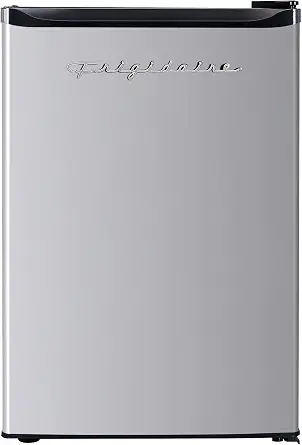 |
| Best Value The sweet spot between price and what you get | DEMULLER 45L Mini Fridge |  |
| Best Budget The cheapest option that still gets the job done reliably | AstroAI 6L Mini Fridge |  |
| Top Rated A top-rated pick with lots of positive feedback | Stopsad 3.2 Cu.Ft Mini Fridge |  |
| Most Popular A crowd favorite that many people choose with confidence | Upstreman BR321 3.2 Cu.Ft Mini Fridge |  |
| Best Seller A high-volume bestseller chosen again and again | EUHOMY 3.2 Cuft Beverage Refrigerator |  |
Midea Compact Refrigerator WHS-65LB1

| Capacity | 1.6 cubic feet |
|---|---|
| Annual Energy Consumption | 207 kilowatt hours per year |
| Defrost System Type | Automatic |
| Cooling Method | Compressor |
| Voltage | 115 volts |
The Midea WHS-65LB1 is a 1.6 cubic-foot compact refrigerator built for dorms, offices, or small apartments where floor space is limited. It uses an R600a compressor and is ENERGY STAR certified, which keeps annual energy use low and helps reduce operating cost. The unit includes a small internal chiller compartment for quick cooling, an adjustable/removable shelf to fit taller items, generous door shelving for bottles, and a reversible door hinge for flexible placement. Controls are mechanical and straightforward, letting you choose among several temperature settings down to the mid-30s Fahrenheit. Noise is modest, under 42 dB according to the manufacturer, so it is unlikely to be disruptive in a bedroom or office. Limitations are typical for mini fridges: the chiller is not a full freezer for long-term freezing, capacity is small for shared kitchens, and there are only one or two shelving surfaces which can limit organized storage. For buyers seeking a compact, energy-efficient secondary fridge, this model covers the essentials without frills.
Best for: Buyers who want a compact, energy-efficient secondary refrigerator for a dorm, small apartment, or office and prioritize low operating cost and flexible placement.
Less Ideal for: People who need substantial refrigerated storage, a reliable full freezer compartment, or advanced interior organization for family-sized use.
- ENERGY STAR certified with low annual energy consumption (207 kWh/year).
- Reversible door and removable shelf allow flexible placement and easier storage of taller items.
- Dedicated chiller compartment and door racks optimize storage for beverages and frequently used items.
- Simple mechanical thermostat that is easy to set and adjust.
- Very limited total capacity appropriate only for one person or as a secondary fridge.
- Chiller compartment is for short-term cooling and cannot function as a true freezer for frozen foods.
- Only a single main shelf and limited interior organization options.
Verdict: A small, ENERGY STAR certified mini fridge that delivers efficient, no-frills refrigeration for single users or as a secondary unit under $200.
Frigidaire 2.5 cu ft Refrigerator
| Capacity | 2.5 cubic feet |
|---|---|
| Freezer Capacity | 0.2 cubic feet |
| Defrost System Type | Manual Defrost |
| Cooling Method | Compressor |
| Installation Type | Freestanding |
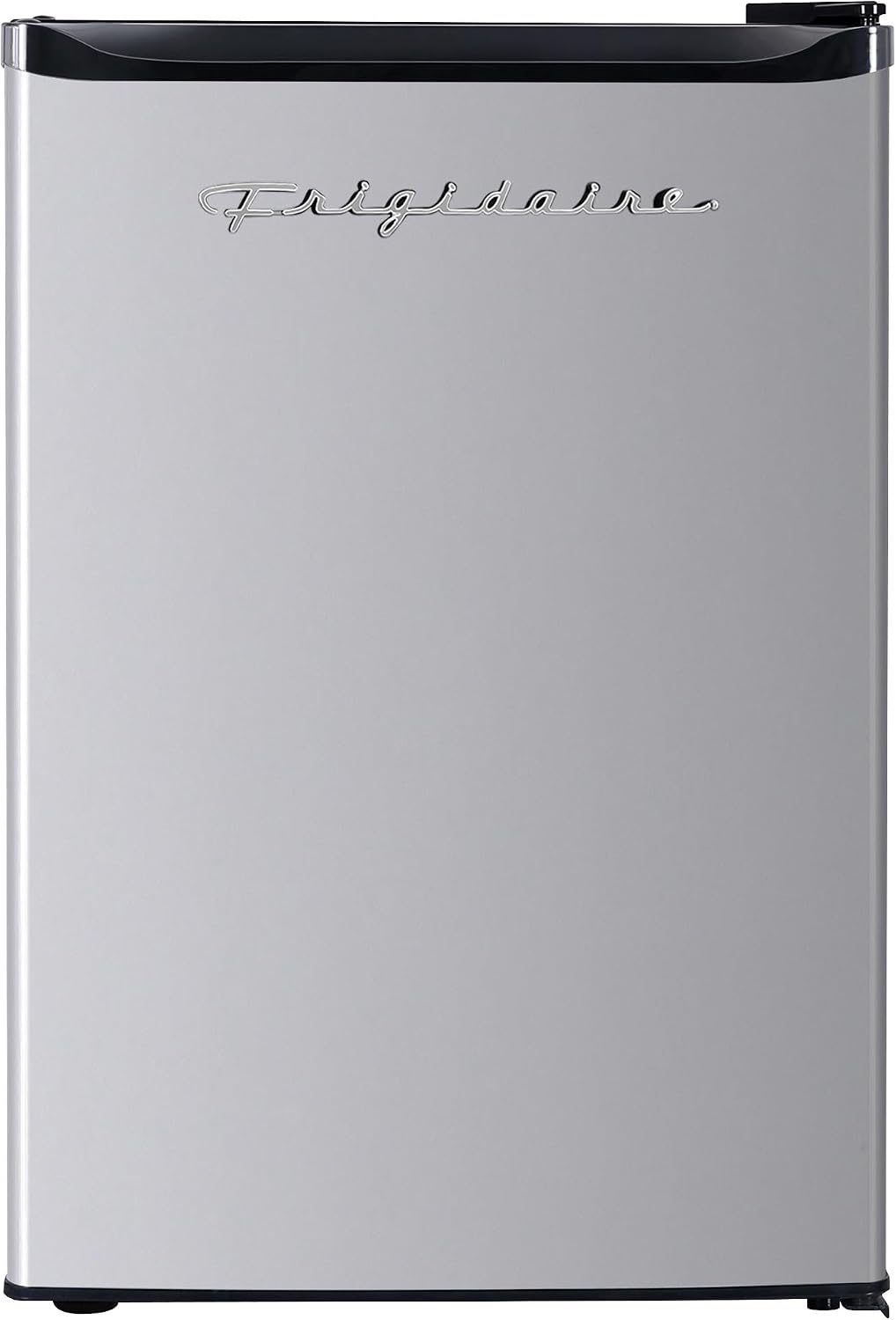
This compact Frigidaire refrigerator supplies usable cold storage in a small footprint, making it a practical choice for dorms, offices, bars, or as secondary holiday refrigeration. It has a 2.5 cubic foot capacity with a 0.2 cu ft internal freezer, three removable glass shelves, door racks including a dairy shelf and bottle holder, and a temperature-control knob for simple user adjustments. The compressor cooling and low annual energy consumption mean it keeps contents cold reliably while remaining inexpensive to run, and the reversible stainless steel door plus adjustable legs make installation flexible in tight spaces. Expect basic features rather than high-end conveniences: the unit uses manual defrost, has an invisible handle design, and lacks advanced temperature controls or smart functions. For buyers prioritizing straightforward, efficient cooling in a compact size, this model delivers solid day-to-day performance; those wanting frost-free convenience or larger capacity will need to look elsewhere.
Best for: Buyers who need a reliable, no-frills secondary refrigerator that fits tight spaces and prioritizes consistent cooling and energy efficiency.
Less Ideal for: Those who need a frost-free unit, large freezer capacity, or advanced temperature control and connectivity features.
- Compact 2.5 cu ft capacity fits small spaces like dorms or offices
- Compressor cooling with low annual energy consumption for efficient operation
- Reversible stainless steel door and adjustable legs for flexible placement
- Removable glass shelves and door racks keep food and beverages organized
- Manual defrost freezer requires occasional maintenance to remove frost
- Small internal freezer limits storage of larger frozen items
Verdict: A compact, energy-efficient refrigerator that delivers dependable cooling in small spaces for buyers seeking straightforward performance.
DEMULLER 45L Mini Fridge

| Capacity | 45 liters |
|---|---|
| Freezer Capacity | 0.8 cubic feet |
| Refrigerator Net Capacity | 1.6 cubic feet |
| Defrost System Type | Manual Defrost |
| Cooling Method | Compressor |
This compact DEMULLER mini fridge is built for tight spaces and single-person households, combining a 0.8 cu ft freezer above a 1.6 cu ft refrigerator in a 45L footprint. It uses a compressor cooling system with a seven-position temperature knob that ranges from about -0.4°F to 50°F, so you can set anything from near-freeze in the freezer to moderate refrigeration below. Two removable plastic shelves and two door racks let you rearrange storage for bottles, snacks, or meal prep, and adjustable feet help level the unit on uneven floors. The fridge is manually defrosted, which simplifies cleaning but requires occasional maintenance to prevent frost buildup. Noise is modest at roughly 38 dB in normal operation, making it suitable for bedrooms or offices. Power is corded electric and the unit uses R-600A refrigerant. For buyers focused on space efficiency and basic cooling performance, this model offers reliable, no-frills refrigeration; buyers needing larger capacity, automatic defrost, or advanced features should consider larger models.
Best for: Buyers who need a practical, space-saving refrigerator for a dorm, studio, office, or single-person household and prioritize straightforward cooling and easy storage customization.
Less Ideal for: Not a good choice for families, frequent entertainers, or anyone who needs large capacity, automatic defrost, or advanced features like digital controls or smart connectivity.
- Very compact 45L footprint fits small rooms and dorms
- Seven-step adjustable thermostat for flexible temperature control
- Removable shelves and door racks for configurable storage
- Runs on a compressor with modest noise (~38 dB) suitable for living spaces
- Adjustable feet help level the unit on uneven floors
- Manual defrost requires periodic maintenance to remove frost
- Small overall capacity limits use to single-person storage or short-term needs
Verdict: A compact, efficient mini fridge that delivers reliable cooling and flexible storage for single-person spaces where saving footprint is the priority.
AstroAI 6L Mini Fridge

| Capacity | 6 liters |
|---|---|
| Cooling Method | Thermoelectric |
| Voltage | 110 volts AC (includes 12V DC cable) |
| Defrost System Type | Manual |
| Installation Type | Countertop |
The AstroAI 6L Mini Fridge is a small thermoelectric cooler and warmer designed for personal use in bedrooms, offices, dorms, and cars. It holds about eight 355 ml cans or four 20 oz bottles and includes a detachable shelf to create two storage heights. The unit cools roughly 18–22°C below ambient and can warm up to 150°F, with both 110V AC and 12V DC cords for wall or vehicle outlets. Its low-noise operation, silicone base pads, hidden hinges, and manual defrost make it easy to place on countertops or in a car without fuss. Expect modest cooling power compared with compressor refrigerators and less efficient performance in hot ambient conditions, so it works best for drinks, skincare products, and small snacks rather than full meal storage. The compact size and dual-power option make it very portable, but you should allow ventilation clearance and avoid frequent door openings to maintain temperature.
Best for: Buyers who need an inexpensive, highly portable fridge for drinks, skincare, or small snacks and value the option to power it from both wall outlets and a vehicle.
Less Ideal for: People who need to store large quantities, maintain refrigerator-grade cold in warm rooms, or replace a full-size household refrigerator should consider larger compressor models instead.
- Very compact and portable for bedroom, office, or car use
- Dual power cords (110V AC and 12V DC) for at-home or vehicle operation
- Detachable shelf allows basic organization of cans, bottles, or skincare items
- Quiet thermoelectric cooling with silicone pads to reduce slipping and protect surfaces
- Can both cool (below ambient) and warm items, adding versatility
- Thermoelectric cooling is less powerful than compressor fridges and struggles in hot environments
- Very small 6L capacity limits what you can store to a few drinks or skincare items
- Manual defrost and modest energy efficiency compared with larger refrigerators
Verdict: A tiny, budget-friendly portable fridge that cools or warms a few drinks or skincare items and runs on either AC or DC power.
Stopsad 3.2 Cu.Ft Mini Fridge

| Capacity | 3.2 cubic feet |
|---|---|
| Freezer Capacity | 0.3 cubic feet |
| Cooling Method | Compressor |
| Power Source | Corded Electric |
| Defrost System Type | Automatic |
This Stopsad 3.2 cu ft mini fridge is a straightforward, no-frills small refrigerator with a dedicated 0.3 cu ft freezer and a 2.9 cu ft fridge section. It uses a compressor cooling method and offers three manual thermostat settings so you can select colder or energy-saving temperatures for different loads. Practical touches include reversible doors, two removable glass shelves, a low-noise 38 dB operation, and leveling legs for stable placement. The unit is freestanding and runs on standard 110V power; its estimated daily energy draw and 3 Star BEE rating make it reasonably efficient for continuous use in tight spaces. Limitations are its compact capacity and modest freezer size, which are fine for drinks, snacks, and short-term frozen items but not for long-term bulk freezing. Buyers who need a simple, reliable secondary fridge will appreciate its quiet compressor and manual controls, while those wanting larger capacity or advanced features should look elsewhere.
Best for: Buyers who want a dependable, compact secondary refrigerator for a dorm, office, or bedroom and prioritize quiet, simple operation over advanced features.
Less Ideal for: Anyone needing large freezer space, precise digital temperature control, or a primary household refrigerator for family-sized food storage.
- Dedicated freezer compartment for ice cream and quick-freeze items
- Adjustable thermostat with three temperature settings for simple control
- Quiet compressor operation rated around 38 dB suitable for bedrooms
- Removable glass shelves and reversible doors increase placement flexibility
- Freezer capacity is very small and not suited for bulk frozen storage
- Basic manual controls lack digital precision or advanced features
Verdict: A quiet, energy-conscious compact fridge with a small freezer that reliably handles drinks and snacks for dorms or small rooms.
Upstreman BR321 3.2 Cu.Ft Mini Fridge

| Capacity | 3.2 cubic feet |
|---|---|
| Freezer Capacity | 0.3 cubic feet |
| Cooling Method | Compressor |
| Defrost System Type | Manual Defrost |
| Voltage | 115 volts |
The Upstreman BR321 is a small freestanding refrigerator designed for dorms, bedrooms, offices, and small apartments. It provides 3.2 cubic feet of total capacity with a dedicated 0.3 cu.ft freezer, two adjustable glass shelves, a crisper drawer, and three door shelves for bottles and condiments. Temperature is set via a five-level adjustable thermostat (32°F to 50°F) and the compressor-based cooling uses an R-600A refrigerant for efficient operation; the unit is rated Energy Star and lists annual consumption near 206 kWh. Practical touches include a reversible door, adjustable leveling feet, a tight door seal, and a manual defrost system with a defrost tool. At about 38 dB reported noise it is quiet enough for bedroom or office use. Limitations are typical for this class: limited internal volume for full-size grocery loads, a small freezer not intended for ice cream or long-term frozen storage, and manual defrost maintenance. For buyers weighing value and reliability, it packs essential features in a compact, energy-conscious package.
Best for: Someone looking for a compact, energy-conscious secondary refrigerator for a dorm room, bedroom, or small office who values quiet operation and lots of user-adjustable storage options.
Less Ideal for: Households needing large capacity or a true freezer for long-term frozen food storage should choose a larger refrigerator with an automatic defrost freezer instead.
- Generous usable storage for a 3.2 cu.ft mini fridge with dedicated 0.3 cu.ft freezer
- Adjustable thermostat with five temperature levels for different foods and seasons
- Energy Star rated compressor cooling and relatively low reported noise (around 38 dB)
- Reversible door, adjustable feet, and adjustable glass shelves improve placement and storage flexibility
- Freezer is small and not suitable for storing ice cream or large frozen items
- Manual defrost requires occasional maintenance and effort
Verdict: A compact, energy-efficient mini fridge that delivers quiet, flexible storage and reliable compressor cooling for dorms or small spaces.
EUHOMY 3.2 Cuft Beverage Refrigerator

| Capacity | 3.2 cubic feet |
|---|---|
| Temperature Range | 37°F to 61°F |
| Cooling Method | Compressor |
| Shelves | 5 removable shelves |
| Installation Type | Freestanding |
The EUHOMY 3.2 cu ft beverage refrigerator is a freestanding mini fridge designed for drinks storage in kitchens, home bars, offices, or game rooms. It uses a compressor cooling system with an internal fan for even temperature distribution and offers digital temperature control via a touchscreen display with a 37°F to 61°F range. Five removable shelves let you rearrange the interior to hold cans, bottles, or wine and the reversible double-layer glass door and high-density foam seal help protect contents and reduce temperature swing. It runs quietly—around the stated 36 dB—and is relatively energy efficient for this size, rated at about 0.69 kWh per day. Practical limitations include modest capacity compared with full-size fridges and the lack of a freezer compartment, so it is meant strictly for chilled beverages and not long-term food storage. Setup requires letting the unit sit upright before first use and occasional cleaning of the interior and gasket to maintain seal performance.
Best for: Buyers who want a reliable, compact fridge dedicated to chilling drinks and who prioritize predictable performance and simple digital controls for everyday household or office use.
Less Ideal for: People who need a freezer, substantial refrigerated food storage, or a larger-capacity appliance for family meal prep should consider larger refrigerators instead.
- Digital touchscreen temperature control with a 37°F–61°F range for precise chilling
- Compressor cooling and internal fan for consistent temperatures throughout the cabinet
- Five removable shelves provide flexible storage for cans, bottles, and wine
- Reversible double-layer glass door with tight seal helps protect contents and adds display appeal
- Relatively quiet operation suitable for bedrooms or offices (around 36 dB) and low daily energy use
- No freezer compartment so it cannot handle frozen items
- 3.2 cu ft capacity is limited compared with larger refrigerators
Verdict: A practical, budget-friendly compact beverage fridge that delivers precise digital temperature control and reliable compressor cooling for dedicated drink storage.
Choosing the Right Refrigerator: Key Factors to Consider
Usable Interior Capacity
Capacity numbers can be deceptive. The usable interior capacity determines how much fresh and frozen food you can actually store after accounting for shelving, door bins, and compressor intrusion. For compact refrigerators, prioritize an interior layout that supports the kinds of items you store most often, such as tall bottles, meal prep containers, or frozen meals.
A higher nominal capacity is useful only if the internal configuration is flexible. Look for removable shelves and adjustable door bins that let you reconfigure shelving heights. If you plan to store frozen items regularly, check how much of the stated capacity is allocated to the freezer compartment versus the fridge space.
Energy Efficiency
Running costs matter long after the initial purchase. Energy-efficient compressors and well-sealed doors reduce electricity use, which is especially important for smaller, budget units that can run continuously. Evaluate energy consumption numbers when available, and prefer models with lower annual kWh or low amp draw specifications.
Consider placement too: a refrigerator in a warm or poorly ventilated spot works harder and costs more to run. Good insulation and tight door seals help maintain temperature with less compressor runtime, extending component life and lowering monthly energy bills.
Cooling Consistency
Consistent temperature across shelves prevents spoilage and keeps beverages reliably cold. Small refrigerators can develop hot spots near the compressor or at the back where airflow is restricted. Prefer units with thoughtful venting and simple airflow paths that move cold air through the fridge, rather than relying solely on conduction from the cooling plate.
Temperature control accuracy is also important. Mechanical thermostats are common in budget models; ensure the control offers fine enough adjustment to keep dairy and fresh produce safe without freezing them. If you plan to store sensitive items, check how easy it is to monitor and adjust the temperature.
Build Quality and Durability
A low price should not mean fragile construction. Evaluate the door hinge design, body materials, and interior fittings. Metal hinges and a reinforced door frame tend to outlast thin plastic components. Interior shelf brackets and bin mounts should be robust enough to handle daily reconfiguration.
Longevity matters because frequent replacements negate any upfront savings. Also consider warranty terms and how easy it is to service simple components like thermostats or gaskets, since those are common failure points on cheaper units.
Noise and Vibration
Small compressors and slim cabinets can transmit noise and vibration into nearby living spaces. If the refrigerator will sit near a bed, desk, or living room seating, noise level becomes a primary comfort factor. Look for units with quieter compressor ratings or models noted for low vibration.
Solid mounting feet and internal padding around components reduce rattles. Even when decibel ratings are not available, user feedback on persistent hums or cycling noise can indicate whether a unit is suitable for quiet environments.
Convenience Features and Maintenance
Simple features often make daily use easier. A reversible door widens placement options in small rooms. Removable shelves and crispers speed cleaning and allow efficient reconfiguration. Interior lighting, even a basic LED, improves usability in low-light areas.
Maintenance considerations include gasket access for cleaning, ease of defrosting if the unit is manual-defrost, and the availability of replacement parts. Budget models with user-serviceable components tend to be easier to keep running longer.
Sizing for Your Space and Needs
Measure the intended location before shopping. Account for clearance around the fridge for ventilation and for door swing. A few inches of space behind and above the unit aid heat rejection and will keep the compressor running efficiently.
Think beyond cubic feet. Consider the shape of the interior and how you will organize commonly stored items. A slightly narrower fridge with deeper shelves may fit a space better while offering similar usable capacity.
- Allow at least 1 to 2 inches of clearance on the sides and top for airflow.
- Check door swing direction and leave room for full opening.
- Factor in floor transitions and uneven surfaces that affect door alignment.
Manual Vs Automatic Defrost
Many budget refrigerators use manual defrost for the freezer compartment. Manual-defrost models can be more energy efficient and have fewer components that can fail, but they require periodic thawing to remove frost buildup.
Automatic defrost adds convenience but can slightly raise energy use and complexity. Choose manual defrost if you prefer simplicity and lower repair risk, or automatic defrost if you want low-maintenance operation and do not mind the modest energy tradeoff.
- Manual defrost: simpler mechanics, potentially better efficiency, requires occasional maintenance.
- Automatic defrost: more convenience, slightly higher energy use, fewer frost-related chores.
Placement and Ventilation Best Practices
Where you place the refrigerator will affect performance. Avoid installing a compact fridge in direct sunlight, near ovens, or in enclosed cabinets without ventilation. These heat sources force the compressor to run longer and can shorten the appliance lifespan.
If floor space is tight, consider elevated placement on a stable platform that preserves airflow underneath. Ensure the surface is level to keep the door aligned and the compressor from vibrating excessively.
- Keep the back at least an inch from the wall and the top a few inches clear.
- Avoid tight enclosures; build or use a vented cabinet if you must enclose the unit.
Organizing Inside a Compact Refrigerator
Maximize usability by grouping like-items together and using stackable containers. Utilize door bins for bottles and frequently used condiments. Reserve upper shelves for ready-to-eat foods and lower shelves for raw items to minimize cross contamination.
Use shallow containers for meal prep and thin trays that fit on shelves to keep items accessible and visible. Removing one shelf to accommodate taller items can dramatically increase usable flexibility.
- Store dairy and cooked foods on higher shelves.
- Keep raw meats in sealed containers on the lowest shelf.
- Use clear bins to corral smaller items and reduce lost leftovers.
Simple Maintenance to Extend Life
Regular cleaning and basic upkeep prevent odors and performance loss. Wipe door gaskets and interior surfaces with a mild detergent to maintain a good seal and prevent mold. Clear dust from the condenser area if accessible to improve heat exchange.
Check and tighten door hinges if the door starts to sag and replace worn gaskets promptly. For manual-defrost units, schedule defrosting before frost exceeds a quarter-inch to preserve space and cooling efficiency.
- Clean gaskets and interior monthly or as needed.
- Defrost manual-freeze compartments periodically.
- Inspect condenser fins and remove dust annually if reachable.
How We Chose the Best Refrigerator
We focused on factors that matter for budget refrigerators used as primary compact coolers or supplemental units. Key evaluation criteria included usable internal capacity, measured in liters or cubic feet, since listed gross capacity can be misleading once shelving and door bins are considered. Energy efficiency was another primary filter, emphasizing models with low annual energy consumption or reported low amp draw to keep monthly electricity impact minimal. Build quality and durability were assessed through material choices, hinge and door construction, and simplicity of controls, because cheaper units often trade longevity for lower cost. Temperature control accuracy and range were considered to ensure safe food storage and effective chilling. Noise level and vibration were included because small units are often placed in living spaces or bedrooms. Finally, convenience features such as removable shelves, reversible doors, and compact freezer compartments were weighed for real-world usability. We excluded unusually large or specialty refrigeration units that exceed the compact intent, and we did not consider refurbished-only listings. The shortlist favors new compact refrigerators that balance usable capacity, energy performance, and sturdy, practical design.
Our full evaluation process is outlined in our review methodology.
FAQ
How much usable space should I expect in an under-$200 refrigerator?
Expect modest usable space suited to single-person households or secondary use. Usable capacity often ranges lower than the nominal number once shelving and freezer volume are accounted for, so prioritize layout flexibility over headline capacity.
Are compact refrigerators under $200 energy efficient?
Many compact models are fairly efficient, but efficiency varies. Look for lower annual kWh ratings or modest amp draw and avoid placing the unit in hot spots, as location significantly affects real-world energy use.
Will a refrigerator under $200 be noisy in a bedroom or dorm?
Some budget units are quiet enough for nearby living spaces, but others can produce a noticeable hum or vibration. Seek models with stable mounting feet and minimal reported vibration if low noise is important.
Do cheap refrigerators last long enough to be worth buying?
Lifespan depends on build quality and maintenance. Units with sturdier hinges, accessible gaskets, and simple mechanical controls tend to be more serviceable and longer lasting. Regular cleaning and correct placement improve longevity.
Is automatic defrost necessary in this price range?
Automatic defrost is a convenience not always available at the lowest price points. Manual-defrost models can be more energy efficient and simpler to repair, while automatic-defrost units reduce maintenance chores but may use slightly more energy.
Final Verdict
For budget-conscious buyers, prioritize usable interior capacity, reliable temperature control, and energy efficiency. Accepting some compromises on features can still yield a practical refrigerator that serves well in a dorm, studio, or as a secondary unit. Focus on an interior layout that matches your food habits, check for sturdy construction and quiet operation, and place the appliance with proper ventilation to maximize life and performance. With those priorities in mind, you can confidently choose an under-$200 refrigerator that meets your day-to-day cooling needs without hidden costs or frequent service issues.