
Note: This article contains affiliate links. If you click on these links and make a purchase, we may earn a small commission at no extra cost to you. This helps support our research and content. Read our full affiliate disclosure here.
Guitars are sensitive to humidity swings that can warp necks, lift bridges, and damage finishes. A compact humidifier designed for instrument cases is a simple, inexpensive tool that helps maintain consistent moisture levels to preserve playability and tone. This guide shortlists the best small humidifiers for guitars, focusing on reliable humidity control, run time, and ease of use for both acoustic and electric instrument owners. Below are the top picks we shortlisted plus clear evaluation criteria to help you choose the right humidifier for your instrument and storage habits.
Top Picks at a Glance
| Best Overall The best all-around choice for most situations | O Oasis OH-5 Guitar Humidifier |  |
| Best Quality Built to a higher standard if you want something more solid | MusicNomad Humitar MN300 |  |
| Best Value The sweet spot between price and what you get | Boveda 49% Guitar Humidifier Refills 4-Pack |  |
| Best Budget The cheapest option that still gets the job done reliably | Bonsicoky Guitar Humidifier (4-Pack) |  |
| Top Rated A top-rated pick with lots of positive feedback | MusicNomad The Humitar ONE MN311 |  |
| Most Popular A crowd favorite that many people choose with confidence | D'Addario Acoustic Guitar Humidifier GH |  |
| Best Seller A high-volume bestseller chosen again and again | D'Addario Humidipak Guitar Humidity Kit |  |
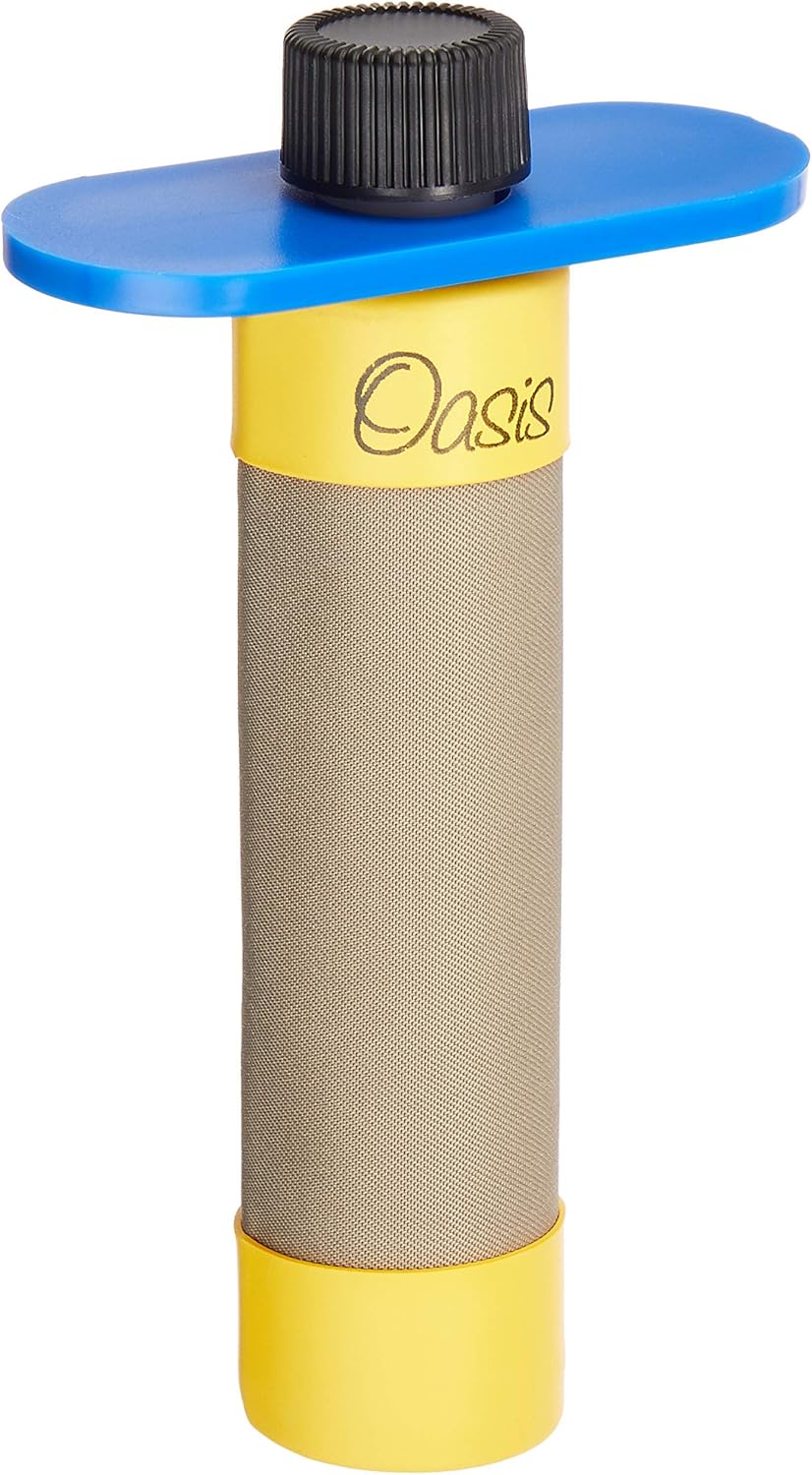
O Oasis OH-5 Guitar Humidifier
| Capacity | 1 fluid ounces |
|---|---|
| Operation Mode | Evaporative |
| Power Source | Corded Electric |
| Control Method | Touch |
The O Oasis OH-5 Plus+ is a compact evaporative soundhole humidifier made for acoustic guitars that delivers higher output than the original Blue Oasis model. It mounts across the soundhole with the included stabilizer bar and is filled with distilled water via the supplied 10 cc syringe, releasing moisture through an internal liner that provides roughly 50 percent more humidity output than the older design. In practice it helps protect neck and top cracks and keeps the instrument more stable in dry climates, but because of the increased output you will need to refill it more often than the smaller-capacity original. The unit is cord-free and simple to operate by touch, and its 1 ounce reservoir is small enough to stay unobtrusive inside the guitar body. Important practical notes are to use distilled water to avoid mineral buildup and expect shorter runtime between refills when used in very dry conditions. For players in arid environments who want a discreet, effective humidifier the OH-5 is an easy, low-maintenance solution.
Best for: Players who want a discreet, easy-to-use humidifier to protect an acoustic guitar in dry climates and prefer a higher-output, no-power accessory.
Less Ideal for: Musicians who need long unattended runtime or who prefer humidifiers with larger reservoirs or automatic humidity control should consider other options.
- Compact soundhole design that fits inside the guitar without blocking play
- Approximately 50% greater humidity output than the earlier Blue Oasis liner
- Includes stabilizer bar and syringe for controlled distilled water filling
- Simple, touch-operated evaporative operation with no power cord required
- Small 1 fluid ounce capacity requires frequent refilling in very dry conditions
- Requires distilled water to avoid liner clogging from minerals
Verdict: Choose the OH-5 if you want a compact, higher-output soundhole humidifier that discreetly protects an acoustic guitar in dry conditions.
MusicNomad Humitar MN300

| Capacity | 300 ml |
|---|---|
| Operation Mode | Manual |
| Power Source | Corded Electric |
| Control Method | Touch |
| Material | Stainless Steel |
The MusicNomad Humitar MN300 is a small, low-maintenance humidifier designed to hang in an acoustic guitar soundhole and keep instrument wood from drying, warping, or cracking. It uses the Humid-i-Bar sponge insert that soaks up to 300 ml of distilled water and holds many times its weight, releasing moisture slowly and evenly through the guitar body. Use is simple: flip the quick-top to check the sponge, remove and re-soak the insert when dry, and hang the unit from the strings so it sits safely in the soundhole. The stainless steel housing is durable and the reusable sponge reduces ongoing consumable costs compared with single-use packs. Because it is manual and cord-free in operation, it is quiet and portable but requires periodic monitoring and rehydration rather than automatic humidity control. For players who prioritize steady instrument performance and easy upkeep, the Humitar delivers predictable humidification in a compact package.
Best for: Players who want a reliable, low-maintenance way to protect tonewood and performance across seasonal humidity changes and who prefer a durable, easy-to-check humidifier over automated electronic systems.
Less Ideal for: Musicians who need automated humidity control or want to manage humidity for multiple instruments or an entire room should look for electronic or larger-capacity humidifiers.
- Reusable Humid-i-Bar sponge holds a large amount of water for longer between refills
- Quick-flip top and touch-check insert make it easy to see when rehydration is needed
- Stainless steel construction is durable and fits securely in the soundhole
- Simple manual design is quiet and requires no power or wiring
- Manual operation requires periodic soaking of the sponge rather than automatic humidity regulation
- Limited to humidifying the immediate instrument interior and not a room-scale solution
Verdict: A compact, durable humidifier that reliably protects acoustic guitars by slowly releasing moisture from a high-capacity reusable sponge.
Boveda 49% Guitar Humidifier Refills 4-Pack

| Relative humidity | 49% |
|---|---|
| Pack count | 4 pack |
| Intended use | Large instrument cases |
These Boveda 49% refill packs are two-way humidity controllers that sit inside a fabric holder in an instrument case and automatically add or absorb moisture to keep case RH near 49%. Typical use is simple: remove outer plastic, place each sealed pack into a fabric holder, and position them in a guitar or large instrument case. The product requires no batteries or active maintenance and works continuously until the pack hardens, at which point it is replaced. The 49% level is a common target for wooden guitars and large bowed instruments, helping prevent cracking, warping, and shifting tone from humidity swings. Because these are passive packs, they cannot be adjusted on the fly and are designed for case-level humidity control rather than room humidification. They also must be used with a fabric holder to prevent contact damage if punctured. For players who want a low-effort, reliable way to keep a single instrument case near a safe humidity point, these refills are convenient and effective, but they are not a substitute for room humidifiers or for instruments needing a different RH set point.
Best for: Buyers who want a low-effort, reliable way to protect a single guitar or large instrument stored in its case and prefer a hands-off humidity solution.
Less Ideal for: People looking to control humidity across a room, those who need adjustable RH targets, or owners who do not use fabric holders in cases.
- Two-way humidity control keeps case humidity near a steady 49% without monitoring
- Simple, maintenance-free operation with no power or refilling required
- Packaged refills fit standard fabric holders and are sized for large instrument cases
- Long shelf life in sealed wrapper until first use
- Fixed 49% set point cannot be adjusted for instruments that need different RH targets
- Designed for case-level control only and not effective for conditioning whole rooms
Verdict: A no-fuss, maintenance-free way to keep a guitar or large instrument case at a stable 49% RH to prevent humidity damage.
Bonsicoky Guitar Humidifier (4-Pack)

| Material Type | ABS Plastic |
|---|---|
| Package Quantity | 4 |
| Item Weight | 3.84 ounces |
These compact guitar humidifiers are simple, budget-friendly devices that clip into the soundhole and release moisture via a built-in sponge to keep a guitar's humidity stable in dry conditions. Typical use is filling the sponge or reservoir with water, inserting the unit into the soundhole, and leaving it in place during dry seasons or after travel to slow wood shrinkage and protect finish and neck stability. The ABS plastic bodies are lightweight and easy to carry, and the pack of four gives spares for multiple instruments or long-term rotation while one dries. Installation is tool-free and designed to sit under the strings without applying pressure. Because they rely on passive evaporation from the sponge, they are low-maintenance but need periodic refilling and attention to avoid overwatering or mildew if left too long; they also do not regulate humidity electronically or provide precise RH control. For players wanting a no-frills, inexpensive way to reduce dry-air damage, these are a practical auxiliary option; serious collectors who need precise humidity control should consider a calibrated hygrometer or active humidifier instead.
Best for: Buyers wanting the most affordable way to protect acoustic guitars from dry-air damage and who prefer a low-effort, portable humidifier solution.
Less Ideal for: Players who need precise, monitored humidity control for high-value instruments or for maintaining a strict humidity range should choose a calibrated or electronic humidification system instead.
- Comes as a 4-pack so you can outfit several guitars or rotate units while one dries
- Lightweight ABS construction is durable and easy to carry
- Built-in sponge design minimizes leakage when installed under strings
- Simple, tool-free installation that fits in the soundhole
- No active humidity control or measurement, so it cannot guarantee a target relative humidity
- Requires regular refilling and occasional cleaning to avoid mold buildup
Verdict: An inexpensive, no-frills 4-pack that provides basic soundhole humidification for guitar owners who need a simple, portable moisture solution.
MusicNomad The Humitar ONE MN311

| Manufacturer | MusicNomad |
|---|---|
| Item model number | MN311 |
| Date First Available | September 27, 2022 |
The Humitar ONE combines a self-contained humidifier with a built-in hygrometer to keep an acoustic guitar's soundboard at safer humidity levels. It sits inside the guitar body where it slowly releases moisture and the integrated hygrometer gives a quick read on relative humidity without separate devices. Typical use is simple: place the unit in the sound hole, check the hygrometer, and refill the reservoir as needed to maintain the recommended range for wood instruments. Its small footprint and lightweight construction make it unobtrusive and easy to move between instruments, and the combined hygrometer saves space and reduces fiddly accessory juggling. Limitations are that the unit is passive and intended for enclosed placement rather than humidifying large rooms, and highly dry environments will need more frequent refills or supplemental room humidification. For players who value straightforward, in-case humidity control, this is a practical solution that minimizes setup and monitoring effort.
Best for: Buyers who prioritize reliable, low-maintenance humidity protection for individual acoustic guitars and who want a compact, one-piece solution that is easy to deploy and check.
Less Ideal for: People needing to humidify multiple guitars, large cases, or dry rooms should consider larger or active humidification systems instead.
- Combined humidifier and hygrometer saves space and reduces extra gear.
- Compact, lightweight design fits inside an acoustic guitar sound hole and is easy to move between instruments.
- Simple refill operation and passive operation require no power or complex installation.
- Passive output can be slow in very dry conditions and may require frequent refills.
- Not designed to humidify rooms or multiple instruments at once.
Verdict: A simple, reliable in-body humidifier with a built-in hygrometer for straightforward humidity protection of a single acoustic guitar.
D'Addario Acoustic Guitar Humidifier GH

| Capacity | 1 centiliters |
|---|---|
| Operation Mode | Vaporizer |
| Filter Type | Wick |
| Power Source | Corded Electric |
This compact soundhole humidifier is designed to hang from the strings inside an acoustic guitar and dispense moisture through a hydrophilic sponge, helping prevent cracks, warping, and tuning instability caused by dry conditions. Use is straightforward: moisten the sponge, suspend the unit in the soundhole, and the humidifier slowly vaporizes moisture over time without touching the guitar top. It is cord-free and self-contained, so there is no drip risk or complicated setup, making it suitable for home storage or during periods of low indoor humidity. The very small 1 centiliter capacity and simple wick-style operation mean it requires regular checking and re-wetting, so it is best for routine maintenance rather than long unattended stretches. Its soundhole-shaped form and light weight keep it unobtrusive while playing or storing the instrument. For players who want an easy, low-effort way to protect an acoustic from dry-air damage, this is a practical, proven choice.
Best for: Players who prioritize a simple, proven way to keep an acoustic guitar at safe humidity levels and prefer a low-effort, low-risk humidification method backed by broad user adoption.
Less Ideal for: People needing multi-week unattended humidification or those with guitars stored in extremely dry environments should consider larger reservoir systems or room humidifiers instead.
- Hangs in the soundhole so it does not touch or damage the guitar top
- Hydrophilic sponge releases moisture slowly for even humidification
- Very simple to use with no cords or complicated parts
- No-drip, contained design reduces risk of water damage to the instrument
- Very small 1 centiliter capacity requires frequent re-wetting
- Not suitable for long-term unattended humidification or very dry environments
Verdict: A tiny, easy-to-use soundhole humidifier that reliably protects acoustic guitars by releasing moisture slowly with no-drip operation.
D'Addario Humidipak Guitar Humidity Kit

| Relative humidity target | 45–50% RH |
|---|---|
| Includes | 3 Humidipaks and mesh pouch |
| Pack lifespan | 2–6 months |
The D'Addario Humidipak kit uses two-way humidity control packets to automatically add or absorb moisture and hold a guitar case at the recommended 45–50% relative humidity. It comes with three prefilled Humidipaks and a soft mesh pouch for safe placement inside a hard-shell case, so setup is as simple as placing the pouch next to the instrument. Because the packs are sealed and self-regulating there is no refilling, no batteries, and no active electronics to monitor, which reduces maintenance and mess. In typical use the packets last between two and six months depending on how well the case is sealed and the ambient climate, and replacements are available as a refill pack. The main limitation is that Humidipaks require a sealed environment to work properly and will not perform well if the case is left open or if the room temperature swings widely; they also need periodic replacement rather than being a permanent device. For buyers who want a low-effort, reliable way to prevent cracks, warping, and fret issues caused by low humidity, this kit provides a simple, hands-off solution.
Best for: Buyers who want a low-maintenance, reliable way to protect wooden guitars from humidity-related damage and prefer a hands-off solution over refillable or electronic humidifiers.
Less Ideal for: Players who store instruments in open cases, frequently change storage locations, or need continuous active monitoring of case humidity should consider other options.
- True two-way humidity control that both releases and absorbs moisture as needed
- Maintenance-free operation with no refilling, batteries, or electronics
- Comes with three Humidipaks and a soft mesh pouch safe for instrument finishes
- Keeps case humidity in the recommended 45–50% range when used in a sealed case
- Packets must be replaced every few months rather than being reusable
- Performance depends on a well-sealed case and stable storage temperature
Verdict: If you want a simple, low-effort way to keep a guitar case at the ideal humidity without refilling or electronics, this maintenance-free two-way Humidipak kit is an easy choice.
Choosing the Right Small Humidifier for Guitars: Key Factors to Consider
Desired Humidity Range
Different guitars and climates call for specific humidity targets. Most wooden acoustic instruments perform best around 45 to 55 percent relative humidity, while some electric guitars tolerate a slightly wider range. Choose a humidifier that can hold a steady output toward the middle of your target range rather than one that fluctuates wildly.
A unit with adjustable output or predictable passive evaporation will make it easier to maintain the desired range inside a case. Also consider whether you plan to use a separate hygrometer; many owners pair a compact humidifier with an independent hygrometer to monitor conditions and avoid over- or under-humidifying.
Run Time Between Refills
Run time determines how often you need to check or refill the unit. If you travel, store an instrument for long periods, or keep guitars in a dry winter environment, choose a humidifier with longer run time or a larger reservoir so it can maintain humidity for several days or weeks without attention.
Short-run devices require frequent topping off, which increases the chance of overlooking a dry period. Conversely, very large reservoirs can be awkward in smaller cases, so balance run time with case-fit requirements.
Case Fit and Mounting
The humidifier must sit securely in your guitar case without touching the instrument in ways that could transfer moisture unevenly or press against the finish. Look for slim designs made for instrument cases or small portable units that include straps, clips, or foam pads for stable placement.
Consider whether you need a model for a gig bag, molded hard case, or flight case. Some units are better suited to archtop or classical guitars with rounded interiors, while others fit flat case bottoms. A unit that rattles or shifts during transport can cause scratches or uneven moisture distribution.
Maintenance and Cleaning
Regular cleaning prevents mineral buildup, mold, and odors. Humidifiers that use distilled water reduce mineral deposits, but you still need a design that disassembles easily for rinsing and occasional sanitizing. Units with replaceable wicks or pads can simplify upkeep, but those parts should be easy to source.
Also factor in how straightforward refilling is. A humidifier that requires removing the instrument from the case to refill will discourage consistent use. The ideal unit allows refill through a flap or is small enough to remove and replace quickly without disrupting the instrument.
Leak Resistance and Material Safety
Any device that holds water poses a leak risk. Materials and construction must prevent drips or seepage that can stain wood, adhesive joints, or electronic components. Look for sealed reservoirs, wicking systems that minimize free water, and nonreactive plastics that will not off-gas or discolor finishes.
Avoid units with corrosion-prone metal parts near the water reservoir, and prefer designs that clearly separate the water compartment from the outer shell. If you live in a hard-water area, consider models that limit mineral spray.
Power and Control Options
Some small humidifiers are passive or wick-based and need no power source, while others use batteries or USB power to drive misting elements or fans. Battery-free passive units are simple and low-risk for case use, but powered units can offer longer run times or more consistent output.
Think about whether you want adjustable output, automatic shutoff, or indicator lights. Choose a power option that matches how you store and transport guitars so you are not stranded with a dead battery or an unpowered unit when you need humidity most.
Passive Versus Powered Humidification
Passive humidifiers work by slowly releasing moisture from a sponge, wick, or membrane. They require no power and are generally fail-safe inside a closed case; they will gradually deliver humidity as the case environment calls for it. Passive units are quiet, inexpensive, and low-maintenance, making them a good choice for owners who want set-and-forget protection.
Powered humidifiers use battery or USB-powered misting or vapor technologies to actively increase humidity. These can maintain humidity more aggressively and often offer adjustable output or timers. Powered units are useful if you store instruments in consistently dry climates or travel frequently, but they add complexity and need periodic battery charging or power access.
- Passive: low maintenance, no power, reliable but slower response
- Powered: adjustable, faster response, requires power management
Placement Tips Inside Cases
Position the humidifier so it does not touch the instrument surface directly and so moisture disperses evenly. Common placements include the space under the neck, inside the body cavity for certain humidification systems, or in the accessory compartment. Avoid blocking bracing or pressing against tuners and hardware.
If your case includes foam cutouts, use the gaps to stabilize the unit. For gig bags, secure the humidifier with straps or a soft cloth to reduce movement. Periodically check the humidifier location after transport to ensure it has not shifted.
- Keep humidifier off direct contact with finish
- Stabilize the unit to prevent movement during transport
- Allow air circulation so humidity spreads evenly
Monitoring Humidity: Tools and Routines
A small digital hygrometer placed in the case provides objective feedback on humidity levels. Regularly checking the hygrometer after refills and during seasonal changes tells you whether the humidifier and your storage routine are working. Aim to check readings more often during dry winter months and when moving instruments between climate zones.
Develop a simple maintenance routine: check the hygrometer weekly during dry spells, top off or replace moisture sources before they fully dry, and clean the unit every few months. This routine prevents long stretches where the guitar is exposed to harmful low humidity.
- Use a dedicated case hygrometer for accurate readings
- Check more frequently during season changes or travel
- Log humidity if storing multiple guitars to spot trends
Travel and Gig Considerations
If you frequently transport guitars, prioritize compact units that secure in the case and withstand jostling. Choose models with leak-resistant reservoirs and consider protective packaging like a thin microfiber wrap around the humidifier for extra abrasion protection. For airline travel, ensure the unit is allowed and will not be inadvertently activated during screening.
For gigs, you may want a humidifier that can be removed and refilled quickly between sets or venues. Battery-powered units with indicator lights help confirm operation before loading the case into a vehicle or flight bag.
- Secure and compact units are best for frequent transport
- Prefer leak-resistant designs for travel
- Consider quick-refill or visible indicators for gig use
Long-Term Storage Strategies
For long-term storage, use a humidifier that reliably maintains target humidity without frequent refills. Consider adding a humidity buffer, such as a larger-capacity device or multiple passive units, to reduce risk during extended absences. Place humidifiers away from direct heat sources or damp basements to avoid extreme swings.
Check stored instruments periodically and keep a log of hygrometer readings. If you store multiple guitars in the same room or a shared cabinet, verify that each case maintains appropriate levels rather than assuming uniform conditions across cases.
- Use larger-capacity or multiple units for extended storage
- Avoid storing near heaters or uninsulated exterior walls
- Inspect cases periodically and log hygrometer readings
How We Chose the Best Small Humidifier for Guitars
We selected small humidifiers for guitars using practical, instrument-centered filters that reflect how owners actually care for instruments. First, humidity control accuracy was essential; models that provide predictable moisture output or accept simple adjustment scored higher. Runtime and reservoir capacity mattered next, because a humidifier that dries out quickly requires frequent attention and risks prolonged low humidity. Size and case fit were evaluated to ensure the unit sits securely inside common gig or hard cases without stressing the instrument. Materials and finish safety were considered to avoid units that could leak, off-gas, or deposit minerals on wood or hardware. Finally, ease of use and maintenance — including refill access, cleaning, and whether the unit needs no-special supplies — influenced selection. We excluded large room humidifiers and devices that require complex installation or produce high airflow unsuited to enclosed instrument cases. We also avoided products with unclear humidity output or poor build quality that could risk leaking. The final list balances reliable moisture delivery, safe construction for wood instruments, compact footprint, and straightforward upkeep.
Our full evaluation process is outlined in our review methodology.
FAQ
How often should I refill a small humidifier in my guitar case?
It depends on the unit's capacity and your environment. In dry winter conditions you may need to refill every few days to a week. Larger reservoirs or powered units can run longer, but check a hygrometer to confirm actual case humidity rather than relying on a schedule.
Can I use tap water in a guitar humidifier?
Tap water is often acceptable, but hard water can leave mineral deposits that may require more frequent cleaning. Distilled water reduces buildup and helps keep wicks and reservoirs cleaner over time.
Will a humidifier damage my guitar finish?
A properly designed case humidifier should not damage finishes if it is leak-resistant and positioned so it does not touch the instrument directly. Avoid free-standing open containers of water and choose models with sealed reservoirs or wick systems to minimize direct moisture contact.
Do I need a hygrometer with my humidifier?
Yes. A hygrometer provides objective humidity readings so you can confirm the humidifier is maintaining the desired range. Without one you risk under- or over-humidifying, which can both harm the instrument.
Are powered humidifiers better than passive ones?
Neither is universally better. Powered humidifiers can deliver more consistent humidity and longer run times but require power management. Passive units are simple and low-risk. Choose based on storage conditions and how often you can monitor the instrument.
Final Verdict
Choosing the right small humidifier for guitars comes down to matching humidity output, run time, and case compatibility to your storage and travel habits. Prioritize leak-resistant construction and predictable humidity control, and pair any humidifier with a reliable hygrometer to verify conditions. For owners who travel, favor compact, secure designs; for long-term storage, favor larger capacity and low-maintenance systems. With the right balance you can protect neck relief, preserve finishes, and reduce the need for repairs.