
Note: This article contains affiliate links. If you click on these links and make a purchase, we may earn a small commission at no extra cost to you. This helps support our research and content. Read our full affiliate disclosure here.
If you want tile floors that look fresh without heavy chemicals, a steam mop can be one of the most practical tools in your cleaning kit. The right Steam Mop for Tile Floors lifts dirt and sanitizes grout while leaving tiles streak-free when used correctly. We shortlisted the top options built to handle ceramic and porcelain tile surfaces and evaluated them on control, contact cleaning, and ease of upkeep. This guide walks through essential performance and usability features so you can pick a model that fits your home and routine. Read on to see the factors we tested and how to match a steam mop to your tile and lifestyle.
Top Picks at a Glance
| Best Quality Built to a higher standard if you want something more solid | Shark Steam & Scrub S8201 | 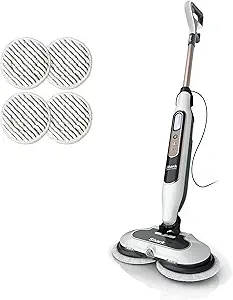 |
| Best Value The sweet spot between price and what you get | Amazon Basics Steam Mop |  |
| Best Budget The cheapest option that still gets the job done reliably | NEWBULIG Steam Mop |  |
| Top Rated A top-rated pick with lots of positive feedback | BISSELL PowerFresh Steam Mop 1940A |  |
| Most Popular A crowd favorite that many people choose with confidence | PurSteam Therma Pro 211 Steam Mop |  |
| Best Seller A high-volume bestseller chosen again and again | Shark Steam Mop S1000 |  |
Shark Steam & Scrub S8201

| Wattage | 1120 watts |
|---|---|
| Form Factor | Stick |
| Power Source | ac_dc |
| Voltage | 120 |
| Tank Volume | 11.83 fluid ounces |
The Shark Steam & Scrub S8201 is built to attack stuck-on messes on sealed hard floors by combining continuous steam, rotating microfiber pads, and a hand‑controlled Steam Blaster for targeted bursts. In use it functions like a mop and scrubber in one: the rotating pads agitate and glide across tile grout and surface grime while the steam loosens soils and sanitizes with just water. Controls are simple with three steam modes—Light, Normal, and Deep—so you can dial back for quick touchups or push more power for stubborn spots, and LED headlights and swivel steering make it easy to maneuver under cabinets and around furniture. The included filling flask and washable pads keep maintenance straightforward, though the water tank is modest so very large areas will need refills. For tile floors the rotating pads and Steam Blaster deliver notably better stuck-on stain removal than basic steam mops, but expect regular pad cleaning and occasional refills during intensive sessions.
Best for: Buyers who prioritize strong cleaning performance on tile and sealed hard floors and want a steam mop that scrubs as it steams to remove stuck‑on stains.
Less Ideal for: Those who need a lightweight mop for very frequent quick touchups or want long runtime between refills for large open floor plans.
- Steam Blaster provides targeted high‑pressure steam for stubborn stains
- Rotating microfiber pads scrub automatically for easier removal of stuck‑on grime
- Three steam modes let you match power to the job from quick touchups to deep cleaning
- LED headlights and swivel steering improve visibility and maneuverability around obstacles
- Relatively small 11.83 fl oz tank requires refilling for large rooms
- Rotating pads need regular cleaning to maintain performance
Verdict: If you want a steam mop that actively scrubs and delivers targeted steam power to beat stuck‑on stains on tile, this Shark model is built for that job.
Amazon Basics Steam Mop

| Wattage | 1200 watts |
|---|---|
| Heat Time | 30 seconds |
| Maximum Temperature | 100 °C |
| Capacity | 15 ounces |
| Included Components | 3 washable microfibre pads, Filling Flask, Plastic Scrubber |
The Amazon Basics Steam Mop is a no-frills steam cleaner for sealed hard floors that relies on hot steam and three washable microfiber pads to remove dirt and sanitize surfaces without chemicals. It reaches operating temperature in about 30 seconds and offers three steam settings so you can dial back output for sensitive tile grout or boost steam for stubborn grime. The 15-ounce tank supports longer cleaning runs and the 20-foot cord plus cord wrap make it simple to move across a mid-size room without swapping outlets. Included accessories like a filling flask and a plastic scrubber help with refilling and loosening stuck-on dirt. Practical buyers will appreciate the lightweight, self-standing design and machine-washable pads for lower ongoing cost. Limitations include a relatively small water capacity if you have very large areas and the upright form factor is less good for detailed edge work than handheld steamers or steamers with detachable handheld units.
Best for: Buyers who want a straightforward, chemical-free steam mop to keep tile and other sealed hard floors sanitary with minimal fuss and low running costs.
Less Ideal for: People who need a steam cleaner for very large homes without frequent refills or those who require a detachable handheld steamer for tight corners and vertical surfaces.
- Heats up in about 30 seconds for quick start-up
- Three steam levels for adjusting to different floor and grout needs
- Includes three washable microfiber pads to reduce replacement costs
- Long 20-foot power cord and cord wrap for easy coverage of mid-size rooms
- Lightweight and self-standing for simple storage and maneuvering
- 15-ounce tank may require refilling on very large cleaning jobs
- Upright-only design limits detailed handheld or tight-edge cleaning
Verdict: A budget-friendly, quick-heating steam mop that cleans and sanitizes sealed tile floors with adjustable steam and washable pads for low ongoing cost.
NEWBULIG Steam Mop

| Wattage | 1555 watts |
|---|---|
| Power Source | Corded Electric |
| Voltage | 120 volts |
| Maximum Temperature | 212 °F |
The NEWBULIG Steam Mop is a budget-friendly all-in-one steamer that works as an upright mop and a detachable handheld cleaner for floors, grout, windows and small surfaces. It heats to 212°F and produces continuous steam while the 16.4 foot cord and swivel head make it easy to maneuver around tile grout and baseboards. The unit ships with washable microfiber pads, a carpet glider and several tools that let you switch between mopping hard floors and spot-treating grout, stove tops or windows. Built-in anti-dry protection and an auto shutoff when the tank is empty add a layer of safety for frequent use. At about 1555 watts the mop produces rapid heat-up, but the water tank capacity and refill cadence mean you may need to top it up during longer jobs. The lightweight design helps reduce fatigue, though taller users may miss a telescoping handle. For tile floors this model cleans grout lines effectively and dries quickly with minimal residue, making it a practical value pick for regular maintenance.
Best for: Tile-floor owners looking for an inexpensive, multi-purpose steamer to keep grout and hard floors clean without buying separate specialty tools.
Less Ideal for: People who need heavy-duty continuous steam for large homes or commercial cleaning where a larger tank and professional run time are required.
- Dual upright and detachable handheld modes for versatile cleaning
- Rapid heat-up to 212°F with 1555 watts for strong steam output
- Includes multiple attachments and washable microfiber pads for grout, windows and spot cleaning
- Long 16.4 ft cord and flexible swivel head for easy reach around rooms
- Anti-dry protection and auto shutoff improve safety during use
- Water tank requires refilling for extended cleaning sessions
- No telescoping handle for adjustable height beyond the fixed range
Verdict: A budget-conscious, versatile steam mop that delivers strong steam and useful attachments for keeping tile floors and grout clean.
BISSELL PowerFresh Steam Mop 1940A

| Wattage | 1500 watts |
|---|---|
| Heat Time | 30 seconds |
| Power Source | Corded Electric |
| Maximum Temperature | 212 °F |
| Special Features | 3 Steam Settings, XL Removable Water Tank, 23-Foot Power Cord |
The BISSELL PowerFresh Steam Mop 1940A is a corded upright steam cleaner built for routine cleaning and grout or stuck-on messes on sealed hard floors. It produces steam in about 30 seconds and offers three steam settings so you can dial back moisture for delicate sealed hardwood or boost steam for tile and grout. The flip-down Easy Scrubber breaks up dried-on spots without extra tools, and the XL removable 16-ounce tank means fewer refills during a session. Reusable microfiber pads handle everyday dirt while optional scent discs add a fresher smell after mopping. Practical benefits include fast heat-up, a long 23-foot power cord for extended reach, and a lightweight form factor that is easy to push and store. Limitations to consider are that it is intended only for sealed hard floors and requires electricity and distilled or clean water for proper use, and heavier scrubbing or deep grout restoration may still need separate cleaning tools. For tile floors it combines targeted steam control and a scrubbing head to lift grime effectively in regular maintenance cycles.
Best for: Buyers who prioritize a dependable, no-frills steam mop for regular tile and sealed hard-floor maintenance and want fast heat-up and adjustable steam control.
Less Ideal for: People who need a cordless or battery-powered model for quick spot cleaning or those who plan to use steam on unsealed wood or delicate unsealed surfaces.
- Three steam settings let you control moisture and cleaning intensity for different floor types
- Flip-down Easy Scrubber helps break up dried-on messes and grout buildup
- XL removable 16 oz water tank reduces refill interruptions during cleaning
- 23-foot power cord provides extended reach across rooms without frequent outlet changes
- Only suitable for sealed hard floors and not safe for unsealed wood or some specialty surfaces
- Requires corded power, limiting cordless mobility compared with battery models
Verdict: A reliable steam mop with adjustable steam and a flip-down scrubber that makes routine tile cleaning and grout spot work fast and predictable.
PurSteam Therma Pro 211 Steam Mop

| Wattage | 1200 |
|---|---|
| Heat Time | 30 seconds |
| Power Source | ac_dc |
| Maximum Temperature | 212 °F |
| Tank Volume | 380 ml |
The PurSteam Therma Pro 211 is a versatile steam mop that combines a stick steam mop with a detachable handheld unit and a set of targeted accessories. It heats in about 30 seconds and uses a 380 ml tank to produce chemical-free steam for sealed hardwood, tile, laminate, vinyl, and area rugs with the included carpet glider. The swivel mop head, collapsible handle, and long power cord make it easy to maneuver under furniture and store in tight spaces, while attachments like angled nozzles, brushes, a steamer jet, and a squeegee let you tackle grout lines, oven grease, windows, and upholstery. Practical benefits include quick startup, multi-surface usefulness, and reusable microfiber pads for routine maintenance. Limitations are the need to avoid unsealed wood, relatively short water capacity for very large areas, and the usual caution around steam use near children and pets despite child- and pet-safe labeling. Replacement pads and extras are available separately if you plan heavy use.
Best for: Buyers who want a single, multi-use steam cleaner to maintain tile and other sealed hard floors and also refresh upholstery and curtains, prioritizing quick startup and many accessories backed by broad user feedback.
Less Ideal for: People who need a heavy-duty commercial steam system or who regularly clean very large floor areas without pausing to refill the water tank.
- Detachable handheld steamer for vertical surfaces and upholstery
- Heats up quickly in about 30 seconds for fast spot cleaning
- Includes 10 accessories for grout, glass, fabric, and carpet refresh
- Swivel head and collapsible handle improve reach and compact storage
- Reusable microfiber pads reduce ongoing consumable cost
- 380 ml tank requires refilling for larger jobs
- Not suitable for unsealed wood floors
Verdict: A fast-heating, accessory-packed steam mop that makes tile and sealed-floor maintenance easier while doubling as a handheld steamer for grout and upholstery.
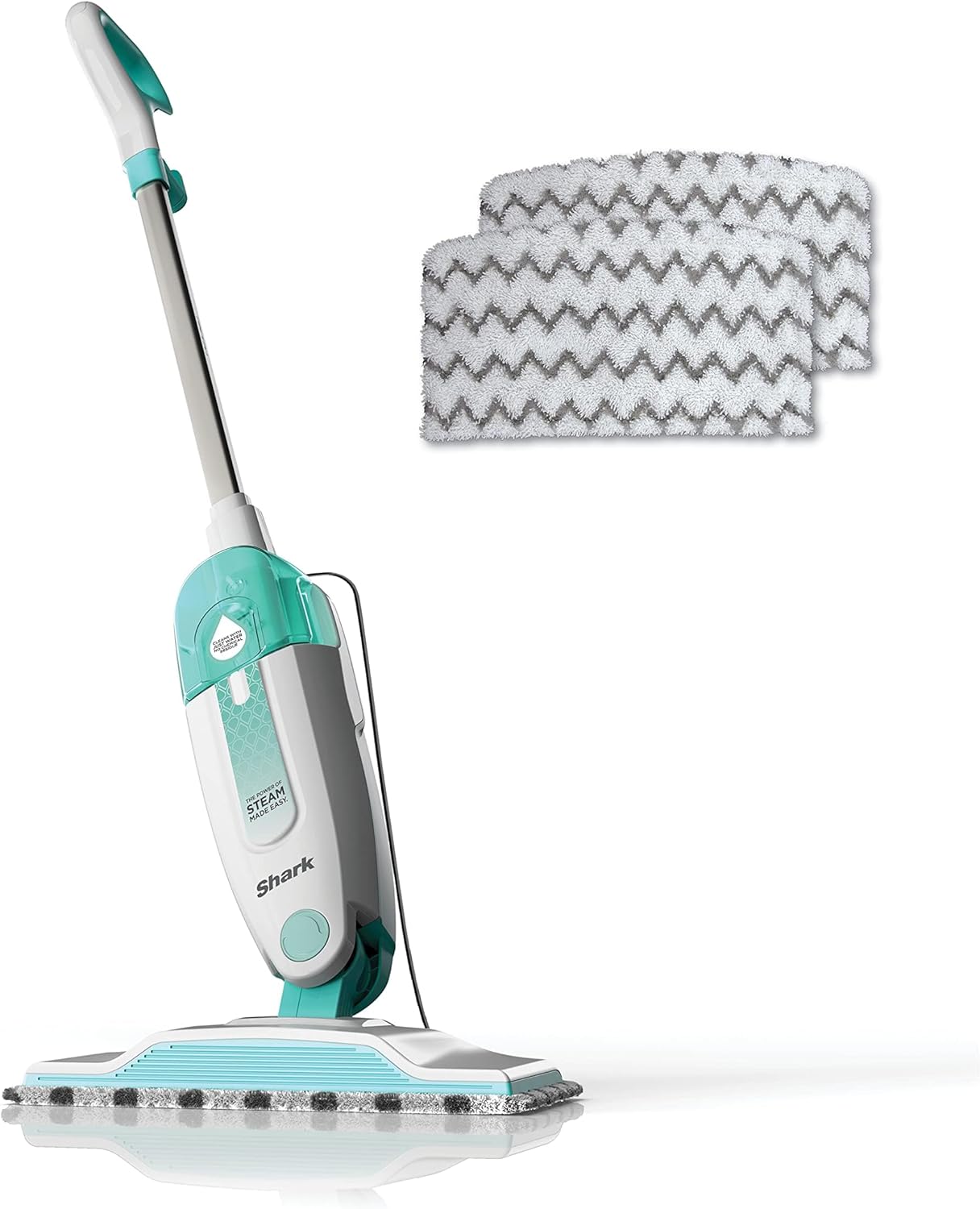
Shark Steam Mop S1000
| Wattage | 1050 watts |
|---|---|
| Heat Time | 30 seconds |
| Power Source | Electric |
| Tank Volume | 12.68 fluid ounces |
| Form Factor | Upright |
The Shark S1000 is a compact steam mop that cleans and sanitizes sealed hard floors using only water and heat, reaching ready-to-use steam in about 30 seconds. It is built as a lightweight upright with swivel steering and a removable water tank for easy refills during a cleaning session. The included Dirt Grip textured microfiber pads are machine washable and add scrubbing power for stuck-on messes, while the mop's maneuverability makes it simple to work around furniture and in tight spaces. Because it uses steam rather than chemicals it leaves no residue, which is useful on tile and sealed floors, but it requires sealed surfaces and may not replace deep scrubbing tools for grout restoration. The 12.68 fl oz tank provides decent run time for quick jobs, and the 1050-watt heater produces on-demand steam quickly, though continuous heavy-duty jobs will need frequent refills. Overall, this is an easy-to-use option for routine tile floor maintenance and sanitizing when you want a lightweight, no-chemical approach.
Best for: Buyers who prioritize a low-effort, chemical-free way to keep tile and other sealed hard floors regularly clean and sanitized without heavy equipment or complicated setup.
Less Ideal for: If you need a tool for deep grout restoration, large continuous areas without refilling, or work on unsealed surfaces, choose a more heavy-duty steam cleaner or scrubbing solution instead.
- Heats to steam in about 30 seconds for quick spot cleaning
- Removable water tank simplifies refills mid-clean
- Lightweight design and swivel steering improve maneuverability around furniture
- Machine-washable Dirt Grip microfiber pads add absorption and light scrubbing power
- Small 12.68 fl oz tank requires refills for larger areas
- Steam is for sealed hard floors only and is not suitable for unsealed grout or unfinished surfaces
Verdict: A lightweight, easy-to-use steam mop that quickly sanitizes sealed tile floors with washable pads for routine, chemical-free maintenance.
Choosing the Right Steam Mop for Tile Floors: Key Factors to Consider
Steam Control And Temperature
Tile types and grout respond differently to heat and moisture. Adjustable steam output matters because glossier tiles often need less steam to avoid streaks, while textured or porous tiles benefit from stronger bursts to dislodge trapped dirt.
Steady, controllable vapor also reduces the risk of over-wetting grout, which can lead to discoloration over time. Look for clear settings or variable triggers rather than a single fixed output so you can tailor heat to spot cleaning, whole-room mopping, or grout-focused work.
Mop Head Size And Shape
Mop head geometry influences both cleaning speed and grout reach. Wider, rectangular heads cover more surface area and shorten cleaning time on open tile fields, while narrower or triangular heads are better for corners and along baseboards.
The attachment method and the ability to pivot at the handle affect how easily the pad conforms to uneven grout lines. Choose a head style that balances coverage with the ability to work into narrow seams if your tile layout includes lots of edges and tight spaces.
Pad Material And Attachment
Pads are the frontline of soil removal. Microfiber pads trap fine dust and lift oils from glazed tile, while scrubbing or terry-style pads add abrasion needed for heavier grime or slightly rough surfaces.
Secure but replaceable attachment systems are important. Velcro or snap-on pads that stay put during aggressive scrubbing are preferable, and washable pads reduce ongoing consumable costs. Consider how easy it is to source replacement pads for long-term maintenance.
Tank Capacity And Run Time
How much water a steam mop holds directly affects how long you can clean before refilling. Larger tanks reduce interruptions for medium to large rooms, but they also add weight to the unit.
Balance capacity against your typical cleaning session. If you usually tackle one room at a time, a modest tank with quick heat-up may be fine. For whole-house mopping, aim for extended runtime to avoid frequent refills.
Maneuverability And Weight
A steam mop you can easily push, steer, and store will be used more often. Lightweight designs reduce fatigue during extended cleaning and make it easier to reach under furniture and around fixtures.
Check swivel action at the head and the handle length for comfortable posture. Cord management and the ability to stand the mop upright for short breaks also contribute to hassle-free use.
Maintenance And Descaling Needs
Mineral buildup from tap water can reduce steam performance over time. Units with simple descaling procedures or removable tanks make upkeep faster and extend the tool's useful life.
Look for clear instructions on cleaning internal channels and for accessible parts that can be rinsed or replaced. Low-maintenance models will save time and prevent performance drop-offs as hard-water deposits accumulate.
Tile Types And Steam Suitability
Not all tile surfaces react the same way to steam. Glazed ceramic and porcelain tiles generally tolerate low to moderate steam without damage, while unglazed or textured tiles may absorb more moisture and need shorter, targeted passes.
Before using steam regularly, test a small inconspicuous area to confirm there is no discoloration or adverse effect. Use lower steam settings on delicate grout seals and increase agitation with a scrubbing pad instead of boosting heat when tackling stubborn grime.
- Test a hidden area first
- Start with low steam and increase as needed
- Use scrubbing pads for textured tile rather than high heat
How To Minimize Streaks And Water Marks
Streaks often occur when too much moisture is left on the surface or when cleaning in circular motions that redeposit soil. Work in straight passes and finish with a dry microfiber pad to lift residual moisture.
Use distilled water if your tap water is hard to reduce mineral spotting. Wringing or changing pads frequently during a session prevents dirt transfer and keeps the finish clear.
- Work in overlapping straight passes
- Swap or rinse pads when visibly soiled
- Consider distilled water in hard-water areas
Safe Grout Cleaning Techniques
Grout lines collect dirt and can be sensitive to long exposure to steam. Use focused steam bursts or a small scrubbing attachment rather than long continuous passes directly over grout. Follow up with a dry towel to absorb loosened soil and moisture.
For routine maintenance, combine steam mopping with occasional spot scrubbing using a stiff nylon brush to keep grout from darkening. Avoid heavy abrasion on sealed grout to maintain the protective coating.
- Use short, directed steam bursts on grout
- Finish grout areas with a dry cloth
- Avoid aggressive scrubbing on sealed grout
Storage, Accessories, And Long-Term Care
Think about where you will store the steam mop and how accessories are kept. A compact unit with onboard accessory storage reduces the chance of losing small brushes or pads.
Routine descaling and pad washing are the most common maintenance tasks. Keep spare pads on hand and follow the manufacturer's guidance for internal cleaning intervals to maintain steam performance.
- Store upright in a dry place
- Keep spare washable pads available
- Follow descaling schedule for hard-water areas
When To Use Steam Versus Traditional Mopping
Steam works best for sanitizing and loosening grime without chemicals. It is ideal for routine maintenance and light soil removal on tile but may not replace deep scrubbing for heavily stained grout or oil-based residues.
Use conventional mopping with an appropriate cleaner for heavy-duty degreasing or when a tile sealant manufacturer advises against steam. Rotate methods seasonally to protect finishes and extend grout life.
- Steam for sanitizing and light soil
- Traditional mopping for heavy grease or specific sealant warnings
- Alternate methods to protect surface coatings
How We Chose the Best Steam Mop for Tile Floors
We focused on attributes that directly affect cleaning results and day-to-day use on tile floors. First, we prioritized steam control and heat delivery since adjustable steam allows safe cleaning across glazed, unglazed, and textured tiles and prevents damage from excessive moisture. Next, we looked at mop head design and reach, because surface contact, pad material, and swivel articulation determine how well a mop lifts soil from flat tile and recessed grout. Water tank capacity and heat-up time were included to reflect run-time and convenience during typical household sessions. We also assessed weight, maneuverability, and cord length for practical handling, since heavy or awkward units make regular cleaning harder. Finally, we considered ease of maintenance, including pad replacement, storage footprint, and descaling needs. We excluded models intended solely for stone surfaces or heavy industrial steam cleaners because those have different temperature and moisture profiles. Our shortlist contains units that balance safe steam levels for tile with effective soil removal and user-friendly upkeep.
Our full evaluation process is outlined in our review methodology.
FAQ
Can I use a steam mop on all tile floors?
Often yes for glazed ceramic and porcelain, but you should test an inconspicuous area first. Unglazed or heavily textured tiles may require shorter passes or different pad types to avoid over-wetting.
How often should I descale a steam mop used on tile?
It depends on water hardness and frequency of use, usually every 1 to 3 months for regular household use. Units used in hard-water areas will need descaling more frequently to maintain steam output.
Will steam mopping sanitize my tile floors?
Steam can reduce surface bacteria and kill many common microbes when the mop reaches adequate temperature. Sanitizing effectiveness depends on contact time and steam temperature, so follow recommended passes rather than a single rapid swipe.
Are special pads required for grout cleaning?
Not always, but scrubbing-style or textured pads can help lift dirt from grout lines more effectively than flat microfiber alone. Small brush attachments are useful for targeted grout work.
Is distilled water necessary for a steam mop?
Distilled water is not required but helps prevent mineral buildup and spotting, especially in areas with hard tap water. Using distilled water reduces descaling frequency and keeps steam output more consistent.
Final Verdict
When choosing a steam mop for tile floors, prioritize adjustable steam output, a mop head that matches your room layout, and pad materials suited to your tile finish. Balance tank capacity and weight against the size of the areas you clean to minimize interruptions and fatigue. Focus on models that are easy to maintain and offer clear descaling guidance to preserve performance over time. With the right mix of steam control, head design, and upkeep, you can efficiently keep tile and grout cleaner while reducing reliance on harsh chemicals.