
Note: This article contains affiliate links. If you click on these links and make a purchase, we may earn a small commission at no extra cost to you. This helps support our research and content. Read our full affiliate disclosure here.
Porcelain tile needs strong cleaning without harsh chemicals or excessive moisture. The right steam mop can lift dirt from grout lines, sanitize surfaces, and dry quickly so you can use rooms again sooner. This guide highlights seven top steam mops chosen for porcelain tile floors and explains the practical tradeoffs you should weigh. We shortlisted models that prioritize adjustable steam, safe heat levels for glazed tile, and easy maneuvering around fixtures. Below you will find the criteria we used to evaluate each option and clear guidance to help you pick the best tool for your home.
Top Picks at a Glance
| Best Overall The best all-around choice for most situations | Shark Steam & Scrub S8201 | 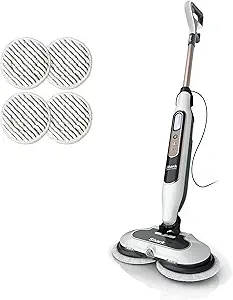 |
| Best Quality Built to a higher standard if you want something more solid | Tineco Floor One S6 Stretch Steam |  |
| Best Value The sweet spot between price and what you get | Bissell PowerFresh Deluxe 1806 |  |
| Best Budget The cheapest option that still gets the job done reliably | Wotaste Steam Mop XR-01 |  |
| Top Rated A top-rated pick with lots of positive feedback | BISSELL PowerFresh Steam Mop 1940A |  |
| Most Popular A crowd favorite that many people choose with confidence | PurSteam Therma Pro 211 Steam Mop |  |
| Best Seller A high-volume bestseller chosen again and again | Shark Steam Mop S1000 |  |
Shark Steam & Scrub S8201

| Wattage | 1120 watts |
|---|---|
| Form Factor | Stick |
| Power Source | ac_dc |
| Voltage | 120 |
| Tank Volume | 11.83 fluid ounces |
The Shark Steam & Scrub S8201 is a stick steam mop designed to clean sealed hard floors by combining continuous steam, rotating microfiber pads, and a handheld Steam Blaster for stubborn spots. It is typically used by filling the onboard tank, selecting one of three modes—Light, Normal, or Deep—and guiding the swiveling head across porcelain or other sealed surfaces while the pads scrub automatically. Notable features include a high-pressure Steam Blaster for targeted steam bursts, LED headlights to reveal dirt in low light, and washable multiuse pads that rotate to deliver over 150 scrubs per minute. In practice the unit speeds up routine mopping and helps remove stuck-on messes without chemicals, and the sanitization claims indicate it can reduce common bacteria when used as directed. Important limitations are the relatively small water tank which may require more frequent refills during large jobs and the stick form factor that still needs some manual guidance on grout lines or very uneven tile; as with all steam mops, follow manufacturer sanitization and floor-care instructions to avoid harming unsealed surfaces.
Best for: Buyers who want a balanced, chemical-free steam mop for regular cleaning and occasional tough spots on sealed porcelain tile and value convenience features like automatic scrubbing and targeted steam.
Less Ideal for: Users who need an industrial-grade floor machine for very large areas or heavy grout restoration should consider more powerful, commercial scrubbers instead.
- Rotating microfiber pads provide automated scrubbing for easier removal of stuck-on stains
- Steam Blaster delivers a concentrated burst of steam for targeted spot cleaning
- Three steam modes let you choose light, normal, or deep cleaning intensity
- LED headlights and swivel steering improve visibility and maneuverability around furniture
- Washable pads reduce ongoing supply costs
- Small 11.83 fl oz tank requires refilling during extended cleaning sessions
- Stick design may be less effective on very uneven grout or deeply textured tile compared with heavier, powered scrubbers
Verdict: A convenient, all-in-one steam mop that blends rotating scrub pads and a targeted steam blast to keep sealed porcelain tile clean without chemicals.
Tineco Floor One S6 Stretch Steam

| Power Source | Corded Electric |
|---|---|
| Maximum Temperature | 320 °F |
| Tank Volume | 0.72 liters |
| Capacity | 1 liters |
| Surface Recommendation | Hard Floor, Hardwoods, Laminate, Multi Surface |
The Tineco Floor One S6 Stretch Steam combines steam cleaning and wet-dry vacuuming in a single corded upright unit designed for hard floors. It sprays and heats water to a reported 320°F HyperSteam, loosening grease and stains while its suction and dual-sided edge cleaning pick up dissolved grime and residue in one pass. The BoostSteam mode and larger water tanks extend cleaning power for longer sessions, and the DualBlock anti-tangle system helps keep hair and pet fur from wrapping the brush. Practical touches include a one-touch self-clean cycle, an LED headlight to spot dirt, a long cord for uninterrupted runs, and a 180° lay-flat profile to reach under low furniture. Expect an initial steam warm-up of about a minute and slightly lower subsequent prep times, and note this is a corded appliance so it is not battery-limited but does require outlet access during use. For heavy-duty grout or very uneven porcelain tile you may need follow-up spot work, but for routine deep cleaning of smooth porcelain tile the S6 Stretch Steam streamlines scrubbing and pickup into fewer steps.
Best for: Buyers who prioritize deep, performance-driven cleaning on hard floors and want a single machine that applies high-temp steam and vacuums up residue during regular or intensive porcelain tile maintenance.
Less Ideal for: Shoppers who need a lightweight, cordless quick-clean solution or who primarily clean very uneven textured tile and grout where concentrated scrubbing tools perform better.
- High-temperature BoostSteam (up to 320°F) for dissolving grease and stubborn stains
- Combined steam and wet-dry suction picks up soil in a single pass
- DualBlock anti-tangle design reduces hair and pet fur wrap on the brush
- One-touch self-cleaning and larger water tanks for longer, lower-maintenance sessions
- 180° lay-flat design and LED headlight improve access under furniture and visibility in low light
- Corded power requires an outlet and limits maneuverability compared with cordless models
- Initial steam warm-up of about 60 seconds before first use
Verdict: If you want high-temperature steam plus powered pickup for thorough, performance-focused cleaning of porcelain tile, this steam-and-vac combo gets the job done in fewer passes.
Bissell PowerFresh Deluxe 1806

| Power Source | Corded |
|---|---|
| Heat Time | 0.5 minutes |
| Tank Volume | 0.56 liters |
| Form Factor | Upright |
The Bissell PowerFresh Deluxe 1806 is an upright steam mop built to lift stuck‑on messes from sealed hard floors, including porcelain tile, using hot steam and a detachable SpotBoost scrub brush. It heats in about 30 seconds and offers variable steam settings so you can dial back moisture on sensitive surfaces or crank up power for grout and stubborn spots. The refillable water tank is small but easy to fill with the included measuring cup and stores on the handle for convenience, while swivel steering helps navigate around furniture. A built‑in fragrance disc tray adds a light scent during cleaning for those who prefer it. Practical buyers will appreciate the machine's quick warm up, targeted scrubbing tool, and compatibility with washable microfiber pads, but the modest tank capacity means more frequent refills during longer jobs and the corded design limits reach without replugging or moving. For porcelain tile it delivers effective sanitizing and grout cleaning when used with appropriate technique.
Best for: Buyers who want a no‑nonsense steam mop that sanitizes sealed hard floors and removes grout and stuck‑on messes with a scrubber attachment, prioritizing speed and targeted cleaning over long continuous run time.
Less Ideal for: Households that need extended continuous cleaning sessions without interruptions or those who prefer cordless, battery‑powered floor cleaners.
- Fast 30‑second warm up gets you cleaning quickly
- Detachable SpotBoost brush for scrubbing stuck‑on messes and grout
- Variable steam levels let you adjust moisture for different floor types
- Swivel steering and washable microfiber pads improve maneuverability and reduce waste
- Small water tank requires more frequent refilling during large areas
- Corded design limits reach compared with cordless alternatives
Verdict: A fast‑warming, scrub‑equipped steam mop that efficiently sanitizes porcelain tile and tackles grout and stuck‑on messes for buyers who value speed and targeted cleaning.
Wotaste Steam Mop XR-01

| Wattage | 1000 watts |
|---|---|
| Heat Time | 15 seconds |
| Maximum Temperature | 260 °F |
| Capacity | 16.9 oz water tank |
| Form Factor | Handheld |
The Wotaste XR-01 is a lightweight handheld steam mop built for fast, chemical-free floor cleaning. It reaches up to 260°F in about 15 seconds and uses steam to loosen grease and common stains, which makes it suitable for regular spot cleaning and deeper passes on hard surfaces like porcelain tile. The 16.9 oz water tank provides continuous steam for multi-room tasks without constant refilling, and the 20 ft power cord plus a 135° rotating head and 90° tilt help reach corners and under furniture. Included accessories and two washable pads expand its use to grout lines, countertops, and small kitchen messes. At 1000 watts it delivers strong steam but requires an outlet for use and is not cordless. The design is compact and self-standing for easy storage, though its handheld form and 1.1 lb listed capacity suggest it is best for routine maintenance rather than very large floor jobs or professional cleaning runs.
Best for: Buyers on a budget who want a fast-heating, chemical-free steam cleaner for regular maintenance of porcelain tile and other hard floors in apartments or medium homes.
Less Ideal for: Those needing a cordless or heavy-duty commercial unit for large open floor plans or extended professional cleaning sessions should consider larger upright or commercial steamers.
- Heats to 260°F in about 15 seconds for fast starts
- 16.9 oz tank supports longer continuous steaming between refills
- Rotating 135° mop head and 90° tilt reach corners and under low furniture
- Includes accessories and two washable pads for grout and detail cleaning
- Self-standing design and cord wrap simplify storage
- Handheld form and smaller capacity make it less efficient for very large floor areas
- Requires a corded power source, so mobility is limited by outlet placement
Verdict: A fast-heating, budget-friendly steam mop that delivers effective, chemical-free cleaning for porcelain tile and everyday home use.
BISSELL PowerFresh Steam Mop 1940A

| Wattage | 1500 watts |
|---|---|
| Heat Time | 30 seconds |
| Power Source | Corded Electric |
| Maximum Temperature | 212 °F |
| Special Features | 3 steam settings, 23-foot power cord, XL removable water tank |
The Bissell PowerFresh 1940A is a corded upright steam mop made for regular floor cleaning and sanitizing on sealed hard surfaces like porcelain tile. It heats in about 30 seconds and offers three steam settings so you can dial back humidity for delicate grout or bump up steam for stuck-on spills, and the flip-down Easy Scrubber handles dried grime without needing extra tools. The XL removable 16-ounce tank refills at the sink and the long 23-foot power cord reduces outlet switching across larger rooms. Microfiber pads are reusable and machine washable, and the unit claims steam sanitization when used as directed. Practical limitations include the need to pre-sweep or vacuum loose debris and periodic refills for extended jobs, and steam mops are not suitable for unsealed floors. For porcelain tile specifically, the controlled steam settings and scrubbing brush make it effective at loosening grout and surface grime while avoiding excess moisture when used carefully.
Best for: Buyers who prioritize a dependable, no-frills steam cleaner for routine sanitizing and grout scrubbing on sealed porcelain tile and want adjustable steam control for different soil levels.
Less Ideal for: Homes with unsealed or water-sensitive flooring or users who need large-tank continuous steaming without refills should consider other solutions.
- Three steam settings let you adjust moisture and cleaning power for grout, sealed hardwood, and tile
- Flip-down Easy Scrubber breaks up dried-on messes and grout buildup without separate tools
- XL removable 16 oz water tank refills quickly at the sink for continuous use
- 23-foot power cord provides long reach across rooms without frequent outlet changes
- Reusable microfiber pads are machine washable for lower ongoing cost
- Requires pre-sweeping to remove loose debris before steaming
- 16 oz tank may need refilling during extended cleaning sessions
Verdict: Choose the PowerFresh 1940A if you want a reliable steam mop with adjustable steam, a scrubbing brush, and long cord reach for thorough cleaning of sealed porcelain tile.
PurSteam Therma Pro 211 Steam Mop

| Wattage | 1200 |
|---|---|
| Heat Time | 30 seconds |
| Power Source | ac_dc |
| Maximum Temperature | 212 °F |
| Tank Volume | 380 ml |
The PurSteam Therma Pro 211 is a multipurpose steam mop that heats in about 30 seconds and converts to a handheld steamer for vertical cleaning. It is used as a floor steamer on sealed surfaces like porcelain tile and grout, and the included carpet glider and microfiber pads let you refresh area rugs. The kit bundles ten accessories — brushes, angled nozzle, steamer jet, squeegee, scraper, and more — which make it useful for grout lines, stove tops, upholstery, and glass. A 380 ml tank gives reasonably long runtime for spot cleaning, and the swivel mop head plus collapsible handle improve reach and storage. Practical limits: avoid unsealed wood and expect steam cleaning to require a bit of physical effort on heavy grout or set-in grime compared with aggressive chemical scrubbing, and the unit relies on distilled or clean water to minimise mineral buildup. For buyers focused on cleaning porcelain tile, this model offers targeted steam tools and a compact design that simplify grout and surface cleaning without chemicals.
Best for: Buyers who want a chemical-free steam solution for sealed porcelain tile and grout that also doubles as a handheld steamer for spot and upholstery cleaning and value visible accessory-based performance.
Less Ideal for: People needing a heavy-duty continuous steam system for large homes or those who must clean unsealed hardwood or very high-traffic floors frequently.
- Detachable handheld steamer for vertical surfaces and upholstery.
- Ten included accessories for grout, grout jetting, crevices, glass, and carpets.
- Rapid heat up in ~30 seconds for quick spot jobs.
- Swivel mop head and foldable handle improve reach and storage.
- Tank capacity (380 ml) limits continuous run time for very large areas.
- Not suitable for unsealed wood or floors sensitive to moisture.
Verdict: A versatile, quick-heating steam mop with targeted grout and tile attachments that cleans porcelain tile effectively without chemicals.
Shark Steam Mop S1000
| Wattage | 1050 watts |
|---|---|
| Heat Time | 30 seconds |
| Power Source | Electric |
| Tank Volume | 12.68 fluid ounces |
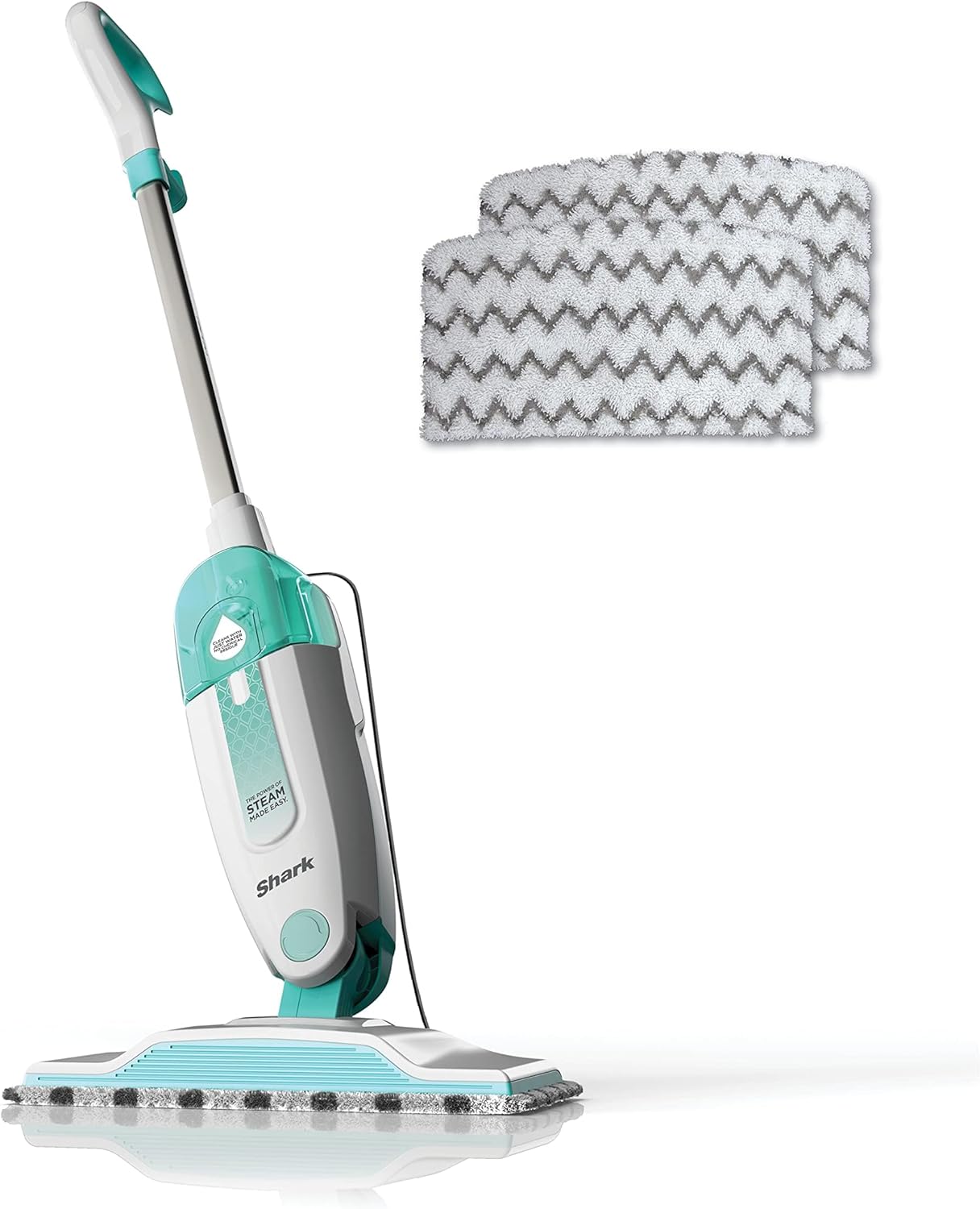
The Shark S1000 is a compact corded steam mop designed for quick cleaning of sealed hard floors like porcelain tile. It heats in about 30 seconds and delivers on-demand steam from a removable 12.68 fl oz tank so you can refill between rooms without unplugging the unit. The swivel head and low weight make it easy to maneuver around furniture and into tight spots, and the included dirt-grip microfiber pads are machine washable for repeated use. Because it uses only water and steam, it removes grime without chemical residues and provides sanitization on appropriate sealed surfaces. Practical limits include a modest tank capacity that may require refilling on large jobs and the corded design, which restricts reach compared with cordless options. Also, it is intended for sealed hard floors only and should not be used on unsealed wood or sensitive finishes. For everyday maintenance and periodic spot cleaning of porcelain tile, the S1000 is an efficient, easy-to-store choice.
Best for: Buyers who prioritize a reliable, easy-to-use steam cleaner for routine upkeep of sealed hard floors and who prefer a low-maintenance, chemical-free cleaning method.
Less Ideal for: Homes with very large floor areas where long uninterrupted cleaning runs are needed or for floors that are not sealed, unsealed wood, or delicate finishes that cannot tolerate steam.
- Fast 30-second heat-up for quick, on-demand steam cleaning.
- Removable water tank simplifies refills and continuous cleaning without lengthy disassembly.
- Lightweight and swivel-steering design improves maneuverability around furniture and in tight spaces.
- Machine-washable dirt-grip microfiber pads provide scrubbing power and are reusable.
- Small 12.68 fl oz tank may need frequent refills on larger floors.
- Corded design limits range compared with cordless steam cleaners.
Verdict: A lightweight, fast-heating steam mop that reliably sanitizes sealed porcelain tile and makes routine spot and maintenance cleaning simple.
Choosing the Right Steam Mop for Porcelain Tile Floors: Key Factors to Consider
Steam Control
Porcelain tile and grout react differently to high heat and prolonged moisture. Adjustable steam settings let you use a low, steady flow on delicate glazed finishes and grout without saturating the substrate. Having multiple steam levels or a variable trigger also helps when switching between open floor areas and tight corners.
Without control you risk streaking, residue, or slow drying times, so prioritize models that allow fine adjustments or offer pre-set modes for sealed tile surfaces.
Floor Safety and Compatibility
Not all flooring surfaces tolerate the same temperature and moisture levels. For porcelain tile floors, look for mops that specify safe temperature ranges and that include nonabrasive microfiber pads to protect the glaze. Some units also feature flow-limiting valves to prevent excess steam contact time on grout.
Confirm that the mop does not require chemical cleaners to achieve sanitation; steam alone should be sufficient for routine cleaning and light disinfecting on porcelain when used as directed.
Maneuverability and Head Design
Large mop heads cover more area quickly but can struggle around cabinetry and fixtures. A swivel head or a low-profile triangular head improves access along edges and in corners. Lightweight units reduce fatigue during longer sessions and make it easier to lift the head for stairs or vertical surfaces.
Consider the handle length and angle as well; a comfortable grip and good balance make it simpler to maintain even pressure and consistent contact with the tile surface.
Tank Capacity and Run Time
Tank size determines how much continuous cleaning you can do before needing a refill. Larger tanks reduce interruptions when cleaning multiple rooms, but they add weight to the unit. Heat-up time matters if you want quick touch-ups; faster warm-up means less waiting.
Evaluate your typical cleaning routine. If you clean small areas frequently, a compact tank and quick heat-up may be preferable. For whole-floor sessions, a larger tank with reasonable weight tradeoffs is better.
Pad Material and Attachment Options
Microfiber pads are the most common choice because they lift dirt without scratching glazed surfaces. Look for pads with adequate absorbency and secure attachment systems that prevent slipping during use. Reusable, machine-washable pads lower long-term upkeep costs and reduce waste.
Some mops offer specialty pads or steam-driven scrubbing attachments for grout lines. These can improve results on older grout but add complexity and sometimes require more careful technique to avoid excess moisture.
Maintenance and Descaling
Mineral buildup from hard water can affect steam performance over time. Units with removable tanks, easy-access filters, or recommendations for descaling maintenance are easier to keep running well. Models that allow use of distilled water or include inline descaling alerts help maintain consistent steam output.
Consider how easy it is to replace worn parts like pads and seals, and whether replacement parts are readily available. Regular maintenance extends the life of the mop and preserves safe steam levels for porcelain surfaces.
Why Steam Works on Porcelain Tile
Porcelain tile is dense and usually glazed, which makes it resistant to staining and water penetration. Steam cleans by loosening soils and lifting them into the mop pad without relying on chemical solvents. For glazed porcelain, steam is effective because it softens grime on the surface and in grout lines while the tile itself resists moisture penetration when used correctly.
Use moderate steam and quick passes rather than holding the nozzle in one spot. Proper technique minimizes wetting time in grout joints and helps the floor dry fast.
- Steam loosens baked-on soils and grease from the tile surface
- Microfiber pads trap loosened dirt for removal
- Proper drying technique reduces moisture transfer into grout
Preparing Porcelain Floors Before Steam Cleaning
Start by sweeping or vacuuming loose debris and grit that could abrade the glaze when mopped. Pay attention to areas near doorways and under furniture where grit collects. If there are sticky spills, wipe them up first with a damp cloth to reduce the load on the mop.
Check grout and tile condition. If grout is crumbling or unsealed, avoid heavy steam exposure until repairs are made because excessive moisture can worsen damaged grout.
- Sweep or dry-vacuum thoroughly before steaming
- Pre-wipe sticky or oily spots to reduce residue
- Inspect grout and perform repairs before heavy steam use
Technique Tips for Best Results
Use a low to medium steam setting and make steady, overlapping passes. Keep the mop moving to prevent pooling of steam in grout lines. For stubborn grout stains, use short, focused bursts combined with a grout brush attachment instead of prolonged steaming.
After steaming, go over the floor with a dry microfiber pad or a towel to speed drying and remove any remaining loosened soil. Open windows or run a fan if possible to accelerate evaporation.
- Move the mop slowly but continuously, with overlapping strokes
- Use short bursts on grout or persistent spots
- Dry the floor promptly after steaming to avoid moisture soak
Common Mistakes to Avoid
Avoid using the highest steam setting by default. Maximum heat is not necessary for glazed porcelain and can lead to longer drying times and potential grout issues. Also, do not use abrasive pads or brushes directly on glazed tile surfaces, as they can dull the finish.
Do not leave the mop sitting in one place for long periods and avoid repeated heavy steaming on the same grout lines. If you are unsure about a setting, start low and increase only as needed.
- Do not overuse high steam on porcelain or grout
- Avoid abrasive cleaning attachments on glazed tiles
- Do not let steam linger on grout or use repeated passes without drying
Care and Storage of Your Steam Mop
Empty the water tank after each cleaning session to reduce mineral build-up and bacterial growth. Rinse and air-dry reusable pads, and store them flat or hung to preserve shape. Periodically inspect seals and accessories for wear and replace parts as needed.
If you live in a hard-water area, follow manufacturer guidance for descaling or use distilled water where recommended. Proper storage helps the unit maintain consistent steam output and extends its lifespan.
- Empty tanks and dry pads after use
- Descale according to usage and water hardness
- Inspect seals and replace worn accessories promptly
How We Chose the Best Steam Mop for Porcelain Tile Floors
We evaluated steam mops for porcelain tile floors using practical, tile-specific criteria that matter for real-world cleaning. We prioritized adjustable steam control so owners can dial back output on delicate grout or small tiles, and consistent steam delivery to avoid uneven drying or streaks. Water tank capacity and heat-up time were included because they affect how long you can clean without refills and how quickly the tool is ready to use. Maneuverability and head design were assessed for access to tight spaces and efficient coverage of large rooms. Safety and floor compatibility were examined, focusing on temperature limits and pad materials that reduce abrasion to glazed porcelain. Durability and ease of maintenance were also considered, including replaceable pads and descaling options. We excluded units designed solely for sealed wood or unglazed stone where steam levels are unsuitable for porcelain. We also did not consider multi-use extractors that primarily sell on wet-vac performance rather than steam control. The final picks reflect units that meet the above filters and balance cleaning power with porcelain-friendly features.
Our full evaluation process is outlined in our review methodology.
FAQ
Can I use a steam mop on glazed porcelain tiles?
Yes, glazed porcelain tiles are generally safe with steam cleaning when you use low to medium steam settings and quick passes. Avoid high-heat settings and prolonged steaming over grout to prevent moisture issues.
How often should I steam clean porcelain tile floors?
Frequency depends on foot traffic and soil levels. For most homes, a light steam cleaning every one to two weeks combined with daily sweeping keeps floors clean. High-traffic areas may benefit from more frequent touch-ups.
Will steam cleaning damage grout?
Steam itself does not inherently damage grout, but excessive moisture exposure on old, crumbling, or unsealed grout can cause deterioration. Use lower steam levels and limit contact time on grout lines; repair or seal grout before regular steam cleaning if it is compromised.
Do I need to use special water in a steam mop for porcelain?
Using distilled water can reduce mineral deposits and extend the life of the mop, especially in hard-water areas. Many units work fine with tap water, but check maintenance guidance for descaling intervals to maintain consistent steam output.
Are special pads required for porcelain tile?
Microfiber pads are recommended because they are gentle on glazed surfaces and effective at trapping loosened dirt. Avoid abrasive or stiff-bristle pads on glazed porcelain to prevent dulling the finish.
Final Verdict
Prioritize adjustable steam control, safe temperature limits, and gentle pad materials when choosing a steam mop for porcelain tile floors. Balance tank size and maneuverability against the size of the areas you clean and plan routine maintenance to preserve consistent steam performance. By focusing on these tradeoffs you can select a steam mop that cleans effectively while protecting tile finish and grout.