
Note: This article contains affiliate links. If you click on these links and make a purchase, we may earn a small commission at no extra cost to you. This helps support our research and content. Read our full affiliate disclosure here.
If you or someone in your home reacts to dust mite allergens, a targeted vacuum cleaner can make a measurable difference in indoor air and symptom control. A Vacuum Cleaner for Dust Mites focuses on filtration, agitation, and containment to capture tiny allergen particles instead of simply moving them around. This guide covers seven shortlisted options that excel at those tasks and explains the practical tradeoffs you should expect for everyday cleaning. Below we summarize how each pick performs on filtration, brush design, and ease of maintenance so you can match a cleaner to your living spaces and allergy needs.
Top Picks at a Glance
| Best Overall The best all-around choice for most situations | Bissell MultiClean Lift-Off 2998 |  |
| Best Quality Built to a higher standard if you want something more solid | Jimmy BX7 Pro Max Mattress Vacuum |  |
| Best Value The sweet spot between price and what you get | CFBF Mattress Vacuum Cleaner |  |
| Best Budget The cheapest option that still gets the job done reliably | BYHUME Mattress Vacuum CM215 |  |
| Top Rated A top-rated pick with lots of positive feedback | JIGOO T600 Mattress Vacuum |  |
| Most Popular A crowd favorite that many people choose with confidence | FEPPO Mattress Vacuum LW-P1012 |  |
| Best Seller A high-volume bestseller chosen again and again | BLACK+DECKER Dustbuster CHV1410L |  |
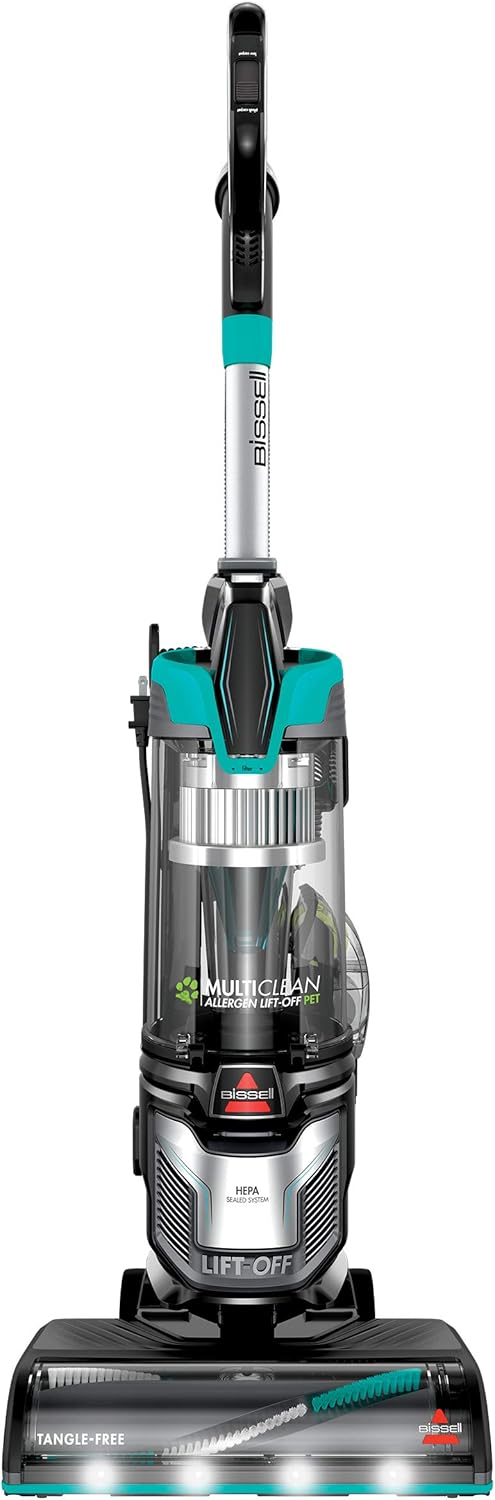
Bissell MultiClean Lift-Off 2998
| Filter Type | HEPA Filter |
|---|---|
| Capacity | 0.2 gallons |
| Wattage | 840 watts |
| Noise Level | 78 db |
| Cleaning Path Width | 13 inches |
The Bissell MultiClean Allergen Lift-Off Pet Vacuum (2998) is an upright designed for homes with pets and allergy concerns, combining a removable canister for portable cleaning with a sealed HEPA system that traps fine particles. In typical use the lift-off pod handles stairs, upholstery, and high surfaces while the upright base delivers steady suction on carpets and hard floors; the tangle-free brush roll helps prevent hair wrap during longer sessions. On-board pet tools, LED headlights, and a one-touch empty tank make quick cleanups and maintenance straightforward, and the washable pre-motor filter reduces running costs. Expect a relatively loud operation at 78 dB and a corded setup that limits range without an extension, and at about 15.7 pounds it is not the lightest upright for extended carrying. For removing pet hair and reducing allergen exposure across multiple surfaces it performs well, but users who need ultra-quiet operation or a cordless layout should look elsewhere.
Best for: Buyers who want an all-round upright that tackles pet hair and household allergens and value a detachable pod for spot and above-floor cleaning.
Less Ideal for: People who prioritize ultra-quiet cleaning or need the freedom of a cordless machine for very large homes should consider different options.
- HEPA sealed system captures 99.97% of particles down to 0.3 microns to reduce airborne allergens
- Lift-off detachable pod lets you clean stairs, upholstery, and high surfaces without a separate handheld
- Tangle-free brush roll and on-board pet tools make pet hair pickup and maintenance easier
- LED headlights and swivel steering improve visibility and maneuverability around furniture
- Corded design limits reach compared with cordless models
- Noise level around 78 dB is relatively high for extended use
Verdict: Choose this vacuum if you want a capable pet-focused upright that combines HEPA allergen control with a detachable pod for versatile above-floor cleaning.
Jimmy BX7 Pro Max Mattress Vacuum

| Power Source | Corded Electric |
|---|---|
| Wattage | 550 watts |
| Filter Type | HEPA Filter |
| Surface Recommendation | mattress/bed/carpet/sofas/cribs |
| Other Special Features of the Product | UV Light, graphene heating, dust sensor |
The Jimmy BX7 Pro Max is a corded handheld designed specifically to deep clean mattresses, bedding, and upholstered surfaces. It combines a 550W motor and reported 16 kPa suction with a wide 245 mm intake and high-frequency tapping to lift embedded dust and hair, while graphene heating brings the head up to about 149°F to loosen particles. A built-in dust sensor and LED indicator show real-time cleanliness, and the UV-C lamp aims to add an extra sanitizing step. The unit uses a HEPA filter to trap fine particles and is intended for regular weekly mattress maintenance rather than general floor cleaning. Because it is corded and relatively hefty for a handheld, it favors power and continuous run time over portability. Users should follow the manual for UV and brush operation safeguards and expect that the device is optimized for soft fabrics only, not hard floors or leather. For allergy-focused cleaning of beds and sofas, the combination of heat, tapping, suction and HEPA containment makes it a focused tool, though it is larger and less versatile than a general-purpose vacuum.
Best for: Buyers focused on reducing dust mites and allergens in beds and upholstery who want a powerful, purpose-built tool that combines heat, suction, and UV for targeted mattress care.
Less Ideal for: People who need a lightweight, cordless all-purpose vacuum or a cleaner for hard floors and leather should consider a different model.
- Graphene heating reaches high temperature quickly to help loosen dust and allergens.
- Dedicated UV-C lamp for an added sanitizing step on fabric surfaces.
- HEPA filter captures fine particles from mattresses and upholstery.
- High suction power with wide intake and tapping action for deep fabric cleaning.
- Dust sensor with LED feedback to monitor cleaning progress in real time.
- Designed for soft fabrics only and not suitable for hard floors or leather surfaces.
- Corded and relatively heavy for a handheld, reducing portability for some users.
- UV and brush functions are safety-interlocked and can be disabled if lifted, limiting use on angled surfaces.
Verdict: If your priority is aggressive, mattress-focused allergy control, this vacuum pairs heat, strong suction, and UV to remove dust and help reduce dust mite exposure.
CFBF Mattress Vacuum Cleaner

| Suction | 16KPa |
|---|---|
| Power | 500W |
| UV wavelength | 253.7nm |
| Dust cup capacity | 0.6L |
| Cord length | 16.4FT |
This mattress vacuum combines a 500W motor and 16KPa suction with a vibrating metal rubber roller to agitate and extract dust, skin flakes, and debris from mattresses, sofas, and other upholstered surfaces. It adds a 253.7nm UV-C lamp and ultrasonic pulses intended to inactivate microscopic organisms, while a heated airflow up to about 140°F helps dry fabrics and further disrupt allergen habitats. Filtration uses a dual-cup cyclone system plus a washable HEPA-style filter to separate hair and fine particles, and the 0.6L dust cup and 16.4 ft cord make it easy to cover a bedroom without frequent dumping. Practical touchpoints include an LED dust indicator and a small cleaning brush for maintenance, but users should follow the overheating auto-stop guidance and keep the roller and filter clean to avoid motor shutdowns. The unit is best for targeted treatment of mattresses, cribs, and upholstery rather than whole-house vacuuming due to its handheld form and limited dust capacity.
Best for: Buyers who want a focused tool to reduce dust mites and allergens in beds, cribs, and upholstery and prioritize devices with combined UV, heat, and suction treatment.
Less Ideal for: People seeking a single machine for whole-house vacuuming or very large mattresses and rooms should choose a larger-capacity or full-size vacuum instead.
- High 16KPa suction and 500W motor for deep agitation and pickup
- UV-C (253.7nm) plus ultrasonic functions aimed at inactivating microscopic allergens
- Heated airflow up to 140°F to aid drying and reduce allergen viability
- Dual-cup cyclone plus washable HEPA filter reduces clogging and captures fine particles
- Long 16.4 ft power cord and 0.6L dust cup support uninterrupted mattress cleaning sessions
- Handheld design and 0.6L dust cup limit runtime for larger cleaning jobs
- Heated and UV functions require careful use and routine filter/roller maintenance to avoid auto-shutdowns
Verdict: If you want a targeted mattress and upholstery cleaner that combines strong suction, UV-C and heated airflow to reduce dust mites and allergens, this unit delivers a focused, practical solution.
BYHUME Mattress Vacuum CM215

| Power Source | AC |
|---|---|
| Filter Type | HEPA Filter |
| Recommended Uses For Product | Bed, Carpet, Mattress, Sofa |
| Capacity | 1.3 pounds |
The BYHUME CM215 is a handheld mattress and upholstery vacuum built to target deeply embedded particles with a fourfold cleaning approach: a 273 nm UV-C lamp, ultrasonic vibration, high-frequency tapping via an 80,000 RPM roller, and 145°F heated air. In use it functions like a specialized spot-cleaning tool for beds, sofas, pillows, and carpets — you glide the wide suction head over the surface while the roller and tapping loosen dust and debris and the dual-cyclone plus HEPA filtration captures fine particles. Practical features include a safety sensor that disables UV and ultrasonic when lifted, a widened 8.4-inch suction port for faster passes, and a dual dust cup for easier emptying. Because it is corded AC power, runtime is unrestricted but you are limited by cord length and reach. The unit is relatively lightweight and designed for simple one-button operation, though the roller brush can jam on tangled debris and needs occasional clearing. For allergy-focused cleaning it adds UV and heat to mechanical removal, but it is not a full-room solution and works best as a targeted tool for mattresses and upholstery rather than daily whole-house vacuuming.
Best for: Buyers who want an affordable, targeted tool to reduce dust mites and deeply embedded particles on mattresses and upholstery without replacing a full-size vacuum.
Less Ideal for: Anyone looking for a cordless all-purpose cleaner or a unit meant for frequent whole-house vacuuming should consider a different appliance.
- Combines UV-C, ultrasonic, tapping, and heated air for multi-mode removal of embedded particles
- Dual-cyclone plus HEPA filtration and multi-layer sponge filters capture fine particles
- Wide 8.4-inch suction port speeds coverage of mattresses and upholstery
- Safety sensor disables UV and ultrasonic when lifted for safer handling
- Corded design limits reach compared with cordless models
- Roller brush can jam and requires occasional manual clearing
Verdict: If you need an economical, purpose-built mattress cleaner that pairs mechanical suction with UV and heat to tackle dust mites and embedded allergens, this unit is a practical choice.
JIGOO T600 Mattress Vacuum

| Capacity | 8 ounces |
|---|---|
| Filter Type | MIF Filter |
| Noise Level | 70 db |
| Wattage | 700 watts |
| Power Source | Corded Electric |
The JIGOO T600 is a corded handheld mattress vacuum built to remove embedded dust, pet hair and allergens from fabric surfaces. It combines a 700W motor with advertised 15 kPa suction, a metal and rubber roller brush and a heating/UV-C system that aims to loosen and sanitize mattress fibers while a dual cyclone MIF filter captures fine particles. The unit offers two modes—auto and strong tapping—plus a cleanliness display and washable reusable filter for ongoing maintenance. In practice the roller brush and high airflow make it easier to extract hair and debris from seams, and the UV and heated airflow help reduce moisture and surface microbes between deep cleans. Trade-offs include a single power level for suction control and a corded design that limits reach compared with cordless models, and the unit is relatively loud at typical operating levels. For someone prioritizing routine, reliable removal of dust mites and microscopic particles, the T600 pairs strong mechanical cleaning with filtration and surface sanitation features.
Best for: Buyers who want a dependable, appliance-style solution focused on removing dust mites and allergens from mattresses and upholstery and who value built-in sanitation features and a reusable filter.
Less Ideal for: Users who need lightweight cordless convenience for whole-home cleaning or who prefer adjustable multi-speed suction for delicate fabrics should look elsewhere.
- Powerful 700W motor with high advertised suction for deep extraction from mattresses and upholstery
- Integrated UV-C and heating function intended to sanitize and help dry fabric surfaces
- Metal and rubber roller brush designed to agitate and lift embedded hair and dust
- Dual cyclone MIF filtration with a washable reusable filter for capturing fine particles
- Corded design limits maneuverability around beds and furniture
- Only one reported power level so users cannot finely tune suction strength
Verdict: If you want a reliable, purpose-built mattress cleaner that combines strong suction, a roller brush and UV/heat sanitation to reduce dust mites and allergens, the JIGOO T600 is a solid choice.
FEPPO Mattress Vacuum LW-P1012

| Power Source | Corded Electric |
|---|---|
| Wattage | 500 watts |
| Maximum Suction | 16Kpa |
| Filter Type | HEPA Filter |
| UV-C Wavelength | 253.7nm |
The FEPPO LW-P1012 is a corded handheld vacuum built specifically for mattresses, sofas and other flat fabric surfaces. It combines a 500W motor with 16 kPa suction and high-frequency tapping to dislodge dust and skin flakes, while a multi-layer filtration system with a HEPA filter captures fine particles down to 0.3 microns. The unit also uses 253.7 nm UV-C light and ultrasonic pulses, and offers a 140°F heated airflow to help reduce moisture and allergens after cleaning. Practical features include an 18 cm wide inlet for faster coverage, gravity-sensing wheels that switch the UV-C on only when in contact with the surface, three speed settings, and thermal and rotor protections to prevent damage. Because it is corded with a long power cord and is optimized for flat surfaces, it is easy to use for regular mattress maintenance but is not intended for long-pile fabrics, pet hair, or detailed upholstery crevices. Expect periodic filter maintenance and occasional cool-down pauses if the motor overheats during prolonged use.
Best for: Buyers who prioritize proven allergen reduction methods and want a targeted, evidence-forward tool for mattress and flat-fabric cleaning that emphasizes filtration and surface sanitizing.
Less Ideal for: People needing an all-purpose vacuum for pet hair, long-pile carpets, or cordless portability should consider other tools better suited to those tasks.
- HEPA filtration captures particles down to 0.3 microns for allergen reduction
- Integrated UV-C light and ultrasonic pulses target unseen allergens and microbes
- High-temperature 140°F drying air helps reduce moisture and odors in fabrics
- Powerful 500W motor with 16 kPa suction and tapping action to dislodge embedded dust
- Not suitable for pet hair or long-pile/long-fluff fabrics
- Corded design limits portability compared with battery models
- May trigger motor overheat protection during extended continuous use
Verdict: If you want a mattress-focused cleaner that combines HEPA filtration, UV-C sanitizing and heated drying to reduce dust mites and allergens, this FEPPO model is a focused, practical choice.
BLACK+DECKER Dustbuster CHV1410L

| Capacity | 605 ml |
|---|---|
| Voltage | 16 volts |
| Wattage | 23 |
| Battery Charge Time | 240 minutes |
| Runtime | 11 minutes |
The BLACK+DECKER Dustbuster CHV1410L is a compact cordless handheld vacuum meant for spot cleaning around the home and in cars. It uses a 16V lithium-ion battery to deliver about 11 minutes of runtime and cyclonic action to keep suction consistent by spinning debris away from the filter. The rotating slim nozzle plus a pull-out crevice tool and flip-up brush make it useful for tight areas, upholstery, stairs, and vehicle interiors, while the translucent bagless dirt bowl is easy to empty and clean. Practical benefits include lightweight handling and a small footprint that makes it convenient for frequent, risk-averse buyers who prefer a simple, reliable tool for routine dust, crumbs, and pet hair removal. Limitations include the short runtime that restricts lengthy cleaning sessions and a single speed control so there is no boost mode for deep extraction; also it is not designed as a full-home replacement for larger vacuums or dedicated allergen-sealing systems.
Best for: Buyers who want a dependable, easy-to-use handheld for quick spot cleaning and car detailing and who prefer simple reliable tools with straightforward maintenance.
Less Ideal for: People needing long run times, whole-home deep cleaning, or specialized allergen-sealing HEPA systems should look at larger vacuum models or dedicated allergy vacuums.
- Rotating slim nozzle plus crevice tool and flip-up brush for reaching tight spaces and upholstery
- Cyclonic action helps maintain suction by keeping debris away from the filter
- Lightweight, cordless design that is easy to handle and store
- Translucent bagless dirt bowl and washable filter for simple maintenance
- Short battery runtime of about 11 minutes limits continuous cleaning
- Single speed control with no high-power boost for deep extraction
Verdict: A lightweight, easy-to-maintain handheld that reliably handles quick dust, debris, and pet hair pickups when you want a simple, no-surprises tool.
Choosing the Right Vacuum Cleaner for Dust Mites: Key Factors to Consider
Filtration and Sealed Airflow
HEPA-grade filtration and a sealed airflow path matter because dust mite allergens are microscopic. A true HEPA or HEPA-equivalent filter captures particles down to sub-micron sizes, preventing them from recirculating into room air.
Sealed airflow ensures that air pulled through the brush and hose actually passes the filter instead of leaking out around the dustbin or motor housing. When choosing a vacuum for dust mites, verify filtration claims and whether the design includes gaskets and sealed canisters to maintain filtration effectiveness over time.
Brush Head Design and Agitation
Mechanical agitation dislodges mites and their droppings from carpet fibers and upholstery where vacuum suction alone may not reach. Look for multi-speed brush rolls, adjustable height settings, and motorized mini-heads for upholstery and mattresses.
Soft brushes and specialized fabric tools help when cleaning delicate surfaces, but for dense carpet and mattress surfaces a firmer, oscillating head will move more debris into the suction path. Consider whether the unit includes an on-off switch for brush rolls so you can switch between hard floors and textiles without damaging surfaces.
Containment and Dust Disposal
How the vacuum holds and disposes of collected dust affects post-cleaning exposure. Sealed bags typically contain dust better during removal than open dirt cups, but modern hygienic bin designs can also minimize contact if they offer one-touch emptying and inner liners.
If someone in the household is highly sensitive, a bagged system or a model with a fully enclosed removable cartridge reduces the chance of airborne allergen release when you empty the unit. Consider the ease of replacing bags or cleaning bins and whether replacement parts are straightforward to obtain.
Ease of Maintenance and Filter Care
Filters and brush rolls require regular attention to keep a vacuum operating at peak allergen control. Washable pre-filters and easily accessible HEPA filters make routine care simpler and reduce long-term running costs.
Brush heads that allow fast removal of hair and fibers cut down on clogs that reduce suction. Check how often filters need replacement, whether washable filters regain original performance after cleaning, and how simple the manufacturer makes reassembly to preserve a sealed system after maintenance.
Suction Power and Performance Consistency
Strong initial suction is important, but consistent suction across different modes and as bins fill is equally vital for reliable allergen pickup. Variable power settings let you adapt suction to mattresses, curtains, and hard floors without overworking the motor or scattering dust.
Consider whether suction is motor-driven alone or aided by design features such as airflow channels and brush geometry. Readiness for prolonged use matters if you plan to deep-clean bedding and upholstery regularly.
Tools, Reach, and Versatility
Attachments make a vacuum useful beyond just floors. For dust mite control, a motorized hand tool or dedicated mattress tool, narrow crevice tools, and upholstery brushes let you access seams, underbeds, and cushions where dust mites thrive.
Telescoping wands and long hoses improve reach without moving heavy furniture. Assess whether the included accessories match the cleaning tasks you expect to perform and how easy they are to switch during a cleaning session.
How Vacuuming Reduces Dust Mite Allergen Load
Regular vacuuming reduces the concentration of mite droppings and body fragments that trigger allergic reactions. Effective removal requires both agitation to free material from fibers and filtration to trap the resulting particles.
Vacuuming is most effective when combined with other measures such as washing bedding in hot water and reducing humidity. Still, a purpose-built vacuum that emphasizes filtration and containment directly lowers airborne allergen levels during and after cleaning.
- Agitation frees allergens from deep within carpets and mattresses.
- Containment prevents re-release of trapped particles during emptying.
- Frequent cleaning of high-contact textiles yields the biggest reduction in exposure.
Choosing Between Bagged and Bagless Systems
Bagged systems usually offer better containment at the point of disposal because dust is sealed inside a replaceable bag. That can be an advantage if someone in your household is particularly sensitive to exposure when emptying the vacuum.
Bagless models can still perform well when they employ sealed, hygienic emptying mechanisms and high-efficiency filters. They save the cost and effort of buying replacement bags, but you should be prepared to handle the bin carefully to avoid releasing dust.
- Bagged: lower exposure during disposal, predictable performance as bags fill.
- Bagless: easier access for cleaning, potential for brief exposure if not emptied hygienically.
Best Practices for Vacuuming Mattresses and Upholstery
Vacuum mattresses and upholstered furniture at least monthly if allergies are a concern, and more frequently during high pollen or dust seasons. Use a motorized hand tool or a mattress-specific head to improve pickup from dense fabric.
Slow, overlapping passes and repeat strokes over seams and tufts dislodge more material than a single quick pass. Follow up with cleaning or washing of removable covers and consider using encasements for mattresses and pillows to reduce re-colonization.
- Use specialized upholstery or mattress tools.
- Work methodically with slow passes and focus on seams and edges.
- Maintain consistent suction and empty bins outdoors or in a controlled area.
Maintaining Filters and Brush Rolls for Ongoing Effectiveness
Set a schedule for filter checks and cleaning. Many pre-filters are washable and should be rinsed monthly, while HEPA filters often need replacement on a multi-month schedule depending on use.
Clear hair and fibers from brush rolls after each deep clean to prevent clogs that reduce overall suction. Proper maintenance preserves the sealed system and filtration efficiency that make a vacuum effective against dust mites.
- Rinse or replace pre-filters as recommended.
- Inspect HEPA filters periodically and replace according to manufacturer guidelines.
- Remove tangled hair from brush rolls to maintain agitation performance.
When to Consider Professional Deep Cleaning
If allergies remain severe despite routine vacuuming and mattress care, professional deep cleaning of carpets and upholstery can remove embedded allergen reservoirs that household vacuums struggle to reach. Professionals use high-temperature extraction and long dwell times that complement regular vacuum maintenance.
Treat professional service as a supplement rather than a replacement for regular vacuuming and humidity control. Regular professional interventions can be scheduled seasonally in high-allergen homes or when a household member has particularly sensitive respiratory reactions.
- Professional cleaning can reach deeper into padding and underlay than routine vacuuming.
- Coordinate professional work with ongoing vacuum maintenance for best results.
How We Chose the Best Vacuum Cleaner for Dust Mites
We focused on the features that matter most for reducing dust mite allergen exposure in living spaces. Primary filters and sealed airflow were prioritized, since HEPA-grade filtration and a sealed system prevent captured particles from escaping back into the room. Agitation systems and specialized brush heads were included as separate criteria because physically dislodging mites and their droppings from carpet and upholstery greatly improves pickup. Containment and dust bin design were evaluated to minimize exposure during emptying. Ease of maintenance, including washable filters and brush-cleaning access, was considered because filters and brushes need regular care to remain effective. Suction consistency across modes and attachment availability were measured to reflect real cleaning scenarios, from mattresses to baseboards. We excluded units that lack meaningful HEPA-class filtration, have open dirt pathways without sealed systems, or do not offer attachments for mattresses and upholstery. The shortlist reflects a balance of filtration performance, agitation effectiveness, practical maintenance, and versatility for home use.
Our full evaluation process is outlined in our review methodology.
FAQ
How often should I vacuum to reduce dust mite exposure?
For households with allergy sufferers, vacuuming high-contact areas like bedrooms and upholstered furniture at least once a week is recommended. Deep-cleaning mattresses and upholstery monthly provides additional reduction in allergen load.
Do HEPA filters completely eliminate dust mite allergens?
HEPA-grade filtration captures a large percentage of airborne particles that carry allergens, but no single step completely eliminates all exposure. HEPA filtration significantly lowers airborne counts when combined with proper agitation and sealed airflow.
Is bagged or bagless better for allergy control?
Bagged systems generally reduce exposure during disposal because dust stays enclosed. Bagless models can still be effective if they have sealed emptying systems and strong filtration, but they require more care when emptying.
Can vacuuming make allergies worse by stirring up dust?
A vacuum with poor filtration or leaks can briefly increase airborne particles during use. Choosing a model with verified sealed airflow and high-efficiency filtration minimizes that risk and prevents re-release of trapped allergens.
What attachments help remove dust mites from mattresses?
Motorized mini-heads, dedicated mattress tools, and narrow upholstery brushes work best. These attachments agitate fibers and allow concentrated suction along seams and tufts where mites and droppings accumulate.
Final Verdict
Prioritize a vacuum that combines high-efficiency filtration with a sealed airflow path, effective brush agitation, and hygienic containment. Those three elements determine how much allergen the machine actually removes from carpets, mattresses, and upholstery. Balance features against maintenance needs and how you plan to use the unit. If disposal exposure is a major concern, favor sealed bagged systems or hygienic emptying designs. With the right priorities in place, you can choose a model that meaningfully lowers dust mite allergen levels and improves indoor comfort.