
Note: This article contains affiliate links. If you click on these links and make a purchase, we may earn a small commission at no extra cost to you. This helps support our research and content. Read our full affiliate disclosure here.
If you live in a small apartment, a dorm, or need a reliable secondary fridge, picking the right 18-cubic-foot refrigerator matters. The right compact refrigerator balances usable shelf space, sensible layout, and low energy use so you do not sacrifice food storage or utility bills. This guide covers six shortlisted 18-cubic-foot refrigerators that perform well in tight spaces. We evaluated each option for internal capacity, shelving flexibility, temperature control, and long-term running costs. Read on to see which design features and specifications matter most for your space and routine before the product list.
Top Picks at a Glance
| Best Overall The best all-around choice for most situations | Frigidaire 18 Cu. Ft. Top Freezer Refrigerator |  |
| Best Quality Built to a higher standard if you want something more solid | LG 18 Cu Ft Top-Freezer Refrigerator | 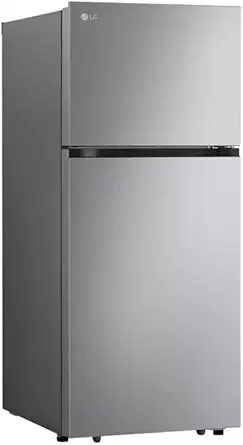 |
| Best Value The sweet spot between price and what you get | KoolMore 18 Cu Ft Top Freezer Refrigerator |  |
| Best Budget The cheapest option that still gets the job done reliably | Midea MRT18D3BST 18 Cu. Ft. Refrigerator |  |
| Top Rated A top-rated pick with lots of positive feedback | Kenmore 30" Top Mount Refrigerator |  |
| Most Popular A crowd favorite that many people choose with confidence | Amana Top Freezer Refrigerator ART318FFDS |  |
Frigidaire 18 Cu. Ft. Top Freezer Refrigerator

| Configuration | Freezer-on-Top |
|---|---|
| Capacity | 18 cubic feet |
| Defrost System Type | Hot Gas |
| Cooling Method | Compressor |
| Door Orientation | Reversible |
This Frigidaire 18 cu. ft. top-freezer refrigerator is a straightforward freestanding unit built for everyday kitchen storage. It uses a compressor cooling system with hot gas defrost and offers a single wire shelf in the fresh food section plus one freezer section, making it simple to organize staples and frozen goods. The reversible door and electronic lock add practical convenience for placement and security, while the matte white finish keeps the look unobtrusive. Installation is plug-and-play with a standard Type B power plug and the unit meets UL specifications. Expect basic performance rather than advanced energy savings because it is not Energy Star certified, and storage is limited compared with larger models so it suits smaller households or secondary kitchens. If you want a no-frills reliable refrigerator that covers core cooling needs and fits modest space, this model is a sensible choice; budget buyers should note it lacks adjustable shelving variety and premium features like humidity-controlled crisper drawers or in-door storage arrays.
Best for: Buyers seeking a basic, reliable refrigerator for a small household or secondary kitchen who prioritize straightforward operation and a compact 18 cu ft capacity.
Less Ideal for: Those who need advanced storage features, large capacity, or the highest energy efficiency should consider larger or more feature-rich alternatives.
- Simple, easy-to-use top-freezer layout suitable for everyday groceries
- Reversible door lets you adapt placement to kitchen layout
- Electronic lock provides extra security for stored items
- Freestanding installation with standard Type B plug makes setup straightforward
- Not Energy Star certified so it may use more energy than newer efficient models
- Limited shelving configuration with only one fresh-food shelf reduces flexible storage options
Verdict: A practical, no-frills 18 cu ft top-freezer fridge that delivers dependable basic cooling and flexible placement for smaller kitchens.
LG 18 Cu Ft Top-Freezer Refrigerator

| Capacity | 17.5 cubic feet |
|---|---|
| Freezer Capacity | 4.5 cubic feet |
| Configuration | Freezer-on-Top |
| Defrost System Type | Automatic |
| Specification Met | Energy Star |
This LG top-freezer refrigerator delivers straightforward, no-frills cooling with features geared toward long-term reliability and even temperature distribution. It offers about 18 cubic feet of total capacity with two glass shelves and gallon door bins to keep everyday groceries organized, and a 4.5 cu ft freezer up top for frozen storage. LG's Multi-Air Flow system and a Smart Inverter compressor help maintain consistent temperatures and improve energy efficiency, which is useful in variable conditions like a garage. The unit is ice-maker compatible and ENERGY STAR certified, so operating costs should be reasonable. Practical buyers will appreciate the simple, durable design and right-hand door orientation that fits standard kitchen or garage layouts. Limitations include the basic feature set compared with French-door or bottom-freezer models and the absence of advanced temperature controls or built-in smart connectivity, so it is best for buyers who prioritize dependable cooling and capacity over bells and whistles.
Best for: Buyers who want a reliable, energy-efficient full-size refrigerator with large usable capacity and straightforward controls for kitchen or garage placement.
Less Ideal for: Shoppers who want high-end features like smart controls, flexible drawer layouts, or a bottom-freezer/French-door configuration should look elsewhere.
- Spacious 17.5–18 cu ft total capacity suitable for families or garage use
- Multi-Air Flow system promotes even cooling across compartments
- Smart Inverter compressor for more efficient, reliable operation
- ENERGY STAR certified to lower annual energy consumption
- Gallon door bins and glass shelves provide practical, easy-to-organize storage
- No advanced smart features or Wi-Fi connectivity
- Top-freezer layout lacks some ergonomic convenience of bottom-freezer or French-door designs
Verdict: Choose this LG if you want a roomy, energy-efficient top-freezer refrigerator that prioritizes even cooling and long-term reliability.
KoolMore 18 Cu Ft Top Freezer Refrigerator

| Configuration | Freezer-on-Top |
|---|---|
| Capacity | 18 cubic feet |
| Freezer Capacity | 5.1 cubic feet |
| Defrost System Type | Frost Free |
| Refrigerant | R-600A |
This KoolMore top-freezer refrigerator is a straightforward full-size fridge intended for standard kitchens and garages that need efficient, no-frills cold storage. It delivers roughly 18 cu ft total capacity split into a 13 cu ft fresh food section and a 5.1 cu ft freezer, with four tempered glass shelves that slide and adjust to fit tall bottles or large containers. The unit uses a compressor with a total no-frost system to prevent ice buildup, digital temperature control for easy set up, dual humidity crisper drawers for produce, and bright LED lighting to make the interior easy to use. Doors are reversible for flexible placement and the refrigerator meets Energy Star and UL listings, so running costs and safety meet common buyer expectations. Limitations to consider are its basic aesthetic and a single-year parts and labor warranty, which means buyers seeking premium finishes, advanced connectivity, or extended factory support should look elsewhere. For a practical, energy-conscious 18 cu ft option, this model covers the essentials without extra complexity.
Best for: Buyers who prioritize straightforward, energy-conscious refrigeration with flexible internal storage and minimal maintenance, and who want a reliable full-size fridge without extra smart features.
Less Ideal for: Shoppers seeking premium design, connected features, built-in installation, or long factory-backed warranties should consider higher-end alternatives.
- True 18 cu ft total capacity with a 13 cu ft refrigerator and 5.1 cu ft freezer for everyday families
- Total no-frost system removes need for manual defrosting
- Adjustable tempered glass shelves that support heavier items and slide for flexible storage
- Reversible doors and digital temperature controls make installation and tuning straightforward
- Energy Star and UL listings indicate decent efficiency and safety standards
- Basic exterior styling and limited warranty compared with higher-end models
- No smart features or ice maker included as standard
Verdict: A practical, energy-efficient 18 cu ft top-freezer refrigerator that delivers reliable no-frost cooling and flexible shelving for buyers who want dependable everyday performance.
Midea MRT18D3BST 18 Cu. Ft. Refrigerator

| Configuration | Freezer-on-Top |
|---|---|
| Defrost System Type | Frost Free |
| Cooling Method | Compressor |
| Capacity | 18 cubic feet |
The Midea MRT18D3BST is an 18 cubic foot top-freezer refrigerator built as a practical, budget-oriented option for households that need extra cold storage or a garage-ready unit. It uses a compressor cooling system and a frost-free defrost cycle, so you do not need to manually defrost the freezer, and the gallon-sized door bins make it easy to store large bottles and everyday items. The listing emphasizes garage readiness with stable cooling from 38 to 110 Fahrenheit, which makes it suitable for unconditioned spaces where temperatures swing. Installation is freestanding only, and the single-door/freezer-top layout keeps the footprint straightforward to fit in tight utility spaces. Expect basic, reliable performance without premium features like adjustable temperature displays or smart controls, and note the unit is heavier and taller than compact models, so doorway clearance matters. For buyers prioritizing capacity and low cost, this model delivers sensible features without frills.
Best for: Buyers seeking a high-capacity, no-frills refrigerator for extra household or garage storage who prioritize straightforward performance and lower cost over luxury features.
Less Ideal for: Shoppers who want built-in installation, compact footprint solutions, or modern smart features should consider other models.
- 18 cubic feet of usable refrigerator capacity for large food and beverage storage
- Frost-free defrost reduces maintenance and prevents ice buildup
- Garage-ready design maintains cooling between 38 and 110 Fahrenheit
- Gallon-sized door bins accommodate large bottles and containers
- Freestanding top-freezer design lacks advanced features like smart controls or temperature displays
- Large physical footprint and weight can complicate installation in tight spaces
Verdict: Choose this model when you need inexpensive, garage-ready 18 cu ft cold storage with simple, reliable cooling and minimal maintenance.
Kenmore 30" Top Mount Refrigerator

| Capacity | 18.1 cubic feet |
|---|---|
| Freezer Capacity | 4.77 cubic feet |
| Configuration | Full-Sized Freezer-on-Top |
| Defrost System Type | Automatic |
| Voltage | 115 volts |
This Kenmore 30" top-mount refrigerator packs 18.1 cubic feet of usable space into a standard-depth, 30-inch footprint that fits tighter kitchens and garages while still holding party trays and gallon jugs. It uses an inverter compressor for steadier, quieter temperature control and is ENERGY STAR certified to keep energy use down. Adjustable edge-to-edge tempered glass shelves and clear door bins make it easy to rearrange for tall pitchers or sheet cakes, and two humidity-controlled crispers help produce stay fresher longer. The top freezer provides 4.77 cu ft for everyday frozen items and includes full-width freezer door bins for organization. Practical touches like LED lighting, a recessed pocket handle, and reversible door orientation simplify daily use and installation. Trade-offs are typical for a compact top-freezer design: there is no built-in ice or water dispenser and storage is smaller than larger counter-depth or French-door models, so it is best when you prioritize straightforward, efficient refrigeration over premium extras.
Best for: Buyers who value dependable, energy-efficient refrigeration in a narrow 30-inch footprint and want simple, flexible storage rather than premium extras.
Less Ideal for: Families that need a large freezer, built-in ice/water features, or a multi-door layout for extensive meal prepping and bulk storage.
- Inverter compressor for quieter, more consistent cooling and improved energy efficiency
- ENERGY STAR certified to reduce annual energy consumption
- Adjustable edge-to-edge tempered glass shelves that accommodate tall or wide items
- Humidity-controlled crispers and clear door bins for organized, produce-friendly storage
- No built-in ice maker or water dispenser
- Smaller total capacity than larger counter-depth or multi-door refrigerators
Verdict: Choose this model if you want a reliable, energy-efficient 30-inch top-freezer refrigerator that maximizes usable storage in a compact footprint.
Amana Top Freezer Refrigerator ART318FFDS

| Configuration | Freezer-on-Top |
|---|---|
| Capacity | 18.2 cubic feet |
| Fresh Food Capacity | 12 cubic feet |
| Defrost System Type | Automatic |
| Additional Features | Digital Temperature Control, Door Lock, Touch Control |
This Amana top-freezer refrigerator provides straightforward cold storage for kitchens that need an efficient, no-frills unit. It offers approximately 18.2 cubic feet of total capacity with about 12 cubic feet for the fresh-food compartment, two glass shelves and three door bins to organize staples. The compressor cooling and automatic defrost keep temperatures stable with minimal maintenance, while digital touch temperature controls and an electronic door lock add convenience and security. The stainless steel door and straightforward configuration make it easy to fit into most freestanding kitchen layouts. Expect a practical interior without luxury extras such as adjustable humidity crisper controls or specialty storage zones, and if you need very flexible shelving or large‑format drawer storage this model is more basic. For buyers valuing simple, reliable refrigeration and clear controls, it performs well; buyers wanting advanced organization features or premium finishes may prefer a different style.
Best for: Buyers who want a reliable, simple freestanding refrigerator with clear temperature controls and a familiar top-freezer layout backed by positive user feedback.
Less Ideal for: Those who prioritize premium organization features, flexible shelving, or specialized freshness controls should consider other models.
- Generous 18.2 cu. ft. total capacity for a top-freezer layout
- Digital temperature control and touch controls for easy adjustments
- Automatic defrost reduces maintenance
- Stainless steel door offers a modern look and is easy to clean
- Electronic door lock adds security
- Basic interior organization without specialty drawers or humidity-controlled crispers
- No advanced freshness or multi-zone temperature features
Verdict: A practical, no-frills 18.2 cu. ft. top-freezer fridge that delivers reliable cooling and simple digital controls for buyers who want straightforward performance.
Choosing the Right 18-Cubic-Foot Refrigerator: Key Factors to Consider
Actual Usable Space Versus Rated Volume
Rated cubic feet is a helpful baseline, but real usable space depends on interior layout. Shelves, door bins, and the presence of fixed partitions can reduce the room available for tall items or large containers.
Check the interior dimensions, shelf adjustability, and the thickness of insulation or wall contours that eat into usable volume. Look for reversible or removable shelving that lets you create taller compartments for pitchers or large platters. Measuring the items you use most often and comparing them to shelf clearances gives a clearer sense of day-to-day capacity than nominal cubic feet alone.
Shelving, Bins, and Layout Flexibility
Flexible shelving and well-designed door bins increase the practical storage you can get out of an 18-cubic-foot refrigerator. Tall, narrow shelves are great for bottles, while full-width shelves are better for platters and food storage containers.
Consider whether shelves are tempered glass or plastic, how many height positions they offer, and whether door bins can be rearranged or removed for cleaning. A small crisping drawer with humidity control can extend produce life and frees up shelf space. Look for models that let you adapt the interior to occasional bulky items instead of fixed compartment sizes.
Temperature Performance and Control
Consistent temperatures across the refrigerator and freezer compartments protect food and reduce waste. A precise thermostat, multiple cooling vents, and a good seal on the doors help maintain uniform temperatures even when the unit is opened frequently.
Evaluate how easy it is to set and adjust the temperature, and whether the unit includes features like separate refrigerator and freezer controls or quick-cool settings. Poor temperature control can force you to overcool some areas to preserve others, which increases energy use and may harm delicate foods.
Energy Use and Long-Term Operating Cost
Because compact refrigerators run continuously, energy consumption affects total cost of ownership. Models with efficient compressors, good insulation, and smart temperature management will use less electricity over their lifetime.
Look for published annual energy consumption numbers or energy-efficiency ratings from reliable testing. Lower draw compressors and well-sealed doors reduce cycling frequency. While initial purchase cost matters, factor projected utility savings when comparing otherwise similar units.
Installation, Door Swing, and Fit
An 18-cubic-foot refrigerator often needs to fit through a standard doorway, into a kitchen alcove, or into a tight apartment space. Measure access points and allow clearance for ventilation, door swing, and any water-line connections if a model includes an ice maker or water dispenser.
Consider whether the door is reversible and how much clearance the handles require. Some models need several inches of space behind and above for proper airflow. Think about how you will move the unit into place and whether professional delivery or a dolly is necessary.
Maintenance and Serviceability
Ease of cleaning and maintaining the refrigerator affects how long it stays in good working order. Removable shelves, spill-proof surfaces, and accessible condensers simplify routine upkeep and reduce the need for repairs.
Check whether the defrost process is manual or automatic and how easy the drain and drip tray are to access. Models that allow simple replacement of water filters or door gaskets make long-term ownership less of a hassle. Poor serviceability can lead to higher repair bills and shorter useful life.
Sizing for Your Space and Routine
Choosing an 18-cubic-foot refrigerator starts with mapping how you use a fridge day to day. If you cook frequently or batch-prep meals, prioritize flexible shelving and wide shelf depths. If your primary need is cold beverage storage and a small amount of food, a different interior layout may be more efficient.
Account for physical constraints before shopping. Measure doorways, corridor turns, and the final installation spot. Remember to leave manufacturer-recommended ventilation clearance and consider handle and hinge locations that affect how the door swings in your particular kitchen.
- Measure height, width, and depth including door handles.
- Allow clearance for ventilation recommended in the manual.
- Check whether the door is reversible to fit tight layouts.
Freezer Arrangement and Usability
Freezer design in compact refrigerators varies widely, from small top mounts to narrow bottom compartments. Think about how you use your freezer: frequent access to frozen meals favors middle or top placement, while long-term storage of items may work fine in a smaller, less accessible compartment.
A separate temperature control for the freezer can improve performance when loads fluctuate. Also consider shelving or baskets within the freezer that keep items visible and reduce time spent with the door open.
- Top-mounted freezers can be easier to pack and access.
- Bottom freezers reduce bending for fresh food access.
- Look for removable baskets for easier organization.
Noise, Compressor Type, and Daily Living
Noise matters, especially in small living spaces where the refrigerator is near sleeping or living areas. Refrigerators use different compressor technologies; inverter compressors tend to run quieter and adjust speed to demand, while standard compressors cycle on and off more noticeably.
If you are sensitive to sound, check manufacturer noise ratings where available and read user reports about actual in-home noise. Placement can also reduce perceived noise: situating the unit on a solid floor and avoiding enclosed cabinets helps.
- Inverter compressors usually offer quieter operation.
- Place the unit on a level, solid surface to reduce vibration.
- Allow clearance behind the unit to dissipate motor heat.
Defrost Systems and Convenience
Defrost systems range from manual to automatic frost-free designs. Automatic defrost simplifies ownership but can slightly reduce usable freezer volume and sometimes increases energy use. Manual defrost models can be more efficient but require periodic maintenance to remove ice buildup.
Consider how much maintenance you want to perform. For those who prefer minimal upkeep, frost-free systems are more convenient. If you prioritize maximum freezer capacity and minimal energy draw, a manual defrost unit may be worth the occasional defrosting.
- Automatic defrost reduces manual maintenance.
- Manual defrost can offer slightly higher usable space.
- Check how easy it is to access the drain and defrost tray.
Cleaning, Filters, and Hygiene
Easy-to-clean interiors and accessible components reduce the time required to keep food-safe conditions. Look for removable, spill-proof glass shelves and gallon-size door bins that come out for washing. Antimicrobial coatings on seals or crisper drawers can help reduce odors and mold.
If a model includes a water dispenser or ice maker, factor in filter replacement accessibility and cost. Filters that are simple to remove and replace without tools make maintenance straightforward.
- Removable shelves and bins speed up cleaning.
- Look for accessible drain channels to clear spills.
- Consider filter placement if the model includes water options.
Appearance, Finish, and Integration
A compact refrigerator will often be visible in small kitchens, so finish and styling matter. Choose a finish that complements surrounding cabinetry and is easy to wipe clean. Flush handles or integrated grips help when space is tight and reduce the risk of snagging in narrow corridors.
Think about long-term fit with your kitchen decor. A neutral finish increases flexibility if you rearrange or move, while bold finishes can become focal points in small spaces.
- Matte finishes hide fingerprints better than glossy surfaces.
- Integrated handles save space in tight kitchens.
- Choose a finish that stands up to regular cleaning.
How We Chose the Best 18-Cubic-Foot Refrigerator
We screened dozens of compact refrigerators to identify models that combine practical capacity, efficient operation, and simple installation. Our selection filtered for genuine 18-cubic-foot internal volume or the manufacturer-stated equivalent usable capacity. We prioritized units with flexible shelving or door-storage options that increase usable space for common grocery patterns. Energy efficiency mattered for long-term ownership, so we favored refrigerators with low annual energy consumption or good thermostatic control. Temperature performance and stability were considered next, including adjustable thermostats and consistent cooling across compartments. Build quality and ease of maintenance were judged by the presence of removable shelves, reversible doors, and accessible defrost or drain features. We excluded specialty units that sacrifice basic storage for niche features, like overly compact beverage-only designs or hybrid freezerless configurations. Also excluded were units with unclear capacity claims or limited serviceability. The final picks balance usable volume, layout flexibility, energy use, and user-friendly features that matter most to buyers of 18-cubic-foot refrigerators.
Our full evaluation process is outlined in our review methodology.
FAQ
Will an 18-cubic-foot refrigerator fit through a standard apartment doorway?
Often yes, but you must measure. Standard doorways usually accommodate compact refrigerators, but the unit's width, height, and any protruding handles can affect fit. Measure the refrigerator dimensions including handles and compare them to door frames and any tight turns along the path.
How much does an 18-cubic-foot refrigerator cost to run each year?
Annual energy use varies with model efficiency and usage patterns. Look for published annual energy consumption figures to estimate costs based on your local electricity rate. Frequent door openings, high ambient temperatures, and loaded interiors increase energy draw.
Is frost-free defrosting better for small freezers?
Frost-free systems are more convenient since they do not require manual defrosting, but they can slightly reduce usable interior space and sometimes use more energy. Manual defrost freezers can be more space-efficient and efficient but need periodic maintenance to remove ice buildup.
Can I install an ice maker or water dispenser in an 18-cubic-foot unit?
Some compact units support factory-installed or retrofit ice and water options, but these often require a water line connection and take additional interior space. If you need these features, verify compatibility and consider the extra maintenance and filter access requirements.
How important is door swing direction for small kitchens?
Very important. Door swing affects how easily you can access shelves and how the unit fits into corners or against walls. Many models have reversible doors to accommodate different layouts, so check for that feature if space is tight.
Final Verdict
An 18-cubic-foot refrigerator is a practical compromise between compact footprint and meaningful storage capacity. Prioritize units with flexible shelving and sensible door storage to maximize usable space, and weigh energy efficiency against convenience features like automatic defrost or built-in water options. Decide first on the physical fit and interior layout you need, then use energy consumption and temperature control as tie-breakers. That approach will help you choose an 18-cubic-foot refrigerator that reliably fits your space and daily routine.