
Note: This article contains affiliate links. If you click on these links and make a purchase, we may earn a small commission at no extra cost to you. This helps support our research and content. Read our full affiliate disclosure here.
A 50-gallon water heater is a common choice for households that need reliable hot water for showers, laundry, and dishwashing without taking up excessive space. Picking the right unit affects how quickly tanks recover between uses, how much you spend on energy, and whether installation fits your existing plumbing and venting. This guide highlights a shortlist of the top 50-gallon water heaters across typical home needs. We evaluated models for recovery performance, efficiency, build quality, and installation practicality so you can pick a heater that aligns with your usage patterns and utility priorities. Read on for the factors we considered and pragmatic guidance to help you choose the right tank for your home.
Top Picks at a Glance
| Best Overall The best all-around choice for most situations | A. O. Smith ProMax GPVX-50L |  |
| Best Quality Built to a higher standard if you want something more solid | Senville SENWH-HP50US 50-Gallon |  |
| Best Value The sweet spot between price and what you get | ACiQ 50 Gallon Hybrid Heat Pump Water Heater |  |
| Best Budget The cheapest option that still gets the job done reliably | MRCOOL 50-Gallon Electric Water Heater |  |
| Top Rated A top-rated pick with lots of positive feedback | Rinnai REHP50 50-Gallon Heat Pump |  |
| Most Popular A crowd favorite that many people choose with confidence | Rheem PROE50 M2 RH95 50-Gallon Electric |  |
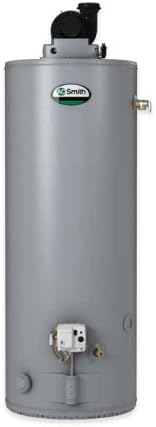
A. O. Smith ProMax GPVX-50L
| Power Source | Gas Powered |
|---|---|
| Special Features | Electronic Gas Control, LED Display, Blue Diamond Glass Coating, Flexible Venting |
| Mount Type | Wall |
| Capacity | 50 gallons |
The A. O. Smith ProMax GPVX-50L is a 50-gallon gas-powered water heater built for homes that need steady hot-water supply and flexible installation. It uses a power vent system that supports long combined horizontal and vertical vent runs, so it can be placed away from exterior walls, and the rotatable blower outlet gives extra routing options. The unit includes an electronic gas control with an LED display for more precise temperature management and a factory-installed temperature and pressure safety valve plus a durable brass drain valve for easier service. Blue Diamond glass coating on the tank improves corrosion resistance for longer life, and the heater accepts common vent materials including ABS, PVC, CPVC, and polypropylene. Trade-offs are typical for power-vent gas models: it requires a power connection for the vent blower and professional venting installation, and it is sized for households that need a 50-gallon capacity rather than compact or high-recovery specialist needs.
Best for: Homeowners seeking a reliable mid-size gas water heater that balances installation flexibility, serviceability, and corrosion resistance for everyday household hot-water needs.
Less Ideal for: People who need a compact unit, an electric-only solution, or the fastest recovery rates for very large simultaneous hot-water demands should consider other options.
- Power-vent design allows flexible placement with long vent runs
- Electronic gas control and LED display for precise temperature management
- Blue Diamond glass coating for improved tank corrosion resistance
- Factory-installed T&P valve and tamper-resistant brass drain valve for serviceability
- Requires electrical power for the vent blower, so not fully operational during power outages
- Installation and long vent runs typically need professional venting work
Verdict: Choose the GPVX-50L if you want a 50-gallon gas heater with flexible venting options and factory-quality controls for dependable everyday hot water.
Senville SENWH-HP50US 50-Gallon

| Capacity | 50 gallons |
|---|---|
| Uniform Energy Factor (UEF) | 3.75 |
| First Hour Rating (FHR) | 69 gallons |
| Special Features | Heat Pump System |
The Senville SENWH-HP50US is a 50-gallon hybrid heat pump water heater that uses ambient air to preheat water and reduce electric heating demand. In everyday use it supplies steady hot water for showers, laundry, and dishes while operating in a heat pump mode most of the time to maximize efficiency, and it switches to electric resistance when needed for peak demand. Notable features include ENERGY STAR certification, a 3.75 UEF for strong energy performance, and a 69-gallon first-hour rating that helps cover simultaneous draws. Practical benefits are lower operating costs compared with standard electric tanks and a compressor-backed hybrid design that extends runtime before relying on resistive elements. Important limitations are the unit height and weight that require planning for installation space and the need for adequate surrounding airflow for the heat pump to work efficiently; in very cold or confined locations the unit will run less efficiently or rely more on electric backup.
Best for: Buyers who prioritize long-term operating savings and consistent hot water delivery for medium to large households and who can provide a ventilated installation space.
Less Ideal for: Those who need a compact or lightweight tank for cramped closets or homes with cold, poorly ventilated mechanical rooms should consider other options.
- High efficiency with a 3.75 UEF and ENERGY STAR certification to reduce electricity use
- 69-gallon first hour rating provides capacity for multiple simultaneous hot water uses
- Hybrid heat pump design cuts operating costs by shifting most heating to the heat pump
- Certified to UL and AHRI safety and performance standards
- Requires sufficient surrounding airflow and moderate ambient temperatures for best efficiency
- Large physical size and weight may complicate installation in tight utility spaces
Verdict: Choose this hybrid 50-gallon Senville heater if you want strong energy savings and reliable hot-water capacity for a performance-focused household with adequate installation space.
ACiQ 50 Gallon Hybrid Heat Pump Water Heater

| Capacity | 50 gallons |
|---|---|
| Efficiency | 3.75 UEF |
| Power | 240V, 5500W |
| First Hour Rating | 69 Gallons |
| Maximum Temperature | 149 °F |
The ACiQ 50-gallon hybrid heat pump water heater combines a heat pump compressor with electric elements to deliver efficient domestic hot water for a household of about 3 to 5 people. It is typically installed indoors in a garage or basement and wired to a 208V–240V, 30A circuit; the unit offers smart controls via a bright LED touchscreen and WiFi-enabled features for easy scheduling and temperature management. Notable practical features include dry-fire protection, leak detection sensors, a replaceable air filter, and self-diagnostics that simplify maintenance. Its 3.75 UEF rating and Energy Star certification mean lower energy use compared with conventional electric tanks, and the unit runs quietly at about 49.5 dB, which keeps mechanical noise minimal in living areas. Limitations to consider are the need for indoor installation above 37°F, specific clearance requirements for ventilation, and the electrical infrastructure requirement of 240V/30A which may need an electrician for retrofits. Installation and service access are typical for hybrid tanks but factor into upfront installation cost.
Best for: Buyers who prioritize operating cost savings and quiet, modern controls for a medium-size household and are prepared to accommodate a hybrid unit indoors.
Less Ideal for: Homes without accessible indoor space that stays above freezing or households that cannot support a 240V electrical upgrade should consider simpler electric or gas models instead.
- Hybrid heat pump plus electric elements for faster recovery and improved efficiency
- Energy Star rated with 3.75 UEF for lower operating costs compared with standard electric tanks
- Quiet operation at approximately 49.5 dB suitable for basements and utility rooms
- Smart LED touchscreen with WiFi and self-diagnostics for easy control and troubleshooting
- Safety features like dry-fire protection and leak detection reduce risk and maintenance
- Requires indoor installation above 37°F and specific clearances for proper ventilation
- Needs 208V–240V wiring and a 30A breaker which may necessitate electrical upgrades
Verdict: This hybrid 50-gallon unit is a strong choice if you want quieter, more energy-efficient hot water for a 3–5 person household and can install it indoors on a 240V circuit.
MRCOOL 50-Gallon Electric Water Heater

| Power Source | Electric |
|---|---|
| Special Features | Self-Cleaning System, Rare Earth Anode Rod |
| Heat Output | 9000 watts |
| Capacity | 50 gallons |
This MRCOOL 50-gallon electric water heater is a straightforward tank heater built for steady household hot water. It uses dual 4500W elements to speed recovery so showers, laundry, and sinks can run consecutively with less downtime, and an energy-optimized heating design helps control electricity use during repeated draws. The built-in self-cleaning cycle and flow guide reduce sediment buildup, which should keep efficiency up and cut maintenance over the life of the tank, and the rare earth anode rod offers improved corrosion resistance compared with standard anodes. The unit includes ceramic-coated stainless steel elements for durability and a brass ball valve for reliable shutoff. Limits to expect are the typical footprint and installation requirements for a 50-gallon tank and the need for proper electrical supply to support 9000 watts of heating; this is not a plug-and-play appliance and requires professional hookup. For buyers focused on consistent hot water and lower upkeep, this model presents a practical value proposition.
Best for: Buyers who need reliable, continuous hot water for a family household and want lower-maintenance operation without premium added frills.
Less Ideal for: If you have limited utility panel capacity, a very small installation space, or prefer tankless systems for instant endless hot water, this tank heater is not the best match.
- Dual 4500W elements for faster recovery between hot water draws
- Self-cleaning system and flow guide to reduce sediment buildup and maintenance
- Rare earth anode rod for improved corrosion protection
- Ceramic-coated stainless steel elements and brass ball valve increase component durability
- Requires a 240V electrical hookup capable of supporting 9000 watts, so professional installation is needed
- Physical size and tank footprint mean it needs adequate space and proper venting location
Verdict: A durable, no-frills 50-gallon electric tank that delivers faster recovery and reduced maintenance for budget-minded households seeking dependable hot water.
Rinnai REHP50 50-Gallon Heat Pump

| Capacity | 50 gallons |
|---|---|
| UEF | 3.75 |
| First Hour Delivery | 73 gallons |
| Voltage | 240 volts |
| Power Source | Corded Electric |
The Rinnai REHP50 is a residential electric heat pump water heater designed to cut operating costs by extracting heat from surrounding air rather than relying solely on resistive electric elements. It supplies a 50-gallon tank with a 73-gallon first-hour delivery, so it can comfortably cover typical family morning routines, while the 3.75 UEF and Energy Star certification translate to noticeably lower energy use versus conventional electric units. The unit includes demand-response communications to shift load during peak grid times and a glass-lined steel tank for long-term corrosion resistance. Installation requires a 240V/30A feed and standard 3/4" MNPT plumbing connections, and the heater runs quietly compared with combustion models but needs sufficient surrounding air volume for the heat pump to operate efficiently. Rinnai backs the tank and parts with a long residential warranty, and the REHP50 is best when you prioritize steady, energy-efficient hot water and reduced utility bills over the simplicity of a basic electric tank.
Best for: Buyers who want a dependable, energy-efficient 50-gallon water heater that reduces ongoing utility costs and provides consistent hot water for a typical family household.
Less Ideal for: People who need a simple plug-and-play replacement in a very small, enclosed utility closet or who cannot provide a 240V/30A circuit and adequate ventilation.
- High efficiency with 3.75 UEF and Energy Star certification for lower operating costs
- 73-gallon first-hour delivery suitable for 3–4 person households with high hot water demand
- Demand-response CTA-2045 port allows utility-managed savings during peak hours
- Glass-lined steel tank improves corrosion resistance and long-term durability
- Requires 240V/30A electrical supply and sufficient surrounding air volume for optimal heat pump performance
- Larger and heavier than standard electric tanks which can complicate replacement or tight spaces
Verdict: Choose the REHP50 if you want a reliable, energy-saving 50-gallon heat pump water heater that lowers long-term operating costs while meeting a family's hot water needs.
Rheem PROE50 M2 RH95 50-Gallon Electric

| Power Source | Corded Electric |
|---|---|
| Capacity | 50 gallons |
| Flow Rate | 0.35 gpm |
| Mount Type | floor mount |
The Rheem PROE50 M2 RH95 is a 50-gallon electric tank water heater aimed at typical family homes and replacement installs. It keeps water temperature steady with an automatic thermostat and uses resistored stainless steel heating elements for corrosion resistance and serviceability. Practical touches include an enhanced-flow brass drain valve that makes draining and flushing easier and anode rod protection to extend tank life. The unit is floor-mounted and sized to fit where many standard 50-gallon heaters go, and a visible LED InfoCue indicator helps show operating status at a glance. Expect reliable everyday hot water delivery for households of roughly three to five people, but installation requires the appropriate 18.75 amp electrical circuit and a pressure-relief connection. The design favors proven, straightforward components rather than smart controls or ultra-high efficiency features, so buyers get a durable, no-frills replacement that emphasizes serviceability and familiar operation.
Best for: Buyers wanting a familiar, serviceable 50-gallon electric water heater as a straightforward replacement who value可靠 components and visible status indicators when choosing a durable long-term unit.
Less Ideal for: People seeking high-efficiency, tankless performance, or smart-connected water heating options should consider other technologies.
- Automatic thermostat maintains set temperature without manual adjustments
- Enhanced-flow brass drain valve simplifies draining and routine maintenance
- Resistored stainless steel heating elements offer improved corrosion resistance
- Anode rod provides added tank protection to extend service life
- Compact footprint suitable for standard 50-gallon replacement installs
- No Wi‑Fi or smart features for remote monitoring or control
- Requires appropriate electric circuit capacity which may need electrical updates
Verdict: A durable, serviceable 50-gallon electric tank heater that makes a reliable, familiar replacement for typical family homes.
Choosing the Right 50-Gallon Water Heater: Key Factors to Consider
Tank Capacity and Household Demand
A 50-gallon tank sits between smaller 40-gallon units and larger 60-gallon options in usable hot-water capacity. Consider typical simultaneous uses in your home such as showers plus a washing machine and dishwasher. First-hour delivery and recovery rate together determine whether a single 50-gallon tank meets peak demand or if staggered usage will be necessary.
If your household runs multiple hot-water appliances at once, a 50-gallon tank can be sufficient for many families but will be taxed by back-to-back high-flow showers. Think about daily routines and peak times when sizing to avoid frequent cold spells during heavy use.
Recovery Rate and Thermostat Settings
Recovery rate is how quickly the heater can replace used hot water, usually measured in gallons per hour at a specific temperature rise. A higher recovery rate reduces the chance of running out of hot water between uses and affects how the unit performs during consecutive showers or loads of laundry.
Thermostat settings and the chosen temperature rise used to calculate recovery matter because higher setpoints reduce usable hot water and may change perceived recovery. Match the recovery rating to your household pattern rather than relying on tank size alone.
Energy Efficiency and Insulation
Energy efficiency affects ongoing operating costs and heat loss from the stored water. Look for well-insulated tanks and clear efficiency metrics such as standby loss or Uniform Energy Factor where available. Better insulation reduces the frequency the burners or elements must run to maintain set temperature, which matters in colder basements or garages.
Balancing efficiency with recovery is important. Very highly insulated tanks save energy but do not increase instantaneous hot-water output, so ensure efficiency gains do not come at the expense of needed recovery performance.
Fuel Type and Venting Requirements
Whether the heater uses natural gas, propane, or electricity determines installation needs and operating characteristics. Gas-fired models often offer faster recovery but require correct venting, combustion air, and clearances. Electric units simplify installation where wiring capacity exists and may have different maintenance needs.
Confirm that the unit's venting and fuel requirements match your installation location, local codes, and available utilities before choosing a model. Improper venting or fuel mismatches can cause poor performance or safety issues.
Durability and Corrosion Protection
Long-term reliability depends on tank construction and corrosion mitigation. Features such as robust glass-lined tanks, sacrificial anodes, or impressed-current systems extend service life by minimizing rust and sediment effects. The quality of welds, seams, and drain valves also influences how easily the tank can be serviced.
For homes with hard water or high mineral content, consider how easy it is to flush the tank and replace anodes. Strong corrosion protection reduces the need for premature replacement and lowers lifetime ownership cost.
Installation Accessibility and Maintenance
How the heater fits into your mechanical space affects installation cost and future servicing. Check physical dimensions, the location of inlet and outlet connections, and whether controls are reachable without removing panels. Units that allow easy access to heating elements, thermostats, and the drain port simplify repairs and maintenance.
Also consider electrical and gas service proximity, venting runs, and whether the unit's weight and footprint suit the chosen location. Easier installations reduce labor time and minimize disruption during replacement.
Sizing Tips for 50-Gallon Tanks
A 50-gallon water heater is intended for households that need a balance between storage capacity and space efficiency. Use peak demand estimations such as first-hour delivery to determine if a single tank can handle your busiest hour. Remember that family composition and morning routines strongly influence required capacity.
If you often have overlapping uses, focus on recovery performance in addition to tank size. Supplementary measures like low-flow showerheads or staggering laundry can help a 50-gallon tank meet higher demand without upsizing.
- Estimate peak hour usage: showers, dishwasher, washing machine
- Account for higher demand on weekends or guest visits
- Consider plumbing upgrades if long simultaneous runs are common
Installation Considerations and Location
Placement affects venting, ease of access, and heat loss. Install the heater near distribution points to reduce standby losses and wait times for hot water. Ensure the floor can support the filled weight and that there is room for future servicing.
For gas units, follow code requirements for venting and combustion air. Electric models need proper wiring and breaker capacity. Check local codes for temperature-pressure relief discharge routing and seismic strapping where applicable.
- Leave service clearance around the unit
- Verify venting path and combustion air for gas heaters
- Confirm electrical supply ratings for electric units
Maintenance Best Practices
Regular maintenance extends tank life and preserves efficiency. Flushing the tank annually helps remove sediment that reduces heat transfer and can accelerate corrosion. Inspect the anode rod periodically and replace it when significantly depleted to prevent rusting.
Check the temperature-pressure relief valve for proper operation and test thermostats and heating elements for consistent performance. Document maintenance dates to track long-term condition and determine when replacement becomes more economical than repair.
- Flush tank annually to remove sediment
- Inspect and replace anode rod as needed
- Test TPR valve and accessible controls yearly
Efficiency Upgrades and Savings
Small efficiency measures can lower operating costs regardless of tank choice. Adding insulation blankets in poorly insulated spaces reduces standby heat loss. Lowering thermostat setpoint by a few degrees when safe can significantly reduce energy consumption.
Consider thermostatic mixing valves at delivery points to allow a higher storage temperature but safe outlet temperatures, which reduces bacterial risk and preserves usable hot water without scalding.
- Use insulation where permissible and code-compliant
- Install mixing valves for safer delivery at higher storage temps
- Optimize thermostat settings for comfort and savings
When to Consider Alternatives
A 50-gallon tank is ideal for many families but not all situations. If your household requires near-continuous hot water, such as multiple back-to-back showers for large families, tankless or larger-capacity solutions may be more appropriate. Similarly, if space is severely limited, point-of-use or compact options may better fit the layout.
Weigh the tradeoffs: tanks offer simplicity and predictable stored capacity, while alternatives may provide endless hot water but require different installation and potential upgrades to gas or electrical service.
- Assess demand peaks to see if a tank will suffice
- Review space and venting limitations before choosing a larger tank
- Consider whole-home alternatives only when usage patterns justify them
How We Chose the Best 50-Gallon Water Heater
We narrowed the field to 50-gallon tank water heaters that match typical residential installation constraints and provide consistent hot-water delivery for households that need more capacity than a 40-gallon unit but want to avoid overly large tanks. Selection prioritized measurable, user-relevant performance and practical installation features. Key evaluation criteria included recovery rate at standard temperature rise, first-hour delivery capacity, and energy efficiency ratings. We checked construction details such as tank insulation thickness, anode type, and corrosion protection because long service life depends on those features. Installation and serviceability mattered: we favored units with standard piping connections, accessible controls, and clear venting requirements. Safety and code compliance features such as temperature-pressure relief configuration and certified venting options were required for inclusion. We excluded specialty or commercial-grade tanks and any units that require unusual fuel types or nonstandard installation methods. Models with poor documented insulation, missing efficiency data, or unclear service access were filtered out. The resulting list reflects units that balance recovery, energy use, durability, and straightforward installation for typical single-family applications.
Our full evaluation process is outlined in our review methodology.
FAQ
How long does a 50-gallon water heater typically last?
Most 50-gallon tanks last about 8 to 12 years depending on water quality, maintenance, and corrosion protection. Regular flushing and timely anode replacements can extend service life, while hard water accelerates wear.
Is a 50-gallon unit enough for a family of four?
Often a 50-gallon tank is sufficient for a family of four with staggered showers and typical appliance use. If your household has overlapping high-demand events, check first-hour delivery and recovery ratings to confirm it meets peak needs.
Can I install a 50-gallon water heater myself?
Installation depends on local codes and your skill level. Replacing a like-for-like electric unit can be straightforward for experienced DIYers, but gas models require proper venting and combustion air and are best handled by a licensed professional to ensure safety and compliance.
How much space does a 50-gallon tank require?
A 50-gallon tank requires enough floor footprint and vertical clearance for piping and service access. Check dimensions and leave clearance for the TPR valve discharge and routine maintenance. Also confirm the floor can support the filled weight.
What maintenance keeps a 50-gallon heater running efficiently?
Annual flushing to remove sediment, periodic anode inspection and replacement, and testing the temperature-pressure relief valve are key maintenance tasks. Keeping combustion vents clear and controls set correctly also maintains safe, efficient operation.
Final Verdict
Choosing a 50-gallon water heater means balancing stored capacity with recovery and efficiency. Prioritize first-hour delivery and recovery rate if your household has frequent overlapping hot-water uses, and emphasize strong corrosion protection if water quality is a concern. Ensure the unit's venting, fuel requirements, and physical dimensions match your installation constraints. Ultimately, focus on the combination of recovery performance, insulation, and serviceability. Those tradeoffs determine whether a 50-gallon tank will reliably meet your daily needs with reasonable operating costs and long service life.