
Note: This article contains affiliate links. If you click on these links and make a purchase, we may earn a small commission at no extra cost to you. This helps support our research and content. Read our full affiliate disclosure here.
A bottom-freezer refrigerator can make everyday life easier by putting fresh food at eye level while still giving you generous freezer space below. When units are on sale, it is tempting to buy quickly, but the right choice balances usable storage, energy efficiency, and fit for your kitchen layout. This guide covers seven shortlisted bottom-freezer refrigerators on sale that stood out for practical home use, evaluated for capacity, energy consumption, and reliability-related features. Read on to see which models meet the needs most important to you and why we prioritized certain performance and convenience factors.
Top Picks at a Glance
| Best Overall The best all-around choice for most situations | Kenmore 22.3 cu. ft. Bottom-Freezer Refrigerator |  |
| Best Quality Built to a higher standard if you want something more solid | Commercial Cool 18.9 Cu. Ft. French Door Refrigerator |  |
| Best Value The sweet spot between price and what you get | Hamilton Beach HBFR9004 9.2 cu ft Fridge |  |
| Best Budget The cheapest option that still gets the job done reliably | Anypro 4.0 Cu.Ft Bottom-Freezer Fridge |  |
| Top Rated A top-rated pick with lots of positive feedback | Summit FFBF235PL Bottom-Freezer Refrigerator |  |
| Most Popular A crowd favorite that many people choose with confidence | Upstreman BM71 7.1 Cu Ft Refrigerator |  |
| Best Seller A high-volume bestseller chosen again and again | BANGSON 7.1 Cu Ft Bottom-Freezer Refrigerator | 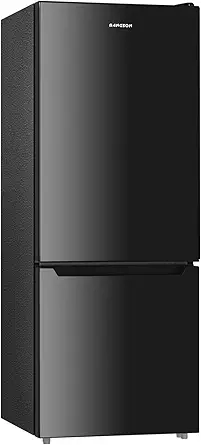 |
Kenmore 22.3 cu. ft. Bottom-Freezer Refrigerator

| Capacity | 22.3 cubic feet |
|---|---|
| Freezer Capacity | 6.86 cubic feet |
| Configuration | Full-Sized Freezer-on-Bottom |
| Defrost System Type | Automatic |
| Ice Maker Dispensed Type | Cubed |
This Kenmore bottom-freezer fridge packs a lot into a 31-inch, standard-depth footprint, making it a sensible choice where space is limited but capacity still matters. It uses an inverter compressor for quieter, more consistent cooling and better energy efficiency, and ENERGY STAR certification plus Eco Mode help reduce running costs. Inside you get full-width adjustable tempered glass shelves, five door bins including a gallon bin, two crisper drawers, and a two-tier freezer with an installed ice maker that produces roughly 3.5 pounds of cube ice per day. LED lighting brightens shelves so items are easy to find. The stainless steel door is fingerprint resistant and the reversible door orientation helps during installation. Expect straightforward, no-frills performance aimed at everyday household use rather than premium smart features. If you need extra-large freezer capacity or advanced connectivity, this model does not include those bells and whistles, but it delivers reliable cooling, organized storage, and energy-conscious operation for typical family needs.
Best for: Buyers who want a roomy but space-conscious refrigerator that prioritizes reliable cooling, organized storage, and energy efficiency for everyday family use.
Less Ideal for: Shoppers who need very large freezer capacity, connected smart features, or specialty fresh-food compartments should consider different models.
- Space-efficient 22.3 cu. ft. capacity in a 31-inch footprint suitable for smaller kitchens
- Inverter compressor for quieter, steadier cooling and improved energy efficiency
- Adjustable full-width tempered glass shelves and multiple door bins for flexible organization
- Built-in ice maker provides about 3.5 lbs of cube ice per day without trays
- ENERGY STAR certified with Eco Mode and bright LED interior lighting
- Freezer is moderate in size compared with larger models, limiting bulk frozen storage
- No smart/home connectivity or advanced temperature controls included
Verdict: A practical, energy-efficient bottom-freezer refrigerator that delivers solid cooling and flexible storage in a slim 31-inch footprint.
Commercial Cool 18.9 Cu. Ft. French Door Refrigerator

| Capacity | 18.9 cubic feet |
|---|---|
| Refrigerator Net Capacity | 12.35 cubic feet |
| Freezer Capacity | 6.5 cubic feet |
| Defrost System Type | Frost Free |
| Refrigerant | R-600A |
This Commercial Cool French door refrigerator pairs a full-width 12.35 cu ft fridge with two bottom freezer drawers totaling about 6.5 cu ft, making it a practical option for buyers who want organized cold and frozen storage. The unit uses a compressor with R600a refrigerant and provides separate digital temperature controls for the fridge and freezers, plus an AI temperature mode and a Vacation setting to reduce energy use when needed. Interior LED lighting, glass shelving, adjustable leveling feet, recessed handles, and a door alarm add to day-to-day convenience. The 33-inch footprint is designed to fit through standard doorways and the removable doors/drawers simplify installation tight spots. Trade-offs to note are the modest total capacity for a full-size fridge and an annual energy consumption figure listed at 528 kWh, which may be higher than the most efficient models. For someone prioritizing clear organization, independent temperature control, and a bottom-freezer layout, this unit delivers a functional, feature-focused package.
Best for: Buyers who prioritize organized access to frozen items and precise, independent temperature control in a compact full-size French door layout.
Less Ideal for: Households needing maximum total storage or the absolute lowest energy consumption should consider larger or higher-efficiency alternatives.
- Two bottom freezer drawers for organized frozen storage and easier access
- Separate digital temperature controls with AI and Vacation modes for precise climate management
- Interior LED lighting and glass shelving for clear visibility and durable support
- Removable doors and drawers and a 33-inch footprint to simplify delivery and installation
- Total 18.9 cu ft capacity is modest compared with larger full-size refrigerators
- Listed annual energy consumption (528 kWh/year) may be higher than the most efficient competitors
Verdict: Choose this model if you want a compact full-size French door with two bottom freezer drawers and independent digital controls for strong day-to-day performance and organized frozen storage.
Hamilton Beach HBFR9004 9.2 cu ft Fridge

| Capacity | 9.2 cubic feet |
|---|---|
| Freezer Capacity | 2.8 cubic feet |
| Refrigerator Net Capacity | 6.4 cubic feet |
| Defrost System Type | Manual |
| Cooling Method | Compressor |
This Hamilton Beach HBFR9004 pairs a user-friendly bottom freezer layout with a narrow footprint suited to small kitchens, dorms, or office pantries. The refrigerator section provides about 6.4 cu ft of usable space on three removable glass shelves and a door rack for cans, while the 2.8 cu ft lower freezer uses baskets and three compartments for organized storage. It runs on a compressor with manual defrost and a keyed lock for the door, and the reversible door hinge makes placement flexible. Practical touches like tempered glass shelving and a crisper help everyday use and cleaning, but the unit is basic: there is no inverter, advanced temperature controls, or frost-free technology in the fridge section, and annual energy consumption is comparatively high. Expect straightforward, no-frills cooling rather than premium performance or quiet, highly efficient operation. For buyers who need a compact bottom-freezer layout and easy maintenance, this model offers sensible capacity; buyers needing low energy draw or advanced features should look elsewhere.
Best for: Buyers who want a practical, space-saving refrigerator with a bottom freezer and simple, easy-to-clean storage for everyday use in small kitchens or shared spaces.
Less Ideal for: Households seeking the quietest, most energy-efficient or feature-rich bottom-freezer refrigerators should consider higher-end models with frost-free or inverter technology instead.
- Bottom-mount freezer layout keeps frequently used refrigerated items at eye level
- Compact, narrow footprint fits tight spaces like dorms or small kitchens
- Removable tempered glass shelves and door rack simplify cleaning and organization
- Reversible door and keyed lock add placement flexibility and basic security
- Manual defrost system and higher annual energy consumption mean more maintenance and operating cost
- No inverter or advanced efficiency features compared with modern energy-efficient models
Verdict: A practical, space-efficient bottom-freezer refrigerator that prioritizes simple, easy-to-clean storage over advanced efficiency or premium features.
Anypro 4.0 Cu.Ft Bottom-Freezer Fridge

| Capacity | 4 cubic feet |
|---|---|
| Freezer Capacity | 1.9 cubic feet |
| Cooling Method | Direct Cooling |
| Defrost System Type | Manual |
| Refrigerant | R-600A |
This Anypro 4.0 cu ft refrigerator pairs a practical fridge section with a bottom freezer drawer layout aimed at small spaces like dorms, apartments, and offices. It provides 2.1 cu ft of refrigerated space and a 1.9 cu ft freezer, plus two adjustable glass shelves, a crisper drawer, and two freezer drawers for basic organization. The unit uses an R600a rotary scroll compressor and a 360 degree air circulation design intended to keep temperatures even while running under 40 dB, so it is suitable for bedrooms or quiet areas. Seven adjustable temperature settings let you dial in fridge and freezer conditions for different foods. The fridge is manually defrosted and freestanding, so expect occasional maintenance and a need to plan around defrost cycles. Its energy consumption is listed at 300 kwh annually, which is reasonable for its class but not class-leading. Overall it is a straightforward, space-conscious bottom-freezer refrigerator that emphasizes storage layout and quiet cooling in a compact footprint.
Best for: Buyers seeking an affordable, space-saving bottom-freezer fridge for small living spaces who prioritize organized storage and quiet operation over premium efficiency features.
Less Ideal for: Those needing a hands-off, frost-free appliance or the lowest possible energy use for heavy daily refrigeration demands should consider other options.
- Compact bottom-freezer design maximizes usable storage in small footprints
- Seven adjustable temperature settings for flexible food and beverage storage
- Adjustable glass shelves, crisper drawer, and multiple freezer drawers for organized storage
- Quiet R600a compressor and claimed noise below 40 dB suitable for bedrooms or offices
- Manual defrost system requires periodic maintenance
- Reported annual energy use of 300 kWh may be higher than some high-efficiency mini-fridges
Verdict: A budget-friendly, compact bottom-freezer refrigerator that delivers quiet, organized cooling for small spaces.
Summit FFBF235PL Bottom-Freezer Refrigerator

| Capacity | 10.8 cubic feet |
|---|---|
| Energy Certification | ENERGY STAR |
| Configuration | Bottom freezer, counter-depth |
| Door Swing | Reversible |
| Control Type | Digital touch thermostat |
The Summit FFBF235PL is a narrow, counter-depth bottom-freezer refrigerator designed for kitchens where space and energy efficiency matter. It provides practical everyday cooling with a 10.8 cubic foot total capacity split between a refrigerator compartment with adjustable safety-glass shelves, a large humidity-controlled crisper, a second meat/deli drawer, and a bottom freezer with a shelf plus two slide-out drawers. Frost-free operation and a Super Freeze setting reduce maintenance and let you rapidly cool newly loaded groceries, while a digital touch thermostat simplifies temperature control. The unit is ENERGY STAR certified and uses a sealed back with a right-angle plug to save space behind the cabinet. Door swing is reversible for installation flexibility and the stainless-steel look with fingerprint-resistant finish keeps the exterior low-maintenance. Trade-offs include a tall 73-inch height that may require fit checks in some kitchens and a relatively modest overall capacity compared with full-size household refrigerators, making it better suited to space-conscious homes rather than large families needing maximum storage.
Best for: Buyers who prioritize long-term reliability and low running costs in a compact footprint and need a durable, energy-efficient bottom-freezer for a smaller kitchen.
Less Ideal for: Households that regularly store large quantities of groceries or need maximum refrigerator capacity should consider larger full-size models instead.
- Counter-depth design saves floor space and reduces protrusion from cabinets
- ENERGY STAR certification for lower energy consumption
- Adjustable safety-glass shelves and dedicated drawers for organized storage
- Frost-free operation and Super Freeze setting reduce manual maintenance and speed chilling
- Reversible door and right-angle plug allow flexible installation in tight kitchens
- Tall 73-inch height may not fit under some upper cabinets or in low-clearance spaces
- 10.8 cu ft capacity is modest compared with standard full-size refrigerators
Verdict: Choose the Summit FFBF235PL when you need a reliable, energy-efficient bottom-freezer that fits narrow, space-conscious kitchens.
Upstreman BM71 7.1 Cu Ft Refrigerator

| Capacity | 7.1 cubic feet |
|---|---|
| Freezer Capacity | 1.65 cubic feet |
| Defrost System Type | Manual |
| Voltage | 115 volts |
| Refrigerant | R-600A |
The Upstreman BM71 is a compact freestanding refrigerator with a bottom freezer targeted at small kitchens, dorms, and apartments. It offers 7.1 cubic feet of total capacity with a 5.45 cu ft fresh-food section and a 1.65 cu ft freezer below, removable shelves that accept gallon jugs, an adjustable thermostat with five settings, and a reversible door for flexible placement. The unit uses a compressor cooling system with R-600A refrigerant and a manual defrost freezer, and it includes practical accessories like an egg shelf and ice tray. Energy consumption is modest at about 384 kWh per year and the manufacturer claims quiet operation around 39 dB, which helps in open-plan spaces. Expect basic, reliable performance rather than premium features: the freezer is small, defrosting is manual, and the interior layout is simple compared with higher-end models. For buyers wanting a straightforward, space-saving bottom-freezer fridge with usable shelving and energy-conscious operation, this model covers the essentials without extras.
Best for: Practical buyers looking for a trusted, compact bottom-freezer refrigerator for apartments or dorms who prioritize usable shelving, energy efficiency, and quiet operation over luxury features.
Less Ideal for: Households that regularly freeze large quantities, need advanced temperature controls, or expect premium refrigeration features should consider larger or higher-end models instead.
- Compact bottom-freezer layout keeps fresh food at eye level and reduces bending to access the freezer
- Removable shelves accommodate gallon jugs and larger platters for flexible storage
- Energy-efficient operation with listed annual consumption that is reasonable for its class
- Reversible door and adjustable feet simplify placement in tight or awkward kitchen layouts
- Quiet compressor operation suitable for open kitchens or small living spaces
- Freezer capacity is limited at 1.65 cu ft and requires manual defrosting
- Basic control set with no digital display or advanced temperature management
- Interior and feature set are utilitarian rather than high-end, lacking conveniences like auto-defrost or humidity-controlled crisper drawers
Verdict: A no-frills, energy-conscious bottom-freezer refrigerator that delivers compact storage and quiet operation for apartments and small kitchens.
BANGSON 7.1 Cu Ft Bottom-Freezer Refrigerator

| Capacity | 7.1 cubic feet |
|---|---|
| Refrigerator Net Capacity | 5.45 cubic feet |
| Cooling Method | Compressor |
| Defrost System Type | Manual Defrost |
| Installation Type | Freestanding |
This BANGSON bottom-freezer refrigerator is aimed at small spaces such as apartments, offices, or bedrooms where a full-size fridge is impractical. It combines a 5.45 cu ft refrigerated section with a 1.65 cu ft bottom freezer and uses a compressor for reliable cooling. The interior is organized with adjustable glass shelves, a crisper drawer, door racks for bottles, and two freezer drawers to keep items tidy. Five temperature settings let you tailor cooling from near-freezing to standard refrigeration ranges and an internal night light helps when accessing contents after dark. It is manually defrosted, which keeps the design simple but requires periodic defrosting when frost builds. The unit is freestanding, has reversible doors, and runs quietly at around 39 dB during normal operation, though it needs to sit upright for several hours after delivery before first use. For buyers seeking a compact, straightforward bottom-freezer that prioritizes usable storage and quiet daily operation, this model delivers practical features without complexity.
Best for: Buyers who want a simple, reliable compact bottom-freezer for tight spaces and prefer straightforward mechanical controls over advanced smart features.
Less Ideal for: Households needing large capacity or a frost-free, feature-rich refrigerator for heavy cooking and long-term bulk storage should consider larger or higher-end models.
- Compact footprint that fits small kitchens, apartments, or offices
- Adjustable glass shelves and crisper drawer for flexible organization
- Bottom freezer with two drawers keeps frozen items separated and accessible
- Quiet operation around 39 dB suitable for living areas
- Reversible doors and leveling legs for flexible placement
- Manual defrost freezer requires periodic user maintenance
- Smaller overall capacity compared with standard full-size refrigerators
- No listed advanced features like automatic frost-free or digital controls
Verdict: A quiet, space-saving bottom-freezer fridge that delivers practical storage and dependable compressor cooling for small homes and offices.
Choosing the Right Bottom-Freezer Refrigerator on Sale: Key Factors to Consider
Usable Capacity Versus Cabinet Size
Usable capacity is how much food you can actually fit into a refrigerator, which is often less than the nominal cubic feet rating. Pay attention to interior layout, shelf thickness, and whether shelves are removable or adjustable. A model with clever internal organization can offer more practical space even if its listed capacity is similar to another unit.
Also measure the cabinet footprint and door swing clearance in your kitchen before buying. A bottom-freezer layout concentrates freezer volume low on the unit, so consider how you will access heavy items and whether the lower drawers will clear any nearby cabinetry or toe-kicks.
Energy Efficiency And Operating Cost
Energy efficiency affects long-term operating costs and your household energy use. Look for models with good energy ratings and well-documented annual energy consumption so you can compare expected electricity usage. More efficient compressors, improved insulation, and smarter defrost cycles all reduce runtime and lower bills.
Keep in mind that a sale price does not change long-term running costs. For budget-conscious buyers, a slightly higher upfront investment in a more efficient unit can pay back over time through reduced energy bills.
Temperature Control And Food Preservation
Stable, even temperatures preserve food quality and reduce waste. Look for refrigerators with separate controls or sensors for the fresh-food and freezer compartments and design elements that minimize warm air transfer when doors are opened. Good airflow patterns, reliable thermostats, and rapid-cool options for newly loaded items help keep perishables at safe temperatures.
Temperature stability also matters for frozen foods. A bottom-freezer that maintains consistent subfreezing temperatures and has adequate insulation helps avoid frost buildup and freezer burn.
Storage Organization And Accessibility
How the interior is organized determines daily convenience. Adjustable shelving, full-width deli drawers, clear crispers, and door bins sized for tall bottles all improve usability. In bottom-freezer refrigerators, look for well-sealed, easy-glide drawers and thaw/drip management so defrost cycles do not create messes.
Accessibility is especially important for households with limited mobility. Upper fresh-food access should minimize bending, and lower freezer drawers should have smooth glides and sensible compartmentalization to retrieve items quickly.
Durability, Maintenance, And Serviceability
Durability reduces total cost of ownership. Inspect materials and mechanisms such as hinge hardware, drawer slides, and shelf supports. Interiors with corrosion-resistant coatings and durable plastic components resist wear over time. Consider the ease of common maintenance tasks like cleaning door gaskets, changing filters if present, and accessing condenser coils.
Also think about the availability of replacement parts and straightforward service access. Units that are easier to diagnose and repair generally remain functional longer and can be less expensive to maintain.
Measuring Your Space And Installation Needs
Before you commit to any bottom-freezer refrigerator on sale, confirm the exact cabinet opening, door swing clearance, and ceiling height. Include space for water and electrical hookups if the unit has an icemaker or water dispenser. Measure both width and depth with doors and handles accounted for so you avoid surprises at delivery.
Consider how the appliance will be moved through entryways and around corners. Some bottom-freezer units are heavier and bulkier than top-freezer designs, so plan for professional help if needed. Also check floor leveling requirements and ensure the surface can bear the appliance weight.
- Measure width, depth, and height including door handles
- Allow extra clearance for ventilation and door swing
- Plan for water line or electrician access if applicable
Layout Tips For Maximizing Food Organization
Think about how your household shops and stores food. If you cook frequently, prioritize adjustable shelves and a spacious deli drawer for meal prep. Families with kids may prefer more door storage for drinks and snacks, while those who buy in bulk should focus on freezer drawer organization.
Use clear bins or trays inside the refrigerator to group like items and make the most of available shelf height. In the freezer, consider stacking thin, flat containers and using labeled baskets to prevent items from getting buried.
- Keep frequently used items at eye level for convenience
- Use stackable containers in the freezer to maximize space
- Reserve a dedicated shelf or bin for meal-prep ingredients
Energy-Saving Habits To Pair With An Efficient Unit
Even an energy-efficient refrigerator benefits from good usage habits. Keep door openings brief and avoid storing hot leftovers inside. Regularly defrost manual-freeze models and clean condenser coils if accessible to maintain peak efficiency.
Set the fresh-food compartment to the recommended temperature range and avoid overfilling, which restricts airflow. If your unit has vacation or eco modes, use them when you expect prolonged absence to cut down energy draw.
- Limit door openings and keep door seals clean
- Keep vents and coils dust-free to improve cooling efficiency
- Use recommended temperature settings rather than colder-than-necessary
Transport And Protecting Your Purchase During Delivery
If you are buying a bottom-freezer refrigerator on sale, confirm delivery terms that protect the unit during transit. Insist on upright transport from the warehouse to prevent compressor oil migration. Keep the original packaging until installation is confirmed so the unit stays protected.
When positioning the refrigerator, avoid placing it next to heat sources like ovens or direct sunlight. Let the appliance sit upright for a few hours after moving it before powering it on to allow internal fluids to settle.
- Transport upright to avoid compressor issues
- Allow rest time after moving before plugging in
- Keep unit away from direct heat sources
Common Maintenance Tasks And Seasonal Checks
Routine maintenance keeps a refrigerator running well. Wipe spills promptly, clean door gaskets with a mild solution to prevent odors and leaks, and vacuum coils twice a year if they are exposed. Replace water filters on schedule to prevent taste and flow issues.
Seasonally inspect drawer glides and hinges for wear and lubricate or tighten fasteners as needed. Monitor temperature settings and use a thermometer if you suspect drift; catching problems early can prevent food loss and costly repairs.
- Clean coils and gaskets regularly
- Replace water filters per manufacturer guidance
- Check drawer glides and hinges for smooth operation
How We Chose the Best Bottom-Freezer Refrigerator on Sale
We looked for bottom-freezer refrigerators that deliver reliable cooling, efficient operation, and practical storage while being available at sale prices. Our selection filtered for models with consistent temperature control across both the fresh-food and freezer compartments, clear usable capacity measurements, and energy ratings that indicate lower ongoing operating cost. We prioritized flexible storage options such as adjustable shelving, door bins, and freezer organization that make daily tasks easier. Durability indicators, like robust drawer mechanisms and corrosion-resistant interiors, were considered to estimate expected service life. We excluded specialty or commercial refrigerators, built-in or custom-panel units that change installation requirements, and models without clear capacity or energy specifications. Final inclusion required verifiable specs and a track record of straightforward maintenance. The evaluation emphasized measurable dimensions buyers can compare: usable capacity, energy efficiency, temperature stability, and storage flexibility.
Our full evaluation process is outlined in our review methodology.
FAQ
Are bottom-freezer refrigerators more energy efficient than other layouts?
Efficiency depends on the specific model and technology rather than layout alone. Bottom-freezer designs can be efficient because cold air stays low in the freezer, but compare energy consumption ratings to determine real-world operating costs.
How much clearance do I need around a bottom-freezer refrigerator?
Allow several inches on the sides and top for ventilation, plus extra depth for door handles and airflow. Check the unit's installation instructions for exact clearances, and measure door swing to ensure proper access.
Can I install a bottom-freezer refrigerator on any kitchen floor?
Most residential floors are suitable, but ensure the floor is level and can support the appliance weight. Thinner or uneven floors may require shimming or reinforcement to prevent instability over time.
How often should I defrost the freezer in a bottom-freezer model?
If the freezer is frost-free, manual defrosting is not necessary. For manual-defrost units, defrost when frost builds up to about a quarter inch to maintain capacity and cooling efficiency.
What temperature should I set the fresh-food and freezer compartments to?
A typical recommendation is about 35 to 38 degrees Fahrenheit for the fresh-food compartment and 0 degrees Fahrenheit for the freezer. Use an appliance thermometer to verify actual temperatures and adjust as needed for your usage patterns.
Final Verdict
When choosing a bottom-freezer refrigerator on sale, prioritize the features that match how you store and access food: usable interior layout, reliable temperature control, and energy efficiency. Consider installation constraints and maintenance needs to avoid surprises after delivery. Balance short-term savings from a sale with projected operating costs and durability to make a choice that serves your household well over the long term.