
Note: This article contains affiliate links. If you click on these links and make a purchase, we may earn a small commission at no extra cost to you. This helps support our research and content. Read our full affiliate disclosure here.
If you bake sourdough regularly, the right bread maker can simplify the most technical parts of the process without taking creativity away from you. A machine built to support long fermentation cycles, precise temperature control, and gentle kneading makes it easier to develop flavor and structure while reducing hands-on time. This guide presents our shortlist of the top models suited for sourdough-focused bakers. We evaluated machines for their fermentation reliability, dough handling, and programmability so you can quickly find a unit that supports consistent sourdough timing and desired crust results. Read on to see the summarized picks and the factors we used to evaluate them.
Top Picks at a Glance
| Best Overall The best all-around choice for most situations | Zojirushi Virtuoso Plus BB-PDC20BA |  |
| Best Quality Built to a higher standard if you want something more solid | Breville Custom Loaf BBM800XL | 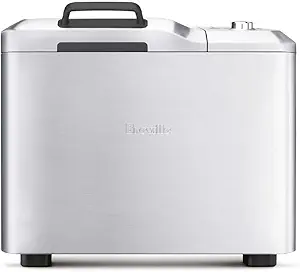 |
| Best Value The sweet spot between price and what you get | Amazon Basics 2-Pound Bread Maker |  |
| Best Budget The cheapest option that still gets the job done reliably | Elite Gourmet Programmable Bread Maker EBM8103B |  |
| Top Rated A top-rated pick with lots of positive feedback | KITCHENARM 29-in-1 Bread Machine |  |
| Most Popular A crowd favorite that many people choose with confidence | Cuisinart CBK-110 Bread Maker |  |
| Best Seller A high-volume bestseller chosen again and again | OSIPOTO Bread Maker BM8205 | 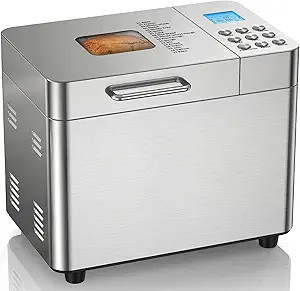 |
Zojirushi Virtuoso Plus BB-PDC20BA

| Capacity | 2 pounds |
|---|---|
| Wattage | 700 watts |
| Voltage | 120 volts |
| Number of Programs | 7 |
The Zojirushi Virtuoso Plus is a thoughtfully engineered breadmaker aimed at home bakers who want consistent, well-browned loaves without fuss. It bakes rectangular 2-pound loaves and offers seven programs including whole wheat, multigrain, rapid whole wheat, and a dedicated gluten-free setting, plus three crust shades and a 13-hour delay timer so you can time fresh bread for morning or evening. Dual heating elements in the lid and base plus double kneading blades improve rise and crust color compared with single-heater machines, and the removable nonstick pan and included measuring tools make routine use straightforward. Rapid courses produce a loaf in under two and a half hours when you need one quickly, but the machine is still best for standard mixed-ingredient recipes rather than traditional long-fermentation sourdough starters. The control panel is simple and the large viewing window helps monitor progress, though the 2-pound loaf shape and program presets limit flexibility for bakers who want long cold ferment cycles or larger artisan-style boules.
Best for: Home bakers who want reliable, hands-off loaves with good crust control and healthy-course presets rather than those seeking full artisan sourdough workflows.
Less Ideal for: Bakers who prioritize long cold fermentations, large artisan boules, or full manual control over each stage of a sourdough fermentation should look elsewhere.
- Dual heaters and double kneading blades for more even baking and better rise
- Multiple healthy-course settings including gluten-free and whole wheat
- 13-hour delay timer lets you schedule fresh bread when you want it
- Rapid bake option produces a loaf in about 2 hours 25 minutes
- Designed for 2-pound rectangular loaves, so it does not produce artisan round boules
- Not optimized for long, cold ferment sourdough workflows with extended bulk fermentation
Verdict: Buy this Zojirushi if you want a dependable, feature-rich machine that reliably produces well-browned 2-pound loaves with minimal hands-on work.
Breville Custom Loaf BBM800XL

| Capacity | 2.5 pounds |
|---|---|
| Wattage | 830 watts |
| Voltage | 120 volts |
| Number of Programs | 13 |
The Breville Custom Loaf BBM800XL is built for home bakers who want tight control over loaf settings and the flexibility to experiment with recipes like sourdough. It offers 13 automatic programs plus nine custom slots so you can create and store personalized cycles, and the smart LCD gives clear progress feedback from mixing through bake. The collapsible kneading paddle mixes ingredients on a platform then folds away before baking, reducing the large hole some machines leave in the crumb. An automatic fruit and nut dispenser times add‑ins correctly, and the unit includes a fixed paddle for jam and a collapsible paddle for dough. Power interruption protection holds progress for up to 60 minutes, which helps with longer fermenting cycles. At 830 watts and a 2.5 lb capacity it handles full loaves, but heavy sourdough bakers should expect to manage starter timing and hydration manually for best results since dedicated sourdough-specific fermentation controls are limited. The machine is stainless steel and requires hand washing of accessories.
Best for: Bakers who prioritize control and customization and want a reliable machine to develop and store tailored bread programs, including experimenting with sourdough recipes.
Less Ideal for: Users seeking a bread maker with built‑in sourdough proofing chambers or automated starter management should look for specialized fermentation equipment instead.
- Extensive custom program options for creating and saving personal recipes
- Collapsible kneading paddle minimizes the hole in the finished loaf
- Automatic fruit and nut dispenser times mix‑ins accurately
- Clear LCD makes monitoring and manual adjustments straightforward
- 60 minutes of power interruption backup preserves long cycles
- Not specifically designed with dedicated sourdough proofing controls or humidity/temperature fermentation settings
- Accessories and interior parts require hand washing
Verdict: Choose the Breville Custom Loaf BBM800XL if you want a powerful, programmable bread machine that lets you build and save custom cycles for serious home baking experiments like sourdough.
Amazon Basics 2-Pound Bread Maker

| Capacity | 2 pounds |
|---|---|
| Wattage | 550 watts |
| Number of Programs | 14 |
| Voltage | 120 volts |
This Amazon Basics bread maker handles the full bake cycle—mixing, kneading, rising, and baking—up to a 2-pound loaf using a 550 watt heating element and a nonstick pan. It is typically used for everyday sandwich loaves, quick gluten-free bakes, dough-only cycles, and small-batch jams thanks to 14 program options and a dedicated dough setting. The ExpressBake mode can deliver a finished loaf in under 90 minutes when you need a fast turnaround, and three crust settings let you dial browning from light to dark. Practical touches include an LCD display and an easy-clean stainless steel exterior. For sourdough bakers the machine can produce and maintain dough on mix and rise cycles, but it lacks specialized sourdough or long-fermentation programs and does not offer precise temperature control or a vertical loaf shape preferred by some artisan recipes. Expect reliable, affordable convenience for everyday breads and doughs rather than full artisan sourdough development.
Best for: Buyers who want a straightforward, affordable machine to automate kneading and baking for everyday loaves and occasional experimental doughs while saving time.
Less Ideal for: Serious sourdough hobbyists who rely on extended bulk fermentation, strict temperature control, or specialty programs for wild-yeast development.
- 14 preset programs cover breads, doughs, gluten-free options, and jam
- ExpressBake option completes a loaf in under 90 minutes
- 2-pound capacity suits family-sized loaves
- Nonstick pan and stainless steel exterior are easy to clean
- No dedicated long-fermentation or precise temperature control for true sourdough proofing
Verdict: A practical, budget-friendly machine that automates everyday loaves and quick bakes but is best for bakers who prioritize convenience over advanced sourdough fermentation control.
Elite Gourmet Programmable Bread Maker EBM8103B

| Capacity | 2 pounds |
|---|---|
| Wattage | 550 watts |
| Number of Programs | 19 |
| Voltage | 120 volts |
This Elite Gourmet bread maker simplifies home baking by automating kneading, rising, and baking with one-touch programs. Typical use is: add ingredients to the nonstick pan, pick one of 19 presets (including gluten-free, whole wheat, pizza dough, and jam), set loaf size and crust darkness, and let the machine run its cycle. The unit includes a 15-hour delay timer so you can schedule fresh bread for the morning and a 60-minute keep-warm function to hold loaves after baking. Practical benefits include three loaf sizes (1, 1.5, 2 lb) for households of different appetites and a compact, energy-saving footprint that keeps your oven off. The machine is lightweight, has dishwasher-safe parts, and ships with measuring tools and a blade removal tool for easier cleanup. Important limitations: while versatile for many quick and specialty breads, it is not tailored for traditional long-fermentation sourdough baking or recipes that require extended bulk fermentation and manual shaping, so sourdough bakers will need to adapt processes or finish loaves in a conventional oven for a crisper crust and better crumb development.
Best for: Home bakers on a budget who want an easy way to make fresh bread, quick artisan-style loaves, and a variety of preset breads without mastering long fermentation techniques.
Less Ideal for: Experienced sourdough enthusiasts seeking a machine to run multi-stage, long-fermentation sourdough cycles or to produce oven-quality crust and crumb without finishing in a conventional oven.
- Wide selection of 19 preset programs covering gluten-free, whole wheat, pizza dough, jam and more
- Choice of three loaf sizes and crust darkness settings for portion and texture control
- 15-hour delay timer and 60-minute keep-warm for scheduled baking
- Compact, energy-efficient design that uses less power than an oven
- Dishwasher-safe parts and included measuring accessories simplify cleanup and setup
- Not designed for extended bulk fermentation required by traditional sourdough methods
- Loaf pan shape and machine bake produce a softer crust than an oven-baked artisan loaf
Verdict: A budget-friendly, one-touch bread maker ideal for beginners and everyday fresh loaves, but not a substitute for traditional long-fermentation sourdough technique.
KITCHENARM 29-in-1 Bread Machine

| Voltage | 120 volts |
|---|---|
| Capacity | 2 pounds |
| Wattage | 550 watts |
| Number of Programs | 29 |
This KitchenArm bread machine is a feature-rich home bread maker aimed at both beginners and experienced bakers. It offers 29 automatic menus including dedicated whole wheat, dark rye, gluten-free, and a fully programmable "HOME MADE" cycle that lets you adjust knead, rest, rise, and bake times — useful when adapting recipes for sourdough starters or different flours. The unit supports three loaf sizes and three crust colors, plus a 15-hour delay timer and 1-hour keep-warm function for flexible scheduling. Build quality includes a stainless steel exterior, an LCD display, ETL safety certification, and a Teflon-coated nonstick pan for easier cleanup. Practical limits are its 2 lb capacity and single pan design, which constrain batch size and loaf shape compared with oven methods, and the machine requires manual recipe tuning for truly artisan sourdough results. For home bakers who want hands-on control without using a full oven, the programmable cycles and memory features make this a strong, reliable option.
Best for: Home bakers who prioritize reliable, repeatable results and want granular control over cycle timing to adapt recipes like sourdough without managing a full oven.
Less Ideal for: Bakers seeking large artisan-style loaves, multi-loaf baking, or oven-quality crusts who prefer full-size ovens and proofing setups instead.
- 29 automatic programs including whole wheat, dark rye, gluten-free, and a fully programmable custom cycle
- Fully customizable HOME MADE menu that lets you set cycle-level times for knead, rest, rise, and bake
- Three loaf sizes and three crust color settings for flexible batch options
- ETL certified safety, stainless steel body, and Teflon-coated nonstick bread pan for durability and easier cleaning
- 2-pound maximum capacity limits how large a single loaf can be
- Single-pan, machine-shaped loaf cannot replicate the crust and crumb of oven-baked artisan loaves without recipe adjustments
Verdict: Choose this machine if you want a dependable, programmable bread maker that lets you fine-tune cycle times for sourdough-style recipes without using a full oven.
Cuisinart CBK-110 Bread Maker

| Capacity | 2 pounds |
|---|---|
| Wattage | 550 watts |
| Number of Programs | 12 |
| Voltage | 120 volts |
The Cuisinart CBK-110 is a compact automatic bread machine designed for everyday home use. It offers 12 preprogrammed cycles and selectable crust color and loaf-size options, letting you bake everything from standard sandwich loaves to cakes and pizza dough without manual kneading. The unit mixes, kneads, and bakes in a vertical nonstick pan and shows cycle information on an LCD with audible beeps and a 60-minute keep-warm function. Practical conveniences include a 13-hour delay-start timer for fresh bread on a schedule and three loaf sizes up to 2 pounds for household flexibility. Because it is a countertop unit with a 550-watt motor and simple controls, it is easy to operate and maintain, though the vertical pan shape and single paddle mean results differ from freeform sourdough loaves made in ovens or with long fermentation; achieving classic open-crumb sourdough may require recipe adaptation and attention to hydration and starter timing. The CBK-110 is best when you want reliable, low-effort home baking and consistent sandwich-style loaves rather than artisan-style crust and crumb.
Best for: Buyers who prioritize consistent, low-effort homemade loaves and want social-proof reassurance from a well-known brand and established design.
Less Ideal for: Bakers seeking a machine that replicates artisan sourdough characteristics like large irregular crumb and thick blistered crust should consider oven-based methods or specialized sourdough equipment instead.
- 12 preprogrammed cycles cover common breads, cakes, and doughs for versatile use
- Three loaf sizes and three crust-color settings let you customize loaf volume and crust darkness
- 13-hour delay-start timer produces fresh bread on a schedule
- Compact footprint fits most countertops while still baking up to 2 lb loaves
- LCD display and audible alerts make cycle status easy to monitor
- Vertical pan and single paddle produce sandwich-style loaves that differ from oven-baked artisan sourdough
- Requires recipe and timing adjustments to bake sourdough with a true open crumb
- Hand-wash care and nonstick pan limit dishwasher convenience
Verdict: Choose the Cuisinart CBK-110 when you want a reliable, easy-to-use bread maker for consistent sandwich-style and specialty loaves rather than a machine that reproduces classic oven-baked artisan sourdough.
OSIPOTO Bread Maker BM8205

| Capacity | 2 pounds |
|---|---|
| Wattage | 600 watts |
| Number of Programs | 17 |
| Voltage | 120 |
The OSIPOTO BM8205 is a compact automatic bread maker aimed at home bakers who want consistent loaves with minimal fuss. You load ingredients, pick one of 17 program presets and the machine handles kneading, rising and baking; it supports three loaf sizes and three crust settings so you can tailor results. Practical features include a 15-hour delay timer and a one-hour keep-warm mode, a nonstick pan for easier cleanup, and overheat protection to pause the cycle if temperatures climb. At 600 watts the unit delivers even heat distribution for steady crust color and internal texture, and it is engineered for low-noise operation suitable for early-morning bakes. For sourdough enthusiasts, this model can bake wholesome loaves using its dough and basic bread programs, but it lacks the long, low-temperature fermentation cycles and dedicated sourdough program that experienced sourdough bakers often prefer, so achieving true artisan sourdough may require manual timing or pre-fermented dough handling. The stainless steel build and simple controls make it approachable for cautious buyers who want reliable, repeatable home-baked bread without a steep learning curve.
Best for: Buyers who want a straightforward, low-risk appliance to produce consistent sandwich-style loaves with minimal hands-on time and predictable results.
Less Ideal for: Bakers seeking a machine with built-in, multi-stage sourdough fermentation or advanced temperature control for true artisan sourdough should look at dedicated sourdough-capable models or use this unit only for proofed dough.
- Large 2 lb capacity with three loaf-size options for family-sized loaves
- 17 preset programs including basic, whole wheat, gluten-free and dough modes
- 15-hour delay timer and one-hour keep-warm for flexible scheduling
- Nonstick pan and included tools simplify cleanup and setup
- No dedicated long ferment or sourdough-specific program for multi-stage fermentation
- Hand wash recommended for care rather than dishwasher-safe parts
Verdict: A reliable, beginner-friendly bread maker that delivers consistent family-size loaves but requires manual workarounds for true artisan sourdough.
Choosing the Right Bread Maker for Sourdough: Key Factors to Consider
Temperature Control and Stability
Sourdough fermentation is sensitive to temperature. A bread maker that maintains a steady internal temperature during both warm proofing and extended cool retardation will produce more consistent rises and predictable flavor development.
Poor temperature stability can lead to underproofed or overproofed loaves, so check how precisely a machine holds set temperatures and whether it offers small incremental adjustments. If a model allows separate settings for proofing and baking, you can better replicate the variable temperature stages common in sourdough workflows.
Programmable Fermentation and Timing
The ability to program long, custom fermentation schedules is essential for sourdough baking. Look for extended proof timers, delayed-start options, and multiple programmable phases so you can set long bulk ferments, cold retards, or multi-step proofing without manual intervention.
Flexible timing reduces the need to babysit dough and allows you to align fermentation with your schedule. Features like configurable proof durations and separate knead pauses let you mimic traditional hand-method timelines more closely.
Kneading Action and Gentle Handling
Sourdough dough benefits from gentler kneading to preserve gas pockets and gluten structure. Machines that offer adjustable knead intensity or multiple knead modes can mix and develop dough without overworking it, which helps maintain an open crumb.
Assess whether the machine uses a single paddle, dual paddles, or a folding-style mechanism and whether knead times are user-adjustable. Gentle intermittent kneading or programmable rest intervals are useful for autolyse-style approaches and for handling high-hydration doughs.
Capacity and Loaf Shape
Choose a size that matches how much sourdough you plan to bake. Larger-capacity machines can handle bigger batches and higher-hydration doughs, but they may produce different loaf shapes that affect crust area and bake characteristics.
Also consider the pan shape and whether the machine produces a tall, sandwich-style loaf or a more compact artisan shape. Pan geometry influences crust thickness and crumb distribution, so match form factor to your preferred finished loaf style.
Bake Program Flexibility and Crust Control
Sourdough often needs specific bake profiles to develop a good crust and oven spring. A machine that provides multiple bake programs, adjustable crust darkness, and the ability to separate bake duration from proofing time lets you fine-tune results.
Some units offer stepped baking or extended final heat phases that better emulate an oven environment. Features that let you delay the browning stage or extend the bake without altering the internal proofing temperature are particularly helpful.
Ease of Cleaning and Maintenance
Regular sourdough baking means frequent cleaning. Removable, nonstick pans and paddles that are easy to access reduce hassle and help prevent off flavors from old dough residue.
Consider how seals, lids, and interior surfaces are cleaned and whether parts are dishwasher-safe. Machines with simple serviceable components and good access to the pan area will save time and keep the unit working well over many baking cycles.
How Bread Makers Fit Into a Sourdough Workflow
A bread maker can handle several stages of sourdough production: mixing, initial kneading, controlled bulk fermentation, and the final bake. Many bakers use the machine for early stages and then transfer shaped loaves to a conventional oven for high-heat bakes. Others use full-cycle programs when convenience is the priority.
Decide how you want the machine to fit your routine. If you plan to do most shaping and high-heat finishing in a separate oven, prioritize models with strong programmable fermentation. If you want a complete start-to-finish automatic loaf, look for machines with flexible bake settings and reliable crust control.
- Use the machine for mixing and proofing, then finish in an oven for maximum crust and oven spring.
- If you need a fully automated loaf, ensure the machine's bake cycle supports the crust profile you prefer.
- Consider whether you will frequently make high-hydration doughs and choose machines with appropriate capacity.
Techniques to Adapt Sourdough Recipes for a Bread Maker
When converting a preferment or starter-based recipe for a bread maker, reduce initial hydration slightly and shorten intensive knead phases. Many machines knead more aggressively than hand folding, so adapting hydration and knead times helps preserve crumb openness.
Use shorter, gentler knead programs if available, and incorporate rest or autolyse periods before the machine begins kneading when possible. For long fermentation, place the dough jar in the fridge during an extended cold retard phase if the machine does not support low-temperature proofing.
- Lower hydration by a few percentage points compared with free-form baking when relying on machine kneading.
- Use the machine's delayed-start to control bulk fermentation timing without constant monitoring.
- Consider removing the dough after bulk rise for final shaping and oven baking to improve crust.
Managing Starter Activity and Ingredient Timing
Starter strength and the timing of when it is added influence fermentation speed inside a machine. A very active starter can push through proofing cycles faster than a machine's preset options anticipate, so plan proof times accordingly.
If your starter is particularly vigorous, reduce the amount used or cool ingredients before mixing to slow fermentation. Conversely, a sluggish starter may benefit from slightly warmer proofing and longer ferment cycles.
- Adjust starter quantity to match the machine's fermentation schedule.
- Use cooler water to slow fermentation if the machine runs warm.
- Monitor the first few automated cycles to learn how your starter behaves in the machine.
Common Troubleshooting Tips
If loaves are underproofed, verify the machine's actual internal temperature during proofing and lengthen the fermentation phase. Also check starter activity and ambient kitchen temperature.
For dense crumb, reduce knead intensity or shorten knead duration. If crust browning is uneven, try adjusting the crust darkness setting or shifting loaf orientation if your machine allows.
- Use an oven thermometer probe to check proofing temperature accuracy.
- Test different knead programs with the same recipe to find the gentlest effective option.
- If you see repeated failures, try shorter batch sizes or lower hydration to improve consistency.
Maintenance and Part Care
Regular cleaning preserves flavor and performance. Remove pans and paddles promptly after use and clean residual dough before it hardens. Inspect seals and the lid area for stuck flour or starter residue.
Replace worn paddles and check that nonstick coatings remain intact. If a paddle becomes difficult to remove, follow the manufacturer's maintenance steps to avoid damage.
- Clean removable parts after each use and wipe interior surfaces with a damp cloth.
- Avoid abrasive cleaners that can damage coatings.
- Keep a spare paddle on hand if you bake frequently to avoid downtime.
How We Chose the Best Bread Maker for Sourdough
We selected machines that demonstrably support the unique demands of sourdough baking, focusing on the features that matter most to bakers who use natural levain and long fermentation schedules. Our evaluation emphasized temperature accuracy because stable, low-temperature proofing and precise final bake temps directly affect rise and crumb. We also prioritized programmable fermentation cycles and extended-proof options so sourdough timings can be stretched without manual intervention. Dough handling and kneading profiles were another core filter. We looked for models with gentle but effective knead settings and adjustable knead durations to protect dough structure and preserve gas bubbles. Crust control and bake cycle flexibility were required too, since sourdough often benefits from specific crust development and steam-like bake phases. Ease of cleaning and robustness were included to ensure daily usability and reliable performance over time. We excluded machines that lack programmable fermentation or that only offer short, fixed rise cycles. Units with poor temperature consistency or inflexible bake profiles were also screened out. The final list favors machines that balance precise temperature control, flexible programming, and dough-friendly mechanics.
Our full evaluation process is outlined in our review methodology.
FAQ
Can a bread maker produce a traditional sourdough crust?
Often a bread maker can produce a good crust for everyday loaves, but it may not match the intense blistered crust of a high-temperature oven with steam. Many bakers use the machine for proofing and then finish the bake in a conventional oven for a more artisan crust.
How do I adjust hydration for machine kneading?
Usually reduce hydration slightly compared with hand-kneaded dough because machines can be more aggressive. Start by decreasing water by a few percentage points and test, adjusting based on crumb and dough feel during kneading.
Is starter quantity important when using a bread maker?
Yes. Starter strength affects fermentation speed inside a controlled machine environment. If your starter is very active, use less or cool ingredients to slow fermentation; if it is weak, increase starter or lengthen proof times.
Can I use long, cold retards in a bread maker?
It depends on the machine. Some models offer low-temperature proofing suitable for extended retards, while others do not. If the unit lacks a cold-proof option, you can usually transfer the dough to the refrigerator during bulk fermentation.
How often should I clean the paddle and pan?
Clean them after every bake to prevent dough buildup and stale flavors. Regular cleaning also preserves nonstick surfaces and reduces wear on moving parts.
Final Verdict
When choosing a bread maker for sourdough, prioritize machines that offer precise temperature control, flexible fermentation programming, and gentle dough handling. These features have the biggest impact on crumb structure and flavor development. Accepting tradeoffs between convenience and artisan-level crust is part of the decision. If you want maximum crust and oven spring, use the machine for mixing and proofing and finish in an oven. If you prefer a fully automated approach, focus on models with robust bake-cycle options and reliable temperature stability.