
Note: This article contains affiliate links. If you click on these links and make a purchase, we may earn a small commission at no extra cost to you. This helps support our research and content. Read our full affiliate disclosure here.
Picking a coffee grinder that handles both French press and espresso is one of the smartest upgrades you can make to your morning routine. The same machine must produce very coarse grinds for immersion brewing and ultra-fine, consistent particles for pressurized espresso, so versatility and repeatability matter more than flashy bells. This guide spotlights seven shortlisted coffee grinders that excel at those two extremes. We looked for machines that give you accurate grind-size adjustment, stable dose and yield, solid build quality, and easy cleaning. Read on to see which features matter most and how we evaluated the finalists before the product list.
Top Picks at a Glance
| Best Overall The best all-around choice for most situations | Baratza Encore Grinder ENCORE |  |
| Best Quality Built to a higher standard if you want something more solid | Breville Smart Grinder Pro BCG820BSS | 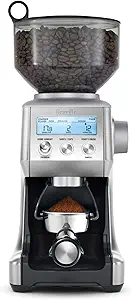 |
| Best Value The sweet spot between price and what you get | SHARDOR Electric Coffee Grinder CG0802 |  |
| Best Budget The cheapest option that still gets the job done reliably | CEVING Mini Manual Coffee Grinder | 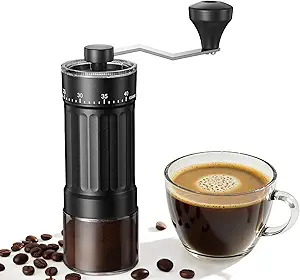 |
| Top Rated A top-rated pick with lots of positive feedback | Baratza Virtuoso+ Grinder | 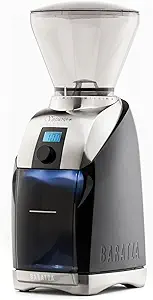 |
| Most Popular A crowd favorite that many people choose with confidence | Cuisinart Supreme Grind DBM-8P1 | 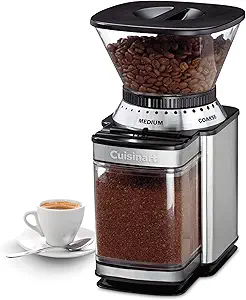 |
| Best Seller A high-volume bestseller chosen again and again | OXO Brew Conical Burr Grinder |  |
Baratza Encore Grinder ENCORE

| Burr type | Conical steel 40mm |
|---|---|
| Grind settings | 40 stepped settings |
| Wattage | 70 watts |
| Capacity | 5 ounces |
| Voltage | 120 volts |
The Baratza Encore is a straightforward conical-burr coffee grinder aimed at home brewers who want consistent, grind-ready coffee without a steep learning curve. It uses 40mm hardened alloy steel conical burrs driven by a 70-watt DC motor and offers 40 stepped grind settings that cover everything from espresso-adjacent fine grinds up to coarse French press. Typical use is simple: set the grind on the front dial, pulse or switch it on, and collect grounds in the removable bin — the front-mounted pulse button helps when you need short bursts for small doses. The compact footprint and durable burrs make it a reliable daily grinder, and Baratza's support and replaceable parts add long-term value. Limitations include a 5-ounce hopper capacity that means frequent refills for larger batches and a plastic exterior that keeps costs down but is less premium-feeling than metal-bodied models. It also does not have timed dosing or built-in scale features, so users who want precise automatic dosing will need accessories.
Best for: Home brewers who want a reliable, easy-to-use burr grinder that delivers consistent results across espresso-adjacent and manual brew methods and value durability and straightforward controls.
Less Ideal for: Users seeking an all-in-one grinder with built-in dosing, single-dose workflow, or a heavy-duty metal exterior for commercial use should look elsewhere.
- 40mm conical steel burrs for consistent particle size across brew methods
- 40 stepped grind settings that cover espresso to French press
- Compact footprint suitable for most kitchen counters
- Durable burrs and DC motor with accessible support and replaceable parts
- Small 5-ounce hopper requires frequent refills for larger batches
- No built-in timed dosing or scale for automated portioning
Verdict: A durable, beginner-friendly conical burr grinder that reliably covers both French press and finer espresso-style grinds for home brewers seeking consistent results.
Breville Smart Grinder Pro BCG820BSS

| Wattage | 165 |
|---|---|
| Voltage | 120 |
| Capacity | 1.1 pounds |
The Breville Smart Grinder Pro is a mid-size conical burr grinder designed for users who want precise, repeatable dosing across a wide range of brew methods. It grinds directly into a portafilter, airtight container or filter basket and offers 60 distinct grind settings so you can tune particle size from fine espresso to coarse French press. The Dosing iQ system lets you program grind time in 0.2 second increments and the clear LCD shows grind setting, time and the number of shots or cups selected, which makes dialing in a dose straightforward. Included portafilter cradles and a sealed grinds container add convenience for espresso workflows, and the 18 oz hopper reduces the need for constant refilling. Expect typical conical-burr performance with consistent grinds and modest motor noise; heavier use will require occasional cleaning and recalibration to maintain peak consistency. It is a solid choice for home users who prioritize control and repeatability but may be larger and more feature-rich than casual users need.
Best for: Home brewers who value precise control and repeatable dosing for both espresso and manual brew methods and who are willing to learn a bit of dialing to get ideal results.
Less Ideal for: People who want a compact, grab-and-go grinder with minimal setup or those who rarely adjust grind settings.
- Sixty grind settings cover espresso through French press for fine tuning
- Digital dosing with 0.2 second increments gives consistent, repeatable doses
- Grinds directly into portafilter or airtight container for versatile workflow
- Clear LCD displays grind setting, time and shot/cup count for easy dialing in
- Requires occasional cleaning to maintain grind consistency under heavy use
- Larger footprint may take up significant counter space
Verdict: Choose this grinder if you need precise, repeatable control across espresso and French press with a wide range of grind settings and digital dosing.
SHARDOR Electric Coffee Grinder CG0802
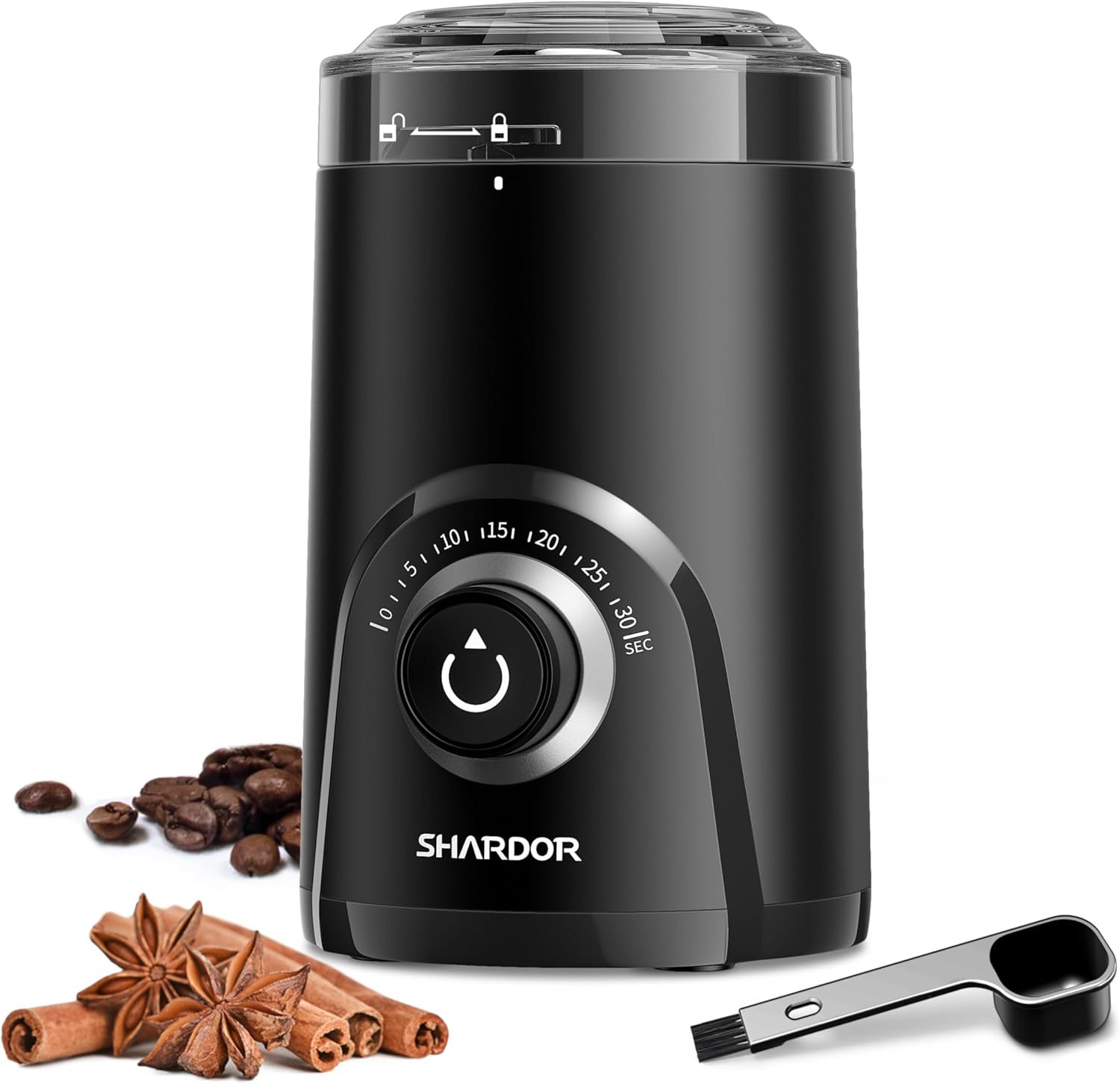
| Capacity | 70 g |
|---|---|
| Material Type | Stainless Steel |
| Power Source | Electric |
The SHARDOR CG0802 is a compact electric blade grinder aimed at home users who need quick, small-batch grinding for coffee and other dry ingredients. It uses stainless steel blades and a visible timing knob calibrated in seconds so you can repeat coarse to fine grinds for French press, drip, or espresso prep. The 70 g bowl handles roughly a dozen cups of brewed coffee and the package includes a 2-in-1 scoop with a cleaning brush. In practice the unit is simple to use: load beans, lock the lid, set the timer, and push start. Its advertised noise level of 63 dB makes it noticeably quieter than many blade grinders, which helps for early-morning use. Cleaning is straightforward with the removable bowl and included brush, but blade grinders cannot match burr machines for grind uniformity and precision required for the finest espresso shots. For everyday French press or drip brewing and for grinding spices or grains, the SHARDOR offers a convenient, durable option; those chasing razor‑consistent espresso puck extraction will prefer a burr grinder instead.
Best for: Buyers who prioritize reliable, easy small-batch grinding for French press, drip, and general kitchen use and want a simple, repeatable timed control rather than specialty espresso-only gear.
Less Ideal for: Users seeking consistent, café-quality espresso extraction or professional-level grind uniformity should choose a burr grinder instead.
- Clear timing knob with seconds marks for repeatable grind times.
- 70 g bowl accommodates multi-cup batches and non-coffee ingredients.
- Relatively quiet operation at about 63 dB compared with typical blade grinders.
- Stainless steel blades and removable bowl simplify cleaning and durability.
- Blade grinder design yields less uniform particle size than burr grinders.
- Not suitable for wet grinding or precision espresso-level fineness.
Verdict: A compact, quiet timed blade grinder that gives practical, repeatable results for French press, drip, and multi-use kitchen grinding needs.
CEVING Mini Manual Coffee Grinder

| Capacity | 30 g |
|---|---|
| Material Type | Ceramic |
| Power Source | manual winding |
| Adjustable Settings | 40 |
The CEVING Mini Manual Coffee Grinder is a portable hand mill built for small, precise batches and on-the-go brewing. It grinds beans with ceramic conical burrs and an external 40-step adjustment ring so you can dial in settings from fine for espresso to coarser for French press. The 30 g bean cup holds enough for one to two cups and the unit disassembles into a few parts for straightforward dry cleaning with the included brush. Because it is manually powered the grinder is quiet and needs no electricity, which makes it ideal for travel, camping, or a small kitchen. Ceramic burrs produce relatively uniform grounds and generate less heat than blades, but manual winding takes more effort than an electric model and the 30 g capacity is small for larger households. The build is lightweight and compact, so expect a trade-off between portability and speed when grinding larger batches.
Best for: Buyers on a budget who want a portable, precise grinder for single-serve French press or espresso experiments and value compactness over speed.
Less Ideal for: Those who routinely grind for multiple people, need fast electric operation, or want a high-capacity home grinder for frequent large batches should look elsewhere.
- 40 external grind settings for precise tuning between espresso and French press
- Ceramic conical burrs give consistent grind with low heat transfer
- Compact, lightweight design is easy to pack for travel or camping
- Detachable parts and included brush make maintenance simple
- Small 30 g capacity requires multiple fills for larger servings
- Manual winding is slower and more effort than electric grinders
Verdict: A budget-friendly, travel-ready manual grinder that delivers adjustable, low-heat ceramic burr grinds ideal for single-cup French press and espresso trials.
Baratza Virtuoso+ Grinder
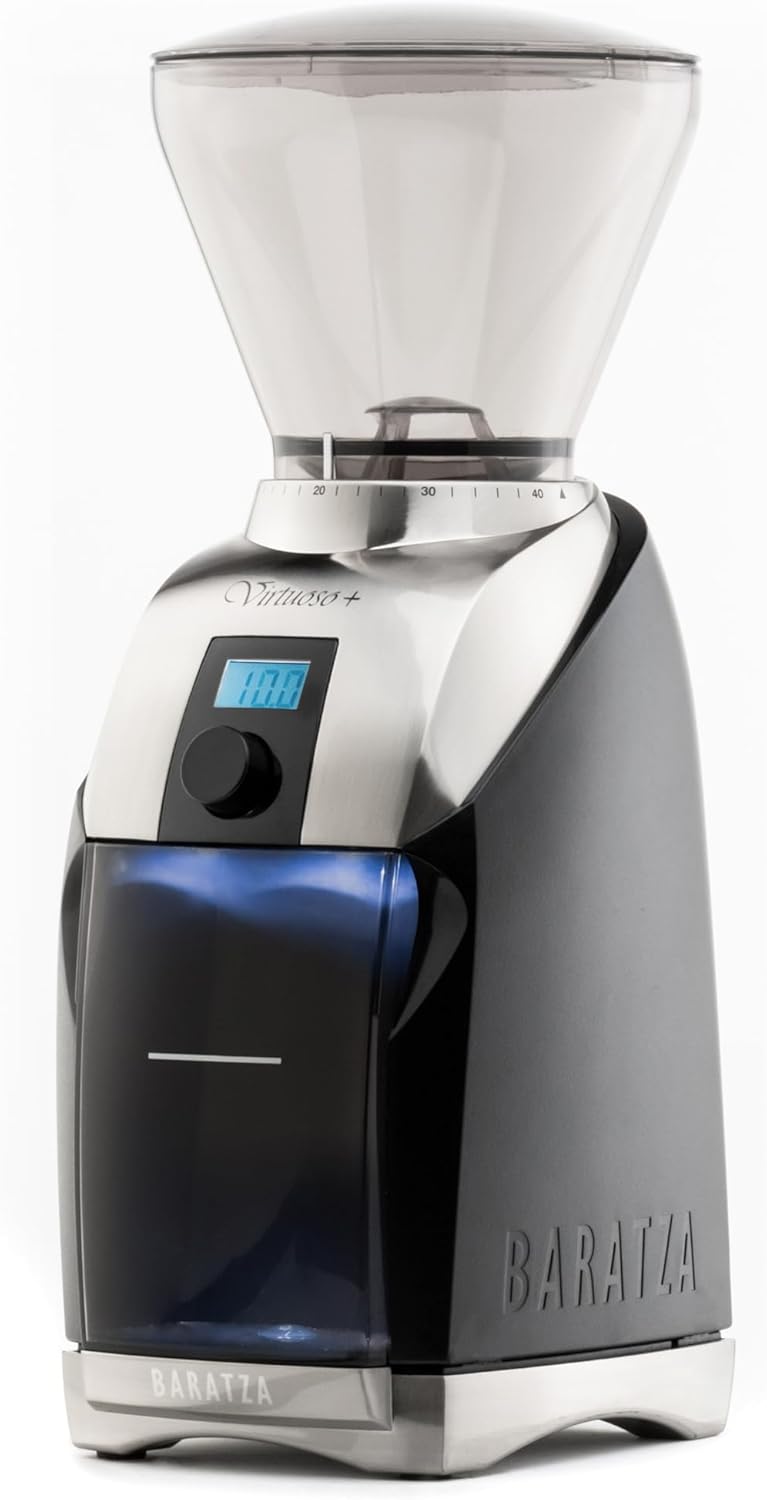
| Capacity | 230 g |
|---|---|
| Wattage | 70 watts |
| Voltage | 230 volts |
The Baratza Virtuoso+ is a countertop conical-burr grinder built for home enthusiasts who want reliable, repeatable performance for methods from espresso to French press. It uses commercial-grade hardened steel burrs and a DC motor to deliver consistent particle size across 40 grind settings, and a 40-second digital timer lets you dose to a tenth of a second for repeatable shots or full-steep brews. The backlit grounds bin and sculpted metal housing make it easy to use and visually tidy on a counter. Practical benefits include straightforward operation, durable burrs that hold sharpness, and precise timed dosing that removes guesswork when switching between brew methods. Limitations are its single-dosing hopper capacity suitable for household use rather than large batches and a focus on timed dosing rather than weight-based dosing, which some precision users prefer. For a reliability-first home grinder, it balances durability and user-friendly controls without unnecessary complexity.
Best for: Buyers who prioritize a durable, consistent home grinder that reliably switches between espresso and coarse brew methods and value simple, repeatable dosing.
Less Ideal for: Users who need large-batch commercial grinding or who require built-in weight-based dosing for absolute precision should look elsewhere.
- Commercial-grade conical steel burrs for consistent grind distribution
- 40 grind settings covering espresso through French press
- Precise digital timer adjustable to a tenth of a second for repeatable dosing
- Sturdy metal top and base for long-term durability
- Timed dosing rather than integrated weight-based dosing
- Capacity sized for household rather than commercial batch grinding
Verdict: Choose the Virtuoso+ if you want a durable, no-nonsense home grinder that reliably delivers consistent grinds across espresso and French press.
Cuisinart Supreme Grind DBM-8P1

| Wattage | 500 |
|---|---|
| Voltage | 110 volts |
| Capacity | 0.23 kg |
The Cuisinart Supreme Grind DBM-8P1 is a straightforward home burr grinder designed to cover the full range from ultra-fine to extra-coarse with an 18-position selector. It grinds directly into a removable chamber that holds grounds for roughly 4 to 18 cups, and an internal timer with a one-touch power bar stops the motor automatically, which makes single-button use simple. The removable 8 oz bean hopper and detachable grind chamber make loading and cleaning easier than fixed designs, and cord storage plus a cleaning brush help keep the counter tidy. The flat burr design and 18 grind settings let you tune for drip, French press, and finer espresso-like grinds, though very fine, consistent espresso dosing may still lag behind higher-end conical burr machines. The motor and sturdy stainless steel housing feel durable for everyday home use, but this model is focused on convenience and range more than café-level precision.
Best for: Buyers who want a reliable, easy-to-use home burr grinder that handles everything from French press to fine filter grinds and prioritizes convenience and consistent everyday results backed by many user reviews.
Less Ideal for: Specialists seeking café-grade espresso consistency and micrometric dosing should consider a higher-end grinder with stepless adjustments and weight-based dosing instead.
- 18 grind settings cover ultra-fine to extra-coarse for many brew methods
- Removable 8 oz hopper and grind chamber make loading and cleaning easy
- One-touch power with internal timer provides simple, repeatable operation
- Stainless steel construction and cord storage improve durability and countertop tidiness
- Flat burrs and timer-based dosing are less precise for espresso-level micro-adjustments
Verdict: A practical, user-friendly flat-burr grinder that delivers flexible grind ranges and easy cleanup, making it a dependable choice for home brewers focusing on French press and general-purpose brewing.
OXO Brew Conical Burr Grinder

| Capacity | 12 ounces |
|---|---|
| Burr type | Stainless steel conical |
| Grind settings | 15 plus micro-adjustments |
| Voltage | 120 volts |
The OXO Brew Conical Burr Grinder is a straightforward electric grinder built to deliver consistent, uniform grounds for everything from fine espresso to coarse French press. It uses 40 mm stainless steel conical burrs and offers 15 main grind settings with additional micro-adjustments so you can dial in grind size precisely, and the one-touch start remembers your last setting for repeatable results. The 12 ounce removable hopper with UV tint holds a large batch of beans for multi-cup brewing, and the DC motor is designed to run smoothly with low vibration and less heat transfer to preserve flavor. Practical touches like the timing dial and a quieter motor make it a good fit for daily home use. It is not a compact travel or single-dose grinder and the machine's footprint and bean capacity are aimed at home brewers rather than minimalists, so those needing a tiny or ultra-portable option should look elsewhere.
Best for: Buyers who want a reliable, easy-to-use home grinder that delivers consistent results for both espresso and coarser brew methods and who value repeatable settings and a quieter motor.
Less Ideal for: People looking for a portable, single-dose grinder or a minimalist countertop footprint should consider smaller manual or compact electric models instead.
- 40 mm stainless steel conical burrs produce uniform grounds for even extraction
- 15 grind settings plus micro-adjustments let you dial espresso through French press
- One-touch timer that remembers the last setting for repeatable morning routines
- Large 12 oz removable UV-tinted hopper stores more beans and protects from light
- DC motor engineered for low vibration and quieter operation
- Not compact for single-dose or travel use
- Larger footprint and capacity may be excessive for solo drinkers
Verdict: A dependable home conical burr grinder that makes it easy to get consistent espresso and French press grinds with repeatable one-touch settings.
Choosing the Right Coffee Grinder for French Press and Espresso: Key Factors to Consider
Grind Range and Adjustment Precision
A grinder must cover a wide spectrum of particle sizes to serve both French press and espresso. French press requires coarse, even particles to avoid overextraction and excessive fines, while espresso needs very fine, uniform grounds to build pressure and extract flavor correctly.
Adjustment precision matters because small changes at the fine end significantly affect espresso shot timing and taste. Look for stepless or fine-indexed stepped adjustment systems and clear indicators so you can dial in the appropriate range without guesswork.
Burr Type and Size
Conical and flat burrs both can produce high-quality results, but they behave differently. Larger burrs often retain heat less and can grind faster, which helps with dose consistency and reduces stall on fine settings used for espresso.
Material and finish also matter. Hardened steel or ceramic burrs wear at different rates and influence flavor neutrality. Consider the ease of replacement and the expected lifespan when evaluating long-term ownership costs.
Particle Consistency and Fines Control
Evenness of particle size has a direct impact on extraction. For espresso, too many fines speed up extraction and create channeling; for French press, excessive fines lead to a gritty, cloudy cup. A grinder that minimizes fines while producing a tight distribution gives you more predictable results across brew methods.
Testing consistency typically involves looking at extraction yield and shot timing for espresso or clarity and mouthfeel for French press. Practical buyers should favor grinders with documented or demonstrated even distributions rather than relying on marketing claims.
Dose Stability and Hopper Capacity
Stable dosing keeps your recipe repeatable. Consistent output per dose reduces the need to weigh every extraction and makes everyday brewing faster. Consider whether the grinder offers timed dosing, weight-based dosing, or manual dose control depending on how precise you want to be.
Hopper size matters when you brew frequently or roast beans at home. A larger hopper reduces refill frequency but may increase retention. Also evaluate whether the grinder lets you lock in small doses accurately for single-shot espresso without wasting beans.
Ease of Cleaning and Maintenance
Routine cleaning preserves flavor and prevents buildup that changes grind performance. Check how easily the hopper and burrs can be removed, whether the burr chamber is accessible, and if there are crevices that trap grounds. Grinders that disassemble without tools are simpler to maintain.
Maintenance also includes replacement parts and the ability to calibrate or realign the burrs if they drift. Buyers should prefer designs that make periodic cleaning straightforward to retain consistent results for both brew styles.
Build Quality and Long-Term Reliability
Solid construction reduces vibration, which improves grind consistency. Metal gears, sturdy housings, and reliable motors translate to fewer mechanical issues under regular use. Consider the expected daily workload and whether the grinder is designed for occasional home use or heavier daily routines.
Also evaluate warranty coverage and serviceability. A grinder that is easy to repair and has available parts will often be a better long-term investment than an otherwise similar but sealed, non-serviceable unit.
Manual Vs. Electric Grinders: Which Fits Your Routine
Manual and electric grinders each have tradeoffs for someone who wants both French press and espresso. Manual grinders are typically more affordable, portable, and quieter, but achieving the ultra-fine, consistent grind required for espresso can be more labor intensive and slower. Electric grinders offer speed and repeatability but vary widely in how well they handle the coarse-to-fine spectrum.
Think about how often you pull shots versus making immersion brews. If you prepare espresso daily and need precise dosing, an electric grinder with stable adjustment and low retention will save time and improve consistency. If you prioritize portability or occasional espresso and value minimal noise, a high-quality manual grinder may suffice.
- Manual: quieter, portable, requires physical effort and careful adjustment
- Electric: faster, more repeatable, available in wider grind-range designs
How Grind Retention Affects Workflow
Grind retention is the amount of ground coffee left inside the grinder after dosing. High retention can cause stale grounds to mix with fresh doses, altering cup taste and making repeatable dosing harder. It is especially problematic when swapping between very coarse and very fine settings because residual fines can carry over to coarser settings.
Look for designs that minimize retention through clear pathing from hopper to portafilter or catch trays. Some grinders offer purge functions or removable catch bins to clear retained grounds quickly, which helps when alternating between French press and espresso in the same session.
- High retention can contaminate subsequent doses
- Low-retention designs improve flavor consistency when switching grind sizes
- Removable catch trays and purge features simplify cleaning
Practical Dialing-In Tips for Two Brew Methods
When dialing a grinder for espresso and French press, start by establishing two baseline settings: one in the coarse range for the French press and one in the fine range for espresso. Note the setting numbers or marks so you can return to them reliably. For espresso, make small incremental adjustments and measure shot time and taste. For French press, evaluate clarity and mouthfeel and adjust coarseness to reduce fines and overextraction.
Keep a simple log of settings, dose, and extraction results. If your grinder is stepless, record the number of quarter-turns from a reference point. For stepped grinders, note the step index. This habit shortens the dialing process and makes back-and-forth switching less guesswork.
- Record two reference settings for quick switching
- Make small adjustments on fine settings and larger moves on coarse settings
- Use consistent dose and tamping routines for reliable comparison
Maintenance Checklist to Preserve Grind Performance
Set a regular cleaning schedule based on use. For daily users, quick weekly cleaning of the hopper and exterior plus monthly burr access cleaning is a practical starting point. More frequent cleaning is wise if you switch beans often or use oily beans that leave residue.
Inspect burrs periodically for wear patterns and replace them when you notice a decline in consistency or increased extraction variability. Also check the burr alignment and mounting hardware to ensure they remain tight and true.
- Weekly: wipe hopper and exterior, remove loose grounds
- Monthly: clean burr chamber and dislodge trapped fines
- Annually or as needed: inspect and replace worn burrs
Accessories and Add-Ons That Improve Daily Use
Certain accessories can make a grinder more useful for switching between French press and espresso. A precision dosing cup or portafilter holder improves transfer and reduces loss, while a tamper mat or distribution tool helps maintain consistent workflow for espresso shots. Anti-static brushes and small vacuum tools assist with cleanup.
Consider accessories that reduce retention or make cleaning easier, such as removable catch bins, purging accessories, or dedicated cleaning tablets formulated for grinders. These items can significantly reduce downtime and keep grind quality stable over time.
- Portafilter holders and dosing cups reduce waste
- Anti-static tools help control fines and mess
- Replacement burr kits extend life and restore performance
How We Chose the Best Coffee Grinder for French Press and Espresso
We focused on factors that directly affect brewing quality for both French press and espresso. Primary evaluation criteria included grind range and adjustment accuracy, because a grinder that cannot reliably produce both coarse and fine settings cannot serve both brew methods. We also prioritized particle-size consistency across settings, since uneven grinds cause uneven extraction in espresso and sludgy cups in French press. Dose stability and hopper-to-portafilter transfer were included to reflect real-world workflow for daily use. Ease of cleaning and maintenance was another filter, because burr access and removable parts determine how easy it is to keep a grinder performing well over time. Durability and build materials rounded out the core criteria to estimate long-term reliability under regular use. We excluded consumer grinders with limited adjustment ranges, blade grinders, and units lacking accessible burrs or clear dosing controls. Models that require proprietary consumables or are designed only for single-cup pods were also excluded. The result is a list that favors usable settings, consistent particle distribution, and practical design choices for home brewing.
Our full evaluation process is outlined in our review methodology.
FAQ
Can one grinder really handle both French press and espresso?
Yes, many grinders offer a wide enough grind range and precise adjustment to cover both methods. The key is grind distribution and a reliable adjustment mechanism. Some entry-level grinders lack the fineness or consistency required for espresso, so choose one specified for both coarse and fine settings.
How often should I replace burrs on a home grinder?
Burr lifespan depends on material, usage, and bean type. With regular home use, steel burrs often last several years before noticeable decline, while ceramic burrs can last longer but may chip if mishandled. Monitor extraction consistency and increase in fines as signals that replacement is due.
Is a stepless or stepped adjustment better for switching brew methods?
Stepless systems offer microadjustments that can be helpful dialing in espresso, while stepped systems provide repeatable reference points that make switching between French press and espresso quick. The best choice depends on whether you prioritize microtuning or fast, repeatable settings.
How much grind retention is acceptable?
Lower retention is generally better, especially when switching grind sizes. Small amounts of retention are common and acceptable, but if leftover grounds significantly affect the next dose or flavor, look for designs with purge functions or removable catch trays to clear retained coffee.
Will oily beans damage my grinder?
Oily beans can increase buildup and require more frequent cleaning, and they may accelerate wear on burrs in some designs. Regular cleaning and occasional disassembly will mitigate issues. If you use oily beans often, choose a grinder with accessible burrs and straightforward maintenance procedures.
Final Verdict
When choosing a coffee grinder for French press and espresso, prioritize a wide, reliable grind range and consistent particle distribution. Dose stability, low retention, and ease of cleaning will determine how comfortably you can switch between immersion and pressurized brewing in daily practice. Balance the need for fine microadjustments for espresso against the convenience of repeatable settings for quick switching. Focus on build quality and serviceability to ensure the grinder remains accurate over time. With those priorities, you can select a versatile grinder that delivers satisfying results for both brew styles.