
Note: This article contains affiliate links. If you click on these links and make a purchase, we may earn a small commission at no extra cost to you. This helps support our research and content. Read our full affiliate disclosure here.
A countertop water dispenser makes it simple to get chilled or room-temperature water without a dedicated plumbing hookup. The right dispenser saves time, reduces trips to the sink, and helps you keep filtered water within easy reach for cooking and drinking. This guide spotlights six shortlisted countertop water dispensers that stood out for reliability, filtration performance, and user convenience. We'll summarize practical strengths and trade-offs so you can pick a model that fits your kitchen layout, daily usage, and maintenance preferences.
Top Picks at a Glance
| Best Overall The best all-around choice for most situations | Bluevua ROPOT-UV Countertop RO |  |
| Best Quality Built to a higher standard if you want something more solid | Big Berkey 2.25-Gallon Water Filter |  |
| Best Value The sweet spot between price and what you get | Avalon B8WHT Countertop Water Cooler |  |
| Best Budget The cheapest option that still gets the job done reliably | PUR 30-Cup Water Filter Dispenser |  |
| Top Rated A top-rated pick with lots of positive feedback | Purcooflow P3 Countertop RO |  |
| Best Seller A high-volume bestseller chosen again and again | DREO RO Countertop Water Filter WF112 | 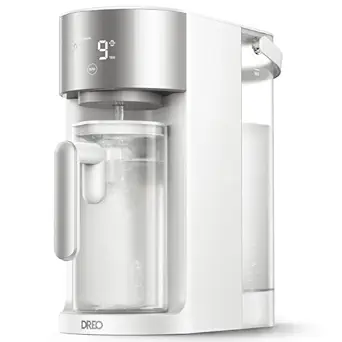 |
Bluevua ROPOT-UV Countertop RO

| Purification Method | Reverse Osmosis |
|---|---|
| Other Special Features of the Product | Built In TDS Meter, Portable, Reduce TDS |
| Power Source | Corded Electric |
| Supported Water TDS Level Maximum (PPM) | 500 |
| Filter Life Cycle | 12 months |
The Bluevua ROPOT-UV is a plug-in countertop RO system designed to deliver bottled-quality water without plumbing. It uses a six-stage filtration train including a 0.0001 μm RO membrane, UV light, and a remineralization stage, and shows pre/post TDS on an LCD so you can track water quality. Setup is simply placing the unit on a counter, filling the reservoir, and plugging it in, and the included borosilicate glass carafe reduces plastic contact. Practical perks include a self-cleaning mode, power-saving standby, and a filter life monitor that reports when to replace cartridges. The unit claims a 2:1 pure-to-drain ratio, which helps reduce wasted water compared with many RO systems, but countertop RO still uses more water than simple carbon pitchers. Filter replacements run on a 12 to 24 month cycle depending on usage, and the system requires electricity for UV and pump operation, so it is not suitable for off-grid situations. For buyers wanting an all-in-one, no-plumb RO dispenser with visible water-quality feedback, this is a strong countertop choice.
Best for: Buyers who want a turnkey countertop RO dispenser that gives visible water-quality feedback and bottled-quality taste without any plumbing or complex installation.
Less Ideal for: People who need an off-grid or purely passive filter, or who prioritize the lowest possible water waste over RO-level purification.
- Complete 6-stage filtration including RO membrane, UV sterilization, and remineralization for both contaminant removal and improved taste
- Built-in TDS meter and LCD display for pre/post water-quality feedback and filter life monitoring
- Borosilicate glass carafe reduces plastic contact and looks more premium than plastic pitchers
- Countertop plug-in design requires no plumbing or installation and includes self-cleaning and power-saving modes
- Claims a 2:1 pure-to-drain ratio to conserve more water than many RO units
- Requires electricity to run UV and pump so it will not operate during power outages
- Countertop RO still produces wastewater and is less water-efficient than non-RO filters
- Replacement filters are periodic consumables with a 12–24 month lifecycle depending on use
Verdict: If you want a no-install countertop RO that shows TDS readings and delivers remineralized, UV-protected water without plumbing, the ROPOT-UV is a practical, all-in-one choice.
Big Berkey 2.25-Gallon Water Filter

| Capacity | 8.5 liters |
|---|---|
| Purification Method | Black Berkey proprietary media |
| Power Source | Gravity |
| Maximum Flow Rate | 0.03 gpm |
| Material Type | AISI 304 Stainless Steel |
The Big Berkey 2.25-gallon system is a countertop gravity-fed filter built from polished AISI 304 stainless steel that turns tap or fresh surface water into drinkable water without power or plumbing. You fill the top chamber, water passes through two Black Berkey BB9-2 elements that are independently tested to reduce 200+ contaminants, and filtered water collects in the lower chamber for dispensing via the spigot. It is sized for small to medium households and is portable enough for travel or temporary setups. Notable practical benefits include long element life—each pair is rated up to 6,000 gallons—simple assembly and maintenance, and no ongoing electricity costs. The flow rate is deliberately slow (0.03 gpm), which yields thorough filtration but means you should plan for advance filling rather than expecting instant high-volume dispensing. The system can be expanded with extra elements or optional fluoride/arsenic PF-2 filters if you want additional reduction capability. Because it is a countertop gravity unit, it is best for drinking and cooking water rather than high-demand whole-house or instantaneous-fill applications.
Best for: Buyers who prioritize contaminant reduction and long-lasting, low-running-cost filtration for drinking and cooking water and who are willing to accept slower filtration in exchange for thorough removal.
Less Ideal for: Users who need rapid, high-volume dispensing or an inline/whole-house solution should look at powered or plumbed filtration systems instead.
- Stainless steel construction for durability and no plastic taste.
- Black Berkey BB9-2 elements tested to reduce over 200 common contaminants.
- No electricity, tools, or plumbing required for installation or operation.
- Long filter life rated up to 6,000 gallons per pair, keeping operating cost low.
- Very slow maximum flow rate, so refilling takes time.
- Not intended for whole-house use or high-volume instantaneous dispensing.
Verdict: Choose the Big Berkey when you want a durable, power-free countertop filter that prioritizes broad contaminant reduction and very low operating cost.
Avalon B8WHT Countertop Water Cooler

| Wattage | 520 watts |
|---|---|
| Installation Type | Under Sink |
| Number of settings | 2 |
| Upper Temperature Rating | 185 °F |
| Capacity | 1500 gallons |
The Avalon B8WHT is a bottleless countertop water cooler that connects to a tap and delivers hot and cold water through separate spouts. It includes a full under-sink installation kit and dual-stage filters (sediment plus carbon block) rated for about 1,500 gallons or six months, so you get filtered tap water without buying bottles. The unit provides a child-safe hot spout, a nightlight to locate the taps, and a replace-filter indicator for maintenance reminders. Typical use is in small offices, kitchens, or break rooms where space is limited and users want both hot drinks and chilled water on demand. Practical benefits include lower recurring cost than bottled systems, included fittings that simplify hookup, and NSF-certified components for basic water quality assurance. Trade-offs are the need to install under-sink connections and occasional filter changes, and the cooler is plastic-bodied which may feel less premium than metal models but keeps weight and cost down.
Best for: Buyers who want a compact, lower-cost alternative to bottled coolers that delivers both hot and cold water and value an included installation kit and filter system.
Less Ideal for: People who need a freestanding, no-plumbing-required solution or who prefer premium metal construction and heavier-duty commercial units.
- Bottleless hookup cuts bottled-water costs and waste
- Dual-stage sediment and carbon block filtration included
- Full installation kit provided for under-sink connection
- Separate hot and cold spouts with child safety lock on hot
- Replace-filter indicator and nightlight for convenience
- Requires under-sink plumbing hookup and basic DIY or plumber skills
- Plastic exterior may feel less durable compared with metal-bodied coolers
Verdict: A practical countertop bottleless cooler for buyers who want hot and cold filtered tap water with an included installation kit to minimize setup hassle.
PUR 30-Cup Water Filter Dispenser

| Capacity | 7.09 liters |
|---|---|
| Filter Life Cycle | 2 months / 40 gallons |
| Purification Method | Ion Exchange |
| Supported Water TDS Level Maximum (PPM) | 500 |
The PUR 30-Cup Water Filter Dispenser is a slim countertop pitcher-style dispenser designed to store and filter a large volume of drinking water for families or shared kitchens. It uses a Genuine PUR dispenser filter certified to last up to 40 gallons or about two months and employs ion-exchange and activated filtration to reduce chlorine, mercury, copper, zinc and other substances that cause taste and odor. The dispenser has a pull-down spout so you can pour while it filters, a carrying handle for refilling, LockFit to secure the filter, and many parts are dishwasher safe for easy cleanup. Its 30-cup capacity lets you keep ready-to-drink filtered water in the fridge and cuts down on bottled water waste and cost. Limitations include a manual refill process so it does not attach to a faucet and the filter requires periodic replacement roughly every two months depending on use and water quality.
Best for: Buyers who want a low-cost way to keep a steady supply of better-tasting, filtered drinking water in the fridge and prioritize reducing bottled water expenses and waste.
Less Ideal for: Those seeking a plumbed or hands-free filtration system or households that prefer longer-lasting filters between changes should look elsewhere.
- Large 30-cup capacity stores chilled filtered water for households
- Genuine PUR filter certified to reduce multiple contaminants including chlorine and heavy metals
- Slim, fridge-friendly design with a pull-down spout and carrying handle for easy use
- Dishwasher-safe components simplify cleaning
- Requires regular filter replacements approximately every two months
- Does not connect to a faucet or plumbing for automated refill
Verdict: Choose this dispenser if you want an affordable, fridge-friendly way to store and pour filtered water while cutting bottled water costs.
Purcooflow P3 Countertop RO

| Purification Method | Reverse Osmosis |
|---|---|
| Power Source | Corded Electric |
| Filter Life Cycle | 6 months |
| Supported Water TDS Level Maximum (PPM) | 500 |
| Pure to Drain Ratio | 3.5:1 |
The Purcooflow P3 is a plug-and-play countertop RO system designed to give near–bottled-water quality without under-sink installation. You fill the 3.6 L feed tank, set it on the base, and the unit auto-fills the included 1.4 L pitcher with filtered water while stopping automatically when full. Its 4-in-2 dual carbon and RO composite filtration offers a 5-stage effect that polishes taste and removes contaminants, and SGS-verified performance and a 3.5:1 pure-to-drain ratio keep water waste lower than many RO units. Practical touches include a smart filter-life indicator and twist-and-pull cartridges for tool-free replacement. Because it is countertop and corded, it is easy to move between kitchens, offices, or RVs, but it does require periodic filter changes every six months and needs municipal water (TDS <500 ppm) for best results. The plastic construction is lightweight but means it is not as robust as heavier under-sink systems. For buyers who want high-quality RO water with minimal fuss, this system delivers consistent purification in a compact package.
Best for: Buyers who prioritize dependable, lab-verified purification and want true RO-quality water without installing plumbing, ideal for renters, offices, or anyone who needs a portable countertop solution.
Less Ideal for: People who need a heavy-duty, permanently installed under-sink system or those using untreated well water without a prefilter should look elsewhere.
- Plug-and-play countertop design requires no plumbing or tools
- SGS-verified RO filtration and activated carbon polishing for broad contaminant removal
- Auto-fill and automatic shutoff simplify hands-off daily use
- Efficient 3.5:1 pure-to-drain ratio reduces wastewater compared with typical RO systems
- Twist-and-pull filter cartridges and a smart indicator make maintenance straightforward
- Made primarily of plastic which may feel less durable than under-sink metal units
- Requires municipal water with TDS below 500 ppm and is not suited for untreated well water without prefiltration
- Filters need replacement about every six months, adding recurring maintenance
Verdict: If you want certified RO-quality water on a countertop with no plumbing required, the Purcooflow P3 provides reliable, low-waste purification in a compact, easy-to-maintain package.
DREO RO Countertop Water Filter WF112

| Purification Method | Reverse Osmosis |
|---|---|
| Capacity | 3 liters |
| Pure to Drain Rate | 3:1 |
| Included Components | Body, 1 RO Filter, Auto-fill Pitcher |
The DREO WF112 is a plug-and-play countertop reverse osmosis system designed to deliver low-TDS drinking water for small households. It uses a 7-stage RO filter with a 3:1 pure-to-drain ratio and reports filter life and TDS readings on a touch control panel so you can verify water quality in real time. Setup is installation-free and the included auto-fill 1.1L pitcher refills automatically, while an internal self-cleaning flush helps limit biofilm and keep lines clear. The system is compact enough for a kitchen counter or office and comes with one replaceable RO cartridge rated for about 265 gallons (1000 L). Practical benefits are clear monitoring, easy filter swaps with a twist-in filter, and reduced plastic bottle use thanks to steady on-demand filtered water. Limitations to expect are the modest 3L tank size for more than two users, and the 3:1 waste ratio typical of countertop RO units which still wastes some water compared with zero-waste systems. For buyers who prioritize verified purity and low maintenance in a small footprint, this unit covers the essentials well.
Best for: Buyers who want a low-hassle countertop RO that provides verifiable purity with easy maintenance and compact placement for one to two people.
Less Ideal for: Large households or users who need high daily output or want a system with minimal wastewater should look at larger or plumbed-in alternatives.
- Built-in TDS meter and filter-life indicator for real-time water quality checks.
- Auto-fill pitcher and touch controls make daily use hands-free and simple.
- Self-cleaning flush reduces internal buildup and simplifies maintenance.
- Compact countertop design fits small kitchens, offices, or bedrooms.
- 3-liter tank capacity may be small for families or heavy daily use.
- 3:1 pure-to-drain ratio produces some wastewater typical of RO systems.
Verdict: Choose the DREO WF112 if you want a compact, installation-free countertop RO that gives real-time TDS monitoring and easy, low-effort maintenance.
Choosing the Right Countertop Water Dispenser: Key Factors to Consider
Dispensing Speed and Temperature Control
How quickly a dispenser delivers water and how reliably it hits desired temperatures affects daily convenience. Faster flow rates reduce waiting times when filling bottles and pots, while consistent cold and hot settings are important if you plan to use the unit for beverages or instant foods.
Thermostatic stability and separate hot/cold circuits are useful features to look for because they maintain set temperatures during repeated use. Also consider whether the dispenser has adjustable flow settings or a child safety interlock for hot water to prevent accidental scalding.
Filtration Type and Effectiveness
The filtration system determines the water quality you get from the dispenser. Common options include carbon block filters for taste and chlorine removal, mechanical sediment filters for particulate removal, and composite cartridges that combine stages. Verify the contaminants addressed by the filter and whether the filter's rated capacity matches your household usage.
Filter availability and replacement frequency matter too. A highly effective filter that is hard to source or expensive to replace can become an ongoing hassle. Look for easily accessible filter bays and clear replacement indicators to simplify upkeep.
Maintenance and Cleaning Requirements
Regular cleaning prevents biofilm and mineral buildup that can impact taste and hygiene. Consider how the unit disassembles for access to the reservoir, spout, and drip tray. Removable parts that are dishwasher-safe or wipe-clean surfaces reduce chore time.
Also check for built-in alerts for filter change and descaling routines for models with heating elements. Units with fewer complex parts typically require less frequent professional servicing, which lowers long-term ownership effort.
Countertop Footprint and Placement Flexibility
Available counter space often determines which dispenser will work in your kitchen. Measure both the width and depth you can spare, and account for clearance above the unit if the dispenser has a tall reservoir or lid that must open for refilling.
Placement flexibility also depends on cord length and whether the dispenser needs a dedicated outlet for cooling or heating. Portable, plug-in units are more flexible than hardwired systems and easier to move when you reconfigure the kitchen.
Noise and Energy Use
Dispensers with active cooling or heating components can produce noise and consume noticeable electricity. If the unit will sit near common living areas or an open kitchen, quieter operation matters. Look for energy-efficient compressors or insulation and standby modes to reduce daily power draw.
For households that use chilled water frequently, consider insulated reservoirs that maintain cold temperatures without continuous compressor use. Energy consumption specs and user-reported noise levels help set expectations.
Materials, Durability, and Safety
Materials touching potable water should be food-safe and resistant to corrosion. Stainless steel and BPA-free plastics are common choices. Durable construction around fittings and valves reduces leaks and service visits.
Examine warranty length and the ease of sourcing replacement parts like valves, trays, or connectors. Units designed with fewer proprietary consumables typically offer longer useful life and simpler upkeeping.
Installation and Setup Tips
Most countertop water dispensers are plug-and-play but still benefit from a deliberate setup. Choose a level, stable surface near a grounded outlet and leave space behind the unit for ventilation if it includes active cooling or heating.
Before first use, flush the system according to the manufacturer directions to clear packaging residues and activate the filter media. Keep the user manual accessible for initial priming steps and for locating the filter replacement schedule.
- Position near a sink if you plan to drain or clean frequently.
- Allow clearance above the reservoir lid for easy refilling.
- Check cord length and avoid extension cords where possible.
Refilling Strategies and Water Source Options
Countertop dispensers accept various water sources depending on design. Some use replaceable bottles, others accept jugs or direct-fill reservoirs. Choose the approach that matches how you access drinking water at home.
If you refill from the tap, consider pre-filtering if your local supply has high sediment levels. For households that prefer bottled or jug refills, keep the storage and handling area clean to avoid contaminating the reservoir.
- Direct-fill reservoirs are convenient but need careful lid hygiene.
- Bottled input minimizes contact with tap contaminants but requires lifting and swapping.
- Use food-safe funnels or racks when pouring large volumes to reduce spills.
Cleaning and Sanitizing Best Practices
Routine cleaning keeps water tasting fresh and prevents bacterial growth. Wipe external surfaces weekly and empty and rinse the drip tray as needed. Clean reservoirs and internal surfaces every 1 to 3 months depending on use and water quality.
Sanitize with a mild bleach solution or manufacturer-recommended cleaner, then rinse thoroughly to remove residues. Pay attention to spouts and any push-button valves where biofilm can form.
- Use soft brushes to reach corners without scratching interior surfaces.
- Replace seals and gaskets if they show wear during cleaning.
- Document cleaning dates to maintain a regular schedule.
Managing Hot Water Safety
If your dispenser provides hot water, hot-safety features matter. Look for models with a child safety lock for hot dispensing and insulated exterior surfaces to prevent accidental burns. Educate household members about safe operation, especially where children or older adults are present.
When using hot water for beverages, allow a brief pause after dispensing to avoid splatter. Regular maintenance of heating elements reduces scale buildup that can impair temperature control and safety mechanisms.
- Enable hot-lock features when not using hot water frequently.
- Place the unit away from the edge of counters to avoid tipping when accessing hot water.
- Test safety interlocks periodically to ensure proper function.
When to Replace Filters and Parts
Filter life depends on water quality and usage volume. Follow the manufacturer's recommended replacement interval as a baseline and monitor taste, flow rate, and any visible discoloration to decide if replacement is needed sooner.
In addition to filters, replace gaskets, seals, and aerators at the first sign of wear. Keeping spare parts on hand reduces downtime and helps maintain sanitary operation.
- Keep a log of installation dates for filters to track service intervals.
- If flow rate drops noticeably, check the filter and inlet for clogging before assuming a mechanical fault.
- Order replacement parts from reliable sources to ensure fit and safety.
How We Chose the Best Countertop Water Dispenser
We shortlisted countertop water dispensers using criteria that matter for everyday home use. Primary filters included dispensing performance, which covers flow rate and hot/cold delivery stability; filtration quality and compatibility with common filter types; build quality and materials that affect longevity and food safety; and maintenance burden, meaning how easy it is to change filters and clean the reservoir. We also considered footprint and installation simplicity to ensure units work well on typical kitchen counters, and energy efficiency for models with active cooling or heating. We excluded bulky, freestanding dispensers and systems that require permanent plumbing or professional installation. Models that rely on proprietary, hard-to-find consumables were downgraded. Overall, we focused on dispensers that balance consistent water output, solid filtration, low maintenance, and a compact countertop-friendly design.
Our full evaluation process is outlined in our review methodology.
FAQ
How often should I change the filter in a countertop water dispenser?
Filter replacement intervals vary by filter type and household usage but often range from 2 to 6 months. Heavier sediment or higher daily volume shortens lifespan, so monitor flow rate and taste as signals for earlier replacement.
Can I use tap water directly in a countertop dispenser?
Yes, most countertop dispensers accept tap water, but using pre-filtration may help if your water has high sediment or chlorine. Always follow the manufacturer's fill and flushing instructions to protect the internal filter and reservoir.
Are countertop water dispensers energy intensive?
Units with active cooling or heating use more energy than passive dispensers, but many include efficient compressors or standby modes. If energy use is a priority, choose models with good insulation and low-power standby features.
Is it difficult to clean a dispenser reservoir?
Cleaning is usually straightforward but depends on the design. Removable reservoirs and wide openings simplify access. For units with sealed reservoirs, follow the recommended sanitizing routine to prevent buildup.
Can countertop dispensers provide both hot and cold water?
Many countertop dispensers offer separate hot and cold outputs. Confirm the unit's temperature ranges and safety features for hot water, and factor in the increased maintenance for models with heating elements.
Final Verdict
Prioritize the dispensing and filtration characteristics that match how you will use the dispenser. If fast chilled water is most important, focus on flow rate and cooling efficiency. If water quality is the main concern, emphasize filtration performance and filter availability. Also weigh upkeep tasks, footprint, and hot-water safety when relevant. Balancing these tradeoffs will help you select a countertop water dispenser that meets daily needs without creating excessive maintenance. Choose the model that best aligns with your space, usage habits, and long-term convenience goals.