
Note: This article contains affiliate links. If you click on these links and make a purchase, we may earn a small commission at no extra cost to you. This helps support our research and content. Read our full affiliate disclosure here.
A hot-and-cold water dispenser makes daily hydration, beverage prep, and quick hot-water needs easier without juggling kettles or stovetop pots. Whether you want instant hot water for tea, cool drinking water for kids, or a single tap that does both, the right dispenser improves convenience, safety, and countertop organization. This guide shortlists the top options in the category and explains the features that matter most for home and small-office use. You will find clear evaluation criteria and practical buying considerations to help pick a dispenser that fits your space, usage patterns, and safety expectations. Read on for the top picks and what to look for next.
Top Picks at a Glance
| Best Overall The best all-around choice for most situations | Avalon A3 Bottom-Loading Water Cooler |  |
| Best Quality Built to a higher standard if you want something more solid | iSpring DS4-S Water Dispenser |  |
| Best Value The sweet spot between price and what you get | Frigidaire Top-Load Water Dispenser EFWC498 |  |
| Best Budget The cheapest option that still gets the job done reliably | Ubnffsv Top-Loading Water Dispenser |  |
| Top Rated A top-rated pick with lots of positive feedback | Avalon A4 Bottom Loading Water Cooler |  |
| Most Popular A crowd favorite that many people choose with confidence | Brio Bottom Load Water Cooler | 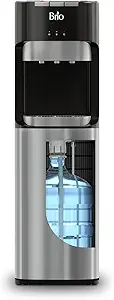 |
| Best Seller A high-volume bestseller chosen again and again | Brio 130 Series Top-Load Water Cooler |  |
Avalon A3 Bottom-Loading Water Cooler

| Wattage | 150 watts |
|---|---|
| Installation Type | Freestanding |
| Access Location | Bottom |
| Number of settings | 3 |
| Upper Temperature Rating | 185 °F |
The Avalon A3 is a freestanding, bottom-loading water dispenser built for everyday office or home use. It delivers three temperatures—cold (about 47°F), room, and very hot (around 185°F)—through simple push-button spouts, and includes a child-safety lock on the hot tap. The unit's stainless steel cabinet and an energy-efficient compressor keep cold water crisp while a built-in nightlight and removable drip tray make use and maintenance easier. Bottom loading hides the bottle and reduces lifting, and an empty-bottle indicator warns when replacement is needed. The self-cleaning ozone cycle helps limit bacterial buildup without manual scrubbing. Trade-offs include a fairly large footprint for tight spaces and the need to replace 3–5 gallon bottles rather than using a plumbed-in supply, and the unit is heavier than countertop alternatives which affects placement and moving it between locations.
Best for: Buyers who want a reliable, full-size hot-and-cold dispenser for shared spaces that balances convenience, hygiene, and strong hot and cold performance.
Less Ideal for: Those needing a compact countertop unit, a plumbed-in filtration system, or a lightweight portable dispenser should look elsewhere.
- Three temperature settings including very hot output for tea or instant meals
- Bottom-loading design reduces heavy lifting and keeps bottles out of sight
- Self-cleaning ozone feature helps sanitize internal lines
- Child safety lock on hot spout for family-safe use
- Removable drip tray and nightlight improve convenience
- Requires 3–5 gallon replaceable bottles rather than direct plumbing
- Relatively heavy and full-size footprint may not suit small counters
- No built-in filtration beyond ozone sanitizing
Verdict: Choose the Avalon A3 when you want a durable, bottom-loading hot-and-cold dispenser that combines strong temperature performance with self-cleaning convenience.
iSpring DS4-S Water Dispenser

| Model Number | DS4-S |
|---|---|
| Material Type | Stainless Steel |
| Included Components | Water dispenser, filters |
| Product Benefits | Removes sediments, chlorine, lead, mercury, PFAS |
The iSpring DS4-S is a bottleless water dispenser that delivers instant hot, cold, or room-temperature filtered water through a built-in 4-stage filtration array. It is typically plumbed to a water line using the included installation kit and tubing, then provides chilled water for drinking and hot water for tea or coffee on demand, with a child safety lock on the hot tap. The 4-stage filter stack (sediment, compound, carbon block, post carbon) targets sediments, chlorine, lead, mercury, PFAS and other common contaminants to improve taste and odor, and filter replacements are spaced across 3 to 12 month intervals depending on the stage. The stainless steel exterior gives a compact, professional look suitable for kitchens, living rooms, small offices, or dorms while the self-cleaning mention and straightforward maintenance make it low effort to keep running. Expect the strongest benefits where steady access to filtered hot and cold water is a priority; installation requires basic plumbing connections and replacement filters are an ongoing cost to maintain peak performance.
Best for: Buyers who prioritize reliable, on-demand filtered hot and cold water for frequent daily use and want a compact, performance-focused dispenser for home or small office.
Less Ideal for: People who need a truly portable or bottle-based solution or who prefer zero-plumb installation should consider other options.
- Built-in 4-stage filtration removes sediments, chlorine, lead, mercury, PFAS and improves taste
- Delivers instant hot, cold, and room-temperature water with a hot-water child safety lock
- Compact stainless steel cabinet fits small kitchens, offices, and dorms
- Includes a full installation kit with tubing and adapters for DIY plumbing hookup
- Requires a permanent water line connection and some basic plumbing for installation
- Replacement filters have staggered lifespans and add ongoing maintenance cost
Verdict: Choose the iSpring DS4-S if you want a compact, plumbed-in dispenser that reliably delivers filtered hot and cold water with a robust multi-stage filtration system.
Frigidaire Top-Load Water Dispenser EFWC498

| Wattage | 420 watts |
|---|---|
| Installation Type | Freestanding |
| Access Location | Top |
| Number of settings | 2 |
| Power Source | Corded Electric |
The Frigidaire EFWC498 is a slim top-loading dispenser designed for homes, offices, or dorms that need instant hot and cold water from standard 3- or 5-gallon bottles. It uses a compressor cooling system and a 420-watt heater (420W heating, 100W cooling noted in description) to deliver near-instant chilled and hot water through two separate spigots, with a child-lock on the hot tap for safety. The stainless steel weld tank and removable drip tray make maintenance straightforward, and the narrow freestanding design fits tight spaces while still showing indicator lights for power, cooling, and heating status. Expect simple push-button operation and basic two-temperature settings rather than precise temperature control or programmable features. Because it is top-load, bottle changes are visible and easy, but the unit does require space above for lifting bottles and a corded electric connection. For buyers who want a reliable, no-frills hot-and-cold dispenser with durable internal tank construction, this model delivers practical performance without extra smart features.
Best for: Buyers who prioritize straightforward, reliable hot-and-cold dispensing and durable construction for shared spaces like kitchens, offices, or dorms and who value easy maintenance over advanced controls.
Less Ideal for: People who need precise temperature control, programmable features, or a bottom-load design that hides heavy bottles from view should consider other options.
- Dispenses both hot and cold water with separate spigots for convenience
- Compressor cooling provides colder water than thermo-electric alternatives
- Stainless steel weld tank for durability and reduced overheating risk
- Child safety lock on hot spigot helps prevent accidental burns
- Removable drip tray and slim freestanding design simplify cleaning and placement
- Only two basic temperature settings without precise temperature control
- Top-loading design requires lifting bottles and room above the unit
Verdict: A compact, no-frills hot-and-cold dispenser built for dependable daily use and easy upkeep in shared or space-conscious settings.
Ubnffsv Top-Loading Water Dispenser

| Capacity | 1.2 gallons (bottle-compatible 1.2–5 gallons) |
|---|---|
| Upper Temperature Rating | 90 °C |
| Power Source | Electric |
| Material Type | Polypropylene (PP), Stainless Steel |
This compact top-loading water dispenser is designed for countertop use and lets you draw hot, warm, or cold water from standard 1.2–5 gallon bottles. It uses a small stainless steel inner tank for hot and cold storage, heats to about 90 C and cools to roughly 8–15 C, and will refresh a cooling tank in about 40–50 minutes while heating takes about 6–8 minutes. Typical use is simple: place a bottle on the top, choose temperature with a button, and dispense into a cup; the detachable drip tray and bottle seat make cleanup straightforward. Practical benefits include fast heat-up for tea or coffee, a modest chilled-water supply for a single user or small office, and a compact footprint for tight counters or dorm rooms. Limitations are the relatively small internal tanks built for short runs rather than serving large groups, and the cooling power is limited so repeatedly dispensing cold water will require waiting for the unit to recover.
Best for: Buyers seeking an inexpensive, space-saving dispenser that delivers immediate hot water and periodic cold water for one to a few people in dorms, small offices, or compact kitchens.
Less Ideal for: Large households or busy offices that need continuous high-volume hot or cold water should choose a higher-capacity or commercial-grade dispenser instead.
- Provides three temperature options: hot, warm, and cold for versatile drinks
- Compact countertop design fits small kitchens, dorms, and offices
- Inner tank made of 304 food-grade stainless steel for safer water contact
- Detachable drip tray and bottle seat simplify cleaning and maintenance
- Small hot and cold tank capacities limit continuous dispensing for multiple users
- Cooling takes up to 40–50 minutes to reach cold temperature after refilling
Verdict: A budget-friendly, compact countertop dispenser that delivers hot water on demand and occasional chilled water for singles or small spaces.
Avalon A4 Bottom Loading Water Cooler

| Wattage | 400 watts |
|---|---|
| Access Location | Bottom |
| Number of settings | 3 |
| Upper Temperature Rating | 85 °C |
| Lower Temperature Rating | 8.3 °C |
The Avalon A4 is a bottom-loading water dispenser designed for home or light office use and focuses on ease of use and durability. It holds standard 3–5 gallon bottles in a bottom compartment to avoid lifting, and manual push-button controls deliver three temperature options: hot, cold and room. The cabinet is stainless steel for a cleaner look and higher resistance to wear, and high-contact surfaces receive a BioGuard anti-microbial coating to help limit bacterial buildup. Practical touches include a nightlight for nighttime dispensing and an empty-bottle indicator so you know when to replace the jug. The unit runs on corded electric power and provides moderate heating and cooling power suitable for typical drinking needs. Expect straightforward operation and simple maintenance, but note this is a basic dispenser without advanced filters, digital controls, or built-in filtration, so users who want water purification or smart features will need separate solutions.
Best for: Buyers who prioritize a reliable, no-frills dispenser that is easy to service and minimizes handling of heavy bottles for homes or small offices.
Less Ideal for: Not a good choice for users who need integrated filtration, app control, or commercial-grade high-volume dispensing.
- Bottom-loading design reduces lifting and spills when swapping bottles
- Three temperatures (hot, cold, room) cover common beverage needs
- Stainless steel cabinet offers a durable, easy-to-clean exterior
- BioGuard anti-microbial treatment on high-contact areas reduces bacterial growth
- Nightlight and empty-bottle indicator add convenience for everyday use
- No built-in water filtration or purification system
- Controls are manual without advanced digital or smart features
Verdict: A sturdy, easy-to-use bottom-loading cooler that reliably delivers hot, cold, and room water for users who value durable simple performance.
Brio Bottom Load Water Cooler

| Wattage | 500 watts |
|---|---|
| Installation Type | Freestanding |
| Access Location | Bottom |
| Number of settings | 3 |
| Capacity | 5 gallons |
The Brio Bottom Load Water Cooler is a freestanding dispenser designed to eliminate lifting heavy bottles while giving on-demand hot, cold, and room-temperature water. It uses a bottom-loading cabinet that fits 3- or 5-gallon jugs, a stainless steel reservoir to help maintain water quality, and a two-step child-safety lock on the hot spout for safer hot pours. An LED display provides status information and the unit alerts when the bottle needs replacing, which simplifies upkeep in busy kitchens or offices. Practical benefits include immediate access to hot drinks and chilled water without a countertop hookup and a roomy interior that hides the bottle for a cleaner look. Important limitations are the unit size and weight that make it a permanent freestanding appliance and the need to source compatible 3- or 5-gallon bottles or refill service rather than plumbed-in filtration. The cooler is best where users want a tidy, no-lift solution for standard bottled water and reliable hot-and-cold performance.
Best for: Buyers who prioritize easy bottle changes, visible user feedback, and reliable hot-and-cold dispensing for shared spaces like small offices, kitchens, or break rooms will appreciate this model.
Less Ideal for: If you need a built-in or plumbed-in solution, a bottleless or undersink dispenser is a better choice than this freestanding bottle-based unit.
- Bottom-load design removes heavy lifting and makes bottle changes easier
- Three temperature settings provide hot, cold, and room-temperature water on demand
- Stainless steel reservoir helps preserve water taste and is food-grade 304 material
- Child-safety two-step lock reduces accidental hot-water dispensing
- LED display and empty-bottle alert simplify monitoring and maintenance
- Large and relatively heavy, so it is not intended for frequent relocation
- Requires 3- or 5-gallon bottles rather than a direct plumbed water line
Verdict: Choose the Brio bottom-load cooler when you want a no-lift, freestanding dispenser that reliably delivers hot, cold, and room-temperature water with easy maintenance feedback.
Brio 130 Series Top-Load Water Cooler

| Installation Type | Freestanding |
|---|---|
| Capacity | 5 gallons |
| Material Type | Stainless Steel |
| Flow Rate | 1.5 L/min |
The Brio 130 Series is a freestanding top-load water cooler built for simple, everyday use in kitchens, offices, or lounges. It accepts 3- and 5-gallon bottles and uses a no-spill collar to make bottle changes tidy while keeping the stainless steel reservoir protected. The cooler delivers both hot and cold water on demand with a fast 1.5 L/min flow rate and a two-step child safety lock for hot dispensing, plus bright LED indicators that show when temperatures are ready. Setup requires no tools or plumbing so it can be placed wherever you need bottled water access. Practical benefits include a durable polymer exterior, stainless steel internal parts for hygiene, and Energy Star 3.0 efficiency that helps limit power draw. Limitations to expect are the dependence on bottled water rather than a plumbed supply and the usual need to replace bottles, which adds ongoing cost and storage needs compared with tankless or plumbed models.
Best for: Buyers who want a low-risk, easy-to-use bottled water dispenser that works out of the box and prioritizes straightforward setup, safety, and reliable hot-and-cold performance.
Less Ideal for: People who prefer a plumbed-in or bottleless solution, or who cannot accommodate regular bottle deliveries and storage space.
- No-spill top-load collar for clean, easy bottle changes
- Delivers both hot and cold water with a 1.5 L/min flow rate
- Stainless steel reservoir and durable polymer body for longevity and hygiene
- Child safety two-step lock on the hot tap and LED readiness indicators
- Tool-free freestanding installation so no plumbing is required
- Requires replacement bottles so ongoing cost and storage are necessary
- Top-load design means you must lift and store heavy bottles during refills
Verdict: A dependable, user-friendly top-load cooler that delivers hot and cold water with simple setup and clean bottle changes, ideal for buyers who value ease and safety.
Choosing the Right Hot-and-Cold Water Dispenser: Key Factors to Consider
Temperature Control and Range
Precise temperature control matters because it determines how reliably the dispenser delivers safe hot water and pleasantly cool water for drinking. Look for separate hot and cold thermostats or clear digital controls that show set points. A unit that holds stable temperatures under frequent use reduces wait time and prevents scalding risks from unexpected spikes.
Temperature range also affects versatility. Higher maximum hot temperatures are useful for instant beverage prep, while lower cold set points and mild chilling options make the dispenser suitable for kids and general drinking. Consider how often you will use each temperature and whether the unit recovers quickly after multiple pours.
Flow Rate and Dispensing Convenience
Flow rate impacts how quickly you can fill mugs, bottles, or pitchers. A higher flow rate shortens wait times but may be harder to control when filling small cups. Check whether the dispenser offers adjustable flow, a push-button feed, or a continuous tap option.
Dispensing height and spout clearance determine what containers will fit beneath the faucet without awkward tilting. Removable drip trays and accessible nozzles simplify cleanup after spills and reduce the risk of standing water.
Safety and Child Protection
Hot water presents a scald risk, so dependable safety features are essential. Look for mechanical or electronic child locks on hot taps, guarded spouts that reduce accidental contact, and clear labeling of hot and cold outlets. Some units include two-step activation for hot dispensing to prevent accidental pours.
Safety considerations also extend to electrical protections such as grounded plugs and automatic shutoff in the event of overheating. If the dispenser will be used around children or in communal spaces, prioritize models with robust, easy-to-engage safety mechanisms.
Maintenance and Ease of Cleaning
Regular maintenance keeps water tasting fresh and prevents algae or mineral buildup. Choose dispensers with easy access to internal reservoirs and filters so you can replace cartridges and clean surfaces without special tools. Removable drip trays, wide fill openings, and tool-free panel removal reduce the time required for routine upkeep.
Also consider how filters are replaced and whether replacement is straightforward. Models that require frequent, difficult filter changes increase long-term hassle, while those with accessible filter housings and clear indicators for service simplify ownership.
Energy Use and Heat Retention
Because hot-and-cold dispensers often keep water hot continuously, energy consumption varies notably between models. Look for units that balance rapid hot recovery with good insulation to limit standby heat loss. Features such as programmable heating schedules, eco or standby modes, and efficient heating elements reduce running costs.
Also evaluate whether the dispenser vents heat or requires clearance. Higher-efficiency units may cost less to operate over time and are easier to place in confined kitchen spaces without overheating nearby surfaces.
Footprint and Installation Flexibility
Counter space is often limited, so the dispenser footprint and required clearance should match your intended location. Consider top-fill versus bottom-load designs, and measure height as well as width to ensure compatibility with overhanging cabinets or shelving. Some units need a dedicated water line or a nearby outlet; others are freestanding and only need manual refilling.
Installation flexibility also includes weight and ease of moving the unit for cleaning or seasonal storage. If you plan to transport the dispenser between rooms or offices, choose a lighter, self-contained model with easy refill access.
Installation Options and Placement Tips
Decide whether you want a freestanding top-fill or bottom-load dispenser, or one that can be plumbed to a water line. Top-fill and bottom-load units are simpler to install because they only require an outlet, while plumbed options eliminate manual refilling but need a dedicated connection.
When placing the unit, leave clearance above and behind for ventilation and filter access. Avoid cramped corners that make refills and maintenance awkward. If the dispenser vents heat, keep it away from flammable materials or tight cabinet enclosures.
- Measure height for cabinet overhangs.
- Allow access for filter replacement and cleaning.
- Place near a sink if you plan to drain or refill frequently.
Filter Choices and Water Quality
Many hot-and-cold dispensers include built-in filtration or accept cartridge filters to improve taste and reduce contaminants. Know which filter types the unit supports and whether they target chlorine, sediment, or specific minerals common in your water.
If you have hard water, regular descaling is essential to maintain heating efficiency and flow. Confirm the recommended descaling frequency and whether the manufacturer provides clear instructions for the process.
- Check what contaminants the filter reduces.
- Estimate filter life based on household usage.
- Plan a descaling schedule for hard-water regions.
Everyday Use: Controls and User Experience
Control layouts range from simple mechanical levers to digital touch panels with temperature readouts. Choose an interface that matches the users: households with children may prefer mechanical child-locks and physical switches, while tech-savvy users might like programmable digital controls.
Also consider audible feedback and indicator lights for heating status, filter change reminders, and error alerts. Clear feedback reduces guesswork and helps avoid accidental hot pours.
- Prefer intuitive controls for shared spaces.
- Look for clear heating and filter indicators.
- Assess whether two-handed or one-handed operation suits daily habits.
Cleaning Routine and Long-Term Care
Establish a cleaning routine that includes wiping external surfaces, emptying and cleaning drip trays, and sanitizing internal reservoirs per the manufacturer's recommended interval. Regular cleaning keeps water taste neutral and reduces health risks.
Maintain a log for filter changes and descaling so maintenance does not slip. Simple habits, like using filtered water for refills and keeping the spout area clean, extend component life and keep performance steady.
- Sanitize reservoirs on the recommended schedule.
- Replace filters when indicated or per usage estimates.
- Keep a small supply of recommended maintenance items on hand.
How We Chose the Best Hot-and-Cold Water Dispenser
We focused on attributes that directly affect everyday use, safety, and long-term ownership of hot-and-cold water dispensers. Selection prioritized units with proven temperature control and consistent flow, clear and reliable safety features such as child locks or guarded hot outlets, and build quality that supports regular filling and maintenance. We also weighed energy efficiency and standby heat loss, since continuous heating can drive operating costs and influence placement. Ease of cleaning and filter access was important because internal maintenance affects water quality and convenience. Finally, we considered installation flexibility and footprint to ensure the units suit common kitchen and office environments. Products were excluded if they lacked independent temperature controls, offered only marginal hot-temperature protection, or had poor accessibility for routine cleaning. We avoided models with unclear filtration access or known reliability concerns. The four to six evaluation dimensions described here guided our shortlisting and scoring so each pick aligns with practical buyer priorities like safety, flow performance, durability, energy use, and maintenance.
Our full evaluation process is outlined in our review methodology.
FAQ
How often should I descale a hot-and-cold water dispenser?
Descale frequency depends on water hardness and use. In hard-water areas, you may need to descale every 3 months; in softer-water areas, twice yearly is often sufficient. Follow the manufacturer's guidance and watch for reduced flow or unusual noises as signs descaling is needed.
Are hot taps on these dispensers safe around children?
Many models include child locks or two-step activation for the hot outlet to reduce scald risk. Safety varies by unit, so prioritize models with mechanical locks and guarded spouts if children will be nearby.
Can I install a dispenser under a cabinet or in a closed space?
You can, but check clearance and ventilation requirements first. Units that continuously heat water need airflow to dissipate heat, and some require a few inches of clearance behind and above. Read installation guidelines to avoid overheating or obstructed service access.
How do I know when to replace the filter?
Many dispensers include a filter life indicator or light. If not, replace filters according to the suggested gallons per cartridge or timeframe listed in the manual, and sooner if you notice taste or odor changes.
Is it better to choose a plumbed or refillable dispenser?
Plumbed units eliminate manual refilling and provide continuous supply, which is convenient for busy settings. Refillable units are simpler to install and more flexible for temporary setups. Consider usage patterns, installation constraints, and maintenance preferences when deciding.
Final Verdict
When choosing a hot-and-cold water dispenser, weigh temperature accuracy, safety features, and ease of maintenance above all. Decide whether you need fast flow for frequent filling or precise controls for beverage prep, and match the unit's footprint and installation needs to your space. Expect tradeoffs between continuous-heating convenience and energy use, and plan for regular filter changes and descaling to maintain performance. Prioritize models with clear safety mechanisms and accessible service points to reduce hassle over time. With those priorities in mind, you can confidently pick a dispenser that delivers reliable hot and cold water for everyday home or small-office needs.