
Note: This article contains affiliate links. If you click on these links and make a purchase, we may earn a small commission at no extra cost to you. This helps support our research and content. Read our full affiliate disclosure here.
Choosing the right drinking water filter matters for taste, safety, and convenience in everyday life. Whether you want to improve tap flavor, reduce specific contaminants, or add a secondary barrier for peace of mind, the right filter can make a noticeable difference in how you and your household use water. This guide covers seven shortlisted drinking water filters across common installation styles and performance levels. We evaluate practical factors like filtration effectiveness, installation and maintenance, and flow rate so you can pick the option that matches your water quality concerns and household routine. Read on for the criteria we used and the picks that meet those standards.
Top Picks at a Glance
| Best Overall The best all-around choice for most situations | DREO RO Countertop WF112 | 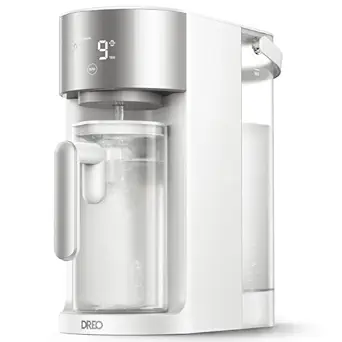 |
| Best Quality Built to a higher standard if you want something more solid | APEC Water ROES-50 50 GPD |  |
| Best Value The sweet spot between price and what you get | Waterdrop WD-10UA Under Sink Filter | 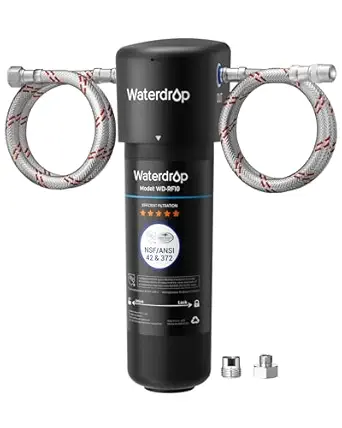 |
| Best Budget The cheapest option that still gets the job done reliably | Waterdrop PT-05B-L Pitcher | 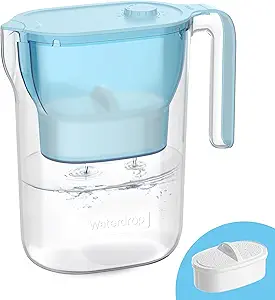 |
| Top Rated A top-rated pick with lots of positive feedback | LifeStraw Personal Water Filter |  |
| Most Popular A crowd favorite that many people choose with confidence | Brita Large 10-Cup Pitcher |  |
| Best Seller A high-volume bestseller chosen again and again | GE XWFE Refrigerator Water Filter |  |
DREO RO Countertop WF112

| Purification Method | Reverse Osmosis |
|---|---|
| Capacity | 3 liters |
| Pure to Drain Rate | 3:1 |
| Included Components | RO filter and autofill pitcher |
| Other Features | Built-in TDS meter, filter indicator, touch control |
The DREO WF112 is a countertop reverse osmosis system designed to deliver filtered drinking water without plumbing changes. It uses a multi-stage RO filter and reports a 3:1 pure-to-drain ratio to limit waste while the built-in TDS meter shows raw and purified water quality in real time. Setup is installation-free: the unit sits on the counter, the included 1.1L autofill pitcher refills automatically via a sensor, and filters install with a simple twist. Practical additions include a filter-life indicator and a self-cleaning auto-flush that helps keep internal tubing clear. The 3 liter tank plus pitcher suits one to two people for everyday use, and replacement RO cartridges are available separately. Limitations are the modest daily capacity and need to replace RO filters after the rated service volume, so it is not ideal for large families or heavy cooking use. Expect routine filter maintenance and occasional descaling for best long-term performance.
Best for: Buyers who want a compact, easy-to-use countertop RO system that gives visible water-quality feedback and low-waste filtration for everyday drinking water.
Less Ideal for: Not a good fit for large households or buyers who need high daily output for cooking or entertaining multiple people.
- 7-stage reverse osmosis filtration with SGS-tested impurity removal
- Built-in TDS meter and change-filter indicator for visible water quality and maintenance reminders
- Auto-fill pitcher and self-cleaning auto-flush for hands-free refills and reduced internal buildup
- Installation-free countertop design that needs no plumbing alterations
- 3 liter tank and 1.1L pitcher limit output for larger households
Verdict: A compact, installation-free RO countertop purifier that balances strong contaminant removal with visible TDS monitoring for everyday drinking water needs.
APEC Water ROES-50 50 GPD

| Purification Method | Reverse Osmosis |
|---|---|
| Filtration Stages | 5-Stage |
| Capacity | 50 gallons |
| Operating Pressure Range | 40-85 psi |
| Filter Life Cycle | 6 months |
The APEC ROES-50 is a five-stage under-sink reverse osmosis system designed to deliver very high-quality drinking water for a household. It uses sequential prefilters, an RO membrane, and a post-filter to remove chlorine, heavy metals, fluoride, and many other impurities, producing up to 50 gallons per day into a storage tank for steady flow to the included faucet. Installation is DIY-friendly with quick-connect fittings and color-coded tubing, and the system ships with a tank, faucet, and a Filter-Max-ES50 replacement set. Maintenance is straightforward: prefilters typically need changing every 6–12 months while the membrane and post-filter last longer depending on feed water. Practical limits include a low maximum flow rate at the membrane and the need for sufficient water pressure and space under the sink for the unit and tank. For buyers who prioritize contaminant reduction and water taste, this system delivers factory-quality RO performance in a residential package.
Best for: Buyers who want high-contaminant-rejection performance and reliable, great-tasting drinking water from an under-sink RO system and are comfortable with periodic filter maintenance.
Less Ideal for: People who need instant high flow without a storage tank or who cannot provide sufficient under-sink space or water pressure should consider other filtration options.
- Comprehensive 5-stage filtration that removes a wide range of contaminants including heavy metals and fluoride.
- Rated for 50 gallons per day, providing enough purified water for typical household use with a storage tank for steady flow.
- DIY-friendly installation with quick-connect fittings and color-coded tubing for faster setup.
- Includes faucet, tank, and a replacement Filter-Max-ES50 set so you get a complete system out of the box.
- Requires adequate water pressure and under-sink space for the unit and storage tank.
- Membrane output has a relatively low flow rate at the membrane level, relying on the tank for usable flow.
Verdict: Choose the ROES-50 if you want a proven, high-performance under-sink RO system that prioritizes contaminant removal and water taste.
Waterdrop WD-10UA Under Sink Filter

| Purification Method | Activated Carbon |
|---|---|
| Filter Life Cycle | 1 years |
| Maximum Flow Rate | 2.5 gpm |
| Power Source | Mechanical Water Pressure |
| Supported Water TDS Level Maximum (PPM) | 700 |
The Waterdrop WD-10UA is an under-sink activated carbon filter designed for everyday drinking and cooking water. It installs directly on the cold-water feed with push-to-connect fittings and a twist-and-lock cartridge for tool-free replacement, and it is intended for municipal cold water only. The filter is NSF/ANSI 42 and 372 listed and targets chlorine, lead, PFAS and similar taste and odor contaminants while retaining beneficial minerals, delivering steady flow for typical kitchen use. Waterdrop rates the cartridge life at about 12 months and lists a tested flow up to 1.33 gpm on the 3/8" outlet, so it supports filling pitchers and routine sink tasks without a major slowdown. Important limits are that it is not for well water or hot water and that performance depends on incoming water quality; the unit also uses a single-stage carbon element so it will not remove dissolved solids or provide ultrafiltration by default. For someone wanting a compact, easy-to-service under-sink filter that noticeably improves taste and reduces common chemical contaminants, this is a practical choice.
Best for: Buyers who prioritize an easy-to-install, low-maintenance under-sink filter that improves taste and reduces common chemical contaminants for everyday drinking and cooking water.
Less Ideal for: Homes relying on well water, users who need removal of dissolved solids or bacterial filtration, or anyone requiring hot-water filtration.
- NSF/ANSI 42 and 372 listed for chlorine and aesthetic contaminant reduction
- Quick twist-and-lock cartridge and push-to-connect fittings for tool-free installation and fast replacements
- Designed to maintain flow with a tested outlet flow up to 1.33 gpm
- Long single-filter lifespan rated up to 12 months or 11,000 gallons under municipal water conditions
- Not suitable for well water or hot water use
- Single-stage activated carbon does not reduce dissolved solids or provide ultrafiltration
Verdict: A compact, easy-to-service under-sink carbon filter that delivers better-tasting, contaminant-reduced drinking water with minimal maintenance.
Waterdrop PT-05B-L Pitcher

| Capacity | 7 cups |
|---|---|
| Filter life | Up to 200 gallons / 3 months |
| Certifications | NSF/ANSI 42, 372 |
| Material | BPA-free, lead-free |
The Waterdrop PT-05B-L is a compact 7-cup pitcher that delivers basic, tested filtration for everyday drinking water. Its five-stage activated carbon fiber filter is NSF 42 and 372 certified and is rated to last up to 200 gallons or about three months, which reduces the frequency of replacements and plastic bottle waste. Setup is straightforward: soak the cartridge, press it into the reservoir, and use the mechanical dial on the lid to track filter life. In use the pitcher sits neatly in a fridge door and pours clean-tasting water with reduced chlorine and common contaminants including some PFAS/PFOA. Practical benefits include BPA-free construction, a slim footprint, and an included replacement filter so you can start using it immediately. Limitations are typical for pitcher systems: it does not lower total dissolved solids and flow is slower than inline or under-sink systems, so it is best for drinking and cooking rather than whole-house needs.
Best for: Buyers seeking an affordable, reliable countertop pitcher that provides certified chlorine and contaminant reduction for daily drinking water and who prioritize low ongoing filter replacement frequency.
Less Ideal for: Homes needing whole-house filtration, fast large-volume dispensing, or significant TDS reduction should look to under-sink, reverse-osmosis, or dedicated softening solutions instead.
- NSF 42 and 372 certified filtration for verified reduction of chlorine and certain contaminants
- Long-life filter rated up to 200 gallons or about three months to reduce replacement frequency
- Slim, fridge-friendly pitcher design with BPA-free materials
- Includes one replacement filter and a mechanical life recorder on the lid for easy maintenance
- Does not reduce total dissolved solids (TDS) so it will not soften very hard water
- Slower fill and filtration rate compared with inline or under-sink systems
Verdict: A budget-friendly, NSF-certified 7-cup pitcher that delivers verified chlorine and contaminant reduction with a longer-lasting filter for low-maintenance daily drinking water.
LifeStraw Personal Water Filter

| Material Type | Plastic |
|---|---|
| Model Number | LSPHF038 |
| External Testing Certification | NSF |
| Unit Count | 1 Count |
The LifeStraw Personal Water Filter is a simple, ultralight straw filter designed for drinking directly from lakes, rivers, or improvised containers when clean water is not available. You use it by placing the wide end in a water source and sucking through the mouthpiece; internal microfiltration removes bacteria, parasites and microplastics and reduces turbidity so water tastes clearer. Notable features include an NSF-verified microfiltration membrane, a claimed 4,000-liter lifetime with proper use, and a compact plastic housing that fits in a pack or emergency kit. The practical benefits are obvious: no pump, no chemicals, and immediate access to safe drinking water in hiking, travel, or emergency scenarios. Limitations are that it only filters particulates and microbiological contaminants and does not remove chemicals, heavy metals, or viruses in most conditions, and it requires occasional backflushing or replacement once capacity is reached. For reliability-focused users it offers proven, laboratory-verified performance in a simple package, but it is best used alongside other water-safety measures when source contamination may include non-biological hazards.
Best for: Buyers who prioritize a proven, no-fuss water filter for reliable access to microbiologically safe drinking water while hiking, traveling, or building an emergency kit.
Less Ideal for: People needing protection from chemical pollutants, heavy metals, or guaranteed viral removal should choose a different or additional treatment method.
- NSF-tested microfiltration that removes bacteria, parasites and microplastics
- Extremely lightweight and packable for hiking and emergency kits
- No pump, battery, or chemicals required — usable immediately from a water source
- Long rated lifetime of up to 4,000 liters with proper maintenance
- Does not reliably remove chemical contaminants or most viruses
- Requires manual suction and occasional backflushing to maintain flow
Verdict: Pick the LifeStraw when you want a lightweight, lab-verified personal filter that reliably delivers microbiologically safe water in the outdoors or an emergency.
Brita Large 10-Cup Pitcher

| Purification Method | Granular Activated Carbon |
|---|---|
| Filter Life Cycle | 2 months |
| Capacity | 10 ounces |
| Supported Water TDS Level Maximum (PPM) | 500 |
| Power Source | Manual |
The Brita Large 10-Cup Pitcher is a straightforward countertop water filter designed for daily household use. You fill the flip-top reservoir and filtered water collects in the 10-cup carafe, making it easy to pour and refill multiple reusable bottles. It uses Granular Activated Carbon with ion exchange to reduce chlorine taste and odor and certified reductions for copper, cadmium, and mercury, and it ships with one filter that the company recommends replacing every 40 gallons or about two months. The pitcher is BPA-free, fits on refrigerator shelves, and includes a simple sticker indicator to remind you when to change the filter. Practical benefits are better-tasting tap water, fewer single-use bottles, and an easy-to-use refill/pour design. Limitations are inherent to pitcher systems: it does not purify microbiologically unsafe water, throughput is limited by the reservoir size so refill frequency matters, and ongoing cost and effort are required to replace filters on schedule.
Best for: Buyers who prioritize proven contaminant reduction and want a low-effort, countertop solution to improve tap water taste and reduce single-use bottles.
Less Ideal for: People who need rapid high-volume filtration, advanced contaminant removal (including microbes), or a hands-off installed system should consider other filter types.
- Certified to reduce chlorine taste and odor plus select metals like copper, cadmium, and mercury
- BPA-free plastic and refrigerator-friendly 10-cup capacity that fits on most shelves
- Easy-fill flip-top lid and simple sticker indicator for tracking filter changes
- Includes one filter with a two-month or 40-gallon estimated life
- Not intended to remove microbiological contaminants or purify unsafe water
- Limited flow rate and capacity compared with under-sink or whole-house systems
Verdict: A reliable, countertop pitcher that delivers certified reduction of chlorine and select heavy metals for buyers who want an easy, low-risk way to improve daily drinking water.
GE XWFE Refrigerator Water Filter

| Model Number | XWFE |
|---|---|
| External Testing Certification | NSF 42, NSF 53, NSF 401 |
| Compatible Refrigerator Models | GE GNE27JGMWW |
| Unit Count | 1 Count |
The GE XWFE is a factory replacement cartridge designed for refrigerators that use the XWF/XWFE family of filters and installs inside the fridge without tools or shutting off the water. It is certified to NSF 42, 53, and 401, so it reduces aesthetic contaminants like chlorine taste and odor along with lead, certain emerging contaminants, and select pharmaceuticals, which makes it useful for drinking water and ice. GE recommends replacing the cartridge every six months or after about 170 gallons to maintain performance. The filter is straightforward to swap and fits select GE French-door, side-by-side, and bottom-freezer models for a guaranteed fit. The practical trade-offs are the routine replacement cadence and that it is a single-use cartridge rather than a longer-life or whole-house system, so ongoing replacements are required to keep filtration levels high. For buyers who value certified, OEM-fit refrigerator filtration, this is an easy, reliable choice.
Best for: Buyers who prioritize certified, factory-quality filtration and a hassle-free, OEM-fit replacement for their refrigerator's drinking water and ice.
Less Ideal for: People seeking whole-house filtration, longer-life cartridges, or a filter that fits non-GE refrigerator models should consider other systems.
- NSF 42/53/401 certifications for verified reduction of taste, odor, lead, and select emerging contaminants
- Genuine GE factory replacement designed for guaranteed fit with compatible GE refrigerators
- Tool-free installation inside the refrigerator — no water shutoff required
- Reduces select pharmaceuticals and over 50 other listed impurities according to manufacturer
- Requires replacement every six months or ~170 gallons, creating recurring cost
- Fits only refrigerators that accept XWFE/XWF cartridges
Verdict: Choose this genuine GE XWFE filter when you want certified, factory-fit refrigerator filtration that reliably improves drinking water and ice quality.
Choosing the Right Drinking Water Filter: Key Factors to Consider
Filtration Performance
Effective contaminant removal is the core purpose of a drinking water filter. Different technologies target different contaminants. Activated carbon excels at removing chlorine, organic taste and odor, and some volatile organic compounds. Reverse osmosis systems and specialized media can reduce dissolved solids, heavy metals like lead, and some inorganics. If microbial contamination is a concern, seek systems rated or certified for cyst and bacteria reduction.
Understanding the contaminant profile of your water, from municipal reports or a private test, helps match filter technology to need. Performance claims should be supported by third-party testing or certifications, which give confidence that the filter will deliver the reductions it advertises.
Installation and Compatibility
Where and how you plan to install the filter affects what type to choose. Faucet-mounted and countertop units are typically easiest to set up and work well for renters or kitchens without extra plumbing. Under-sink filters conceal hardware and often offer higher capacity but may require basic plumbing skills or a simple tee connection to cold water lines.
Consider the physical space under your sink, available clearance, and whether the filter requires an extra faucet hole. Some systems are designed for specific faucet types and may not fit nonstandard spouts. Also check whether the unit needs electricity; most passive filters do not, which keeps installation simpler.
Maintenance Frequency and Ongoing Cost
Filter cartridges and membranes must be replaced on a schedule to maintain performance. Filter life varies widely by technology and local water quality. Activated carbon cartridges may last several months to a year, while reverse osmosis membranes and specialty cartridges have different intervals.
Beyond replacement frequency, consider the availability and cost of replacement parts. Systems with easy, tool-free cartridge swaps reduce the chance of installation error and simplify upkeep. Some filters include indicators for cartridge life, which helps prevent lapses in performance.
Flow Rate and Daily Usability
A filter that produces high-quality water but dispenses very slowly can be frustrating in daily use. Flow rate is influenced by filter media density, system design, and whether a storage tank is present. Faucet-mounted units and countertop pitchers often deliver water quickly but may trade off some reduction capability for speed. Reverse osmosis systems typically have slower direct flow and often include a storage tank to buffer demand.
Think about how you use drinking water: if you fill multiple containers, cook frequently, or want an on-demand sink dispenser, prioritize options with higher flow or a storage solution to avoid delays.
Certifications and Materials Safety
Look for systems and cartridges that have third-party certifications relevant to claimed reductions. Certifications indicate that the filter has been tested to performance standards rather than relying solely on manufacturer claims. Materials in contact with water should be rated food-safe and free of harmful plastics like BPA.
Durable housings and corrosion-resistant fittings improve longevity, while clear documentation about materials helps buyers avoid unintended exposures. Certification also often covers structural safety and material leaching, which is important for long-term use.
Footprint and Aesthetics
The physical size and appearance of a filter matter for installation and user satisfaction. Countertop and pitcher-style filters are compact and portable but can take up counter space. Under-sink and inline units are hidden but require cabinet room. Consider whether the system's footprint will fit your kitchen layout and whether the visible components match your preferences.
Ease of access for cartridge changes is part of this consideration. Systems that need significant disassembly or have cramped placement can make routine maintenance more cumbersome.
Common Filter Technologies Explained
Understanding the basic technologies helps you match a filter to your contaminant concerns. Activated carbon is the most common media for improving taste and removing chlorine and many organic compounds. It is compact, relatively inexpensive, and available in many form factors.
Reverse osmosis uses a semipermeable membrane to remove dissolved solids, many salts, and certain heavy metals. RO systems often pair with pre- and post-filters and may include a storage tank because RO flow rates are typically lower.
Specialty media and ion-exchange resins target specific issues like hard water minerals, lead, or nitrate. Some systems combine multiple technologies to broaden the contaminant profile they address.
- Activated carbon: good for taste, chlorine, organics
- Reverse osmosis: lowers TDS and many inorganic contaminants
- Ion exchange and specialty media: target specific dissolved contaminants
Installation Scenarios and What Works Best
If you live in a rental or need a noninvasive option, faucet-mounted or countertop filters are usually the fastest to install and remove. They require minimal or no tools and do not modify plumbing.
Under-sink systems are preferred when you want an out-of-sight solution with higher capacity. These systems often require a dedicated cold-water feed and may need a separate faucet for filtered water, which provides a cleaner aesthetic at the main tap.
- Countertop/faucet-mounted: renter-friendly, quick setup
- Under-sink: higher capacity, hidden hardware, may need extra faucet hole
- Pitchers: simplest maintenance but limited capacity
Testing Your Water and Setting Priorities
Start with your local water quality report or a home test to identify the contaminants that matter. Most municipal providers publish annual water quality reports that list detected contaminants and their concentrations. Private well owners should run a broader panel that includes bacteria, nitrates, and metals.
Set priorities based on health and taste concerns. If lead or specific heavy metals are present, choose systems rated to reduce those contaminants. If taste and chlorine are your main complaints, activated carbon solutions are often sufficient.
- Municipal report: quick snapshot of common detections
- Home testing: useful for wells or persistent taste/odor issues
- Prioritize health risks first, then aesthetic concerns
Maintaining Performance Over Time
Routine maintenance keeps a filter functioning as designed. Replace cartridges on the schedule recommended by the manufacturer, and flush new cartridges if instructed. For systems with multiple stages, follow the order of replacement to avoid premature fouling of downstream media.
Keep an eye on flow rate and taste as informal indicators that a cartridge may be nearing end of life. Some systems include indicators that track gallons filtered or elapsed time, which simplify upkeep and help avoid lapses in protection.
- Follow replacement intervals and flushing instructions
- Watch flow rate and taste for signs of end-of-life
- Use built-in indicators when available to track cartridge life
Space, Plumbing, and Accessibility Considerations
Measure available cabinet and counter space before choosing a system. Under-sink units need enough clearance for housings and easy cartridge swaps. Countertop units require counter real estate and a compatible faucet connection.
If you have limited DIY experience, favor designs with simpler hookups or clear instructions. Some systems require drilling a hole for a dedicated faucet or tapping into the cold-water line, which may push buyers toward professional installation.
- Check cabinet depth and clearance for under-sink units
- Confirm faucet compatibility for countertop and faucet-mounted options
- Consider professional installation when modifications are required
How We Chose the Best Drinking Water Filter
We narrowed the field by prioritizing features that matter most to household drinking water. First, filtration performance was a primary filter: we focused on products with documented capability to reduce a wide range of common contaminants including particulates, chlorine, lead, and microbial risk where applicable. Second, installation and compatibility were essential since many buyers need straightforward under-sink, countertop, or faucet-mounted setups. Third, maintenance burden and filter life were assessed to reflect real ownership costs and convenience. Fourth, flow rate and pressure impact daily usability, so we favored options that balance thorough filtration with acceptable dispensing speed. Finally, build quality and materials, including BPA-free components and certified housings, informed selection to ensure durability and safety. We excluded specialty industrial units, systems that require professional plumbing only, and filters without transparent performance claims or third-party test documentation. The resulting shortlist aims to present practical, verifiable choices that fit typical home installations and common contaminant concerns.
Our full evaluation process is outlined in our review methodology.
FAQ
How often should I change drinking water filter cartridges?
Replacement frequency depends on the filter technology and local water quality. Typical activated carbon cartridges last three to twelve months, while some specialized cartridges and membranes may require replacement less often. Follow manufacturer guidance and monitor flow rate and taste as indicators of end-of-life.
Will a drinking water filter remove lead?
Some technologies are effective at reducing lead, notably certain reverse osmosis systems and certified carbon block filters. Look for third-party test results or certifications specific to lead reduction to ensure the system addresses that contaminant.
Can I install a drinking water filter myself?
Many countertop and faucet-mounted filters are designed for tool-free installation and are suitable for DIY. Under-sink systems are often installable by a competent DIYer but may involve cutting into the cold-water line or adding a dedicated faucet hole. When in doubt, consult installation instructions or a professional.
Do drinking water filters affect water pressure?
Filters can reduce outlet pressure depending on media density and system design. High-capacity or fine-media filters and reverse osmosis membranes typically lower flow rate. Systems with storage tanks or larger bypasses maintain more usable pressure at the tap.
Are filter certifications important?
Yes. Certifications from independent test organizations verify that a filter meets claimed contaminant reductions and structural safety. Certifications provide greater confidence than unsupported manufacturer claims, especially for health-relevant contaminants.
Final Verdict
Prioritize the contaminant reductions you actually need, then match the filter technology and form factor to your kitchen layout and maintenance willingness. If taste and chlorine are your main concerns, carbon-based options are efficient and simple. For dissolved solids or specific heavy metals, choose a system rated for those contaminants and plan for its replacement schedule. Balance performance with practical factors such as installation complexity, flow rate, and long-term cartridge costs to find a drinking water filter that fits your daily routine. A properly chosen system will reliably improve water quality while keeping upkeep predictable and manageable.