
Note: This article contains affiliate links. If you click on these links and make a purchase, we may earn a small commission at no extra cost to you. This helps support our research and content. Read our full affiliate disclosure here.
If you want a small refrigerator dedicated to keeping beverages icy and easy to access, choosing the right mini fridge matters. Space, cooling speed, and interior layout determine how many cans or bottles you can store and how quickly drinks reach serving temperature. This guide shortlists the top mini fridges for cold drinks across common sizes and use cases, focusing on units that deliver steady cold, sensible shelving, and low noise. Below we evaluate picks based on cooling performance, usable storage, energy use, and convenience so you can pick a model that fits your space and drinking habits.
Top Picks at a Glance
| Best Overall The best all-around choice for most situations | Midea Compact Refrigerator WHS-65LB1 |  |
| Best Quality Built to a higher standard if you want something more solid | hOmeLabs Beverage Refrigerator | 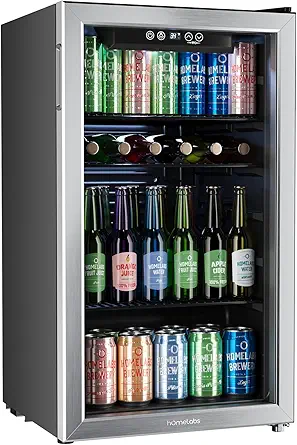 |
| Best Value The sweet spot between price and what you get | EUHOMY WC-6B Mini Fridge | 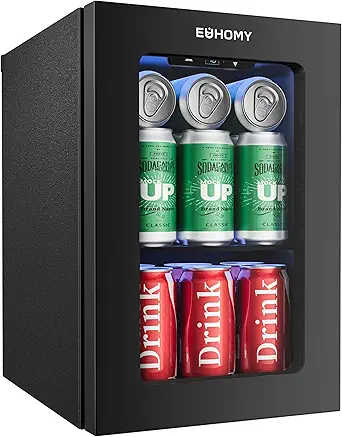 |
| Best Budget The cheapest option that still gets the job done reliably | ARCTIC CHEF Mini Retro 6-Can Fridge |  |
| Top Rated A top-rated pick with lots of positive feedback | Stopsad Beverage Refrigerator HA207B |  |
| Most Popular A crowd favorite that many people choose with confidence | Cooluli Classic 4L Mini Fridge |  |
| Best Seller A high-volume bestseller chosen again and again | Upstreman FR17 1.7 Cu.ft Mini Fridge |  |
Midea Compact Refrigerator WHS-65LB1

| Capacity | 1.6 cubic feet |
|---|---|
| Annual Energy Consumption | 207 kilowatt hours per year |
| Cooling Method | Compressor |
| Defrost System Type | Automatic |
| Installation Type | Freestanding |
The Midea 1.6 cu ft compact refrigerator is a straightforward small fridge aimed at dorms, offices, and tight kitchens where cold drinks and a few perishables need quick access. It uses an R600A compressor and is ENERGY STAR certified, so it runs with relatively low annual energy use and modest noise under typical operating conditions. The unit includes an internal chiller compartment for faster cooling of drinks, a removable shelf to adapt storage for taller bottles, and a reversible door for flexible placement. Controls are mechanical and simple to use, and a 2L bottle rack in the door keeps frequently used items handy. Expect basic, reliable cooling rather than deep freezing since the chiller is for short-term cooling only. The fridge is compact and freestanding, so it works well tucked under counters or beside desks, but its small capacity limits how much you can store and the single shelf layout can require juggling items. For buyers who want energy efficiency and quiet operation in a very small footprint, this model covers the essentials cleanly.
Best for: Buyers who need a compact, energy-efficient fridge to keep cold drinks and a few snacks within easy reach in a dorm, office, or small apartment.
Less Ideal for: People who need full freezer capability or to store large quantities of groceries should choose a larger refrigerator with a dedicated freezer.
- ENERGY STAR certified with R600A compressor for lower annual energy use
- Reversible door and removable shelf provide placement and storage flexibility
- Internal chiller compartment and 2L bottle rack keep drinks accessible
- Mechanical thermostat is simple to adjust and quiet operation under 42 dB
- Very limited 1.6 cu ft capacity restricts how many bottles and food items fit
- Chiller compartment is only for short-term cooling and cannot freeze or long-term chill heavier items
Verdict: A small, energy-efficient mini fridge built to keep cold drinks handy in tight spaces with quiet, simple operation.
hOmeLabs Beverage Refrigerator

| Capacity | 3.2 cubic feet |
|---|---|
| Can storage | 120 cans |
| Temperature range | 34°F-50°F |
| Cooling method | Compressor |
| Defrost system | Automatic |
This hOmeLabs beverage refrigerator is a compact, compressor-cooled mini fridge built for chilled drinks; it fits up to 120 slim cans across three adjustable chrome shelves and uses a touch-button digital control to set temperatures between 34°F and 50°F. Typical use is as a dedicated drink cooler in a home bar, office, dorm, or under-counter installation where quick visibility and access matter thanks to the double-glazed glass door and interior LED light. The whisper-quiet compressor and automatic defrost make it practical for daily use without constant maintenance, and the reversible door plus adjustable feet help it fit different room layouts. Trade-offs are its energy consumption which is relatively high at 288 kWh/year and the unit is focused on beverage storage rather than versatile food freezing or long-term cooling of large bottles. If you want a straightforward, bright display fridge that keeps drinks cold and easy to grab, this model performs reliably under regular use.
Best for: Buyers who prioritize reliable cold performance and visible, high-capacity drink storage for home bars, offices, or dorms and want a compact, display-style fridge with adjustable shelving.
Less Ideal for: People needing a freezer compartment, multi-use food storage, or the most energy-efficient compact refrigerator available should consider other options.
- Holds up to 120 slim cans in a 3.2 cu ft interior for high beverage capacity in a small footprint
- Touch-button digital temperature control down to 34°F for consistent cold drinks
- Adjustable removable shelves and adjustable feet allow flexible organization and leveling
- Double-glazed glass door with interior LED provides clear display without opening the door
- Whisper-quiet compressor supports steady cooling with low operational noise
- Annual energy consumption is relatively high at 288 kWh/year compared with some compact fridges
- Designed solely for chilled beverages and not suitable for freezing or heavy food storage
Verdict: Choose this mini fridge if you need a high-capacity, compressor-driven beverage cooler that keeps drinks cold to 34°F while showing them off behind a glass door.
EUHOMY WC-6B Mini Fridge

| Capacity | 18 liters |
|---|---|
| Temperature range | 40°F to 61°F |
| Cooling method | Compressor |
| Defrost type | Manual |
| Installation type | Freestanding |
The EUHOMY WC-6B is a small, compressor-cooled beverage fridge built to keep drinks chilled on a countertop or in a home bar. It uses a compressor cooling method and a digital temperature control that lets you set a range from about 40°F to 61°F, so cans or a few small bottles reach consistent serving temperatures faster and stay stable in changing room conditions. The unit holds roughly 24 standard 330 ml cans and includes a removable shelf to adapt the interior for taller bottles or mixed storage. It runs quietly at under 40 dB and features an LED interior light and a UV-protective door to reduce sun exposure. Being freestanding and fairly lightweight makes it easy to move, while manual defrosting and a single-door, right-hinge layout keep the design simple. Expect limited total capacity suitable for single-person use or small gatherings rather than family-sized storage, and manual defrost means occasional maintenance is required.
Best for: Buyers who prioritize compact, reliable cooling for cold drinks and want a small, quiet countertop fridge that delivers stable temperatures and flexible shelving for single-person use or small shared spaces.
Less Ideal for: Not a good choice for households needing large-capacity refrigeration, long-term wine aging, or a built-in undercounter installation.
- Compressor cooling for steady, faster chilling compared with thermoelectric units
- Digital temperature control with a 40°F–61°F range for serving temps
- Removable shelf increases flexibility for cans and small bottles
- Quiet operation under 40 dB suitable for bedrooms or offices
- UV-protective door and LED interior light for visibility and drink protection
- Very small total capacity limits storage to about two dozen cans or a few bottles
- Manual defrost requires periodic maintenance
- Right-hinged single door limits placement unless hinge direction suits your space
Verdict: Choose the EUHOMY WC-6B when you want a compact, quiet compressor mini fridge that reliably chills and holds a small stash of drinks at consistent serving temperatures.
ARCTIC CHEF Mini Retro 6-Can Fridge

| Capacity | 0.14 cubic feet |
|---|---|
| Size | 6 Can |
| Cooling Method | Thermoelectric |
| Power Source | Corded Electric |
| Defrost System Type | Manual |
This tiny ARCTIC CHEF mini fridge is a straightforward, no-frills cooler for keeping a few drinks within arm's reach. It uses a vibration-free thermoelectric cooling system, a manual defrost design and a single plastic shelf that slides out to make room for bottles or cans. The unit is freestanding, has a glossy metal door with a small viewing window, and includes a retractable handle and a simple key lock. In practice it is best for desks, dorm rooms, or home offices where space is extremely limited and you only need a handful of chilled drinks. Expect limited capacity and modest cooling compared with compressor refrigerators, and the thermoelectric system performs best in moderate ambient temperatures. Energy use is listed as higher on an annual basis relative to larger efficient models, and the tiny footprint means you must plan placement carefully. For buyers focused on a compact, affordable personal cooler this model delivers the essentials without extras.
Best for: Buyers who need the cheapest possible personal cooler for a desk, dorm, or small office and prioritize space savings and portability over strong cooling performance.
Less Ideal for: Anyone who needs to chill larger quantities, store perishable food long-term, or use the fridge in hot or unventilated spaces should choose a larger compressor model instead.
- Very compact footprint fits on a desk or bookshelf
- Vibration-free thermoelectric cooling for quieter operation
- Simple slide-out shelf and retractable handle for easy access and portability
- Includes a lock for basic security and a small viewing window
- Very small 0.14 cu ft capacity only holds about six 12 oz cans
- Thermoelectric cooling is less effective than compressor units in hot rooms
- Annual energy consumption listed relatively high for the size
Verdict: If you want an inexpensive, ultra-compact personal cooler for a few drinks at your desk, this mini fridge gives you the basics in a tiny package.
Stopsad Beverage Refrigerator HA207B

| Capacity | 3 cubic feet |
|---|---|
| Cooling Method | Compressor |
| Number Of Shelves | 3 |
| Defrost System Type | Frost Free |
| Voltage | 110 |
This Stopsad HA207B is a compact compressor beverage refrigerator that holds about 105 cans in its 3.0 cu ft interior and is built for steady everyday use. It uses a low-noise compressor and a digital display with an adjustable thermostat so you can dial in serving temperatures for soda, beer, or wine. The glass front gives quick visibility while three removable stainless steel shelves let you reconfigure space for tall bottles or stacked cans. The unit is frost free and intended for built-in or freestanding placement, and the glossy stainless door adds a modern look. Expect reliable, consistent cooling thanks to the compressor system, though the appliance is not a freezer and will not produce ice. Installation is straightforward since it comes with a grounded power cord and an installation guide, but it is heavier than countertop mini fridges so plan for placement and ventilation. For someone wanting a dedicated drink cooler with simple controls and durable shelving, this is a practical choice.
Best for: Buyers who prioritize a dependable, consistently cold beverage cooler for home or office use and want simple, fuss-free temperature control and durable shelving.
Less Ideal for: People who need ice-making or freezer capability or those who require a very lightweight, highly portable cooler.
- Compressor cooling for steady, reliable temperature control
- Digital display and adjustable thermostat for precise drink temperatures
- Glass front door provides easy visibility of contents
- Three removable stainless steel shelves for flexible storage
- Not a freezer so it cannot make ice or freeze items
- Relatively heavy compared with small countertop units which makes repositioning harder
Verdict: A solid, compressor-driven 3.0 cu ft beverage fridge that delivers dependable, quiet cooling and flexible shelving for keeping drinks perfectly chilled.
Cooluli Classic 4L Mini Fridge

| Capacity | 4 liters |
|---|---|
| Cooling Method | Thermoelectric |
| Power Source | AC/DC/USB |
| Defrost System Type | Manual Defrost |
| Specification Met | ETL |
The Cooluli Classic 4L is a compact thermo-electric mini fridge that cools or warms small items using a flip switch, and it is built for portability and flexible power. It holds about six cans or a few skincare jars and is commonly used on desks, in dorm rooms, hotel rooms, and cars thanks to included AC, DC, and USB cords. The unit cools roughly 20°–22°C below ambient and warms up to about 65°C, so it is useful for chilled drinks, small food items, medications, and beauty products rather than full grocery storage. Its lightweight molded handle and two internal shelves make loading easy, and the semiconductor cooling method runs quietly and without refrigerants. Limitations are its very small 4-liter capacity and freezeless design, so it cannot freeze or store large bottles, and performance depends on ambient temperature so it is slower than compressor refrigerators for rapid cooling. Energy draw is modest but annual consumption data suggests continuous use adds to power costs. For buyers wanting a tiny, portable cooler/warmer for drinks and skincare, the Classic is practical and simple to operate.
Best for: Buyers who want a compact, easy-to-use cooler for chilled drinks, skincare, or medications that can travel between home, car, and dorm without fuss and value quiet, flexible power options.
Less Ideal for: People needing to chill or freeze large volumes, whole bottles, or items quickly should choose a larger compressor mini fridge instead.
- Very portable with molded handle and lightweight design
- Multiple power options: AC, DC, and USB for car or power-bank use
- Can both cool and warm items with a simple mode switch
- Thermoelectric cooling is quiet and refrigerant-free
- Includes two internal shelves for organized storage
- Very small 4-liter capacity limits what you can store
- Thermoelectric cooling is slower and less cold than compressor units
Verdict: A tiny, ultra-portable cooler/warmer ideal for chilled drinks and skincare when you need quiet, flexible power and minimal storage space.
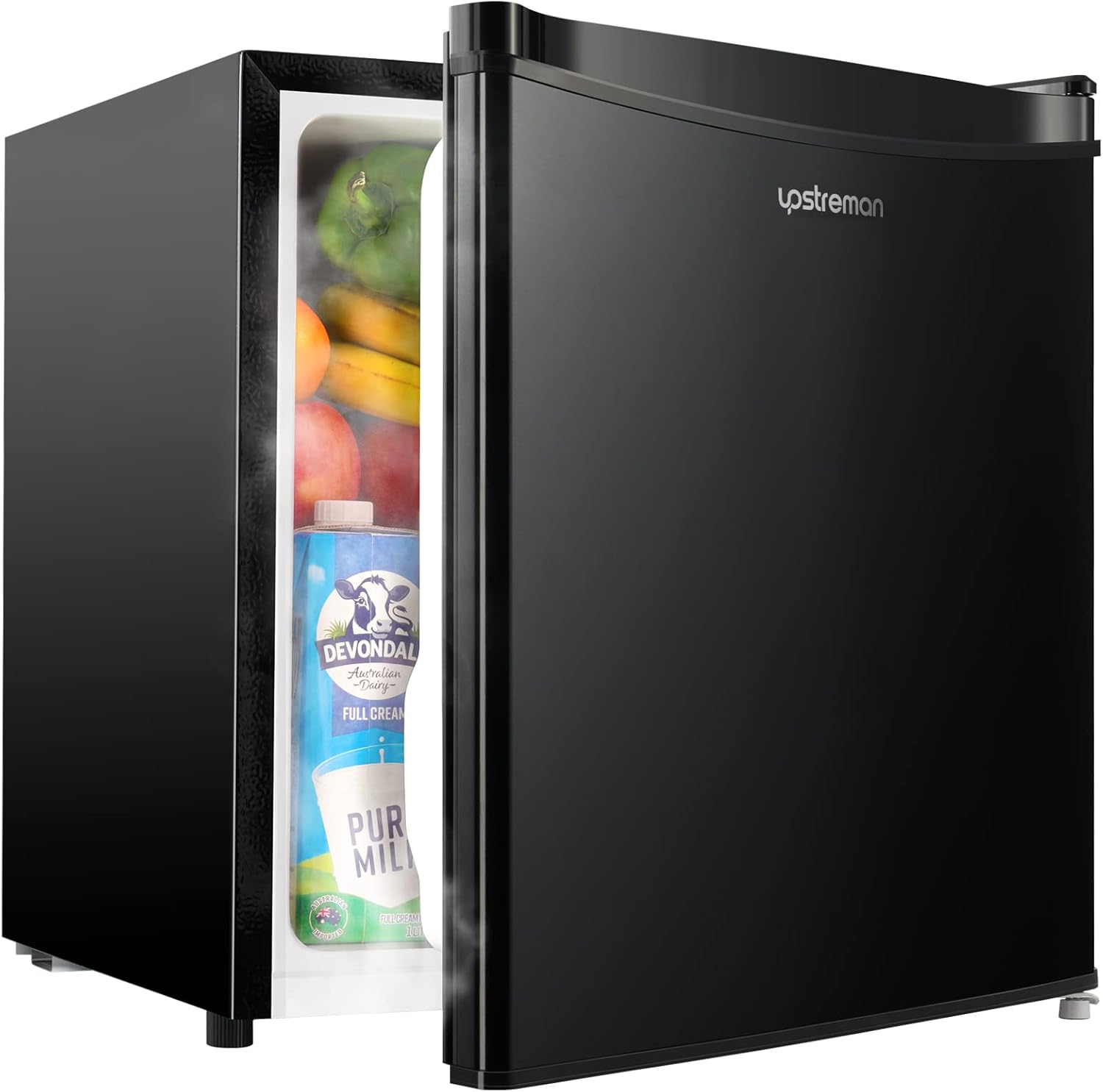
Upstreman FR17 1.7 Cu.ft Mini Fridge
| Capacity | 1.7 cubic feet |
|---|---|
| Freezer Capacity | 0.2 cubic feet |
| Defrost System Type | Manual Defrost |
| Cooling Method | Compressor |
| Annual Energy Consumption | 204 kwh |
The Upstreman FR17 is a compact 1.7 cu ft fridge with a top-mounted 0.2 cu ft freezer that keeps drinks and small food items chilled without taking much floor or counter space. It uses a compressor cooling system with R-600A refrigerant and an adjustable 5-setting thermostat that lets you dial temperatures roughly between 33.8 and 46.4°F for cold drinks while the freezer handles ice and small frozen items. The interior includes one shelf, two door bins, and a reversible door for flexible placement, and the unit runs quietly at about 38 dB, so it is suitable for dorm rooms, bedrooms, and offices. Energy use is low, reported at about 204 kWh annually, and the fridge is freestanding with a manual defrost. Expect the usual compromises of a small appliance: limited shelf space and a very small freezer mean you cannot store large bottles or many frozen items, and manual defrost requires occasional maintenance. For someone who needs a compact, quiet cooler for beverages and light snacks, the FR17 delivers straightforward, energy-conscious performance.
Best for: Buyers who prioritize a low-noise, energy-conscious mini fridge for chilled drinks and light snacks in small spaces and want a simple, reliable appliance without advanced features.
Less Ideal for: People who need significant frozen storage, large-bottle capacity, or a feature-rich refrigerator with automatic defrost and multiple shelving configurations should consider larger models.
- Compact footprint fits on counters or under desks
- Top freezer allows ice and basic frozen storage
- Adjustable thermostat for cooling drinks to preferred chill level
- Quiet operation around 38 dB suitable for bedrooms and offices
- Energy-efficient compressor and R-600A refrigerant with low annual consumption
- Very limited interior capacity restricts large bottles and bulk storage
- Manual defrost means occasional ice buildup maintenance
Verdict: A compact, quiet, and energy-efficient mini fridge aimed at buyers who want a simple, dependable cooler for chilled drinks in tight spaces.
Choosing the Right Mini Fridge for Cold Drinks: Key Factors to Consider
Cooling Performance and Temperature Stability
How quickly a mini fridge pulls down warm drinks and how steadily it holds temperature affects both convenience and safety. Faster pull-down is useful if you frequently add room-temperature items. Steady temperature control prevents cold spots and reduces the risk of freezing or inadequate chilling.
Look for units with reliable thermostats or electronic temperature control and consider whether the compressor or thermoelectric system meets your needs. Compressor models typically offer stronger, more consistent cooling, especially in warmer rooms.
Usable Capacity and Interior Layout
Nominal volume in cubic feet does not tell the whole story. Shelving configuration, the presence of door bins, and removable racks determine how many cans, bottles, or cartons you can actually store. Some mini fridges use sliding shelves or can dispensers to optimize horizontal space for bottles, while others offer a small freezer compartment that reduces beverage capacity.
Measure the bottles or cans you intend to store and compare those dimensions to shelf spacing. Adjustable or removable shelves are valuable for alternating between rows of cans and taller bottles.
Energy Use and Operational Cost
Mini fridges operate continuously, so energy efficiency affects long-term running costs and environmental impact. Look for units with low average daily wattage and, if available, energy-efficiency ratings or estimated kWh per year. Compressor-based fridges are often more efficient than older or poorly insulated units.
Consider placing the mini fridge in a well-ventilated spot to improve efficiency and avoid heat buildup that forces the compressor to work harder. Energy use also influences heat output and room comfort.
Noise Level and Suitability for Quiet Spaces
Noise and vibration matter when a mini fridge sits in a bedroom, office, or media room. Compressor models can be louder but quieter modern compressors exist, and thermoelectric coolers are often quieter at low ambient temperatures. Fan noise, rattles from loose components, and vibration transmitted to furniture all affect perceived noisiness.
Check manufacturer noise specifications when provided and prefer units with solid door seals and vibration-dampening feet for quieter operation.
Portability and Physical Footprint
Mini fridges are chosen for compactness, but footprint and weight determine where you can place the unit and how easy it is to move. Depth and door swing clearance are especially important in tight spaces. A reversible door adds installation flexibility, and lighter units or those with handles are easier to reposition.
Also consider electrical cord length and whether the plug orientation or outlet location will limit placement options.
Convenience Features and Controls
Small but practical features improve day-to-day use. Adjustable thermostats, quick-cool modes, LED interior lighting, spill-proof shelves, and clear door bins make it easier to organize drinks and see contents. A lock or child-safety latch can be useful in shared spaces.
Evaluate whether controls are intuitive and accessible. Digital temperature readouts and external temperature controls add precision but may slightly increase complexity.
Thermoelectric Vs Compressor Cooling
Mini fridges generally use one of two cooling methods: compressor refrigeration or thermoelectric cooling. Compressor systems operate like full-size refrigerators using a refrigerant cycle, offering stronger cooling and better performance in warm rooms. Thermoelectric units use the Peltier effect and are quieter and lighter but struggle as ambient temperature rises.
For someone storing drinks in a hot garage or a sunlit office, compressor models typically maintain lower temperatures more consistently. For quiet bedrooms or low-heat environments, a thermoelectric unit might be attractive despite lower absolute cooling capacity.
- Compressor: stronger cooling, better for warm environments
- Thermoelectric: quieter, lighter, best in moderate ambient temps
- Consider room temperature and noise sensitivity when choosing
Optimizing Storage for Cans and Bottles
Think about your typical beverage mix. If you mostly store slim cans, shelf spacing and can dispensers can increase usable capacity. For mixed use with bottles, removeable shelves or vertical bottle holders prevent wasted space.
Door racks are convenient for slim items and small mixers but reduce the sealed interior volume for chilled goods. Some mini fridges include a shallow freezer shelf which can be useful for ice packs but reduces room for tall bottles.
- Measure common beverage dimensions before buying
- Prefer adjustable shelves for mixed can and bottle use
- Be aware that a freezer compartment reduces overall drink capacity
Placement, Ventilation, and Heat Management
Proper placement affects performance. Leave clearance around vents for airflow, avoid installing the fridge in direct sunlight or against heat-generating appliances, and ensure the surface is level to prevent compressor strain. Poor ventilation increases energy use and can shorten the unit's lifespan.
If you place the fridge inside a cabinet or under a counter, confirm manufacturer clearance recommendations and consider models with front venting. Regularly dust condenser coils if accessible to maintain cooling efficiency.
- Maintain manufacturer-recommended clearances for vents
- Avoid direct sunlight and nearby heat sources
- Keep the fridge level and clean vents or coils periodically
Noise Control and Vibration Tips
To keep noise down, look for models with vibration-dampening feet and tight door seals. Place the fridge on a stable surface to reduce rattling. If the unit will live in a bedroom or media room, test or verify low decibel ratings where available.
Small adjustments such as tightening loose internal racks and placing a thin anti-vibration pad under the unit can reduce transmitted noise without affecting cooling performance.
- Use vibration-dampening pads or rubber feet
- Tighten loose internal components to stop rattles
- Choose a model with low-duty-cycle compressors for quieter operation
Maintenance and Longevity
Routine maintenance keeps a mini fridge running efficiently. Wipe up spills promptly to prevent odors and sticky interiors, defrost any manual-freezer compartments as needed, and clean door gaskets to maintain a good seal. Periodically inspect power cords and vent areas for dust buildup.
Long-term durability is influenced by build quality and how the unit is used. Avoid overfilling the fridge, which can restrict airflow and force the compressor to work harder.
- Clean spills immediately and defrost manual freezers regularly
- Keep vents and coils free of dust
- Do not overload to ensure proper internal airflow
How We Chose the Best Mini Fridge for Cold Drinks
We evaluated candidate mini fridges using a set of practical, appliance-focused criteria that matter when keeping drinks cold. Cooling performance and temperature stability were prioritized to ensure beverages reach and hold safe serving temperatures under regular loading conditions. Usable capacity and interior layout were assessed to reflect real-world storage for cans, bottles, and multipacks rather than nominal cubic feet alone. Energy efficiency and running cost were factored in because small refrigerators run continuously; models with lower daily wattage and efficient compressors scored higher. Noise and vibration were measured qualitatively to recommend options suitable for bedrooms, offices, or media rooms. Build quality and convenience features such as reversible doors, adjustable shelving, and quick-cool settings were also included. We excluded specialty units not intended primarily for beverage storage, such as small freezer-only boxes or beverage dispensers that lack refrigeration. Units with inconsistent temperature control or unclear specification data were not considered. The result is a curated list of mini fridges that balance fast, stable cooling with practical storage and quiet day-to-day operation.
Our full evaluation process is outlined in our review methodology.
FAQ
What size mini fridge is best for cans and bottles?
It depends on how many drinks you want on hand. A 1.5 to 3.0 cubic foot unit fits a modest supply of cans or several bottles, while larger compact fridges approach a full case. Pay attention to shelf spacing and door storage to match your typical containers.
Can a thermoelectric mini fridge keep drinks as cold as a compressor unit?
Thermoelectric fridges can keep drinks cool in moderate ambient temperatures but usually cannot reach the same low temperatures as compressor units, especially on hot days. For consistently icy beverages in warm spaces, a compressor unit is usually more effective.
How noisy are mini fridges, and will they disturb sleep?
Noise varies by model and cooling method. Some compressor mini fridges are quiet and cycle intermittently, while others produce noticeable hums or clicks. Thermoelectric units are typically quieter, but environment and placement influence perceived noise.
Do mini fridges need special maintenance?
Maintenance is minimal: clean spills, wipe seals, and keep vents dust-free. If the unit has a manual-defrost compartment, defrost periodically. Proper placement and not overloading the interior also reduce wear.
Is it okay to put a mini fridge in a garage or outdoor shed?
Placing a mini fridge in unconditioned spaces can affect cooling and reliability. Compressor units handle wider temperature ranges better than thermoelectric models, but extreme heat or cold can reduce performance or cause damage.
Final Verdict
Focus on cooling performance, usable interior layout, and noise when picking a mini fridge for cold drinks. Decide whether consistent low temperatures in warm environments are important enough to justify a compressor-based unit, or whether a quieter thermoelectric model suits a bedroom or office. Balance capacity against footprint and energy use, and prioritize adjustable shelving and good door seals for flexibility. With those tradeoffs in mind, you can confidently choose a mini fridge that keeps drinks cold, accessible, and quiet for your space.