
Note: This article contains affiliate links. If you click on these links and make a purchase, we may earn a small commission at no extra cost to you. This helps support our research and content. Read our full affiliate disclosure here.
A garage is not the same as a kitchen. You need a mini fridge that can maintain safe, usable temperatures through heat, cold, dust, and frequent door openings. Choosing the right mini fridge for garage use matters because ordinary household models often struggle with extreme or fluctuating ambient temperatures, which can shorten appliance life and leave contents warm. This guide shortlists the top mini fridges suited to garage environments and explains the practical tradeoffs that matter: temperature stability, insulation and compressor robustness, and ease of upkeep. Read on for our top picks and the criteria we used to evaluate them.
Top Picks at a Glance
| Best Overall The best all-around choice for most situations | Frigidaire Retro 3.1 Cu Ft Mini Fridge |  |
| Best Quality Built to a higher standard if you want something more solid | hOmeLabs Beverage Refrigerator HME030065N | 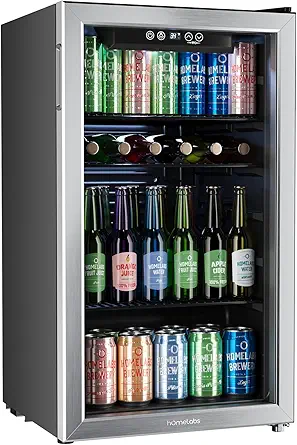 |
| Best Value The sweet spot between price and what you get | Upstreman BR321 3.2 Cu Ft Mini Fridge |  |
| Best Budget The cheapest option that still gets the job done reliably | AstroAI 6L Mini Fridge LY2206A |  |
| Top Rated A top-rated pick with lots of positive feedback | Stopsad 3.2 Cu.Ft Mini Fridge |  |
| Most Popular A crowd favorite that many people choose with confidence | Cooluli Classic 4-L Mini Fridge |  |
| Best Seller A high-volume bestseller chosen again and again | Frostorm BC-90 Mini Fridge |  |
Frigidaire Retro 3.1 Cu Ft Mini Fridge

| Capacity | 3.1 cubic feet |
|---|---|
| Freezer Capacity | 0.2 cubic feet |
| Cooling Method | Compressor |
| Defrost System Type | Automatic |
| Installation Type | Countertop |
This Frigidaire retro mini fridge delivers basic, attractive cooling in a compact footprint that fits well in tight spaces. It uses a compressor cooling system and offers 3.1 cubic feet of storage plus a 0.2 cu ft chiller compartment for frozen items or ice, organized with two glass shelves and a 2L door basket. The reversible door and flush-back design make placement flexible, and the built-in bottle opener is a handy touch for casual entertaining. The unit is Energy Star rated and includes an electronic lock for security. Expect straightforward operation and reliable basic cooling rather than fridge-to-freezer performance for heavy loads; the small freezer is best for ice and short-term frozen storage. Its automatic defrost and countertop installation make upkeep simple, but the compact capacity and single-zone control limit use for long-term bulk food storage. For garages where temperature swings are moderate, this model is a good, stylish option for drinks and snacks, though extreme cold or heat may affect efficiency.
Best for: Buyers who want a balanced mix of style and practical cooling for drinks and snacks in a small space, and who value easy placement and low-maintenance operation.
Less Ideal for: People who need large-capacity refrigeration or reliable freezer performance for long-term food storage, or those planning to place the unit in garages with extreme temperature swings.
- Compact 3.1 cu ft capacity fits small spaces and flush-back placement
- Compressor cooling with an internal chiller compartment for ice and frozen treats
- Reversible door and built-in bottle opener for flexible placement and convenience
- Two glass shelves and a 2L door basket provide organized storage
- Energy Star rated and automatic defrost for lower operating cost and easier maintenance
- Small freezer capacity not suitable for extended frozen storage
- Not designed to handle extreme garage temperatures which can affect cooling efficiency
Verdict: A stylish, energy-efficient small compressor fridge that balances looks and everyday drink-and-snack cooling for compact spaces.
hOmeLabs Beverage Refrigerator HME030065N

| Capacity | 3.2 cubic feet |
|---|---|
| Storage | 120 cans |
| Temperature range | 34°F-50°F |
| Cooling method | Compressor |
| Defrost system | Automatic |
This hOmeLabs beverage refrigerator is a compact, freestanding cooler built for consistent beverage storage and visibility. It uses a compressor-based cooling system with a whisper-quiet compressor and a touch-button digital thermostat that adjusts between 34°F and 50°F, which makes it easy to keep drinks at precise serving temperatures. The reinforced glass door and interior LED light let you see contents without opening the door, and three chrome wire shelves are removable and adjustable to fit cans or bottled beverages. Setup is straightforward for under-counter or standalone placement, and the reversible door adds placement flexibility. Expect steady cooling performance, but note the unit consumes modestly higher annual energy (listed at 288 kWh/year) compared with some high-efficiency models and it has no inverter technology. For garage use it delivers reliable cold storage and quiet operation, though it is a standard compressor fridge so extreme garage temperatures may affect cooling speed and efficiency.
Best for: Buyers who prioritize steady, visible beverage cooling and quiet compressor performance for a garage or small workshop where drinks need reliable, ready-to-serve temperatures.
Less Ideal for: People who need the most energy-efficient or climate-resistant fridge for uninsulated garages with extreme hot or cold conditions should consider purpose-built garage-rated units instead.
- Holds up to 120 slim cans with 3 removable, adjustable chrome wire shelves for flexible storage
- Touch-button digital temperature control reachable to 34°F for consistent beverage chilling
- Reinforced glass door with interior LED light for quick content visibility
- Whisper-quiet compressor suitable for noise-sensitive spaces
- Relatively high annual energy consumption at 288 kWh/year compared with more efficient models
- No inverter technology, which can reduce efficiency in fluctuating ambient temperatures
Verdict: A roomy, quiet compressor beverage fridge that delivers consistent, visible cooling for garage or workshop use when you want drinks chilled to serving temperature.
Upstreman BR321 3.2 Cu Ft Mini Fridge

| Capacity | 3.2 cubic feet |
|---|---|
| Freezer Capacity | 0.3 cubic feet |
| Defrost System Type | Manual Defrost |
| Voltage | 115 volts |
| Compressor Type | rotary scroll |
The Upstreman BR321 is a compact compressor mini fridge designed to store drinks, snacks, and small food items in tight spaces like garages, dorms, or offices. It offers a 3.2 cubic foot interior with a 0.3 cu ft freezer, two adjustable glass shelves, a crisper drawer, and three door bins for cans and condiments. Temperature is set with a five-step adjustable thermostat that covers typical beverage and dairy needs, while the rotary scroll compressor provides reliable cooling and better performance than thermoelectric designs in warmer environments. The reversible door and adjustable leveling feet make placement flexible on uneven garage floors, and manual defrost keeps servicing simple. At about 38 dB and with ETL certification and an annual energy use figure provided, it balances quiet operation with reasonable efficiency. Limitations include manual defrosting and a small freezer that cannot hold ice cream or large frozen items, and the gloss finish may show dust in dusty garage environments. For someone optimizing storage and energy use in a functional workspace, this unit handles the basics well without extra frills.
Best for: Buyers who want a practical, energy-conscious mini fridge to keep drinks and perishables cool in a garage or workshop and prioritize reliable compressor cooling and flexible placement.
Less Ideal for: People who need substantial freezer space or a no-maintenance frost-free unit for long-term frozen storage should consider larger refrigerators or dedicated freezers instead.
- Compressor cooling for consistent performance in warmer garage temperatures
- Reversible door and adjustable feet for flexible placement
- Adjustable glass shelves and door bins for organized storage
- Quiet operation around 38 dB suitable for nearby work areas
- ETL certified and energy consumption data provided for efficiency-minded buyers
- Freezer is very small and not suitable for ice cream or large frozen items
- Manual defrost requires occasional maintenance
Verdict: A compact, energy-conscious compressor mini fridge that provides reliable cooling and flexible placement for practical garage or workshop use.
AstroAI 6L Mini Fridge LY2206A

| Capacity | 6 liters |
|---|---|
| Cooling method | Thermoelectric |
| Power | 110V AC / 12V DC |
| Defrost System Type | Manual |
This AstroAI 6L Mini Fridge is a compact thermoelectric cooler and warmer designed for small spaces and mobile use. It holds about 6 liters, enough for a few cans or small skincare bottles, and includes a removable shelf to switch between bottles and flat items. The unit cools roughly 18–22°C below ambient and can warm up to about 150°F, with both 110V AC and 12V DC power cords for home or car connection. Thermoelectric cooling keeps operation quiet and lightweight, and silicone base pads plus hidden hinges help protect surfaces during placement or transport. Expect limited absolute cooling compared with compressor fridges and slower recovery after door openings, so performance depends on ambient temperature and ventilation. The manual defrost, single door, and modest capacity make it best for short-term storage, travel, or supplementing a workspace rather than full kitchen use.
Best for: Buyers looking for an inexpensive, portable fridge to keep a few drinks, snacks, or skincare items cool in a garage, car, or small workspace and who prioritize low noise and mobility over large capacity.
Less Ideal for: People who need fridge-level cooling for long-term food storage, large quantities, or consistent low temperatures in unconditioned garage environments should choose a larger compressor mini fridge instead.
- Dual power options with included AC and 12V DC cords for wall or vehicle use
- Quiet thermoelectric cooling suitable for bedrooms, offices, or garages
- Removable shelf increases storage flexibility for cans, bottles, or skincare
- Lightweight and compact countertop design with silicone pads to prevent slipping
- Limited 6L capacity restricts how much it can store
- Thermoelectric cooling only lowers temperature modestly compared with compressor models
- Requires good ventilation and ambient temperatures near 50–86°F for best performance
Verdict: A low-cost, portable 6L cooler/warmer with AC and DC power that works well as a quiet supplemental fridge for a garage or vehicle when you only need to store a few items.
Stopsad 3.2 Cu.Ft Mini Fridge

| Capacity | 3.2 cubic feet |
|---|---|
| Freezer Capacity | 0.3 cubic feet |
| Cooling Method | Compressor |
| Defrost System Type | Automatic |
| Voltage | 110 volts |
The Stopsad 3.2 cu ft mini fridge is a freestanding double-door unit with a 0.3 cu ft freezer and a 2.9 cu ft refrigerator compartment that suits small spaces like garages, dorms, or offices. It uses a compressor cooling method with an adjustable thermostat offering three settings and a freezer temperature range down to about -4°F, so you can store frozen snacks while keeping drinks and produce chilled. Practical touches include two removable glass shelves, reversible doors, bottom leveling legs for uneven floors, and an automatic defrost system to reduce upkeep. The unit is marketed as energy efficient and quiet, with an estimated 0.85 kWh per day consumption and a low operating noise around 38 dB, which is helpful in parked or semi-enclosed garage areas. Limitations are its modest capacity and basic manual controls, so it is best for storing drinks and small food items rather than bulk grocery loads or precise temperature-sensitive items.
Best for: Buyers who prioritize a reliable, low-noise compact fridge to store beverages and small frozen items in a garage or other tight space and want straightforward, easy-to-maintain operation.
Less Ideal for: People who need large-capacity refrigeration, precise temperature control for sensitive items, or a heavy-duty unit for continuous high-load garage use should consider larger or commercial-grade alternatives.
- Separate freezer compartment for ice cream and small frozen foods
- Adjustable thermostat with three settings for basic temperature control
- Removable glass shelves and reversible door for flexible placement
- Compressor cooling with low reported noise around 38 dB
- Small overall capacity limits storage for larger or bulk items
- Manual temperature settings lack fine control or digital display
Verdict: A compact, quiet compressor mini fridge with a small freezer that reliably stores drinks and snacks in tight garage spaces.
Cooluli Classic 4-L Mini Fridge

| Capacity | 4 liters |
|---|---|
| Cooling Method | Thermoelectric |
| Power Source | AC/DC/USB |
| Voltage | 110 volts |
| Included Components | AC Cord, DC Cord, USB Cord |
The Cooluli Classic 4-L is a lightweight thermo-electric mini fridge that cools or warms a small 4-liter compartment and can be powered by AC, DC, or a USB power source. It is intended for countertop or portable use and is commonly used to chill beverages, store skincare products, medications like insulin, or keep snacks cool on short trips. The unit switches between cooling and warming modes with a simple flip and uses a semiconductor cooling system that is quiet and refrigerant-free, so it is low-maintenance and environmentally friendly. Included AC and DC cords plus a USB cable make it convenient for garage benches, vehicles, or temporary workspaces where mains power may not be continuous. Because it is very compact, it holds only a few cans or small jars, and the thermoelectric design means it cools relative to ambient temperature rather than maintaining a fixed low refrigerator temperature in hot conditions, so performance will drop in a hot garage. The Classic is best when you need a small, portable cooler/warmer rather than a full-size garage refrigerator.
Best for: Buyers who want a compact, low-noise cooler/warmer they can move between garage workbench, vehicle, or countertop and who prioritize portability and flexible power options over large capacity.
Less Ideal for: Not a good choice for users who need sustained cold storage in hot garage environments or who require fridge-sized capacity for meals and large beverage loads.
- Very portable and lightweight for easy placement or transport
- AC, DC, and USB power options provide flexible power sources
- Cools and warms with a simple mode switch for dual use
- Thermoelectric system is quiet and uses no refrigerants
- Includes AC cord, DC cord, and USB cord out of the box
- Small 4-liter capacity limits storage to a few cans or small containers
- Cooling is relative to ambient temperature so performance declines in very hot spaces
Verdict: A highly portable 4-L cooler/warmer with multiple power options that fits garage benches or vehicles when you need small, quiet, flexible cold storage.
Frostorm BC-90 Mini Fridge

| Capacity | 3.2 cubic feet |
|---|---|
| Freezer Capacity | 0.3 cubic feet |
| Defrost System Type | Automatic |
| Voltage | 115 |
| Annual Energy Consumption | 210 kilowatt hours per year |
The Frostorm BC-90 is a compact 3.2 cubic foot mini fridge with a small upright freezer built in, intended for bedrooms, offices, dorms, or secondary locations like a garage. It cools via a mechanical thermostat with settings 1 through 5 and includes adjustable glass shelves, door bins, and a 0.35 cu ft freezer that can make ice and hold short-term frozen items. The unit is ETL certified and designed for freestanding installation with a reversible door, which helps when you need flexible placement in tight spots. Practical advantages for garage use include modest energy consumption (about 0.6 kWh/day) and automatic defrost to reduce maintenance. Limitations include the small freezer capacity and a manual defrost note in some copy that suggests periodic attention for long-term ice build-up; this is not a full-size freezer replacement. The fridge uses a simple mechanical dial rather than digital controls, so temperature control is straightforward but less precise. For someone wanting a dependable, no-frills secondary fridge with decent storage for drinks and snacks, it is a sensible, low-risk option.
Best for: Buyers who want a reliable, simple secondary refrigerator for a garage or similar space and prioritize low maintenance and predictable performance over advanced controls.
Less Ideal for: Those who need substantial long-term freezer capacity or precise digital temperature control for sensitive items.
- 3.2 cu ft total capacity with a dedicated 0.35 cu ft freezer for ice and short-term frozen items
- Reversible door lets you fit the unit into different garage layouts
- Automatic defrost system reduces the need for frequent manual maintenance
- Energy efficient operation at about 0.6 kWh per day and ETL safety certification
- Adjustable glass shelves and door bins for flexible organization
- Freezer compartment is small and only suitable for ice and brief frozen storage
- Mechanical dial thermostat offers less precise temperature control than digital units
- Not designed as a heavy-duty freezer for long-term frozen food storage
Verdict: A dependable, energy-efficient mini fridge with a small freezer that fits garage or secondary-space needs for buyers who prefer low-maintenance, straightforward appliances.
Choosing the Right Mini Fridge for Garage Use: Key Factors to Consider
Rated Operating Temperature Range
A fridge's rated operating temperature range tells you the ambient highs and lows it can tolerate. Garages can get far hotter in summer and colder in winter than conditioned rooms, and a unit rated only for standard indoor use will struggle to keep contents cold or may freeze them during cold snaps.
When a model lists a specific ambient range, it helps predict real-world performance. Aim for units that explicitly support higher ambient temperatures if your garage lacks climate control. Without that information, expect wider temperature swings and more wear on the compressor.
Cooling System Type
Mini fridges typically use either compressor-based cooling or thermoelectric cooling. Compressor systems are more effective at lower interior temperatures and under variable ambient conditions, while thermoelectric units are quieter and simpler but lose efficiency as surrounding temperatures rise.
For garage use, a compressor-based fridge usually provides more consistent results and better recovery after door openings. Understanding the cooling method helps set expectations for energy use and temperature stability.
Insulation and Door Seals
Thicker cabinet insulation and tight door gaskets reduce heat transfer from the garage into the interior space. Better insulation lowers compressor runtime, reduces temperature fluctuation, and prevents frost buildup when humidity is high.
Check for removable shelves and door-mounted storage that do not compromise the seal. Door alignment and magnetic or compression gaskets are practical features that preserve cold air during frequent access.
Durability and Corrosion Resistance
Garages expose appliances to dust, moisture, and occasional knocks. Cabinets with powder-coated steel, rust-resistant interiors, and robust hinges will last longer in that environment. Look for finishes and materials that resist surface corrosion and hardware designed for heavier use.
Mounting feet and vibration damping also matter because an uneven concrete floor can accelerate wear. Durable construction reduces long-term maintenance and the chance of early failure.
Energy Use and Running Costs
A fridge that runs efficiently reduces ongoing electricity drain, which is important if the unit is powered long-term in an often-hot garage. Energy-efficient compressors and well-sealed cabinets lower daily runtime, but extreme ambient temps will still increase consumption.
Compare estimated annual energy use or compressor duty cycles when available. Efficient operation also tends to reduce thermal stress on components, improving longevity.
Interior Layout and Practical Features
How you plan to use the fridge determines the layout you need. Adjustable shelves, beverage racks, and a small freezer compartment can make the unit more versatile for drinks, snacks, or short-term perishables.
Practical features such as reversible doors, flat-back designs for placement against walls, and simple mechanical thermostats are useful in garages. Easy-to-clean interiors and accessible condensate management simplify upkeep in dustier spaces.
Why Garage Conditions Differ From Indoor Spaces
Garages typically experience wider daily and seasonal temperature swings, different humidity levels, and more airborne dust or contaminants than indoor rooms. Those differences affect how a mini fridge performs and how long components last.
Heat loads from parked vehicles, direct sunlight on garage doors, and poor insulation mean a fridge can face higher ambient temperatures for extended periods. Conversely, in colder months the same unit may be exposed to near-freezing air. Choosing equipment with the right ratings and durability features helps avoid spoilage, compressor strain, and premature corrosion.
- Higher ambient temperatures increase compressor workload and energy draw.
- Dust and debris can clog condensers and reduce efficiency.
- Cold ambient conditions can impair thermostat accuracy and lead to freezing.
Compressor Vs Thermoelectric: Which Works Better in Garages
Compressor-based cooling is generally more capable at maintaining low interior temperatures regardless of ambient heat. It recovers faster after door openings and sustains cooler setpoints when the garage is warm. That makes compressor units a safer choice for garages that reach high temperatures.
Thermoelectric fridges are simpler and quieter, but their cooling capacity drops as ambient temperature rises, and they struggle to keep contents cold in hot garages. They can be acceptable in mild climates or sheltered, temperature-stable spaces, but are riskier for unconditioned garages.
- Compressor: stronger cooling, better for fluctuating temps, higher durability.
- Thermoelectric: quiet and lightweight, best for climate-controlled environments.
Placement and Ventilation Best Practices
Proper placement affects performance and lifespan. Mini fridges need adequate airflow to the condenser; tight corners, recessed shelves, or mounting directly against insulated walls can trap heat and force the compressor to run longer. Leave the recommended clearance around the cabinet and avoid placing the unit in direct sun or near heat sources.
If your garage has limited ventilation, consider a spot with natural airflow or supplement with a small circulating fan. Elevating the unit slightly from the floor can reduce dust intake and make cleaning easier.
- Maintain at least the manufacturer-recommended clearance on sides and back.
- Avoid direct sunlight or proximity to vehicle exhaust and heat sources.
- Place on a level surface and consider a small platform to keep it off damp floors.
Managing Winter and Summer Performance
Seasonal extremes require different considerations. In summer, prioritize models with strong cooling and good insulation to limit compressor stress. In winter, very low ambient temperatures can confuse thermostat controls and may stop the compressor if the ambient is below the unit's lower operating limit, allowing interior temps to rise unexpectedly.
If your garage experiences freezing temperatures, consider unplugging the fridge or moving perishable contents indoors. For year-round garage use, choose a model with a documented wide operating range or features designed to compensate for low ambient conditions.
- Check the lower and upper ambient operating limits if you plan year-round garage placement.
- Use simple thermometers to monitor interior temps after installation.
- Plan seasonal maintenance such as condenser cleaning and gasket inspection.
Maintenance Tips for Garage Mini Fridges
Regular cleaning and simple checks extend service life. Dust accumulation on condenser coils reduces heat rejection and increases runtime, so schedule periodic vacuuming or brushing of vents. Inspect door seals for cracks and realign doors if wear develops.
Keep the interior dry and wipe up spills promptly to prevent odors and corrosion. If a unit has a small freezer compartment or defrost function, follow the recommended defrosting routine to avoid excessive frost buildup that reduces usable space and efficiency.
- Clean condenser vents every few months or more often in dusty garages.
- Inspect and replace gaskets if they no longer seal tightly.
- Monitor energy use and interior temperature for signs of declining performance.
How We Chose the Best Mini Fridge for Garage Use
We focused on attributes that directly affect real-world reliability and performance in garages. Key evaluation criteria included ambient-temperature tolerance and cooling system type to ensure the unit can handle hotter or cooler surroundings. Insulation quality and door seal design were assessed because they reduce compressor runtime and help maintain stable interior temps during frequent use. Durability factors such as cabinet construction, rust resistance, and vibration tolerance were included to account for garage dust and rough floors. Energy efficiency and compressor cycling behavior were considered to estimate running costs and stress on the cooling system in non-air-conditioned spaces. Finally, storage layout and access features were weighed to ensure the fridge meets common garage uses like drinks, small perishables, and parts storage. We excluded compact units clearly intended only for indoor, climate-controlled rooms or models that lack any rated operating range for nonstandard ambient conditions. The list favors designs and specifications that signal dependability in garages rather than purely aesthetic or bedroom-oriented features.
Our full evaluation process is outlined in our review methodology.
FAQ
Can any mini fridge be used in a garage?
Not all mini fridges are suitable for garage use. Units rated only for indoor, climate-controlled rooms may struggle with high summer heat or very cold winter temperatures. Look for models with a specified ambient operating range and durable construction for garage placement.
Do I need a special power supply for a garage mini fridge?
Most mini fridges run on standard household power. Ensure the garage outlet is on a dedicated, properly grounded circuit and protected from moisture. Avoid long extension cords and check that the outlet can handle the fridge's startup current.
How often should I clean the condenser on a garage mini fridge?
In dusty garages, check and clean the condenser area every 1 to 3 months. Dust buildup reduces cooling efficiency and increases compressor runtime. More frequent cleaning helps maintain performance and reduces wear.
Will a mini fridge use more energy in a hot garage?
Yes, higher ambient temperatures make the compressor work harder to maintain set temperatures, increasing energy consumption. Good insulation and a robust compressor reduce the additional load, but extreme heat will raise running costs.
Is it safe to store food in a garage mini fridge year-round?
It depends on the fridge's operating range and the garage climate. If ambient temperatures fall below or exceed the unit's rated limits, interior temperatures may become unsafe for perishable foods. Use a thermometer to confirm safe temperatures before storing perishable items long-term.
Final Verdict
For garage placement, prioritize units with a documented wide ambient operating range, robust compressor systems, and solid insulation. Durable cabinet materials and reliable door seals reduce maintenance and protect contents from temperature swings and dust. Balance energy efficiency against cooling capacity based on how hot your garage gets. If you expect extreme conditions, choose models specified for non-climate-controlled spaces and plan for routine upkeep. With the right priorities, you can confidently pick a mini fridge that reliably serves a garage environment.