
Note: This article contains affiliate links. If you click on these links and make a purchase, we may earn a small commission at no extra cost to you. This helps support our research and content. Read our full affiliate disclosure here.
A mini fridge in a garage needs to do more than chill drinks. Garages face wider temperature swings, dust, and occasional humidity that can shorten the life of a household refrigerator. Choosing the right mini fridge for garages means balancing reliable temperature control, insulation, and rugged construction so your food, beverages, and supplies stay safe even when the ambient environment varies. This guide covers our top shortlisted mini fridges for garage use and explains the evaluation criteria we applied. Read on to see which models offer the best temperature stability, compressor resilience, and usable storage layouts for a garage environment.
Top Picks at a Glance
| Best Overall The best all-around choice for most situations | Igloo 3.2 Cu. Ft. Mini Fridge |  |
| Best Quality Built to a higher standard if you want something more solid | Frigidaire Retro Mini Fridge EFR840 |  |
| Best Value The sweet spot between price and what you get | Feelfunn Beverage Refrigerator FWC008-11 | 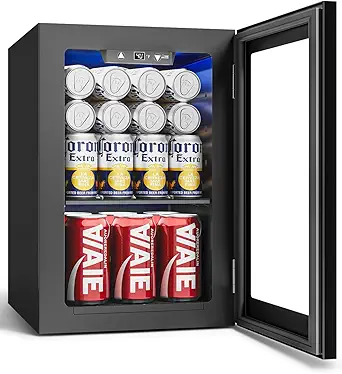 |
| Best Budget The cheapest option that still gets the job done reliably | AstroAI 6L Mini Fridge LY2206A |  |
| Top Rated A top-rated pick with lots of positive feedback | hOmeLabs Beverage Refrigerator HME030065N | 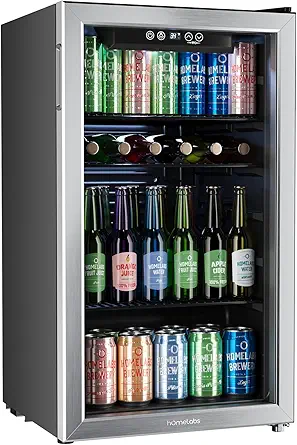 |
| Most Popular A crowd favorite that many people choose with confidence | Upstreman BR321 3.2 Cu.Ft Mini Fridge |  |
| Best Seller A high-volume bestseller chosen again and again | EUHOMY 3.2 Cu Ft Beverage Refrigerator |  |
Igloo 3.2 Cu. Ft. Mini Fridge

| Capacity | 3.2 cubic feet |
|---|---|
| Freezer Capacity | 0.2 cubic feet |
| Cooling Method | Compressor |
| Defrost System Type | Automatic |
| Voltage | 120 volts |
The Igloo 3.2 Cu. Ft. Mini Fridge is a compact freestanding refrigerator with a separate 0.2 cu ft freezer compartment and a compressor cooling system that keeps drinks and small food items chilled. It is typically used in tight spaces like garages, dorms, or home offices where full-size refrigeration is impractical. The unit includes two removable frameless glass shelves with spill guards, vertical can storage and tall bottle capacity, an adjustable mechanical thermostat (32–50°F), and an automatic defrost system. Practical benefits include quiet compressor operation suitable for areas where noise matters, simple temperature control, and a small freezer for ice and frozen snacks. Important limitations are its modest overall capacity that restricts bulk storage and an annual energy consumption figure that is relatively high compared with newer energy-efficient models, which may matter for continuous garage use. The left-hinged single door and matte finish make it easy to position, but footprint and weight should be checked before placement in tighter garage layouts.
Best for: Buyers who want a straightforward, compressor-cooled compact fridge for a garage that balances usable interior layout and a small freezer without extra smart features.
Less Ideal for: People needing large-capacity cold storage, ultra-low energy use, or precise temperature control for sensitive food or beverage collections should consider larger or specialty refrigeration solutions instead.
- Separate top freezer compartment for ice and small frozen items
- Adjustable mechanical thermostat with a 32–50°F range for basic temperature control
- Two removable glass shelves with spill-prevention guards for organized storage
- Compressor cooling provides steady, quiet operation suitable for semi-heated garages
- Freestanding design and left-hand door orientation simplify placement against walls or in corners
- 3.2 cu ft capacity limits bulk or long-term cold storage needs
- Annual energy consumption (304 kwh) is higher than many newer efficient mini fridges
Verdict: A no-frills, compressor mini fridge with a small freezer and adjustable thermostat that fits garage use when you need reliable cooling in a compact footprint.
Frigidaire Retro Mini Fridge EFR840

| Capacity | 3.2 cubic feet |
|---|---|
| Freezer Capacity | 0.2 cubic feet |
| Cooling Method | Compressor |
| Defrost System Type | Manual |
| Installation Type | Freestanding |
The Frigidaire Retro Mini Fridge EFR840 is a small two-door refrigerator with a 3.2 cu ft fresh-food compartment and a 0.2 cu ft top freezer that keeps drinks and snacks chilled without taking much floor space. It uses a compressor cooling system with manual defrost and three removable glass shelves plus a crisper drawer for basic organization, while external temperature controls let you adjust cooling quickly. The unit is freestanding and designed with a flush-back profile so it can sit close to a wall, and the included exterior bottle opener is a handy convenience for garage or workshop use. Practical benefits include easy cleaning from the slide-out glass shelves and a reversible door for flexible placement. Trade-offs for performance-focused buyers are the small freezer capacity and manual defrost, which require occasional maintenance, and the reciprocating compressor may be louder and less heavy-duty than higher-end garage-rated compressors. For those who need a compact, stylish fridge for spare food, drinks, or short-term cooling tasks, it performs well; heavy freezer use or continuous cold storage in very hot garage conditions may exceed its intended scope.
Best for: A buyer who needs a compact, reliable refrigerator for drinks, snacks, and short-term storage in a secondary space like a garage or workshop and values easy placement and simple controls.
Less Ideal for: People who need significant freezer capacity, continuous heavy-duty cold storage, or a fridge rated for sustained operation in very high ambient temperatures should consider larger or garage-rated models instead.
- Compact 3.2 cu ft capacity fits tight spaces and flush-back design saves room.
- Compressor cooling with adjustable external controls for reliable refrigeration.
- Removable spill-proof glass shelves and crisper drawer simplify organization and cleaning.
- Reversible door and built-in side bottle opener add placement flexibility and convenience.
- Small 0.2 cu ft freezer limits frozen storage and ice capacity.
- Manual defrost requires periodic maintenance to avoid frost buildup.
- Reciprocating compressor may run louder and work harder in very hot garage environments.
Verdict: Choose this compact Frigidaire if you want a stylish, space-saving compressor mini fridge that reliably chills drinks and snacks in a garage or secondary space.
Feelfunn Beverage Refrigerator FWC008-11
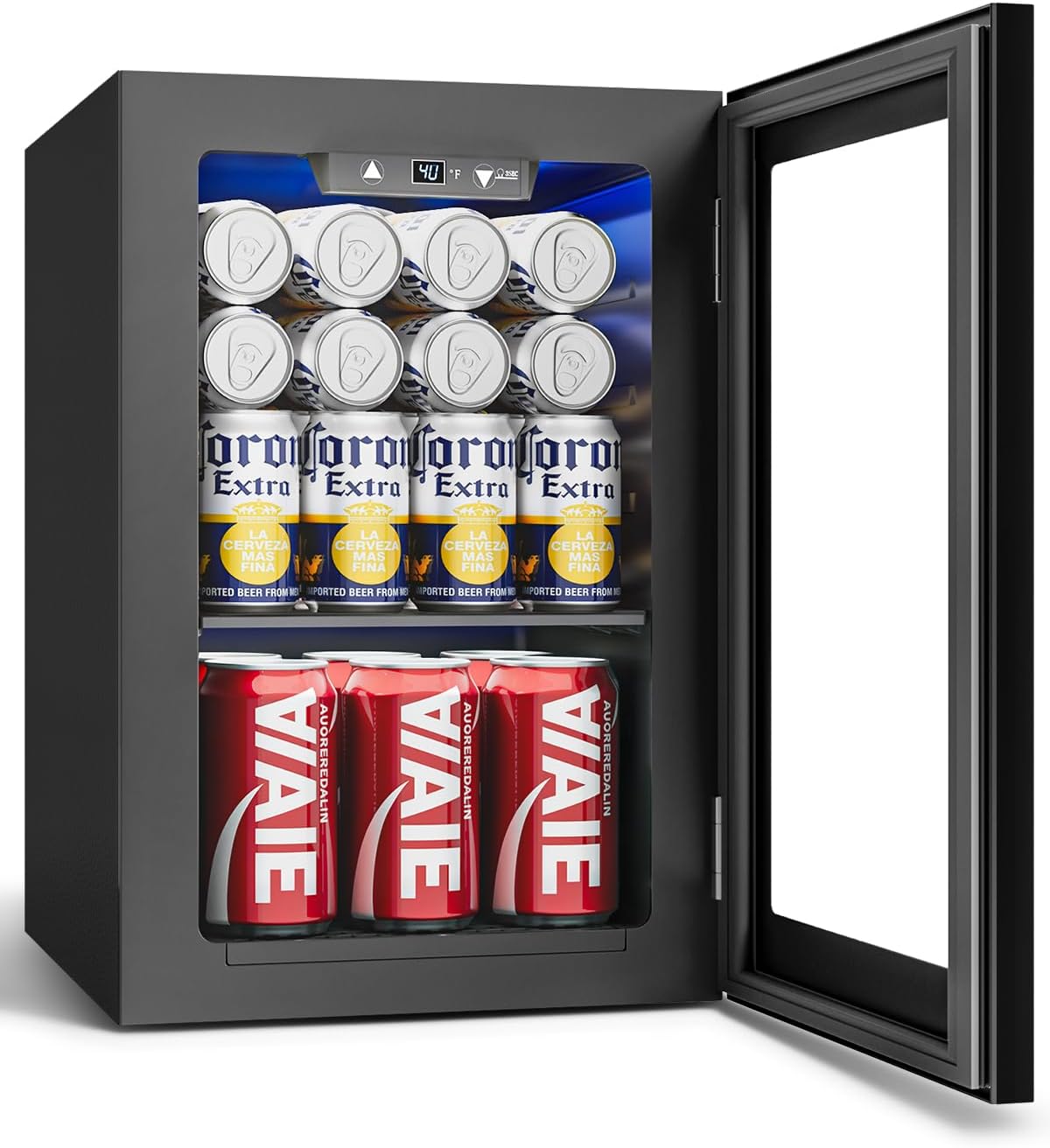
| Capacity | 0.6 cubic feet |
|---|---|
| Temperature Range | 40-61°F |
| Cooling Method | Compressor |
| Power Source | Corded Electric |
| Additional Features | Adjustable Shelves, Interior LED Lighting, Low Noise |
The Feelfunn 24-can beverage refrigerator is a small compressor mini fridge that holds about 0.6 cubic feet and is intended for compact locations like offices, dorms, or garages where space is tight. It cools between 40 and 61°F via a compressor and a 3D circulating air system for even temperatures, and has a removable shelf to switch between cans and bottles. The unit includes a clear LED display with touch controls, interior LED lighting, adjustable feet, and a sealed door to limit frost and help insulation. Noise is rated at 38 dB or less, so it runs quietly near work or hobby spaces, and the compressor-based cooling is faster and more consistent than simple thermoelectric designs. The main limitations are its very small capacity and single-shelf layout, so it is suited to keeping a modest supply of drinks rather than bulk storage, and it requires upright placement before first use. For a buyer needing a compact, quiet, factory-quality cooling solution for a garage workbench or small workshop, this model offers reliable temperature control in a tiny footprint.
Best for: Buyers who want a compact, reliable cooler to keep a modest selection of drinks chilled near a garage bench or workshop and prioritize quiet, consistent cooling in a small footprint.
Less Ideal for: People who need bulk beverage storage, a freezer compartment, or a larger-capacity fridge for frequent entertaining should choose a bigger model.
- Compressor cooling with 3D circulating air for faster, more consistent temperature control
- Adjustable temperature range (40–61°F) and touch LED display for precise settings
- Quiet operation rated ≤38 dB suitable for nearby workspaces
- Removable shelf and adjustable feet let you customize storage and level on uneven floors
- Very small 0.6 cu ft capacity limits storage to about 24 cans or a few bottles
- Single-door, single-shelf layout reduces flexibility for larger or irregularly shaped items
Verdict: A tiny, quiet compressor mini fridge that delivers consistent chilled drinks in tight garage or workshop spaces where footprint and low noise matter.
AstroAI 6L Mini Fridge LY2206A

| Capacity | 6 liters |
|---|---|
| Cooling Method | Thermoelectric |
| Power | 110V AC / 12V DC |
| Defrost System Type | Manual |
| Installation Type | Countertop |
The AstroAI 6L Mini Fridge is a compact thermoelectric cooler and warmer built for small stashes of drinks, skincare, or snacks both at home and on the road. It runs on 110V AC or 12V DC, so you can plug it into a wall outlet or a vehicle cigarette lighter, and a detachable shelf lets you organize cans, bottles, or cosmetic items. The unit cools to about 18–22°C (32–40°F) below ambient and can warm up to roughly 150°F, making it versatile for chilled beverages and warm items. Its low-noise operation, silicone non-slip pads, and hidden hinges suit countertop or portable use, while the manual defrost and recommended ventilation help maintain performance. Expect modest cooling compared with compressor fridges and limited internal space suitable only for a few cans or small containers, and keep it in the advised ambient temperature range for best results. Condensation can appear with temperature swings, so avoid placing hot items inside and limit door openings to reduce moisture buildup.
Best for: Buyers seeking an inexpensive, highly portable mini fridge for short-term cooling or warming in small spaces who prioritize price and mobility over large capacity or heavy-duty cooling.
Less Ideal for: People who need garage-grade refrigeration for large quantities, rapid cooling, or consistent low temperatures should choose a larger compressor fridge instead.
- Dual power options for AC and DC use enable both home and in-car operation.
- Compact 6L capacity fits up to eight 355ml cans or a few 20oz bottles for short-term storage.
- Combined cooling and warming functions add versatility for cosmetics, drinks, or small meals.
- Detachable shelf and adjustable interior organization maximize usable space given the small footprint.
- Low-noise design and silicone feet reduce vibration and protect surfaces during countertop use.
- Thermoelectric cooling delivers only modest temperature drops compared with compressor models.
- Very limited internal capacity restricts storage to a few items at a time.
- Requires proper ventilation and ambient conditions to reach optimal cooling performance.
Verdict: An affordable, ultra-compact fridge that gives budget-minded buyers portable cooling and warming for a few drinks or skincare items.
hOmeLabs Beverage Refrigerator HME030065N

| Capacity | 3.2 cubic feet |
|---|---|
| Storage | 120 cans |
| Temperature range | 34°F–50°F |
| Cooling method | Compressor |
| Defrost system | Automatic |
This hOmeLabs beverage refrigerator is a compact, freestanding cooler built to keep cans and bottles cold in small spaces like garages, home bars, or offices. It uses a compressor-based cooling system with a whisper-quiet compressor and a touch-button digital control that lets you set temperatures from 34°F to 50°F, and an internal LED light makes contents easy to find. Three adjustable/removable chrome wire shelves let you organize cans or switch to bottles when needed, and the reversible double-glazed glass door with stainless frame adds a display-style look. Practical benefits include steady cooling performance for long-term beverage storage and straightforward setup as a standalone unit. Important limitations are its 3.2 cubic-foot capacity, which suits moderate storage but is not for large party loads, and the glass door means some thermal loss compared with solid-door fridges in very hot garage environments. Energy use is listed (288 kWh/year), so expect modest ongoing power draw if running continuously in an unconditioned space.
Best for: Buyers who need a dependable, display-style beverage fridge for a garage, home bar, or workspace and prioritize consistent compressor cooling and easy organization.
Less Ideal for: People who need large-capacity refrigeration for big parties or who plan to place the unit in extremely hot, poorly insulated garages where a solid-door, heavy-duty commercial cooler would perform better.
- Holds up to 120 slim cans in an organized layout
- Digital touch temperature control down to 34°F for consistent cooling
- Whisper-quiet compressor suitable for noise-sensitive spaces
- Adjustable, removable shelves and reversible door for flexible placement
- Glass door shows contents but has more thermal transfer than a solid door in hot environments
- 3.2 cu ft capacity may be small for large gatherings
Verdict: A compact, compressor-cooled beverage fridge that reliably chills and displays up to 120 cans, making it a solid choice for garage or home-bar use where steady cooling matters.
Upstreman BR321 3.2 Cu.Ft Mini Fridge

| Capacity | 3.2 cubic feet |
|---|---|
| Freezer Capacity | 0.3 cubic feet |
| Cooling Method | Compressor |
| Defrost System Type | Manual Defrost |
| Voltage | 115 volts |
The Upstreman BR321 is a compact single-door refrigerator designed to fit tight spaces while providing everyday cooling for drinks, snacks, and small food items. It uses a compressor cooling system with a 0.3 cu.ft freezer and two adjustable glass shelves to accommodate taller bottles or stacked containers, and a crisper drawer for produce. Temperature is set with a five-level adjustable thermostat (32°F to 50°F) so you can tune cooling for different contents, and the door can be reversed to suit placement. It is rated for quiet operation around 38 dB and is ETL listed, with Energy Star-style efficiency figures that should keep running costs low. Practical touches include adjustable leveling feet, a tight door seal, and a manual defrost tool for the freezer. Limitations to note for garage use: the compressor design is better than thermoelectric units for hot environments but the product does not list an outdoor or garage-specific operating temperature range, so performance in extreme hot or unconditioned garages may be reduced and ice cream or frozen goods are not reliably supported.
Best for: Buyers who prioritize a quiet, energy-efficient compact refrigerator for a secondary space and want a recognizable model with broad customer feedback for reliability.
Less Ideal for: Do not choose this unit if you need a fridge rated for unconditioned outdoor or very hot garage environments or if you require substantial frozen storage capacity.
- Compact 3.2 cu.ft capacity fits tight spaces while still holding bottles and snacks
- Compressor cooling with adjustable thermostat offers stronger cooling than thermoelectric models
- Reversible door and adjustable leveling feet increase placement flexibility
- Quiet operation (~38 dB) suitable for bedrooms, offices, or quieter garages
- Two adjustable glass shelves and a crisper drawer make interior organization simple
- Manual defrost freezer requires occasional maintenance
- No specified ambient operating temperature for garage or outdoor use
- Freezer is small and not suitable for long-term storage of ice cream or large frozen items
Verdict: A quiet, energy-efficient 3.2 cu.ft compressor mini fridge that fits tight spaces and delivers reliable everyday cooling for secondary locations when garage conditions are moderate.
EUHOMY 3.2 Cu Ft Beverage Refrigerator

| Capacity | 3.2 cubic feet |
|---|---|
| Temperature Range | 37°F to 61°F |
| Cooling Method | Compressor |
| Number of Shelves | 5 |
| Installation Type | Freestanding |
This EUHOMY beverage refrigerator is a freestanding mini fridge aimed at storing cans and bottles in small spaces like a garage, home bar, or office. It uses a compressor cooling system with an internal fan for even airflow and a digital touchscreen that sets temperature between 37°F and 61°F, so you can keep beer, soda, or wine at consistent serving temperatures. The 3.2 cu ft interior holds up to about 130 standard cans and the five removable wire shelves let you reconfigure for taller bottles or stacking cases. The double-layer glass door and tight seal help maintain internal humidity and temperature while the reversible door and adjustable feet make placement flexible. Energy use is moderate at about 0.69 kWh per day and the unit reports a quiet operating level around 36 dB. Expect typical compressor startup noise and routine servicing needs if used in dusty or hot garage conditions, and the glass door will transmit more ambient heat than a solid-door model in uninsulated spaces.
Best for: Buyers who prioritize reliable, temperature-stable cold storage for beverages in secondary spaces and want an easy-to-use digital control and flexible shelving.
Less Ideal for: People looking for heavy-duty, insulated refrigeration for extremely hot or dusty garages or those needing a freezer compartment should consider more rugged or purpose-built models.
- Compressor cooling with internal fan for consistent temperatures.
- Precise digital touchscreen control from 37°F to 61°F.
- Flexible storage with five removable shelves and five shelf positions.
- Reversible door and adjustable feet for flexible placement.
- Quiet operation rated near 36 dB for low background noise.
- Glass door offers less insulation than a solid door in uninsulated or hot garages.
- Annual energy consumption is moderate and higher than the most efficient compact models.
- Not intended to freeze; no freezer compartment for ice or long-term food storage.
Verdict: A dependable, digitally controlled 3.2 cu ft compressor beverage fridge that delivers steady, quiet cooling and flexible storage for garage beverage needs.
Choosing the Right Mini Fridge for Garages: Key Factors to Consider
Ambient Operating Range
Mini fridges vary in the ambient temperatures they are designed to operate within. In a garage you can see much colder winters and hotter summers than inside the house. A unit with a wider specified operating range will maintain set temperatures more reliably and avoid repeated compressor cycling that shortens component life.
Check the specification sheet for an ambient operating range and prefer models that explicitly list performance down to cooler temps and up to higher temps typical of garages. If a unit lacks an ambient range, assume it is intended for indoor, climate-controlled use only.
Compressor Type and Duty Rating
The cooling mechanism affects longevity. Compressor-based systems generally handle fluctuating ambient temperatures and heavy duty cycles better than thermoelectric units. Within compressor types, look for models with rated duty cycles or comments on continuous operation.
A beefier compressor tolerates frequent on/off cycles and higher head pressure during hot ambient conditions. For garages, durability and serviceability of the cooling system are more important than marginal gains in noise or initial cost.
Insulation and Door Sealing
Good insulation and an effective door gasket reduce the load on the cooling system by keeping warm, humid, or dusty air out. In garages, insulation quality also prevents heat transfer from hot afternoons and limits frost buildup in damp conditions.
Inspect descriptions for thicker walls, foam insulation, and strong magnetic gaskets. Durable seals will also resist warping from temperature swings and help the fridge maintain steady internal temperatures.
Capacity and Interior Flexibility
Usable capacity matters more than a headline cubic-foot number. Shelving adjustability, door-storage options, and the ability to accept taller items determine whether the mini fridge meets your needs for drinks, perishables, or longer-term storage.
For garage use, choose a layout that lets you separate frequently accessed items from long-term stored goods. Removable shelves and easy-to-clean surfaces simplify maintenance when the environment is dustier than an indoor kitchen.
Placement, Vibration, and Mounting
Garages often have uneven floors and more vibration from nearby tools or vehicles. A mini fridge should have adjustable feet or a stable base to stay level and prevent compressor strain. Vibration isolation reduces noise and wear.
Consider how the unit will be positioned relative to walls and ventilation clearance. Proper placement keeps the condenser working efficiently and reduces heat soak from adjacent hot surfaces.
Energy Use and Long-Term Reliability
Because a garage fridge typically runs continuously, energy consumption affects long-term operating cost and heat output. High-efficiency models with solid insulation reduce runtime and stress on components. Reliability—measured by build quality and easy access to service points—matters because repairs in a garage setting are less convenient.
Look for clear efficiency ratings and simple user-accessible parts like removable shelves and external condensers. A slightly more efficient unit can pay back in lower electricity use and less frequent maintenance.
Preparing a Garage Space for a Mini Fridge
Before you buy, evaluate where the refrigerator will sit. Look for a level surface away from direct sunlight, paints or solvents, and sources of extreme heat such as furnaces or hot pipes. Ensure at least the minimum clearance around the back and sides recommended by the manufacturer so airflow over the condenser is not restricted.
If the garage floor slopes, use a small platform or adjustable feet to level the unit. Place a protective mat underneath to reduce dust ingress and to protect the base from moisture. Also plan for an outlet that is properly grounded and ideally dedicated to the fridge to avoid tripping shared circuits when other tools run.
- Leave manufacturer-recommended clearance for ventilation
- Avoid direct sunlight and heat sources
- Use a level base and protective mat to reduce dust and moisture
- Plug into a properly grounded outlet
Thermoelectric Vs Compressor Cooling: Which Suits a Garage?
Thermoelectric units are quieter and lighter but struggle when ambient temperatures are high or very low. They are best for mild, indoor climates. For garage applications with wide temperature swings, compressor-based systems are generally more robust and maintain set temperatures under stress.
If the garage stays within a narrow temperature band year-round, a thermoelectric unit can be acceptable for occasional beverage chilling. Otherwise, prioritize compressor-driven models designed for continuous duty to avoid reliability problems.
- Thermoelectric: Quiet, light, limited ambient range
- Compressor: Better for wide temperature swings and continuous use
Maintenance Tips to Extend Service Life
Regular maintenance keeps a garage mini fridge running well. Clean dust from condenser coils at least twice a year and inspect the door gasket for cracks or debris that could prevent a good seal. Defrost manually if the unit is not frost-free, and wipe up spills quickly to avoid lingering odors or mold.
Monitor performance seasonally. If cooling becomes inconsistent during hot months, reduce load, improve ventilation, and check that the compressor is not obstructed. Early attention to small issues prevents bigger failures in an environment where repair can be more troublesome.
- Clean condenser coils regularly to maintain efficiency
- Inspect and clean door gaskets to preserve the seal
- Defrost non-frost-free units as needed
- Check performance seasonally and act on anomalies quickly
Noise, Vibration, and Neighbor Considerations
Garages are often near living spaces or neighbors, so consider noise and vibration. Compressor units can be louder and produce more vibration than thermoelectric models. Placement on a solid, level surface with vibration-dampening pads reduces transferred noise and prolongs component life.
If noise is a concern, choose a model with low-decibel ratings or features noted for quiet operation. Remember that older compressors typically grow louder over time, so maintenance and proper installation help minimize future noise issues.
- Use vibration-dampening pads to cut noise transfer
- Place the unit on a stable, level surface
- Review decibel ratings for quieter operation
Organizing a Garage Mini Fridge for Practical Use
Think through how you will use the fridge day to day. Keep commonly used items at eye level, beverages on door racks if available, and long-term stored items on lower shelves. Use clear containers or bins to group similar items and minimize the time the door is open.
Consider adding a small thermometer or Wi-Fi temperature monitor to track internal temperatures, especially during extreme weather. That helps you adjust settings and avoid spoilage without repeatedly opening the door.
- Store frequently used items within easy reach
- Use bins to reduce door-open time
- Add a thermometer or monitor for temperature checks
How We Chose the Best Mini Fridge for Garages
We focused on characteristics that matter when a refrigerator is sited in a non-climate-controlled space. Key evaluation criteria included temperature performance in wide ambient ranges, compressor or cooling system durability, insulation and sealing quality, and resistance to dust and moisture. We also considered usable interior capacity and shelving flexibility, energy efficiency for continuous operation, and installation flexibility such as leveling feet and vibration isolation. Products were excluded if their specifications showed limited ambient operating ranges, were designed strictly for indoor, climate-controlled use, or lacked clear durability features. We prioritized units with clear data or manufacturer guidance supporting garage use, robust mechanical components, and serviceability. Where possible, we favored fridges with better insulation and compressors rated for extended duty cycles, because those traits most directly affect reliability and consistent cooling in garage conditions.
Our full evaluation process is outlined in our review methodology.
FAQ
Can any mini fridge be used in a garage?
Not necessarily. Many mini fridges are designed for indoor, climate-controlled environments and may not maintain proper temperatures or may fail when exposed to wide ambient swings. Look for models with specified ambient operating ranges or explicit guidance for garage use.
Is a thermoelectric mini fridge suitable for a hot garage?
Usually no. Thermoelectric systems struggle to cool effectively when ambient temperatures are high. For garages that reach warm temperatures in summer, a compressor-based unit is typically a better choice.
How much clearance does a mini fridge need in a garage?
Clearance requirements vary, but you should allow at least the manufacturer-recommended space around the back and sides for ventilation. Insufficient airflow can raise condenser temperatures and reduce cooling performance and component life.
How often should I service a garage mini fridge?
Inspect and clean condenser coils and the door gasket at least twice a year, and check performance seasonally. More frequent maintenance may be needed in particularly dusty or humid garages.
Will a mini fridge use a lot of electricity in a garage?
Energy use depends on insulation quality, compressor efficiency, and ambient temperatures. Units working harder in hot conditions will consume more electricity. Choosing well-insulated, efficient models reduces runtime and overall energy use.
Final Verdict
When choosing a mini fridge for garage use, prioritize models with a wide ambient operating range, robust compressor cooling, and solid insulation. Think about installation: steady, level placement, proper ventilation, and vibration isolation all extend service life. Balance capacity and interior flexibility with energy efficiency to match how you will use the unit. Focus on the tradeoffs between lower initial noise and long-term reliability. For most garages, a compressor-based, well-insulated mini fridge that is easy to maintain offers the best combination of consistent cooling and durability.