
Note: This article contains affiliate links. If you click on these links and make a purchase, we may earn a small commission at no extra cost to you. This helps support our research and content. Read our full affiliate disclosure here.
Choosing the right mini fridge for outdoors matters because exposure to heat, moisture, and variable power sources changes how a small cooler performs in real life. Whether you want a backyard beverage center, a camping companion, or a compact unit for a covered patio, the right model keeps contents cold while standing up to outdoor conditions. This guide shortlists the top mini fridges for outdoors, focusing on units that combine reliable cooling, appropriate weather resistance, and flexible power options. Below we evaluate important factors like insulation, power compatibility, durability, and capacity so you can pick a unit that fits how and where you plan to use it.
Top Picks at a Glance
| Best Overall The best all-around choice for most situations | Velieta 24 Inch Beverage Refrigerator |  |
| Best Quality Built to a higher standard if you want something more solid | hOmeLabs Beverage Refrigerator HME030065N | 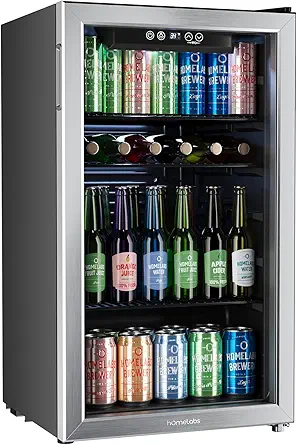 |
| Best Value The sweet spot between price and what you get | EUHOMY WC-6B Mini Fridge | 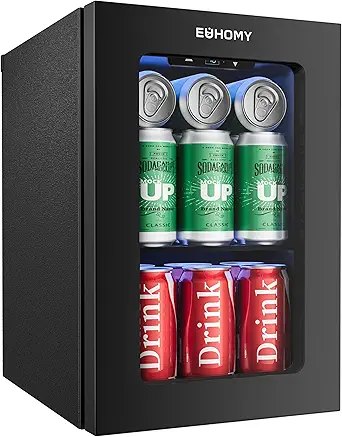 |
| Best Budget The cheapest option that still gets the job done reliably | Erivess Beverage Refrigerator YLG-HA209B |  |
| Top Rated A top-rated pick with lots of positive feedback | BougeRV CR22 23-Quart Portable Fridge |  |
| Most Popular A crowd favorite that many people choose with confidence | Cooluli Classic 4L Mini Fridge |  |
| Best Seller A high-volume bestseller chosen again and again | Upstreman BR321 3.2 Cu.Ft Mini Fridge |  |
Velieta 24 Inch Beverage Refrigerator

| Cooling Method | Compressor |
|---|---|
| Capacity | 5.3 cubic feet |
| Defrost System Type | Frost Free |
| Number Of Shelves | 3 |
| Installation Type | Built-In/under counter/Free standing |
The Velieta 24 Inch Beverage Refrigerator is a compact, outdoor-capable cooler that stores drinks in a front-ventilated, built-in or freestanding layout. It uses a compressor-based cooling system with an upgraded compressor for stable, relatively quiet operation and a frost-free design, and the digital display makes temperature adjustments straightforward. The unit ships with three removable wire shelves and an adjustable bottom stand so you can level it for a 24-inch opening and reconfigure interior space for cans, bottles, or mixed sizes. The stainless steel door and front ventilation are intended for under-counter installation and outdoor settings where heat dissipation matters. Practical strengths include the large 5.3 cu ft capacity that fits many cans, an illuminated interior LED for visibility, and a keyed lock for secure storage. Consider that the shelving is wire rather than solid or wood, and there is a single-door French-style layout with right-hand orientation which may affect loading patterns. Installation requires planning for front ventilation and leveling under counter to achieve the best fit and cooling performance.
Best for: Buyers who want a weather-ready, built-in-capable beverage fridge for patios or outdoor kitchens and prioritize capacity and stable compressor cooling over decorative shelving finishes.
Less Ideal for: People seeking a decorative indoor wine cellar with wooden shelving or those who need a reversible door hinge for a specific cabinet layout should look elsewhere.
- Large 5.3 cubic feet capacity for a 24-inch unit, holds many cans or bottles
- Front ventilation and adjustable feet allow built-in under-counter installation without top clearance
- Compressor cooling with frost-free defrost keeps temperatures stable and runs at low vibration
- Digital display and removable wire shelves make temperature control and interior reconfiguration easy
- Stainless steel door and keyed lock improve durability and security for outdoor use
- Wire shelves limit fragile item support and have visible gaps compared with solid shelves
- Right-hand door orientation may not suit all built-in layouts
Verdict: A roomy, stainless steel 24-inch beverage fridge built for outdoor or under-counter installation that delivers stable compressor cooling and flexible shelving for serious drink storage.
hOmeLabs Beverage Refrigerator HME030065N

| Capacity | 3.2 cubic feet |
|---|---|
| Storage | 120 cans |
| Temperature range | 34°F-50°F |
| Cooling method | Compressor |
| Defrost system type | Automatic |
This hOmeLabs beverage refrigerator is a compact, compressor-cooled mini fridge built to store cans and bottles for a home bar, office, or small outdoor-covered entertaining area. It uses a whisper-quiet compressor and a touch-button digital control panel to maintain temperatures from 34°F to 50°F, and the double-glazed glass door plus interior LED light make it easy to see stock without opening the door. Three removable chrome wire shelves allow quick reconfiguration for taller bottles or more cans, and the reversible stainless-steel framed door gives flexibility for siting. Practical benefits include steady cooling at lower temps suitable for beers and soft drinks and an interior light that helps during evening gatherings. Important limitations are the freestanding design and lack of inverter or specific outdoor-weatherproofing, so it is best used in sheltered outdoor kitchens, covered patios, or enclosed RV spaces rather than exposed outdoor locations, and it consumes a moderate amount of energy compared with very small thermoelectric coolers.
Best for: Buyers who prioritize reliable, low-temperature performance and visible display for entertaining in sheltered outdoor spaces or covered patios where a room-grade compressor fridge is acceptable.
Less Ideal for: People who need a weatherproof fridge for fully exposed outdoor placement or those who want the absolute lowest energy draw for occasional use.
- Compressor cooling with whisper-quiet compressor for steady low-temperature performance
- Digital touch temperature control with range down to 34°F for reliably cold drinks
- Holds up to 120 slim cans on three removable chrome wire shelves for flexible storage
- Double-glazed glass door and interior LED light provide clear display of contents
- Reversible door and adjustable feet allow flexible placement
- Not rated or designed for fully exposed outdoor use or harsh weather conditions
- Annual energy consumption is relatively high compared with smaller thermoelectric units
Verdict: Choose this fridge when you want a room-grade, compressor-cooled beverage cooler that keeps large quantities of drinks reliably cold for sheltered outdoor entertaining.
EUHOMY WC-6B Mini Fridge

| Capacity | 18 liters |
|---|---|
| Cooling Method | Compressor |
| Temperature Range | 40°F to 61°F |
| Voltage | 115 volts |
| Configuration | Compact Freezerless |
The EUHOMY WC-6B is a 0.6 cu ft countertop beverage fridge that keeps cans and small bottles chilled using a quiet compressor cooling system. It is typically used as a bedroom, office, or outdoor-adjacent mini fridge for drinks and light wine storage, with a digital control that sets temperatures between 40°F and 61°F and an LED interior light for visibility. The single removable shelf lets you switch between shelving for cans and open space for taller bottles, and the right-hinged UV-protected door helps shield contents from sunlight. Practical benefits include stable compressor cooling that holds temperature consistently even in changing conditions, low noise operation under 40 dB, and a small footprint that is easy to move. Important limitations are the very small net capacity—best for short-term beverage storage rather than bulk or family use—and manual defrost which requires occasional maintenance. The unit uses standard 115V power and comes with ETL certification and a one-year warranty for basic peace of mind.
Best for: Buyers who want a small, efficient beverage fridge to keep drinks reliably chilled in compact spaces and prioritize steady cooling and low noise.
Less Ideal for: Anyone needing large-capacity cold storage, long-term refrigeration for food, or a frost-free, low-maintenance unit should consider larger or full-size refrigerators instead.
- Compressor cooling for stable, consistent temperatures
- Digital temperature control from 40°F to 61°F for precise chilling
- Removable shelf allows flexible storage for cans or taller bottles
- Operates quietly (under 40 dB) suitable for bedrooms and offices
- UV-protected door helps reduce sunlight exposure to beverages
- Very small internal capacity limits number of drinks stored
- Manual defrost requires periodic maintenance
Verdict: A compact, low-noise compressor mini fridge that delivers reliable, stable cooling for small outdoor-adjacent beverage setups.
Erivess Beverage Refrigerator YLG-HA209B

| Capacity | 0.6 cubic feet |
|---|---|
| Refrigerator Net Capacity | 0.9 cubic feet |
| Number Of Shelves | 1 |
| Cooling Method | Compressor |
| Installation Type | Freestanding/Countertop/Built-in |
This Erivess compact beverage refrigerator is a small, single-zone cooler designed to chill drinks rather than store fresh food. It fits roughly 24 standard cans on one removable shelf and uses a compressor with a small convection fan for relatively quick, consistent cooling down to about 40°F, plus a memory function that restores the preset temperature after power interruptions. The left-hinge acrylic front door lets you see contents without opening the unit and the glossy finish keeps it unobtrusive whether placed on a countertop, under a counter, or in a small outdoor shelter. It runs quietly and lists low annual energy consumption, which helps with continuous use in budget-conscious setups. Limitations are its very small internal capacity and manual defrost, so it is unsuitable for wide beverage variety or larger gatherings and will require occasional maintenance to prevent frost buildup.
Best for: Buyers on a tight budget who need a quiet, space-saving cooler for chilling drinks near an outdoor entertaining area, patio bar, or small kitchenette.
Less Ideal for: People planning to cool large parties, store food, or keep a wide range of bottle sizes will need a larger-capacity refrigerator instead.
- Compact 24-can capacity fits small spaces and under-counter installations
- Compressor cooling with convection fan for steady, relatively quick chilling
- See-through acrylic door lets you check contents without opening
- Low noise operation suitable for indoor sheltered outdoor use
- Very limited internal volume restricts number and variety of beverages
- Manual defrost requires occasional maintenance to manage frost
Verdict: A very affordable, quiet, and compact beverage cooler that works well as a budget-friendly mini fridge for small outdoor or patio setups.
BougeRV CR22 23-Quart Portable Fridge

| Capacity | 23 quarts |
|---|---|
| Temp range | -8℉ to 50℉ (-22℃ to 10℃) |
| Power source | 12/24V DC, 100–240V AC |
| Cooling method | Compressor |
| Noise level | 45 dB |
The BougeRV CR22 is a compact 23‑quart portable refrigerator that behaves like a small freezer when needed and is built for camping, road trips, and vehicle use. It uses a compressor cooling system that can reach about 32°F from room temperature in roughly 15 minutes and drop to subfreezing temperatures over longer runs, so you can store frozen food without ice. Power flexibility is strong: it runs from 12/24V DC in vehicles or from 100–240V AC using the included adapter, and it has a three-level battery protection system to avoid draining a car battery. The unit is relatively quiet at around 45 dB and is designed to tolerate up to a 30° tilt on uneven roads. Practical trade-offs are its modest 23‑quart capacity and the manual defrost requirement, and it lacks an inverter and app control. For buyers who need a rugged, efficient fridge for outdoor use the CR22 offers fast cooling and low power draw, but those needing larger capacity or smart controls should look elsewhere.
Best for: Buyers who prioritize a dependable, low‑power compressor fridge for vehicle-based outdoor trips and want a unit that cools quickly and protects their vehicle battery.
Less Ideal for: People who need large internal capacity, integrated smart controls, or automatic defrosting in a portable fridge.
- Compressor cooling that reaches 32°F quickly for true refrigeration and freezing capability
- Runs on 12/24V DC or 100–240V AC with included cords for versatile outdoor power options
- Three-level battery protection prevents vehicle battery drain during use
- Low operating noise (~45 dB) and shock-proof design tolerate campsite and road conditions
- 23‑quart capacity is limited for group trips or long expeditions
- Manual defrost required rather than auto-defrost
- No inverter or smartphone app control for remote monitoring
Verdict: A compact, reliable compressor car fridge that cools fast and protects vehicle batteries, ideal for dependable outdoor and road‑trip refrigeration.
Cooluli Classic 4L Mini Fridge

| Capacity | 4 liters |
|---|---|
| Cooling Method | Thermoelectric |
| Power Source | AC/DC/USB |
| Cools down to | 20°–22°C below ambient temperature |
| Warms up to | 65°C |
The Cooluli Classic 4L is a small thermo-electric mini fridge that cools or warms a 4-liter interior and runs from AC, DC, or USB power, making it usable at home, in a car, or at a campsite with a suitable power bank. It uses semiconductor cooling (no refrigerants) and flips between cooling and warming modes with a simple switch, so you can chill skincare, snacks, or medications down to about 20–22°C below ambient or warm items up to about 65°C. The unit is lightweight with an integrated handle and includes AC and DC cords plus a USB cable for flexible power options. Practical benefits include very quiet operation, low power draw, and the ability to operate off a 2A USB power bank for short outdoor runs. Important limitations are the tiny 4-liter capacity that only fits a few cans or small jars, and the thermo-electric system cannot reach fridge-level temperatures in very hot ambient conditions or match compressor cooling efficiency for long-term food storage. The Classic is best when you need a compact, low-noise cooler/warmer for short trips, beauty products, or single-person use rather than full food preservation.
Best for: Buyers who prioritize a proven, low-noise portable cooler/warmer with broad power options for short outdoor trips, car use, or keeping skincare and medications chilled.
Less Ideal for: People needing long-term food preservation, large-capacity cooling, or reliable fridge temperatures in hot outdoor environments should choose a compressor-based or larger model.
- Multiple power options: AC, DC and USB for indoor, vehicle, or portable use.
- Dual-mode cooling and warming with a simple switch for flexible storage needs.
- Very compact and lightweight with a molded handle for easy transport.
- Thermo-electric operation is quiet and refrigerant-free.
- Only 4-liter capacity limits the amount of food or drinks you can store.
- Thermo-electric cooling is less effective than compressor units in high ambient temperatures.
Verdict: A tiny, ultra-portable cooler/warmer with AC, DC, and USB power that is ideal for short outdoor trips and single-item cooling or skincare storage.
Upstreman BR321 3.2 Cu.Ft Mini Fridge

| Capacity | 3.2 cubic feet |
|---|---|
| Freezer Capacity | 0.3 cubic feet |
| Cooling Method | Compressor |
| Voltage | 115 volts |
| Defrost System Type | Manual Defrost |
The Upstreman BR321 is a straightforward compact refrigerator that delivers basic, reliable cooling for small spaces. It uses a rotary scroll compressor and offers a 0.3 cu.ft freezer plus about 2.9 cu.ft of fridge space organized with two adjustable glass shelves, a crisper drawer, and three door bins for bottles and condiments. Temperature is user-controlled across five settings (32°F to 50°F), and the reversible door and adjustable leveling feet make siting flexible. It is ETL listed and Energy Star rated with modest annual energy consumption, and the brand rates noise at about 38 dB which suits bedrooms or offices. Expect manual defrosting for the freezer and standard corded power; this unit is not intended for heavy-duty cold storage like ice cream or large frozen items. Setup is simple and the compact footprint balances interior capacity with portability, making it useful as a secondary fridge where space and quiet operation matter more than large capacity or advanced features.
Best for: Buyers who prioritize a quiet, energy-efficient secondary refrigerator for tight spaces and want a reliable, no-frills unit that is easy to install and operate.
Less Ideal for: People needing large freezer capacity, commercial use, or heavy-duty long-term food storage should choose a larger refrigerator or a dedicated freezer instead.
- Compact 3.2 cu.ft capacity with a dedicated 0.3 cu.ft freezer for small frozen items
- Adjustable thermostat with five temperature levels for different foods and seasons
- Quiet operation around 38 dB suitable for bedrooms and offices
- Reversible door and adjustable leveling feet for flexible placement
- Energy Star certified and ETL listed for efficiency and safety
- Manual defrost freezer requires occasional maintenance
- Not suitable for long-term deep freezing or storing large frozen items
Verdict: A compact, energy-efficient mini fridge that delivers quiet, dependable cooling for small spaces where a simple secondary refrigerator is needed.
Choosing the Right Mini Fridge for Outdoors: Key Factors to Consider
Cooling Performance in High Ambient Temperatures
A mini fridge used outdoors must maintain safe storage temperatures even when the surrounding air is warm. Units vary in how much temperature differential they can sustain between the interior and a hot exterior. Good thermal performance means the compressor or thermoelectric system can keep contents cold during midday heat and after extended sun exposure.
When evaluating units, consider rated operating ambient range and any manufacturer guidance about maximum outdoor temperature. Models with stronger sealed compressors and thicker insulation typically perform better on hot days, reducing the risk of warm spots or condensation inside the unit.
Power Options and Efficiency
Outdoor use often involves different power sources than a standard kitchen outlet. Look for mini fridges that accept both standard AC and 12V DC inputs or that are compatible with external battery packs. Power efficiency affects how long a fridge can run off limited sources and determines how much cooling you get per amp hour.
Consider energy draw under typical outdoor conditions, standby consumption, and whether the unit tolerates fluctuating voltages. An efficient compressor or low-wattage thermoelectric system can be advantageous for portable or off-grid setups.
Weather Resistance and Corrosion Protection
Exposure to humidity, rain, and salt air can degrade finishes and internal components. Even if the fridge will sit under a covered area, splashes and airborne moisture can affect longevity. Look for powder-coated or stainless finishes, sealed control panels, and protective door gaskets that resist water ingress.
Corrosion-resistant hardware and raised feet or base channels help keep the cabinet off wet surfaces. Durable seals and simple mechanical controls are preferable because they are less prone to failure when exposed to grime or moisture.
Capacity, Layout, and Organization
Outdoor mini fridges are used for different payloads than indoor units. You might prioritize can storage, bottle clearance, or a small freezer compartment. Pay attention to usable internal volume, shelving adjustability, and door storage that secures bottles during movement.
Think about how you will load the fridge and whether you need removable shelves for bulky items. A clear view of usable storage helps avoid buying a unit that physically fits but cannot handle the supplies you plan to keep cold.
Portability and Installation
Portability matters for tailgating, camping, or moving a fridge seasonally on a patio. Evaluate weight, handle placement, and whether the unit has caster options or recessed grips to simplify transport. Also consider how the unit is installed: reversible doors or shallow depth designs allow placement in tight outdoor bar areas.
Quick-release shelves and a stable base reduce the effort to set up and minimize tipping risk on uneven surfaces. Easy electrical hookups and straightforward cable routing also make an outdoor fridge more pleasant to use.
Noise Level and User Comfort
Noise is a practical consideration when the fridge sits near seating areas, tents, or sleeping spaces. Compressors tend to be louder than thermoelectric units, but modern designs vary widely in audible signature and vibration control. Look for user noise ratings or manufacturer decibel specs when available.
Lower noise improves enjoyment during gatherings and overnight camping. If a quieter unit is necessary, prioritize models with anti-vibration mounts and known quiet operation.
Choosing Between Compressor and Thermoelectric Cooling
Compressor systems offer stronger cooling and are better at sustaining low interior temperatures in hot ambient conditions. They are usually more efficient at large temperature differentials and can cool to near-freezing, which is useful if you need a small freezer section or consistently cold drinks on hot days.
Thermoelectric units are lighter and often quieter, and they do not use refrigerant or compressors. These advantages make them attractive for light-duty use and for situations where noise and portability are the highest priorities, but they typically struggle when the outdoor temperature climbs above moderate levels.
- Pick a compressor mini fridge when you need consistent cold in warm environments and when power availability is steady.
- Choose thermoelectric for lightweight, low-noise portability and brief outdoor use in mild temperatures.
Powering Your Outdoor Mini Fridge
Plan for how you will power the unit before purchase. If you intend to run the fridge from a vehicle or battery, confirm DC compatibility or consider a reliable inverter rated for starting currents. Some units have built-in 12V inputs or offer optional adapters for mobile use.
For backyard or patio placement near household outlets, check cord length and whether the unit handles occasional voltage drops. If you expect to run long extension cords, use outdoor-rated gauge wire and follow safe electrical practice to avoid overheating or voltage loss.
- Confirm startup current if using inverters or batteries; compressors can draw several times their running current at startup.
- Consider an energy monitor to estimate runtime on portable power setups.
Placement, Ventilation, and Shelter
Even outdoor-rated mini fridges need adequate ventilation. Position the unit so the condenser area has free airflow and avoid tight enclosures that trap heat. Under-cover locations like pergolas or screened porches provide shelter from direct rain and sun while still allowing ventilation.
Elevate the fridge off wet or uneven surfaces with a small platform or feet to reduce corrosion risk and improve airflow beneath the unit. Provide a bit of shade when possible to reduce workload on the cooling system during peak sun hours.
- Keep at least a few inches of clearance on all sides for airflow.
- Avoid placing the unit in direct sunlight or in fully enclosed cabinets outdoors.
Maintenance Tips for Outdoor Use
Regular maintenance extends the life of an outdoor mini fridge. Clean and inspect door seals periodically, wipe condensation from around the gasket, and clear any debris from vents. For compressor units, check coils or vents for dust buildup and remove it to maintain efficient heat exchange.
If the unit will sit unused for long stretches, empty it, dry the interior thoroughly, and prop the door open slightly to prevent mold and odors. Protect exposed electrical connections from water and clean the exterior finish to remove corrosive residues from outdoor environments.
- Wipe spills promptly to avoid sticky residues that attract pests.
- Cover the unit with a breathable, waterproof cover when not in use for extended periods.
Sizing Your Outdoor Mini Fridge
Match capacity to typical usage rather than occasional peak needs. A slightly larger interior may provide flexibility for hosting, but it also increases energy consumption and weight. Think in terms of number of standard cans or bottles you typically need chilled and whether a small freezer compartment is essential.
Consider available footprint and door swing when measuring. Some compact units trade vertical storage for depth, which can affect what fits inside. Removable or adjustable shelves improve versatility so you can switch between bottle storage and stacked containers.
- Use a tape measure to confirm that the unit fits the intended outdoor spot with door clearance.
- Prioritize interior organization features like bottle cradles or can dispensers if hosting is a common use case.
How We Chose the Best Mini Fridge for Outdoors
We chose mini fridges for outdoors by prioritizing attributes that matter when a compact cooler is used outside rather than in a climate-controlled kitchen. Key evaluation criteria included thermal performance in higher ambient temperatures, power options for both AC and 12V use, build and weather resistance for damp or dusty settings, internal layout and usable capacity, and portability features such as weight and handle placement. We also considered noise levels for units intended for social or campsite settings and the ease of maintenance and cleaning after outdoor use. We excluded indoor-only designs that lack any form of weather or moisture protection and models that depend on fragile electronic controls unsuited to variable outdoor power. The final list highlights products that balance cooling efficiency, resilience to outdoor conditions, and convenience features that matter to buyers using a mini fridge outside.
Our full evaluation process is outlined in our review methodology.
FAQ
Can I use a standard mini fridge outdoors year-round?
Often it depends on the model. Many mini fridges are designed for indoor use and will struggle or fail if exposed to cold, heat, or moisture year-round. Choose a unit specified for outdoor or garage use or place the fridge under a sheltered, ventilated area to extend its service life.
Will a thermoelectric mini fridge work in hot weather?
Thermoelectric units typically lose effectiveness as ambient temperatures rise and may not keep contents sufficiently cold on very hot days. They are best for mild conditions or short-term use. For consistently hot outdoor environments, a compressor-based unit is generally more reliable.
How do I power an outdoor mini fridge from a vehicle or battery?
Look for models with 12V DC compatibility or use a properly sized inverter to convert battery power to AC. Account for startup current of compressor models and ensure the battery capacity and wiring can handle the load for the desired runtime.
Do outdoor mini fridges need special maintenance?
Yes. Outdoor placement exposes the unit to moisture, dust, and debris, so regular cleaning of vents, seals, and the exterior finish is important. Dry the interior if storing the unit empty and protect electrical connections from exposure to water.
Is it safe to store food long-term in an outdoor mini fridge?
It depends on the fridge's temperature stability. Short-term storage of drinks and perishables is usually fine if the unit maintains safe refrigeration temperatures. For long-term food storage, choose a unit with reliable temperature control and monitor temperatures regularly to prevent spoilage.
Final Verdict
When choosing a mini fridge for outdoors, prioritize thermal performance, power flexibility, and weather resistance. Decide whether portability or consistent cold is more important for your use case, and match capacity and layout to how you plan to store drinks and food. Weigh the tradeoffs between compressor strength and thermoelectric convenience, and plan installation with ventilation and shelter in mind. With these priorities set, you can confidently pick an outdoor-ready mini fridge that fits your routine and environment.