
Note: This article contains affiliate links. If you click on these links and make a purchase, we may earn a small commission at no extra cost to you. This helps support our research and content. Read our full affiliate disclosure here.
Finding the right mini fridge for small spaces matters because cramped layouts and limited outlets change what works in real life. You want a unit that fits your footprint, keeps food and drinks reliably cool, and runs quietly and affordably. This guide shortlists the top compact refrigerators built to perform in dorms, studios, offices, and tiny kitchens. Below are the best picks for small spaces chosen against practical criteria like interior capacity, energy use, footprint, and noise. Read on to see which models suit a narrow alcove, a shared living space, or an under-counter nook, and what tradeoffs to expect when prioritizing size over capacity.
Top Picks at a Glance
| Best Overall The best all-around choice for most situations | Frostorm 3.2 Cu Ft Mini Fridge BC-90 |  |
| Best Quality Built to a higher standard if you want something more solid | Frigidaire Retro Mini Fridge EFR840 |  |
| Best Value The sweet spot between price and what you get | EUHOMY WC-6B Mini Fridge | 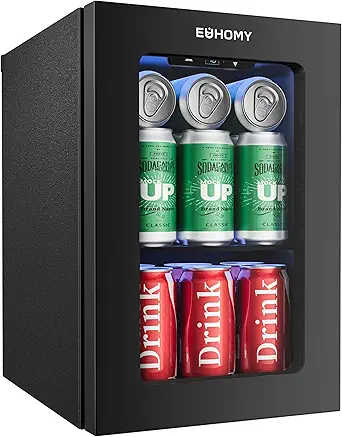 |
| Best Budget The cheapest option that still gets the job done reliably | Antarctic Star Mini Fridge F3404L |  |
| Top Rated A top-rated pick with lots of positive feedback | Midea Compact Refrigerator WHS-65LB1 |  |
| Most Popular A crowd favorite that many people choose with confidence | Cooluli Classic 4L Mini Fridge |  |
| Best Seller A high-volume bestseller chosen again and again | Upstreman BR321 3.2 Cu.Ft Mini Fridge |  |
Frostorm 3.2 Cu Ft Mini Fridge BC-90

| Capacity | 3.2 cubic feet |
|---|---|
| Freezer Capacity | 0.3 cubic feet |
| Defrost System Type | Automatic |
| Voltage | 115 |
| Number Of Shelves | 2 |
The Frostorm 3.2 Cu Ft Mini Fridge BC-90 is a small upright refrigerator with a dedicated 0.35 cu ft internal freezer, intended for bedrooms, offices, and dorms. It cools the main compartment with a simple mechanical thermostat (1–5) and a separate freezer that can reach typical ice-making temperatures, while two adjustable glass shelves and door bins let you organize bottles, snacks, and meal preps. The reversible door adds placement flexibility in tight layouts, and automatic defrost and an easy-to-clean interior reduce maintenance. Energy use is modest at about 0.6 kWh per day, so running costs are low for continuous use. Expect the compact freezer to be suitable for ice and short-term frozen items rather than long-term storage, and the manual temperature dial means you trade digital precision for simplicity and reliability. Overall this model delivers practical storage and low operating cost in a space-saving package for everyday small-space needs.
Best for: Buyers who need a reliable, no-frills compact refrigerator that maximizes usable space and keeps running costs low in small rooms or offices.
Less Ideal for: Users who need large freezer capacity, precise digital temperature control, or a fridge for heavy meal-prep and long-term frozen storage should consider larger or more feature-rich models.
- 3.2 cu ft total capacity with a separate upright freezer for ice and short-term frozen storage
- Adjustable glass shelves and door bins for flexible organization
- Reversible door lets you install it to fit tight or asymmetric spaces
- Automatic defrost and easy-to-clean interior reduce maintenance
- Relatively low energy use (about 0.6 kWh/day) for cost-conscious running
- Freezer is small and best for ice or short-term items rather than bulk freezing
- Temperature control is a manual mechanical dial rather than a precise digital thermostat
Verdict: A practical, energy-efficient mini fridge with a small internal freezer and flexible layout options for small rooms and light everyday use.
Frigidaire Retro Mini Fridge EFR840

| Capacity | 3.2 cubic feet |
|---|---|
| Freezer Capacity | 0.2 cubic feet |
| Cooling Method | Compressor |
| Defrost System Type | Manual |
| Number of Doors | 2 |
The Frigidaire Retro Mini Fridge EFR840 is a compact two-door refrigerator with a 3.2 cu ft capacity and a 0.2 cu ft top freezer that fits well in dorms, offices, or bars. It uses a compressor cooling method with a reciprocating compressor and manual defrost, so it cools reliably compared with thermoelectric models and recovers temperature quickly after door openings. The unit has removable, spill-proof glass shelves and a crisper drawer that make organization and cleaning straightforward, and the reversible door plus flush-back design help place it close to a wall. Practical extras include an external bottle opener and accessible temperature controls. Trade-offs are the manual defrost freezer and the modest freezer volume, which limit long-term frozen storage, and the unit is fairly basic on smart or energy-saving features. For buyers prioritizing dependable cooling and compact, retro styling in a small footprint, this fridge offers a good balance of performance and everyday convenience.
Best for: Buyers who need a reliable, performance-oriented compact fridge that cools quickly and fits in tight spaces and who value practical, everyday conveniences over smart features.
Less Ideal for: People who need significant frozen storage, automated defrost, or connected/smart appliance features should look elsewhere.
- Compressor cooling with reciprocating compressor provides stronger, faster cooling than thermoelectric units
- Compact 3.2 cu ft capacity with flush-back and reversible door for flexible placement in small spaces
- Removable spill-proof glass shelves and crisper drawer simplify organization and cleaning
- External built-in bottle opener and easy-to-reach temperature controls add practical convenience
- Freezer is very small (0.2 cu ft) and uses manual defrost, limiting frozen storage and convenience
- No advanced energy-saving features or smart connectivity
Verdict: Choose this compact Frigidaire when you need a small, performance-focused fridge that cools reliably and fits into tight spaces.
EUHOMY WC-6B Mini Fridge

| Capacity | 18 liters |
|---|---|
| Temperature range | 40°F to 61°F |
| Cooling method | Compressor |
| Defrost system type | Manual |
| Installation type | Freestanding |
The EUHOMY WC-6B is a small compressor-driven mini fridge meant for keeping drinks and a few bottles at steady temperatures in tight spaces. It holds roughly 24 cans or several small bottles in its 18L interior and uses a digital control that ranges from 40°F to 61°F so you can chill beverages to serving temperature rather than full freezer cold. The compressor cooling delivers more stable performance than thermoelectric designs, and the unit is marketed as running quietly (under 40 dB). A removable shelf and LED interior light make loading and organizing cans simple, and the UV-protected door helps shield contents from sunlight. Because it is freestanding and lightweight it is easy to move to a dorm room, office, or home bar countertop. Expect typical mini fridge compromises: limited capacity for larger bottles, manual defrosting, and a single right-hinged door that restricts placement options in some tight layouts.
Best for: Buyers who need a reliable, space-saving beverage fridge for a dorm, office, or small apartment and prioritize steady cooling and compact footprint over large capacity.
Less Ideal for: People who need to store full-size wine bottles, large meal containers, or outfit a shared household with high-volume chilling needs should look at larger undercounter models.
- Compressor cooling provides steadier, more reliable temperatures than thermoelectric designs
- Compact 18L footprint fits on countertops and in very small spaces
- Digital temperature control with 40°F–61°F range for beverage-appropriate chilling
- Removable shelf and LED interior light simplify organization and access
- UV-protected door helps reduce light exposure to beverages
- Small internal capacity limits storage of larger wine bottles or tall items
- Manual defrost requires occasional maintenance to prevent frost buildup
- Right-hand door orientation is not reversible and may limit placement options
Verdict: A quiet, compressor mini fridge that delivers stable, beverage-ready temperatures in tiny spaces, making it a practical choice when space and consistent cooling matter most.
Antarctic Star Mini Fridge F3404L

| Capacity | 4 liters |
|---|---|
| Cooling Method | Thermoelectric |
| Voltage | 120 volts |
| Power Source | Corded Electric / 12V DC |
| Noise Level | 25 dB |
This compact Antarctic Star mini fridge is built for tiny spaces where you need a handful of cold items rather than full meal storage. It uses a thermoelectric cooling system and a removable shelf to hold up to six 12-oz cans or small skincare containers, and it can run from a 120V outlet or a 12V car socket for portable use. The unit is quiet at around 25 dB and offers LED interior lighting and an electronic lock for simple access control. Practical benefits include the removable shelf for flexible storage, the ability to cool roughly 18 degrees Fahrenheit below ambient for cosmetics or beverages, and the very small footprint that fits on a desk or in a dorm. Expect limits typical of miniature thermoelectric fridges: very low net capacity, modest temperature control compared with compressor models, and slower cooling under warm ambient conditions. For someone wanting a tiny, quiet cooler for drinks or beauty products, it delivers convenience; it is not suited to replacing a full refrigerator or freezing large items.
Best for: Buyers who need an inexpensive, ultra-compact cooler for a few drinks, skincare products, or breast milk in a dorm, office, small bedroom, or car and prioritize portability and low noise.
Less Ideal for: Anyone who needs to store meals, large volumes, or items requiring freezer-strength temperatures should choose a larger compressor-based refrigerator instead.
- Very small footprint fits on a countertop, desk, or dorm shelf
- Runs on AC or 12V DC for both home and car use
- Quiet operation around 25 dB suitable for bedrooms and offices
- Removable shelf and LED light allow flexible, visible storage
- Only 4 liters of capacity limits storage to a few cans or small items
- Thermoelectric cooling provides modest temperature drop and slower performance compared with compressors
Verdict: A very small, quiet, and portable mini fridge that provides affordable cooling for a few cans or skincare items in cramped spaces.
Midea Compact Refrigerator WHS-65LB1

| Capacity | 1.6 cubic feet |
|---|---|
| Annual Energy Consumption | 207 kilowatt hours per year |
| Cooling Method | Compressor |
| Defrost System Type | Automatic |
| Installation Type | Freestanding |
The Midea 1.6 cu ft compact refrigerator is a simple, energy-efficient mini fridge for dorms, offices, or tiny kitchens. It uses an R600A compressor and is ENERGY STAR certified, so it runs with lower annual energy use and minimal noise under typical conditions. The unit includes a small chiller compartment for short-term cooling, an adjustable/removable shelf to fit taller items, and a reversible door for flexible placement. Controls are mechanical and easy to set across several temperature positions, and the interior door shelves make storing bottles convenient. Limitations are its small usable capacity and the chiller is not a true freezer so it will not keep frozen goods long term; larger items or bulk food storage will need a full-size fridge. Build and finishing are straightforward rather than premium, but the compact footprint, low power draw, and quiet compressor make it a reliable secondary fridge for tight spaces.
Best for: Buyers who prioritize a dependable, low-energy secondary fridge for a dorm, office, or tiny apartment and want a compact, quiet unit that works without fuss.
Less Ideal for: People who need substantial cold storage, a working freezer, or a premium finish should consider larger or different models instead.
- ENERGY STAR certified with R600A compressor for lower annual energy consumption
- Quiet operation suitable for bedrooms and offices
- Reversible door and removable shelf allow flexible placement and adaptable storage
- Simple mechanical thermostat for easy temperature adjustment
- Chiller compartment is not a true freezer and cannot maintain frozen foods long term
- Small 1.6 cu ft capacity limits storage to drinks and small food items
Verdict: A compact, energy-efficient mini fridge that delivers quiet, reliable cooling for small spaces where low running costs and dependability matter.
Cooluli Classic 4L Mini Fridge

| Capacity | 4 liters |
|---|---|
| Cooling Method | Thermoelectric |
| Power Source | AC/DC/USB |
| Defrost System Type | Manual Defrost |
| Specification Met | ETL |
The Cooluli Classic 4L is a lightweight thermo-electric mini fridge that cools or warms small items on a countertop, dorm desk, or in a car. It runs on AC, DC, or USB power, so you can plug it into a wall outlet, a vehicle, or a 2A power bank, and it switches between cooling and warming with a simple toggle. Inside there are two wire shelves and about 4 liters of usable space—enough for skincare products, a few drinks, or medication. The unit emphasizes quiet, energy-efficient operation without refrigerants and includes both AC and DC cords plus a USB cable for flexibility. Expect modest cooling performance relative to compressor fridges: the thermo-electric system lowers temperatures roughly 35–40°F below ambient and warms up to about 149°F, so it is best for short-term chilling or keeping items at cool-but-not-frosty levels. Its small capacity and manual defrost mean it is not suitable for storing large food amounts or long-term refrigeration needs, but it shines when you need a compact, portable cooler/warmer that is easy to move and power from multiple sources.
Best for: Buyers who need a compact, easy-to-move cooler for skincare, medications, beverages, or short-term travel and who prioritize flexible power and quiet operation.
Less Ideal for: People who need full-size refrigeration, long-term food storage, or consistently low temperatures for perishable food should choose a compressor fridge instead.
- Very portable with molded handle and lightweight design
- Multiple power options: AC, DC and USB for car or power-bank use
- Both cooling and warming modes in one compact unit
- Quiet, thermo-electric operation without refrigerants
- Very limited 4‑liter capacity not suited for storing many food items
- Thermo-electric cooling is less powerful than compressor fridges and depends on ambient temperature
Verdict: A tiny, highly portable cooler/warmer ideal for small spaces and travel when you need quiet, flexible-power refrigeration for skincare, meds, or a few drinks.
Upstreman BR321 3.2 Cu.Ft Mini Fridge

| Capacity | 3.2 cubic feet |
|---|---|
| Freezer Capacity | 0.3 cubic feet |
| Cooling Method | Compressor |
| Voltage | 115 volts |
| Annual Energy Consumption | 206 kwh |
The Upstreman BR321 is a compact freestanding mini refrigerator aimed at small spaces where a full-size fridge is impractical. It provides 3.2 cu ft of total capacity including a 0.3 cu ft freezer, two adjustable glass shelves, a crisper drawer and three door bins for bottles and condiments. Temperature is set with a five-step adjustable thermostat (32°F to 50°F), and the unit uses a rotary scroll compressor for steady cooling while operating quietly at around 38 dB. Practical touches include a reversible door, adjustable leveling feet, manual defrost and an included defrost tool, which make placement and maintenance straightforward. The fridge is ETL listed, Energy Star rated for efficiency and uses R-600A refrigerant. Limitations are the small freezer (not suitable for ice cream or ice cubes) and manual defrost, which requires occasional attention, but for everyday chilled beverages, snacks and small food items this model balances space, quiet operation and energy use well.
Best for: Buyers who prioritize a reliable, low-noise mini fridge for a dorm, bedroom or small apartment and want an efficient, easy-to-place unit with basic temperature control and simple maintenance.
Less Ideal for: Not a good choice for users who need a large freezer, long-term frozen storage, or fully automatic frost-free operation.
- Compact footprint that fits dorms, bedrooms or offices
- Adjustable thermostat with five temperature levels for basic temperature control
- Quiet operation (~38 dB) suitable for sleeping or working nearby
- Reversible door and adjustable feet allow flexible placement
- Energy Star certified and ETL listed for efficiency and safety
- Freezer is very small and not suitable for ice or ice cream
- Manual defrost requires periodic maintenance
Verdict: A quiet, energy-efficient 3.2 cu ft mini fridge that fits tight spaces and delivers dependable chilled storage for dorms, bedrooms, and offices.
Choosing the Right Mini Fridge for Small Spaces: Key Factors to Consider
Footprint and Installation Clearance
Measure the exact area where the mini fridge will sit and compare it to the appliance's cabinet dimensions, not just the advertised width. Account for required clearance on the sides and back for airflow and hinge swing if the unit has a door that opens widely.
Also consider placement relative to power outlets and ventilation. A tight fit against walls can trap heat and reduce cooling efficiency, especially in compact compressors. If you plan to put the fridge under a counter or inside a cabinet, check for recommended clearance and whether the unit is designed for built-in or freestanding use.
Usable Capacity and Internal Layout
Check usable volume in liters or cubic feet, and evaluate how the interior is arranged. Small fridges with clever layouts—adjustable shelves, door bins sized for bottles, and removable freezer compartments—often hold more usable food than a raw capacity number suggests.
Think about what you store most. If you keep tall bottles, look for adjustable or split shelves. If frozen items are occasional, a small removable icebox can save space. Shelving material and ledges that catch spills make everyday upkeep easier and preserve usable capacity.
Energy Use and Operating Cost
Smaller appliances still run constantly, so energy consumption affects monthly electricity costs and long-term usability in off-grid or limited-utility situations. Look for stated kWh per year, an energy-efficiency rating when available, or low-wattage compressor specs.
Higher-efficiency models may cost more upfront but can save money over time in continuous operation. Also consider how the fridge is used: frequent door openings, warm ambient temperatures, or loading with unfrozen items increase power draw and reduce cooling consistency.
Noise and Vibration
In compact living spaces, compressor noise and vibration are more noticeable. Check listed decibel levels if provided, and prefer units with compressor mounts or vibration-damping feet. Thermoelectric models are often quieter but have performance limits at higher ambient temperatures.
If the fridge will sit near a bed or workspace, prioritize low-noise designs and user reports about hum or rattles. Also consider door-closing mechanisms and gasket quality, since poor seals can make compressors run more often and produce more noise.
Temperature Control and Cooling Performance
Effective temperature control lets you keep perishables safe and beverages at the temperature you prefer. Look for simple adjustable thermostats, clear temperature ranges, and consistent cooling across the cabinet. Some compact units offer separate freezer compartments or fast-cool settings that help manage short-term loads.
Real-world performance can vary with ambient temperature and how often the door is opened, so consider models with good insulation and stable thermostat systems if you need reliable cold storage in warm rooms.
Maintenance and Usability Features
Cleaning access, removable shelving, reversible doors, and simple drain points for defrosting are practical features that matter in small spaces where service can be awkward. Removable door bins and spill-containment shelves reduce the hassle of keeping the interior sanitary.
Also consider the ease of replacing door gaskets or filters if present. A compact fridge that is simple to maintain will stay usable and efficient longer in a tight environment where major service is inconvenient.
Small Footprint Placement Tips
Plan the location before buying. Measure the intended spot to include any baseboards, trim, or cabinet overhangs that might obstruct the fridge. Allow recommended clearance on the back and sides to ensure proper airflow and cooling efficiency.
If you must install the fridge in a tight cabinet or under-counter space, look for models explicitly rated for built-in or integrated installation. For freestanding units, leave a few centimeters of clearance and ensure the top has room if heat rises from the condenser.
- Measure height with door open to ensure hinge clearance
- Avoid placing directly beside heat sources like radiators
- Keep vents unobstructed for consistent compressor operation
Thermoelectric Vs Compressor Cooling
Thermoelectric models are often quieter and lighter, making them attractive for bedrooms and offices. However, they usually struggle in warm ambient conditions and cannot reach very low temperatures reliably.
Compressor-driven mini fridges deliver stronger cooling performance and maintain low temperatures even in warmer rooms. They tend to be slightly louder and heavier but are generally better for regular food storage or if the unit sits in a warm spot.
- Choose thermoelectric for quiet, occasional chilling in cool rooms
- Choose compressor units for reliable food storage and warmer rooms
Organizing a Tiny Fridge for Maximum Use
Use modular containers and narrow bottle organizers to make better use of vertical space. Remove the icebox if you rarely use frozen items to gain extra shelf room. Door bins are valuable for condiments and small bottles but check their load limits.
Group like items together and keep high-use items at eye level. Label shelves if sharing the unit to prevent overloading and to keep airflow unobstructed inside the cabinet.
- Stackable clear containers save space and increase visibility
- Foldable or slim bins can create temporary zones for snacks
- Avoid blocking air vents with tall items on shelves
Power and Outlet Considerations
Confirm the outlet type and voltage available where the fridge will be used. Avoid extension cords unless manufacturer guidance permits them, and ensure any cord routing does not create a trip hazard in compact living areas.
If the location has limited outlets, factor in other devices that run on the same circuit. Continuous-draw appliances like fridges can coexist with low-power devices, but peak compressor start-up current may trip weak circuits.
- Install the fridge on a dedicated outlet when possible
- Check for grounded plugs and proper cord length for placement
- Consider model power ratings if on shared or limited circuits
Maintaining Efficiency in Tight Spaces
Regularly defrost manual-freeze compartments and keep door gaskets clean to preserve efficiency. Wipe condenser coils if they are externally accessible to prevent heat buildup and extra compressor strain.
Avoid stocking the fridge with warm items at once; allow hot food to cool slightly before loading. Regularly check the internal temperature and adjust the thermostat to balance cooling performance and energy use.
- Clean door seals and hinges every few months
- Vacuum condenser area if accessible to remove dust
- Keep airflow paths inside clear of clutter
How We Chose the Best Mini Fridge for Small Spaces
We focused on three core buyer needs for small-space refrigeration: physical footprint and installation flexibility, usable interior capacity and shelving layout, and ongoing operating costs including energy use and noise. Additional selection filters included cooling reliability across ambient temperatures, basic temperature control options, and upkeep considerations like spill-resistant shelving and removable compartments. Concrete evaluation criteria were applied to each candidate: measured cabinet dimensions and installation clearances, usable liter or cubic-foot capacity with shelf configuration, energy consumption metrics or efficiency ratings, runtime noise levels, and ease of cleaning and maintenance. Products that relied on unusual or proprietary power requirements, required specialized installation work, or lacked basic user-facing controls were excluded. We also screened for units with consistently clear spec sheets and straightforward warranty terms. The resulting list emphasizes compact refrigerators that balance small footprints with practical interior design and low operating impact, reflecting what typical users need in tight living or working environments.
Our full evaluation process is outlined in our review methodology.
FAQ
Can a mini fridge for small spaces fit under a standard counter?
Many compact refrigerators are designed to fit under counters, but models vary in height and ventilation needs. Check the manufacturer's recommended clearance and whether the unit is rated for built-in or under-counter installation before assuming it will fit.
How much usable storage should I expect from a 3.2 cubic-foot mini fridge?
Usable storage depends on interior layout and shelf configuration more than headline capacity. A 3.2 cubic-foot cabinet with adjustable shelves and door bins can be highly practical, while a similar-sized model with a fixed freezer section may reduce usable shelf space.
Are thermoelectric mini fridges energy efficient?
Thermoelectric units are often low-wattage and quiet, but they are less efficient at cooling in warm rooms and cannot reach very low temperatures. For continuous food storage or warmer environments, compressor models often provide better energy-usage-to-performance ratios.
How noisy are mini fridges and what noise level is acceptable in a bedroom?
Noise varies, but many compressors produce a low hum that is acceptable in living areas. For bedrooms, aim for units with documented low-decibel operation or thermoelectric designs, and look for vibration-damping feet and tight door seals to reduce rattles.
What maintenance keeps a small fridge running efficiently?
Regular tasks include cleaning door gaskets, removing spills promptly, defrosting manual-freeze compartments, and cleaning accessible condenser areas. These simple steps reduce compressor workload and help maintain consistent internal temperatures.
Final Verdict
When choosing a mini fridge for small spaces, prioritize the cabinet footprint and usable interior layout over raw capacity numbers. Factor in energy efficiency and noise because these determine long-term running cost and day-to-day comfort in compact living areas. Finally, weigh temperature control and maintenance features against installation constraints to pick a unit that balances reliable cooling with minimal disruption. Focus on the few tradeoffs that matter most to you: maximum usable storage versus the smallest possible footprint, or ultra-quiet operation versus stronger compressor cooling. With clear priorities and the evaluation criteria above, you can pick a compact refrigerator that fits your space and performs reliably over time.