
Note: This article contains affiliate links. If you click on these links and make a purchase, we may earn a small commission at no extra cost to you. This helps support our research and content. Read our full affiliate disclosure here.
A Mini Fridge with Compressor delivers steadier, colder temperatures and better humidity control than thermoelectric alternatives, making it a practical choice for dorm rooms, offices, garages, or compact apartment kitchens. Choosing the right compressor mini fridge matters because inconsistent cooling can spoil food, damage beverages, or force frequent defrosting. This guide shortlists seven compact compressor fridges that balance cooling capability, noise, and efficiency for everyday use. We evaluate each option on measurable factors like cooling performance, energy consumption, interior layout, and build quality to help you find a dependable unit that fits your space and needs. Read on for quick summaries and the criteria we used to pick these models.
Top Picks at a Glance
| Best Overall The best all-around choice for most situations | EUHOMY WC-6B Mini Fridge | 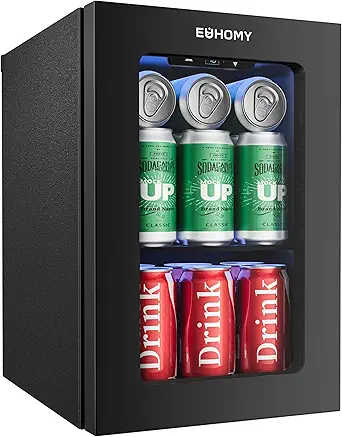 |
| Best Quality Built to a higher standard if you want something more solid | hOmeLabs Beverage Refrigerator HME030065N | 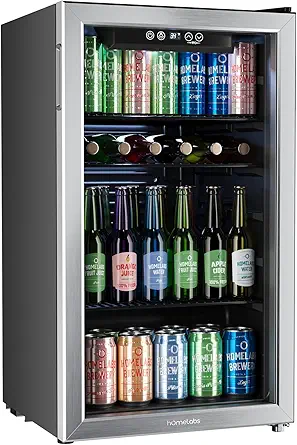 |
| Best Value The sweet spot between price and what you get | Frestec 1.7 Cu Ft Mini Fridge FTC16RE |  |
| Best Budget The cheapest option that still gets the job done reliably | Stopsad 209B Beverage Fridge |  |
| Top Rated A top-rated pick with lots of positive feedback | Erivess Beverage Refrigerator 3.2 Cu Ft |  |
| Most Popular A crowd favorite that many people choose with confidence | Frigidaire Retro 3.2 Cu Ft Fridge |  |
| Best Seller A high-volume bestseller chosen again and again | EUHOMY BR001-55 Mini Fridge |  |
EUHOMY WC-6B Mini Fridge

| Capacity | 18 liters |
|---|---|
| Temperature Range | 40°F to 61°F |
| Cooling Method | Compressor |
| Defrost System Type | Manual |
| Installation Type | Freestanding |
The EUHOMY WC-6B is a countertop compressor mini fridge designed to chill bottles and cans in a small footprint. It uses a compressor cooling system and a digital control that ranges from 40°F to 61°F, so it reaches and holds beverage-safe temperatures more consistently than thermoelectric units. The interior holds roughly two dozen 330 ml cans on a removable shelf, and an LED light plus a UV-protective door help with visibility and limit sunlight exposure. Setup is simple since it is freestanding, and the unit runs quietly under 40 dB, making it suitable for offices, bedrooms, or a home bar. Trade-offs are its small 18 L capacity and single-shelf layout, which limit how many bottles or larger containers you can store at once, and the door opens to the right only. For buyers prioritizing steady compressor cooling in a compact fridge, this model hits the mark; those needing larger capacity or reversible installation should look elsewhere.
Best for: Buyers who want reliable compressor cooling in a tiny countertop fridge for chilled drinks in an office, bedroom, or small home bar and value quiet, steady performance over large capacity.
Less Ideal for: People who need to store many bottles, larger containers, or require a reversible-door installation should consider larger or different models.
- Compressor cooling for stable, consistent temperatures compared with thermoelectric designs
- Digital temperature control with a 40°F–61°F range for precise beverage chilling
- Compact countertop footprint with a removable shelf to adjust storage layout
- Quiet operation under 40 dB suitable for bedrooms and offices
- UV-protective door and internal LED light improve visibility and protect contents from sunlight
- Very small 18 L capacity limits number and size of bottles you can store
- Right-hinged door only, not reversible for left-side installation
Verdict: Choose the EUHOMY WC-6B if you want a quiet, compressor-cooled countertop mini fridge that keeps drinks at steady temperatures in a very compact package.
hOmeLabs Beverage Refrigerator HME030065N

| Capacity | 3.2 cubic feet |
|---|---|
| Storage | 120 cans |
| Temperature range | 34°F-50°F |
| Defrost system | Automatic |
| Cooling method | Compressor |
This hOmeLabs beverage refrigerator is a compact compressor mini-fridge built for steady, low-noise cooling of canned and bottled drinks. You set the temperature with a touch control panel and the unit can reach as low as 34°F, while the interior LED and glass door make it easy to see contents without opening the door. Three removable chrome wire shelves let you arrange cans and taller bottles, and the reversible stainless-steel framed glass door gives placement flexibility. The compressor and advertised whisper-quiet operation mean it can sit in a home bar, office, dorm, or gaming room without being intrusive. On the downside, annual energy consumption is relatively high for a small fridge and there is no inverter technology, so it is optimized for steady indoor mains power rather than off-grid or ultra-efficient running. Also the glossy finish and glass door are attractive but require occasional cleaning to keep fingerprints and smudges down. For buyers prioritizing consistent compressor cooling and visible display, this model performs reliably for beverages.
Best for: Buyers who need dependable compressor cooling and a clear display for a home bar, office, or entertainment space and prioritize steady low-noise performance over absolute energy efficiency.
Less Ideal for: People seeking the most energy-efficient or off-grid mini-fridge solutions, or those who need an all-metal, fingerprint-resistant exterior for heavy-duty commercial use.
- Compressor cooling with whisper-quiet operation for steady, reliable temperatures
- Digital touch temperature control down to 34°F for precise beverage chilling
- Glass door with interior LED for clear display and quick selection without opening
- Three removable adjustable shelves for flexible storage of cans and bottles
- Reversible door and adjustable feet for flexible placement
- Relatively high annual energy consumption for a unit this size
- No inverter technology, so not optimized for off-grid or low-power scenarios
Verdict: Choose this hOmeLabs mini fridge when you want reliable compressor cooling and a visible, customizable display for canned and bottled drinks.
Frestec 1.7 Cu Ft Mini Fridge FTC16RE

| Capacity | 1.7 cubic feet |
|---|---|
| Freezer Capacity | 0.2 cubic feet |
| Cooling Method | Compressor |
| Defrost System Type | Manual |
| Voltage | 115 volts |
This Frestec 1.7 cu ft mini fridge is a space-saving compressor refrigerator with a 0.2 cu ft freezer compartment that fits under desks or in small rooms. It uses a compressor cooling method and offers manual defrosting via a one-touch defrost control and a six-position thermostat for temperature adjustments. Practical touches include a reversible door, a removable glass shelf to accommodate taller items, adjustable feet for uneven floors, and an interior light. The unit is rated as low-noise at about 37 dB, making it suitable for quiet spaces, and runs on standard 115V power with R-600A refrigerant. Because it is a compact compressor fridge, it cools more consistently than thermoelectric models and can maintain freezer-level cold for small ice storage. Trade-offs are its limited storage capacity and manual defrost requirement, which means you will need to schedule occasional defrosting and manage space carefully when stocking beverages and food. For buyers prioritizing reliable compressor cooling in a very small footprint, this model delivers sensible features without unnecessary extras.
Best for: Someone who wants reliable compressor cooling in the smallest possible footprint and values quiet operation and flexible placement for a dorm room, office, or small apartment.
Less Ideal for: Not a good choice for households that need to store large amounts of groceries or for buyers who want a frost-free, low-maintenance refrigerator solution.
- Compressor cooling delivers more consistent cooling than thermoelectric mini fridges
- Compact footprint fits under desks and in small rooms
- Reversible door and adjustable feet increase placement flexibility
- Removable glass shelf allows taller items and simple interior reconfiguration
- Low noise operation (~37 dB) suitable for bedrooms and offices
- Very limited overall storage capacity at 1.7 cu ft
- Manual defrost means occasional manual maintenance to clear frost buildup
Verdict: Buy this if you need a genuinely compressor-cooled mini fridge that fits into very tight spaces and prioritizes quiet, reliable cooling.
Stopsad 209B Beverage Fridge

| Capacity | 0.9 cubic feet |
|---|---|
| Configuration | Compressor |
| Temperature Range | 40°F to 61°F |
| Defrost System Type | Manual Defrost |
| Power Source | Corded Electric |
The Stopsad 209B is a small compressor-driven beverage fridge intended for dorms, offices, and bars where space is limited. It cools using a compressor system rather than a thermoelectric module, which helps it reach and maintain temperatures between 40°F and 61°F more reliably. The interior holds about 24 cans and includes an adjustable shelf so you can fit taller bottles or reorganize for cans, beer, or wine. The clear front door and black finish make it an attractive countertop or under-counter accent, and the unit is described as quiet and energy efficient for continuous use. Because it is compact and freestanding, it is simple to place where you need a dedicated drink cooler, though the small 0.9 cu ft capacity limits how much you can store at once. Manual defrost means occasional maintenance, and storage space is constrained compared with larger models. For buyers prioritizing a small, compressor-backed cooler at a modest cost, this model delivers dependable cooling in a compact package.
Best for: Buyers on a tight budget who need a small, reliable compressor beverage cooler for a single person or small gatherings and value space savings over large capacity.
Less Ideal for: People who need to store large quantities of drinks, long-term beverage aging, or full-size bottles for a household should choose a larger-capacity refrigerator instead.
- Compressor cooling for stable, lower temperatures compared with thermoelectric units
- Compact footprint fits small spaces like dorms, offices, and bars
- Adjustable shelf lets you switch between cans and taller bottles
- Clear front door provides easy visibility of contents
- Only 0.9 cu ft capacity limits total storage to roughly 24 cans
- Manual defrost requires periodic maintenance
Verdict: A budget-friendly compact compressor beverage fridge that delivers stable cooling and adjustable storage for small spaces.
Erivess Beverage Refrigerator 3.2 Cu Ft

| Capacity | 3.2 cubic feet |
|---|---|
| Can capacity | 126 Count |
| Cooling method | Compressor |
| Defrost system type | Frost Free |
| Voltage | 110 volts |
The Erivess compact beverage refrigerator is a compressor-cooled, freestanding unit meant for chilling cans and bottles rather than storing fresh food. It uses a whisper-quiet compressor and a small convection fan to maintain consistent temperatures down to about 37°F, and the touch control with a large digital display makes setting and monitoring temperature straightforward. Inside are four adjustable chrome shelves and an LED light, so you can arrange cans or bottles and see contents clearly through the glass door framed in stainless steel. Practical features include automatic defrost, an extra temperature sensor, a reversible door hinge, and a keyed lock for security. Because it is a single-zone cooler with compressor cooling, it delivers faster, more reliable cooling than thermoelectric units and is suitable for under-counter or freestanding placement. Expect a mid-size footprint and moderate energy use for a compressor model, so plan for space and typical compressor noise; it is not intended for storing produce or frozen items. For buyers prioritizing dependable, uniform beverage chilling, this unit provides the core functionality they need.
Best for: Buyers who need a dependable compressor beverage cooler for consistent, quick chilling and presentation—ideal for home bars, kitchens, or small offices where reliability matters.
Less Ideal for: People who need multi-temperature storage, a silent thermoelectric solution for very quiet spaces, or a refrigerator for fresh and frozen food should look elsewhere.
- Compressor cooling with convection fan for consistent, faster cooling than thermoelectric models
- Large 126-can internal capacity with four adjustable/removable chrome shelves
- Digital touch controls and clear LED display for precise temperature setting
- Glass front with stainless steel frame and interior LED light for easy viewing and presentation
- Automatic defrost and additional temperature sensor help maintain stable operation
- Single-zone cooling only, so cannot simultaneously store items at different temperatures
- Moderate energy consumption and compressor noise compared with smaller thermoelectric units
Verdict: Choose this compressor-based mini fridge if you want reliable, uniform beverage cooling and a large organized interior for cans and bottles.
Frigidaire Retro 3.2 Cu Ft Fridge

| Capacity | 3.2 cubic feet |
|---|---|
| Freezer Capacity | 0.2 cubic feet |
| Defrost System Type | Manual |
| Cooling Method | Compressor |
| Annual Energy Consumption | 219 kwh |
The Frigidaire Retro 3.2 cu ft compact refrigerator is a compressor-driven mini fridge designed for small spaces like dorms, offices, or a secondary bar. It provides organized storage with two glass shelves, a 2L door basket for tall bottles, a can dispenser, and a 0.2 cu ft chiller compartment with ice tray for basic frozen items. The compressor cooling and manual defrost deliver reliable temperature control compared with thermoelectric units, so it keeps drinks cold consistently even in warmer rooms. Practical touches include a reversible door for flexible placement, an electronic lock, and a built-in side bottle opener that suits casual entertaining. Trade-offs are typical for this size: storage is limited to essentials rather than bulk groceries and the manual defrost freezer needs occasional maintenance. Energy use is moderate for a compressor model but the compact footprint and retro styling make it an appealing balance of form and function for a secondary fridge.
Best for: Buyers who want a dependable compressor mini fridge with vintage styling for a bedroom, office, or bar and who place value on consistent cooling backed by many user reviews.
Less Ideal for: People looking for large-capacity refrigeration, a full-size freezer, or a zero-maintenance frost-free freezer solution should consider larger or different models.
- Compressor cooling provides steady, reliable cold performance compared with thermoelectric minis
- Organized interior with two glass shelves, 2L door basket, and built-in can dispenser
- Compact flush-back design and reversible door allow flexible placement in small rooms
- Built-in side bottle opener and retro styling add practical convenience and character
- Small overall capacity suitable for drinks and snacks but not for storing large groceries
- Freezer is a small manual-defrost compartment that requires occasional defrosting
Verdict: A reliable compressor mini fridge with retro styling that delivers consistent cooling for drinks and snacks in small spaces.
EUHOMY BR001-55 Mini Fridge

| Capacity | 1.3 cubic feet |
|---|---|
| Temperature Range | 40–61°F |
| Cooling Method | Compressor (R-600A) |
| Noise Level | 38 dB (approx) |
| Installation Type | Countertop |
The EUHOMY BR001-55 is a compact compressor mini fridge designed for storing drinks and small food items in bedrooms, offices, or bars. It uses an R600a scroll compressor and digital controls to maintain temperatures between 40 and 61°F, and the reversible glass door plus internal LED light make it easy to view contents without letting cold air escape. The unit holds up to 48 cans on a removable chrome-plated shelf and is intended for countertop installation; its frost-free compressor cooling delivers steady, even cooling rather than relying on thermoelectric cooling. Practical benefits include quiet operation rated around 38 dB and a small footprint that fits tight spaces, while the digital panel and adjustable shelf improve day-to-day convenience. Trade-offs are its limited 1.3 cubic foot capacity and annual energy consumption listing of 165 kWh, so it is best for personal or small shared use rather than family-sized storage. The design and included reversible door are useful for flexible placement, and the manufacturer-backed one year warranty offers extra reassurance.
Best for: Buyers who prioritize reliable compressor cooling and quiet, compact operation for a bedroom, office, or small entertaining area and want a straightforward, factory-quality beverage fridge with simple controls.
Less Ideal for: Households needing larger food storage or a full undercounter refrigerator should choose a higher-capacity or built-in model instead.
- Compressor cooling with R-600A scroll compressor for consistent low temperatures
- Digital temperature control with 40–61°F range for beverage chilling precision
- Reversible glass door and internal LED light for easy access and visibility
- Compact 1.3 cu ft capacity fits countertops and small spaces and includes a removable shelf
- Quiet operation around 38 dB suitable for bedrooms and offices
- Small 1.3 cu ft capacity limits storage to beverages and a few small items
- Annual energy consumption listed at 165 kWh is higher than some ultra-efficient compact units
Verdict: Choose the EUHOMY BR001-55 when you want a quiet, compressor-driven mini fridge that reliably chills beverages in a compact countertop package.
Choosing the Right Mini Fridge with Compressor: Key Factors to Consider
Cooling Performance and Temperature Range
How cold a mini fridge can get and how consistently it maintains that temperature matter most for preserving food and beverages. Compressor-based units generally reach lower temperatures than thermoelectric models and recover faster after the door is opened.
Look for clear specifications on operating temperature range and any notes about performance in warmer ambient conditions. A fridge that maintains a stable setpoint across different room temperatures will prevent spoilage and keep drinks reliably chilled.
Energy Consumption and Efficiency
Compressor mini fridges use more power than small thermoelectric coolers but vary widely in efficiency. Annual or hourly power usage figures help estimate running costs and whether the unit is appropriate for long-term use in a dorm, office, or cabin.
Consider models with efficient compressor designs, good insulation, and programmable thermostats. Lower energy draw matters if the fridge will be plugged into power-limited circuits or used continuously in small living spaces.
Noise Level and Compressor Cycling
Compressor units produce mechanical noise when running and may cycle on and off frequently. For bedroom, dorm, or office use you want a model with quiet operation and smooth cycling to avoid disturbance.
Check stated noise ratings when available and note that cheaper compressors can buzz or rattle. Features such as vibration dampening, rubber mounts, and well-designed fan airflow reduce audible noise and lead to better user experience.
Capacity, Layout, and Shelving Flexibility
Usable interior space matters more than the nominal capacity number. Shelf arrangement, the presence of a small freezer compartment, door-bin sizes, and the ability to remove or reposition shelves determine how well the fridge fits your intended items.
If you need to store tall bottles, meal prep containers, or a mix of cans and fresh food, prioritize flexible shelving and adjustable door storage. A compact freezer is useful for ice packs and frozen meals but reduces overall refrigerated space.
Defrosting Method and Maintenance Needs
Some compressor mini fridges require manual defrosting while others include auto-defrost systems that simplify upkeep. Manual defrost models may offer slightly better cooling efficiency but demand periodic maintenance to remove ice buildup.
Consider how much time you can dedicate to upkeep. Also factor in the ease of cleaning, removable shelves, and access to the back panel for occasional dusting of the condenser, which helps preserve efficiency.
Durability, Seals, and Installation Requirements
Long-term reliability depends on construction quality, door gasket effectiveness, and ventilation requirements. Poor seals cause temperature loss and more frequent cycling, increasing energy use and wear on the compressor.
Plan for installation space and ventilation clearance specified by the manufacturer. If you intend to place the unit in a confined area, look for models rated to operate in higher ambient temperatures and those with sufficiently quiet fans and airflow management.
Where Compressor Mini Fridges Shine
Compressor mini fridges excel when you need consistent low temperatures, fast recovery after door openings, and the ability to maintain chilled or near-freezing conditions in varying room temperatures. They outperform thermoelectric alternatives for perishable food storage and long-term beverage chilling.
Because compressors actively move heat, these units are less sensitive to ambient temperature swings and can be placed in warmer spots like garages or sunlit rooms where thermoelectric coolers would struggle.
- Faster cooldown and temperature recovery
- Better performance in warm environments
- Capable of supporting a small freezer compartment
Placement, Ventilation, and Installation Tips
Position the mini fridge on a level, stable surface with adequate clearance around the back and sides for airflow. Crowding the unit against walls or enclosing it in a tight cabinet increases operating temperature and makes the compressor work harder.
If ambient temperatures will be high, choose a location with shade and airflow. Avoid placing a compressor mini fridge directly next to heat sources such as ovens or direct sunlight. Also account for the door swing and leave enough room for full access to shelves and drawers.
- Leave recommended clearance per manufacturer guidelines
- Avoid direct sunlight and nearby heat sources
- Ensure the surface can bear the fridge weight and is level
Understanding Noise and Vibration
Noise from a compressor fridge comes from the compressor itself and from air movement generated by internal fans. Some models include vibration isolation and quieter fan designs to reduce audible hum and rattling.
If the unit will sit near a bed or workspace, look for documented noise ratings or user feedback that indicates quiet operation. Small changes such as placing a vibration-dampening mat underneath can also reduce transmitted noise.
- Compressor hum is normal; look for ratings under 40 dB for quiet rooms
- Rubber feet and sound-damping design reduce vibration transmission
- Regular maintenance like cleaning condenser fins helps reduce fan noise
Freezer Compartments and Temperature Control
Some compact compressor fridges include a tiny freezer compartment suitable for ice trays or frozen meals. While handy, freezer sections reduce usable refrigerated volume and sometimes complicate internal layout.
Precise thermostat control and clear temperature markings let you balance fridge and freezer needs. If frozen storage is essential, prioritize units with a dedicated small freezer; otherwise choose a model with full shelving flexibility for better refrigerated capacity.
- Tiny freezer useful for occasional frozen items
- Thermostat accuracy affects both fridge and freezer zones
- Consider whether a removable shelf offers better everyday utility
Power Considerations and Running Costs
Compressors consume varying amounts of energy depending on size, efficiency, and insulation quality. Look for data on average power draw or energy use per day to estimate running costs in your location.
If the fridge will run 24/7, prioritize models with good insulation and efficient compressors. For intermittent use or locations with limited power, consider units specifically marketed as energy-efficient compressor designs.
- Check wattage and estimated daily energy use
- Better insulation reduces compressor runtime
- Programmable thermostats and eco modes can lower consumption
How We Chose the Best Mini Fridge with Compressor
We focused on features that directly affect everyday reliability and suitability for small-space refrigeration. Key evaluation criteria included steady-state cooling performance at various ambient temperatures, measured energy consumption and efficiency, compressor quality and expected longevity, interior configuration and usable storage, noise levels during typical cycles, and build quality including door seals and materials. Products were included only if they use a mechanical compressor system rather than thermoelectric cooling, and if they offer clear specification data on capacity and power draw. We excluded units lacking verified cooling specs, products intended solely for automotive use, and models whose design is incompatible with typical indoor installation (for example, requiring specialized ventilation). Technical documentation, user-reported noise and reliability patterns, and manufacturer-supplied efficiency ratings guided the selection. Where available, features that improve real-world usability—adjustable shelves, reversible doors, and manual or auto-defrost options—were weighted alongside hard performance metrics.
Our full evaluation process is outlined in our review methodology.
FAQ
Are compressor mini fridges louder than thermoelectric models?
Compressor mini fridges typically produce more mechanical noise than thermoelectric units because of the compressor and fans. However, well-built compressor models can be quiet enough for bedrooms or offices, and noise levels vary by design and vibration isolation.
Can I run a compressor mini fridge on a power-limited circuit?
It depends on the fridge's rated power draw and the circuit's capacity. Check the unit's startup and running wattage and compare it to the circuit limit. Efficient models with lower duty cycles are better suited to shared circuits.
Do compressor mini fridges need regular maintenance?
Yes. Periodic cleaning of condenser fins and ensuring the door gasket seals properly will help maintain efficiency and extend compressor life. Manual-defrost models also require occasional ice removal to preserve usable space and airflow.
Is a built-in freezer compartment worth it in a mini fridge?
A small freezer compartment is useful for ice packs and frozen meals but reduces refrigerated storage. Decide based on whether you need occasional frozen storage or prefer more flexible refrigerated capacity for bottles and fresh food.
How important is ventilation clearance around the fridge?
Very important. Compressors generate heat that must dissipate. Insufficient clearance raises operating temperature, increases compressor runtime, and can shorten component life, so follow the manufacturer's recommended spacing.
Final Verdict
Choose a mini fridge with compressor when you need reliable, low-temperature cooling, faster recovery after door openings, and better performance in warm spaces. Prioritize consistent cooling performance, reasonable energy use, and quiet operation for bedrooms or workspaces. Balance interior layout and freezer needs against usable refrigerated capacity and consider maintenance demands like defrosting and condenser cleaning. Focusing on these tradeoffs will help you select a compressor mini fridge that meets your daily needs while minimizing noise and running costs.