
Note: This article contains affiliate links. If you click on these links and make a purchase, we may earn a small commission at no extra cost to you. This helps support our research and content. Read our full affiliate disclosure here.
If you need a compact refrigerator that prioritizes fridge space over a freezer compartment, a mini fridge with no freezer simplifies storage and often saves room and power. These single-compartment units suit dorm rooms, home offices, garages, and secondary kitchen zones where chilled drinks, fresh food, and medication need steady temperatures without the bulk of an icebox. This guide highlights five shortlisted mini fridges with no freezer that performed well against practical homeowner criteria like usable capacity, energy use, and reliable temperature control. Read on to see which features matter most and which styles fit common small-space layouts before the product list.
Top Picks at a Glance
| Best Overall The best all-around choice for most situations | Midea 3.3 Cu Ft Compact Refrigerator |  |
| Best Quality Built to a higher standard if you want something more solid | Manastin 3.2 Cu.Ft Beverage Refrigerator |  |
| Best Value The sweet spot between price and what you get | EUHOMY WC-6B Mini Fridge | 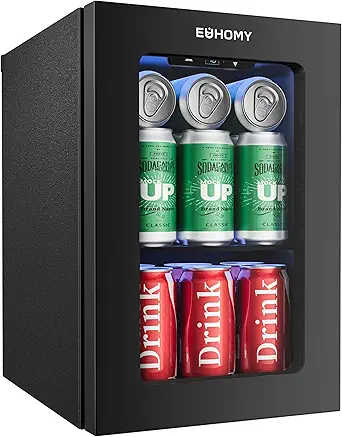 |
| Best Budget The cheapest option that still gets the job done reliably | BEICHEN Mini Fridge 6L |  |
| Best Seller A high-volume bestseller chosen again and again | hOmeLabs Beverage Refrigerator HME030065N | 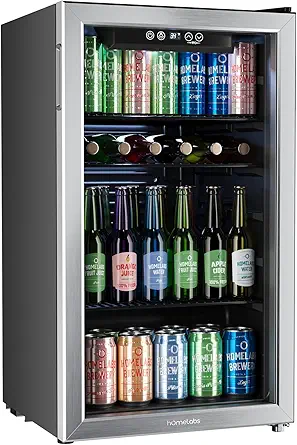 |
Midea 3.3 Cu Ft Compact Refrigerator

| Capacity | 3.3 cubic feet |
|---|---|
| Annual Energy Consumption | 260 kilowatt hours per year |
| Temperature Range | 33.8°F to 50.0°F |
| Door Orientation | Reversible |
The Midea 3.3 Cu.ft compact refrigerator is a straightforward, freezerless mini fridge aimed at dorms, offices, and small apartments. It cools with a rotary compressor and offers an adjustable thermostat that ranges roughly from 33.8°F to 50°F so you can set temperatures for drinks, produce, or prepared foods. Inside are three shelves including removable glass shelves and a 2L bottle rack for upright bottles, plus interior LED lighting for visibility. The reversible door and manual lock give placement flexibility and simple security. Notable practical benefits include ENERGY STAR certification and modest annual energy use, which keeps running costs lower than many basic mini fridges, and a quoted noise level under 42 dB that is quiet enough for bedrooms or offices. Limitations are typical of freezerless compacts: no frozen storage and a moderate usable volume that requires occasional shelf rearrangement for larger items. The unit is mechanically simple with manual defrost and controls, so buyers should expect basic operation rather than advanced features like digital controls or smart connectivity.
Best for: Buyers who want an energy-efficient, no-frills compact fridge for dorms, offices, or small kitchens and value low running costs and quiet operation.
Less Ideal for: Those who need frozen storage, large-capacity refrigeration, or advanced digital features should consider a different model with a freezer or larger capacity.
- ENERGY STAR-certified with low annual energy consumption
- Quiet operation rated under 42 dB suitable for bedrooms and offices
- Reversible door and adjustable shelves for flexible placement and storage
- Interior LED light and 2L bottle rack improve usability in low light
- No freezer compartment for frozen food storage
- Manual defrost and mechanical thermostat lack precision of digital controls
Verdict: A quiet, energy-efficient freezerless mini fridge that suits buyers who prioritize low operating cost and simple, reliable cooling.
Manastin 3.2 Cu.Ft Beverage Refrigerator

| Capacity | 3.2 cubic feet |
|---|---|
| Temperature Range | 35–65°F |
| Cooling Method | Compressor |
| Number Of Shelves | 3 |
| Defrost System Type | Frost Free |
The Manastin 3.2 Cu.Ft Beverage Refrigerator is a freestanding, compressor-cooled mini fridge designed to chill cans and bottles without a freezer compartment. It uses a digital thermostat with a 35–65°F range and a MODE button to toggle Fahrenheit and Celsius, which makes setting precise serving temperatures straightforward. Inside are three removable wire shelves with multiple slot positions so you can store cans flat or bottles upright, and a built-in fan circulates air for more even cooling. The glass door with dual low-e glazing and a soft blue LED strip shows contents while helping thermal performance, and the unit includes a key lock and adjustable feet for placement on slightly uneven floors. Practical downsides are its moderate capacity and the weight and footprint that require a stable surface, and while the compressor promises quiet operation it still produces more sound than thermoelectric coolers. For buyers prioritizing reliable, fast cooling and precise temperature control in a compact package, this fridge delivers clear benefits for entertaining or a home bar.
Best for: Buyers who want dependable, fast cooling and precise temperature control for a home bar, game room, or small entertaining space and prioritize beverage performance over ultra-compact size.
Less Ideal for: Those who need the smallest possible footprint or near-silent operation for a bedroom or office should consider lower-capacity or thermoelectric options.
- Compressor cooling with internal fan for faster, more even temperature control
- Digital thermostat with 35–65°F range and Fahrenheit/Celsius display for precise settings
- Removable adjustable wire shelves that accommodate cans and bottles in multiple layouts
- Dual low-e glass door and LED lighting that display contents while improving insulation
- Freestanding design with adjustable feet and a keyed lock for security
- Capacity limited to 3.2 cu ft so it holds a moderate number of drinks compared with larger beverage centers
- Compressor motors are quieter than older models but still produce noticeable noise compared with thermoelectric units
Verdict: Choose this fridge when you need a compact, performance-focused beverage cooler with precise digital temperature control and reliable compressor cooling.
EUHOMY WC-6B Mini Fridge

| Capacity | 18 liters |
|---|---|
| Cooling Method | Compressor |
| Temperature Range | 40°F to 61°F |
| Voltage | 115 volts |
The EUHOMY WC-6B is a small compressor mini fridge built to hold cans and a few bottles while keeping temperatures steady between 40°F and 61°F. It is typically used on a countertop, in a dorm, office, or home bar where space is limited and you want reliable cooling without a freezer. Notable features include a quiet compressor that the brand rates under 40 dB, one-touch digital temperature control, an LED interior light, a UV-protected door, and a removable shelf for flexible storage. The compressor cooling delivers more consistent temperatures than typical thermoelectric units, so drinks reach and hold serving temperature even in warmer rooms. Because it is freestanding and lightweight, it is easy to move and position, but its 18 L capacity only fits roughly two dozen cans or a handful of bottles, so it is not suitable as primary food storage. Expect manual defrosting and a right-hinged door orientation when planning placement. For buyers who need a small, stable beverage cooler with a compact footprint, this unit offers sensible performance for everyday chilled drinks.
Best for: Buyers seeking a compact, efficient beverage cooler to keep drinks at consistent serving temperatures in a small space and who prioritize quiet, reliable operation.
Less Ideal for: People who need significant cold storage for food, large parties, or a freezer function should choose a larger refrigerator instead.
- Compressor cooling for stable, consistent beverage temperatures
- Digital one-touch temperature control with 40°F to 61°F range
- Quiet operation rated under 40 dB suitable for bedrooms and offices
- Removable shelf and LED interior light for flexible, visible storage
- Very small 18 L capacity limits storage to about two dozen cans or a few bottles
- Right-hinged door and manual defrost reduce placement flexibility and convenience
Verdict: A small, quiet compressor mini fridge that delivers steady serving temperatures in very compact spaces.
BEICHEN Mini Fridge 6L

| Capacity | 6 liters |
|---|---|
| Cooling Method | Thermoelectric |
| Temperature Range | 33.8°F–149°F |
| Power | AC 100–120V and DC 12V |
| Noise Level | <25 dB |
The BEICHEN 6L mini fridge is a very small thermoelectric cooler and warmer designed for desks, nightstands, cars, and dorm rooms. It holds about eight 16‑oz cans or a few bottles and uses a thermoelectric system to reach a chilled range near 33.8–35.6°F and a warming mode up to about 149°F, so you can both cool drinks and gently warm bottles or snacks. The unit is compact and lightweight, includes removable shelves, and comes with both AC and 12V DC power cords for portable use in a car or at home. It runs quietly under 25 dB, which makes it suitable for bedrooms or offices. Practical limitations are its very small 6‑liter capacity, limited cooling power in hot ambient conditions, and a thermoelectric system that is not as cold as compressor fridges, so it is best for short‑term chilling and skincare items rather than long‑term food storage. For buyers needing a tiny, quiet, portable fridge that can also warm items, this is a straightforward budget option.
Best for: Buyers who need an inexpensive, ultra‑portable fridge for chilled drinks, skincare, or single‑person use in a bedroom, office, dorm, or car and prioritize quiet operation and convenience over large capacity.
Less Ideal for: People who need long‑term food storage, strong refrigeration in hot rooms, or large capacity for multiple users should choose a larger compressor fridge instead.
- Very compact 6L capacity fits on desks or nightstands
- Includes both AC and 12V DC cords for home and car use
- Cooling and warming modes add versatility beyond a simple cooler
- Removable shelf and small footprint make organization and placement easy
- Ultra‑quiet operation under 25 dB suitable for bedrooms and offices
- Thermoelectric cooling is less effective in hot ambient temperatures compared with compressor models
- Very limited internal capacity restricts storage to a few cans or small bottles
Verdict: A very small, quiet, and affordable portable mini fridge that cools and warms basic items and runs from both AC and 12V DC power, ideal for single‑user bedside or car use.
hOmeLabs Beverage Refrigerator HME030065N

| Capacity | 3.2 cubic feet |
|---|---|
| Cooling Method | Compressor |
| Temperature Range | 34°F-50°F |
| Number Of Shelves | 3 |
| Defrost System Type | Automatic |
This hOmeLabs beverage refrigerator is a compact, freestanding cooler designed to store drinks without a freezer compartment. It holds up to 120 slim cans across three removable chrome wire shelves and uses a compressor-based cooling system with a whisper-quiet compressor and convection fan to keep temperatures steady. A touch-button digital control panel lets you set temperatures from 34°F to 50°F and a bright interior LED illuminates contents behind the double-glazed glass door for easy visibility. The door is reversible and the adjustable feet help level the unit under a counter or in small spaces. Practical benefits include flexible shelf arrangements for cans or bottles, clear display so you can find drinks without opening the door, and relatively quiet operation suitable for an office or home bar. Important limitations are that it consumes a moderate amount of energy (listed annual consumption) and its compact footprint limits how many taller bottles or wide containers will fit upright on shelves.
Best for: Buyers who prioritize a reliable, easy-to-use beverage cooler for a home bar, office, dorm, or small entertaining space and want straightforward controls and visible storage.
Less Ideal for: Anyone needing a freezer compartment, a highly energy-efficient unit, or a compact fridge primarily for tall wine bottles or large containers should consider other options.
- Large 3.2 cu ft capacity holds up to 120 slim cans for extended beverage storage
- Digital touch temperature control with range down to 34°F for consistent chilling
- Reinforced double-glazed glass door with interior LED for clear display without frequent door openings
- Three removable adjustable shelves allow flexible organization of cans and bottles
- Whisper-quiet compressor and internal fan keep noise low for living spaces and offices
- Annual energy consumption is relatively high compared with ultra-efficient mini fridges
- Compact interior may not accommodate many tall wine bottles or oversized containers upright
Verdict: A roomy, easy-to-control no-freezer beverage cooler that delivers visible, quiet, and flexible drink storage for mainstream buyers who want a dependable mini fridge.
Choosing the Right Mini Fridge with No Freezer: Key Factors to Consider
Usable Capacity and Layout
Capacity numbers are useful but not the whole story. Pay attention to usable internal volume and how that space is organized. Shelves that are removable or adjustable let you fit taller bottles and meal containers without wasting cubic inches.
Also check interior shelf depth and door storage. A compact fridge with deep shelves but no door racks can struggle with tall beverages, while units with flexible shelving often accommodate a wider variety of food and drink layouts. Consider what you plan to store most often and choose a layout that minimizes wasted space.
Cooling Method and Temperature Control
Mini fridges use either compressor-driven cooling or thermoelectric systems. Compressors typically cool faster and maintain lower temperatures in warm ambient conditions, while thermoelectric units are quieter and lighter but can struggle to hold low temperatures in hot rooms.
Look for adjustable thermostats or digital controls that let you fine-tune internal temperature. Stable, predictable cooling matters when storing perishable items or temperature-sensitive medicines, so check documented operating ranges and whether the unit has features like automatic defrost or fan-assisted circulation for more even temperatures.
Energy Use and Operating Cost
Because a mini fridge runs continuously, energy consumption affects long-term running costs. Compare wattage and estimated annual energy use when available. Models with better insulation, efficient compressors, or ENERGY STAR-type ratings will cost less to operate over time.
Also consider the electrical circuit and placement. Placing the fridge away from heat sources and providing adequate airflow around the condenser helps it run efficiently. For situations like offices or bedrooms, lower daily energy draw and moderate cooling power are often preferable to oversized compressors that cycle frequently.
Noise and Vibration
Noise matters when the unit will sit in a bedroom, study, or living area. Compressor models can produce a low hum and occasional cycling sounds, while thermoelectric designs are usually quieter but may have less robust cooling.
Check published decibel ratings if available and seek user feedback on humming, clicking, or vibration. Look for features that reduce noise transmission such as rubberized feet, evenly balanced compressors, or quieter fan designs. Vibration can rattle items on top of the unit, so a steady base and stable internal shelving help reduce in-use noise.
Build Quality and Door Seal
A tight-fitting door seal keeps cold air inside and warm air out, improving efficiency and temperature stability. Inspect door closure design, hinge quality, and whether the seal is replaceable for long-term maintenance.
Durable interior finishes and corrosion-resistant shelving matter if you plan to store liquids or use the fridge in more humid environments. A reversible door can add placement flexibility in small rooms, and flat top surfaces that are stable let the unit serve as an extra tabletop if needed.
Size, Placement, and Ventilation Needs
Mini fridges have different clearance requirements for proper airflow. Some models vent from the back, others from the front; understanding this affects where you can place the unit. Leave the recommended top, side, and rear clearance to prevent overheating and maintain compressor life.
Measure the intended location before buying and consider door swing and hinge direction. For enclosed cabinets or under-counter use, prefer units explicitly rated for built-in or enclosed installation to avoid overheating or reduced lifespan.
Choosing Between Compressor and Thermoelectric Cooling
Compressor refrigeration delivers stronger cooling performance and better temperature stability across a wider range of ambient conditions. That makes compressor models a better choice for hot rooms or when you need reliably low fridge temperatures.
Thermoelectric units are simpler, lighter, and generally quieter. They can be perfectly adequate for moderate climates and for storing drinks and non-perishables, but they struggle to reach and maintain low temperatures in hot environments.
- Compressor: faster chilling, better for perishable foods and warm rooms
- Thermoelectric: quieter, lighter, lower cooling capacity in high ambient temps
- Consider the room temperature where the fridge will sit when picking a cooling type
Placement Tips for Small Spaces
Measure the footprint and door clearance before you buy, including space for venting. A unit placed too close to walls or inside a closed cabinet can overheat, reducing efficiency and shortening its lifespan.
If you plan to use the fridge on a countertop or shelf, ensure the surface is level and can bear the weight when stocked. For bedroom or office use, place the fridge on vibration-dampening feet or a small mat to reduce transmitted noise.
- Leave manufacturer-recommended clearance for air circulation
- Avoid placing next to heat sources like ovens or direct sunlight
- Use rubber pads to reduce vibration if noise is a concern
Organizing a Single-Compartment Mini Fridge
Maximize utility by using stackable containers and adjustable shelving. Door racks are valuable for bottles and small condiments, while shallow bins on shelves help keep items visible and accessible.
Labeling shelves and grouping items by use—drinks, ready-to-eat foods, and ingredients—reduces how long the door stays open, which helps maintain temperature stability and lowers energy use.
- Use clear, stackable containers to save space
- Keep frequently used items at eye level to minimize door-open time
- Store high-volume bottles horizontally if shelf height is limited
Maintenance and Longevity
Regularly clean the interior, check door seals for cracks or wear, and vacuum dust from condenser coils if accessible. These simple actions preserve cooling efficiency and help prevent odd noises or premature failures.
Defrosting is less common in no-freezer mini fridges, but if moisture accumulates, wipe it up promptly. Replace worn seals and tighten loose hinges as needed to keep the unit running efficiently over the long term.
- Wipe spills promptly and clean interior surfaces monthly
- Inspect and replace door seals when they no longer close tightly
- Keep vents and condenser area dust-free to maintain efficiency
Power Considerations and Wiring
Check the unit's electrical rating and ensure the outlet you plan to use is on a dedicated or lightly loaded circuit. Mini fridges draw more current when the compressor starts, so avoid sharing the outlet with high-draw appliances.
For placement in offices or dorms, make sure the cord reaches the outlet without stretching and avoid extension cords unless the manufacturer explicitly allows them. Proper electrical setup reduces tripped breakers and improves safety.
- Confirm voltage and amperage requirements before installation
- Avoid long extension cords unless rated for the fridge's draw
- Consider a surge protector in areas prone to electrical fluctuations
How We Chose the Best Mini Fridge with No Freezer
We focused on real-world usability and objective specs that matter for people choosing a mini fridge without a freezer. Selection began by filtering for single-compartment refrigerators that do not include an integrated freezer, then screening for units from reputable manufacturers with documented cooling technology, capacity ratings, and energy specifications. We prioritized models offering consistent internal temperature control, efficient compressors or thermoelectric systems, and sensible internal layouts for bottles, containers, and shelving. Our evaluation emphasized four to six concrete criteria: usable interior capacity, energy consumption and efficiency ratings, temperature stability and control, noise level during operation, and build quality including door seals and shelf adjustability. We excluded combination fridge-freezer units and novelty coolers lacking thermostat control. We also filtered out units that do not provide clear documentation on electrical requirements or recommended ambient operating ranges. The resulting shortlist balances compact footprint, everyday reliability, and practical interior organization for small-space refrigeration needs.
Our full evaluation process is outlined in our review methodology.
FAQ
Are mini fridges without freezers suitable for storing leftovers?
Often yes. Single-compartment mini fridges can store leftovers safely if you keep them at recommended refrigeration temperatures and use airtight containers. Temperature stability and proper food handling are the main factors to watch.
Can I install a mini fridge with no freezer inside a cabinet?
It depends on the model. Some are designed for built-in or enclosed use and have front venting. If not explicitly rated for cabinet installation, avoid enclosed spaces or provide sufficient ventilation to prevent overheating.
How noisy are these mini fridges in a bedroom or office?
Noise varies by cooling method and compressor quality. Thermoelectric models are usually quieter, while compressor units produce a low hum and periodic cycling sounds. Look for published decibel ratings or owner feedback when quiet operation matters.
Do mini fridges without freezers use less energy than ones with freezers?
They can, because there is no freezer compartment to maintain at a much lower temperature. However, actual energy use depends on insulation, compressor efficiency, and how often the door is opened.
What should I do if the fridge does not reach the desired temperature?
First check thermostat settings and allow the unit several hours to stabilize. Ensure adequate ventilation and that the door seal is intact. If problems persist, consult the manufacturer's troubleshooting guidance or service recommendations.
Final Verdict
When choosing a mini fridge with no freezer, prioritize usable interior layout, reliable temperature control, and energy efficiency for the space where it will operate. Decide whether compressor-level cooling is necessary based on ambient temperature and what you plan to store, and balance that against noise and power considerations. Focus on proven features like adjustable shelving, a tight door seal, and reasonable clearance for ventilation to get the most useful unit for everyday chilled storage. With those tradeoffs in mind, you can confidently pick a compact refrigerator that fits your space and cooling needs.