
Note: This article contains affiliate links. If you click on these links and make a purchase, we may earn a small commission at no extra cost to you. This helps support our research and content. Read our full affiliate disclosure here.
If you need compact, reliable refrigeration without a freezer compartment, the right mini fridge makes a big difference for small kitchens, studios, or offices. A purpose-built mini fridge without freezer space gives you more usable shelving, steadier temperatures for beverages and fresh food, and often a smaller footprint that fits under counters or in dorm rooms. This guide walks you through our shortlist of top mini fridges without freezer sections and explains the practical tradeoffs buyers face. We evaluated units for interior layout, energy use, noise, and build quality so you can pick the best compact refrigerator for your space. Read on for the key considerations and practical tips before the product list.
Top Picks at a Glance
| Best Overall The best all-around choice for most situations | Magic Chef 3.2-Cu. Ft. Mini Fridge |  |
| Best Quality Built to a higher standard if you want something more solid | Antarctic Star Wine Cooler 4.4 cu ft |  |
| Best Value The sweet spot between price and what you get | Feelfunn Beverage Refrigerator FWC008-11 | 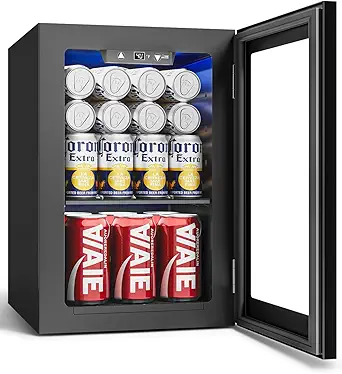 |
| Best Budget The cheapest option that still gets the job done reliably | EUHOMY WC-6B Mini Fridge | 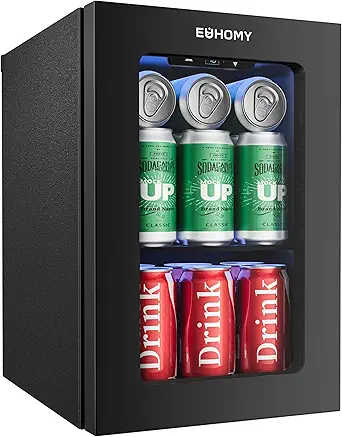 |
| Top Rated A top-rated pick with lots of positive feedback | COWSAR 4.4 Cu.Ft Compact Refrigerator |  |
| Most Popular A crowd favorite that many people choose with confidence | Manastin 3.2 Cu.Ft Beverage Refrigerator |  |
| Best Seller A high-volume bestseller chosen again and again | hOmeLabs Beverage Refrigerator HME030065N | 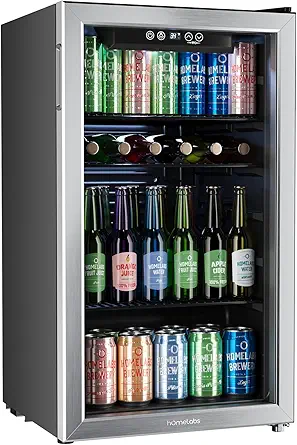 |
Magic Chef 3.2-Cu. Ft. Mini Fridge

| Capacity | 3.2 cubic feet |
|---|---|
| Cooling Method | Compressor |
| Defrost System Type | Manual |
| Door Orientation | Reversible |
| Specification Met | Energy Star |
The Magic Chef 3.2-Cu. Ft. Mini Fridge is a straightforward freezerless refrigerator aimed at dorms, offices, or small apartments where space is limited. It uses a compressor cooling system and an adjustable thermostat so you can set a comfortable temperature for drinks, produce, and leftovers. Interior glass shelves are adjustable to fit taller bottles and there is an in-door storage area sized to hold condiments and a 2-liter bottle, plus a crisper drawer for fruits and vegetables. The reversible door and leveling legs make placement flexible in narrow nooks, and the unit is Energy Star certified for better efficiency than many compact models. Expect manual defrosting since it is not frost-free, and its single-door, freezerless design means you will not have frozen storage. For buyers wanting a simple, energy-conscious small fridge that prioritizes usable refrigerated space over a freezer, this model delivers reliable fundamentals without extra bells and whistles.
Best for: Buyers who want a simple, energy-efficient fridge that maximizes refrigerated storage in small spaces and values straightforward controls and flexible placement.
Less Ideal for: People who need frozen storage, full-size refrigerator features, or fully automatic defrosting should look at other appliance types.
- Compact 3.2 cu. ft. capacity fits tight spaces
- Adjustable glass shelves maximize storage flexibility
- Reversible door and leveling legs for flexible placement
- Energy Star certified for improved efficiency
- Manual defrost required
- No freezer compartment for frozen items
Verdict: A compact, energy-efficient freezerless fridge that gives the most usable refrigerated space for dorms, offices, and small kitchens.
Antarctic Star Wine Cooler 4.4 cu ft

| Capacity | 4.4 cubic feet |
|---|---|
| Bottle Capacity | 36 standard bottles |
| Shelves | 4 |
| Temperature Range | 32°F – 61°F |
| Installation Type | Freestanding |
This Antarctic Star wine cooler is a compact, freestanding beverage refrigerator built for storing wine and drinks without a freezer compartment. It holds roughly 36 standard bottles on four horizontal shelves, uses a reinforced glass door with an airtight seal, and offers an adjustable temperature range from 32°F to 61°F so you can set cellar-like conditions for different wine styles. Blue LED interior lighting showcases contents while minimizing light exposure, and the unit is marketed as low-vibration and quiet to avoid disturbing sediment in wines. Practical touches include movable shelves and adjustable leveling legs for stable placement. The cooler is manual-defrost and runs on standard 110V power; it is sized for countertop or floor use rather than built-in installation. Expect basic energy consumption (listed at 549 watts annually) and straightforward controls rather than advanced digital zoning or smart features. For buyers prioritizing consistent, low-vibration storage in a compact footprint this model delivers the essentials, though it lacks built-in installation flexibility and high-end climate control features found on more expensive cellar units.
Best for: Buyers wanting a performance-minded compact cooler to store and age bottles at controlled temperatures in a small footprint, prioritizing quiet, low-vibration operation over smart features.
Less Ideal for: People who need a built-in installation, advanced multi-zone climate control, or integrated smart connectivity should look elsewhere.
- Adjustable 32°F–61°F temperature range for proper wine storage
- Holds up to 36 standard bottles on four horizontal, movable shelves
- Reinforced glass door with airtight seal and soft blue LED interior light
- Low-vibration design to protect wine sediment and enable quiet operation
- Manual defrost system requires occasional user maintenance
- Freestanding only so it is not suitable for built-in installation
Verdict: A compact, low-vibration wine cooler built for buyers who want reliable bottle storage and temperature control without extra smart bells and whistles.
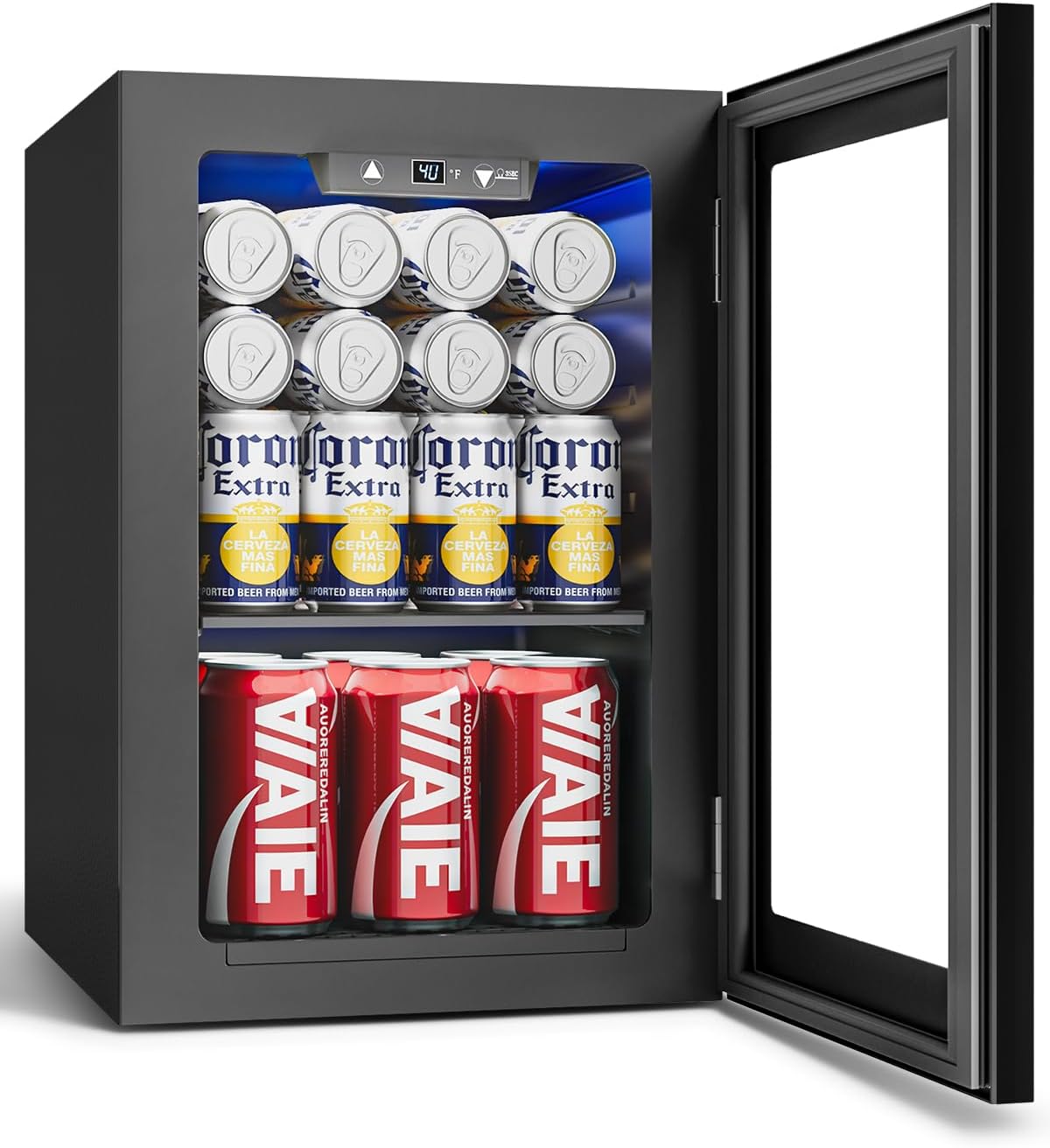
Feelfunn Beverage Refrigerator FWC008-11
| Capacity | 0.6 cubic feet |
|---|---|
| Temperature Range | 40-61°F (4-16°C) |
| Cooling Method | Compressor |
| Noise Level | ≤38 dB |
| Power | 115 volts |
The Feelfunn 24-can beverage refrigerator is a compact compressor mini-fridge designed for drinks in small spaces. It is typically used in dorms, home bars, offices, or bedrooms to keep cans and small bottles chilled without a freezer compartment. Controls let you set temperatures between 40 and 61°F via a clear LED display, and an interior LED light can be toggled for visibility. The unit uses a 3D circulating air system and compressor cooling to deliver relatively fast, even cooling while minimizing frost, and runs quietly at or below 38 dB so it will not disturb nearby rooms. Storage is flexible thanks to a removable shelf and adjustable feet for leveling. Important limitations are its very small 0.6 cu ft capacity, which fits roughly 24 cans and few upright bottles, and its manual defrost requirement; it is not suitable when you need substantial cold storage or a freezer function. The fridge is freestanding and corded, and the gloss finish and UV-protective door give it a modern look for visible locations.
Best for: Buyers who want a quiet, space‑saving drink fridge to keep cans and a few bottles chilled in bedrooms, offices, or small bars while prioritizing efficient cooling and compact footprint.
Less Ideal for: Anyone who needs larger cold storage, a freezer compartment, or regular bulk cooling for parties and heavy use should choose a bigger refrigerator instead.
- Compact footprint fits under desks or in tight spaces
- Adjustable temperature control from 40 to 61°F for drinks or wine at serving temp
- Compressor cooling with 3D circulating air for faster, more even cooling than thermoelectric units
- Removable shelf and adjustable feet allow flexible storage and leveling
- Quiet operation at ≤38 dB suitable for bedrooms or offices
- Very small 0.6 cu ft capacity limits storage to about two dozen cans and a few bottles
- Manual defrost means occasional maintenance to manage frost buildup
Verdict: A very compact, quiet compressor beverage fridge that is ideal when you need efficient cooling for cans and a few bottles in tight spaces.
EUHOMY WC-6B Mini Fridge

| Capacity | 18 liters |
|---|---|
| Cooling Method | Compressor |
| Temperature Range | 40°F to 61°F |
| Defrost System Type | Manual |
| Installation Type | Freestanding |
The EUHOMY WC-6B is a small compressor-driven mini fridge meant to hold cans and a few bottles on a countertop or in a bedroom or office. It offers digital temperature control across a 40°F to 61°F range, an LED interior light, and a removable shelf so you can switch between storing cans and taller bottles. Because it uses a compressor cooling method rather than a thermoelectric element, it maintains a steadier temperature even when ambient room temperatures vary. The unit is freestanding, relatively lightweight for moving around, and runs quietly under 40 dB, which helps in quiet spaces. Key practical limits are its tiny 18 L capacity and single-door right-hand orientation, so it will only suit minimal beverage storage rather than full-size food refrigeration or freezing. Manual defrosting and a plastic door keep costs down but lack premium finishes. For buyers looking for a low-cost, compact beverage fridge that keeps drinks cool reliably, this is a straightforward option.
Best for: Buyers on a tight budget who need a compact, reliable beverage chiller for a bedroom, office, or small bar area and prioritize steady cooling and low noise over capacity.
Less Ideal for: Anyone who needs to store many drinks, full meals, or frozen items or who wants a premium-looking undercounter replacement.
- Compressor cooling for more stable temperatures than basic thermoelectric units
- Digital temperature control covering 40°F to 61°F for drink-specific chilling
- Removable shelf lets you fit cans or taller bottles
- Operates quietly (under 40 dB) suitable for bedrooms or offices
- Very small 18 L capacity limits how many drinks or bottles you can store
- Right-hand door only and manual defrost reduce flexibility and convenience
Verdict: A budget-friendly, quiet compressor mini fridge that reliably chills drinks in very small spaces.
COWSAR 4.4 Cu.Ft Compact Refrigerator

| Capacity | 4.4 cubic feet |
|---|---|
| Configuration | Compact Freezerless |
| Defrost System Type | Manual |
| Number Of Shelves | 3 |
| Annual Energy Consumption | 253 kilowatt hours per year |
The COWSAR 4.4 Cu.Ft compact refrigerator is a freestanding, freezerless unit made for dorms, small apartments, and office corners. It uses a compressor-based cooling system with a manual 7-setting mechanical thermostat that covers a 32 to 50°F range, so you can dial in temperatures for drinks, produce, or leftovers. The interior has three removable glass shelves for flexible storage and easy cleaning, and the reversible door plus adjustable leveling feet make placement straightforward in tight layouts. The unit is relatively quiet (listed under 43 dB) and claims modest annual energy use, which helps when you need continuous, reliable cooling in a bedroom or office. Expect straightforward operation with minimal controls and no automatic defrost, so occasional manual defrosting will be necessary. Build and finish are basic but functional, and while it is not feature-packed, it focuses on reliable, energy-efficient refrigeration for everyday chilled storage without a freezer compartment.
Best for: Buyers who prioritize steady, no-frills cooling and low operating noise for small living areas or workspaces and want a dependable, energy-conscious fridge without a freezer.
Less Ideal for: People who need a freezer compartment, advanced digital controls, or a feature-rich smart appliance should consider other options.
- Spacious 4.4 cu ft interior for a freezerless compact fridge
- Mechanical 7-setting thermostat for simple, precise temperature control
- Three removable glass shelves for flexible layout and easy cleaning
- Reversible door and adjustable feet allow flexible placement
- Quiet operation and relatively low annual energy consumption
- Manual defrost system requires occasional user maintenance
- Basic control set without digital readout or advanced modes
Verdict: A simple, quiet, and energy-conscious freezerless mini fridge built for reliable everyday chilled storage in small spaces.
Manastin 3.2 Cu.Ft Beverage Refrigerator

| Capacity | 3.2 cubic feet |
|---|---|
| Temperature Range | 35–65°F |
| Cooling Method | Compressor |
| Number Of Shelves | 3 |
| Defrost System Type | Frost Free |
The Manastin 3.2 cu ft beverage refrigerator is a compact, freestanding cooler built to store cans and bottles without a freezer compartment. It uses a compressor and internal fan circulation for faster, more even cooling and offers a digital thermostat with a 35 to 65°F range that you can toggle between Fahrenheit and Celsius. The interior has three removable wire shelves with multiple height positions so you can fit tall bottles or lay cans flat, and a soft blue LED accent light adds visibility in low light. The unit claims frost free operation and a low-e double-pane glass door to help stabilize internal temperature and reduce heat gain. Practical benefits include relatively quiet operation, a keyed lock for security, and adjustable feet for uneven floors, which make it suitable for home bars, dorms, or offices. Expect typical mini-fridge trade-offs: limited capacity compared with full-size fridges and compressor noise that, while described as quiet, may still be noticeable in very quiet rooms.
Best for: Buyers who want a compact, display-ready drink cooler for a home bar, office, or dorm and who prioritize reliable temperature control and adjustable shelving over large capacity.
Less Ideal for: Anyone needing a freezer compartment or a larger refrigerator for family food storage should look at bigger models instead.
- Digital thermostat with 35–65°F range for precise temperature control
- Removable, adjustable wire shelves let you store cans and tall bottles flexibly
- Double-layer low-e glass door improves insulation and visibility
- Quiet compressor and internal fan circulation for even cooling
- Keyed lock and adjustable feet increase security and siting options
- 3.2 cu ft capacity is limited for larger households or heavy entertaining
- Compressor noise can still be noticeable in very quiet environments
Verdict: A compact, display-friendly beverage fridge with precise digital temperature control and flexible shelving for small-space entertaining.
hOmeLabs Beverage Refrigerator HME030065N

| Capacity | 3.2 cubic feet |
|---|---|
| Temperature Range | 34°F-50°F |
| Cooling Method | Compressor |
| Doors | 1 |
| Shelves | 3 removable chrome wire shelves |
This hOmeLabs beverage refrigerator is a compact, freestanding cooler built for holding cans and bottles in a home, office, or dorm setting. It fits up to 120 slim cans across three removable chrome wire shelves and uses a compressor-based cooling system with a whisper-quiet compressor and convection fan to maintain steady temperatures. A touch-button digital control lets you set temperatures from 34°F to 50°F and a bright interior LED makes it easy to find drinks without opening the door. The reinforced glass door with stainless-steel frame is reversible, so placement is flexible, and adjustable feet help level the unit on uneven floors. Practical limitations include a lack of inverter technology and a moderate annual energy consumption figure, so it is not the most energy-efficient option available, and the unit is intended for beverages only rather than long-term food freezing or heavy-duty commercial use. For everyday chilled-drink storage where appearance and easy access matter, this model covers the essentials well.
Best for: Buyers who want a reliable, visually appealing beverage cooler for home, office, or dorm use and prioritize easy temperature control and simple, quiet operation.
Less Ideal for: People seeking the most energy-efficient mini fridge available or those who need freezer capability or heavy-duty commercial refrigeration should look elsewhere.
- Holds up to 120 slim cans with three removable chrome wire shelves for flexible organization
- Touch-button digital temperature control with range down to 34°F for consistent beverage chilling
- Reinforced glass door and bright internal LED for quick visibility without opening the door
- Whisper-quiet compressor and internal fan provide steady cooling with low noise
- Reversible door and adjustable feet increase placement flexibility in small spaces
- Annual energy consumption is relatively high compared with more efficient models
- No inverter technology is listed, which can limit energy savings and variable-speed compressor benefits
Verdict: Choose this hOmeLabs beverage refrigerator if you want a dependable, quiet, and attractive mini cooler that keeps a large selection of drinks chilled and visible.
Choosing the Right Mini Fridge Without Freezer: Key Factors to Consider
Usable Interior Layout
A mini fridge without a freezer should maximize usable storage. Look at shelf count, adjustable shelving, door storage, and whether bottle racks or crisper-style compartments are included. A flat interior with removable shelves lets you fit taller containers and arrange items efficiently.
Interior layout affects everyday convenience: many buyers choose a freezerless model specifically to gain uninterrupted shelving. Consider how you plan to store beverages, meal prep containers, and perishables to make sure the layout fits typical loads.
Energy Efficiency and Running Cost
Compact refrigerators run continuously, so energy consumption matters. Compare energy use metrics such as kWh per year when available, and look for efficient compressors or inverter systems. Lower energy draw reduces long-term operating cost and is especially important if the unit will run 24/7 in a small living space.
Keep in mind that insulation quality and door seals also influence efficiency. A well-sealed cabinet with thicker walls can maintain temperature with less compressor runtime, which helps both noise and electricity use.
Noise Level and Compressor Type
Mini fridges are often placed in noise-sensitive locations. Compressor-based units are generally more efficient and better at maintaining low temperatures, but they can produce mechanical noise and vibration. Thermoelectric models are quieter but perform poorly in warm rooms and usually cannot reach the same cold setpoints.
Check decibel ratings if provided and read user feedback about hums or rattles. Anti-vibration feet, rubber mounting, and a well-balanced compressor reduce transmitted noise. If the fridge will sit near a bed or in a shared office, prioritize quieter models.
Temperature Stability and Cooling Performance
Without a freezer compartment, the goal is consistent refrigeration temperature across shelves. Look for models with even airflow, reliable thermostat controls, and the ability to hold safe temperatures under typical loads. Temperature stability affects food safety and beverage cooling speed.
Some units include small fans or internal channels that promote even cooling. Consider whether you need rapid chill capability for drinks or more gentle, steady temperatures for dairy and produce when deciding between models.
Size, Footprint, and Installation Flexibility
Measure the intended installation area before choosing a mini fridge. Depth and door swing are common fit problems in narrow spaces. Some models can be recessed or fitted under counters, while others require clearance around the back for ventilation.
Also consider whether reversible doors are necessary for your layout and if the unit can operate effectively in the ambient temperature of the room where it will live. Proper airflow around the appliance is important for longevity and efficiency.
Build Quality and Door Seal Durability
A durable cabinet, sturdy shelves, and a tight door gasket extend the life of a mini fridge. Poor construction can lead to cold leaks, condensation, and higher energy use. Inspecting gasket design and hinge robustness helps avoid models that sag or lose seal integrity over time.
Materials like thicker metal or reinforced plastics resist dents and wear. Removable, washable shelves and door bins also simplify upkeep and reduce the chances of mold or spills becoming long-term problems.
Thermoelectric Vs Compressor Cooling: Which Suits You?
Cooling method is a key decision for freezerless mini fridges. Compressor systems offer stronger cooling across a wide range of ambient temperatures and better temperature stability. They are typically more energy efficient for maintaining low setpoints but may emit more noise and vibration.
Thermoelectric units are simpler and often quieter because they have no moving compressor, but their cooling capacity drops sharply in warm rooms and they struggle to hit very low temperatures. Choose thermoelectric only for small loads in consistently cool environments.
- Compressor: stronger cooling, better in warm rooms, louder
- Thermoelectric: quieter, less effective in heat, suitable for light use
Placement Tips to Improve Performance
Place the mini fridge away from direct sunlight, heat-producing appliances, and tight enclosed spaces. Allow the recommended clearance at the back and sides for ventilation. A unit that cannot vent properly runs the compressor more often and shortens lifespan.
Level the fridge on a flat surface to avoid door misalignment and excess vibration. If it will sit on a carpeted floor or a vibration-prone surface, use a small platform or anti-vibration feet to reduce noise transmission.
- Avoid hot spots and direct sun
- Maintain manufacturer-recommended clearance for airflow
- Level the unit and use anti-vibration pads if needed
Organizing a Freezerless Mini Fridge for Daily Use
Without a freezer, organization becomes the primary way to maximize capacity. Use stackable containers and narrow bottles to make the most of vertical space. Keep frequently used items at eye level and reserve lower shelves for heavier or less used items.
Door bins are valuable real estate for condiments and small jars, but avoid storing highly perishable items where the temperature fluctuates the most. Label shelves or use clear containers to quickly find items and reduce the time the door stays open.
- Use stackable, clear containers
- Store frequently used items at mid-shelf height
- Avoid opening the door frequently to preserve temperature
Maintenance and Cleaning Best Practices
Regular cleaning and simple maintenance keep a mini fridge running efficiently. Wipe spills promptly and clean the interior with mild detergent to prevent odors and mold. Clean door gaskets periodically to maintain a tight seal and check hinges for proper alignment.
On compressor units, vacuum the external condenser or grille area occasionally to remove dust build-up. This improves airflow and reduces compressor workload. If the unit will be unused for extended periods, follow storage guidance such as draining and leaving the door slightly ajar to avoid mildew.
- Clean spills quickly and wash interior surfaces
- Inspect and clean door gaskets
- Vacuum exterior grilles on compressor units to improve airflow
Sizing Your Mini Fridge to Match Usage
Think about typical daily contents when choosing capacity. A single person who mainly stores beverages and a few perishables can often use a smaller 1.7 to 3.2 cu ft unit. If you plan to store meal-prep containers, fresh produce, or several family members' items, step up to larger compact models.
Remember that usable internal volume varies with shelf design and door storage. A freezerless model usually gives better usable space than a combo unit of the same rated capacity, but compare actual shelf measurements when possible.
- Estimate contents before sizing
- Larger usable volume often matters more than nominal capacity
- Account for shelving flexibility and door storage
How We Chose the Best Mini Fridge Without Freezer
We focused on features and performance metrics that matter for a freezerless mini fridge, prioritizing the aspects most relevant to buyers who need compact refrigeration rather than combo units. Key evaluation criteria included interior usable volume and shelving flexibility, since the lack of a freezer should translate to more organized storage. Energy efficiency and steady temperature control were tested by checking rated consumption and user-reported temperature stability, because continuous cooling cost and food safety matter in small units. We also weighed noise levels and compressor type, because these fridges are often used in bedrooms or offices where quiet operation is important. Build quality and door seal durability were assessed to avoid units that lose cold air and drive up running time. Finally, installation footprint and orientation options were considered for under-counter or corner placements. Models were excluded if they included an integrated freezer compartment, relied on thermoelectric cooling only when significant ambient-temperature limitations applied, or lacked clear specifications. The selected products met our practical thresholds on usable capacity, efficiency, noise, and construction.
Our full evaluation process is outlined in our review methodology.
FAQ
Are mini fridges without freezers more energy efficient?
They can be more efficient because the compressor only needs to maintain a single temperature zone and there is no frost buildup in a freezer compartment. Actual efficiency depends on insulation, compressor design, and ambient temperature.
Can I store frozen items in a fridge without a freezer?
No. A fridge without a freezer cannot maintain below-freezing temperatures reliably. For frozen storage you need a dedicated freezer or a refrigerator model that includes a freezer compartment.
How do I reduce noise from a mini fridge?
Ensure the unit is level and placed on a solid surface, use anti-vibration pads, and allow adequate clearance for the compressor. If noise persists, check for loose internal parts or improperly seated shelves that can amplify vibration.
Will a freezerless mini fridge keep produce fresh?
Yes, if the unit maintains stable refrigeration temperatures and you use proper storage containers. Look for models with even cooling and adjustable shelves to avoid overcrowding, which can impede airflow and shorten produce life.
Is installation difficult for these compact fridges?
Installation is usually simple: position on a level surface with recommended clearances, plug in, and allow time to reach temperature. More complex setups such as built-in under-counter installs may require additional ventilation planning.
Final Verdict
When choosing a mini fridge without freezer, prioritize usable interior layout and temperature stability over nominal capacity. Energy efficiency and noise are the next most important tradeoffs for units used in living or sleeping areas. Also consider installation constraints such as footprint, door swing, and ventilation. Focus on the characteristics that match how you will use the fridge: if you need steady cooling for beverages and fresh food with minimal footprint, a freezerless mini fridge with flexible shelving and a reliable compressor usually offers the best balance of performance and convenience.