
Note: This article contains affiliate links. If you click on these links and make a purchase, we may earn a small commission at no extra cost to you. This helps support our research and content. Read our full affiliate disclosure here.
Choosing an over-the-range microwave with venting matters because this appliance doubles as your kitchen hood. A well-ventilated unit removes smoke, steam, and odors from the cooktop area while saving counter space and keeping sight lines clean. You want a model that balances airflow, noise, and installation needs without compromising the microwave functions you use every day. This guide shortlists the top over-the-range microwaves with venting for typical home kitchens. We evaluated practical factors like vent performance, installation flexibility, noise levels, and controls to produce a concise list of top picks. Read on for the key tradeoffs and guidance to match a vented microwave to your cooking and installation situation.
Top Picks at a Glance
| Best Overall The best all-around choice for most situations | BLACK+DECKER Over-the-Range Microwave EM044K6CE-SS | 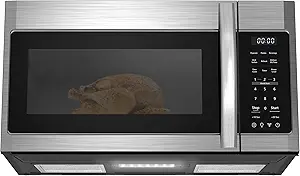 |
| Best Quality Built to a higher standard if you want something more solid | ZLINE Over-the-Range Convection Microwave |  |
| Best Value The sweet spot between price and what you get | GASLAND 30 Inch Over-the-Range Microwave |  |
| Best Budget The cheapest option that still gets the job done reliably | Midea Over the Range Microwave 1.7 Cu.Ft | 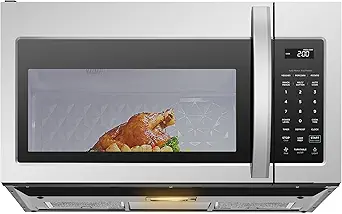 |
| Top Rated A top-rated pick with lots of positive feedback | Frigidaire Over-The-Range Microwave FFMV1846VS |  |
| Most Popular A crowd favorite that many people choose with confidence | BLACK+DECKER Over-the-Range Microwave | 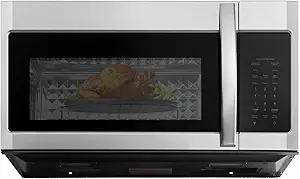 |
| Best Seller A high-volume bestseller chosen again and again | GE 30" Over-the-Range Microwave JVM3160RFSS |  |
BLACK+DECKER Over-the-Range Microwave EM044K6CE-SS

| Capacity | 1.7 cubic feet |
|---|---|
| Wattage | 1000 watts |
| Number of Power Levels | 10 |
| Turntable Diameter | 12.4 inches |
| Installation Type | Over-the-Range |
This BLACK+DECKER over-the-range microwave pairs a roomy 1.7 cubic foot interior and a 12.4-inch turntable with 1000 watts of microwave power, making it useful for reheating large plates, cooking family meals and popping popcorn. It installs above the stove and includes a 2-speed, 300 CFM vent fan and integrated light to clear cooking fumes and illuminate the cooktop. Controls are touchscreen with ten power levels and six one-touch menus for common tasks like beverage, reheat, defrost and melt/soften, plus multi-stage cooking for recipes needing different power steps. Practical benefits include strong venting for an OTR unit, a stainless steel interior and exterior for durability, and a child safety lock. Trade-offs are typical for this class: it is a basic feature set without advanced sensor cooking or convection, and the fan has only two speeds so fine-tuned vent control is limited. For buyers seeking a straightforward over-the-range microwave that balances capacity, venting and simple presets, this covers the essentials without added complexity.
Best for: Buyers who want a reliable, no-frills over-the-range microwave that balances interior capacity, decent venting and simple touchscreen controls for everyday family cooking.
Less Ideal for: Those who need advanced features like sensor-based cooking, convection baking, or fine-grained multi-speed ventilation should consider higher-end models.
- Spacious 1.7 cu ft interior with 12.4-inch turntable fits larger plates and cookware
- 1000W power and 10 power levels for faster, flexible cooking
- Integrated 300 CFM two-speed vent effectively removes fumes and odors from the cooktop
- Touch controls with one-touch presets and multi-stage cooking simplify everyday use
- Stainless steel interior and exterior improve durability and cleaning
- No sensor cooking or convection option for hands-off results
- Fan offers only two speeds so intermediate venting control is limited
Verdict: A practical, roomy over-the-range microwave with strong basic venting and simple controls for buyers who want dependable everyday performance.
ZLINE Over-the-Range Convection Microwave

| Wattage | 1500 watts |
|---|---|
| Capacity | 2 cubic feet |
| Heating Method | Convection Heat and Microwave Heat |
| Ventilation | Up to 300 CFM |
| Controller Type | Touch |
This ZLINE over-the-range convection microwave pairs full microwave performance with true convection cooking and a built-in venting hood, making it a solid choice for cooks who want more than basic reheating. It offers 1500 watts of power, two cooking modes (microwave and convection), and a removable convection rack so you can brown and bake items that need crisping. The unit also includes a glass turntable, DiamondTech stainless interior designed for even heating, and an illuminated touchscreen with one-touch presets for common tasks. For ventilation it provides up to 300 CFM with two fan speeds and selectable recirculating or external ducting, plus dual cooktop lights to illuminate the range below. Practical limitations are a two-speed fan and only two power levels for microwave cooking, so fine-grained power control is limited compared with some pro models, and charcoal filters for ductless operation are sold separately. Installation is over-the-range only and the unit is relatively heavy, so plan for professional installation if you do not have existing support.
Best for: A buyer who prioritizes cooking performance and wants an over-the-range unit that combines strong microwave power, convection baking, and effective ventilation for everyday and occasional baking needs.
Less Ideal for: Shoppers who need precise multi-level microwave power settings, those seeking a lightweight DIY install, or buyers who expect included ductless filters should consider other options.
- 1500-watt power with convection and microwave modes for versatile cooking
- Up to 300 CFM ventilation with two fan speeds and option for recirculating or external ducting
- DiamondTech stainless steel interior and included convection rack promote even browning
- One-touch touchscreen controls and dual cooktop lights for convenience
- Only two microwave power levels limit fine control for delicate tasks
- Charcoal filters for ductless operation are not included
- Heavier unit that may require professional installation
Verdict: Choose this unit if you want a high-power over-the-range microwave that adds true convection cooking plus robust venting in a single appliance.
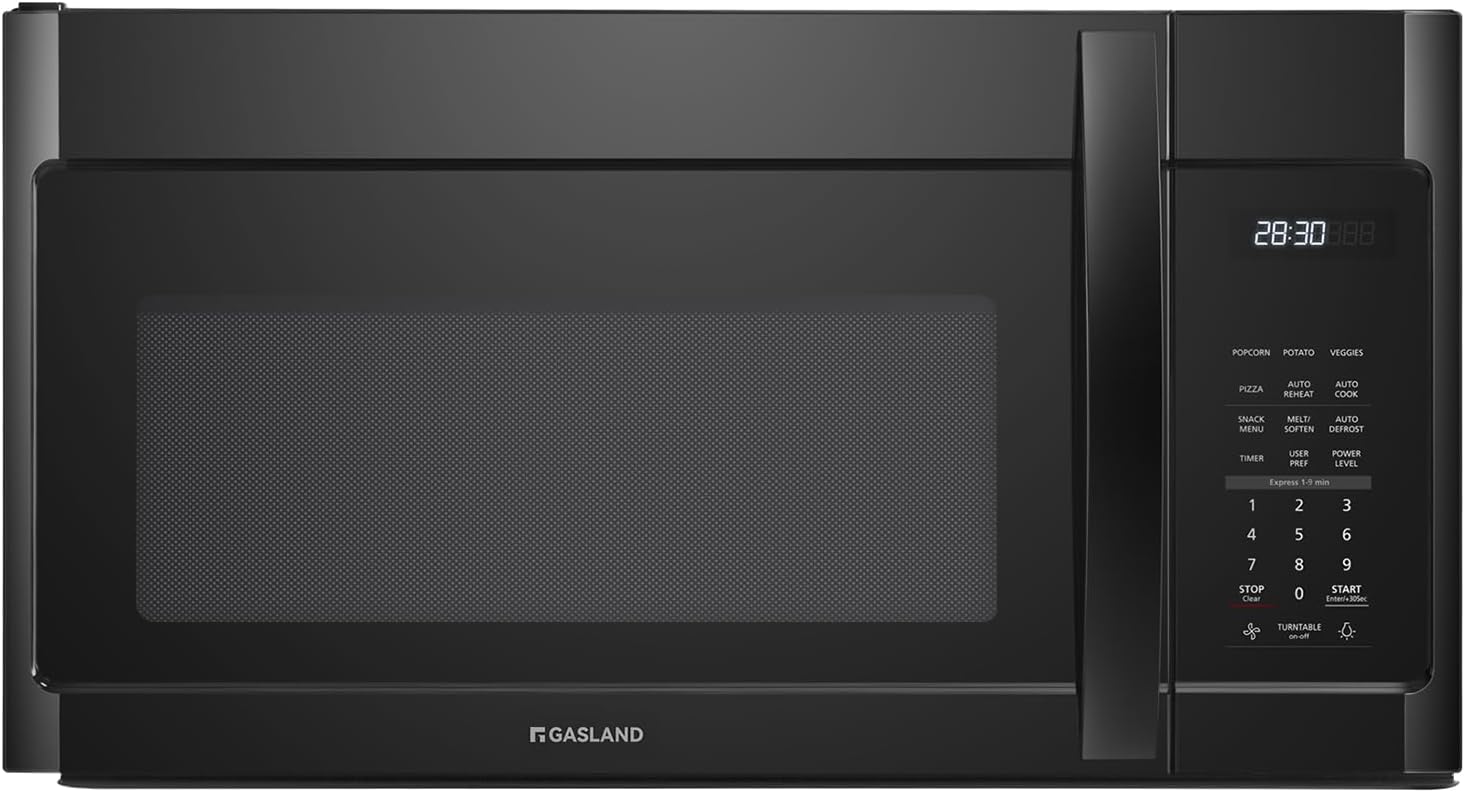
GASLAND 30 Inch Over-the-Range Microwave
| Capacity | 1.9 cubic feet |
|---|---|
| Wattage | 1000 watts |
| Number of Power Levels | 11 |
| Ventilation | 400 CFM two-speed |
| Number of Programs | 9 |
This GASLAND 30-inch over-the-range microwave pairs a full-size 1.9 cubic foot cavity with a 1000-watt magnetron and 11 power levels for flexible everyday cooking. It lives above the stove and combines a two-speed, 400 CFM exhaust fan and two LED cooktop lights so it functions as both a microwave and a range hood, clearing smoke and brightening the cooktop. One-touch presets and nine programs simplify common tasks like popcorn, potato, defrost and reheat, while two-stage cooking and a removable rack let you defrost then finish in a higher power step without moving food. The 13.5-inch turntable and optional turntable-off mode add placement flexibility for larger dishes. Controls are touch-based and the unit includes a child safety lock. Trade-offs are typical for a value-range OTR model: it is not a convection oven and installation requires standard over-the-range mounting and ventilation work. For buyers who need combined venting and microwave capability in a straightforward package, this delivers solid performance and useful presets for everyday family cooking.
Best for: Buyers who want a practical, space-saving appliance that combines a capable exhaust hood with a full-size microwave for family cooking and everyday convenience.
Less Ideal for: People who need convection cooking or advanced baking features or those who prefer a countertop microwave with no installation.
- Integrated 400 CFM two-speed venting clears smoke and odors while cooking
- Large 1.9 cu ft interior with removable rack and turntable-off option for bigger dishes
- 1000W power with 11 power levels and two-stage cooking for precise heating
- Nine one-touch presets and touch controls simplify everyday tasks
- Bright LED lighting improves cooktop visibility
- No convection or baking capability compared with combination ovens
- Installation requires proper over-the-range venting and mounting work
Verdict: A practical choice for buyers who need a full-size over-the-range microwave that also provides strong venting and simple one-touch cooking for everyday family use.
Midea Over the Range Microwave 1.7 Cu.Ft

| Capacity | 1.7 cubic feet |
|---|---|
| Power Consumption | 1000 watts |
| Number of Programs | 19 |
| Number of Power Levels | 10 |
| Turntable Diameter | 12.5 inches |
This Midea over-the-range microwave combines basic cooking power with integrated ventilation at a price that suits budget-conscious kitchens. It offers 1000 watts of cooking output, a 1.7 cubic foot interior and a 12.5-inch turntable, making it able to handle a rotisserie chicken or a 12-inch pizza for typical family meals. The one-touch smart panel and 19 auto menus simplify common tasks like popcorn, defrost, reheat, and potato, while 10 power levels give control for gentler heating. The unit includes a 300 CFM adjustable exhaust fan and a bright cooktop light to clear smoke and illuminate the range. Controls are touchscreen-style and the stainless steel interior and exterior are straightforward to wipe down. Limitations include basic feature polish and a relatively simple control layout versus higher-end models, and the fan and cooking performance are functional but not tuned for heavy professional use. For buyers prioritizing venting and straightforward cooking on a tight budget, this model delivers solid value.
Best for: Buyers looking for an affordable over-the-range microwave that combines decent cooking power with built-in venting and straightforward controls for everyday family meals.
Less Ideal for: Users who need pro-level ventilation performance, advanced smart features, or a luxury control experience should consider higher-end models instead.
- 1000W cooking power with 10 power levels for versatile heating
- 1.7 cu ft capacity and 12.5-inch turntable accommodate larger dishes
- Integrated 300 CFM ventilation with adjustable fan speeds for effective range exhaust
- One-touch smart panel and 19 auto menus simplify common cooking tasks
- Bright cooktop light improves visibility over the stovetop
- Control interface is basic compared with premium models and may lack advanced presets
- Designed for residential use so fan and cooking performance are not professional grade
Verdict: A budget-friendly over-the-range microwave that pairs 1000W cooking with a 300 CFM vent to deliver practical everyday cooking and solid range ventilation for cost-conscious buyers.
Frigidaire Over-The-Range Microwave FFMV1846VS

| Capacity | 1.8 cubic feet |
|---|---|
| Wattage | 1000 watts |
| Turntable Diameter | 12.35 inches |
| Number of Programs | 6 |
| Installation Type | Over-the-Range |
This Frigidaire over-the-range microwave combines everyday cooking functions with basic ventilation for reliable kitchen use. It provides 1.8 cubic feet of interior space and a large 12.5-inch glass turntable that fits casserole dishes and a 13" x 9" baking pan, while 1000 cooking watts handle reheating, defrosting, and one-touch programs like popcorn and baked potato. The control panel uses touch buttons and include an add-30-seconds quick-start, and interior LED lighting improves cooktop visibility during use. As an over-the-range unit it doubles as a hood with two fan speeds and a zero-clearance door that opens to 90 degrees, which helps installation in tighter spaces. Practical benefits are simple operation, roomy capacity, and useful ventilation for everyday stovetop steam and odors. Limitations to note are the single power level setting (which constrains fine power adjustment) and a straightforward feature set without advanced sensor cooking or multi-speed blower options, so buyers should expect dependable basic performance rather than premium smart features.
Best for: Buyers seeking a straightforward, dependable over-the-range microwave that provides roomy capacity and basic ventilation for everyday home cooking and good cooktop visibility.
Less Ideal for: Users who want advanced sensor cooking, multiple precise power levels, or high-performance commercial-style ventilation should consider other options.
- Large 1.8 cu. ft. interior fits full-size casserole dishes and a 13" x 9" pan
- 1000 watts provides quick reheating and straightforward cooking power
- Two-speed ventilation provides basic hood functionality for stovetop odors and steam
- LED interior and cooktop lighting improve visibility while cooking
- One-touch cooking options and add-30-seconds make operation simple and fast
- Only one selectable cooking power level reduces control for delicate defrosting or low-power tasks
- Ventilation is basic two-speed rather than a high-capacity multi-speed blower
Verdict: Choose this Frigidaire if you want a roomy, no-nonsense over-the-range microwave that reliably combines basic cooking power with two-speed ventilation.
BLACK+DECKER Over-the-Range Microwave

| Capacity | 1.5 cubic feet |
|---|---|
| Wattage | 900 watts |
| Cooking Programs | air fryer, bake, convection, grill, microwave |
| Ventilation | 300 CFM two-speed vent |
| Control Type | Touchscreen |
This BLACK+DECKER over-the-range microwave is a multi-function unit that replaces a standard hood with a 6-in-1 cooking appliance and a venting system. It offers a 1.5 cubic foot interior and a 13.6-inch turntable for full-dish reheating, and its 900-watt microwave output pairs with convection, bake, grill, roast, and an air fry mode so you can crisp foods with less oil. The touchscreen control and ten power levels make it straightforward to run quick microwaving or longer convection cycles, and the sensor reheat helps avoid overcooking leftovers. On top it integrates a 300 CFM two-speed exhaust and a light to help clear fumes and illuminate the cooktop below. Practical benefits include consolidating appliances to save counter space and getting air-fryer-style results without a separate unit. Limitations to note are the modest microwave wattage for very fast cooking and the larger footprint and installation complexity inherent to over-the-range models compared with countertop options.
Best for: Buyers who want to replace a hood with a single appliance that vents well and offers air-fry and convection capabilities, and who prioritize proven performance and broad user feedback when choosing a venting over-the-range microwave.
Less Ideal for: People who need the fastest possible microwave cook times or who cannot accommodate hardwired over-the-range installation should consider other formats.
- Multiple cooking modes including air fry and convection for versatile meal preparation
- 1.5 cu ft interior and 13.6-inch turntable fit most dinner plates and casserole dishes
- Integrated 300 CFM two-speed vent with light removes smoke and adds cooktop illumination
- Touchscreen control with 10 power levels and sensor reheat for easier, more precise cooking
- 900 watts is lower than some countertop microwaves, so high-power rapid cooking may be slower
- Over-the-range installation requires proper mounting and ducting which adds complexity compared with countertop units
Verdict: Choose this unit if you want a vented over-the-range microwave that consolidates air-fry and convection cooking into a single, space-saving appliance with reliable real-world performance.
GE 30" Over-the-Range Microwave JVM3160RFSS

| Capacity | 1.6 cubic feet |
|---|---|
| Wattage | 1000 watts |
| Venting | Two-speed 300 CFM hood vent |
| Power levels | 9 |
| Number of programs | 10 |
The GE JVM3160RFSS is an over-the-range microwave designed for everyday cooking and ventilation above a standard 30" range. It offers 1,000 watts and a 1.6 cubic foot interior that handles reheating, defrosting and family-sized dishes, with one-touch controls and programmable automatic weight/time defrost to simplify common tasks. The unit includes a turntable on/off option to fit larger or odd-shaped dishes and an easy-to-use touch pad with nine power levels and ten programs. Venting is a prominent feature here: a two-speed 300 CFM hood removes smoke, steam and odors from stovetop cooking while the surface light provides bright or night-light settings for the cooktop. Practical installation is supported by an easy-mount design and a behind-the-door charcoal filter option for odor control. Trade-offs are that this is a basic model without smart connectivity or convection cooking, and the 1.6 cu ft interior may feel tight for very large cookware. For buyers seeking straightforward, reliable OTR performance and strong venting, this GE delivers sensible features without complexity.
Best for: Buyers who prioritize reliable, easy-to-use over-the-range ventilation and straightforward microwave performance without extra tech bells and whistles.
Less Ideal for: Users who want connected smart features, advanced cooking modes, or significantly larger interior capacity should look at other models.
- Effective two-speed 300 CFM venting that clears smoke and odors from the cooktop
- Simple one-touch controls, numeric pad and weight/time defrost for easy everyday use
- Turntable on/off for heating larger or oddly shaped dishes
- Bright surface light with a second night-light setting for cooktop visibility
- Dependable 1000W power and nine power levels for consistent reheating and cooking
- No smart features or advanced cooking modes like convection or air fry
- Interior capacity may be limiting for very large casserole dishes or cookware
Verdict: Choose this GE if you want a dependable 30" over-the-range microwave with strong venting and simple, no-nonsense controls.
Choosing the Right Over-the-Range Microwave with Venting: Key Factors to Consider
Vent Performance and Airflow
A venting over-the-range microwave's core job is to move cooking exhaust away from the cooktop. Look for clear airflow specifications or manufacturer guidance about CFM-equivalent performance. Higher airflow helps when frying, searing, or simmering foods that produce a lot of steam or smoke. In many kitchens the duct length and bends matter more than raw fan speed, so choose a model whose venting capacity suits your actual duct run and hood expectations.
Airflow matters for odor control as well. If you frequently cook strong-smelling foods, prioritize units that can sustain higher extraction rates without excessively increasing noise. Also note whether the unit is designed primarily for external ducting or recirculation; external venting to the outside typically provides the best odor and moisture removal.
Ducting Options and Installation Flexibility
Over-the-range microwaves may support multiple venting configurations: top-vented to a vertical duct, rear-vented to a horizontal duct, or recirculating through charcoal or grease filters. Before you buy, measure the space, identify the existing duct location, and confirm the unit's allowed duct sizes and exit positions. Small differences in mounting plate geometry or duct collar size can add hours to an install if they do not match your cabinet cutout.
Installation flexibility also affects future kitchen changes. A unit with reversible venting and multiple duct adapters is easier to fit into retrofits and remodels. If your home requires a long or convoluted duct run, favor models with stronger vent specifications and clear guidance for maximum duct length.
Noise and Acoustic Comfort
Because the vent fan sits directly above the cooktop and near living spaces, noise level is a major comfort consideration. Manufacturers sometimes provide decibel ratings at different fan speeds. Consider how loud typical venting settings will be when you cook; quieter units allow conversation and monitoring of burners without shouting. Noise often increases with airflow, so you must weigh the tradeoff between extraction power and acoustic comfort.
Look for models with multiple speed settings so you can run a low-speed background ventilation for everyday use and higher speeds only when needed. Also consider whether the sound is a steady fan hum or a higher-pitched noise, since perceived annoyance depends on frequency as well as volume.
Controls and Usability
A combined microwave and vent hood should have intuitive controls that let you run either function independently and easily switch vent speeds. Backlit or tactile buttons, clear labeling for vent modes, and timers or auto-shutoff features improve day-to-day usability. Some units provide sensor-based ventilation or integrated cooktop sensors; know whether you prefer manual control or automatic behavior.
Also verify that vent controls remain accessible after installation and are not obscured by cabinetry. Good controls reduce mistreatment and accidental changes, making the unit more reliable over years of use.
Filter Type and Maintenance
Vented over-the-range microwaves use grease filters and sometimes charcoal filters for recirculation. Grease filters are typically metal and washable, while charcoal filters need periodic replacement. Easy access to filters shortens maintenance time and reduces the chance that homeowners skip necessary cleaning.
Check how filters are accessed and whether replacement filters are a common size. Units that require specialized filter cartridges can increase lifetime upkeep complexity. Regular cleaning of grease filters preserves airflow and prevents odors, so prioritize models with straightforward, tool-free filter access.
Microwave Performance and Capacity
While venting is the focus, you still need a microwave that performs well for reheating, defrosting, and common cooking tasks. Consider internal capacity, wattage distribution, and useful features like turntable size and power settings. A unit with adequate capacity for your cookware reduces the need for awkward repositions during cooking.
Check that microwave controls are separate from vent controls to avoid accidental shutdowns. Good integration ensures you do not sacrifice microwave function for venting capability, preserving both convenience and performance in a single appliance.
Ducted Vs Recirculating Venting
Decide early whether you can route a duct to the outside. Ducted installations exhaust moisture and odors outside the home and are generally more effective at removing heat and particulates. Recirculating installations pull air through grease and charcoal filters and return it to the kitchen; they are simpler to install but less effective at removing humidity and strong odors.
If your kitchen already has a duct run above or behind the microwave opening, a ducted unit will usually provide the best long-term performance. If adding ductwork is impractical, choose a microwave whose recirculation filters are easy to access and replace, and be realistic about reduced odor control compared with true external venting.
- Ducted: better moisture and odor removal, best when external venting is available
- Recirculating: easier retrofit, requires charcoal filters for odor control
- Confirm duct size and orientation before purchase to avoid surprises
Measuring Noise: What to Expect
Manufacturers sometimes list decibel figures, but those numbers are measured under specific conditions and can be misleading. Expect noise to climb noticeably between low and high vent speeds. Plan for how close the microwave is to common living areas and choose a model with a pleasant low-speed profile for background use.
When assessing noise, ask whether fan acoustics are a steady low hum or a higher-frequency whine; the latter tends to be more distracting. If possible, listen to a working unit in a store or showroom to form an opinion before committing.
- Look for multiple fan speeds for flexible noise control
- Lower-speed ventilation is useful for everyday steam and light odors
- High-speed modes are best reserved for heavy smoke or grease
Installation Checklist for Homeowners
Before ordering, verify cabinet opening dimensions, available clearance above the cooktop, and the existing duct location and size. Measure the distance to the nearest exterior vent for ducted installs and count the number of bends; each elbow reduces effective airflow. Confirm electrical requirements and whether a 120V branch is available where the microwave will be mounted.
Also inspect cabinet face frames and mounting options. Some installations need reinforcement to support the microwave weight or adapter plates to align the duct collar. Budget time and a simple plan for filter access and control reachability so routine maintenance is easy after installation.
- Measure opening width, depth, and chimney clearance
- Locate and measure existing duct collar position and size
- Confirm electrical outlet placement and circuit capacity
Maintenance Tips to Preserve Vent Performance
Clean or replace grease and charcoal filters on a schedule to maintain airflow and odor control. Wash metal grease filters every one to three months depending on cooking intensity; replace charcoal filters per manufacturer guidance when odor control diminishes. Keep the fan housing free of heavy grease buildup to prevent reduced efficiency and motor strain.
Periodically inspect the external duct path for blockages or lint accumulation, particularly if the duct run is long. Tighten fasteners and check seals at the duct collar to prevent air leaks that lower effective extraction.
- Wash metal grease filters regularly; replace charcoal filters as needed
- Inspect external ducts and seals for blockages and leaks
- Avoid using the highest fan speed routinely unless needed
Matching Capacity and Interior Layout to Your Needs
Internal volume and turntable diameter affect what dishes will fit and how evenly food heats. If you often reheat large platters or casserole dishes, confirm that they will fit without interference from the door or controls. Also evaluate lighting performance; the microwave's integrated cooktop light should adequately illuminate burners for safe cooking.
Consider whether you need features like sensor cooking, convection modes, or specialized presets. These extras increase versatility but can complicate controls. Choose the level of microwave capability that aligns with how you cook and how often you will rely on the unit for complex tasks.
- Check cavity size and turntable diameter for common cookware
- Confirm that cooktop lighting is bright and well-positioned
- Decide if advanced microwave features are worth the extra complexity
How We Chose the Best Over-the-Range Microwave with Venting
We prioritized features that directly affect how effectively an over-the-range microwave vents a cooktop and how easy the unit is to live with day to day. Our evaluation emphasized measurable vent performance, installation flexibility, and real-world usability. We looked for clear specifications for maximum airflow or CFM equivalents, ducting options and sizes, mounting and cabinet compatibility, and manufacturer guidance for external or recirculating configurations. We also assessed noise generation under typical venting loads, the clarity and convenience of control layouts for both microwave and vent functions, and serviceability elements such as access to filters and control panels. Safety and durability factors included heat-tolerant materials around vent openings and reliable fan motor designs. Units without explicit venting specifications, unclear installation instructions, or inadequate filter access were excluded from consideration. The result is a set of choices that balance airflow effectiveness, installation practicality, acoustic comfort, and everyday usability.
Our full evaluation process is outlined in our review methodology.
FAQ
Can I use recirculating mode instead of ducting to the outside?
Yes, recirculating mode is a valid option when external ducting is impractical. It relies on grease and charcoal filters to trap particles and odors, but it does not remove moisture or heat from the kitchen as effectively as external venting.
How often should I clean or replace filters?
Wash metal grease filters every one to three months depending on cooking frequency. Charcoal filters used for recirculation typically need replacement every 6 to 12 months depending on odor control and manufacturer guidance.
Will a more powerful fan always mean better odor removal?
Not necessarily. Stronger fans can move more air, but long or convoluted duct runs, poor seals, or undersized ducting can negate that advantage. Proper ducting layout and well-maintained filters are equally important for effective odor removal.
Are venting and microwave functions controlled together or separately?
Most units provide separate controls so you can run the fan independently of microwave cooking. Check that controls remain accessible after installation and that fan speeds are easy to select without interrupting microwave operation.
How loud will the vent be during normal cooking?
Noise varies by model and fan speed. Expect a noticeable difference between low and high speeds. Low-speed settings are usually suitable for everyday steam removal and are designed to be less intrusive near living spaces.
What duct size should I use for best performance?
Follow the manufacturer's recommended duct size and maximum duct length. Larger, straighter ducts with fewer bends deliver better performance than undersized or highly convoluted runs, so match the unit's recommendations to your kitchen layout.
Final Verdict
When choosing an over-the-range microwave with venting, prioritize vent performance that matches your ducting options and cooking habits. Balance airflow and noise by selecting a model with multiple fan speeds and clear specifications for duct size and maximum run length. Ease of installation and filter access influence long-term satisfaction just as much as peak extraction numbers. Focus on the installation checklist, realistic expectations for recirculating versus ducted performance, and maintenance needs. With the right balance of venting power, acoustic comfort, and practical installation features, you can pick a microwaving and venting solution that keeps your kitchen comfortable and odor-free for years.