
Note: This article contains affiliate links. If you click on these links and make a purchase, we may earn a small commission at no extra cost to you. This helps support our research and content. Read our full affiliate disclosure here.
Selecting a refrigerator without an ice maker can simplify installation, free up internal space, and trim electricity use. If you want straightforward cooling without the added plumbing, motor noise, or maintenance of an automatic ice system, this guide focuses on practical, real-world factors that matter in daily kitchen use. We shortlisted the top options available for buyers seeking units without ice makers and evaluated them on capacity planning, temperature performance, energy efficiency, and storage flexibility. Read on to see which refrigerators fit different needs and kitchen layouts, and find the model that best balances space, features, and running cost.
Top Picks at a Glance
| Best Value The sweet spot between price and what you get | Frigidaire Retro EFR751 7.5 cu ft |  |
| Best Budget The cheapest option that still gets the job done reliably | DEMULLER 2.4 Cu.Ft Mini Refrigerator |  |
| Top Rated A top-rated pick with lots of positive feedback | Frigidaire Retro EFR753 7.5 cu ft |  |
| Most Popular A crowd favorite that many people choose with confidence | Electactic 2.5 Cu.Ft Mini Fridge |  |
| Best Seller A high-volume bestseller chosen again and again | Upstreman 7.7 Cu.Ft. Refrigerator BD75 |  |
Frigidaire Retro EFR751 7.5 cu ft
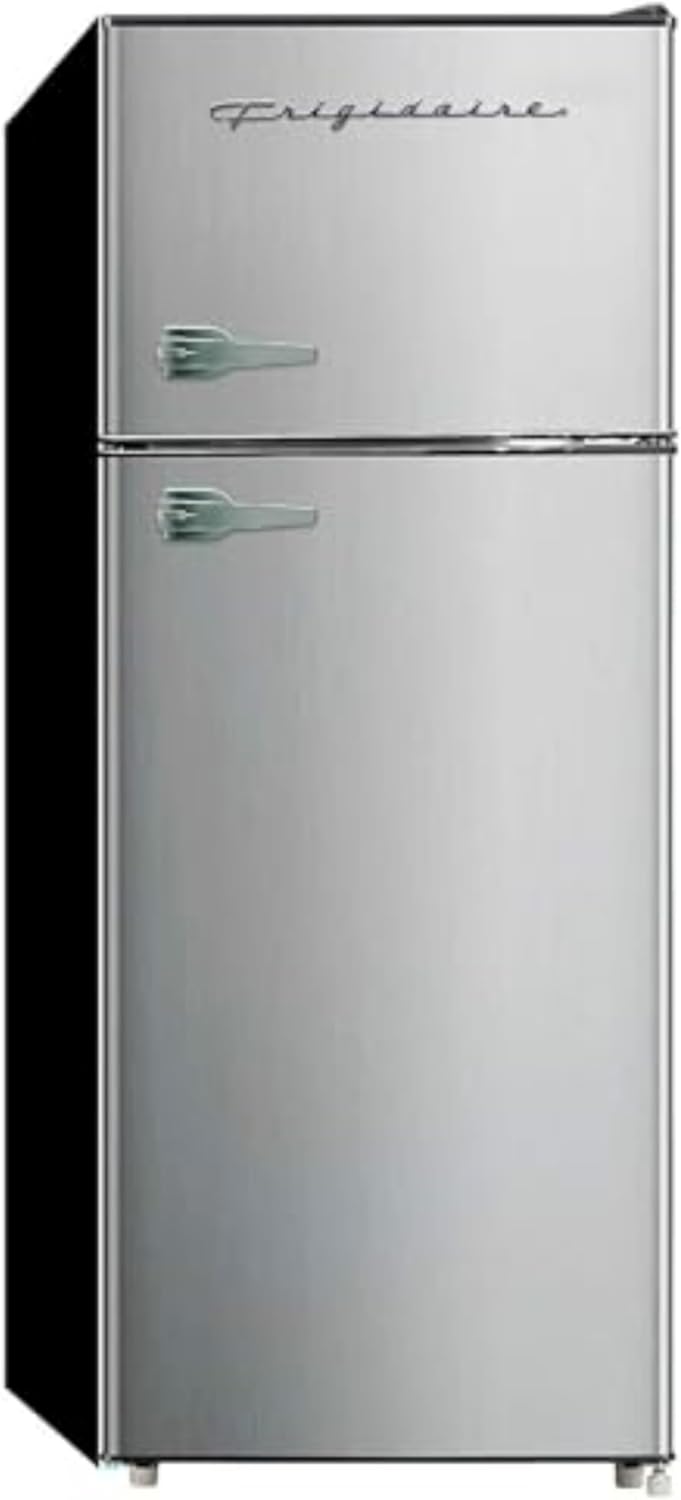
| Capacity | 7.5 cubic feet |
|---|---|
| Freezer capacity | 2 cubic feet |
| Defrost system | Manual |
| Power | 120 volts |
| Refrigerant | R600a or R290 |
This Frigidaire Retro EFR751 is a compact two-door refrigerator designed for apartments, dorms, garages, or offices where an ice maker is unnecessary. It provides 7.5 cubic feet of total capacity with a 2 cu ft top freezer and adjustable glass shelves and a clear crisper for organized weekly food storage. Mechanical temperature controls and a rotary compressor keep operation simple and repair-friendly, while reversible doors and rear castors plus front leveling legs make placement and occasional moves straightforward. The separate freezer saves trips to a separate chest and the removable shelves let you fit taller bottles or food containers. Expect manual defrosting in the freezer and modest annual energy use, so it is best when low-complexity, reliable cooling is the priority rather than the latest convenience features. The stainless steel retro styling and chrome trim give it a more polished look than most basic compact fridges without adding electronic bells or whistles.
Best for: Buyers who want a straightforward, space-efficient refrigerator that prioritizes usable storage and easy placement over smart features and built-in ice.
Less Ideal for: People who need automatic ice production, advanced temperature controls, or the highest energy-efficiency ratings.
- Separate top freezer and fridge compartments for organized frozen and fresh storage
- Adjustable slide-out glass shelves and removable freezer shelf allow flexible interior layout
- Reversible door and built-in castors plus leveling legs for easy placement and movement
- Simple mechanical controls and rotary compressor for straightforward operation and serviceability
- Manual defrost freezer requires occasional maintenance
- No built-in ice maker or advanced electronic features
Verdict: Choose this compact Frigidaire when you need a reliable, no-frills two-door fridge with good internal organization and easy placement rather than an ice-making model.
DEMULLER 2.4 Cu.Ft Mini Refrigerator

| Capacity | 2.4 cubic feet |
|---|---|
| Freezer Capacity | 0.8 cubic feet |
| Cooling Method | Compressor |
| Defrost System Type | Manual Defrost |
| Voltage | 110 volts |
This DEMULLER mini refrigerator provides basic, full-function cooling with a separate top freezer and adjustable temperature control. It is typically used in dorms, offices, garages, or small apartments where floor space is limited and you need both chilled storage and a small freezer compartment. Notable features include two removable plastic shelves, an adjustable temperature knob with a range down to about -0.4°F, drink holders sized for 12-ounce bottles, and height-adjustable support feet for uneven floors. The compressor cooling method and manual defrost keep the design simple and quiet, and the compact form factor makes it easy to place freestanding. Practical benefits are straightforward: usable freezer space for frozen meals or ice packs, flexible shelf arrangement for bottles and containers, and modest annual energy use. Important limitations are the small overall capacity—best for one or two people—and manual defrosting, which requires occasional maintenance; the plastic shelving and single door orientation also limit heavy-duty storage and layout options.
Best for: Buyers prioritizing a low-cost, space-saving refrigerator for a dorm, office, or small apartment who want simple separate freezer and fridge compartments without extra features.
Less Ideal for: Anyone who needs large-capacity refrigeration, heavy meal prep storage, or a frost-free model with advanced features should look elsewhere.
- Separate top freezer and refrigerator compartments for mixed storage
- Adjustable temperature knob with a wide range for precise control
- Removable plastic shelves and drink holders for flexible organization
- Height-adjustable support feet to level the unit on uneven floors
- Compact freestanding design that fits small spaces
- Manual defrost freezer requires periodic defrosting
- Limited internal capacity best suited to singles or light use
Verdict: A compact, budget-friendly double-door mini fridge that delivers basic refrigerator and freezer function in tight spaces.
Frigidaire Retro EFR753 7.5 cu ft

| Capacity | 7.5 cubic feet |
|---|---|
| Freezer Capacity | 1 cubic feet |
| Defrost System Type | Manual |
| Voltage | 120 volts |
| Cooling Method | Compressor |
The Frigidaire EFR753 is a compact top-freezer refrigerator aimed at apartments, dorms, and secondary kitchens where space and straightforward operation matter. It provides 7.5 cu ft of total capacity with a 1 cu ft freezer and three adjustable glass shelves in the fridge plus a removable wire shelf in the freezer, letting you adapt storage for bottles, produce, and small frozen items. The unit uses a compressor cooling method with manual defrost and simple mechanical temperature controls, so it is easy to run and repair compared with more complex models. Spill-proof glass shelves and a covered crisper make cleanup and produce storage convenient, while reversible doors and front-mounted recessed handles help with placement in tight spaces. Trade-offs are the manual defrost freezer and incandescent lighting rather than LED, and it lacks advanced features such as automatic ice making or smart controls, but those omissions simplify operation and reduce repair points. For buyers prioritizing straightforward, dependable cooling in a compact, stylish package, this model covers the essentials without extras to maintain.
Best for: Buyers who want a straightforward, low-complexity refrigerator that focuses on reliable cooling and easy maintenance for small living spaces.
Less Ideal for: Anyone who needs an automatic ice maker, smart connectivity, or a frost-free freezer should consider other models with those features.
- Compact 7.5 cu ft capacity suitable for small kitchens or apartments
- Adjustable spill-proof glass shelves for easier cleanup and flexible storage
- Simple mechanical temperature controls that are easy to use and service
- Reversible door hinge and recessed handles allow flexible placement in tight spaces
- Compressor cooling for reliable temperature performance
- Freezer is manual defrost which requires periodic maintenance
- Incandescent interior lighting uses more energy and is less durable than LED
Verdict: Choose this compact retro-style fridge if you want a simple, reliable top-freezer refrigerator without an ice maker or complex electronics.
Electactic 2.5 Cu.Ft Mini Fridge
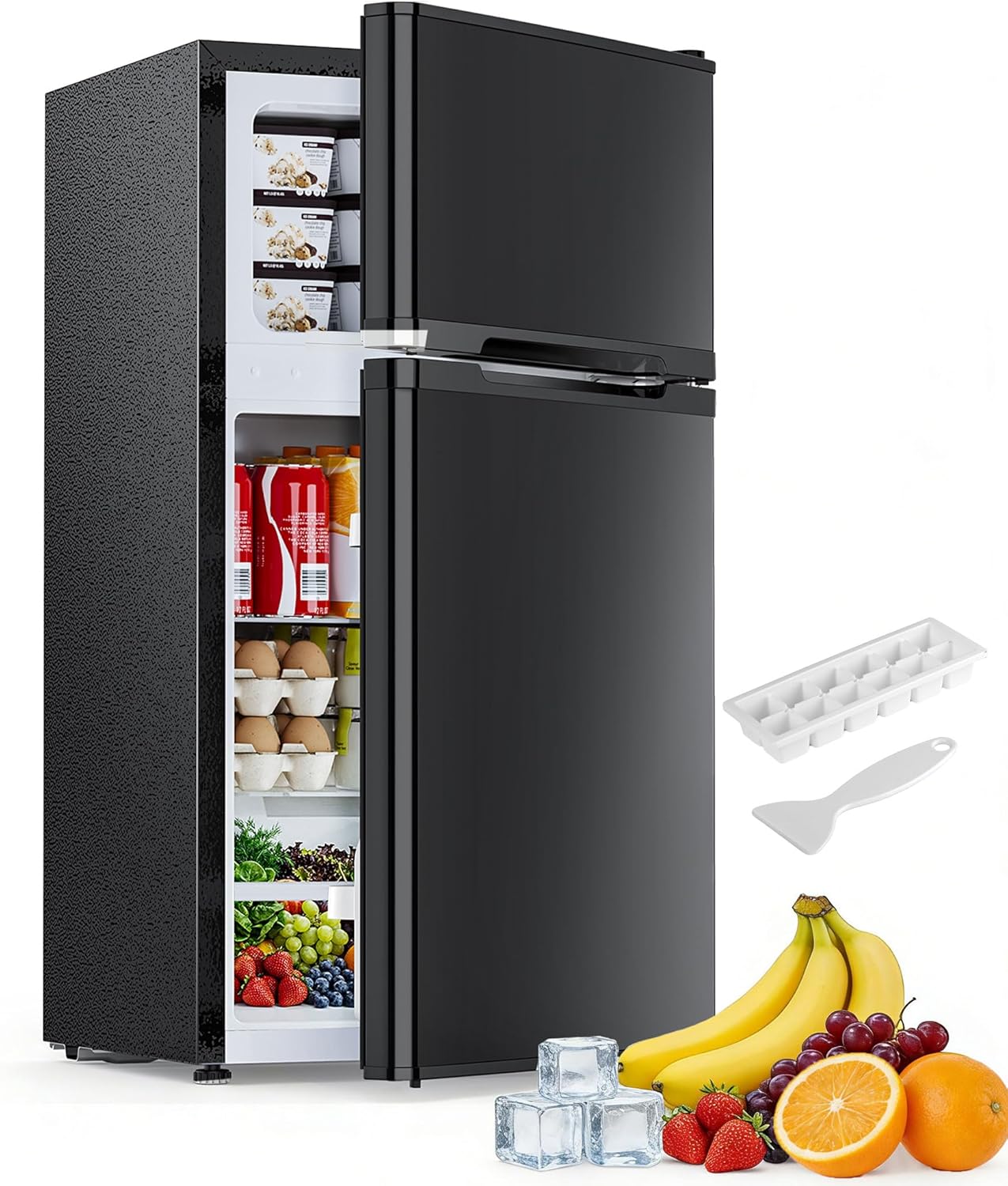
| Capacity | 2.5 cubic feet |
|---|---|
| Freezer Capacity | 0.65 cubic feet |
| Cooling Method | Compressor |
| Defrost System Type | Manual |
| Voltage | 115 volts |
This Electactic mini fridge is a straightforward space-saving refrigerator with a dedicated top freezer and a separate fresh-food section, designed for dorms, apartments, offices, or as a secondary unit. It uses a compressor with R600 refrigerant for relatively fast, efficient cooling and reports low noise levels under 38 dB, so it can sit near work or sleeping areas without being intrusive. Interior LED lighting and adjustable glass shelves make organization and cleaning simple, while the mechanical thermostat gives precise manual temperature control for both compartments. The unit is manually defrosted, so you will need to defrost the freezer periodically, and the annual energy figure listed is relatively high compared with larger efficient models. The compact footprint and reversible door hinge plus leveling feet make placement flexible, but capacity is limited to small households or single users. For buyers prioritizing a basic, quiet, and easy-to-use compact fridge without an ice maker, this model covers the essentials with sensible features and predictable performance.
Best for: Buyers who want a compact, quiet secondary refrigerator or a primary fridge for a single person and who value simple, reliable cooling and easy placement in small living spaces.
Less Ideal for: Large households or anyone who needs lots of refrigerated or frozen storage or automatic defrosting features should look for a larger or frost-free model.
- Dedicated top freezer and separate fresh-food area for organized storage
- Adjustable glass shelves and interior lighting simplify organization and cleaning
- R600 compressor with low-noise operation suitable for bedrooms or offices
- Reversible door and leveling feet allow flexible placement in tight spaces
- Manual defrost freezer requires periodic maintenance
- Capacity is limited to light household or single-person use
Verdict: A quiet, compact double-door mini fridge that delivers dependable cooling and flexible placement for single users or small spaces.
Upstreman 7.7 Cu.Ft. Refrigerator BD75

| Capacity | 7.7 cubic feet |
|---|---|
| Freezer Capacity | 1.5 cubic feet |
| Defrost System Type | Manual |
| Cooling Method | Compressor |
| Door Orientation | Reversible |
The Upstreman BD75 is a 7.7 cu.ft. freestanding refrigerator with a 1.5 cu.ft. freezer and a 6.2 cu.ft. fresh-food compartment intended for apartments, dorms, and offices. It uses a compressor cooling system with a rotary scroll compressor, manual defrost and five adjustable temperature settings for both compartments, and includes two tempered glass shelves plus a crisper drawer and automatic interior light. Practical benefits include a deeper freezer than many compact models, reversible door swing for flexible placement, and a relatively quiet operation. The removable shelves and crisper let you reconfigure storage for taller items or produce, and the fridge claims modest energy use. Limitations are its manual defrost requirement and modest capacity compared with full-size units, so it will need occasional thawing and is best for small households rather than a large family; there are also a limited number of shelves which could restrict shelving layout for some buyers.
Best for: Buyers who prioritize a reliable, simple refrigerator without complex features and need a space-saving double-door unit for an apartment, dorm, or office.
Less Ideal for: Those who want a fully frost-free, high-capacity family fridge or need extensive shelving and organization options should consider larger or frost-free models instead.
- Deeper 1.5 cu.ft. freezer for a compact double-door layout
- Reversible door swing for flexible placement
- Tempered glass removable shelves and crisper drawer for configurable storage
- Quiet compressor operation suitable for small living spaces
- Automatic interior light for convenience when accessing contents
- Manual defrost freezer requires periodic thawing
- Only two main shelves may limit shelving flexibility
Verdict: A compact, easy-to-use double-door refrigerator with a larger-than-typical freezer that suits buyers who want a simple, dependable fridge without an ice maker.
Choosing the Right Refrigerator Without Ice Maker: Key Factors to Consider
Usable Capacity and Interior Layout
Capacity numbers alone do not tell the whole story. You should examine usable volume and the interior layout because shelf placement, bin depth, and drawer design determine how many large items—platters, gallon jugs, or tall bottles—fit comfortably. Adjustable shelving and split shelves increase versatility for different shopping habits.
A refrigerator without an ice maker often frees up additional freezer or refrigerator volume. Consider whether that extra space is arranged as a single large compartment or subdivided by drawers and shelves, since ease of access and organization affect daily convenience.
Temperature Control and Stability
Consistent temperature across shelves preserves food quality and reduces waste. Look for refrigerators with accurate thermostat controls, multi-zone cooling if available, and good air circulation so cold air reaches corners and drawers evenly. Models that recover quickly after door openings prevent temperature spikes that accelerate spoilage.
Pay attention to the presence and quality of thermostatic dials, electronic controls, and any advertised features that stabilize internal temperatures. Even without an ice maker, superior temperature performance is essential for produce crispness and frozen-food longevity.
Energy Use and Operating Costs
Refrigeration is a continuous-load appliance, so efficiency impacts long-term electricity bills. Review energy consumption figures and any energy-certification ratings provided. Refrigerators without ice makers can be slightly more efficient because they omit the ice production subsystem, but savings depend on compressor technology, insulation quality, and temperature setpoints.
Also consider features that influence runtime, such as adaptive defrost, improved door seals, and inverter compressors. Lower steady-state energy draw and good insulation reduce compressor cycling and extend component life.
Noise, Vibration, and Placement Considerations
Noise matters when the appliance shares space with living areas or open-plan kitchens. Refrigerators without ice makers eliminate the occasional mechanical sounds associated with ice harvest cycles, but compressor hum and fans still produce background noise. Assess reported noise levels and listen for high-frequency chirps or rattles.
Also evaluate installation placement: units with quieter operation can sit closer to seating areas or bedrooms, while louder models benefit from tucked-away pantry or alcove locations. Anti-vibration feet and solid door design reduce perceptible rattling.
Maintenance Simplicity and Longevity
A simpler system without an ice maker typically requires less maintenance, but basic upkeep remains important. Check how easy it is to clean removable shelves and bins, access condenser coils, and replace door seals. Fewer mechanical components mean fewer potential failure points, which often translates to lower repair frequency and costs.
Look for models with accessible drain channels and defrost systems that are straightforward to service. Consider warranty terms that cover sealed systems and compressors for longer-term assurance.
Storage Features and Accessibility
Storage design determines daily usability as much as total volume. Look for adjustable shelves, full-width deli drawers, humidity-controlled crisper drawers, and versatile door bins that can handle tall bottles or small jars. The absence of an ice maker often allows for larger freezer drawers or more flexible shelf configurations.
Consider how frequently you access different zones. Slide-out drawers and clear, well-lit compartments make it easier to reach items in the back, reducing food waste and improving meal prep efficiency.
When a No-Ice Refrigerator Makes Sense
Choosing a refrigerator without an ice maker is best when you value simplicity, extra usable space, or quieter operation. Without the plumbing and mechanics of ice production, these units can be easier to install and maintain, especially in homes that do not require a steady supply of cubed or crushed ice.
- Freezer volume is often larger or more usable without an internal ice bin
- No plumbing line simplifies installation and reduces potential for leaks
- Lower maintenance thanks to fewer moving parts and no ice-system cleaning needs
Installation and Kitchen Fitment Tips
Measure twice before you buy. Account for the door swing, required clearance for ventilation at the rear or top, and the floor surface. Some units need a few inches of space behind the cabinet to allow air circulation for the condenser. If the refrigerator will sit in a tight alcove, choose a model with top or rear ventilation that matches the available clearance.
- Confirm door swing and hinge side; reversible doors add flexibility
- Leveling feet ensure a tight seal and prevent rattling
- Check floor strength for heavier, larger units and plan for service access
Freezer Organization Without an Ice Bin
Without a built-in ice maker, the freezer can be configured with full-width drawers or adjustable shelving that improves access and visibility. Use stackable containers and clear bins to group items like meats, frozen vegetables, and prepared meals. Consider labeling shelves or bins to reduce the amount of time the door is open while searching for items.
- Full-width drawers keep frozen foods accessible and reduce frost accumulation
- Airflow in the freezer is important to maintain consistent temperatures
- Arrange frequently used items near the front to minimize temperature fluctuation
Energy-Saving Habits for Refrigerator Owners
Beyond picking an efficient model, simple habits have a large cumulative effect. Keep the unit reasonably full so the thermal mass stabilizes temperature, but avoid overpacking which impedes airflow. Set temperatures to recommended ranges and avoid repeatedly leaving the door open while organizing items. Regularly clean condenser coils and replace worn door gaskets promptly to maintain efficiency. Small investments in breathable storage containers and good lighting reduce time the door stays open and help preserve cold air.
- Keep the refrigerator 70 to 80 percent full for best thermal stability
- Clean coils every six months to maintain compressor efficiency
- Replace door seals at the first sign of wear to prevent energy loss
Adapting to Different Household Needs
Households that rarely use ice, live in mild climates, or favor additional freezer space often benefit from omitting an ice maker. For small households or secondary kitchens, a no-ice refrigerator can be a lower-maintenance choice that still offers modern conveniences like adjustable shelving and humidity-controlled drawers. If you occasionally need ice, countertop ice makers or bags from grocery sources provide intermittent supply without the continuous overhead of an integrated system. Plan storage and access so the refrigerator serves daily routines without compromising convenience.
- Large families might prioritize capacity and drawer layout over ice functionality
- Secondary units, such as garage or basement fridges, benefit from the simpler design
- Consider external or portable ice solutions for occasional needs
How We Chose the Best Refrigerator Without Ice Maker
Our selection process prioritized refrigerators designed and sold without built-in ice makers or with easy-to-disable ice-making features. We focused on models that deliver consistent cold performance without extra ice-system complexity and excluded any units that require removal or significant modification to disable ice production. The shortlist favors practical refrigerators suitable for everyday households, small-space living, and buyers who prefer simplified upkeep. Evaluation criteria included usable fresh and freezer capacity, temperature stability and control, energy consumption and efficiency ratings, storage versatility such as adjustable shelving and door bins, and noise levels during normal operation. We also considered warranty coverage and ease of user maintenance for the compressor and seals. Units with known installation constraints, integrated water lines, or mandatory ice-making components were excluded. The final picks reflect models that strike a balance across these dimensions for most kitchens.
Our full evaluation process is outlined in our review methodology.
FAQ
Can I add an ice maker later if I buy a refrigerator without one?
Often you can add an aftermarket ice maker if the model supports a water line and has space for the unit. That depends on the refrigerator's internal layout and whether the manufacturer provides a kit or the necessary plumbing access. Adding one later may require installation work and could reduce usable storage.
Are refrigerators without ice makers more energy efficient?
They can be marginally more efficient because they lack the motor and cycle required to make and harvest ice. However, overall efficiency depends more on compressor technology, insulation, and door seals than the presence or absence of an ice maker.
How do I get ice if I need it occasionally?
Portable countertop ice makers, reusable ice molds, or pre-bagged ice are common solutions for intermittent needs. These options avoid the continuous maintenance and plumbing of a built-in ice maker while providing flexibility when ice is required.
Do no-ice refrigerators require different maintenance?
Maintenance is similar but typically simpler. You still need to clean condenser coils, check door gaskets, and manage defrost cycles. Without an ice maker, there is no ice machine to descale or sanitize, reducing one ongoing chore.
Will the lack of an ice maker affect freezer organization?
Yes. Without an ice bin or dispenser, you often gain usable freezer volume that can be arranged as drawers or shelves. This can improve organization, but you should plan storage solutions like bins or dividers to avoid stacking and frost buildup.
Final Verdict
A refrigerator without an ice maker is a pragmatic choice when you prioritize space, simplicity, and quieter daily operation. Focus on usable interior volume, temperature stability, and energy efficiency when selecting a unit, and match the storage layout to how you store and access food. Weigh the tradeoffs between occasional ice convenience and ongoing maintenance. For most households that use ice infrequently, the extra capacity and reduced upkeep of a no-ice refrigerator make it the smarter long-term option.