
Note: This article contains affiliate links. If you click on these links and make a purchase, we may earn a small commission at no extra cost to you. This helps support our research and content. Read our full affiliate disclosure here.
Choosing the right water filter for drinking matters because it affects daily hydration, cooking, and the safety of the water your household consumes. A well-matched filter can remove contaminants that affect taste and health while preserving minerals you want to keep. This guide presents seven shortlisted water filters for drinking, selected to suit a range of kitchens and water-quality concerns. We evaluate each option on measurable criteria so you can pick a unit that meets your flow, maintenance, and contaminant-removal needs. Read on for a concise summary of how we judged filtration performance, flow rate, and ongoing upkeep before the product list.
Top Picks at a Glance
| Best Overall The best all-around choice for most situations | ZeroWater 22-Cup Ready-Read Dispenser |  |
| Best Quality Built to a higher standard if you want something more solid | AquaTru Carafe |  |
| Best Value The sweet spot between price and what you get | Waterdrop WD-10UA Under-Sink Filter | 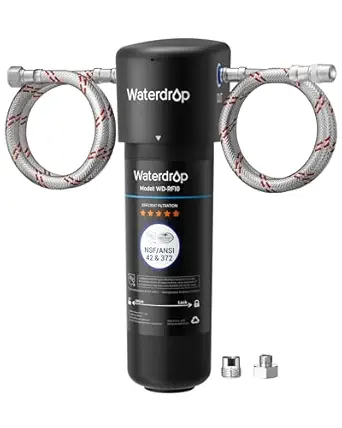 |
| Best Budget The cheapest option that still gets the job done reliably | Waterdrop PT-05B-L Pitcher | 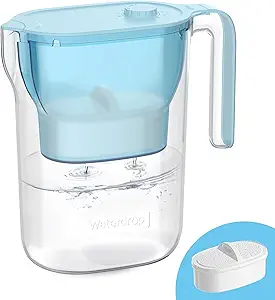 |
| Top Rated A top-rated pick with lots of positive feedback | LifeStraw Personal Water Filter |  |
| Most Popular A crowd favorite that many people choose with confidence | BRITA Large Water Filter Pitcher |  |
| Best Seller A high-volume bestseller chosen again and again | Brita Metro 6-Cup Pitcher |  |
ZeroWater 22-Cup Ready-Read Dispenser

| Capacity | 5.2 liters |
|---|---|
| Filtration stages | 5-stage |
| Included components | 22-Cup Dispenser, 5-Stage Filter, TDS Meter |
| Supported Water TDS Level Maximum (PPM) | 1 |
| Purification Method | Ion Exchange |
The ZeroWater 22-Cup Ready-Read dispenser is a countertop pitcher-style system that uses a 5-stage ion exchange filter to remove virtually all total dissolved solids and reduce contaminants such as lead, chromium, PFOA/PFOS, and mercury. It is used like a standard water dispenser: fill the top reservoir, let water pass through the 5-stage filter, and pour from the spigot; the included TDS meter and Ready-Read indicator make it easy to know when the filter needs changing. The dispenser holds 22 cups and is BPA-free with an ergonomic handle and a space-saving shape for most kitchen counters. Practical benefits include noticeably lower TDS for cleaner taste, IAPMO certification for several heavy metals and forever chemicals, and a clear filter-change cue via the meter. Limitations are routine filter replacements and the need to monitor the TDS reading instead of relying on a timed schedule, and the dispenser does not connect to plumbing so it is best for refill use rather than whole-house supply.
Best for: Buyers who want a reliable countertop water filter that delivers very low TDS and certified reduction of heavy metals and PFAS for everyday drinking water.
Less Ideal for: Homes that need a plumbed or whole-house filtration solution or users who prefer a maintenance-free system with no recurring filter purchases.
- 5-stage ion exchange filtration that targets total dissolved solids and reduces lead, chromium, PFOA/PFOS, and mercury
- Integrated TDS meter and Ready-Read change indicator to know when to replace the filter
- 22-cup capacity suits families or frequent refilling without constant top-ups
- BPA-free plastic and ergonomic handle for safe, comfortable everyday use
- Requires periodic filter replacements which add ongoing cost and maintenance
- Countertop refill design cannot supply continuous plumbed water or large-volume needs
Verdict: Choose this dispenser if you want an easy-to-use countertop filter that consistently delivers near-zero TDS and certified reduction of heavy metals and PFAS for drinking water.
AquaTru Carafe

| Purification Method | Reverse Osmosis |
|---|---|
| Power Source | Corded Electric |
| Filter Life Cycle | 6 months (pre-filter); up to 24 months (RO) |
| Maximum Flow Rate | 0.5 gpm |
| Supported Water TDS Level Maximum (PPM) | 300 |
The AquaTru Carafe brings reverse osmosis performance to the countertop in a compact, plug-in unit that dispenses purified water into a 64-oz borosilicate glass carafe. It uses a four-stage filtration train (pre-filter, RO membrane, VOC carbon, and additional carbon) designed to remove a long list of contaminants including lead, PFAS, microplastics, and other chemicals that standard pitcher filters miss. Setup is tool-free: fill the feed tank, plug it in, and purified water flows into the carafe while built-in indicators track filter life. The unit is suited to daily drinking, cooking, coffee and baby formula where cleaner-tasting, low-contaminant water matters. Filters are long-lived compared with pitchers, with some stages rated up to 12–24 months depending on usage, but the system does require a countertop footprint and electricity to operate, so it is less portable than simple pitchers. If you need high contaminant reduction without under-sink plumbing, this model delivers lab-grade filtration in a convenient countertop package.
Best for: Buyers who prioritize high contaminant removal and water quality for drinking and cooking but want a no-plumbing countertop solution that is easy to operate and maintain.
Less Ideal for: People who need a portable nonpowered pitcher or who prefer a hardwired under-sink system for continuous tap delivery should look elsewhere.
- Reverse osmosis filtration certified to reduce a wide range of contaminants including PFAS, lead, and microplastics
- Compact countertop design with removable borosilicate glass carafe for serving and storage
- Long filter life on several stages (up to 12–24 months for some filters) reduces running costs and maintenance frequency
- Built-in filter indicators simplify maintenance and replacement timing
- Requires a 120V outlet and a dedicated countertop space unlike passive pitcher filters
- Not as fast as a tap-mounted system for continuous flow since it processes water into the carafe
Verdict: If you want countertop-level reverse osmosis performance without plumbing, the AquaTru Carafe delivers high contaminant reduction in a compact, easy-to-use package.
Waterdrop WD-10UA Under-Sink Filter

| Installation Type | Under Sink |
|---|---|
| Purification Method | Activated Carbon |
| Maximum Flow Rate | 2.5 gpm |
| Filter Life Cycle | 1 years |
| Supported Water TDS Level Maximum (PPM) | 700 |
The Waterdrop WD-10UA is an under-sink activated carbon system intended to deliver better-tasting, lower-contaminant cold tap water for drinking and cooking. It installs directly to standard 3/8" or 1/2" cold-water lines using push-to-connect fittings and a twist-and-lock cartridge for tool-free swaps; the manufacturer rates the cartridge life at about 12 months for typical municipal water. The filter is NSF/ANSI 42 and 372 listed and specifically targets chlorine, bad taste and odor, lead, and PFAS/PFOA/PFOS while retaining beneficial minerals. Practical touches include a compact footprint, included hoses and fittings for fast hookup, and a tested flow rate that supports everyday kitchen use without a dedicated faucet. Limitations are that it is for cold municipal water only and is not designed for well water or hot water, and it is a single-stage carbon filter so it will not remove all classes of contaminants like bacteria or very fine particulates unless paired with other Waterdrop cartridges. Replacement filter availability and a low-cost replacement option are noted, which keeps ongoing maintenance affordable.
Best for: Buyers looking to improve drinking-water taste and reduce common municipal contaminants with a compact, low-maintenance under-sink unit that is quick to install and inexpensive to maintain.
Less Ideal for: Homes relying on well water, users needing microbial or ultrafine filtration, or anyone who requires hot-water filtration should choose a different system.
- NSF/ANSI 42 and 372 listed for chlorine, taste, and lead reduction.
- Quick twist-and-lock cartridge and push-to-connect fittings for fast installation and easy replacements.
- Compact under-sink footprint that fits standard 3/8" or 1/2" connections and includes necessary hoses and adapters.
- Rated 12-month filter life under municipal water use and compatible lower-cost replacement cartridges.
- Only intended for cold municipal water and not suitable for well or hot water applications.
- Single-stage activated carbon does not address bacteria or ultrafine contaminants without additional modules.
Verdict: A compact, easy-to-install under-sink carbon filter that delivers better-tasting, lower-contaminant cold tap water with low running costs for everyday drinking use.
Waterdrop PT-05B-L Pitcher

| Capacity | 7 cups |
|---|---|
| Filter life | Up to 3 months / 200 gallons |
| Certifications | NSF/ANSI 42, NSF/ANSI 372 |
| Material | BPA-free, lead-free |
| Included components | Pitcher, replacement filter, user manual |
The Waterdrop PT-05B-L is a compact 7-cup pitcher designed for everyday filtered drinking water. It uses an activated carbon fiber filter certified to NSF/ANSI 42 and 372 to reduce chlorine taste and odor plus a range of contaminants including PFOA and PFOS, and its filter is rated to last up to three months or about 200 gallons depending on use. Setup is straightforward: soak the cartridge, press it into the reservoir, pour and wait — the included mechanical dial on the lid helps track filter life so you do not guess when to replace it. The pitcher is BPA-free and shaped to fit refrigerator doors, making it convenient for kitchen counters and small households. Because the filter prioritizes taste and specific contaminant reduction it does not lower total dissolved solids, so it is not a substitute for systems aimed at desalting or heavy mineral removal. Overall this is a value-focused pitcher that keeps replacement frequency low and improves tap water flavor without complicating installation or maintenance.
Best for: Buyers wanting an affordable, low-maintenance pitcher that improves tap water taste and reduces common contaminants for everyday drinking use.
Less Ideal for: People who need systems that lower TDS, remove heavy mineral content, or serve large households that consume high volumes of filtered water.
- NSF/ANSI 42 and 372 certification for verified chlorine and lead reduction
- Long filter life rated up to 3 months or 200 gallons reduces replacement frequency
- Slim, fridge-friendly shape and ergonomic handle for easy storage and pouring
- Includes a mechanical life recorder on the lid to track filter usage
- Made from BPA-free, lead-free materials
- Does not reduce total dissolved solids (TDS) or function as a water softening system
- Filter performance depends on local water quality so lifespan may be shorter than rated
Verdict: A budget-friendly, NSF-certified pitcher that delivers better-tasting tap water with long-life filters and simple, low-effort maintenance.
LifeStraw Personal Water Filter

| Model Number | LSPHF038 |
|---|---|
| Material Type | Plastic |
| External Testing Certification | NSF |
| Unit Count | 1 Count |
The LifeStraw Personal Water Filter is a simple, ultralight straw you can use to drink directly from lakes, streams, or buckets and to draw water into containers for later use. It uses a microfiltration membrane certified to NSF/EPA-style protocols to remove bacteria, parasites, microplastics and visible turbidity, and the design makes it easy to carry in a pack or emergency kit. Practical benefits include near-immediate access to potable water without pumps or chemicals, a long rated lifetime (about 4,000 liters) under normal use, and very low weight and bulk for backpacking or preparedness. Limitations are inherent to the format: it does not remove viruses or chemicals, you must be able to reach the source with the straw or prefill a container, and no replaceable cartridge means the unit is disposable once its lifespan is reached. For anyone prioritizing dependable, no-fuss microbiological protection on the trail or in a survival kit, LifeStraw is a proven, easy-to-use choice.
Best for: Buyers who need a reliable, no-frills way to get microbiologically safe drinking water on hikes, travel or in emergency kits and value simplicity and proven performance.
Less Ideal for: People who need filtration for viruses, heavy chemical contamination, or who want a multi-stage system with replaceable cartridges should choose a different type of purifier.
- Removes bacteria and parasites to laboratory-verified standards
- Ultralight, compact straw design that fits in a pack or emergency kit
- Rated service life up to 4,000 liters for long-term field use
- No batteries, pump, or chemicals required for filtration
- Does not filter viruses or chemical contaminants
- Fixed, non-replaceable filter—product is discarded after end of life
Verdict: Choose the LifeStraw when you want a lightweight, proven microfilter that reliably delivers bacteria- and parasite-free drinking water in the field.
BRITA Large Water Filter Pitcher

| Capacity | 10 cups |
|---|---|
| Purification Method | Granular Activated Carbon |
| Filter Life Cycle | 2 months / 40 gallons |
| Power Source | Manual |
The BRITA Large Water Filter Pitcher is a straightforward pitcher-style filtration system for everyday drinking water. You fill the top reservoir and water passes through a granular activated carbon filter and ion-exchange resin to reduce chlorine taste and select heavy metals, producing better-tasting tap water for routine use. It includes one filter and a flip-top lid that makes refilling convenient and helps the pitcher fit on fridge shelves. The filter is rated for about 40 gallons or roughly two months of typical family use, and Brita notes the first few pitchers may contain carbon dust so an initial flush is recommended. Practical benefits are clear: reduced plastic bottle waste, simple manual operation with no plumbing changes, and wide compatibility with Brita filter types. Limitations are that it does not purify microbiologically unsafe water and requires regular filter replacements to maintain performance, and its simple filtration will not remove all contaminants that more advanced systems target.
Best for: Buyers who want an easy, low-effort way to improve tap water taste and reduce bottled-water waste using a well-known, proven pitcher system backed by extensive user reviews.
Less Ideal for: Homes that need advanced contaminant removal, point-of-entry treatment, or purification of microbiologically unsafe water should consider more robust filtration systems.
- Simple, no-plumbing setup that fits on refrigerator shelves
- Reduces chlorine taste and certified to lower select heavy metals
- Includes one replaceable filter and an easy-fill flip-top lid
- 10-cup capacity serves several bottles or glasses before refilling
- Filter life is limited to about 40 gallons or two months requiring regular replacements
- Not intended for microbiologically unsafe or unknown-quality water
Verdict: A simple, fridge-friendly pitcher that reliably improves tap water taste and reduces bottled water use for everyday drinking.
Brita Metro 6-Cup Pitcher

| Filter Life Cycle | 2 months |
|---|---|
| Maximum Flow Rate | 9.7 milliliters_per_second |
| Supported Water TDS Level Maximum (PPM) | 500 |
| Power Source | No Power Source |
The Brita Metro 6-cup pitcher delivers straightforward countertop or fridge-door filtration for families, dorms, or anyone who wants better-tasting tap water without plumbing changes. Water passes through a Standard Brita filter that uses carbon and ion-exchange media to reduce chlorine taste and odor plus select heavy metals such as copper, mercury, and cadmium, and the pitcher is WQA NSF/ANSI certified for those reductions. The easy-fill lid and space-saving shape make refilling simple and let the pitcher fit in most mini-fridges, while the SmartLight filter indicator tracks the 40-gallon (about two months) replacement interval so you do not have to guess when to swap filters. It comes with one filter included and the Standard filters are compatible across Brita pitchers. The main limitations are its small 6-cup capacity, which means more frequent refills for larger households, and it does not remove every contaminant that under-sink systems or advanced filters target. For routine tap water improvement and reduced bottled-water waste, this is a low-effort, certified option that is easy to maintain.
Best for: Buyers who want a simple, certified way to improve everyday tap water taste and avoid single-use bottles without installing plumbing changes.
Less Ideal for: Households needing high-capacity filtration or removal of advanced contaminants should consider under-sink systems or more powerful filters instead.
- WQA NSF/ANSI certified to reduce chlorine taste and odor and select heavy metals
- SmartLight filter-change indicator for accurate replacement timing
- Compact, fridge-door-friendly design with easy-fill lid
- Includes one Standard filter and fits Brita Standard/Elite filters
- Small 6-cup capacity requires frequent refilling for larger households
- Does not target all contaminants that higher-end or under-sink systems remove
Verdict: A compact, certified pitcher that reliably improves tap water taste with low effort and clear filter-change tracking.
Choosing the Right Water Filter for Drinking: Key Factors to Consider
Contaminant Removal Spectrum
Different filters target different contaminants. Some are optimized for chlorine taste and odor while others address lead, cysts, volatile organic compounds, or microbial risks. Knowing which contaminants are present in your water—based on municipal reports or private testing—lets you choose a filter media and certification level that actually improves safety and flavor.
A broader removal spectrum is not always necessary; unnecessary aggressive treatment can strip desirable minerals. Balance the contaminants you need to remove against the filter technology offered to avoid over- or under-engineering your solution.
Flow Rate and Daily Output
Flow rate matters for convenience. A filter with high reduction rates but slow output can be frustrating for filling pitchers, cooking, or multiple users. Look at gallons per minute or liters per minute ratings and consider peak household demand. Systems that handle higher flow without sacrificing removal efficiency are best for busy kitchens.
If you frequently fill large containers, consider filters with higher daily throughput or point-of-use options that sit on the tap or under the sink to preserve convenience while still delivering treated drinking water.
Filter Lifespan and Replacement Logistics
Filter cartridges have finite lifespans and different replacement intervals. Lifespan affects lifetime cost and maintenance frequency. Also consider how easy it is to find and swap replacement cartridges and whether replacements require tools or professional help. Long-life cartridges reduce chores but may cost more up front.
Check for clear life indicators or flow/activity sensors where available. Some systems offer visible status indicators that help you avoid using an exhausted cartridge that no longer provides rated protection.
Installation and Compatibility
Different drinking-water filters require different installation methods. Some are simple countertop or faucet-mounted units with no plumbing changes. Others are under-sink systems that need basic plumbing skills or a plumber. Verify compatibility with your existing faucet and under-sink space before buying.
Consider whether you want a portable option for renters or a permanent under-sink install for a cleaner look and dedicated cold-water line. Ease of installation influences overall satisfaction and total cost of ownership.
Taste, Odor, and Mineral Retention
A primary reason people buy a drinking water filter is taste improvement. Activated carbon is effective at removing chlorine and many organic compounds that cause bad taste and smell. However, some technologies also remove dissolved minerals, which can change water mouthfeel.
Decide whether you prefer water that tastes neutral or one that retains natural mineral character. Some filters advertise selective removal to preserve beneficial minerals while removing nuisances.
Materials, Certifications, and Safety
Materials contacting water should be food-grade and corrosion-resistant. Look for certifications from impartial testing organizations that verify contaminant reduction claims. Certifications relevant to drinking water provide assurance that the system performs as advertised and that internal materials will not leach unwanted substances.
Avoid systems that lack clear testing or materials statements. Certified performance is especially important when addressing health-related contaminants like lead or microbial cysts.
Types of Drinking Water Filters
Drinking water filters come in several practical formats. Countertop and faucet-mounted units are easy to install and are good for renters or kitchens where under-sink space is limited. Under-sink filters and dedicated point-of-use systems offer a cleaner look and higher capacity but need a more permanent plumbing connection.
Pitcher-style filters and gravity-fed dispensers are convenient and portable but tend to have lower flow and smaller contaminant lists. Whole-house filters provide broader treatment but are not covered here because they treat all water, not just drinking sources.
- Countertop and faucet-mounted: quick setup, ideal for renters
- Under-sink/point-of-use: higher capacity, hides hardware under the sink
- Pitchers/dispensers: portable, simple maintenance, lower throughput
How Filter Media Affect Taste and Safety
Different media achieve different outcomes. Activated carbon excels at removing chlorine taste and many organic chemicals. Ion exchange resins reduce certain heavy metals and water hardness. Reverse osmosis removes a broad range of dissolved solids and contaminants but also reduces mineral content.
Consider the balance you want between removing contaminants and keeping mineral content. Also account for the maintenance each media type requires, such as pre-filters for sediment protection or periodic sanitizing for systems that can harbor biofilms.
- Activated carbon: best for taste, odor, many organics
- Ion exchange: targets specific heavy metals and hardness
- Reverse osmosis: broad-spectrum removal, lowers mineral content
Maintenance Best Practices
Regular maintenance keeps filters performing at rated levels. Replace cartridges on the manufacturer-recommended schedule and follow flushing or sanitizing steps after each cartridge change. Keep an eye out for reduced flow or changes in taste, which can signal an exhausted filter.
Store replacement cartridges in a cool, dry place and follow any instructions about shelf life. For systems with multiple stages, replace sediment and carbon pre-filters before the main treatment stage to protect performance and extend life.
- Follow recommended replacement intervals
- Flush new cartridges per instructions
- Monitor flow and taste for signs of cartridge exhaustion
Practical Installation Tips
Measure under-sink space and check faucet thread sizes before buying. For faucet-mounted units, ensure your faucet has compatible threads or that an adapter is available. If you plan an under-sink install, identify shutoff valves and space for both the filter housing and replacement cartridges.
If you are uncomfortable with basic plumbing tasks, plan for professional installation. For renters, choose countertop or pitcher options to avoid permanent changes to plumbing.
- Verify faucet thread compatibility
- Measure vertical and lateral clearance under the sink
- Keep shutoff valves accessible and know how to turn off water
Measuring Real-World Performance
Beyond manufacturer claims, real-world performance depends on incoming water quality and proper maintenance. Use municipal water quality reports or a home test kit to identify contaminants of concern. That helps match a filter's certified removals to your actual needs.
Pay attention to flow rate ratings and how they translate to everyday tasks. A filter rated for a certain gallons-per-minute may perform differently once partially loaded with particulates or after months of use, so plan for some degradation and timely cartridge replacement.
- Test source water to target the right contaminants
- Compare rated flow to household needs and peak usage
- Expect some performance change over the cartridge life
How We Chose the Best Water Filter for Drinking
We prioritized objective, consumer-facing criteria that directly affect day-to-day use at the kitchen tap. Filtration effectiveness was measured by the range and certification of contaminant reduction typically reported for the filter media. Flow rate and real-world output were considered so a unit can handle drinking and basic kitchen tasks without long waits. Filter lifespan and replacement cost were included to reflect total ownership effort and recurring maintenance. Installation ease and compatibility with standard household plumbing determine whether a homeowner can fit the system themselves or needs a plumber. Build quality and materials were reviewed to assess durability and food-safety compliance. Products were excluded if they lacked independent third-party test data for common contaminants, relied solely on unverified claims, or required bespoke plumbing beyond typical household setups. Our selection favors solutions that strike a practical balance between verified removal of key contaminants, user convenience, and predictable maintenance demands. These evaluation angles mirror the scoring criteria provided so readers can compare units on the factors that most affect everyday drinking-water use.
Our full evaluation process is outlined in our review methodology.
FAQ
How often should I replace a drinking water filter cartridge?
Replacement schedules vary by cartridge type and household usage, but many cartridges need replacement every three to twelve months. Follow manufacturer guidance and watch for reduced flow or changes in taste as early signs a cartridge is exhausted.
Will a drinking water filter remove lead and other heavy metals?
Some filters are certified to reduce lead and specific heavy metals, while others focus on taste and chlorine removal. Check independent certification data to confirm a filter's removal list before assuming it addresses heavy metals.
Can I install an under-sink drinking filter myself?
Many under-sink systems are designed for homeowner installation with basic tools, but installations that require cutting pipes or modifying plumbing may be best handled by a professional. Measure space and confirm needed fittings ahead of time.
Do drinking water filters remove minerals like calcium and magnesium?
Some technologies, especially reverse osmosis, remove dissolved minerals including calcium and magnesium. Other technologies, like activated carbon, typically leave most dissolved minerals intact. Decide whether you want mineral retention when choosing a system.
How can I tell if my filter is still working effectively?
Monitor flow rate and taste, and look for any odor changes. Some systems include life indicators or pressure sensors. Periodic testing of filtered water or checking the cartridge change date helps confirm ongoing effectiveness.
Final Verdict
Prioritize filters that address the contaminants you actually face while balancing flow and maintenance needs. For everyday drinking use, look for verified contaminant removal, a flow rate that suits your kitchen habits, and replacement logistics you can manage. Taking those tradeoffs into account will lead you to a solution that improves taste and safety without undue hassle. Choose the option that best matches your incoming water report, household flow demands, and willingness to perform routine maintenance to get consistently better drinking water.