
Note: This article contains affiliate links. If you click on these links and make a purchase, we may earn a small commission at no extra cost to you. This helps support our research and content. Read our full affiliate disclosure here.
If you rely on bottled water at home or in a small office, the right 5-gallon water dispenser makes getting cold or hot water fast and hassle-free. Choosing the correct dispenser affects daily convenience, sanitation, and ongoing upkeep. This guide covers the top shortlisted 5-gallon water dispensers across common use cases and highlights the practical features that matter most, from heating and cooling performance to easy-clean designs and safety features. Below you will find our top picks followed by clear evaluation criteria to help you match a dispenser to how you plan to use it.
Top Picks at a Glance
| Best Overall The best all-around choice for most situations | Manastin Bottom Loading Water Cooler |  |
| Best Quality Built to a higher standard if you want something more solid | Brio Bottom Load Water Cooler |  |
| Best Value The sweet spot between price and what you get | Artist hand Top-Loading Water Dispenser |  |
| Most Popular A crowd favorite that many people choose with confidence | Brio Bottom Load Water Cooler | 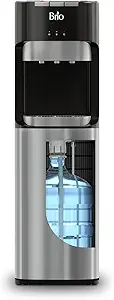 |
| Best Seller A high-volume bestseller chosen again and again | Avalon A4 Bottom Loading Water Cooler |  |
Manastin Bottom Loading Water Cooler

| Installation Type | Freestanding |
|---|---|
| Access Location | Bottom |
| Upper Temperature Rating | 203 °F |
| Lower Temperature Rating | 43.7 °F |
| Capacity | 5 gallons |
The Manastin bottom-loading water cooler is a freestanding dispenser designed for homes and small offices that accept 3- and 5-gallon bottles without lifting. It delivers three temperature settings—hot, cold, and room—using separate stainless steel tanks and claims fast heating and cooling throughput useful for frequent use. The bottom-load design and built-in hose make bottle changes easier and cleaner, and the unit includes a child safety lock, a dry-burn cutoff, and an empty-bottle indicator to reduce maintenance worries. Practical benefits include a slim matte black footprint that fits tight spaces, low-noise operation for shared environments, and a pair of food-grade inner tanks for durability and odor-free water. Trade-offs to consider are the typical limitations of plastic-bodied coolers versus metal ones and the need to ensure the drain plug is tightened to avoid leaks; buyers should also expect the usual installation checks for electrical connection and proper bottle seating. For buyers wanting a straightforward, no-frills dispenser that prioritizes ease of use and safety, this model is a solid option.
Best for: Buyers who want an easy-to-use, safety-focused 5-gallon dispenser for everyday home or small office use where bottle changes and quiet operation matter.
Less Ideal for: People seeking a heavy-duty commercial cooler or a premium metal-finish unit for high-traffic business settings should consider more robust commercial models instead.
- Bottom-loading design makes bottle replacement easy and reduces lifting
- Three temperature modes (hot, cold, room) for versatile beverage needs
- Child safety lock and dry-burn automatic cutoff for safer operation
- Two food-grade stainless steel inner tanks for corrosion resistance and cleaner water
- Slim footprint and low-noise operation suitable for offices and small spaces
- Plastic exterior may feel less durable compared with metal-bodied dispensers
- Requires attention to the drain plug and proper bottle seating to prevent leaks
Verdict: A user-friendly bottom-loading 5-gallon dispenser that balances convenience, safety features, and quiet everyday performance for homes and small offices.
Brio Bottom Load Water Cooler

| Wattage | 500 watts |
|---|---|
| Installation Type | Freestanding |
| Access Location | Bottom |
| Number of settings | 3 |
| Power Source | Corded Electric |
The Brio bottom load water cooler gives on-demand hot, cold, and ambient water from a convenient low-access cabinet that removes heavy lifting and hides the bottle. It uses stainless steel reservoirs and a digital display to show heating and cooling status, and the UV self-clean cycle helps reduce contaminants and biofilm without manual scrubbing. Typical use is kitchen, office, or small gym settings where multiple temperatures are needed quickly; hot water includes a child-safety two-step release for protection. The unit is freestanding and runs on corded power with a 500-watt heating element and a 5-gallon bottle capacity, so it handles steady daily use but needs a full bottle to run. Practical benefits include easier bottle changes, visible status indicators, and automatic sanitizing, while trade-offs are the footprint of a freestanding cabinet and dependency on replacing or refilling the internal bottle supply rather than a direct plumbed source.
Best for: Buyers who prioritize reliable temperature performance and low-maintenance sanitizing for shared spaces like kitchens or small offices and want to avoid lifting heavy water bottles.
Less Ideal for: People who need a permanently plumbed, under-sink, or ultra-compact countertop solution should consider other dispenser types.
- Bottom-load design makes bottle replacement easy and avoids heavy lifting
- Three temperature settings provide hot, room, and cold water on demand
- UV self-cleaning cycle helps reduce contaminants and biofilm with minimal effort
- Stainless steel reservoirs preserve water taste and are durable
- Freestanding footprint may not suit tight counter spaces
- Requires 5-gallon bottles to be available and replaced when empty
Verdict: Choose this cooler if you want a durable 5-gallon bottom-load dispenser that delivers reliable hot, cold, and ambient water with built-in UV self-cleaning for low-maintenance performance.
Artist hand Top-Loading Water Dispenser

| Wattage | 550 watts |
|---|---|
| Power Source | Corded Electric |
| Upper Temperature Rating | 203 °F |
| Lower Temperature Rating | 45 °F |
| Capacity | 5 gallons |
This top-loading water cooler supplies hot and cold water on demand using a compressor cooling system and a 550 W heater, making it handy for kitchens, offices, or small break rooms. You load a standard 3- or 5-gallon bottle on top, use the mechanical push-in faucets to dispense cold water around 43 to 50°F or hot water up to about 203°F, and the removable drip tray keeps spills contained. Notable features include a stainless steel water tank, child safety lock on the hot spout, and indicator lights that show heating and cooling status. The slim freestanding footprint fits tight spaces and the compressor keeps cold water chilled without ice. Trade-offs are typical for budget dispensers: the top-load design requires lifting bottles into place and the cooling output is modest compared with larger units, so it is best for moderate daily use rather than heavy commercial demand.
Best for: Buyers who want an affordable, space-efficient dispenser that reliably delivers hot and cold water for household or small-office daily use and value safety features and easy maintenance.
Less Ideal for: People needing a hands-free or bottom-load dispenser to avoid lifting heavy bottles or users who require very high chilled-water throughput for large gatherings or commercial settings.
- Provides both hot (up to ~203°F) and cold (about 43–50°F) water on demand
- Fits standard 3- and 5-gallon bottles for easy refills
- Child safety lock on the hot spout reduces burn risk
- Removable drip tray and stainless steel tank simplify cleaning
- Top-loading requires lifting full bottles into place
- Cooling capacity is moderate and may be slow under heavy use
Verdict: A compact, practical top-load dispenser that delivers hot and cold water with safety features and easy cleaning, ideal for everyday home or small-office use.
Brio Bottom Load Water Cooler

| Wattage | 500 watts |
|---|---|
| Access Location | Bottom |
| Number of settings | 3 |
| Upper Temperature Rating | 198 °F |
| Capacity | 5 gallons |
The Brio bottom-load water cooler provides on-demand hot, cold, and room-temperature water while hiding the bottle inside the cabinet to eliminate heavy lifting. It is typically placed in kitchens, offices, or small common areas where users want easy access to beverage and cooking water; you slide a 3- or 5-gallon jug into the bottom compartment and use the front spouts for dispensing. Notable features include a stainless steel reservoir for better taste retention, a child-safety lock on the hot spout, and a bright LED display with an empty-bottle alert to simplify maintenance. The unit is freestanding and runs on a corded electric supply with three temperature settings and a 198°F upper hot rating, so it can handle instant hot beverages and simple meal prep. Trade-offs are its footprint and weight compared with countertop dispensers and the need to replace bottles rather than being plumbed in, but for locations that benefit from no-lift bottle changes it reduces strain and keeps the bottle concealed.
Best for: Buyers who prioritize easy bottle changes and a hygienic stainless-steel reservoir for shared kitchens or offices and who rely on user feedback like alerts and reviews when choosing appliances.
Less Ideal for: Those who want a permanently plumbed-in or wall-mounted dispensing solution or who need a very compact countertop option should consider other types of dispensers.
- Bottom-loading design removes heavy lifting and awkward bottle flipping
- Stainless steel reservoir helps preserve water taste and cleanliness
- Three temperature settings including near-boiling hot for beverages and instant meals
- Child-safety lock prevents accidental hot water dispensing
- Empty-bottle alert and LED display simplify maintenance and refills
- Freestanding cabinet is relatively heavy and occupies floor space
- Uses bottled jugs rather than direct plumbing, requiring storage and replacement of bottles
Verdict: A solid no-lift 3/5-gallon cooler with stainless reservoirs and safety features that suits shared spaces needing easy maintenance and reliable hot and cold water.
Avalon A4 Bottom Loading Water Cooler

| Wattage | 400 watts |
|---|---|
| Access Location | Bottom |
| Number of settings | 3 |
| Power Source | Corded Electric |
| Capacity | 5 gallons |
The Avalon A4 is a bottom-loading water dispenser designed for home or small-office use that delivers hot, cold, and room-temperature water from standard 3-5 gallon bottles. Installation is simple because the bottle sits in a lower compartment, avoiding heavy lifting and spills, and the stainless steel cabinet gives it a durable, low-profile look. Practical features include manual push-buttons, a built-in nightlight for easy nighttime use, and an empty-bottle indicator so you know when to replace the jug. Heating and cooling are handled by dedicated elements, providing quick hot water and reliably cold water for drinks. The unit includes BioGuard-treated contact surfaces to reduce microbial growth in high-touch areas. Trade-offs to consider are its freestanding footprint and that it relies on bottled water rather than a plumbed connection, so plan for bottle storage and replacement; also the product manual and basic controls mean fewer advanced convenience features compared with premium models.
Best for: Buyers who want a reliable, easy-to-use bottled water dispenser with three temperature options and fewer technical frills, and who prefer avoiding heavy lifting when replacing bottles.
Less Ideal for: People who need a plumbed-in or compact under-counter water system or who want advanced digital controls and smart features.
- Bottom-loading design reduces lifting and makes bottle changes easier
- Three temperature settings (hot, cold, room) cover most household needs
- Stainless steel cabinet offers a durable, attractive finish for kitchens or offices
- Built-in nightlight and empty-bottle indicator improve everyday usability
- BioGuard-treated high-contact areas help limit bacterial growth
- Requires storing and replacing 3-5 gallon bottles since it is not plumbed in
- Freestanding footprint may be bulky for very small countertops or tight spaces
Verdict: Choose the Avalon A4 if you want a straightforward, bottom-loading 3-temperature dispenser that reduces bottle-lifting and focuses on reliable daily performance.
Choosing the Right 5-Gallon Water Dispenser: Key Factors to Consider
Temperature Options and Heating Speed
What temperatures the dispenser can deliver matters because different uses require different water temperatures. Cold water is important for hydration and brewing certain beverages, while reliably hot water speeds up tea, instant meals, and cleaning tasks. Units with adjustable thermostats or separate hot and cold systems let you refine output to match specific needs.
Heating speed affects usability in busy settings. A faster heater reduces wait times for successive hot pours, which is useful in small offices or during meal prep. Consider how quickly the unit recovers between uses and whether it maintains consistent temperatures during heavy use.
Bottle Loading and Dispensing Ergonomics
How the bottle installs and the height of the spouts changes daily convenience and spill risk. Top-loading units require lifting the full bottle overhead, so consider whether you can manage that safely. Bottom-load or pump systems reduce lifting but may add mechanical complexity and slightly different maintenance needs.
The dispenser layout, spout height, and lever or button action influence how easily you can fill tall bottles or short cups without splashing. Look for models with stable drip trays and clear controls to minimize mess and encourage frequent use.
Sanitary Design and Materials
Because dispensers handle drinking water, materials and internal access are critical for hygiene. Units made from food-grade plastics and corrosion-resistant metal components reduce the risk of taste transfers and microbial growth. Removable drip trays, easy-to-clean reservoirs, and sealed water paths simplify routine sanitation.
Consider whether seals and tubing are replaceable and how accessible internal parts are for deep cleaning. Models that limit exposed water paths and facilitate occasional sanitizing will help maintain safe drinking water over time.
Energy Use and Insulation
Running costs and how well the dispenser maintains temperature between uses are tied to insulation and heater/cooler efficiency. Well-insulated cold tanks reduce compressor or thermoelectric cycling, while efficient heaters draw less power to keep water hot. If the dispenser will run continuously in an office, energy consumption becomes a noticeable ongoing cost.
Also consider standby power draws such as indicator lights and electronic controls. For occasional home use, insulation quality may matter more than peak power draw, since it reduces cycling and keeps temperatures steady.
Safety Features
Safety is important when dispensing hot water around children or busy areas. Look for child-safety locks on hot taps and clearly labeled controls to prevent accidental scalds. Stable base design and non-slip feet reduce the chance of tip-over when bottles are swapped.
Additional safety cues like indicator lights for heating, automatic shutoff on overheating, and protected heating elements help avoid misuse and extend service life. These features matter more in family and mixed-use settings.
Serviceability and Spare Parts
Ease of finding replacement parts and performing basic repairs extends a dispenser's useful life. Units that use common tubing sizes, standard valves, and accessible components simplify maintenance. Consider whether the manufacturer or third parties supply common wear items such as o-rings, spigots, and drip trays.
A user-serviceable design reduces downtime in workplaces and limits the need to replace the entire unit for small issues. Clear documentation and straightforward access for routine tasks like filter changes or seal replacements are practical advantages.
Top Use Cases and Best Formats
5-gallon dispensers suit a range of environments from homes to small offices. Choose a format based on how and where you will use the unit. Top-loading models are simple and common, but they require lifting full bottles. Bottom-load and pump-fed designs reduce lifting effort and are better for accessibility or frequent bottle swaps.
Consider how many people will use the dispenser daily. For light household use, basic top-load units with a good drip tray and reliable hot tap suffice. For small offices or communal kitchens, prioritize faster heating recovery, larger cold tank capacity, and a more durable build.
- Top-load: simple, cost-effective, requires lifting the bottle overhead.
- Bottom-load: easier bottle changes, often sleeker for office environments.
- Countertop pump: portable and low-effort but may need more frequent maintenance.
Installation and Placement Tips
Place the dispenser on a stable, level surface with easy access to an electrical outlet if the unit requires power for heating or cooling. Leave clearance at the back for ventilation on refrigerated or compressor models. Avoid direct sunlight and locations near heat sources, which can reduce cooling efficiency.
- Ensure there is room to change bottles safely without awkward lifting.
- If the dispenser has a drip tray, position it where spills can be easily cleaned.
- For shared spaces, put dispensers near sinks to simplify cleaning and occasional refilling.
Routine Cleaning and Sanitizing
Regular cleaning keeps water tasting fresh and reduces biofilm buildup. Follow a schedule that includes wiping external surfaces weekly and sanitizing internal water paths every one to three months depending on use. Use food-safe cleaners and rinse thoroughly to avoid residue.
Removable drip trays and accessible spigots simplify cleaning. If the unit supports it, run a mild bleach solution or commercial sanitizer through internal passages, then purge with clean water until there is no chemical smell.
- Wipe surfaces and spouts with a food-safe disinfectant weekly.
- Sanitize interior reservoirs monthly for moderate use or more often in high-use settings.
- Replace tubing and seals on a schedule based on manufacturer guidance or visible wear.
Troubleshooting Common Issues
Many problems have simple fixes. If water flow is weak, check for clogged spigots, kinked tubing, or an incorrectly seated bottle. For inconsistent temperatures, verify that heating and cooling indicators are active and that vents are unobstructed.
Odd tastes or smells usually indicate the need for cleaning, filter replacement, or tubing change. If a unit leaks, inspect seals around the bottle connection and the drip tray for cracks. For persistent mechanical issues, user-serviceable components like spigots and o-rings can often be replaced without professional help.
- Weak flow: inspect spout and tubing for blockages.
- Temperature issues: check vents, power, and thermostat settings.
- Unpleasant taste: sanitize reservoir and replace any old tubing.
Saving Energy With Smart Use
You can reduce running costs without sacrificing convenience. If you use mostly cold water, consider units with better insulation and lower cooling cycle frequency. Use hot-water hold or energy-saver modes when available to reduce heater runtime during low-demand periods.
Turning off the heater overnight or during long absences can save energy, but weigh that against convenience and recovery time. Regular maintenance such as cleaning vents and replacing worn seals keeps systems running efficiently.
- Use energy-saver modes if available.
- Keep vents clear and clean to maintain cooling efficiency.
- Switch off heating when the unit will not be used for extended periods.
How We Chose the Best 5-Gallon Water Dispenser
We focused on features and build qualities that directly affect real-world use and long-term ownership of 5-gallon water dispensers. Key evaluation criteria included temperature control accuracy and range, which determines how well a unit delivers reliably hot and cold water for beverages and food prep. We assessed flow design and dispensing ergonomics to judge how easy it is to fill cups and large containers without spills. Construction and materials were reviewed for durability and sanitary maintenance, emphasizing food-safe plastics, metal components where appropriate, and accessible drip trays. Energy use and insulation were considered to estimate running costs and how well cooled or heated water holds temperature between uses. Safety and control features were important for family and office environments, so we checked for child locks, indicator lights, and stable base design. Finally, serviceability and ease of cleaning influenced selections, including removable drip trays and accessible internal reservoirs. We excluded units that lack basic temperature control or fail common safety expectations. Our picks prioritize practical performance, daily convenience, and straightforward upkeep.
Our full evaluation process is outlined in our review methodology.
FAQ
How often should I sanitize a 5-gallon water dispenser?
Sanitize internal water paths every one to three months for moderate use. Increase frequency in high-use or public settings and always sanitize if you notice tastes or odors.
Is a bottom-load dispenser better than a top-load model?
Bottom-load units reduce lifting and are easier for users who cannot handle heavy bottles. Top-load models are simpler and often less expensive. The best format depends on your mobility needs and how often bottles are changed.
Can I leave the dispenser plugged in all the time?
Yes, many units are designed for continuous use, but energy consumption depends on insulation and heating/cooling design. Using energy-saver modes or switching off the heater during long absences can reduce power draw.
What causes an odd taste in dispensed water?
Odd tastes usually stem from biofilm buildup, old tubing, or residue in the reservoir. Regular cleaning and replacing worn seals or tubing typically resolve the issue.
Are child-safety locks necessary?
Child-safety locks are recommended in homes with young children to prevent accidental hot water dispensing. They add a layer of protection and help reduce scald risk.
Final Verdict
Choose a 5-gallon water dispenser by matching the format to how you handle bottles and by prioritizing reliable temperature control and sanitary design. Tradeoffs are common: simpler top-load units are easy to maintain but require lifting, while bottom-load and pump-fed options reduce effort at the cost of some added complexity. Focus on build quality, accessible cleaning features, and safety controls to get the best long-term experience. With those priorities in mind, you can confidently select a dispenser that fits daily use and maintenance expectations.