
Note: This article contains affiliate links. If you click on these links and make a purchase, we may earn a small commission at no extra cost to you. This helps support our research and content. Read our full affiliate disclosure here.
When you are cooking outdoors, a dependable can opener can make the difference between a smooth meal and a fiddly, time-consuming task. A camping can opener must resist dirt and damp, be simple to operate with cold or gloved hands, and pack small without adding unnecessary weight. This guide highlights seven shortlisted camping can openers that meet those demands and focuses on durability, ease of use, and portability. Below you will find concise evaluations and the criteria we used to judge each option, so you can choose the opener that fits your typical trip setup and physical preferences.
Top Picks at a Glance
| Best Overall The best all-around choice for most situations | Beneno Heavy Duty Can Opener |  |
| Best Quality Built to a higher standard if you want something more solid | Nogent Super Kim Can Opener |  |
| Best Value The sweet spot between price and what you get | OXO SteeL Bottle and Can Opener |  |
| Best Budget The cheapest option that still gets the job done reliably | Fox Outdoor P-38 Can Opener |  |
| Top Rated A top-rated pick with lots of positive feedback | Best Glide ASE P-38 & P-51 Can Openers |  |
| Most Popular A crowd favorite that many people choose with confidence | GoodCook Safe-Cut Can Opener |  |
| Best Seller A high-volume bestseller chosen again and again | KitchenAid Classic Can Opener |  |
Beneno Heavy Duty Can Opener

| Material Type | Carbon Steel |
|---|---|
| Blade Material Type | High Carbon Steel |
| Operation Mode | Manual |
| Included Components | Can opener |
This Beneno manual can opener is built for frequent use and simple field tasks like camping. It combines a razor-sharp high carbon steel blade with precision gears so the lid cuts smoothly with each rotation, and the strong magnet lifts the cut lid clear of the can to keep hands and food safe. The oversized knob and non-slip rubber handle reduce wrist strain and make it easier to turn when cans are stiff or when wearing gloves. The reinforced rivets and double-clamp steel head improve durability so it stands up to heavy use, and the built-in bottle opener adds a handy secondary function. It is not dishwasher-safe and is a manual tool, so it lacks the speed of an electric opener, but its solid construction, safety magnet, and ergonomic controls make it a practical, low-tech choice for campers who need a dependable opener that stays serviceable over time.
Best for: Someone who values a durable, low-tech can opener for outdoor use or regular kitchen tasks and prefers a safe, ergonomic manual tool over an electric model.
Less Ideal for: Buyers who need the fastest possible opening for very high volumes or who want a fully dishwasher-safe or electric solution should consider alternatives.
- Razor-sharp high carbon steel blade for smooth, consistent cutting
- Strong magnet lifts lids to keep hands away from sharp edges
- Large, soft-grip knob and non-slip handle reduce effort and improve control
- Reinforced rivets and double-clamp steel head for improved durability
- Built-in bottle opener adds useful secondary function
- Not recommended for dishwasher cleaning which may reduce convenience
- Manual operation is slower than electric openers for high-volume use
Verdict: A rugged, ergonomically designed manual can opener that delivers smooth, safe lid removal and reliable durability for camping and daily use.
Nogent Super Kim Can Opener

| Material Type | Stainless Steel |
|---|---|
| Blade Material Type | Chrome Plated |
| Operation Mode | Manual |
| Included Components | Can Opener |
The Nogent Super Kim is a compact, manual safety can opener designed to cut the lid from the side so the rim is smooth and less likely to cut hands or tear food. Built from stainless steel with a chrome-plated cutting blade and a plastic-coated butterfly handle, it is straightforward to use: position the blade at the can edge, hold the can steady and turn the handle clockwise. Its small footprint and solid metal construction make it durable for outdoor use and easy to stash in a kit or drawer, while the side-cutting action reduces jagged edges that can snag in a pack or on gloves. Because it is fully manual there are no batteries or electronics to fail, but it does rely on some hand strength and may be slower on very large or thick steel cans compared with heavier duty models. The compact size and factory-quality build make it a reliable, low-maintenance choice for campers who prioritize clean cuts and long-term dependability.
Best for: Campers and outdoor cooks who want a compact, durable manual opener that produces safe, smooth edges and will last through repeated use.
Less Ideal for: People who need to open large numbers of heavy-gauge commercial cans quickly or who prefer automated, low-effort electric openers.
- Side-cut design leaves no sharp edges for safer handling
- Stainless steel construction with chrome-plated blade for durability
- Compact and lightweight for easy packing in camping kits
- Simple manual operation with no batteries or moving electronics
- Requires hand strength and can be slower on very thick or large cans
- Small size may feel less comfortable for extended use
Verdict: A compact, factory-made manual opener that reliably cuts cans cleanly for campers who value durable, safe gear.
OXO SteeL Bottle and Can Opener

| Material Type | Stainless Steel |
|---|---|
| Unit Count | 1 Count |
| Included Components | Bottle Opener |
| Dishwasher safe | Yes |
The OXO SteeL Bottle and Can Opener is a compact two‑ended tool that opens pop‑top bottles and pierces cans, built from stainless steel with soft, non‑slip touchpoints on both the top and underside for a secure grip. Its slim six‑inch profile slides easily into a drawer or a small camping kit and the stainless construction should resist bending or corrosion during regular use. The church‑key end pierces cans cleanly for canned food prep while the opposite end pops bottle caps with minimal effort; being dishwasher safe makes cleanup simple after a trip. It is not magnetic so it will not stick to camping coolers or metal surfaces, which can be a plus or minus depending on storage preferences. The opener is very basic mechanically, so users who want multi‑function camping tools with built‑in bottle grips, can lifters, or ergonomic large‑hand handles may prefer a bulkier alternative. For light to medium duty use on campsites, picnics, and kitchens this is a durable, no‑frills tool that does the job reliably.
Best for: Buyers who prioritize a compact, durable opener that reliably handles both bottles and cans for camping, picnics, or everyday kitchen use and prefer straightforward, easy‑to‑clean tools.
Less Ideal for: People who want a multifunction camping gadget with extra tools, heavy‑duty ergonomic levers for limited hand strength, or magnetic attachment for on‑gear storage should look elsewhere.
- Durable stainless steel construction resists bending and corrosion
- Soft, non‑slip touchpoints on both sides for secure grip
- Slim, compact design fits easily in drawers or small camping kits
- Dual‑ended design opens bottle caps and pierces cans
- Dishwasher safe for easy cleaning
- No magnetic feature to attach to metal surfaces for hands‑free storage
- Simple design lacks extra camping features like built‑in hooks or bottle cap catchers
Verdict: A small, rugged stainless steel two‑ended opener that reliably pops bottles and pierces cans, ideal for minimalist campers and everyday use.
Fox Outdoor P-38 Can Opener

| Material Type | Stainless Steel |
|---|---|
| Operation Mode | Manual |
| Item Type Name | Gi P-38 Can Opener S/S |
This compact P-38 can opener is a no-frills manual tool designed for camping and emergency use. Its stainless steel construction resists rust and the classic P-38 form factor tucks easily into a pocket, pack, or keyring, making it convenient for backpacking, military-style rations, or campsite meals. Use is simple: hook the lip on the can and rotate the opener around the rim to cut the lid; it requires some hand strength and practice but is dependable once you get the motion down. The tiny size and single-piece build mean there is little that can break, and because it is made in the USA you get straightforward, rugged construction. Limitations are that it offers no ergonomic handle or motorized convenience, so it is slower and less comfortable for frequent kitchen use or for those with weak grip strength, and it only opens standard can rims rather than specialty containers.
Best for: Buyers who need a low-cost, ultra-compact can opener for occasional campsite or emergency use and prioritize packability and durability over comfort.
Less Ideal for: People who open cans regularly at home, have limited hand strength, or prefer an electric or handled can opener for more comfortable use.
- Extremely compact and lightweight for easy carry in pack or pocket
- Rustproof stainless steel construction for outdoor durability
- Simple, durable single-piece design with minimal failure points
- Requires manual effort and practice to use effectively
- Not comfortable for extended or frequent can opening tasks
Verdict: A rugged, pocket-size P-38 can opener that delivers the cheapest, most packable option for camping and emergency kits.
Best Glide ASE P-38 & P-51 Can Openers
| Unit Count | 2 Count |
|---|---|
| Material Type | Cold Rolled Steel |
| Operation Mode | Manual |
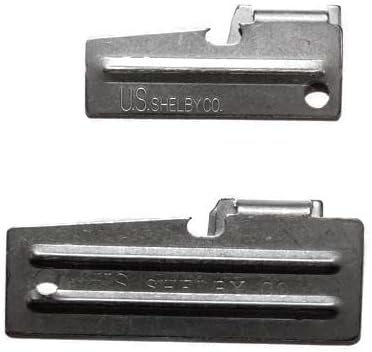
This set includes two classic military-style can openers, the P-38 and the slightly larger P-51, built from cold-rolled steel for straightforward manual can opening when you are off-grid. They are designed for minimalist outdoor use: the tiny P-38 clips easily to a keychain or survival kit and the P-51 gives a bit more leverage for tougher lids. Practical benefits include extreme portability, very low weight, and a simple single-purpose design that is unlikely to fail mechanically. Because they are entirely manual and made of stamped steel, they are easy to clean and require no maintenance, but they do demand some hand strength and a bit of technique compared with larger handheld openers. The set is best for campers, hikers, and survivalists who prioritize reliability and minimalism; they are not a replacement for countertop or large-handled can openers for everyday kitchen tasks.
Best for: Buyers who need a dependable, no-frills can opener for camping, hiking, or emergency kits and who value packability and durability over comfort.
Less Ideal for: People who frequently open many cans at home or prefer fast, ergonomic countertop openers should choose a larger handheld or electric model.
- Very lightweight and compact, easy to carry on a keyring or in a survival kit
- Simple stamped steel construction with no moving parts reduces risk of mechanical failure
- Includes two sizes (P-38 and P-51) so you get a tiny option plus one with more leverage
- Easy to clean and low maintenance after outdoor use
- Requires hand strength and practice to use efficiently on thicker can lids
- Small size can be awkward for prolonged use or opening large numbers of cans
Verdict: A compact, foolproof pair of steel military can openers that deliver reliable performance for camping and emergency use.
GoodCook Safe-Cut Can Opener

| Material Type | Stainless Steel |
|---|---|
| Blade Material Type | Stainless Steel |
| Operation Mode | Manual |
| Included Components | can opener |
The GoodCook Safe-Cut Can Opener is a manual kitchen tool designed to open cans without creating sharp edges and to lift the lid free from the can for safer handling. You use it like a traditional hand can opener: clamp it to the rim, turn the ergonomic knob to rotate the cutting wheel, and the guide wire pulls the lid up so you can pivot it off without touching the blade. The hardened stainless steel cutting blade and thick guide wire are built for durability and repeated use, while the non-slip turn knob and comfortable plastic handle make it easy to operate even when camping or in a small kitchen. Because the blade does not contact the can interior, there is less risk of food contamination and the removed lids can be reused as temporary covers. The opener is straightforward, low-tech, and lightweight to pack, but being manual it requires some wrist strength to operate on large or stubborn cans and offers no electric convenience features. For campers who prefer simple reliable gear, it combines safety and durability in a compact package.
Best for: Campers and outdoor cooks who prioritize a simple, reliable, and safe manual opener that minimizes contamination and keeps packing light.
Less Ideal for: People who want an electric can opener, multi-tool functionality, or a no-effort option for opening many large cans at once should look elsewhere.
- Leaves smooth, safe edges so lids can be reused as temporary covers
- Guide wire lifts and holds the lid for hands-free disposal
- Hardened stainless steel cutting blade and thick guide wire for durability
- Ergonomic handle and non-slip turn knob for secure grip during use
- Manual operation requires physical effort on large or stiff cans
- No built-in bottle opener or multi-tool features useful for camping
Verdict: A compact, durable manual opener that gives safe, smooth cuts and hands-free lid removal—ideal for minimalist campers who value safety and reliability.
KitchenAid Classic Can Opener

| Material Type | Stainless Steel |
|---|---|
| Blade Material Type | Stainless Steel |
| Operation Mode | Manual |
| Unit Count | 1 Count |
The KitchenAid Classic Can Opener is a straightforward manual opener built for everyday use, combining a razor-sharp stainless steel cutting wheel with oversized ergonomic handles and a large turning knob. In typical use you clamp the wheel to the can rim and rotate the knob to slice the lid cleanly; the comfortable handles and easy-turn knob make it especially simple for users with limited hand strength. The built-in bottle opener adds convenience for campsite cooking or picnics where space is limited. Because it is fully manual and made of stainless steel, it is durable and requires no power or batteries, which suits outdoor use and travel. The trade-offs are that it is a single-purpose mechanical tool without electric assist or additional camping-specific features like a foldable design or multipurpose tool integrations, and it requires hand washing to maintain the cutting wheel. For a reliable, no-frills can opener that performs consistently, this model is dependable and easy to use.
Best for: Buyers who want a reliable, easy-to-use manual opener for everyday kitchen use and occasional camping trips and who prioritize straightforward, durable tools over multi-tool complexity.
Less Ideal for: Minimalist backpackers who need ultralight, foldable multi-tools or campers who prefer electric or multi-function camp-specific gadgets.
- Razor-sharp stainless steel cutting wheel for clean, consistent cuts
- Oversized ergonomic handles reduce hand strain during use
- Large turning knob provides secure grip and easier operation
- Integrated bottle opener adds a useful secondary function
- Durable manual design needs no power or batteries
- Not foldable or compactly designed specifically for backpacking
- Requires hand washing and drying to prevent corrosion over long-term outdoor use
Verdict: A dependable, easy-to-use manual can opener that delivers clean cuts and comfortable operation for campers who want a simple, durable tool.
Choosing the Right Camping Can Opener: Key Factors to Consider
Material and Corrosion Resistance
The materials used determine how well a camping can opener withstands moisture, dirt, and repeated use. Stainless steel components resist rust and hold sharp cutting edges longer, while plated metals can wear through protective coatings over time. Plastic parts reduce weight but may crack under stress or degrade with UV exposure.
For camping, prefer alloys and finishes that explicitly state corrosion resistance. That lowers the chance of seized gears or a dull cutter after a season of wet-weather trips, and it extends service life without frequent replacement.
Cutting Mechanism and Leverage
Different opener designs use varied cutting actions: rotating wheel designs, side-cutting mechanisms, and lever-style clamp cutters. The quality of the cutter and the mechanical advantage built into the handle determine how much force you must apply and how smoothly the tool cuts through a can lip.
Better leverage reduces hand fatigue and improves control, which is especially important when wearing gloves or if users have limited grip strength. A cleaner cut also minimizes sharp burrs that can cause injury or metal flakes in food.
Size, Weight, and Packability
Campers often trade a bit of functionality for lighter weight and smaller size. Consider how the opener will stow: clipped to a carabiner, inside a utensil roll, or in a small dry bag. Folding or compact designs save space but must remain sturdy when deployed.
Think about your typical trip profile. For minimalist backpacking, every ounce matters. For car camping or basecamps, a slightly heavier but more comfortable opener may be acceptable if it speeds meal prep.
Ease Of Cleaning and Maintenance
Exposure to sticky food residues and grit is inevitable when cooking outdoors. Openers with simple, accessible moving parts are easier to rinse and dry at a campsite. Sealed or single-piece cutter assemblies reduce places where grime can accumulate.
Tools that require complex disassembly are less desirable in the field. Also consider whether replacement parts or sharpening are possible for the design you choose, as that affects long-term value.
Safety and Cut Quality
How an opener severs the can lid affects safety after opening. Some designs leave sharp, jagged edges while others produce a smoother edge or a detached lid that is less likely to cause cuts. The stability of the tool during cutting reduces slips that could injure hands.
Consider models with good grip surfaces, non-slip handles, and mechanisms that control the lid once opened. Those features reduce the chance of accidental contact with sharp metal.
How Different Opener Designs Work
Can openers for camping commonly fall into a few functional families: simple church-key style openers, rotating wheel manual openers, and side-cutters that leave smoother edges. Church-key openers are very lightweight but require more force and are limited to basic cans. Rotating wheel types are familiar and can offer a secure grip when built with good leverage.
Side-cutting designs remove the lid from the can wall rather than slicing from the top edge, which can reduce sharp burrs. Integrated lever handles or long grips amplify force and improve control. Understanding the mechanical differences helps match a design to your strength, glove use, and packing priorities.
- Church-key style: ultralight, best for minimalists, needs more effort.
- Rotating-wheel manual: balanced control, common camping choice.
- Side-cutting: smoother edges, often safer but slightly heavier.
Grip, Ergonomics, and Use With Gloves
In cold weather or when handling hot cookware, you will often operate a can opener while wearing gloves. Large, textured handles that offer wide contact areas work better with gloves and reduce local pressure points that cause discomfort.
Assess whether a design has enough mechanical advantage so you do not need to squeeze hard. Non-slip coatings and finger guards increase confidence during use. If you have limited hand strength, prioritize leverage over minimal weight.
- Look for textured or molded handles for better control.
- Longer handles can improve leverage but may increase packed size.
- Consider how gloves will affect your grip before choosing a compact model.
Cleaning and Care on the Trail
Field cleaning should be quick and reliable. A simple rinse and wipe is the ideal maintenance routine. Openers with exposed gears or small crevices will trap food and dirt, which can accelerate wear or cause jamming.
Bring a small brush or use boiling water to loosen stubborn residue when possible. Dry metal parts thoroughly and consider a light protective wipe with an oil that is safe for cooking tools if the opener will be stored long term.
- Prefer simple constructions with few moving parts for easy cleanup.
- Rinse and dry promptly after use to prevent corrosion.
- Pack a small cloth to remove moisture before stowing.
Choosing an Opener for Group Cooking Versus Solo Use
If you regularly cook for a group, durability and speed matter more. A sturdier, more ergonomic opener that requires less repetition will save time and reduce hand fatigue across multiple cans. For solo or ultralight trips, a compact, lighter tool may be preferable despite slower operation.
Consider the frequency of use on your typical trip. Heavy-use scenarios favor tools with robust cutters and strong handles. Occasional campers can prioritize weight and cost while keeping an eye on basic corrosion resistance.
- Group cooks: favor comfort and durability.
- Solo ultralight: choose minimal weight and compact size.
- Occasional campers: balance durability with portability.
Safety Tips for Using Camping Can Openers
Always stabilize the can on a flat surface before cutting and keep fingers away from the lid edge once it starts to detach. Use a towel or glove to steady the can if the surface is slippery. If an opener produces a detached lid, place it on a flat surface or inside a container to avoid accidental cuts.
Carry a small first-aid kit when camping in case of minor cuts and inspect the opener periodically for burrs or damage. Replace or service devices that develop rough edges or loose components to maintain safe operation.
- Stabilize cans and keep hands clear of cutting area.
- Store detached lids safely to avoid cuts.
- Inspect openers regularly for wear and replace if compromised.
How We Chose the Best Camping Can Opener
We focused on attributes that matter for frequent outdoor use and simple camp kitchens. Our primary filters were durability, ease of operation, portability, and maintenance. Durability covers corrosion resistance, robust cutting components, and materials that withstand bumps and damp conditions. Ease of operation looks at leverage, handle ergonomics, and how well the opener works with gloves or cold hands. Portability evaluates weight, folded footprint, and whether the tool stows cleanly in a pack or utensil kit. Maintenance and cleaning assess how easily grit and food residue are removed and whether the mechanism resists jamming. We also considered user safety features such as smooth edges after opening and secure grips to reduce slips. Exclusions included devices intended only for heavy kitchen use, multi-tool gadgets where can-opening is a secondary function with compromised performance, and openers made from materials prone to rapid corrosion. The final list favors tools that balance long-term outdoor reliability with straightforward everyday operation.
Our full evaluation process is outlined in our review methodology.
FAQ
What type of can opener is best for backpacking?
For backpacking, minimal weight and compact size are usually the priority. A small church-key style or a lightweight folding opener is common. Keep in mind that ultra-compact models may require more hand strength and slower operation.
How do I prevent a can opener from rusting on a trip?
Rinse off food residue after each use and dry the opener thoroughly. Wiping metal parts with a light food-safe oil before long storage helps protect against moisture. Avoid leaving the opener in damp gear or inside a wet cooler for extended periods.
Are side-cutting openers safer than traditional wheel designs?
Side-cutting openers often produce smoother lid edges, which can reduce the risk of cuts. However, safety also depends on build quality, grip, and how stable the opener is during use. A well-made wheel-style opener with good leverage can be equally safe.
Can I use a multi-tool can opener reliably at camp?
Multi-tool can openers can be convenient for reducing packed items, but their can-opening components are often smaller and less ergonomic. They work in a pinch but may be slower and require more effort than a dedicated camping can opener.
How should I store a can opener in my camping kit?
Store the opener in a dry part of your pack, such as an internal pocket or a sealed bag to keep it separate from wet items. If possible, dry and clean it before packing to minimize corrosion risk and keep any sharp edges covered or secured.
Final Verdict
When choosing a camping can opener, prioritize the traits that align with how you camp. If you need speed and frequent use, choose a sturdier opener with strong leverage and corrosion-resistant materials. If pack weight and compactness matter most, select a minimal model but accept that it may require more effort to operate. Balance portability against ergonomics and maintenance needs. Focus on corrosion resistance, ease of cleaning, and safe edge control so you get reliable performance trip after trip. With these tradeoffs in mind, you can confidently select the camping can opener that best fits your routines and environments.