
Note: This article contains affiliate links. If you click on these links and make a purchase, we may earn a small commission at no extra cost to you. This helps support our research and content. Read our full affiliate disclosure here.
If you love fresh pineapple juice, choosing the right cold press juicer makes a big difference in yield, flavor, and cleanup. Pineapple has a fibrous core and a high-water content, so some juicers extract more liquid and less pulp while others require extensive preprocessing. This guide covers seven top cold press juicers selected for handling pineapple efficiently and reliably. The shortlisted machines were evaluated for extraction efficiency, feed-chute design, durability, and how easy they are to maintain. Read on to find which features matter most for consistent, flavorful pineapple juice and which tradeoffs to expect when you prioritize yield, speed, or cleanup.
Top Picks at a Glance
| Best Overall The best all-around choice for most situations | ACOQOOS AMJ-90 Masticating Juicer |  |
| Best Quality Built to a higher standard if you want something more solid | NAMA J2 Cold Press Juicer |  |
| Best Value The sweet spot between price and what you get | TUUMIIST Cold Press Juicer TM-780SJ | 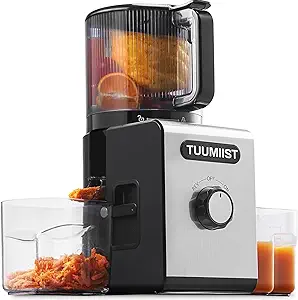 |
| Best Budget The cheapest option that still gets the job done reliably | Elite Gourmet EJX600 Masticating Juicer |  |
| Top Rated A top-rated pick with lots of positive feedback | ECOSELF Cold Press Juicer |  |
| Most Popular A crowd favorite that many people choose with confidence | EanOruus 3-in-1 Cold Press Juicer E-18 |  |
| Best Seller A high-volume bestseller chosen again and again | TUUMIIST Cold Press Juicer TM880SJ |  |
ACOQOOS AMJ-90 Masticating Juicer

| Maximum Power | 350 watts |
|---|---|
| Number of Speeds | 60 |
| Capacity | 100 OZ hopper |
| Material | BPA-Free ABS |
The ACOQOOS AMJ-90 is a single-auger cold-press juicer designed for batch juicing and multi-use kitchen tasks. It has a very wide 6.5-inch feed chute and a 100 oz gravity-fed hopper so you can toss in large pieces or whole fruits and let it feed itself, which saves prep time when making pineapple batches. The motor runs at 60 RPM to minimize heat and oxidation, yielding drier pulp and more juice while also allowing use as a sorbet maker and nut milk press. Practical touches include dishwasher-safe detachable parts, a self-precut/auto-feed system, and overheat protection for longer runs. At 350 watts it handles fibrous produce well but you should remove hard pits and very large seeds first. Expect a counter presence larger than a compact juicer and plan for cleaning the internal auger parts despite the included brush; leafy greens may still require some repositioning to feed smoothly. For buyers who want high yield and versatile cold-press functions, this model balances performance and convenience for frequent juicing sessions.
Best for: Buyers who want a versatile cold-press machine that maximizes yield and handles batch pineapple and other fruits with minimal chopping while also making sorbets and nut milks.
Less Ideal for: People who need a very compact or ultra-quiet countertop appliance or those who only want a simple, single-purpose centrifugal juicer.
- 6.5-inch extra-wide feed chute and 100 oz hopper reduce chopping and let you batch-load produce
- 60 RPM cold-press extraction for higher juice yield and reduced oxidation
- Three functions in one unit: juice, sorbet, and nut milk without extra appliances
- Detachable, BPA-free parts are dishwasher safe for easier cleanup
- Overheat protection and a moderately powerful 350 W motor for continuous use
- Large footprint compared with compact juicers so it needs counter space
- Manufacturer advises removing hard pits and seeds which adds a small prep step
Verdict: Choose the AMJ-90 if you want a high-yield, batch-friendly cold-press juicer that also makes sorbet and nut milk for versatile pineapple-focused juicing.
NAMA J2 Cold Press Juicer

| Wattage | 200 watts |
|---|---|
| Power Source | Corded Electric |
| Voltage | 120 |
| Number of Speeds | 1 |
| Capacity | 30 fluid ounces |
The NAMA J2 is a compact masticating juicer built for steady, hands-free cold-press extraction. It uses a single auger running at about 50 RPM powered by a 200 W motor to slowly crush and press fruits and vegetables through coarse and fine strainers, which helps preserve nutrients and reduce heat. The wide self-feeding hopper lets you load a full recipe and walk away, so it is especially convenient for batch runs like pineapple juice where pieces are larger and fibrous. Included components such as juice containers, pulp bin, pusher, and cleaning brush make assembly and cleanup straightforward, though parts are hand-wash only. Practical benefits include quiet operation, focused extraction that tends to yield more juice with less pulp, and durable stainless steel and Tritan construction. Limitations are a single speed control and a moderate 30 fl oz capacity that means very large batches require multiple cycles; also heavier fibrous produce may need pre-cutting despite the wide hopper. For pineapple-focused juicing this model balances yield and convenience for regular at-home use.
Best for: Buyers who prioritize efficient cold-press extraction and consistent juice yield for regular home use, especially those wanting a hands-free process for fibrous fruits like pineapple.
Less Ideal for: People who need variable speed control for delicate or extremely hard ingredients or who want a very large-capacity commercial juicer.
- Self-feeding wide hopper supports hands-free batch juicing
- Low-speed single-auger design preserves nutrients and reduces heat
- Quiet 200 W motor suitable for regular home use
- Includes juice and pulp containers plus cleaning brush for easier cleanup
- Only one speed setting limits control over very soft or very hard produce
- 30 fl oz capacity requires repeated cycles for large batches
Verdict: Choose the NAMA J2 if you want a quiet, hands-free cold-press juicer that boosts yield and makes regular pineapple juicing simple and efficient.
TUUMIIST Cold Press Juicer TM-780SJ

| Maximum Power | 350 watts |
|---|---|
| Wattage | 350 watts |
| Power Source | Corded Electric |
| Voltage | 120 volts |
| Number of Speeds | 60 |
The TUUMIIST TM-780SJ is a single-auger cold press juicer built to process whole fruits and vegetables with minimal prep thanks to its 6.5-inch feed chute and large 100 oz hopper for batch work. It operates at 60 RPM with a 350 W motor to limit heat and oxidation, which helps preserve nutrients and yields more juice from fibrous produce like pineapple when cored and fed in chunks. The unit doubles as a nut milk and sorbet maker using the same strainer, reducing part swaps and cleanup, and included cleaning brush and quick-release components make everyday maintenance straightforward. Practical safety features include overheat protection and a knob controller for simple speed control. Expect slower extraction than centrifugal models and a modest footprint on the counter, and while it handles whole fruit well the heavy core and stringy fibers of pineapple still benefit from some trimming to avoid clogging. For anyone prioritizing yield, nutrient retention, and hands-off batch juicing, this juicer covers those needs without complex controls.
Best for: Buyers who want a practical, low-oxidation juicer that reduces prep time for frequent batch juicing and values nutrient retention over speed.
Less Ideal for: Those who need very fast single-serving juices or prefer a compact, ultra-fast centrifugal machine for occasional use should look elsewhere.
- 6.5-inch extra-large feed chute accepts whole or large fruit pieces to reduce prep time
- Slow 60 RPM masticating action with 350 W motor preserves nutrients and increases juice yield
- 3-in-1 strainer handles juice, nut milk, and sorbet without swapping major components
- Large 100 oz hopper supports hands-free batch juicing for family-sized batches
- Quick-release parts and included brush simplify cleaning
- Slow extraction speed makes juicing take longer than centrifugal models
- Stringy or heavily cored fruits like pineapple may need trimming to avoid clogging
Verdict: Choose this juicer if you want a hands-off cold press that handles large fruit pieces and prioritizes high juice yield and nutrient preservation for batch pineapple juicing.
Elite Gourmet EJX600 Masticating Juicer

| Capacity | 16 ounces |
|---|---|
| Wattage | 100 watts |
| Number of Speeds | 1 |
| Power Source | Corded Electric |
| Material | BPA-Free, Stainless Steel, Tritan |
The Elite Gourmet EJX600 is a small, single-serve masticating juicer that uses low-speed cold-press extraction to produce smooth juice with reduced foam and oxidation. It is meant for one to two servings and includes a 16 oz Tritan juice cup, making it convenient for quick breakfasts or single servings of fresh juice. The unit runs at about 70 RPM on a 100-watt motor and has a narrow feed chute that requires chopping fruit and vegetables into smaller pieces before juicing. Cleanup is straightforward thanks to just three removable parts, a cleaning brush, and top-rack dishwasher-safe components (motor base is not dishwasher-safe). Built-in overload and overheat protection add a layer of safety for frequent short uses. The compact footprint and hand-wash guidance make it practical for small kitchens, but the small capacity and narrow chute limit throughput and increase prep time when juicing larger or tougher produce like pineapple unless chopped finely. For buyers on a budget who need a space-saving cold-press option, this unit provides reasonable performance at a modest price point.
Best for: Buyers looking for an affordable, space-saving cold-press juicer for single-serve use and occasional fresh juice runs who prioritize compact footprint and easy cleanup.
Less Ideal for: Users who plan to juice large volumes, make multiple servings in one session, or who want a wide chute that handles whole fruit with minimal prep.
- Low-speed masticating extraction for smoother juice with less oxidation
- Very compact single-serve design ideal for small kitchens
- Only three removable parts and included cleaning brush make cleanup quick
- BPA-free and stainless steel materials with a durable Tritan juice cup
- Built-in overload and overheat protection for safer operation
- Small 16 oz capacity and narrow 3/4" feed chute increase prep time for large or fibrous fruits
- Single speed 100-watt motor may struggle with very tough produce without pre-cutting
- Not intended for large-batch juicing or multiple bottles
Verdict: A budget-friendly, compact masticating juicer that delivers smooth single-serve cold-pressed juice for buyers who need space-saving, easy-to-clean performance.
ECOSELF Cold Press Juicer

| Special Features | Easy to Clean; High Juice Yield; Reverse Function; Self Feeding; Wide Feed Chute |
|---|---|
| Material | Acrylonitrile Butadiene Styrene (ABS) |
| Item Dimensions D x W x H | 7.68"D x 13.66"W x 14.96"H |
The ECOSELF cold press juicer is a slow masticating single-auger machine built for everyday home use, especially when you want steady, nutrient-preserving extraction from fruits like pineapple. Its wide feed chute and self-feeding hopper let you drop in larger pieces with less prep, and the one-touch rotary control plus reverse function reduce clogging when processing fibrous produce. The low-speed cold-press design minimizes heat and oxidation to keep enzymes and flavor intact while the upgraded auger and filter focus on high juice yield and clear separation of pulp. Cleanup and assembly are straightforward thanks to an integrated hopper, accessible filter, and the included brush, though thorough cleaning of internal parts is still required after juicing sticky fruits. The motor is claimed to be high power yet low noise, which suits morning routines, and the unit's ABS construction keeps it lightweight. For those after reliable, hands-free cold pressing of pineapple and other hard or leafy produce, this model balances performance and everyday convenience, while the reverse and easy-to-assemble parts help maintain consistent operation over time.
Best for: Buyers who prioritize a dependable, low-oxidation juicing process and want a hands-free, easy-start machine for daily fruit and vegetable juices, including fibrous fruits like pineapple.
Less Ideal for: People seeking a heavy-duty commercial juicer or a metal-bodied premium appliance for long continuous commercial runs should look at more industrial models.
- Wide feed chute and self-feeding design reduce prep time for larger fruit pieces
- Slow masticating extraction preserves enzymes and reduces oxidation for fresher-tasting juice
- Reverse function helps clear clogs when juicing fibrous produce
- Integrated hopper and included brush make assembly and cleaning quicker
- Designed for high juice yield to extract more liquid and minimize waste
- Internal parts still require manual cleaning after juicing sticky fruits like pineapple
- ABS construction is lightweight but may feel less premium than metal-bodied models
Verdict: A reliable, hands-free cold press juicer that preserves nutrients and simplifies juicing fibrous fruits like pineapple for everyday home use.
EanOruus 3-in-1 Cold Press Juicer E-18

| Capacity | 100 fluid ounces |
|---|---|
| Wattage | 250 watts |
| Power Source | ac |
| Voltage | 110 volts |
The EanOruus E-18 is a single-auger cold press juicer built for high-capacity home use and multi-purpose prep. It feeds whole fruit through a 6.5-inchwide chute into a 100 oz hopper and uses a 250W AC motor and auger to slowly crush produce for juice, nut milk, or sorbet. Notable features include auto-reversing to clear jams, an extra-large feed and hopper to cut prep time, and interchangeable strainers for switching between juice and sorbet. The AC brushless motor and masticating action prioritize yield and nutrient retention while running relatively quietly compared with fast centrifugal machines. Cleaning is mostly hand-wash only but the unit advertises detachable parts and a removable pulp outlet to simplify rinsing. Practical limits are its heavier, tabletop footprint and plastic construction for internal parts, which may feel less premium than metal-bodied models, and the need to clean components after large batches. For buyers who value high output and multi-function versatility, it handles pineapple and other fibrous fruits effectively if chunked as directed, though expect some routine disassembly for full cleaning.
Best for: Buyers who want a high-capacity cold-press juicer that handles fibrous fruits like pineapple and also doubles as a nut milk and sorbet maker, and who prefer proven features like auto-reverse and a quiet AC motor.
Less Ideal for: People seeking a compact, lightweight juicer for occasional single-cup use or those who need fully dishwasher-safe parts and metal-heavy construction.
- Extra-large 100 oz hopper reduces refills for batch juicing
- 6.5-inch wide chute accepts whole or large fruit to cut prep time
- Auto-reverse and powerful 250W AC motor handle fibrous produce and clear jams
- Interchangeable strainers let you switch between juice, nut milk and sorbet
- Most removable parts require hand washing rather than dishwasher-safe cleaning
- Plastic internal components may feel less durable than metal alternatives
Verdict: Choose the EanOruus E-18 if you want a quiet, high-capacity cold-press juicer that efficiently handles pineapple and larger batch juicing while also making nut milk and sorbet.
TUUMIIST Cold Press Juicer TM880SJ

| Capacity | 3 liters |
|---|---|
| Maximum Power | 350 watts |
| Wattage | 300 |
| Voltage | 120 volts |
| Number of Speeds | 60 |
The TUUMIIST TM880SJ is a slow masticating juicer designed to handle whole fruits and vegetables with minimal prep. Its 6.5-inch wide chute and 100 oz hopper let you drop in larger pieces like pineapple segments and run longer batches without constant refilling, while the single-augur cold-press action preserves nutrients and reduces oxidation. The smart touch panel offers simple mode selection for juice, nut milk, and sorbet, and the motor includes auto-reverse and overheat protection to clear jams and prevent damage. Cleaning is straightforward thanks to a three-part quick-release design and dishwasher-safe components, and the metal-free filter mesh aims to reduce clogging. Expect quieter operation under 60 dB, which is useful for early-morning juicing. Limitations include a relatively complex unit to store and the need to remove core and very hard rind from large pineapples despite the large chute; heavy-duty continuous use may warm the juice more than very low-speed professional machines. For everyday home use this model balances convenience, yield, and safety features well.
Best for: Buyers who want a low-oxidation juicer that handles larger fruit pieces and makes batch pineapple juice with minimal prep while prioritizing reliable safety features and easy cleaning.
Less Ideal for: People who need the smallest possible countertop footprint or who require the absolute lowest-speed commercial cold-press performance for prolonged continuous use.
- Extra-large 6.5-inch feed chute accepts bigger fruit pieces to reduce prep time.
- 100 oz hopper supports batch juicing for families or meal prep.
- Cold-press single-auger design maximizes juice yield and reduces oxidation.
- Auto-reverse and overheat protection help prevent jams and motor damage.
- Dishwasher-safe parts and a three-part quick-release design make cleaning faster.
- Despite large chute, very hard rinds and cores still need trimming before juicing pineapple.
- Not the most compact unit for small kitchens or limited counter storage.
Verdict: Choose the TUUMIIST TM880SJ if you want a quiet, high-yield cold-press juicer that speeds up prep for pineapple and other large fruits with a wide chute and large hopper.
Choosing the Right Cold Press Juicer for Pineapple: Key Factors to Consider
Extraction Efficiency
How much juice you get from a pineapple directly affects cost per glass and how often you need to buy fruit. A cold press juicer that compresses and shears fibers effectively will squeeze more liquid from the same fruit, leaving drier pulp and giving you a higher yield.
Efficiency depends on auger design, gear reduction, and operating speed. Machines with a slow, high-torque auger tend to outperform quick-spinning models when it comes to fibrous produce like pineapple because they apply steady pressure without heating or oxidizing the juice.
Pulp Separation and Texture
Pineapple pulp can vary from fine to stringy depending on the juicer's filter and screen system, which changes mouthfeel and strain required for downstream recipes. If you prefer a smoother juice with less fibrous texture, choose a juicer with finer screens or an effective secondary strainer.
Conversely, if you want more fiber retained for smoothies or digestive benefits, a coarser pulp output can be desirable. Consider whether the juicer allows easy swapping or adjusting of screens to tune texture without adding complex steps to your routine.
Feed-Chute Size and Prepping Work
Pineapple often requires trimming and coring before juicing, and the size of the feed chute determines how much prep you must do. A wider feed chute reduces chopping time but can influence how evenly the auger grips and compresses the fruit.
Smaller chutes can improve extraction by forcing pieces closer to the auger, but they increase prep time. Think about how much hands-on prep you want versus throughput: frequent juicers may prefer a larger chute to save time, while occasional users might accept more prep for better yield.
Motor Torque and Continuous Use Capability
Pineapple's dense core can stall under low-torque motors. Juicers with strong torque at low RPMs handle fibrous fruit without bogging down and reduce the risk of overheating. Look for machines rated for continuous or long run times if you plan to juice multiple pineapples in one session.
Good torque also reduces jamming and forces less repetitive pushing, which preserves motor life and keeps operation smooth. Torque specifications and gear design matter more than top-speed RPMs for fibrous produce.
Ease of Cleaning and Maintenance
Because pineapple juice is sugary and fibrous, parts can quickly attract residue that requires thorough cleaning. Juicers with fewer small crevices, removable components that are dishwasher safe, or parts that rinse clean under running water make daily use practical.
Routine maintenance also includes checking seals and screens for wear. Time spent cleaning is part of the overall user experience, so factor cleanup complexity into the buying decision if you plan to juice often.
Build Materials and Longevity
Materials affect durability and flavor neutrality. Stainless steel and BPA-free plastics resist staining and odors from pineapple's acids. Metal augers and robust housings survive repetitive strain better than thin plastics.
Consider warranty length and parts availability as proxy measures of expected lifespan. A well-built unit may cost more up front but reduce long-term maintenance hassles and replacement frequency.
Preparing Pineapple for Cold Press Juicing
Proper prepping reduces waste and prevents unnecessary strain on the juicer. Start by cutting off the top and bottom, standing the fruit upright, and slicing away the outer skin in strips. Remove or cut around the core if your juicer handles whole pieces poorly; some machines process the core without issue, while others benefit from thinner wedges.
Trim into pieces that match your feed-chute size. For narrow chutes, quarter or smaller slices work best. For wide chutes, you can leave larger chunks intact, which speeds up assembly-to-juice time. Keep a small bowl for cores and very fibrous bits if you want to repurpose them for cooking or compost.
- Remove the crown and base first to stabilize the pineapple for slicing
- Slice away the rind in vertical strips to avoid losing usable flesh
- Test a small core piece before committing the whole pineapple to a new juicer
Managing Pulp and Using Secondary Strainers
If you prefer a clear, smooth juice, plan to use a secondary strainer after primary extraction. Many homeowners use a fine mesh sieve or nut-milk bag to remove remaining fibers. This step takes a few extra minutes but improves texture and mouthfeel for drinks.
When leaving pulp in, consider blending or mixing pulp back into smoothies to retain fiber. Save drier pulp for baking or as a compost feedstock to minimize waste.
- For cocktails, strain twice for clarity
- For smoothies, keep more pulp for fiber
- Collect pulp in the refrigerator for later use within a day
Extending Motor Life and Avoiding Jams
To keep a cold press juicer running well, feed fruit in consistent, moderate-sized pieces and avoid forcing oversized chunks. Let the auger do the work; if you notice stalling, stop and check for obstructions rather than pushing harder. Many jams result from attempting to process oversized, untrimmed cores.
Plan short rest periods during extended sessions to prevent overheating. Follow the manufacturer's guidance for run times and allowed cool-down intervals to protect bearings and motors.
- Cut fruit to recommended sizes for the feed chute
- Pause and clear obstructions instead of forcing through
- Observe recommended run-time limits and let the motor cool when needed
Using Pineapple Juice in Recipes
Fresh pineapple juice is versatile in beverages, marinades, dressings, and desserts. Because pineapple contains natural enzymes that tenderize proteins, use small amounts in marinades and avoid long soak times for delicate meats. Its acidity also brightens dressings and sauces.
For cocktails and mocktails, chill the juice and use a small amount of fine straining to avoid gritty texture. Combine with citrus, ginger, or mint for balanced drinks. Leftover pulp can be incorporated into baked items or frozen into cubes for smoothies.
- Use sparingly in marinades due to natural tenderizing enzymes
- Mix with citrus and herbs for fresh cocktails
- Freeze excess juice in ice cube trays for later use
Storing Fresh Pineapple Juice Safely
Freshly pressed pineapple juice is best used within 24 to 48 hours for peak flavor and nutrient retention. Store in an airtight container and refrigerate immediately. Cold press juice benefits from minimizing exposure to air and light to slow oxidation.
If you need longer storage, freeze the juice in airtight containers or ice-cube trays and thaw in the refrigerator. Label containers with the date and use thawed juice within a day for best taste.
- Refrigerate immediately after juicing and consume within 48 hours
- Freeze in single-serve portions to preserve flavor
- Use opaque containers to reduce light exposure
How We Chose the Best Cold Press Juicer for Pineapple
We vetted juicers for this list by focusing on performance characteristics that matter specifically for extracting juice from pineapples. Primary considerations included extraction efficiency on fibrous fruit, feed-chute and cutter design that affect prep time, and motor torque or auger strength required to process pineapple core and flesh. We also weighed ease of cleaning because pineapple fibers and sugary juices can gum up parts, and we judged build materials and warranty-friendly design for long-term reliability. Products were excluded if they lacked sufficient torque for dense fruit, relied solely on centrifugal extraction, or had designs known to trap excessive pulp. We prioritized machines with clear assembly, dishwasher-safe or easily rinsed parts, and user-accessible filters that reduce clogging. Other selection filters included stable, low-speed operation to protect enzymes and flavor, and manufacturer specifications indicating suitability for fibrous produce. The resulting list balances extraction yield, user labor, and upkeep for people who make pineapple juice regularly.
Our full evaluation process is outlined in our review methodology.
FAQ
Can I juice pineapple with the core included?
Often you can, but it depends on the juicer's design and torque. The core is fibrous and dense, so high-torque cold press juicers handle it better. If you notice frequent jamming or stalling, remove the core or cut it into smaller pieces before juicing.
How much juice should I expect from one pineapple?
Yield varies with ripeness and juicer efficiency. A ripe pineapple processed on a high-yield cold press will generally produce more liquid and drier pulp. Expect variance and plan based on whether you prefer clearer juice or more pulp retention.
Does cold pressing change the pineapple flavor?
Cold pressing at low speeds preserves volatile flavors and minimizes heat-related changes. The result tends to taste fresher and brighter than high-speed centrifugal extraction because less oxidation and warming occur during the process.
How often should I clean the juicer when juicing pineapple regularly?
Clean parts after each use to prevent sticky residues and bacterial growth. Quick rinses between sessions help when juicing multiple fruits, and full disassembly and washing should be done at the end of the session to remove trapped fibers and sugar buildup.
Will pineapple juice clog the filter faster than other fruits?
Pineapple's fibrous texture and sugar content can cause faster buildup in screens and strainers compared with softer fruits. Regular rinsing during use and selecting a juicer with accessible screens will reduce clogging and maintenance time.
Final Verdict
For regular pineapple juicing, prioritize machines with strong low-speed torque and efficient pulp separation to maximize yield and reduce prep effort. Consider feed-chute size versus how much time you want to spend trimming fruit, and factor in cleaning complexity since pineapple fibers and sugars demand more upkeep. Balance extraction efficiency against convenience: choose the unit that matches your routine, whether that means minimal prep with a larger chute or higher yield with a slower, higher-torque auger. Focusing on these tradeoffs will help you pick a cold press juicer that reliably delivers fresh pineapple juice with manageable maintenance.