
Note: This article contains affiliate links. If you click on these links and make a purchase, we may earn a small commission at no extra cost to you. This helps support our research and content. Read our full affiliate disclosure here.
If you want café-style espresso without a steep learning curve, the right entry-level espresso machine can make the difference. You want reliable shot extraction, straightforward controls, and manageable maintenance so you actually use it every day rather than letting it gather dust. This guide shortlists the top entry-level machines that deliver those outcomes and explains the practical tradeoffs to expect. We evaluated machines for shot consistency, simplicity, milk-steaming ability, and upkeep. Below are the best picks for home users who want quality espresso with minimal fuss, followed by the factors that matter when choosing, detailed buying guidance, and a concise final verdict.
Top Picks at a Glance
| Best Overall The best all-around choice for most situations | Breville Bambino BES450BSS | 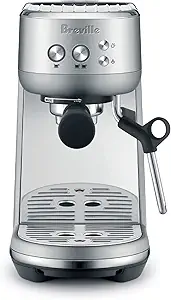 |
| Best Quality Built to a higher standard if you want something more solid | Breville Barista Express BES870XL |  |
| Best Value The sweet spot between price and what you get | CASABREWS 3700 Essential |  |
| Best Budget The cheapest option that still gets the job done reliably | Mr. Coffee 4-Shot Steam Espresso Maker |  |
| Top Rated A top-rated pick with lots of positive feedback | Gevi Espresso Machine ECMI0-SS0A1 |  |
| Most Popular A crowd favorite that many people choose with confidence | CASABREWS CM5418 Espresso Machine |  |
| Best Seller A high-volume bestseller chosen again and again | atatix EM3111 Espresso Machine |  |
Breville Bambino BES450BSS

| Operation Mode | Semi-Automatic |
|---|---|
| Wattage | 1560 watts |
| Coffee Input Type | Ground |
| Capacity | 47 fluid ounces |
| Filter Type | Reusable |
The Breville Bambino is a compact semi-automatic espresso machine aimed at home users who want café-style shots and basic milk drinks without a steep learning curve. It uses Breville's ThermoJet heating system and PID temperature control to reach extraction temperature in about 3 seconds, so you can pull shots quickly. The 54mm portafilter and low-pressure pre-infusion help produce balanced espresso, while the manual steam wand produces microfoam suitable for lattes and cappuccinos. Controls are simple button-based presets for one- or two-shot extraction plus steam and hot water, and the unit's small footprint fits most countertops. Practical benefits include fast readiness, consistent water temperature, and the ability to texture milk for basic latte art. Limitations include a manual workflow that still requires basic technique for best results, a smaller water reservoir that means more frequent refills in higher-use settings, and limited programmability compared with pricier prosumer machines.
Best for: Buyers wanting a compact, entry-level machine that delivers café-style espresso and milk drinks quickly without complex setup, and who are willing to learn basic barista technique.
Less Ideal for: Users who want fully automatic one-touch beverage programs or high-volume use in a shared office or commercial setting should consider more automated or larger-capacity machines.
- Very fast ThermoJet heat-up for near-instant shot readiness
- PID temperature control for consistent extraction
- 54mm portafilter and pre-infusion yield fuller, balanced espresso
- Compact footprint suitable for small kitchens
- Steam wand produces smooth microfoam for lattes and cappuccinos
- Manual operation requires some practice to dial in grind, dose, and milk texturing
- Smaller water capacity means more frequent refills for multiple daily users
Verdict: A fast-heating, compact entry-level espresso machine that delivers consistent, café-style shots and milk drinks for home users learning to make better coffee.
Breville Barista Express BES870XL

| Wattage | 1600 watts |
|---|---|
| Voltage | 120 |
| Coffee Input Type | whole_beans |
| Filter Type | Reusable |
| Capacity | 1 cups |
The Breville Barista Express (BES870XL) is a performance‑focused semi‑automatic espresso machine that grinds, doses, brews and steams in one countertop unit. It uses an integrated conical burr grinder with 16 grind settings to deliver freshly ground coffee directly into a 54mm portafilter, and a thermocoil heating system with digital temperature control to stabilize extraction. Daily use involves filling the hopper and water tank, selecting grind and dose, tamping with the included tamper and using the steam wand to texture milk for lattes or cappuccinos. Notable features include low‑pressure pre‑infusion for more even extraction, single and double wall filter baskets for forgiving shots and a powerful steam wand for manual microfoam. The machine is solidly built in stainless steel and comes with useful accessories like a dosing tool and cleaning kit. Limitations are that it is manual‑heavy compared with automatic or pump‑managed machines so there is a learning curve for consistent results, and its single‑cup capacity and size make it better suited for one or two daily drinks rather than heavy commercial use.
Best for: Home coffee enthusiasts who prioritize shot quality and control and are willing to learn manual dialing to get café‑level espresso and milk texture at home.
Less Ideal for: Buyers who want fully automatic, hands‑off brewing or need high‑volume commercial throughput should look at automatic or commercial machines instead.
- Integrated conical burr grinder with 16 grind settings for fresh dose control
- Thermocoil PID temperature control and low‑pressure pre‑infusion for balanced extractions
- 54mm stainless steel portafilter and single/double wall filter baskets for flexible dosing
- Powerful manual steam wand that produces microfoam suitable for latte art
- Stainless steel construction and included accessories (tamper, dosing tool, cleaning kit)
- Manual workflow requires practice to dial in consistent shots
- Designed for single‑cup focus so not ideal for frequent multi‑cup needs
Verdict: If you want an entry‑level machine that lets you grind, dose and steam like a barista, the Barista Express delivers café‑grade control and results in a single countertop unit.
CASABREWS 3700 Essential

| Output Pressure | 20 bar |
|---|---|
| Wattage | 1350 watts |
| Operation Mode | Semi-Automatic |
| Coffee Input Type | Ground |
| Capacity | 43.9 fluid ounces |
The CASABREWS 3700 Essential is an entry-level semi-automatic espresso machine aimed at home users who want café-style drinks without a steep learning curve. It brews with a 20-bar Italian pump and a PID temperature control for more consistent extraction and crema, and includes a steam wand for frothing milk to make lattes and cappuccinos. Daily use centers on filling the removable 43.9 oz tank, tamping ground coffee into the 51mm portafilter, and selecting single or double-shot buttons that can be programmed to your preferred volume. The stainless-steel housing and removable drip tray make cleaning straightforward, and the built-in cup warmer and pre-infusion feature help produce hotter, smoother shots. Important limits for this price are the single-boiler design, which means you should wait briefly between steaming and brewing, and fewer advanced controls than prosumer machines. For someone optimizing countertop performance, it balances useful temperature stability and milk-steaming capability with a compact footprint and easy maintenance.
Best for: Buyers who want a compact, user-friendly machine that delivers reliable espresso shots and milk drinks at home while minimizing counter fuss and upkeep.
Less Ideal for: Those seeking a true prosumer setup with dual boilers, full PID programmability for profiles, or frequent back-to-back steaming in a busy household or small cafe.
- 20-bar pump plus PID control for more consistent extraction and better crema
- Powerful steam wand that creates microfoam suitable for lattes and cappuccinos
- Removable 43.9 oz water tank for multiple servings and easy refilling
- Stainless-steel housing and removable drip tray simplify cleaning and durability
- Single-boiler system requires short wait between steaming and brewing
- Limited advanced controls compared with higher-end prosumer machines
Verdict: A compact, practical entry-level espresso machine that delivers consistent shots and real milk-steaming ability for home users optimizing performance and ease of use.
Mr. Coffee 4-Shot Steam Espresso Maker

| Operation Mode | Semi-Automatic |
|---|---|
| Wattage | 1200 watts |
| Coffee Input Type | ground |
| Power Source | AC adapter |
| Filter Type | Reusable |
The Mr. Coffee 4-Shot Steam Espresso Maker is an entry-level, semi-automatic espresso machine built for simple home use. It uses steam brewing to produce dark, concentrated espresso and includes an extra-large portafilter that can brew up to four shots at once, which is handy for households or making drinks for guests. An integrated frothing wand and stainless steel frothing pitcher let you steam and texture milk for cappuccinos and lattes without buying separate accessories. The package also includes a water pitcher with measurement markings and a measuring scoop to help dial in consistent shots. Because it is steam-powered rather than pump-driven, expect slightly lower pressure and less precise extraction compared with higher-end machines, so crema and shot consistency can vary. The reusable filter and removable frothing wand cover make cleaning straightforward for daily use. With basic controls and a compact footprint, it is a practical, budget-focused choice for someone upgrading from a pod machine or starting to make espresso at home.
Best for: Buyers who want an affordable, easy-to-use machine to make espresso-based drinks and learn basic steaming and brewing at home without the complexity of pump models.
Less Ideal for: Enthusiasts seeking precise, café-quality extraction or those who need single-voltage compatibility for all outlets should consider higher-end pump machines or alternatives.
- Steam brewing produces dark, full-bodied espresso useful for milk-based drinks
- Extra-large portafilter can brew up to 4 shots at once for multiple drinks
- Integrated frothing wand and stainless steel pitcher simplify milk steaming
- Includes measuring pitcher and scoop for consistent dosing and water measurement
- Reusable filter reduces ongoing cost compared with single-use pods or paper filters
- Steam-driven system provides less consistent pressure and extraction than pump espresso machines
- 240V voltage may require a compatible outlet in some locations
Verdict: A budget-friendly, user-friendly steam espresso maker that delivers strong espresso and built-in frothing for beginners wanting café-style drinks at home.
Gevi Espresso Machine ECMI0-SS0A1

| Output Pressure | 20 bar |
|---|---|
| Wattage | 1450 watts |
| Power Source | electric |
| Coffee Input Type | GROUND_COFFEE |
| Capacity | 2.3 liters |
The Gevi ECMI0-SS0A1 is an entry-level semi-automatic espresso machine aimed at home users who want fresh-ground espresso and milk-based drinks without separate equipment. It pairs a built-in conical burr grinder with 0–30 grind settings and an adjustable bean box so you can control grind size and dose for single or double shots. A 20 bar Italian pump and NTC/PID temperature control help deliver consistent extraction while the steam wand produces microfoam for lattes and cappuccinos; the wand also dispenses hot water for Americanos. Controls are button-based on a single panel and the unit includes 58mm portafilter accessories and dual-wall filters to simplify tamping. Practical benefits include the removable 2.3 L water tank for easier refills and a cup warmer on top. Expect a learning curve to dial in grind and shot volume, and routine cleaning of the grinder and steam wand is required to keep performance steady. For buyers focused on reliable, café-style results at home, this machine offers strong control and useful automation in a compact stainless steel package.
Best for: Home buyers who prioritize consistent, café-style espresso and want an all-in-one machine that reduces the need for separate gear, with an emphasis on steady results over flashy features.
Less Ideal for: People who want a fully automatic, hands-off brewing experience or those who prefer a compact drip-style single-serve appliance for occasional coffee.
- Built-in conical burr grinder with 0–30 adjustable settings for consistent fresh grounds
- 20 bar Italian pump and PID temperature control for stable extraction
- Steam wand that creates microfoam and also dispenses hot water
- Includes 58mm commercial-style portafilter and multiple filter baskets
- Removable 2.3 L water tank and top cup warmer for convenient daily use
- Integrated grinder and steam system require regular cleaning to maintain performance
- Button-based controls offer less refinement than dedicated commercial interfaces
Verdict: A reliable all-in-one entry-level espresso machine that delivers fresh-ground espresso and consistent milk drinks for home users who want café-level control.
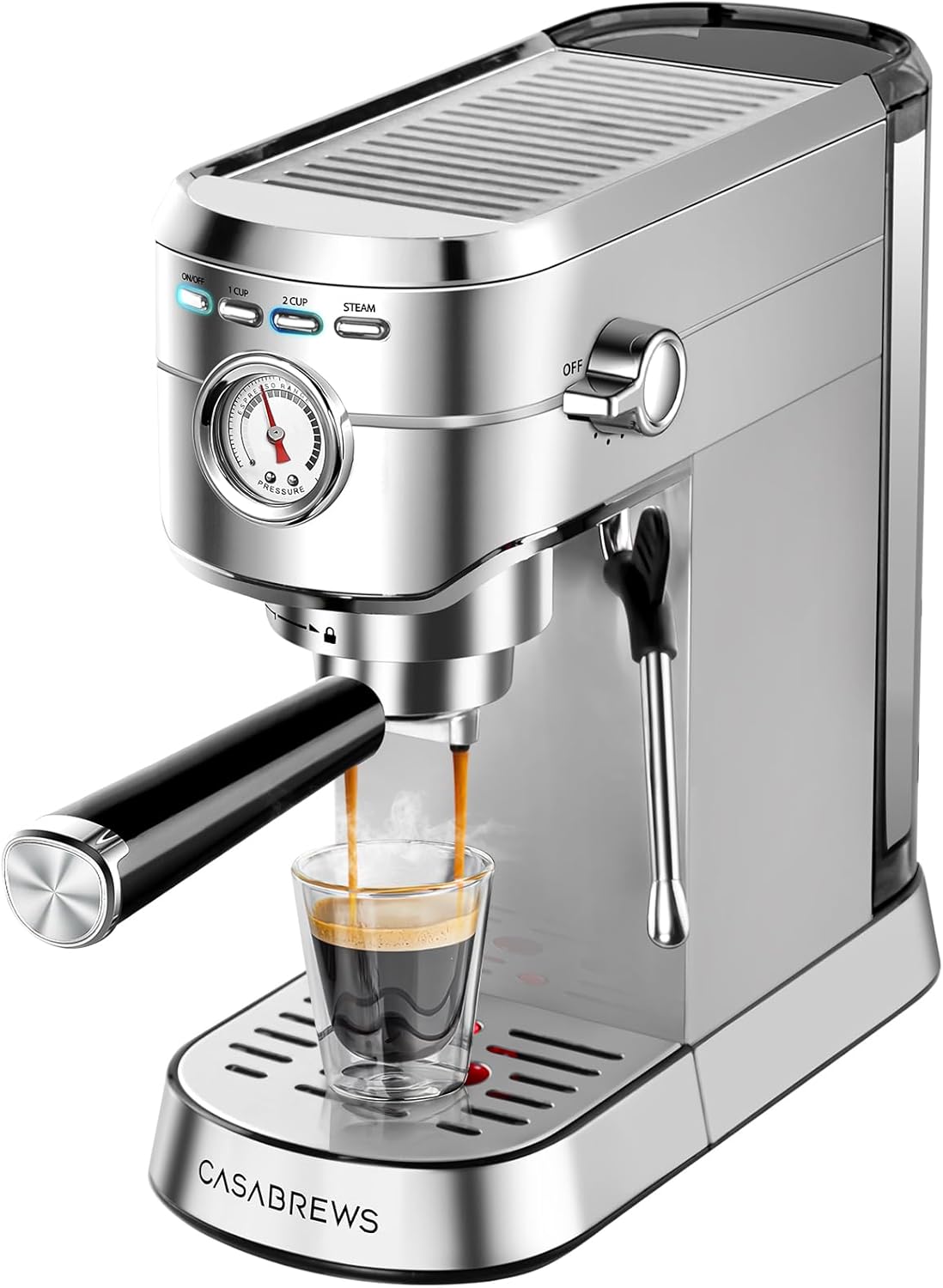
CASABREWS CM5418 Espresso Machine
| Operation Mode | Semi-Automatic |
|---|---|
| Wattage | 1350 watts |
| Output Pressure | 20 bar |
| Coffee Input Type | ground_coffee |
| Filter Type | Reusable |
The CASABREWS CM5418 is an entry-level semi-automatic espresso machine aimed at home users who want café-style drinks without a pro setup. It uses a 20-bar Italian pump with a built-in pressure gauge and pre-infusion to help extract crema and let you dial in grind and tamp for better shots. The machine includes a 51mm portafilter, one- and two-cup filter baskets, and a powerful steam wand that produces microfoam for lattes and cappuccinos. Practical touches include a removable 34 oz water tank, a cup-warming tray, and a removable drip tray that accommodates taller cups. Expect a short warm-up time and straightforward button controls, but plan to learn basic tamping, grind adjustment, and the cooldown steps after steaming milk to avoid over-temperature protection. The stainless steel exterior looks sturdy for a budget machine, though those seeking fully automated dosing or built-in grinders will need to add accessories. For first-time home baristas who value pressure feedback and a steam wand, this model delivers solid performance at an approachable level.
Best for: Buyers looking for an affordable machine that teaches hands-on espresso skills and gives visual pressure feedback while delivering café-style milk drinks at home.
Less Ideal for: People who want a fully automatic or integrated grinder solution, or those who need back-to-back commercial throughput without waiting between steam and brew cycles.
- 20-bar pump with built-in pressure gauge for visible extraction feedback
- Powerful steam wand capable of producing microfoam for lattes and cappuccinos
- Removable 34 oz water tank for multiple brews before refilling
- Includes 51mm portafilter, single and double baskets, and tamper for immediate use
- Single-boiler design requires cooldown time after steaming before brewing
- No built-in grinder or automated dosing—requires external grinder and manual tamping
Verdict: A budget-friendly, hands-on entry machine that gives pressure feedback and a capable steam wand for home baristas learning to make espresso and milk drinks.
atatix EM3111 Espresso Machine

| Operation Mode | Semi-Automatic |
|---|---|
| Wattage | 1350 watts |
| Output Pressure | 20 bar |
| Coffee Input Type | Whole Bean |
| Filter Type | Reusable |
The atatix EM3111 is an entry-level semi-automatic espresso machine designed for home or small-office use. It uses a 20-bar pump and dual-wall portafilter to stabilize extraction while an NTC + PID temperature control keeps brew temperature in the recommended range, so shots pull consistently. The machine also includes a steam wand that produces dense microfoam for lattes and cappuccinos, a removable 45 oz water tank and a detachable drip tray for easier cleaning, and both single- and double-shot filter baskets plus a tamper. Controls are a mix of buttons and a dial, which makes basic operation straightforward for new users. Expect a compact stainless steel body that warms cups on top and anti-slip feet to reduce vibration. Limitations include a learning curve to get grind and tamp right for best results and the usual constraints of a small consumer pump compared with prosumer boilers, so back-to-back brewing or long steaming sessions may require pauses. For buyers seeking a compact machine that delivers café-style drinks with some hands-on control, the EM3111 is a sensible entry choice.
Best for: Buyers who want an affordable, hands-on espresso machine that can produce café-style shots and milk drinks at home while prioritizing consistent temperature control and straightforward operation.
Less Ideal for: Users who need a commercial-grade machine for high-volume brewing, rapid consecutive drinks, or fully automatic one-touch operation should look elsewhere.
- 20-bar pump with dual-wall portafilter for more consistent extraction
- NTC + PID temperature control for stable brew temperatures
- Powerful steam wand capable of producing dense microfoam
- Removable 45 oz water tank and detachable drip tray for easier cleaning
- Compact stainless steel build with cup-warming top and anti-slip feet
- Small consumer pump and boiler limit continuous heavy-duty use
- Requires practice with grind, dose, and tamp to achieve best shots
Verdict: A compact, entry-level semi-automatic that gives reliable temperature control and real-steam milk performance for home baristas learning to pull proper shots.
Choosing the Right Entry-Level Espresso Machine: Key Factors to Consider
Shot Consistency and Extraction Control
A reliable shot is the core purpose of an espresso machine. Even entry-level units vary in how consistently they maintain water temperature and pressure during extraction. Consistent extraction yields balanced flavor and predictable crema, which matters more than raw power for most home users.
Look for features that stabilize temperature and pressure in simple ways, such as pre-infusion, PID-like thermal management, or well-insulated boiler pathways. These mechanisms reduce the need for repeated adjustments to grind size or dose and make it easier to get a good shot right away.
Ease of Use and Interface
How intuitive the controls are determines whether you will use the machine regularly. Entry-level machines should present a small set of clear controls for single or double shots and an obvious steam control if they include a wand. Simple indicator lights, labeled buttons, and straightforward portafilter access speed up learning and reduce frustration.
Also consider how the machine integrates with basic grinder workflow. Machines that require elaborate programming or frequent manual intervention are less suitable for beginners. Favor straightforward workflows that get you from bean to cup with minimal steps.
Milk-Frothing Capability
Many beginners want to make lattes and cappuccinos, so the steam wand matters. At the entry level, a competent steam wand should be able to produce microfoam with reasonable technique and moderate practice. Look for a wand with adequate steam power and a tip that allows some control over frothing versus heating.
Ergonomics are also important: a wand that rotates and reaches the pitcher easily reduces spills and learning friction. Machines that include a dedicated steam thermostat or automatic steaming cycle can reduce the technique required from the user.
Cleaning, Descaling, and Routine Maintenance
The easier a machine is to clean, the more likely it will be kept in good working order. Entry-level machines should have accessible water reservoirs, removable drip trays, and preferably a portafilter with a straightforward group handle. Regular tasks include backflushing where applicable, descaling, and wiping steam components.
Consider how often the manufacturer recommends descaling and whether the machine provides reminders or simplified cleaning cycles. Parts that are easy to remove and reattach reduce the time spent on upkeep and lower the risk that maintenance gets deferred.
Size, Footprint, and Water Capacity
Kitchen space and how often you want to refill the machine influence the ideal footprint and reservoir size. A compact machine fits small counters but may have a smaller tank that requires more frequent refills. Conversely, larger reservoirs add convenience for households that make multiple drinks per day.
Measure the counter space where the machine will live and check the clearance needed for portafilter access and milk pitcher movement. Also consider whether the machine allows a plumbed-in water line or is strictly reservoir-fed, since plumbing options change installation flexibility.
Parts Availability and Repairability
Longevity is tied to how easily common wear parts can be sourced and replaced. Entry-level machines often use standard portafilter sizes, gaskets, and group heads that are straightforward to service. Machines that expose basic service points and use common fasteners are easier and cheaper to fix.
Check whether replacement seals, shower screens, and steam tips are commonly available. Even if you do not plan to repair the machine yourself, availability of service parts reduces downtime and extends the practical lifespan of the purchase.
Getting Good Shots Without a Commercial Grinder
A good entry-level machine can compensate for modest grinder limitations but cannot eliminate them. If you do not already own a quality grinder, prioritize a machine that performs acceptably across a range of grind coarseness and has forgiving temperature stability. This reduces the pressure to dial in the grinder perfectly for every session.
When pairing with a budget grinder, start by using consistent dosing and tamping pressure. Small adjustments to grind setting and dose are usually enough to clean up under- or over-extracted shots when the machine's thermal behavior is steady.
- Aim for consistent dosing with a simple scale rather than guessing.
- Avoid extreme grind settings; mid-range often yields better consistency on entry machines.
- Use fresh, evenly roasted beans for easier extraction.
Milk Texture Tips for Beginners
Practice is the biggest factor when learning to steam milk. Begin with small volumes and focus on stretching the milk to create a silky texture before heating. A thermometer helps at first, but over time you will rely on feel and sound of the wand.
If steaming feels intimidating, look for machines with a higher-voltage wand and a well-shaped tip that introduces air cleanly. Positioning the pitcher and wand at a slight angle makes it easier to create a vortex that folds the microfoam into the milk.
- Start with cold milk and a chilled pitcher for best control.
- Purge the wand briefly before and after each use to prevent clogs.
- Wipe the wand immediately after steaming to avoid hardened milk residue.
Space, Noise, and Installation Considerations
Entry-level machines vary in weight and noise. If you have limited counter space, measure clearance for the portafilter and for placing a tall cup under the spouts. Noise is typically modest but can be more noticeable in small kitchens, so consider where the machine will live relative to the main living areas.
Most entry-level machines are reservoir-fed and do not require plumbing. If you prefer a permanently plumbed setup, verify that the machine supports it before buying and plan for a nearby water line and a drain.
- Allow 2 to 4 inches of clearance behind the machine for reservoir access.
- Place the machine on a stable surface to minimize vibration during pumping.
- Consider a drip mat or rubber feet to protect countertops from heat and scratches.
Everyday Upkeep Routines That Keep Performance Stable
Daily rinsing of the portafilter and a quick wipe of the group area prevents buildup that affects extraction. Backflushing with a detergent regularly is advisable when the machine supports it; otherwise, periodic deep cleaning of the shower screen and group seal will maintain flow consistency. Keep a simple schedule to avoid neglected maintenance.
Descale according to local water hardness and the manufacturer guidance for the machine class. Using filtered or softened water can reduce mineral buildup and extend the time between descaling cycles.
- Wipe steam wand after each use and purge briefly.
- Empty and rinse the drip tray and water reservoir daily or as needed.
- Schedule monthly attention to seals and screens to prevent gradual performance decline.
Upgrading Paths: What To Expect When You Grow
Many buyers start with an entry-level machine to learn technique and decide whether espresso is a lasting habit. Common upgrade paths include a better grinder, a machine with a larger or more stable boiler, or a commercial-style portafilter and group head combination. Each upgrade reduces the amount of manual compromise required for consistent results.
If you foresee upgrading, look for an entry-level machine with standard portafilter sizing and common accessory compatibility. Selling or trading an entry machine is easier if it uses widely accepted dimensions and fittings.
- Improving the grinder yields the single biggest impact on shot quality.
- A dedicated single-boiler or heat-exchange upgrade reduces wait time between steaming and brewing.
- Retain basic accessories like tampers and dosing funnels for reuse with future machines.
How We Chose the Best Entry-Level Espresso Machine
We focused on attributes that determine how usable an entry-level espresso machine is for everyday home brewing. Key evaluation criteria included shot consistency under normal home conditions, ease of operation for new users, steam wand performance for milk drinks, and routine maintenance demands. We also considered build quality and durability indicators that affect lifespan in a typical kitchen setting, plus how straightforward it is to source commonly replaced parts and accessories. Products were excluded if they required advanced barista skills to reach acceptable results, demanded specialized tools beyond a basic grinder and tamper, or lacked documented basic safety and reliability features. We prioritized models that balance forgiving extraction with clear, repeatable controls. The final shortlist reflects machines that perform well across these concrete dimensions rather than niche or prosumer features that inflate complexity.
Our full evaluation process is outlined in our review methodology.
FAQ
Do I need an expensive grinder to use an entry-level espresso machine?
Not necessarily. A decent, consistent grinder matters more than an expensive one. Entry-level machines are often forgiving of moderate grinder quality, but improving grind consistency is the most effective way to raise shot quality.
How often should I descale an entry-level espresso machine?
Descale frequency depends on water hardness and usage. Many home users find descaling every 3 to 6 months sufficient, but using filtered water can extend that interval. Follow any maintenance recommendations specific to your machine class.
Can I steam milk properly with an entry-level machine?
Yes. Many entry-level machines include capable steam wands that produce acceptable microfoam once you learn basic technique. Expect a short learning curve and practice with small volumes before tackling latte art.
Is backflushing necessary for all entry-level machines?
Backflushing is important for machines with a three-way solenoid valve or those designed for it. Some very simple models do not support backflushing; in those cases, routine cleaning of the group area and shower screen is even more important.
What are common signs the machine needs servicing?
Look for frequent pressure fluctuations, changes in extraction time, steam wand performance decline, or visible leaks. Persistent off-flavors and inconsistent shot volume also indicate service or maintenance is needed.
Final Verdict
For most home users, prioritize shot consistency, ease of use, and manageable maintenance when choosing an entry-level espresso machine. These attributes determine how quickly you will get repeatable results and how much time you spend on upkeep. Accept tradeoffs: smaller machines save counter space but may need more frequent refills, while models with stronger steam wands require slightly more technique. Focus on a machine that matches your available space and willingness to learn; that balance delivers the most satisfying at-home espresso experience.