
Note: This article contains affiliate links. If you click on these links and make a purchase, we may earn a small commission at no extra cost to you. This helps support our research and content. Read our full affiliate disclosure here.
If you work with denim, canvas, upholstery, or layered garments, a Heavy-Duty Sewing Machine under $200 can make the difference between a project that holds up and one that unravels. You want a machine that powers through thick materials, maintains consistent stitch length and tension, and stays reliable across frequent use. This guide presents seven shortlisted machines chosen for their durability, motor strength, and user-friendly controls. Each pick is evaluated on the practical criteria that matter to home sewers who need tougher-than-average performance. Read on to see concise evaluations and the factors you should weigh before buying.
Top Picks at a Glance
| Best Overall The best all-around choice for most situations | VEVOR Serger Overlock Machine |  |
| Best Quality Built to a higher standard if you want something more solid | VEVOR Computerized Sewing Machine 1120 |  |
| Best Value The sweet spot between price and what you get | FEIYUE FYe350 Sewing Machine |  |
| Best Budget The cheapest option that still gets the job done reliably | HCYHSLH Heavy Duty Bag Sewing Machine |  |
| Top Rated A top-rated pick with lots of positive feedback | SINGER Heavy Duty 4411 |  |
| Most Popular A crowd favorite that many people choose with confidence | FEIYUE FYe310 Sewing Machine |  |
| Best Seller A high-volume bestseller chosen again and again | FunSealer Bag Sewing Machine GK9S-110v |  |
VEVOR Serger Overlock Machine
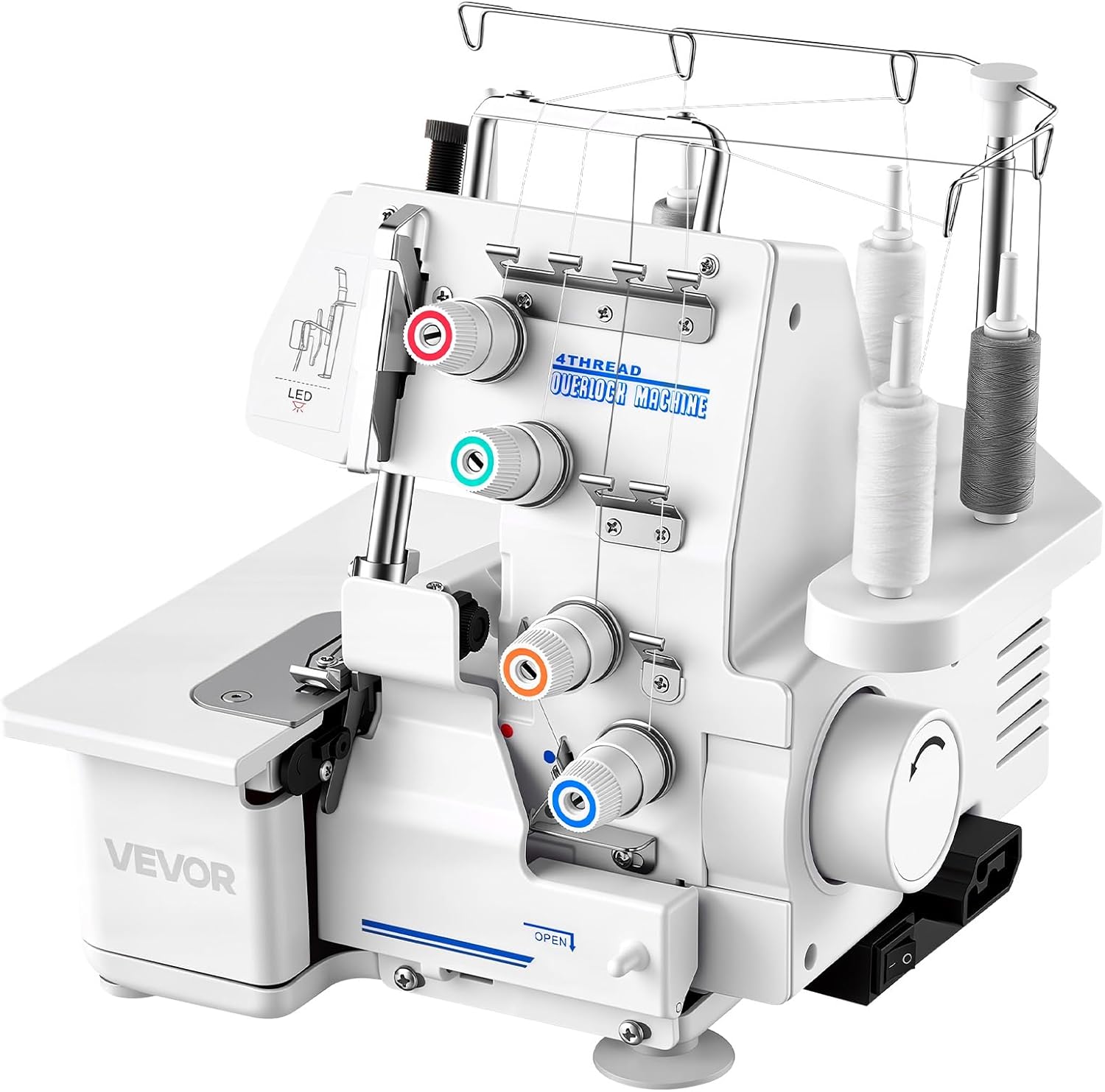
| Thread capability | 3 and 4 thread |
|---|---|
| Max speed | 1,250 stitches per minute |
| Motor power | 112W |
| Stitch options | Overlock, rolled hem, edging, lettuce hem |
The VEVOR serger is a budget-focused overlock machine that combines 3- and 4-thread versatility with a claimed top speed of 1,250 stitches per minute and a 112W motor for steady, fast finishing. It is set up for common serging tasks—overlock, rolled hem, edging, and lettuce hem—and includes color-coded threading guides, an adjustable presser foot, and a bright LED light to help with visibility while working on lightweight sheers or heavier denim. The iron-and-plastic housing reduces vibration and gives the unit a more stable feel than many pure-plastic designs, and the accessory kit includes needles, spare knives, hex wrenches, and a foot pedal so you can start sewing right away. Expect a learning curve with threading and tension when switching stitch types, and the compact footprint means it handles small to medium projects but may feel limited for large-volume industrial work. For a home sewist wanting heavy-duty-feeling construction on a budget, this serger covers the essentials without extra bells and whistles.
Best for: Buyers who want a durable-feeling home serger that handles a variety of fabrics and common overlock finishes without paying for pro-grade industrial equipment.
Less Ideal for: People who need continuous, high-volume industrial sewing or a full-size production serger should look at heavier commercial models instead.
- Supports 3- and 4-thread configurations for versatile edge finishes
- Color-coded threading guides simplify setup
- 112W motor with up to 1,250 SPM for relatively fast stitching
- Iron-reinforced body reduces vibration for steadier operation
- Includes a comprehensive starter accessory kit
- Compact size may limit comfort for very large projects
- Not intended for continuous industrial production
Verdict: A capable, budget-friendly serger that delivers versatile 3/4-thread overlocking and solid construction for home heavy-duty sewing under $200.
VEVOR Computerized Sewing Machine 1120
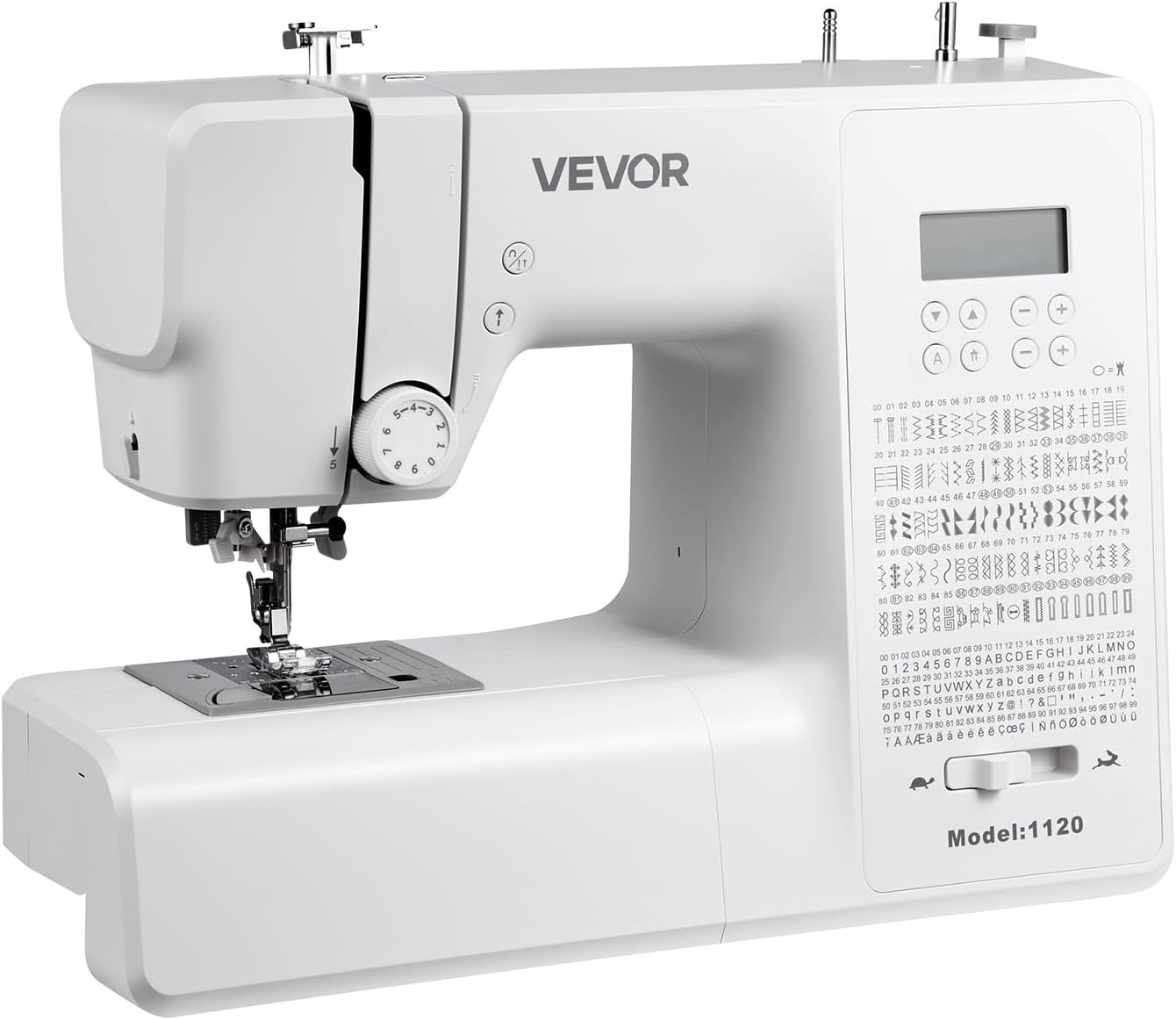
| Built-in stitches | 200 |
|---|---|
| Power Source | ac |
| Included components | Presser feet, bobbins, needles, foot pedal, power cord, tools |
| Material | Plastic (external) |
This VEVOR computerized sewing machine is a feature-packed unit aimed at users who need robust everyday performance without stepping up to industrial gear. It offers 200 built-in stitches including utility, decorative, lettering, and eight one-step buttonholes, selectable via a clear LCD that also shows stitch settings. The machine uses a heavy-duty metal internal frame and a relatively powerful motor to handle fabrics up to about 0.16 in thick, so it will manage multiple layers of denim and midweight upholstery tasks better than basic models. Practical touches like an automatic needle threader, clear horizontal bobbin, LED work light, twin-needle capability, and free-arm conversion make setup and common repairs or garment work faster. The package includes several presser feet, extra bobbins and needles, and basic tools so you can start sewing right away. Expect a learning curve to navigate 200 stitch options and occasional limits when pushing truly heavy industrial fabrics, but for home projects that demand steady, higher-force stitching this model gives solid performance for the price.
Best for: Buyers who prioritize stronger home-shop performance and need a versatile machine that can tackle midweight to thicker fabrics for mending, garment sewing, and small upholstery projects.
Less Ideal for: Users seeking an industrial production machine for continuous high-volume manufacturing or those who only need a very simple beginner machine for occasional light mending.
- 200 built-in stitch patterns including decorative and utility options
- Heavy-duty internal metal frame for steadier stitching under load
- Automatic needle threader and clear horizontal bobbin for quicker setup and monitoring
- Includes useful accessories and multiple presser feet so it is ready to use out of the box
- LED work light and free-arm mode for detailed and garment work
- Motor and spec sheet do not match industrial-class machines for continuous high-volume production
- Large stitch library can be overwhelming for beginners without referring to the manual
Verdict: A heavy-duty-feeling, well-equipped computerized home sewing machine that delivers strong, versatile stitching for thicker fabrics at a value-oriented price.
FEIYUE FYe350 Sewing Machine

| Power Source | Corded Electric |
|---|---|
| Input Voltage | 120 volts |
| Built-in Stitches | 23 |
| Motor Power | 100W |
The FEIYUE FYe350 is a full-featured home sewing machine aimed at heavy-duty use without a complex interface. It uses a 100W energy-saving servo motor and a metal interior frame to deliver high torque for sewing thick materials like denim and canvas while allowing ultra-low-speed control for precision work. The machine includes practical conveniences such as an automatic needle threader, drop-in bobbin, 1-step buttonhole, adjustable presser foot pressure, dual LED lights, removable free arm, and an electronic stepless foot pedal for smooth speed control. It ships with useful accessories including multiple presser feet, extra bobbins and needles, and a screwdriver, making it ready for most beginner-to-intermediate projects right away. Safety features like thread jam protection that stops the motor and blinks a light help protect the mechanism and simplify troubleshooting. Trade-offs are a mostly mechanical control set rather than a digital interface and a plastic exterior, so users who want touchscreen menus or premium finishes may prefer higher-end models, but for straightforward, durable sewing performance this machine covers the essentials well.
Best for: Buyers who prioritize durable, no-nonsense sewing performance for garments, home projects, and working with thicker fabrics and who want a machine that arrives ready to sew.
Less Ideal for: If you want a computerized machine with an LCD, stitch memory, or premium all-metal exterior for heavy industrial use, consider a higher-end model instead.
- Powerful 100W servo motor and metal interior frame for sewing thick or multiple-layer fabrics.
- Energy-saving servo design claims improved efficiency and lower power draw than induction motors.
- Convenient features for real use: automatic needle threader, drop-in bobbin, 1-step buttonhole, and adjustable presser foot pressure.
- Comes with starter kit accessories (bobbins, needles, multiple presser feet) so it is ready to use out of the box.
- Mostly mechanical controls and no digital display for stitch selection or memory.
- Plastic exterior increases portability but reduces the premium feel compared with fully metal-bodied machines.
Verdict: Choose the FYe350 if you need a practical, heavy-duty home sewing machine that handles thick fabrics and comes ready to use.
HCYHSLH Heavy Duty Bag Sewing Machine

| Power Source | Electric power |
|---|---|
| Input Voltage | 110 volts |
| Material | Cast Aluminum |
| Stitch Speed | 2,600 stitches per minute |
This compact industrial-style sewing machine is built to sew and seal woven sacks, canvas, leather and other thick materials at high speed using a pure copper motor rated for continuous work. It is typically used by small warehouses, logistics operations, or home workshops to close packages and repair heavy textiles; controls include a handwheel for needle-bar height and an adjustable stitch presser to change stitch width. Notable features are a reported top speed of 2,600 stitches per minute, both manual and automatic thread secant modes, a comfort-grip handle for one-handed operation, and a small footprint that makes it easy to carry and store. Practical benefits include faster sealing of bags than handheld tools, adaptable stitch spacing for different materials, and a basic parts kit with spare blades and thread spools. Important limitations are modest industrial build compared with full-size factory machines, minimal electronic controls or safety interlocks, and a compact work area that may not suit very large or thick assemblies.
Best for: Buyers who need an affordable, portable sealer for frequent bag closure and heavy textile repairs and who prioritize speed and basic durability over industrial-grade automation.
Less Ideal for: Businesses that require heavy continuous production on full-size factory lines or users who need advanced electronic controls and larger work areas.
- High stitching speed up to 2,600 stitches per minute for fast sealing
- Pure copper motor intended for heat resistance and prolonged use
- Both manual and automatic thread-cutting modes for flexible operation
- Compact and lightweight design for easy portability and storage
- Includes basic accessories: extra blades, thread spools and timing belt
- Smaller, lighter construction is less robust than full-size industrial machines
- Limited electronic controls and safety features compared with factory equipment
Verdict: A fast, budget-friendly portable bag sewing machine that gives small operations factory-style sealing speed without the cost of full-size equipment.
SINGER Heavy Duty 4411

| Stitch applications | 69 |
|---|---|
| Built-in stitches | 11 |
| Top drop-in bobbin | Yes |
| Power source | Corded Electric |
The SINGER Heavy Duty 4411 is a no-nonsense mechanical sewing machine designed to handle both light and heavy fabrics. It delivers up to 1,100 stitches per minute and offers 69 stitch applications for basic, stretch, and decorative work, making it useful for mending, garment construction, and home-decor projects. The machine's heavy-duty interior metal frame and stainless steel bed plate help keep stitching stable when sewing denim, canvas, or multiple layers, and the top drop-in bobbin with a transparent cover makes thread monitoring straightforward. Included accessories like four presser feet, bobbins, needles, and a seam ripper cover most starter needs, while LED lighting improves visibility. Because it is mechanically simple, it is durable and easy to maintain, though it lacks computerized features and advanced stitch customization found on higher-end models. The 4-step buttonhole is basic but reliable for everyday use. For buyers who want speed and rugged construction in a compact package, the 4411 offers practical performance without extra complexity.
Best for: Practical sewists who prioritize a rugged, reliable machine for frequent use on denim, canvas, and multi-layer projects and who value speed and straightforward mechanical controls over electronic bells and whistles.
Less Ideal for: If you want touchscreen controls, automatic stitch programming, or extensive built-in stitch editing, look at computerized machines instead.
- Powerful motor with high-speed stitching up to 1,100 stitches per minute
- Heavy-duty interior metal frame and stainless steel bed plate for stable, skip-free sewing on thick fabrics
- Top drop-in bobbin with transparent cover for easy thread monitoring
- Includes essential accessories (four presser feet, bobbins, needles) so you can start projects right away
- Mechanical controls limit fine digital stitch customization
- 4-step buttonhole is simple compared with automated buttonhole systems
Verdict: Buy this if you want a fast, workhorse mechanical machine that reliably handles heavy fabrics without extra complexity.
FEIYUE FYe310 Sewing Machine

| Power Source | Corded Electric |
|---|---|
| Input Voltage | 120 volts |
| Included Components | Embroiderer Plate, Bobbins(6pcs), Needle Box(3 needles), Multi-function Screwdriver, 5 Presser Feet |
| Material | Metal, Plastic |
The FEIYUE FYe310 is a compact full-size sewing machine meant for home projects and repairs. It uses an energy-saving servo motor with overload protection so the machine will warn and lock the handwheel if a jam or heavy load is detected, which helps prevent motor or needle damage during use. The FYe310 includes an automatic needle threader and 25 built-in stitches covering basics, decorative, and stretch patterns, so it handles garment mending, simple alterations, and light craft work without fiddly setup. Its metal-framed design and higher-torque motor assist feeding through heavier fabrics like denim and canvas, and the package includes multiple bobbins, needles, and five presser feet so you can start sewing immediately. Expect typical consumer-level limitations: controls are basic rather than computerized, there is no mention of speed control or LCD, and detailed durability over years of frequent heavy use is unproven. For home sewers who want a budget-capable, heavier-feed machine, the FYe310 balances power and convenience in a small footprint.
Best for: Buyers who want a budget-friendly, heavier-feed home sewing machine that handles denim and canvas and prioritizes practical protections and easy setup over advanced digital features.
Less Ideal for: People who need a computerized machine with a large built-in stitch library, precise digital controls, or who plan intensive commercial production work.
- Energy-saving servo motor with intelligent overload protection prevents motor and needle damage
- Automatic needle threader speeds setup and reduces eye strain
- Metal frame and higher-torque motor improve feeding through thicker fabrics like denim
- Includes useful accessories (multiple bobbins, needles, and five presser feet) so it is ready to sew out of the box
- Basic mechanical controls with no LCD or advanced computerized features
- Manufacturer history and long-term reliability under heavy daily use are not well documented
Verdict: A practical, energy-efficient full-size machine that gives home sewists durable feeding and easy setup for heavier fabrics at a budget-friendly level.
FunSealer Bag Sewing Machine GK9S-110v

| Power | 190W |
|---|---|
| Voltage | 110V AC |
| Sewing thickness | 0.2–10 mm |
| Sewing speed | 1500–1700 needles/min |
| Needle pitch width | 6–11 mm |
The FunSealer GK9S-110v is a portable, heavy-duty bag sewing machine built for sealing sand, burlap, woven and kraft bags in warehouses or small packing operations. It runs on 110V AC with a 190W motor and delivers high-speed stitching (about 1500–1700 needles per minute) using a single chain stitch and vinylon thread; the package includes spare needles, spare parts, lubricating oil and thread so it is ready to use. In practice the unit is handheld and easy to maneuver over bag mouths, cuts thread automatically after sewing, and can handle layered materials from about 0.2mm up to 10mm thickness. The machine is compact and relatively lightweight for a commercial sealer, making brief sealing runs comfortable, but it is a single-stitch, specialist tool rather than a general-purpose household sewing machine. Expect industrial sound levels during use and prepare for routine maintenance such as oiling and occasional needle or thread replacement when used heavily.
Best for: Buyers who need a reliable, ready-to-run handheld sealer for routine bag closing in small warehouses, farms, or packing stations and prefer a straightforward commercial tool with included consumables.
Less Ideal for: People looking for a multipurpose home sewing machine or quiet office equipment should consider other models built for garment or delicate sewing tasks.
- Designed for bag sealing across materials like burlap, sand and kraft bags
- Includes thread, spare needles and spare parts for immediate use
- Fast stitching speed that seals a typical 24-inch bag in about two seconds
- Compact, handheld form factor makes it easy to move around packing stations
- Produces industrial noise and vibration typical of portable bag sealers
- Not suitable for fine domestic sewing or decorative stitching
Verdict: A compact, ready-to-use heavy-duty bag sealer that delivers fast, reliable stitch sealing for small packing operations under $200.
Choosing the Right Heavy-Duty Sewing Machine: Key Factors to Consider
Motor Torque and Speed Control
A machine's motor torque determines how well it will penetrate thick layers like denim or upholstery. Higher torque reduces the chance of stalled needles when you hit seams or multiple fabric layers, and variable speed control helps you manage tricky sections without sacrificing power.
Look for machines with clear speed dials or foot-pedal responsiveness that let you slow down for corners and start seams gradually. If you often sew heavy materials, prioritize torque over top-line stitch-per-minute ratings because raw speed without power leads to skipped stitches and frustrating jams.
Frame and Chassis Construction
The materials and internal framing affect vibration, needle stability, and long-term durability. Machines with partial or full metal frames resist flexing when sewing thick fabrics, which helps maintain consistent stitch length and reduces wear on moving parts.
A stable chassis also makes routine maintenance easier because parts remain aligned over time. When evaluating budget-oriented heavy-duty models, check for reinforced components around the needle bar and feed mechanism rather than relying solely on plastic housings.
Stitch Quality and Tension Control
Consistent stitch length and predictable tension settings matter more than a long list of decorative stitches for heavy-duty work. Proper tension control prevents loops, puckering, and skipped stitches when switching between thin and thick layers.
Choose machines with accessible tension dials and a reliable top-feed and bobbin system. The ability to fine-tune tension quickly during a project saves time and reduces waste, especially when you interchange fabrics or thread weights.
Needle, Bobbin, and Foot Compatibility
Using the correct needle type and presser foot is essential for penetrating heavy fabrics and holding multiple layers evenly. Machines that accept heavier needle sizes and thicker thread will perform better and produce faster, cleaner seams.
Also consider bobbin capacity and how easy it is to change bobbins. A larger-capacity bobbin or a quick-access bobbin case reduces interruptions during long jobs. Availability of compatible feet, like walking feet or specialized presser feet, expands what you can sew without forcing awkward workarounds.
Ease of Use and Maintenance
Heavy-duty sewing often means more frequent maintenance, so easy access to the bobbin area, removable plates, and user-serviceable oil points are important. Straightforward threading paths, clear markings, and simple stitch selectors reduce setup time and lower the learning curve.
Consider how intuitive the controls are if multiple users will operate the machine. Also check whether the common wear parts are easy to replace and whether the machine design simplifies cleaning lint and trapped threads from feed dogs and the bobbin area.
Attachment Options and Included Accessories
A practical heavy-duty machine should come with a useful set of accessories that support thicker materials. Items such as extra heavy needles, alternate presser feet, a seam ripper, and sturdy bobbins add immediate value and reduce the need for aftermarket purchases.
Evaluate the quality of included accessories. Poor-quality feet or needle packs may limit the machine's usefulness out of the box. Machines that allow attachment of aftermarket feet like walking feet or edge guides increase versatility for upholstery and bag-making projects.
Why a Dedicated Heavy-Duty Machine Matters
A machine designed for heavy-duty work is built around force and stability rather than extras like a wide array of decorative stitches. The key differences you will notice in practice are fewer skipped stitches on thick seams, less vibration when pushing through multiple layers, and more consistent stitch tension across material transitions.
If you expect to sew jeans, canvas bags, or upholstery, a dedicated heavy-duty unit reduces the time you spend nursing stuck needles or troubleshooting tension. It also prolongs the life of needles and reduces wear on the motor compared with using a lightweight hobby machine for the same tasks.
- Better penetration of dense fabrics
- Reduced skipped stitches and jams
- Longer component life under frequent heavy use
Practical Upgrades and Add-Ons That Pay Off
Certain accessories can dramatically improve performance for heavy fabrics. A walking foot evens out fabric feeding for thick or multi-layer projects. Heavy-duty needles and stronger thread are an inexpensive way to avoid broken needles and weak seams.
Also consider using a nonstick presser foot for coated fabrics and a magnetic seam guide to keep long seams straight. Investing in a good set of heavy needles and a few specialty feet will yield better results than chasing features that look good on spec sheets but do not add strength.
- Walking foot for even feeding
- Heavy needles and polyester or bonded thread
- Nonstick foot for coated or sticky fabrics
Thread and Needle Choices for Thick Materials
Thread weight and needle selection are often the cause of poor stitch results, not the machine itself. For denim or canvas, choose heavier needle sizes and matched polyester or bonded thread that resists abrasion. Thicker threads fill stitch cavities better and produce stronger seams.
Change the needle regularly when working with rough fabrics and inspect it for burrs or bending. A damaged needle will cause skipped stitches and can damage the machine throat plate over time. Keep a small selection of sizes on hand so you can match the needle to the specific fabric layers you are sewing.
- Match needle size to fabric weight
- Use polyester or bonded thread for strength
- Replace needles frequently when sewing rough materials
Maintenance Habits That Keep Machines Running
Regular maintenance prevents common problems that become more pronounced under heavy use. Clean lint from the feed dogs, bobbin area, and under removable plates after long sessions, and follow the manufacturer's guidance for oiling accessible moving parts if applicable.
Replace needles often, check tension settings after material or thread changes, and keep a basic toolkit with screwdrivers and a soft brush. A small habit like clearing lint at the end of each project greatly reduces skipped stitches and feeding issues.
- Clean bobbin area and feed dogs regularly
- Follow recommended oiling schedule for moving parts
- Keep spare needles and a simple tool kit nearby
When to Seek Professional Service
Some problems benefit from professional attention, especially if the machine shows signs of misaligned timing, slipping belts, or persistent noise that cleaning and basic adjustments do not fix. Heavy-duty usage accelerates wear on internal parts, and a trained technician can diagnose timing and motor issues properly.
If you notice consistent skipped stitches after trying new needles and adjusting tension, or if the machine vibrates excessively on normal loads, schedule a service check. Routine professional tune-ups extend a machine's usable life and restore reliable performance for demanding projects.
- Persistent skipped stitches after basic troubleshooting
- Excessive vibration or unusual noises
- Slipping or hesitation under load
How We Chose the Best Heavy-Duty Sewing Machine
We started by focusing on machines built to handle heavier fabrics and frequent household sewing tasks. Our editorial filters prioritized mechanical robustness, motor torque and speed control, and a solid metal or reinforced chassis that reduces vibration and improves needle stability. We evaluated stitch performance including consistent length and tension across materials, the range of stitch options needed for repairs and finishing, and the compatibility of the bobbin and needle systems with heavy threads. Ease of use was a key criterion, so we looked for clear dials, easy threading, and reliable feed dogs that reduce skipped stitches. We also considered maintenance factors such as access for cleaning, availability of replacement parts like presser feet and needles, and the simplicity of routine upkeep. We excluded lightweight hobby machines and units with insufficient torque or plastic-only frames that are likely to struggle with denim or canvas. Machines that lacked basic durability features or had consistently poor user feedback on stitch reliability were omitted. The final list reflects items that meet the above criteria and represent durable, practical choices for sewers needing heavy-duty performance on a budget.
Our full evaluation process is outlined in our review methodology.
FAQ
Can a budget heavy-duty machine sew multiple layers of denim?
Often yes. Many affordable heavy-duty machines can handle several denim layers, especially with the right needle and thread. Performance depends on motor torque and build quality, so expect better results with machines that advertise reinforced frames and higher torque.
How often should I replace needles when sewing thick fabrics?
Frequently. Needles dull or develop burrs faster on rough materials, so change them every few hours of heavy sewing or immediately if you notice skipped stitches or fabric damage. Keeping multiple sizes on hand prevents delays.
Do I need special thread for upholstery and canvas?
Usually a heavier polyester or bonded thread is recommended because these threads resist abrasion and pull-through better than lightweight cotton. Bonded threads also help maintain seam strength for items that will see heavy use.
Is a metal frame necessary for heavy-duty sewing?
Not always required, but a metal or reinforced frame improves stability and reduces flex when sewing thick seams. Machines with partial metal framing often outperform fully plastic units in durability and stitch consistency.
Will a walking foot make a big difference?
Yes for multilayer or slippery materials. A walking foot feeds the top and bottom layers together, reducing shifting and puckering. It is one of the most useful add-ons for heavy fabrics and can greatly improve seam accuracy.
How should I troubleshoot skipped stitches on thick material?
Start by checking needle type and condition, then use an appropriate thread weight and adjust tension. Also confirm the needle is fully inserted and the feed dogs are engaged. If problems persist after these steps, the motor or timing may need professional inspection.
Final Verdict
When shopping for a heavy-duty sewing machine under $200, prioritize motor torque, a stable frame, and reliable stitch and tension control. Accessories and compatibility with heavier needles and threads often matter more than a long list of decorative stitches. Expect tradeoffs at this price point: you may sacrifice bells and whistles in favor of sturdier components and straightforward controls. Choose the machine that best matches the kinds of heavy fabrics you sew and the maintenance practices you can commit to, and you will get durable, consistent results for repairs and projects.