
Note: This article contains affiliate links. If you click on these links and make a purchase, we may earn a small commission at no extra cost to you. This helps support our research and content. Read our full affiliate disclosure here.
If you store wine regularly or want a dedicated cellar-style cabinet, a high-end 24-inch built-in wine cooler makes a big difference in bottle longevity and serving readiness. You want accurate temperatures, quiet operation, and rack layouts that handle a mix of standard and larger-format bottles without wasting valuable space. This guide presents five top-performing 24-inch built-in wine coolers that meet demanding storage needs and integrate cleanly into kitchen or bar cabinetry. We evaluated each pick on temperature control, storage flexibility, and installation readiness to help you find the right match for your built-in space.
Top Picks at a Glance
| Best Overall The best all-around choice for most situations | Velieta 24 Inch Dual Zone Wine Cooler | 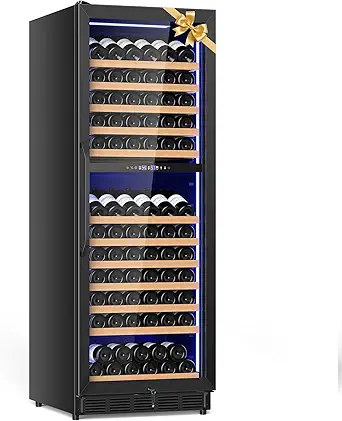 |
| Best Quality Built to a higher standard if you want something more solid | Zephyr Presrv 24 Inch Wine Fridge |  |
| Best Value The sweet spot between price and what you get | ORYMUSE 24 Inch Wine Fridge |  |
| Top Rated A top-rated pick with lots of positive feedback | Yeego 24 Inch Wine Fridge |  |
| Best Seller A high-volume bestseller chosen again and again | Kalamera 24" Dual Zone Wine Cooler |  |
Velieta 24 Inch Dual Zone Wine Cooler
| Configuration | Freezerless |
|---|---|
| Cooling Method | Compressor |
| Number Of Shelves | 12 |
| Voltage | 115 volts |
| Power Source | Corded Electric |
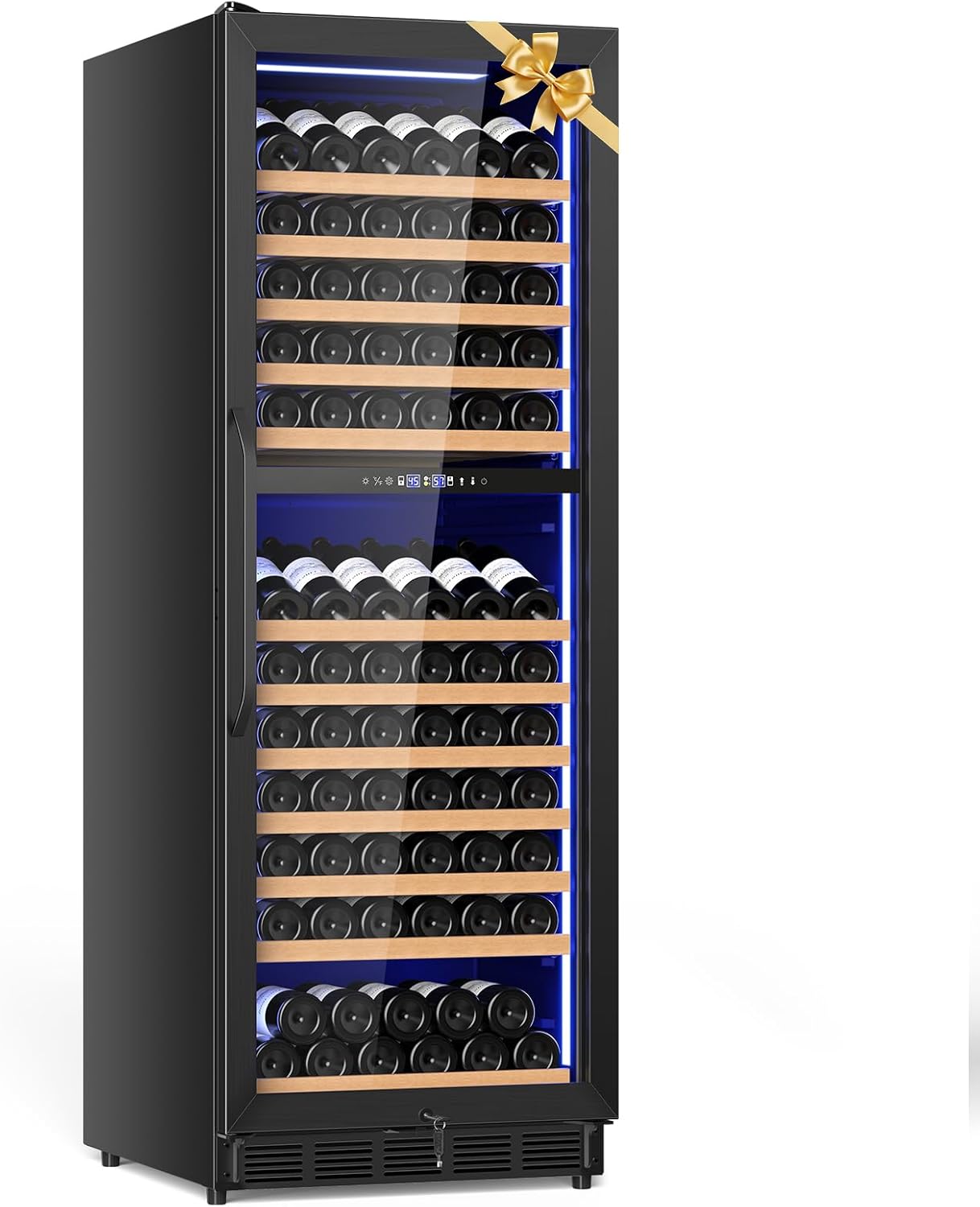
This Velieta 24 Inch Dual Zone Wine Cooler is a compressor-driven fridge that splits the cabinet into two independently controlled temperature zones so you can store whites and reds at their ideal serving temperatures. It is built around a powerful, low-noise compressor and claims ±1°F accuracy, with an LED touchscreen control and blue interior lighting for display and preservation. The cabinet holds a very large collection on 12 beechwood shelves and two display shelves, and smooth slide rails make bottle access easier. Front ventilation and the option to install freestanding or built-in add installation flexibility, and the keyed lock helps prevent accidental changes. Practical drawbacks include its very large capacity and footprint, which require planning for placement and may be more than most home collectors need, and the product information does not list an energy efficiency certification. For collectors who want a spacious, quiet dual-zone cooler with display features, this is a capable option; buyers needing a smaller, more efficient undercounter solution should look elsewhere.
Best for: Buyers assembling or expanding a serious wine collection who prioritize precise dual-zone temperature control, quiet compressor performance, and a display-friendly cabinet.
Less Ideal for: Those needing a compact undercounter cooler or a small secondary fridge for occasional use should consider smaller, lower-capacity models instead.
- Independent dual temperature zones for storing whites and reds at different temperatures
- Large 13.5 cu ft capacity with 12 beechwood shelves and display shelves for extensive collections
- Quiet, compressor-based cooling with claimed ±1°F accuracy
- LED touchscreen controls, blue ambient lighting, and slide rails for easy access
- Front ventilation and freestanding or built-in installation flexibility
- Very large capacity and physical footprint may be excessive for casual collectors
- No listed energy efficiency certification in the product details
Verdict: Choose this Velieta dual-zone cooler if you need a spacious, quiet, and display-ready compressor wine refrigerator that keeps whites and reds at precise serving temperatures.
Zephyr Presrv 24 Inch Wine Fridge

| Capacity | 5.6 cubic feet |
|---|---|
| Temperature range | 34° – 50° F |
| Cooling method | Compressor |
| Installation type | Freestanding |
| Energy certification | ENERGY STAR® Certified |
The Zephyr Presrv 24-inch wine fridge is a performance-focused under-counter cooler that keeps wine and beverages at stable service temperatures. It uses a compressor-based cooling system with an inverter and centrifugal compressor for responsive temperature control, and a vibration-dampening system to protect delicate wines. The cabinet accepts wood and glass shelving, offers full-extension wood racks, and provides digital capacitive touch controls plus a door-open alarm for reliable daily operation. Built-in features such as dual-pane low-e argon-filled glass and a carbon filter air filtration system help maintain consistent internal conditions and reduce UV exposure and odors. The unit is Energy Star certified and includes selectable 3-color LED lighting for presentation. Trade-offs are its weight and footprint for true built-in installation and a higher energy consumption figure compared with some ultra-efficient models, but the Presrv prioritizes temperature accuracy, shelving flexibility, and low vibration for buyers who value cellar-like storage in a 24-inch form factor.
Best for: Buyers who prioritize cellar-quality temperature stability and low vibration in a 24-inch built-in wine cooler and who want flexible shelving and presentation features for a mixed wine and beverage collection.
Less Ideal for: Shoppers seeking the lightest, most energy-sipping countertop cooler or a very compact portable unit should consider simpler models instead.
- Compressor with inverter and centrifugal design for responsive, accurate cooling
- Vibration dampening and full-extension wood racks that protect and organize bottles
- Dual-pane low-e argon-filled glass door and carbon filter for stable, clean internal conditions
- Digital capacitive touch controls, door-open alarm, and selectable 3-color LED lighting
- Relatively heavy and bulky for installation and repositioning
- Listed annual energy number is high compared with some competing high-efficiency coolers
Verdict: Choose the Zephyr Presrv 24-inch if you want a built-in-capable cooler that prioritizes precise, low-vibration storage and flexible shelving for a high-end wine and beverage setup.
ORYMUSE 24 Inch Wine Fridge

| Capacity | 4.9 cubic feet (54 bottles) |
|---|---|
| Temperature Range | 40-65ºF (5-18ºC) |
| Cooling Method | Compressor |
| Installation Type | Built-In or Freestanding |
| Shelves | 6 beech wood removable shelves |
The ORYMUSE 24 Inch Wine Fridge is a mid‑size built‑in or freestanding cooler designed to store up to 54 standard Bordeaux bottles with temperature control between 40 and 65 F. It uses a compressor and forced fan circulation for steady, frost‑free cooling and includes six removable beech wood shelves for flexible storage. A stainless steel frame with double-layer tempered glass door and soft blue LED lighting showcase the collection while helping limit temperature swings, and a digital control panel with memory restores your last setting after power interruptions. The unit offers front ventilation and adjustable feet for undercounter installs, and an upgraded compressor keeps noise relatively low for a compressor model. Expect solid day‑to‑day performance and customizable shelving, but be aware it is a compressor cabinet rather than inverter-driven, and it weighs substantially for its size which matters during installation. The included door lock and ETL/DOE certifications add reassurance for home use.
Best for: Buyers who want a practical, display-ready 24-inch wine cooler that balances storage capacity, steady compressor cooling, and flexible built-in or freestanding installation for a home bar or kitchen.
Less Ideal for: Shoppers seeking the quietest or most energy-efficient inverter-driven units or those who need an ultra-lightweight cabinet for frequent moves should consider other options.
- Holds up to 54 standard 750 ml Bordeaux bottles with six removable beech wood shelves
- Compressor cooling with forced fan circulation for consistent, frost-free temperatures
- Smart digital display with temperature range 40–65ºF and memory restore after power loss
- Built-in or freestanding installation with front ventilation and adjustable feet
- Stainless steel framed double-layer tempered glass door and soft blue LED lighting
- Uses a non-inverter compressor which may be less efficient than inverter models
- Relatively heavy for a 24-inch unit, making installation and moving more difficult
Verdict: A practical 24-inch built-in wine fridge that delivers reliable compressor cooling and flexible undercounter installation while maximizing storage for 54 bottles.
Yeego 24 Inch Wine Fridge

| Capacity | 5.12 cubic feet |
|---|---|
| Bottle capacity | 47 Bottles |
| Temperature range | 40-65°F (5-18°C) |
| Cooling method | Compressor |
| Annual energy consumption | 194 kilowatt hours per year |
The Yeego 24 Inch Wine Fridge is a compressor-based wine cooler that holds up to about 52 standard Bordeaux bottles and fits undercounter or freestanding. It uses a reciprocating compressor and 360° air circulation for fast, even cooling across a 40 to 65°F range, controlled from a front LED touch panel with 1°F increments and power-failure memory. Five wooden shelves are adjustable and removable so you can rearrange for larger bottles, and the dual-pane tempered glass door with a stainless-steel frame blocks most UV light while presenting a clean look. Practical touches include automatic defrost, low-noise operation (around 41–43 dB), adjustable leveling feet and an upgraded front grille for airflow. Trade-offs are that the unit is compressor-based so it will vibrate slightly compared with high-end column coolers, and its stated annual energy use (194 kWh) is moderate rather than ultra-efficient. For someone prioritizing steady, accurate cooling and flexible placement, this cooler is a solid option; buyers who need whisper-quiet thermoelectric operation or the absolute lowest energy draw should compare other technologies.
Best for: Buyers who want reliable, accurate cooling and flexible installation for a medium-sized bottle collection and who prioritize steady temperature control over the absolute lowest energy use.
Less Ideal for: Those seeking the quietest possible thermoelectric coolers or the absolute lowest-energy, most eco-friendly option should consider other technologies.
- Compressor cooling with 360° air circulation for consistent temperature control across the cabinet
- Digital touch controls with 1°F adjustment and power-failure memory for precise setpoint management
- Adjustable wooden shelves that minimize vibration and accommodate different bottle sizes
- Dual-pane tempered glass and stainless-steel frame that reduce UV exposure and present a clean built-in look
- Quiet operation rated around 41–43 dB suitable for home use
- Moderate annual energy consumption (~194 kWh) compared with some more efficient models
- Reciprocating compressor can produce slight vibration compared with thermoelectric systems
Verdict: A dependable 24-inch compressor wine fridge that delivers precise, even cooling and flexible undercounter or freestanding installation for medium collections.
Kalamera 24" Dual Zone Wine Cooler

| Capacity | 5.65 cubic feet |
|---|---|
| Bottle capacity | 46 bottles (approx.) |
| Temperature range (upper) | 40-50°F |
| Temperature range (lower) | 50-66°F |
| Installation type | Built-In, Freestanding |
The Kalamera 24-inch dual-zone wine cooler splits storage into two temperature zones so you can chill whites and reds at different set points, and it is designed for either built-in or freestanding installation. It uses a compressor cooling system and an electronic LED control to set upper and lower zone temperatures (upper 40-50°F, lower 50-66°F). The unit ships with five removable wooden shelves with stoppers and a stainless steel framed reversible glass door with a keyed lock, while soft blue LED interior lighting aids bottle selection. Practical benefits include a relatively large 5.65 cu ft capacity for a 24-inch cabinet, temperature memory after power loss to protect the collection, and the option to install undercounter. Trade-offs are typical for compressor coolers at this size: it requires adequate ventilation when built in and consumes noticeable energy compared with smaller thermoelectric models, and very large-format bottles like some Champagnes may reduce total bottle count. Installation flexibility and the dual-zone control make it a solid all-round choice for home kitchens or bars that need separate temperature storage.
Best for: Buyers who want a flexible undercounter-capable cooler that stores both reds and whites at separate temperatures and value wooden shelving and a lockable stainless-steel door.
Less Ideal for: If you need the quietest, lowest-energy option for a small space or primarily store oversized bottles, consider a smaller thermoelectric unit or a model sized specifically for large-format bottles.
- Dual-zone thermostat for separate red and white storage
- Removable wooden shelves with stoppers to protect bottles when pulled out
- Built-in or freestanding installation option for undercounter use
- Temperature memory after power loss to preserve set temperatures
- Stainless steel framed reversible glass door with keyed lock and interior LED lighting
- Annual energy consumption is relatively high for continuous compressor operation
- Large-format bottles may reduce the advertised 46-bottle capacity
Verdict: A versatile 24-inch built-in-ready dual-zone cooler that balances sizable capacity, wooden shelving, and separate temperature control for buyers who want one undercounter unit to store both reds and whites.
Choosing the Right High-End 24-Inch Built-In Wine Cooler: Key Factors to Consider
Temperature Stability
Consistent temperature is the single most important factor for long-term wine storage. Fluctuations can accelerate chemical reactions that degrade wine, so look for coolers with tight thermostat tolerances and proven cooling systems that maintain setpoints over days and weeks.
Units with dual-zone capability are beneficial if you store both reds and whites at different setpoints. Also consider how the cooler performs when the surrounding room temperature varies, since built-in units mounted near ovens or refrigerators may face higher heat loads.
Storage Capacity and Rack Layout
Total bottle capacity matters, but equally important is how that capacity is arranged. Shelving that slides or is removable makes loading and organizing easier, and mixed-depth racks allow a combination of standard 750 ml bottles and larger formats.
Pay attention to usable capacity rather than headline numbers; some manufacturers count space inefficiently. If you plan to store half bottles, magnums, or champagne, verify that the internal height and shelf spacing accommodate these sizes without compromising overall capacity.
Vibration and Acoustic Performance
Vibration can disturb sediment and subtly affect aging, while noise impacts placement options in living areas. Compressors, fans, and poorly damped components are common vibration sources, so high-end units often include vibration-reduction mounts and low-vibration compressors.
Check published noise ratings when available and assess reported user experiences for hum or intermittency. For installation in open-plan kitchens, choose models engineered for quiet cycling to keep ambient noise low.
Installation and Built-In Fitment
Built-in coolers must integrate with cabinetry and ventilation constraints. Confirm whether a unit requires front-venting or can be fully enclosed; many 24-inch built-in models are designed for zero-clearance or flush installation but still need specific air flow paths.
Also consider door swing, hinge type, and whether the cooler can be panel-ready to match surrounding cabinetry. Professional-style fitment features reduce onsite adjustments and potential service calls.
Controls, Features, and Usability
User controls determine how easy it is to set and monitor temperatures. Digital thermostats with clear readouts, soft-touch controls, and memory features for setpoints are common on high-end units. Additional features to weigh include interior lighting options, alarm indicators for temperature deviations, and lockable doors for security.
Evaluate whether the control layout is intuitive and whether the unit offers zone independence, Sabbath modes, or other convenience features that matter for daily use.
Dual-Zone Vs Single-Zone Configurations
Dual-zone coolers let you maintain separate temperatures for reds and whites, which is useful if you regularly store both styles. In a 24-inch built-in footprint, dual-zone layouts typically split the interior horizontally so each zone has dedicated shelving and thermostat control.
Single-zone units can offer larger uninterrupted storage capacity and simpler controls, making them a good choice if you mostly collect one wine type or plan to serve at a single target temperature.
- Dual-zone: flexible serving temperatures for mixed collections
- Single-zone: maximum usable space and simpler operation
Ventilation Requirements for Built-In Installations
Proper ventilation prevents heat buildup that can force the compressor to run harder and shorten component life. Some 24-inch built-in coolers channel exhaust air out the front, allowing for tighter cabinetry surrounds, while others need dedicated vent space above or below.
Before buying, measure the recess or cabinet opening and verify clearance recommendations. Consider how adjacent heat sources could affect ambient temperature and whether your cabinet design allows for the required airflow path.
- Verify front-venting capability for flush installs
- Leave recommended clearances to maintain cooling efficiency
Shelf Types and Loading Strategies
Shelving options include solid wood or metal slatted shelves, slide-out racks, and individual cradles. Slide-out racks simplify access to bottles at the back and reduce the risk of accidental tipping when you retrieve a bottle.
Plan your loading strategy before installation. Keep bottles used most often near the front and allocate a zone for short-term chilling and another for long-term storage if the unit supports it.
- Choose slide-out shelves for frequent access
- Reserve deeper shelves for magnums and large formats
Interior Lighting and UV Protection
Interior lighting helps you identify labels without opening the door frequently, but light exposure can harm some wines. High-end coolers typically use low-heat LED lighting and include UV-blocking glass to reduce light-related degradation.
Use interior light sparingly and rely on short inspections rather than prolonged illumination to minimize exposure. If you store delicate or older bottles, prioritize UV protection over decorative lighting features.
- Prefer LED lighting for low heat output
- Look for UV-filtering glass on doors
Maintenance and Filter Considerations
Regular maintenance preserves performance. Check seals for gaps, keep ventilation openings clear of dust, and follow recommended cleaning procedures to avoid mold or off-odors. Filters or screens on some models should be cleaned periodically to maintain airflow and efficiency.
Service access for compressor components and electronics affects long-term ownership costs. Choose units with accessible service panels or clear documentation for routine maintenance tasks.
- Clean ventilation screens every few months
- Inspect door gaskets and replace if compressed or cracked
How We Chose the Best High-End 24-Inch Built-In Wine Cooler
Our selection process focused on real-world storage performance and installation suitability for built-in 24-inch wine coolers. We prioritized temperature stability under varying ambient conditions since consistent cellar temperatures are essential for long-term bottle health. Storage flexibility was another key filter, including adjustable or removable shelving, mixed-bottle capacity, and how well the interiors accommodate both standard and larger formats. Vibration and noise were evaluated because excessive vibration can disturb sediment and high noise levels reduce enjoyment in living spaces. We also examined build quality and integration features such as flush-mount capability, ventilation requirements, and professional-style controls that matter during installation and daily use. We excluded units that are strictly freestanding, have poorly documented installation requirements, or lack precise thermostat control. Budget-focused or entry-level products were not considered because they do not meet the durability and performance expectations buyers have for a high-end built-in cooler. The criteria that mattered most in practice were temperature stability, storage capacity and flexibility, vibration and acoustics, build and integration features, and user controls.
Our full evaluation process is outlined in our review methodology.
FAQ
What temperature should I set a 24-inch built-in wine cooler for mixed storage?
For mixed storage, many buyers use a dual-zone approach with whites at about 45 to 50°F and reds at about 55 to 60°F. If using a single-zone unit, pick a compromise temperature around 52 to 55°F depending on the majority of bottles stored.
Can a built-in wine cooler be installed under a countertop?
Yes, but you must confirm the model supports built-in installation and front ventilation if the surrounding cabinetry limits rear or top airflow. Follow the manufacturer's clearance and ventilation recommendations to avoid overheating.
How much ventilation clearance does a built-in wine cooler need?
Clearance needs vary by design; front-venting models need minimal surrounding space while non-front-venting units require dedicated gaps above or behind the cabinet. Check the unit's installation guide for exact minimum clearances and ensure vents are not obstructed.
Is vibration a serious concern for wine aging in a built-in cooler?
Vibration can be an issue for long-term aging because it may disturb sediment and accelerate chemical reactions. High-end built-in coolers often include vibration-dampening features and low-vibration compressors to minimize this risk.
How should I arrange bottles to maximize capacity and access?
Use sliding shelves for easy access, store frequently used bottles near the front, and allocate deeper or adjustable shelves for larger formats. Avoid overstacking so air can circulate freely between bottles.
Final Verdict
Prioritize temperature stability, storage flexibility, and proper ventilation when choosing a high-end 24-inch built-in wine cooler. Decide whether dual-zone control is essential based on the balance of reds and whites in your collection, and factor in noise and vibration if the cooler will sit in living spaces. Finally, confirm fitment details such as venting style and door swing to ensure a smooth installation. With these priorities in mind, you can select a durable built-in cooler that protects bottles and integrates cleanly with your cabinetry.