
Note: This article contains affiliate links. If you click on these links and make a purchase, we may earn a small commission at no extra cost to you. This helps support our research and content. Read our full affiliate disclosure here.
If you make beet juice regularly, the juicer you choose affects how much juice you get, how easy the machine is to clean, and how often you can use it without fuss. This guide focuses on models suited to extracting beets efficiently and reliably, with attention to yield, pulp dryness, and straightforward maintenance. Below are the top shortlisted juicers for beets that met our selection standards. We evaluated each option for extraction performance, cleaning time, and durability to help you pick the right machine for regular beet juicing. Read on for details on what to consider and practical tips for getting the most from your juicer.
Top Picks at a Glance
| Best Overall The best all-around choice for most situations | NAMA J2 Cold Press Juicer |  |
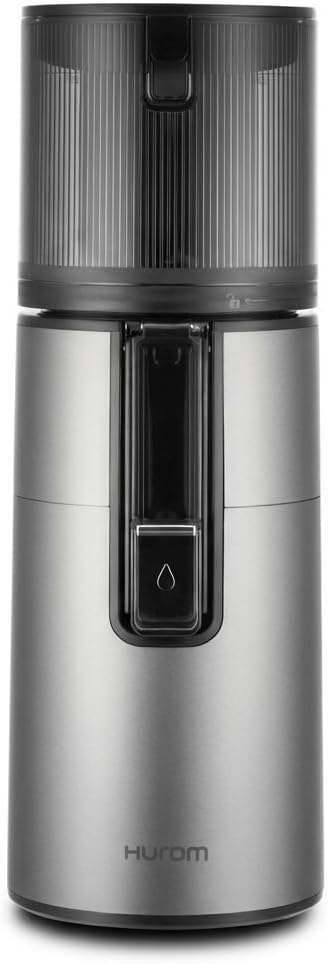
| Best Quality Built to a higher standard if you want something more solid | Hurom H400 Slow Juicer |  |
| Best Value The sweet spot between price and what you get | TUUMIIST Cold Press Juicer TM-780SJ | 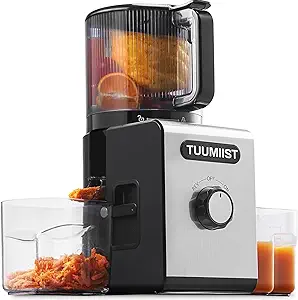 |
| Best Budget The cheapest option that still gets the job done reliably | QCen 500W Centrifugal Juicer KS-501 | 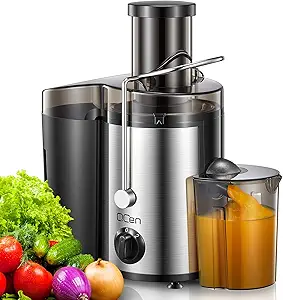 |
| Top Rated A top-rated pick with lots of positive feedback | Breville Juice Fountain Plus JE98XL |  |
| Most Popular A crowd favorite that many people choose with confidence | Hamilton Beach Big Mouth Juicer 67601A |  |
| Best Seller A high-volume bestseller chosen again and again | EanOruus 3-in-1 Masticating Juicer |  |
NAMA J2 Cold Press Juicer

| Wattage | 200 watts |
|---|---|
| Power Source | Corded Electric |
| Voltage | 120 |
| Number of Speeds | 1 |
| Capacity | 30 fluid ounces |
The NAMA J2 is a slow masticating juicer built for hands-free juicing of fruits and vegetables, including tougher root vegetables like beets. It uses a single auger at about 50 RPM driven by a 200 W motor to press produce slowly, which reduces heat and preserves nutrients while maximizing yield. The wide self-feeding hopper accepts larger pieces or whole recipes so you can load and walk away, and included strainers and containers make it straightforward to separate juice and pulp. Parts are mostly stainless steel and Tritan and are designed for quick rinsing and light scrubbing; a cleaning brush and quick-release assembly speed up cleanup. Because it runs at low speed it operates quietly, but the single speed limits control for very soft or very hard ingredients compared with multi-speed models. The 30 fl oz capacity and durable construction suit regular home use, and its hands-free design is especially useful when making larger beet batches where continuous feeding would be tedious.
Best for: Home cooks who want a reliable, hands-free cold-press juicer that maximizes yield and preserves nutrients for regular vegetable and root juicing, including beet-centric recipes.
Less Ideal for: Buyers who need variable speed control for delicate or very hard ingredients or prefer fully dishwasher-safe parts should consider different designs.
- Self-feeding wide hopper enables hands-free loading for multi-ingredient or large batches
- Low 50 RPM masticating action preserves nutrients and increases juice yield from leafy greens and roots
- 200 W motor provides steady, quiet operation suitable for daily use
- Includes multiple strainers, juice and pulp containers, and a cleaning brush for easier cleanup
- Durable materials (stainless steel, Tritan) and quick-release parts simplify maintenance
- Single speed offers less control for very soft or very hard ingredients compared with multi-speed juicers
- Hand-wash-only parts may require more effort than dishwasher-safe components
Verdict: Choose the NAMA J2 when you want a hands-free, nutrient-preserving cold press juicer that extracts high yield from beets and other vegetables with minimal noise.
Hurom H400 Slow Juicer
| Special Features | Masticating |
|---|---|
| Wattage | 150 watts |
| Power Source | Corded Electric |
| Voltage | 120 volts |
| Controller Type | Button |
The Hurom H400 is a cold-press masticating juicer built to extract juice gently from hard and soft produce with a self-feeding hopper and a low-speed auger. In day-to-day use it handles whole or roughly cut fruits and vegetables, and the slow 90 RPM-style operation reduces heat and foam so juice keeps longer and retains more nutrients. The design emphasizes easy cleaning and assembly, with included juice and pulp containers and a cleaning brush, and the unit runs quietly on its 150-watt motor so it is unobtrusive during morning prep. Because it is strainer-free and claims higher yield and superior pulp management, you can expect efficient beet and root extraction with less clogging than centrifugal models, though masticating juicers are inherently slower per batch. The H400 is corded and uses button controls for straightforward operation, and most removable parts require hand washing. If you want concentrated, high-quality beet juice and are willing to trade faster throughput for better yield and quieter, nutrient-preserving extraction, this model delivers.
Best for: Buyers focused on maximum extraction and nutrient retention from hard, fibrous produce who value quiet operation and easy pulp management over speed.
Less Ideal for: Those who need very fast, high-volume throughput or fully dishwasher-cleanable parts should consider other styles or models.
- Masticating design yields more juice and less foam from fibrous produce like beets
- Self-feeding hopper accepts whole or large pieces for convenient loading
- Quiet 150-watt motor suitable for early-morning use
- Strainer-free concept and included cleaning brush simplify cleanup compared with complex strainers
- Lower-speed extraction is slower per batch than centrifugal juicers
- Most removable parts require hand washing rather than dishwasher-safe cleaning
Verdict: Choose the H400 if you want quiet, high-yield cold-press juicing that extracts more from beets and other fibrous roots.
TUUMIIST Cold Press Juicer TM-780SJ

| Special Features | 3-in-1 Versatility, No Mesh Filter, Overheat Protection, Whole Fruit Processing |
|---|---|
| Wattage | 350 watts |
| Voltage | 120 volts |
| Number of Speeds | 60 |
| Capacity | 3 liters |
The TUUMIIST TM-780SJ is a single-auger cold press juicer designed to handle whole fruits and vegetables with minimal prep thanks to its 6.5-inch feed chute and large hopper for batch juicing. It operates at a slow 60 RPM using a 350W motor to minimize heat and oxidation, which helps preserve nutrients and yields more juice from dense produce like beets. The unit includes a single smart strainer that converts between juicing, nut milk, and sorbet modes without swapping many parts, and the quick-release design plus included cleaning brush makes routine cleanup straightforward. Built-in overheat protection improves durability for frequent use, and stainless steel construction gives it a solid feel. Limitations include a relatively modest motor compared with heavy-duty commercial masticators and a primarily plastic hopper and feed assembly that may show wear over long heavy use. For beet juice specifically, the slow extraction and high juice yield make it effective, but very large or continuous professional workloads might benefit from a more powerful, commercial-grade model.
Best for: Buyers who want an efficient home masticating juicer that minimizes prep and maximizes yield for root vegetables like beets while keeping cleaning and setup simple.
Less Ideal for: People who need a commercial-duty juicer for continuous, high-volume production should consider more powerful, pro-oriented machines instead.
- 6.5-inch extra-large feed chute accepts whole fruits to reduce prep time
- 60 RPM slow extraction with 350W motor preserves nutrients and boosts juice yield
- 3-in-1 strainer supports juice, nut milk, and sorbet without many part changes
- Large hopper enables hands-free batch juicing for meal prep
- Quick-release parts and included brush simplify cleaning
- 350W motor is less powerful than commercial-grade juicers for constant heavy use
- Some exterior and hopper components are plastic and may wear with intensive daily use
Verdict: If you want a home cold-press juicer that handles whole produce with high juice yield and easy cleanup, this model is a practical choice for beet-focused juicing routines.
QCen 500W Centrifugal Juicer KS-501

| Maximum Power | 500 watts |
|---|---|
| Power Source | Corded Electric |
| Voltage | 120 volts |
| Number of Speeds | 2 |
| Capacity | 3 liters |
The QCen 500W centrifugal juicer is a compact countertop machine built to quickly turn fruits and vegetables into juice using a high-speed extraction system. It has a 3-inch wide feed chute that reduces prep time by fitting larger pieces and a two-speed motor (about 12,000 and 18,000 RPM) so you can choose a gentler setting for soft produce or the high setting for harder items. Safety features include a locking arm and overload protection, and most parts detach for hand washing. Practical benefits are fast extraction and an efficient motor that handles everyday juicing tasks with minimal fuss. For very fibrous root vegetables like beets, the high-speed setting and stainless steel blade materials help break down firm flesh, but as a centrifugal model it will produce more foam and slightly less yield than slower masticating machines and may require more cleanup from pulp. The unit is compact and straightforward to operate, making it a good fit for budget-conscious users who want quick fresh juice rather than maximum cold-press yields.
Best for: Buyers who want an affordable, fast countertop juicer that handles everyday fruits and firm root vegetables without demanding special care or space.
Less Ideal for: Those who prioritize maximum juice yield and minimal oxidation from beets should consider a slow masticating or cold-press juicer instead.
- 500W motor provides strong extraction power for firm produce
- 3-inch wide feed chute reduces chopping and speeds up prep
- Two-speed control for soft and hard fruits and vegetables
- Stainless steel components and detachable parts for durability and cleaning
- Centrifugal design yields more foam and typically lower juice yield from beets than slow masticating juicers
- Hand wash only for parts rather than dishwasher-safe components
Verdict: A budget-friendly centrifugal juicer with a powerful 500W motor and wide feed chute that gets fresh beet juice quickly for everyday use.
Breville Juice Fountain Plus JE98XL

| Power | 850 watts |
|---|---|
| Number of Speeds | 2 |
| Power Source | Corded Electric |
| Capacity | 1 liters |
The Breville Juice Fountain Plus JE98XL is a straightforward centrifugal juicer built for fast everyday use. It uses an 850W motor with two speed settings so you can switch to low for leafy greens and softer fruits and high for harder roots like beets. The extra-wide 3-inch chute reduces prep time by allowing many fruits and vegetables to be fed whole, and the titanium reinforced disc with a stainless steel micro-mesh filter is aimed at solid juice extraction. The included 35.2 fl oz jug has a built-in froth separator for clearer pours and the pulp container is detachable for straightforward disposal. Controls are simple button-style and many removable parts are dishwasher safe, which keeps cleaning quick after juicing dense produce. Trade-offs are the typical ones for centrifugal machines: it is louder than slow masticating juicers and may yield slightly less juice from tough fibrous roots, but it wins on speed, easy maintenance, and a robust motor that handles frequent use.
Best for: Buyers who prioritize a reliable, high-speed juicer that handles regular use and minimizes prep time will appreciate this model, particularly if they want quick juice from a mix of fruits and hard vegetables.
Less Ideal for: Those after the maximum juice yield from very fibrous roots or the quietest operation should consider slow masticating models instead.
- Powerful 850W motor suitable for hard vegetables
- Extra-wide 3-inch chute reduces chopping and speeds prep
- Titanium reinforced disc and stainless steel mesh for effective extraction
- Dishwasher-safe removable parts simplify cleanup
- Built-in froth separator produces clearer juice pours
- Centrifugal design is louder than masticating juicers
Verdict: A high-speed, reliability-focused centrifugal juicer that makes quick work of beets and other hard produce when you value speed and easy cleanup.
Hamilton Beach Big Mouth Juicer 67601A

| Maximum Power | 800 watts |
|---|---|
| Power Source | Corded Electric |
| Number of Speeds | 1 |
| Included Components | Cleaning Brush, Dishwasher Safe Parts |
The Hamilton Beach Big Mouth Juicer is a straightforward centrifugal extractor built for quick, everyday juicing. Its 3 inch feed chute lets you drop in whole apples, celery stalks, or large carrot pieces which reduces prep time, and the 800 watt motor spins a stainless steel strainer basket to force juice out of both hard and soft produce. Users will appreciate the large pulp bin and dishwasher-safe removable parts plus the included cleaning brush for faster cleanup. For beet juice specifically, the high-speed centrifugal action extracts juice efficiently from firm roots but can introduce more foam and slightly thinner texture than slow masticating machines. The unit has one speed and a simple knob control, so it is easy to operate but offers less finesse for leafy greens and wheatgrass. It includes motor overload protection to prevent damage if overloaded and is backed by a three year warranty. If you want fast, low-effort juicing of beets and common fruits and vegetables, this model gets the job done, though it sacrifices cold-press texture and maximum nutrient-preserving extraction compared with slow juicers.
Best for: Buyers who want fast, low-effort juicing of whole fruits and firm root vegetables like beets and prefer proven, well-reviewed appliances with solid support history.
Less Ideal for: Those seeking the creamiest, nutrient-preserving cold-pressed beet juice or heavy leafy-green juicing should consider a slow masticating juicer instead.
- Extra-large 3" feed chute reduces prepping by fitting whole fruits and large produce pieces
- 800 watt motor extracts juice effectively from hard roots like beets
- Removable parts are dishwasher safe for easier cleanup
- Large pulp bin lets you run longer juicing sessions before emptying
- Centrifugal high-speed extraction can produce more foam and a thinner mouthfeel than slow masticating juicers
- Single speed control limits customization for delicate leafy greens and wheatgrass
Verdict: Choose this Hamilton Beach model if you want fast, hassle-free juicing of whole beets and common produce with minimal prep time.
EanOruus 3-in-1 Masticating Juicer

| Capacity | 100 fluid ounces |
|---|---|
| Wattage | 250 watts |
| Power Source | ac |
| Special Features | Auto-Reversing, Overheat Protection, Whole Fruit Processing |
The EanOruus 3-in-1 masticating juicer is a slow single-auger machine designed for households that want juice, nut milk and sorbet from one device. It accepts whole fruits and vegetables through a 6.5-inch wide chute into a very large 100 oz hopper, which reduces prep and lets you process larger batches for family use or meal prep. The 250W high-torque AC motor and auto-reversing function help it chew through fibrous produce like beets with steady, high-yield extraction while overheat protection adds durability in frequent use. Detachable components and a removable pulp outlet simplify cleaning, though parts require hand washing. Practical limits are its 250W power level, which is typical for masticators but slower than centrifugal models for single-serve speed, and the plastic auger and strainer materials that need careful cleaning to avoid wear. For buyers prioritizing quiet, nutrient-preserving extraction and large-batch capacity, this model delivers consistent results for hard roots and leafy greens.
Best for: Buyers who want quiet, nutrient-focused extraction and the ability to process large batches of hard roots like beets for family or meal-prep use, and who prefer a reliable, easy-to-maintain machine.
Less Ideal for: Those who need the fastest single-serve juicing or prefer metal components and dishwasher-safe parts should consider other models.
- 6.5-inch extra-wide chute reduces prep by accepting large whole fruits
- 100 oz hopper allows large batches for families or meal prepping
- 250W high-torque AC motor provides steady, quiet extraction suitable for hard produce
- Auto-reversing and overheat protection improve reliability during heavy use
- Detachable pulp outlet and removable parts make cleaning and maintenance easier
- Hand wash only for removable parts adds dishwashing time
- Plastic auger and blade materials may wear faster than metal alternatives
- Slower processing speed compared with high-speed centrifugal juicers
Verdict: Choose this juicer if you want a quiet, high-capacity masticating machine that reliably extracts juice and handles hard roots like beets for family-sized batches.
Choosing the Right Juicer for Beets: Key Factors to Consider
Extraction Yield
Extraction yield determines how much juice you get from a given amount of beets. Higher yield means fewer beets are needed per serving, which matters because beets are dense and can be time-consuming to prepare.
Yield is influenced by juicer type and internal mechanics. Machines that crush or masticate slowly tend to squeeze more liquid from fibrous roots, leaving drier pulp. Considering yield helps you estimate running costs in produce and reduces food waste.
Pulp Dryness and Fiber Handling
Pulp dryness indicates how effectively the juicer separates liquid from fiber. For beets, look for machines that produce notably dry pulp, which signals efficient extraction and better nutrient concentration in the juice.
Fiber handling also affects how the device copes with beet fibers that can wrap around components. Good designs reduce clogging and require less manual clearing during long juicing sessions, which makes frequent use less frustrating.
Ease of Cleaning and Maintenance
Beet juice stains quickly, so cleaning matters both for hygiene and aesthetics. Units with fewer parts, dishwasher-safe components, and wide openings are easier to rinse and scrub. Shorter cleaning cycles make daily juicing realistic.
Maintenance includes access to replacement parts and how often seals or brushes must be replaced. Machines with straightforward assembly and clear cleaning paths reduce the time between juice sessions and extend the product's useful life.
Motor Power and Durability
Motor strength affects how smoothly a juicer processes hard roots like beets. Sufficient torque prevents stalling or overheating when fed dense produce and supports continuous operation for multiple servings.
Durability considerations include motor housing quality, cooling design, and warranty terms. A robust motor reduces the chance of breakdowns with frequent beet use and ensures consistent performance over years.
Feed Throat Size and Prep Time
Feed throat size determines how much prep you must do. A larger throat accepts whole small roots or larger wedges, reducing peeling and slicing time. Since beets are often similar in diameter to a thumb or larger, throat size directly affects convenience.
Smaller throats require more chopping, which adds to total time per serving. If you plan to juice beets regularly, prioritize a design that minimizes prep without sacrificing safety.
Noise, Footprint, and Kitchen Fit
Noise level affects where and when you can use the juicer without disturbing others. High-torque motors sometimes generate more sound, while slower masticating units can be quieter.
Footprint and storage matter if counter space is limited. Consider how the machine will fit into your routine: a compact, quieter unit may be preferable in small kitchens, while larger models can be justified by better extraction performance.
Why Beets Need a Different Approach
Beets are harder and denser than many fruits and leafy greens. Their tough fibers and high sugar content can lead to clogging, rapid wear on cutting components, and concentrated pulp that resists simple straining. Choosing a juicer designed to handle these properties reduces waste and keeps maintenance low.
Expect to adjust feed technique and speed when juicing beets. Slower, steady feeding and alternating beet pieces with softer produce can help machines maintain efficient extraction while avoiding jams.
- Dense root texture increases resistance during extraction
- High natural sugars can caramelize slightly on hot parts during extended runs
- Alternating with softer produce can improve flow and reduce blocking
Masticating Versus Centrifugal: What Matters for Roots
Masticating juicers compress and shear plant material at low speed, often yielding drier pulp from roots. Centrifugal machines spin fast and are convenient, but some struggle to fully extract juice from fibrous beets. If maximizing yield is a priority, slow extraction types typically perform better with roots.
That said, modern centrifugal designs with good feed geometry can still work well for occasional beet juicing. Consider how often you will juice beets before choosing between these two broad approaches.
- Masticating: better yield, quieter, often slower cleanup
- Centrifugal: faster juicing, quicker prep, variable pulp moisture
Prep and Safety Tips for Juicing Beets
Trim ends and remove any tough skins or blemishes before juicing. Cut beets into sizes that match the feed throat to avoid overloading the machine. Wear an apron or use gloves if you are concerned about staining during prep.
Always follow the device safety guidance for hard produce. Feed beets steadily and avoid forcing oversized pieces. Let the motor rest during long sessions to prevent overheating and check the pulp chamber periodically for fiber buildup.
- Cut to consistent sizes for even extraction
- Avoid forcing pieces into the throat
- Pause during long runs to let the motor cool
Maximizing Nutrients and Flavor
Beet juice is rich in nitrates and antioxidants that can degrade with heat and oxygen exposure. Use the gentlest extraction setting available and consume juice soon after making it, or refrigerate promptly in a sealed container to slow nutrient loss.
Combining beets with citrus, apple, or ginger can balance flavor and improve palatability without diluting nutritive density. If you prefer a smoother mouthfeel, strain briefly to remove larger particulates while keeping most of the soluble nutrients.
- Use low-speed extraction to limit heat buildup
- Store juice chilled in sealed containers for up to 48 hours
- Pairing with acidic fruit can brighten flavor
Routine Care to Prevent Stains and Residue
Beet pigment can stain plastic and fabric quickly. Rinse removable parts immediately after use to minimize staining and stuck-on residue. For persistent stains, a soak in warm water with gentle detergent usually helps before a normal wash.
Regularly inspect seals, screens, and brushes for trapped fibers. Running a short cleaning cycle with water and a small amount of detergent through the machine can dislodge buildup without needing full disassembly every time.
- Rinse parts immediately to reduce staining
- Soak stained components before scrubbing
- Check and clean screens and seals frequently
How We Chose the Best Juicer for Beets
We shortlisted models that consistently deliver high juice yield from dense root vegetables, specifically beets. Selection prioritized machines that produce minimal wet pulp, preserve nutrients through gentle extraction, and handle both raw and cooked beet material without clogging. Key evaluation criteria included extraction efficiency, cleaning and maintenance time, durability and build quality, and safety features for hard produce. We tested technical specs and user-reported performance trends to assess how machines perform under regular use with beets. We excluded machines that are strictly citrus-only or that lack sufficient feed throat size for whole small roots. Units intended only for light home use or with poor parts availability were removed from consideration. The final list favors juicers that balance high yield with reasonable prep and cleanup times so owners can incorporate beet juice into a weekly routine without excessive effort.
Our full evaluation process is outlined in our review methodology.
FAQ
Can I juice raw beets without peeling them?
You can juice beets with the skin on if they are well washed and blemish-free. Peeling is recommended only when skins are dirty, waxed, or heavily damaged. Smaller beets with tender skins usually do not need peeling.
How much beet pulp is normal after juicing?
Pulp volume varies by juicer type and technique. Efficient masticating machines often produce much drier pulp and less volume, while faster centrifugal units leave wetter pulp. A small amount of moist pulp is normal even with high-yield machines.
Will beet juice stain my juicer parts permanently?
Beet pigment can stain plastic and some finishes but is rarely permanent if rinsed promptly. Regular cleaning and occasional soaking with mild detergent will prevent long-term discoloration and residue build-up.
Is it better to juice beets alone or with other produce?
Juicing beets alone yields a concentrated flavor and nutrient profile. Mixing with softer fruits or greens can improve flow, reduce stress on the machine, and create more balanced taste. The right approach depends on your flavor preference and machine capability.
How long can I store fresh beet juice?
Fresh beet juice is best consumed the same day for maximum nutrient retention and flavor. Stored chilled in a sealed container, it typically keeps for up to 48 hours, though flavor and some nutrients decline over time.
Final Verdict
Prioritize extraction yield, pulp dryness, and ease of cleaning when choosing a juicer for beets. Those factors determine how much produce you need, how much hands-on time you spend prepping and maintaining the machine, and how consistently you will use it. Balance motor durability and feed-throat convenience against footprint and noise to match your kitchen and routine. Focus on the tradeoffs described here to pick a machine that makes regular beet juicing practical and enjoyable.