
Note: This article contains affiliate links. If you click on these links and make a purchase, we may earn a small commission at no extra cost to you. This helps support our research and content. Read our full affiliate disclosure here.
If you drink citrus juice regularly, the right juicer for citrus fruits makes a big difference in flavor, yield, and cleanup time. You want one that extracts the most juice with the least bitterness and a machine that is quick to disassemble and clean, especially for daily use. This guide highlights seven shortlisted juicers chosen specifically for citrus fruits, focusing on extraction efficiency, pulp control, and user convenience. Below you will find concise evaluations and clear criteria to help you decide which citrus juicer fits your routine and counter space.
Top Picks at a Glance
| Best Overall The best all-around choice for most situations | Cuisinart Pulp Control CCJ-500P1 | 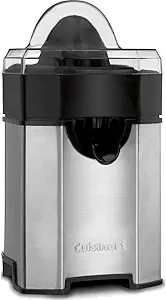 |
| Best Quality Built to a higher standard if you want something more solid | Hurom H70 Slow Juicer |  |
| Best Value The sweet spot between price and what you get | LEBENLANG Citrus Juicer LB389 |  |
| Best Budget The cheapest option that still gets the job done reliably | Elite Gourmet ETS623 Citrus Juicer |  |
| Top Rated A top-rated pick with lots of positive feedback | OXO Good Grips 2-in-1 Citrus Juicer |  |
| Most Popular A crowd favorite that many people choose with confidence | Zulay Metal 2‑in‑1 Lemon Squeezer | 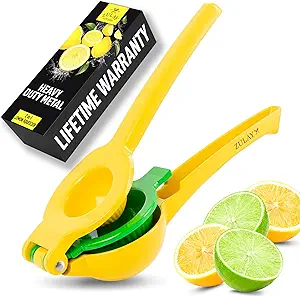 |
| Best Seller A high-volume bestseller chosen again and again | BLACK+DECKER Citrus Juicer CJ625 |  |
Cuisinart Pulp Control CCJ-500P1

| Capacity | 12 ounces |
|---|---|
| Number of Speeds | 3 |
| Power Source | Corded Electric |
| Voltage | 110 |
| Material | Stainless Steel |
The Cuisinart Pulp Control CCJ-500P1 is a compact electric citrus juicer designed to handle everything from limes to large grapefruits. It uses an auto-reversing universal juicer cone and a final-spin feature to squeeze more liquid out of fruit, while a three-position pulp control reamer lets you choose low, medium, or high pulp. The extra-long snap-up spout fits taller glasses and helps prevent drips, and most removable parts are dishwasher-safe for straightforward cleanup. With a modest footprint and button controls, it sits on the counter for quick morning juice or occasional cocktail prep without a steep learning curve. Limitations are its 12-ounce capacity carafe, which means you will need to empty it for larger batches, and the product is focused on citrus only, so it will not process whole apples or leafy produce. Overall, it is a practical, well-built choice for households that want efficient, easy citrus juicing without a lot of fuss.
Best for: Buyers who want a reliable, easy-to-use countertop citrus juicer that delivers efficient extraction and simple cleanup for daily or occasional fresh-squeeze use.
Less Ideal for: People who need large-volume juicing, multi-fruit or vegetable juicing, or a built-in juice container for batch production should look at larger centrifugal or masticating juicers.
- Auto-reversing cone and final-spin increase juice yield from citrus.
- Three adjustable pulp settings let you control pulp level.
- Dishwasher-safe removable parts simplify cleaning.
- Extra-long snap-up spout reduces drips and fits taller glasses.
- Small 12-ounce juice capacity requires frequent emptying for larger batches.
- Designed specifically for citrus so it cannot juice whole non-citrus fruits or vegetables.
Verdict: A compact, efficient citrus-only juicer that maximizes yield with adjustable pulp control and easy cleanup, ideal for everyday fresh-squeeze citrus at home.
Hurom H70 Slow Juicer

| Wattage | 150 watts |
|---|---|
| Power Source | Corded Electric |
| Material | Plastic |
| Product Care Instructions | Hand Wash Only |
The Hurom H70 is a slow masticating juicer built around a strainer-free Easy Clean chamber and a self-feeding hopper to minimize prep and simplify cleanup. It operates at low speed with a two-part auger system that squeezes produce to maximize yield and reduce pulp, and the wide inlet accepts larger pieces so you can add more without chopping. In practice it produces smooth, low-pulp juice ideal for citrus and mixed fruit blends, while the front-facing gauge lets you monitor volume. Parts detach quickly and rinse clean in under a minute, which saves time after frequent use. The unit is relatively lightweight and compact so it fits on most countertops and tucks away when not needed. Limitations include a plastic construction and plastic blade components rather than metal, and the 150-watt motor may be less suited for continuous heavy commercial use; users should also hand-wash parts per the care instructions. For home cooks focused on high-yield, low-pulp juice with minimal fuss, the H70 delivers strong, consistent performance.
Best for: Buyers who want efficient, high-yield home juicing focused on flavor and low pulp, especially for citrus and mixed-fruit recipes, and who prioritize easy cleanup and compact design.
Less Ideal for: People needing a heavy-duty commercial machine or a metal-bodied juicer for nonstop daily restaurant use should look at more robust, higher-power options.
- Strainer-free Easy Clean chamber that reduces mesh buildup and speeds cleaning
- Self-feeding wide hopper reduces chopping and lets you add produce while juicing
- Slow auger design yields high juice extraction with low pulp for smoother citrus juice
- Compact, streamlined footprint makes it easy to store on a countertop or tuck away
- Plastic construction and plastic blade material rather than metal components
- 150-watt motor may struggle with very heavy or continuous commercial use
Verdict: The H70 is a performance-minded home cold-press juicer that delivers high-yield, low-pulp citrus and fruit juice with minimal prep and very fast cleanup.
LEBENLANG Citrus Juicer LB389

| Capacity | 700 ml |
|---|---|
| Wattage | 40 watts |
| Power Source | Corded Electric |
| Number of Speeds | 2 |
| Material | Stainless Steel |
The LEBENLANG LB389 is a countertop electric citrus juicer that automates pressing for oranges, lemons, limes and grapefruits. It uses an auto start/stop motor with bi‑directional rotation and two cone sizes so fruit starts spinning with light pressure and the reverse action extracts extra juice without manual twisting. Juice collects in a removable 700 ml container with a pour spout and measuring scale, while a pulp sieve reduces solids for clearer juice. Most removable parts are dishwasher-safe which keeps cleanup quick, and non-slip feet help the unit stay stable during use. Practical buyers will appreciate the small footprint and the ability to batch multiple servings without stopping to empty the container. Limitations to note are the modest 40 W motor rating listed (the listing also mentions higher motor components elsewhere), so very heavy commercial use or continuous large-scale juicing could push the unit harder than intended, and the motor housing must not be submerged when cleaning.
Best for: Buyers who want a compact, easy-to-use countertop juicer that maximizes yield with minimal effort and simplifies cleanup for everyday family use.
Less Ideal for: People who need a heavy-duty commercial citrus press or who plan to run long continuous juicing sessions should consider a more powerful professional model.
- Two cone sizes for small and large citrus improve fit and extraction.
- Automatic start/stop with bi-directional rotation increases juice yield with light pressure.
- Removable 700 ml container with measuring scale allows batch juicing without frequent emptying.
- Most removable parts are dishwasher-safe for easy cleaning.
- Motor is specified at a relatively low 40 W which may limit heavy or continuous commercial use.
- Exterior motor unit and electronics are not dishwasher-safe and require careful hand cleaning.
Verdict: A small, user-friendly citrus juicer that boosts juice yield with bi-directional rotation and two cones, ideal for efficient home use.
Elite Gourmet ETS623 Citrus Juicer

| Maximum Power | 40 watts |
|---|---|
| Power Source | Corded Electric |
| Capacity | 24 oz |
| Special Features | Quiet Motor; Auto-reversing reamer |
The Elite Gourmet ETS623 is a small, budget-friendly electric citrus juicer designed for everyday home use. Its 40-watt motor and auto-reversing reamer spin in both directions as you press fruit down, which helps squeeze more juice than many basic 25-watt models. The 24-ounce container with built-in pulp and seed filter makes it easy to prepare 2–3 servings and pour directly using the ergonomic handle and spout. Detachable parts are dishwasher-safe on the top rack for quick cleaning, and the compact footprint fits tight counters, dorms, or RVs. The unit is made with stainless-steel components and uses BPA-free materials, and it is ETL listed for safety. Practical limits are its modest power compared with full-size juicers and a small container that requires frequent emptying for larger batches, but for those wanting fresh citrus juice without fuss, it delivers straightforward, reliable performance at a low cost.
Best for: Buyers seeking an affordable, no-frills citrus juicer for daily fresh orange, lemon, lime, or grapefruit juice who prioritize compact size and easy cleanup.
Less Ideal for: People who need high-volume juicing for large families or who want a multi-fruit juicer for hard produce should consider a larger, more powerful model instead.
- 40-watt motor with auto-reversing reamer improves extraction compared with typical 25W models
- 24 oz juice container with built-in pulp and seed filter and easy-pour spout for mess-free serving
- Compact footprint suitable for small kitchens, dorms, and RVs
- Detachable parts are top-rack dishwasher safe for easier cleanup
- Small container means frequent emptying for larger batches
- Not as powerful as full-size centrifugal or masticating juicers for heavy-duty juicing
Verdict: A compact, budget-friendly citrus juicer that extracts well for small daily batches and is easy to clean and store.
OXO Good Grips 2-in-1 Citrus Juicer

| Capacity | 350 ml |
|---|---|
| Power Source | Manual |
| Material | Plastic |
| Product Care Instructions | Dishwasher Safe |
The OXO Good Grips 2-in-1 Citrus Juicer is a simple manual juicer that covers small and large citrus with two snap-on reamers. You choose the small reamer for lemons and limes or the large one for oranges and grapefruits, then press and twist to extract juice into the contoured body, which has clear measurement markings up to 350 ml. The reamers snap off for easy rinsing or dishwasher cleaning and nest for compact storage, while the drip-free pour spout helps transfer juice without mess. Its plastic construction keeps the unit lightweight and BPA-free, though it lacks the extraction force of a mechanical juicer so you may need more effort with very firm fruit. Capacity is modest so frequent emptying may be needed when juicing larger batches. For everyday home use the design is user-friendly, easy to clean, and durable enough for regular citrus juicing when you want a quiet, no-power option.
Best for: Buyers who prioritize a reliable, low-maintenance manual juicer for regular home citrus use and want an easy-to-clean tool that handles both small and large fruit.
Less Ideal for: Those who need high-volume commercial extraction or prefer an electric juicer that requires less manual effort should consider powered models instead.
- Two reamers for small and large citrus for flexible use
- Clear measurement markings up to 350 ml for accurate recipes
- Reamers remove and nest for easy cleaning and compact storage
- Drip-free pour spout and contoured grip reduce spills and improve handling
- Plastic construction is lightweight but less robust than metal alternatives
- 350 ml capacity requires frequent emptying when juicing larger quantities
Verdict: A dependable, easy-to-clean manual juicer that reliably handles both small and large citrus for everyday home use.
Zulay Metal 2‑in‑1 Lemon Squeezer

| Material | Aluminum |
|---|---|
| Blade Material | Stainless Steel |
| Power Source | Manual |
| Capacity | 0.5 liters |
This Zulay 2-in-1 lemon squeezer is a simple, manually operated citrus press that uses leverage to extract juice from halved lemons, limes, and small oranges. You place the fruit in the bowl and press the ergonomic handles together to force juice through the perforated reservoir, which keeps seeds and larger pulp out of the glass. Constructed from aluminum with a stainless steel blade and a food-grade finish, it feels sturdy in hand and is compact enough to store in a drawer. It is best used for single-serve juicing, cocktail prep, or adding fresh citrus to recipes without the noise, cleanup, or counter space of an electric juicer. The tool is hand-wash recommended and dishwasher safe per the listing, though heavy-duty aluminum means it is built for regular use. Limitations are inherent to manual presses: it is less efficient for high-volume juicing and requires some hand strength for dense or larger citrus, and the half-size bowl means you will need a different tool for large oranges.
Best for: Buyers who want a reliable, no-frills citrus press for occasional fresh citrus for drinks and recipes and who prefer proven products with lots of customer feedback.
Less Ideal for: People who need to juice large quantities regularly or who want an electric, low-effort juicer for large oranges and high-volume batches.
- Durable aluminum construction with stainless steel cutting surface for long-term use
- Ergonomic handle that provides good leverage for easy pressing
- Built-in perforated bowl filters seeds and larger pulp
- Compact, manual design needs no power and stores easily
- Half-size bowl is unsuitable for large oranges or high-volume juicing
- Requires manual force so it can be tiring for frequent, large batches
Verdict: A sturdy, highly rated manual citrus press that delivers seed-filtered juice quickly for occasional home use and cocktail prep.
BLACK+DECKER Citrus Juicer CJ625

| Power Source | Corded Electric |
|---|---|
| Wattage | 150 watts |
| Voltage | 120 volts |
| Special Features | Auto-Reversing |
| Product Care Instructions | Dishwasher Safe |
The BLACK+DECKER CJ625 is a straightforward countertop citrus juicer designed for everyday use. It uses dual cone sizes and an automatic auto-reversing reamer to extract juice efficiently from lemons, limes, oranges, and grapefruits, while the adjustable pulp basket lets you control texture. Juice collects in a clear pitcher with easy-read measurement marks and a drip-free spout so you can mix recipes or pour straight into a glass without extra funnels. The unit is corded and uses 150 watts of power, and many removable parts are dishwasher-safe which simplifies cleanup. Practical limitations are its plastic construction and modest capacity, so it is best for routine home juicing rather than heavy commercial use, and the motor is not high-powered compared with specialty machines. For risk-averse buyers wanting a no-fuss, proven citrus juicer that is simple to operate and maintain, the CJ625 delivers reliable performance at a small footprint.
Best for: Buyers who want a reliable, simple-to-use citrus juicer for home kitchens and value ease of use, predictable results, and low maintenance.
Less Ideal for: Users who need a heavy-duty or high-capacity juicer for frequent large-batch juicing or for commercial settings should look at more powerful machines.
- Auto-reversing reamer improves juice extraction from different sized fruit
- Adjustable pulp basket lets you control juice texture
- Clear pitcher with measurement marks and pour spout for easy serving
- Dishwasher-safe removable parts speed cleanup
- Plastic construction may feel less durable than metal alternatives
- Lower wattage motor not suited for heavy or continuous commercial use
Verdict: A dependable, easy-to-clean home citrus juicer that gives predictable results and simple pulp control for everyday use.
Choosing the Right Juicer for Citrus Fruits: Key Factors to Consider
Extraction Efficiency
Extraction efficiency determines how much juice you get from each orange, lemon, or grapefruit. A more efficient juicer reduces waste and lowers the amount of fruit you need to buy, which matters if you juice frequently.
Efficiency influences both cost per glass and flavor intensity. Models with optimized reamers, pressure-assisted mechanisms, or well-designed strainers typically recover more juice while leaving behind dryer pulp. Consider efficiency ratings or design descriptions when you need consistent, high-yield citrus extraction.
Pulp and Texture Control
Citrus fruits produce a range of textures from smooth to pulpy, and the juicer should let you tailor that outcome. Some machines include multiple filter options or adjustable strainers that let you dial pulp levels up or down.
Control over pulp affects mouthfeel and recipe use. For drinking straight, many people prefer low pulp, while for dressings or marinades a bit more texture can help incorporate the juice into other ingredients. Check whether the unit has removable filters and how fine the mesh is.
Ease of Cleaning
Frequent citrus juicing makes cleaning a critical concern. Juice and oils from citrus can be sticky and corrosive over time, so parts that are dishwasher-safe or rinse clean with minimal effort save time and keep the machine sanitary.
Look for designs with few crevices, quick-release strainers, and components that resist staining from citrus oils. The easier the cleanup, the more likely you are to use the juicer regularly rather than letting it collect dust.
Durability and Materials
Citrus acids and consistent mechanical use place specific demands on a juicer's materials and construction. Corrosion-resistant metals, BPA-free plastics, and well-sealed motors extend lifespan and maintain flavor purity.
Durability also affects long-term cost and reliability. Consider warranty coverage, the heft and feel of moving parts, and whether the reamer or strainer is replaceable if worn. Rugged construction matters most for daily or frequent juicers.
Capacity and Throughput
Capacity covers how much juice the machine can produce in a single session and how quickly it can process multiple fruits. If you often make juice for several people, look for models with larger collection jugs or faster cycle times.
Throughput also ties into motor strength and reamer size. A unit that handles many fruits quickly will save time during morning routines or weekend gatherings. Assess spout and jug designs to avoid repeated transfers.
Countertop Footprint and Storage
Citrus juicers range from compact handheld pressers to larger electric reamers. The amount of counter or cabinet space you can dedicate will influence your choice. Smaller units are easy to store but may sacrifice capacity or features.
If you have limited kitchen space, prioritize compact designs with simple storage solutions. For dedicated juicing stations, a larger, sturdier machine may be acceptable and provide faster processing.
Manual Vs Electric Citrus Juicers
Manual and electric citrus juicers both extract good-quality juice, but they suit different routines. Manual pressers and hand reamers give you direct control and are typically compact and easy to clean. They are ideal when you juice occasionally or want a small, low-maintenance option.
Electric reamers and automatic juicers reduce effort and increase throughput, which is helpful for daily use or when preparing juice for several people. They vary in motor strength and reamer design, so consider the intended frequency and how much counter space you can allocate.
- Manual: low cost, simple to clean, best for occasional use
- Electric: faster, consistent extraction, better for frequent juicing
- Choose based on how often you'll prepare citrus juice and how much effort you want to avoid
How Pulp Filters Affect Flavor and Use
Different filter meshes change perceived sweetness and bite. Finer filters remove more pith and pulp, producing a clearer juice with a smoother mouthfeel. Coarser strainers retain more pulp, which can mellow acidity and add texture for cooking applications.
Consider whether you plan to drink straight, mix into cocktails, or use juice in recipes. Removable filters that are easy to swap or rinse give you flexibility for multiple uses without needing different machines.
- Fine mesh for smooth, beverage-style juice
- Coarse mesh or no filter for recipes and pulpy preferences
- Interchangeable filters increase versatility
Maintaining Flavor Over Time
Citrus oils can accumulate and cause off-flavors if parts are not cleaned thoroughly. Regular deep cleaning of strainers and reamers prevents buildup and preserves fresh flavor. Use mild dish soap and a soft brush to remove residues in nooks and seams.
Also inspect seals and motor housings periodically. Replace worn gaskets and ensure metal parts are free of corrosion. Proper maintenance extends life and keeps juice tasting bright.
- Rinse parts immediately after use to avoid sticky residues
- Deep clean filters weekly if used daily
- Dry components fully before storage to prevent corrosion
Placement and Noise Considerations
Electric citrus juicers produce varying noise levels depending on motor type and build. If you prepare juice while others are sleeping or working from home, check product noise ratings or user feedback about sound. Quieter motors are generally smoother and indicate thoughtful engineering.
Also plan where the juicer will sit. A steady, flat surface prevents tipping and reduces vibration. Some units include rubber feet or weighted bases to stabilize the unit while juicing.
- Quieter units are better for morning routines
- Weighted bases reduce vibration and slippage
- Short cords or integrated storage improve countertop tidiness
Accessories That Improve Usability
Useful accessories include multiple reamer sizes for different fruit diameters, integrated pulp containers, and dedicated juice jugs with pour spouts. These features save time and reduce transfers when serving or storing juice.
Look for parts that are dishwasher-safe or easily removable for cleaning. Extras like anti-drip spouts and measurement markings on collection containers also help streamline routine use.
- Multiple reamer sizes for lemons, limes, oranges, and grapefruits
- Clear collection jugs with pour spouts prevent spills
- Dishwasher-safe parts simplify cleanup
How We Chose the Best Juicer for Citrus Fruits
We selected juicers for citrus fruits using a practical, home-kitchen perspective focused on three measurable performance areas and user realities. First, juice yield and extraction efficiency were prioritized because citrus juicing should deliver the most liquid from each fruit with consistent flavor. Second, pulp control and filtering options were assessed so buyers can match texture to preference. Third, ease of cleaning and maintenance was considered since frequent citrus use quickly exposes design flaws. We also evaluated build quality and durability, focusing on corrosion-resistant parts and robust motor or reamer construction. Finally, ergonomics and user controls factored into the list so machines are comfortable for repeated use and simple to operate. We excluded hybrid machines and large commercial press systems that are impractical for typical home kitchens. Models that required specialized installation or extensive accessory sourcing were not considered. The chosen products balance measurable extraction performance with long-term usability for home citrus juicing.
Our full evaluation process is outlined in our review methodology.
FAQ
Can I use the same juicer for lemons and grapefruits?
Often yes. Many citrus juicers include multiple reamer sizes or are designed to handle a range of fruit diameters. Check that the unit offers interchangeable cones or a reamer large enough for grapefruits if you plan to juice both regularly.
How often should I deep clean a citrus juicer?
If you juice daily, deep clean filters and removable parts at least once a week and rinse components after every use. This prevents buildup of oils and pulp that can affect flavor and function.
Is a high-powered motor necessary for citrus juicing?
Not usually. Citrus fruits are soft and do not require high wattage like some root vegetables. A moderately powered motor with a well-designed reamer often yields efficient extraction without excessive noise or heat.
Will citrus oils damage the juicer over time?
Citrus oils can attack finishes and degrade some plastics if parts are not designed for acidic exposure. Look for corrosion-resistant metals and BPA-free plastics, and follow cleaning recommendations to minimize long-term damage.
Are dishwasher-safe parts important?
They are convenient but not essential. Dishwasher-safe components speed cleanup, but hand washing may be gentler and extend the life of delicate meshes or seals. Balance convenience with manufacturer care instructions.
Final Verdict
Prioritize extraction efficiency and ease of cleaning when choosing a juicer for citrus fruits. Those two factors most directly affect how much juice you get and how often you will actually use the machine. Next, consider pulp control and build materials to match your texture preferences and ensure long-term durability. Balance throughput and countertop footprint against how many servings you typically prepare. If you juice daily, favor sturdier electric options with easy-to-clean parts. For occasional use, a compact manual model can deliver excellent results with minimal upkeep.