
Note: This article contains affiliate links. If you click on these links and make a purchase, we may earn a small commission at no extra cost to you. This helps support our research and content. Read our full affiliate disclosure here.
If you plan to do a juice cleanse, the right juicer makes the difference between a satisfying daily routine and wasted produce. A good juicer for juice cleanse extracts the most vitamins and enzymes while running reliably for multiple consecutive days. You want consistent yield, straightforward cleanup, and a machine that handles leafy greens and fibrous vegetables without losing efficiency. This guide covers our shortlisted picks across common juicing approaches, explaining the tradeoffs and what to expect in daily use. We evaluate machines on extraction efficiency, ease of cleaning, throughput, and durability so you can pick the right tool for the length and intensity of your cleanse.
Top Picks at a Glance
| Best Overall The best all-around choice for most situations | Breville Juice Fountain Cold BJE430SIL | 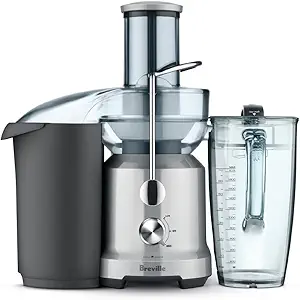 |
| Best Quality Built to a higher standard if you want something more solid | NAMA J2 Cold Press Juicer |  |
| Best Value The sweet spot between price and what you get | Ninja NeverClog Cold Press Juicer JC151 |  |
| Best Budget The cheapest option that still gets the job done reliably | Elite Gourmet ETS623 Citrus Juicer |  |
| Top Rated A top-rated pick with lots of positive feedback | Breville Juice Fountain Plus JE98XL |  |
| Most Popular A crowd favorite that many people choose with confidence | BLACK+DECKER Citrus Juicer CJ625 |  |
| Best Seller A high-volume bestseller chosen again and again | EanOruus 3-in-1 Masticating Juicer |  |
Breville Juice Fountain Cold BJE430SIL

| Capacity | 70 fl oz |
|---|---|
| Power | 850 watts |
| Number of Speeds | 2 |
| Feed Chute | 3 inch extra-wide |
The Breville Juice Fountain Cold is a high-speed centrifugal juicer designed for quick extraction of fruit and vegetable juices while minimizing heat-related nutrient loss. It uses Cold Spin Technology with a precision mesh filter and an 850-watt motor to process whole produce through an extra-wide 3-inch chute so you can often skip chopping and finish a batch fast. The included 70 fl oz Seal and Store jug makes it easy to prepare several servings at once and refrigerate juice for up to three days, and the removable nozzle lets you juice directly into a glass with minimal drips. Cleaning is straightforward for a centrifugal unit since the filter bowl and some parts are dishwasher safe, though the exterior and some pieces require hand washing. Limitations are typical for centrifugal juicers: it operates quickly but can introduce more foam and slightly less fiber retention than slow masticating models, and it may not extract as much from leafy greens as a slow press juicer.
Best for: Buyers who want fast, convenient juice for multi-day cleanses or family servings and value speed, easy feeding, and a large sealable jug for batch prepping.
Less Ideal for: Those focused on maximum nutrient yield from leafy greens or who prefer the slow, higher-extraction process of a masticating juicer should consider a cold-press model instead.
- Cold Spin Technology aims to reduce heat-related nutrient loss during fast extraction
- Extra-wide 3" feed chute reduces prep time by allowing whole fruits and vegetables
- Large 70 fl oz Seal and Store jug for batch juicing and short-term refrigeration
- 850-watt motor handles tough produce and offers two speed settings for flexibility
- Detachable juice nozzle and parts that are dishwasher safe simplify serving and cleanup
- Centrifugal design can produce more foam and slightly lower yield on leafy greens compared with slow juicers
- Some parts still require hand washing despite several dishwasher-safe components
Verdict: A fast, batch-focused centrifugal juicer that balances quick whole-produce feeding with Cold Spin tech for people doing multi-day juice cleanses.
NAMA J2 Cold Press Juicer

| Maximum Power | 200 watts |
|---|---|
| Power Source | Corded Electric |
| Voltage | 120 |
| Number of Speeds | 1 |
| Capacity | 30 fluid ounces |
The NAMA J2 is a slow, single-auger cold press juicer built around a self-feeding wide-mouth hopper that lets you load a full recipe and walk away while it extracts juice. It runs on a 200 W motor at roughly 50 RPM to minimize heat and foam, which helps preserve flavor and nutrients during extended juice sessions. The included coarse and fine strainers, juice and pulp containers, and a spinning brush make it straightforward to process leafy greens, fruits, and harder roots with noticeably less pulp and higher yield than many centrifugal models. Practical benefits include quiet operation, hands-free feeding for batch juicing, and mostly tool-free disassembly for rinsing and light scrubbing. Key limitations are a single speed so you cannot adjust torque for very tough items, and several parts require hand washing rather than dishwasher convenience. For anyone planning regular juice cleanses, the J2 favors high extraction efficiency and unattended batching over speed or multi-speed control.
Best for: Buyers who prioritize maximum juice yield and gentle cold-press extraction for multi-day juice cleanses and want an appliance that runs quietly and can process full recipes hands-free.
Less Ideal for: If you need multi-speed control, frequent dishwasher-safe parts, or a compact travel-friendly unit, look at different juicer styles instead.
- Self-feeding wide-mouth hopper allows hands-free batch juicing
- 200 W single-auger motor runs quietly at low RPM for nutrient-preserving cold press extraction
- Included strainers and containers support finer pulp separation and higher juice yield
- Mostly tool-free assembly and a cleaning brush simplify rinsing and light scrubbing
- Only one speed available so there is no manual control for very fibrous or frozen ingredients
- Key parts must be hand-washed rather than dishwasher-safe
Verdict: Choose the NAMA J2 when you want quiet, hands-free cold-press extraction that maximizes juice yield for serious juice-cleansers.
Ninja NeverClog Cold Press Juicer JC151

| Maximum Power | 150 watts |
|---|---|
| Number of Speeds | 2 |
| Capacity | 24 fluid ounces |
| Power Source | Corded Electric |
The Ninja NeverClog Cold Press Juicer JC151 is a slow masticating juicer built to handle fibrous fruits and vegetables without frequent clogs. Its 150-watt high-torque motor drives an auger that extracts juice at low speed to reduce foam and preserve nutrients, while two interchangeable pulp filters let you choose smoother juice or thicker, fiber-rich pours. The included 24 oz juice jug and 36 oz pulp container make it convenient for preparing multiple servings or small batch cleanses, and the one-touch Start/Stop plus Reverse program helps clear jams and improve yield. Parts that contact juice are dishwasher safe and the design emphasizes easier cleaning than many centrifugal models. Practical trade-offs are typical for masticating units: it is slower than centrifugal juicers and the motor is modest, so expect longer prep times for large volumes. For a juice cleanse the JC151 offers good yield and pulp control, but those wanting very fast single-serve output or a heavy commercial workload may prefer a faster, higher-powered model.
Best for: Buyers who want a practical, nutrient-focused cold-press juicer for regular home juice cleanses and batch prep and who prioritize yield and pulp control over extraction speed.
Less Ideal for: People needing very fast single-serve juicing, commercial throughput, or a high-power machine for continuous heavy use should consider more powerful or centrifugal models.
- High-torque 150W auger designed to handle fibrous produce with reduced clogging
- Two interchangeable pulp filters for customizable juice texture
- Larger 24 oz juice jug and 36 oz pulp container suitable for small batch prep
- Dishwasher-safe juice-contact parts for easier cleanup
- Reverse function and one-touch controls help clear jams and improve extraction
- Slower extraction compared with centrifugal juicers, so longer prep times for large volumes
- 150W motor may struggle with heavy commercial use or very dense continuous juicing
Verdict: A practical, easy-clean cold-press juicer that delivers good nutrient-preserving yields and pulp control for home juice cleanses.
Elite Gourmet ETS623 Citrus Juicer

| Maximum Power | 40 watts |
|---|---|
| Power Source | Corded Electric |
| Voltage | 120 |
| Capacity | 24 oz |
The Elite Gourmet ETS623 is a small, no-frills electric citrus juicer built for quick home juicing. It uses a 40-watt motor and an auto-reversing reamer that turns both directions as you press fruit down, which helps extract more juice from oranges, lemons, limes, and grapefruits than typical lower-power models. Juice flows into a 24 oz container with a built-in pulp and seed filter and an easy-pour spout, so you can make 2–3 servings at once and pour directly into a glass or pitcher. Detachable parts are dishwasher-safe on the top rack for faster cleanup, though hand washing is recommended to extend life. The unit is compact and lightweight, making it easy to store in small kitchens, dorms, or RVs. Limitations include modest motor power compared with full-size juicers and a single-purpose design limited to citrus, so it will not handle whole apples, carrots, or leafy greens used in many juice cleanse programs.
Best for: Shoppers seeking an affordable, compact citrus juicer for daily fresh orange, lemon, or lime juice who prioritize space savings and simple operation.
Less Ideal for: People planning full juice cleanses that require juicing hard vegetables or leafy greens or users who need high-volume, heavy-duty extraction.
- Auto-reversing reamer improves extraction compared with basic citrus juicers
- 24 oz container with built-in pulp and seed filter allows 2–3 servings and easy pouring
- Compact, lightweight design fits small counters and stores easily
- Top-rack dishwasher-safe removable parts speed cleanup
- Single-purpose citrus design cannot juice hard or leafy produce
- 40-watt motor is modest compared with larger juicers for high-volume use
Verdict: A budget-friendly, compact citrus juicer that delivers efficient extraction for everyday fresh citrus juice.
Breville Juice Fountain Plus JE98XL

| Wattage | 850 watts |
|---|---|
| Number of Speeds | 2 |
| Power Source | Corded Electric |
| Capacity | 35.2 fl oz Juice Jug |
The Breville Juice Fountain Plus JE98XL is a centrifugal countertop juicer built for fast, everyday juicing. It uses an 850W motor with a titanium-reinforced disc and stainless steel micro-mesh filter basket to extract juice quickly, and a 3-inch extra-wide chute reduces prep time by letting you feed many fruits and vegetables whole. Two speeds let you switch from low for soft fruits and leafy greens to high for harder produce, and the included 35.2 fl oz jug has an integrated froth separator for clearer pours. Cleanup is straightforward thanks to a detachable pulp container and dishwasher-safe parts, and the cord stores under the base for tidier counters. For a juice cleanse this juicer delivers rapid throughput and reliable extraction, though as a centrifugal unit it produces more foam and slightly less yield than slow masticating models and may be noisier during operation.
Best for: Buyers who prioritize a fast, reliable juicer for regular use and want minimal prep time and straightforward cleanup during a multi-day juice cleanse.
Less Ideal for: Those focused on maximizing yield, minimizing foam, or extracting long-term nutrients from leafy greens should consider slow masticating juicers instead.
- Extra-wide 3-inch feed chute substantially reduces prep time
- Powerful 850W motor with reinforced cutting disc for effective extraction
- Two speeds for handling both soft leafy greens and harder fruits
- Integrated froth separator in the juice jug for less foam when pouring
- Detachable parts are dishwasher-safe for easier cleanup
- Centrifugal design yields slightly lower nutrient extraction and more foam than slow juicers
- Tends to be louder during operation compared with masticating juicers
Verdict: A dependable, fast centrifugal juicer that minimizes prep time and delivers reliable daily performance for juice cleanses.
BLACK+DECKER Citrus Juicer CJ625

| Power Source | Corded Electric |
|---|---|
| Wattage | 150 watts |
| Special Features | Auto-Reversing |
| Material | Plastic |
| Product Care Instructions | Dishwasher Safe |
The BLACK+DECKER CJ625 is a simple, no-frills electric citrus juicer built for straightforward home juicing and short juice cleanses focused on oranges, lemons, and limes. It uses auto-reversing reamer cones and a stirrer to extract more juice from each half while two cone sizes handle small and large fruit. Juice collects in a clear pitcher with measurement markings and a drip-free spout so you can measure yields for recipes or portioned cleanse servings, and the removable pulp basket gives control over texture. The parts are plastic with a stainless steel blade for durability and are dishwasher-safe for quick cleanup after multiple servings. Limitations include a focus on citrus only, so it will not process leafy greens or hard root vegetables used in multi-ingredient cleanses, and the compact capacity means frequent refills for larger batches. For users who want an affordable, easy-to-clean citrus-specific machine for measured servings, this is a practical choice; those needing cold-press or whole-produce juicing should look elsewhere.
Best for: Buyers who want a reliable, easy-to-use citrus juicer for measured servings during short juice cleanses and who value simple cleanup and proven user feedback.
Less Ideal for: People planning multi-ingredient or cold-press style cleanses that include greens, root vegetables, or whole produce should choose a masticating or centrifugal whole-fruit juicer instead.
- Auto-reversing cones and stirrer boost juice extraction from citrus halves
- Adjustable pulp basket lets you control juice texture
- Clear pitcher with measurement markings and drip-free spout simplifies portioning and pouring
- Dishwasher-safe removable parts make cleanup quick
- Designed only for citrus fruits and cannot juice leafy greens or hard vegetables
- Small pitcher capacity requires repeated juicing for larger cleanse batches
Verdict: A compact, easy-to-clean citrus juicer that reliably delivers measured servings for simple juice cleanses.
EanOruus 3-in-1 Masticating Juicer

| Maximum Power | 250 watts |
|---|---|
| Power Source | ac |
| Voltage | 110 volts |
| Capacity | 100 fluid ounces |
The EanOruus 3-in-1 masticating juicer is built for heavy home use and multi-day prep, combining a single auger extractor with interchangeable strainers for juice, nut milk, and frozen-fruit sorbet. You load the extra-large 100 oz hopper and feed whole fruit and vegetables through the 6.5-inch chute to cut prep time, then the slow masticating action and high-torque AC motor extract juice and separate pulp while preserving enzymes. Notable conveniences include an auto-reverse function to clear jams, a detachable pulp outlet for easier cleaning, and overheat protection for longer runs. The unit is relatively quiet compared with centrifugal machines and the included accessories support repeated juice-cleanses or batch batches of nut milk. Practical downsides are manual cleanup since parts are hand-wash only and a heavier countertop footprint that requires planning for storage. The 250 W motor is strong for a consumer masticating juicer but this is not an industrial machine, so extremely dense load cycles may need short rests.
Best for: Buyers who want a reliable, low-noise masticating juicer for multi-day juice cleanses and family batch prep and who prioritize consistent yields and easy jam recovery.
Less Ideal for: People who need an ultra-compact or lightweight machine for small kitchens or who prefer dishwasher-cleanable parts for minimal cleanup.
- Very large 100 oz hopper reduces refilling during batch juicing
- Extra-wide 6.5" chute accepts whole fruit to cut prep time
- Quiet, high-torque AC motor suited to nutrient-preserving slow extraction
- Auto-reverse and overheat protection help prevent clogs and motor strain
- Includes strainers and accessories for juice, nut milk, and sorbet
- Removable parts must be hand washed rather than dishwasher-safe
- Relatively heavy and sizable, so it needs dedicated counter or storage space
Verdict: Choose this juicer if you want a quiet, high-yield masticating machine built for batch juice cleanses and dependable clog-handling.
Choosing the Right Juicer for Juice Cleanse: Key Factors to Consider
Extraction Efficiency
Extraction efficiency determines how much juice you get from each pound of produce. Higher extraction means you use less fruit and vegetables for the same volume of juice, which matters when you are on a multi-day cleanse and want consistent nutrition without excessive grocery trips.
Machines that crush and slowly press typically produce drier pulp and higher nutrient concentration, while faster cutters can leave wetter pulp and lower yield. Consider how important maximum yield is to your plan and whether the machine's method aligns with that priority.
Ease of Cleaning
Cleaning time affects how likely you are to stick with a cleanse routine. Juicers with fewer parts or parts that are easy to rinse and reassemble reduce friction between juicing sessions.
Look for wide chutes that prevent clogged feed tubes, removable strainers that can be brushed clean without special tools, and dishwasher-safe components if you prefer machine washing. Even small differences in teardown can add up when you juice multiple times per day.
Throughput and Prep Time
Throughput reflects how quickly a machine turns produce into juice and how much prep you must do. High-throughput juicers let you process whole apples or carrots with minimal chopping, saving time during a cleanse when you may be juicing several liters daily.
Also consider continuous-feed versus batch-style operation. Continuous-feed models often accept larger volumes fast but may sacrifice some yield or handle delicate greens less well. Factor in how much time you realistically want to spend prepping and processing.
Performance with Leafy Greens
Leafy greens are central to many cleanse recipes but are challenging to extract effectively. Some juicers struggle to capture the juices from spinach, kale, and wheatgrass, leaving excessively wet pulp and reducing nutrient concentration.
If your cleanse includes a lot of greens, prioritize machines designed to compress and shear fibrous material rather than only spinning it. A juicer that consistently handles leaves will reduce waste and improve the texture and flavor of your juices.
Noise and Kitchen Footprint
Noise level and physical size affect whether you can use the juicer conveniently in your daily routine. Loud machines may be disruptive if you juice early in the morning, and a large footprint can make storage or placement difficult in smaller kitchens.
Consider both operating noise and how much counter or storage space you can dedicate. Portable or quieter models may trade some throughput or yield, so balance these constraints against your schedule and kitchen layout.
Durability and Maintenance Cost
A juicer that fails mid-cleanse causes frustration and potential food waste. Assess build materials, warranty considerations, and whether replacement parts like strainers or augers are readily available.
Durability also ties to motor cooling and duty cycle. Machines rated for continuous or heavy use can handle multiple daily sessions without overheating. Evaluate long-term maintenance needs so the juicer remains a reliable part of your cleansing routine.
Slow Vs Fast Extraction Methods
There are two common extraction approaches: slow (masticating) and fast (centrifugal or high-speed) methods. Slow extraction squeezes and grinds produce at lower RPM, which often yields more juice from leafy greens and reduces foam. Fast extraction cuts produce with a high-speed blade and relies on centrifugal force to separate juice from pulp.
For a juice cleanse, slow extraction usually produces denser, less oxidized juice that stores slightly better, while fast extraction delivers quick results with less prep but sometimes lower nutrient capture. Your decision should weigh the importance of yield and nutrient retention against time and convenience.
- Slow extraction: higher yield from leafy greens, less foam, longer run time per serving
- Fast extraction: quick output, simpler throughput, may require more produce for same yield
- Consider blended approaches if you want speed for fruits and a secondary method for greens
Preparing Produce for a Cleanse
Proper produce prep speeds processing and improves extraction. Firm produce like apples and carrots should be trimmed to remove large seeds or tough ends. Softer fruits and leafy greens can be added in smaller batches to avoid clogging the feed tube.
Some users remove peels from citrus to reduce bitterness, while others keep thin skins on apples and pears for extra fiber and nutrients. Think through your recipes and pick prep methods that balance flavor, yield, and time.
- Cut large items to fit the chute, but avoid excessive chopping for speed
- Alternate soft and hard items while feeding to maintain steady jamming
- Rinse greens thoroughly and shake off excess water to reduce splatter
Sanitation and Safe Storage of Fresh Juice
Fresh juice is perishable; proper sanitation and storage extend its safe consumption window. Clean all juicer parts promptly to prevent bacterial growth, and chill juice immediately in sealed glass containers if you will consume it later in the day.
Shelf life depends on extraction method, produce composition, and temperature. Cold, densely extracted juices from leafy greens may keep for 24 to 48 hours refrigerated, but citrus-heavy or high-pulp blends can degrade more quickly. Label containers with time and date when prepping ahead.
- Use airtight glass bottles for storage to limit oxidation
- Chill juice as soon as possible and keep below 40°F when storing
- Consume refrigerated juice within recommended windows for best flavor and safety
Troubleshooting Common Juicing Issues
Clogging, overheating, and wet pulp are the most frequent problems during a cleanse. Clogs often happen when too many leafy greens are pushed through without alternate layers of firmer produce. To prevent overheating, allow machines rated for intermittent use to rest between heavy batches.
If you consistently get wet pulp, change your feeding technique or choose a machine designed for higher-pressure extraction. Regular maintenance, such as checking for worn strainers or dull blades, also reduces performance problems.
- Alternate soft and hard produce to reduce feed-tube clogging
- Pause and rest the juicer if it begins to smell hot or slow down
- Inspect and replace worn sieves or gaskets to maintain extraction quality
Planning a Multi-Day Cleanse Efficiently
Plan recipes and shopping lists around produce with longer freshness to minimize waste. Root vegetables and apples store well, while delicate greens should be used earlier in the plan. Batch prepping and storing a day or two of juice can save time, but factor in storage limits and nutritional changes.
Create a simple rotation for rotating produce to avoid palate fatigue and to ensure a broad nutrient intake. Consider dedicating a specific area in your kitchen for juicing to streamline setup, cleanup, and storage during the cleanse.
- Prep ingredients in advance where possible to speed morning sessions
- Rotate produce types across days for balanced micronutrient intake
- Keep cleaning supplies and storage bottles handy to shorten turnaround time
How We Chose the Best Juicer for Juice Cleanse
We focused on attributes that matter when you plan repeated juicing sessions during a cleanse. Primary filters included extraction efficiency for both hard and soft produce, the machine's throughput for preparing multiple servings quickly, and the time and effort required for cleaning between uses. Durability and motor/gear design were considered to ensure the juicer sustains repeated cycles without overheating. Noise level and footprint were secondary filters for practical home use, especially if you juggle juicing with morning routines. We excluded products intended only for occasional smoothie-making or single-serve personal blenders because they do not deliver the same juice yield or handle leafy greens effectively. Also excluded were centrifugal models that consistently underperform on leafy extraction unless they offered specific features to address that gap. Our selection emphasized machines that balance high yield with manageable cleanup and robust construction. The criteria below guided inclusion and ranking in the shortlist.
Our full evaluation process is outlined in our review methodology.
FAQ
How long will cold-pressed juice stay fresh in the fridge?
Cold-pressed or densely extracted juices often remain acceptable for 24 to 48 hours when stored cold in airtight bottles. Freshness depends on the produce mix, cleanliness during juicing, and how quickly the juice is chilled.
Do I need a special juicer for leafy greens?
Leafy greens are best handled by slow, high-pressure extraction methods that compress fibers rather than relying solely on centrifugal force. If greens are a major part of your cleanse, prioritize a machine designed for leafy performance.
Can I reuse pulp for recipes or smoothies?
Pulp can be repurposed in baked goods, soups, or smoothies to reduce waste. Keep in mind pulp from a cleanse may be low in liquid and dense in fiber, so adjust recipes with added water or liquid for texture.
How often should I clean juicer parts during a multi-day cleanse?
Rinse parts after each juicing session and perform a more thorough wash daily. Prompt cleaning prevents buildup and preserves flavor and safety when you are juicing repeatedly over several days.
Will a slower juicer always produce healthier juice?
Slower extraction usually reduces oxidation and can yield more concentrated juice, but overall healthiness also depends on the produce choices and freshness. Slower machines help retain texture and nutrients but are not a substitute for a balanced recipe.
Final Verdict
Choosing the right juicer for a juice cleanse means balancing yield, cleanup time, and the types of produce you plan to use most. Prioritize extraction efficiency and leafy green performance if nutrient density matters, or choose higher-throughput models if time is your limiting factor. Ultimately, pick a machine that fits your daily routine and kitchen setup. Focus on realistic prep and cleaning habits, and you will have a reliable tool that supports a successful, manageable cleanse.