
Note: This article contains affiliate links. If you click on these links and make a purchase, we may earn a small commission at no extra cost to you. This helps support our research and content. Read our full affiliate disclosure here.
If you share your home with shedding dogs or cats, a purpose-built robot vacuum can dramatically cut down on visible hair and the time you spend cleaning. A Robot Vacuum for Pets focuses on high-capacity hair pickup, tangle-resistant brushes, and frequent automatic runs so fur does not build up between sessions. This guide shortlists the top options for homes with animals and explains the practical tradeoffs renters and pet owners face. Below you will find seven top-rated Robot Vacuums for Pets chosen for hair removal ability, maintenance needs, run scheduling, and floor safety. Read on for the criteria we used and the key factors to consider before you pick one that fits your household.
Top Picks at a Glance
| Best Overall The best all-around choice for most situations | Shark AI Ultra AV2501S |  |
| Best Quality Built to a higher standard if you want something more solid | roborock Saros 20 |  |
| Best Value The sweet spot between price and what you get | ILIFE A30 Pro Robot Vacuum |  |
| Best Budget The cheapest option that still gets the job done reliably | Lefant M210 Robot Vacuum |  |
| Top Rated A top-rated pick with lots of positive feedback | iRobot Roomba 105 Combo |  |
| Most Popular A crowd favorite that many people choose with confidence | roborock Q10 S5+ |  |
| Best Seller A high-volume bestseller chosen again and again | eufy C28 Robot Vacuum & Mop |  |
Shark AI Ultra AV2501S
| Battery Life | 120 minutes |
|---|---|
| Self-Empty Base Capacity | 30 days |
| Navigation | 360° LiDAR |
| Control | App Control, Voice |
| Surface Recommendation | Carpets & Hard Floors |
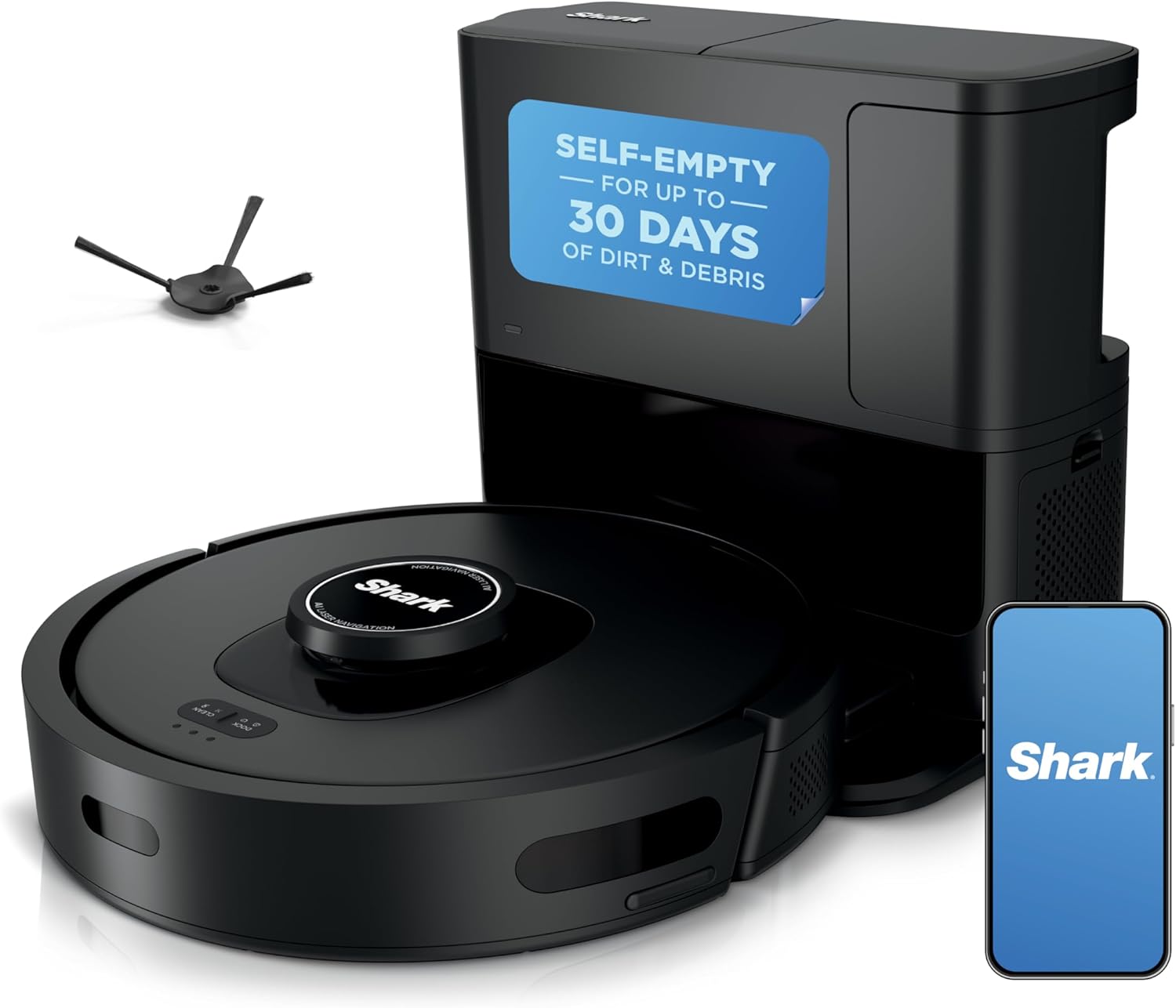
The Shark AI Ultra AV2501S is a self-emptying robot vacuum built to handle pet hair and routine whole-home cleaning. It uses 360° LiDAR mapping and Matrix Clean navigation to sweep rooms in a grid pattern and take multiple passes over soiled areas, while a self-cleaning brushroll helps reduce hair wrap. The included bagless self-empty base stores up to 30 days of debris and the robot pairs with the SharkClean app plus voice assistants for scheduling, targeted area cleaning, and boundary setup. Runtime reaches up to 120 minutes with automatic recharge and resume for larger homes, and true HEPA filtration captures fine dust and allergens. Practical limitations include a single speed setting and a foam filter rather than a replaceable multi-stage filter system, and the robot's performance depends on keeping the brushroll and sensors clear of heavy tangles. For pet households the combination of anti-hair-wrap brushroll, HEPA capture, and a long-capacity base means less hands-on maintenance and more consistent pickup across carpets and hard floors.
Best for: Buyers who want a low-maintenance robot that prioritizes pet hair pickup and allergen control across mixed floors while minimizing how often they empty the bin.
Less Ideal for: People who want fine-grained control over suction levels or who need a multi-stage filter specification for severe allergy management should consider other options.
- Self-emptying bagless base holds up to 30 days of dirt for infrequent emptying
- 360° LiDAR home mapping enables methodical, low-light navigation and obstacle avoidance
- Self-cleaning brushroll and Matrix Clean multiple-pass pattern improve pet hair pickup
- Up to 120 minutes runtime with recharge-and-resume for larger cleaning jobs
- HEPA filtration captures fine dust and allergens useful in homes with pets
- Only one listed suction/speed setting limits manual control over cleaning intensity
- Uses foam filter rather than a specified multi-stage or replaceable HEPA filter component
- Robot requires periodic manual cleaning of brushroll and sensors to maintain performance with heavy pet hair
Verdict: If you want a pet-focused robot that reduces hands-on upkeep, this Shark delivers long runtime, LiDAR mapping, anti-hair-wrap brushroll, and a 30-day self-empty base to keep floors cleaner with minimal intervention.
roborock Saros 20

| Suction power | 36,000 Pa |
|---|---|
| Battery life | 180 minutes |
| Filter type | Washable Filter |
| Noise level | 55 db |
| Control type | App, Remote, Voice |
The roborock Saros 20 is a high-performance robot vacuum and mop built for heavy-duty home cleaning and pet hair management. It pairs a 36,000 Pa digital motor with a dual anti-tangle system to pull hair and debris from carpets and gaps, while a slim 3.13-inch profile lets it reach under low furniture. StarSight AI Navigation 2.0 with 3D ToF sensors and an RGB camera maps rooms and detects hundreds of obstacles for more complete coverage and fewer interruptions. The AdaptiLift chassis helps the robot cross thresholds and raise on carpets, and FlexiArm extends brushes and the mop to reach edges and corners. The RockDock base provides hot water washing, hot air drying, auto re-wash, and extended automatic dust emptying for long stretches of hands-free operation. Practical limits include a relatively loud 55 dB spec at times and a large unit footprint and dock that require floor space, and advanced features depend on app setup and Wi-Fi. For pet owners who prioritize deep, automated cleaning and minimal manual upkeep, the Saros 20 is purpose-built to keep fur and tracked-in dirt under control.
Best for: Buyers who want a powerful, mostly hands-free cleaning solution that minimizes manual hair removal and maintains both vacuuming and mopping automatically, especially in homes with shedding pets.
Less Ideal for: People with very small living spaces or who lack stable Wi-Fi and app support should consider simpler, smaller robots or manual vacuums instead.
- Very high suction power for deep pickup (36,000 Pa)
- Advanced obstacle detection and mapping with 3D ToF and RGB camera
- Dual anti-tangle system reduces brush cleaning for pet hair
- Automated RockDock handles hot-water mop washing, drying, and long dust-empty cycles
- Slim profile and AdaptiLift chassis let it clean under furniture and climb thresholds
- Large dock and robot need significant floor space for the auto-maintenance system
- Some advanced functions require reliable Wi-Fi and app configuration to work optimally
- Noise can be noticeable during high-power cleaning modes
Verdict: If you need a heavy-duty, pet-focused robot that combines extreme suction with hands-free docking and self-cleaning, the Saros 20 delivers automated deep clean performance.
ILIFE A30 Pro Robot Vacuum

| Max suction | 10000 Pa |
|---|---|
| Battery life | 150 minutes |
| Dust capacity (bag) | 2.5 liters |
| Filter type | Hepa |
| Connectivity | App, Voice, Remote (2.4GHz Wi-Fi) |
The ILIFE A30 Pro is a robot vacuum and mop designed for frequent, low-maintenance cleaning in homes with hard floors and carpets. It pairs LiDAR mapping and SLAM path planning with four suction modes that range from quiet to a 10000Pa max for heavy debris and pet hair, and it can vacuum and mop simultaneously using an integrated dual tank. The stand-out feature is the self-emptying base that uses replaceable 2.5L dust bags to collect debris after each run, reducing how often you need to touch the bin. App control lets you set no-go zones, schedules, room-targeted cleans, and integrates with voice assistants while the included remote is handy for simple commands. Practical limitations include a relatively small integrated water tank for mopping and the app's 2.4GHz-only Wi-Fi requirement, and very high suction mode will shorten runtime. For everyday pet hair pickup and scheduled maintenance the A30 Pro delivers strong suction and mapping that keep floors consistently cleaner with minimal effort.
Best for: Buyers who want a low-touch cleaning routine that reliably handles pet hair on mixed floors and prioritize strong suction, accurate mapping, and fewer manual dust-bin trips.
Less Ideal for: People who need heavy-duty mopping or long continuous mop sessions, or those who require a robot that supports 5GHz Wi-Fi or very long max runtimes without recharging.
- Self-emptying base with 2.5L dust bag capacity for extended hands-free cleaning
- LiDAR navigation and SLAM mapping for accurate room maps and efficient coverage
- Up to 10000Pa max suction with four selectable power levels to handle pet hair and debris
- App, remote, and voice control plus no-go zones and scheduling for flexible automation
- Integrated water tank is modest in size so mop runs are best for light maintenance rather than heavy scrubbing
- Max suction mode reduces runtime compared with lower power settings
Verdict: If you want reliable pet-hair pickup with accurate LiDAR mapping and minimal bin emptying, the A30 Pro is a strong hands-off choice.
Lefant M210 Robot Vacuum

| Battery Life | 120 minutes |
|---|---|
| Capacity | 500 cubic centimeters |
| Filter Type | Cartridge |
| Compatible Devices | Amazon Echo, Google Home, Smartphones |
| Other Special Features of the Product | Anti-Fall, Auto-Docking, Obstacle Avoidance, Pet Hair Pick Up, Scheduling |
The Lefant M210 is a small, app-controlled robot vacuum aimed at regular upkeep on hardwood and other hard floors. Its low 3-inch profile slips under furniture, and a brushless suction port helps pick up pet hair without brush tangles. You can run scheduled cleans, pick from six modes including edge and spot, and control the unit via the Lefant app or Alexa/Google voice commands. The listed 120-minute runtime (quiet mode) covers mid-size rooms on a single charge, and the 500ml dustbin reduces how often you empty it. Navigation relies on infrared anti-collision and anti-drop sensors rather than LIDAR, so it follows zigzag or randomized patterns rather than tightly mapped routes; that makes coverage fine for open hardwood areas but less precise in cluttered rooms. Noise is moderate at about 52 dB and suction is tuned for surface dirt rather than deep carpet extraction. For buyers wanting a straightforward, affordable hardwood-focused cleaner, the M210 delivers solid basic performance, but expect simpler navigation and fewer advanced mapping features than higher-end models.
Best for: Buyers on a tight budget who need a dependable, easy-to-use robot for regular hardwood and low-pile cleaning and value app/voice scheduling over advanced mapping.
Less Ideal for: Homes that require precise room mapping, systematic multi-room navigation, or deep-cleaning on high-pile carpets should consider more advanced models.
- Slim profile fits under low furniture for hidden-dirt pickup
- Brushless suction port reduces hair tangles for pet owners
- App scheduling plus Alexa and Google voice control for hands-free operation
- 500ml dustbin and up to 120 minutes runtime support longer cleaning cycles
- Navigation uses infrared sensors and randomized or zigzag patterns rather than LIDAR mapping, so room coverage can be less efficient in cluttered spaces
- Suction and cleaning are optimized for hard floors and low-pile carpet, not deep-cleaning thick carpet
Verdict: If you want an affordable, compact robot that handles daily hardwood and pet hair cleaning with app and voice scheduling, the Lefant M210 is a practical pick.
iRobot Roomba 105 Combo
| Surface Recommendation | Carpet & Hard Floor |
|---|---|
| Battery Life | 100 minutes |
| Other Special Features of the Product | Self-Emptying, LiDAR Navigation, Obstacle Avoidance, Simultaneous Vacuuming & Mopping, Smart Mapping |
| Controller Type | App Control, Button Control, Voice Control |
| Filter Type | Cartridge |
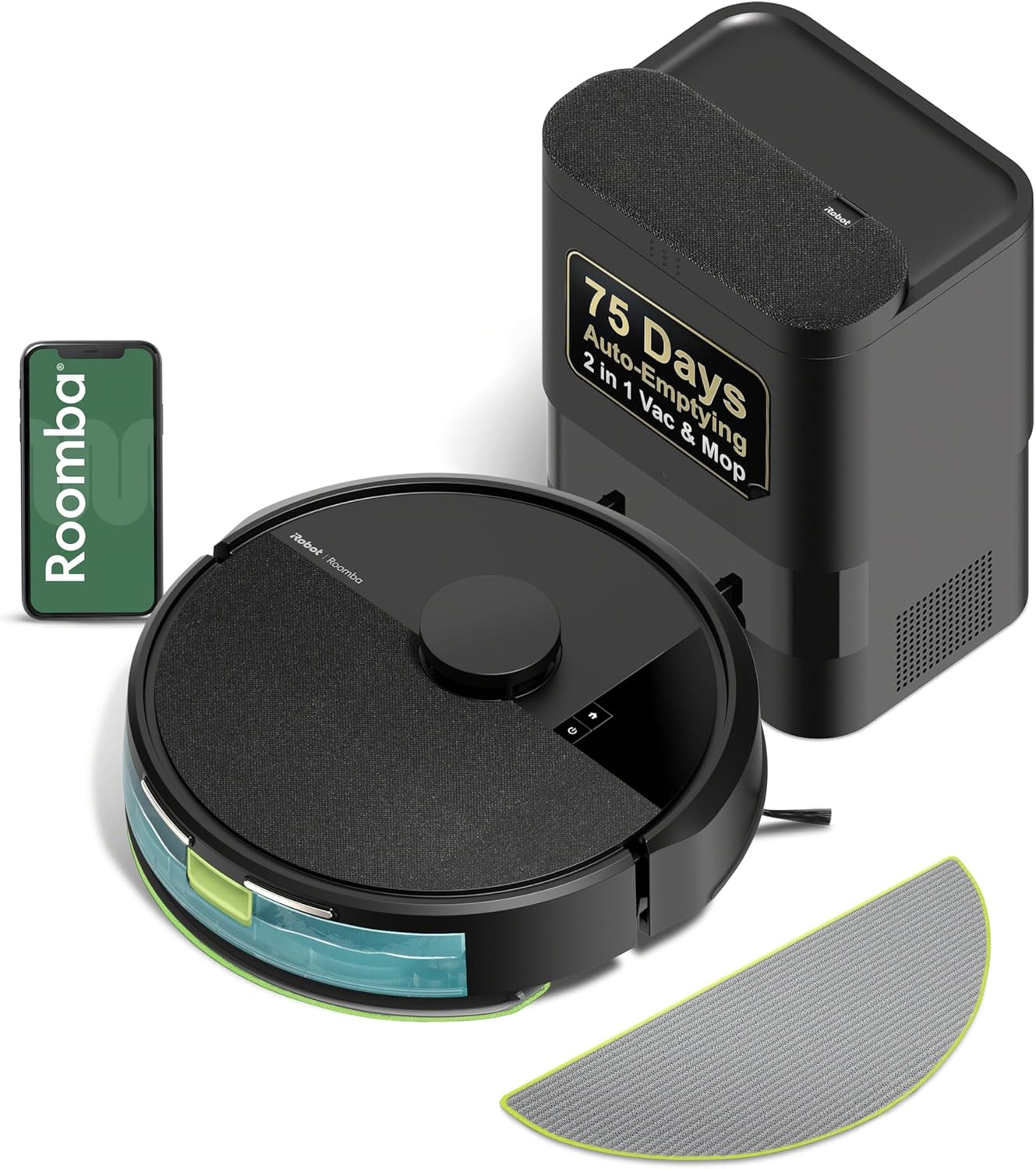
The Roomba 105 Combo pairs vacuuming and mopping with a hands-free AutoEmpty dock to reduce daily maintenance. It uses ClearView LiDAR mapping and obstacle-avoidance to navigate predictable paths, and offers three cleaning modes so you can run vacuum-only, mop-only, or vacuum-and-mop cycles. The 4-stage cleaning system combines intense suction, an edge-sweeping brush and a multi-surface brush to pull pet hair from carpets and baseboards while a reusable microfiber pad and controlled micro-pump deliver consistent mopping and a SmartScrub option for deeper scrubbing. The included AutoEmpty dock holds up to 75 days of debris in a disposable bag, cutting down on frequent bin handling and allergen exposure. Setup and scheduling are handled through the iRobot Home app or voice assistants, and the unit runs about 100 minutes per charge. Expect routine maintenance like brush cleaning and periodic filter replacement, and note that mopping uses a wet pad so you should still move delicate rugs or small items before a mop cycle. For pet households this model reduces hands-on cleanup but will still need occasional attention to keep brushes and pads clear of long hair.
Best for: Buyers who prioritize low-maintenance, reliable cleaning in homes with pets and want a robot that largely runs on its own with predictable navigation and minimal daily bin handling.
Less Ideal for: People who need very long single-run battery life for large multi-level homes or who prefer a robot with powered mop rollers and heated docked pad drying for fully hands-off mop maintenance.
- Self-emptying AutoEmpty dock holds up to 75 days of debris to minimize manual emptying
- ClearView LiDAR mapping provides reliable navigation and room mapping
- 70x power-lifting suction plus edge-sweeping and multi-surface brushes improve pet hair pickup
- Vacuum-and-mop modes with controlled water delivery and SmartScrub for tougher messes
- App and voice control allow scheduling and targeted room cleaning remotely
- About 100 minutes runtime may require mid-day charging for larger homes
- Mopping uses a reusable microfiber pad that still requires periodic washing and care
Verdict: A dependable combo robot that minimizes day-to-day work for pet owners by pairing effective pet-hair suction with a 75-day self-emptying dock and reliable LiDAR navigation.
roborock Q10 S5+

| Maximum Suction | 10,000 Pa |
|---|---|
| Capacity | 2.7 liters |
| Battery Life | 150 minutes |
| Filter Type | Washable |
| Control Method | App, Voice |
The roborock Q10 S5+ is a robot vacuum-mop combo built for low-touch cleaning in homes with pets and high-traffic areas. It uses LiDAR mapping and ReactiveTech obstacle avoidance to create precise multi-level maps and steer around clutter while the VibraRise 2.0 mopping module scrubs floors and lifts on carpets. The 10,000 Pa HyperForce suction and a dual anti-tangle brush system target embedded pet hair, while ultrasonic carpet detection raises the mop and boosts suction automatically. A 2.7 L auto-empty dock holds dust for up to about 70 days so you only need to change bags occasionally. The Roborock app and voice control let you schedule cleaning, set no-go zones, and choose emptying modes. Practical downsides include reported noise around 65 dB and reliance on 2.4 GHz Wi‑Fi only, which may limit connectivity in some networks. The unit is large compared with compact consumer bots, so it needs sufficient clearance to move freely.
Best for: Buyers looking for a high-suction, low-maintenance robot that handles pet hair and mixed flooring with reliable mapping and hands-off emptying.
Less Ideal for: People who need an ultra-quiet mini robot for small tight spaces or who require dual-band Wi‑Fi support and extremely compact form factors.
- Very strong 10,000 Pa suction for lifting pet hair and deep dirt
- Large 2.7 L self-emptying dock enables around 70 days between bag changes
- LiDAR navigation with multi-level mapping creates accurate, repeatable cleaning paths
- Dual anti-tangle brush and ultrasonic carpet detection reduce hair clogs and protect carpets
- VibraRise sonic mopping lifts on carpets and offers adjustable mopping modes via the app
- Reports of ~65 dB operating noise that can be noticeable during use
- Only supports 2.4 GHz Wi‑Fi which can be limiting for some modern routers
Verdict: A pet-focused, high-suction robot with long self-emptying intervals and precise LiDAR mapping that minimizes hands-on maintenance.
eufy C28 Robot Vacuum & Mop

| Suction | 15,000 Pa |
|---|---|
| Battery Life | 140 minutes |
| Dust Bag Capacity | 3 liters |
| Filter Type | Washable |
| Control Method | App, Push Button, Voice |
The eufy C28 is a pet-focused robot vacuum and mop that combines 15,000 Pa turbo suction with a HydroJet roller mop and a hands-free Omni station that handles emptying, mop washing, drying, and wastewater collection. In everyday use it maps rooms with LiDAR, avoids small obstacles without using cameras, and automatically lifts the mop on short carpets so you can run mixed floor cleaning in one job. The DuoSpiral anti-tangle roller and zero-hair-tangle claims make it practical for homes with long-haired pets, while the 3L dust bag and 75-day auto-emptying reduce maintenance. Battery runtime and automatic carpet suction boost let it cover multiple rooms per charge, and the washable filters and app/voice control make scheduling and upkeep straightforward. Important limitations are the unit size and weight tied to the large station, and that advanced features like hot-air drying and electrolyzed water mop purification add complexity you may not need if you only want basic vacuuming. For buyers wanting low-touch, pet-optimized cleaning, the C28 delivers a high degree of automation and pet-hair handling.
Best for: Buyers who prioritize low-maintenance, automated cleaning for homes with shedding pets and who want reliable mapping and hands-off operation.
Less Ideal for: People who need a compact, lightweight vacuum for tight storage spaces or those who only want a simple vacuum without automated mop-station features.
- Strong 15,000 Pa suction with automatic boost on carpets for deep cleaning pet hair and crumbs
- HydroJet self-cleaning roller mop that auto-washes and hot-air dries to limit mold and odors
- Zero-tangle DuoSpiral roller designed to prevent long pet hair wrapping
- All-in-One Omni station that auto-empties dust into a 3L bag and collects wastewater for up to 75 days
- LiDAR navigation with obstacle avoidance that maps floors precisely while protecting privacy (no camera)
- Large station and overall unit weight make it less portable and require dedicated floor space
- Advanced mop and station features add maintenance complexity compared with simple vac-only robots
Verdict: If you want a largely hands-off robot that aggressively tackles pet hair and handles mop washing and drying for weeks at a time, the eufy C28 is designed for that job.
Choosing the Right Robot Vacuum for Pets: Key Factors to Consider
Hair Pickup and Brush Design
How a robot vacuum collects pet hair is the most important factor for owners. Brush design matters because some rotating bristles or rubberized rollers are better at channeling hair into the intake while resisting wraps. Multi-surface brush systems that combine a soft roller with side brushes typically perform better across bare floors and low-pile carpets.
If your home has long-haired pets, look for machines with a primary brush that is easy to access and remove for cleaning. Brushes that are simple to disassemble reduce the time you spend cutting away embedded hair and lower long-term maintenance hassles.
Filtration and Dander Control
Pet dander and fine hair fragments can exacerbate allergies, so filtration is a key buying consideration. High-efficiency filters that capture submicron particles will reduce visible dust and airborne allergens. Consider whether filters are replaceable and how frequently they need swapping under heavy shedding conditions.
Filter accessibility is also important. A unit that lets you quickly tap or rinse the filter makes routine upkeep less of a chore. For allergy sufferers, pairing a capable filter with regular scheduled runs will keep airborne irritants lower than intermittent manual vacuuming.
Dustbin Capacity and Emptying Method
Pet hair fills dustbins quickly, so capacity and how the bin is emptied are practical concerns. Larger dustbins need fewer manual interventions, which is helpful if you want truly hands-off cleaning. Also note whether the model offers an automatic emptying base and what maintenance that base requires.
Evaluate whether the bin and the ports where hair collects are designed to resist clogs and whether components are washable. A hair-filled bin that is hard to clean can turn a time-saver into an annoyance.
Runtime, Coverage, and Recharge Behavior
Homes with multiple rooms or open floor plans demand longer runtime to complete a full pass. Battery life affects how often the robot needs to return to its dock and whether it can resume and finish a job after recharging. For pet owners, look for models that can automatically resume where they left off so hair removal is continuous across large spaces.
Also consider how efficiently the robot navigates around furniture and pet beds. Efficient pathing reduces total run time and ensures carpets and floor edges are covered without multiple manual redirects.
Noise Level and Scheduling Flexibility
Noise can stress some animals, so choose a robot vacuum with manageable sound levels or flexible scheduling to run while pets are out or resting. Many models offer quieter modes that trade a bit of suction for quieter operation, which can be useful in homes with sound-sensitive pets.
Advanced scheduling features let you run the vacuum when pets are outside or in another room and can reduce unexpected encounters. Integrations with home automation systems or mobile app controls also improve convenience for timed cleanups.
Maintenance Access and Replacement Parts
Frequent maintenance is a reality with pets, so ease of access to wear parts matters. Look for models with tool-free brush removal, obvious filter locations, and accessible wheels and sensors for occasional cleaning. Clear maintenance intervals and readily available replacement filters and belts will reduce downtime.
Choosing a robot vacuum whose spare parts are straightforward to replace helps keep it running efficiently through multiple shedding seasons and reduces the chance that a minor clog sidelines the machine for long periods.
Best Practices for Managing Pet Hair Between Full Cleans
Even the best Robot Vacuum for Pets will perform better when you combine scheduled runs with a few quick manual habits. Regularly brushing or grooming your pet to remove loose hair before it settles will reduce load for the robot and lower the frequency of full-bin emptying.
Place washable mats near litter boxes or pet beds to capture loose fur at the source. Spot-clean high-traffic shedding zones with a handheld vacuum or lint roller before the robot runs to avoid heavy hair clumps that can jam brushes.
- Brush or groom pets outdoors or in a hard-floor area to keep hair contained.
- Run the robot daily or on alternate days during heavy shedding seasons.
- Clear small tangles from collars, blankets, and pet beds to avoid large hair clusters.
Setting Up a Pet-Friendly Cleaning Schedule
Scheduling is a simple way to keep floors consistently cleaner without disturbing pets. Pick times when animals are least likely to be underfoot, such as mid-morning or when you take dogs out for a walk. For multi-room homes, run the robot on a rotating schedule to ensure even coverage across days.
Use shorter, more frequent runs rather than infrequent long ones when possible. Frequent passes prevent hair accumulation and reduce the chance of brushes getting overloaded, which also helps the suction system maintain consistent performance.
- Stagger rooms across daily runs so high-shed areas get attention more often.
- Use quiet modes during naptime if your pet is noise-sensitive.
Protecting Floors and Pet Beds During Cleaning
Robot vacuums interact with a variety of floor types and pet bedding materials. Soft wheels and intelligent obstacle detection reduce the risk of scuffs on hardwood while ensuring rugs and beds do not entangle the robot. Secure loose cords and small toys to prevent accidental pulls.
If your pet has a favorite blanket or bed on the floor, consider moving it during scheduled runs or using virtual no-go zones if supported by the robot. This prevents repeated contact and reduces wear on both the bedding and the vacuum.
- Use boundary strips or app-based no-go zones for fragile areas.
- Lift light pet beds or damp blankets off the floor during runs.
Dealing With Litter and Small Debris
Homes with litter boxes or pets that track in small debris need a robot that handles fine particles along with hair. Regularly sweeping under and around litter areas reduces the amount of gritty material the robot must manage and prolongs brush life. Empty litter box surroundings frequently to avoid clumping hair mixes that are harder to pick up.
If the robot offers a dirt-detection mode, enable it for litter-prone zones so the machine concentrates effort where fine particles accumulate.
- Keep litter box mats clean to prevent tracked granules from spreading.
- Consider a robot with good edge-cleaning performance for corners where litter accumulates.
When to Perform Deeper Maintenance
Regular quick cleanings are one thing but deep maintenance prevents long-term performance decline. Schedule a monthly inspection during heavy-shedding seasons to clear any hair wrapped around brush bearings, check filter condition, and confirm wheels and sensors are hair-free.
Replace filters and wear parts according to manufacturer guidance or sooner if you notice reduced suction or increased dust emissions. A small, scheduled maintenance habit preserves suction efficiency and limits the need for more intensive repairs later.
- Inspect primary brush bearings and side brushes monthly during shedding peaks.
- Keep a small kit of spare filters and brush replacements on hand if you run the robot daily.
How We Chose the Best Robot Vacuum for Pets
We selected Robot Vacuums for Pets using objective, buyer-focused filters that weigh features most relevant to pet households. Primary evaluation criteria included suction and hair pickup effectiveness on short and medium-pile carpets, brush design and resistance to tangling, and filtration performance for capturing dander. Battery life and recharge behavior were scored to reflect real home layouts where long runs or multiple passes may be needed. Dustbin capacity and ease of emptying were assessed because pet hair fills bins quickly and affects how often you must intervene. Noise levels and run scheduling flexibility were considered for homes with noise-sensitive animals. We excluded units that lack clear hair-management features or that rely primarily on single, small dustbins that demand constant emptying for pet owners. We also filtered out models without user-accessible maintenance paths for brushes and filters. The final selections emphasize measurable hair control, user maintenance burden, and sustained runtime in typical multi-room homes.
Our full evaluation process is outlined in our review methodology.
FAQ
How often should a robot vacuum run in a home with pets?
Often depends on shedding levels, but daily or every-other-day runs are common during heavy shedding seasons. Frequent runs prevent large hair accumulations that can reduce suction and clog brushes.
Will a robot vacuum pick up long pet hair without tangling?
Many models designed for pets use tangle-resistant rollers and wider intakes to reduce wrapping. Long hair may still require occasional manual removal from the brush, so look for designs with easy brush access to simplify maintenance.
Are robot vacuums safe to run around anxious or reactive pets?
It depends on your pet. Quieter operation modes and running the robot when pets are in another room can reduce stress. Gradual exposure and positive reinforcement help most animals acclimate.
How do I prevent my robot from getting trapped on pet bedding or bowls?
Use virtual no-go zones, boundary strips, or relocate lightweight pet beds during runs. Also secure or move low items like water bowls and toys so the robot has clear paths.
Do I need to change filters more often with pets?
Yes. Heavy shedding increases filter loading, so check filters more frequently and replace them sooner than the standard schedule if you notice reduced airflow or visible dust bypassing the filter.
Final Verdict
Choosing the right Robot Vacuum for Pets comes down to balancing hair pickup performance against maintenance effort and how it fits into your home routine. Prioritize machines with effective hair-collection systems, accessible filters, and sufficient dustbin capacity if you want the least hands-on time. Consider runtime and scheduling flexibility for full coverage in multi-room homes and quieter modes if your animals are noise-sensitive. In short, focus on brush design, filtration, and bin management to match your pet's shedding patterns and your tolerance for upkeep. That approach will make the robot a reliable helper rather than another chore to manage.