
Note: This article contains affiliate links. If you click on these links and make a purchase, we may earn a small commission at no extra cost to you. This helps support our research and content. Read our full affiliate disclosure here.
If you need a dependable sewing machine without spending much, choosing the right budget model matters more than you might expect. A well-matched inexpensive machine can handle garment repairs, basic alterations, craft projects, and beginner lessons while saving space and maintenance time. This guide shortlists five top-rated sewing machines on a budget and evaluates them using real decision factors like stitch quality, durability, and ease of use. Read on to see which features matter most for your projects and which budget tradeoffs are reasonable when you buy an entry-level machine.
Top Picks at a Glance
| Best Overall The best all-around choice for most situations | Janome 2212 Sewing Machine |  |
| Best Quality Built to a higher standard if you want something more solid | Brother GX37 Sewing Machine |  |
| Best Value The sweet spot between price and what you get | SINGER MX60 Sewing Machine |  |
| Best Budget The cheapest option that still gets the job done reliably | KPCB Tech FHSM-201 Sewing Machine |  |
| Top Rated A top-rated pick with lots of positive feedback | Brother XM2701 Sewing Machine |  |
Janome 2212 Sewing Machine
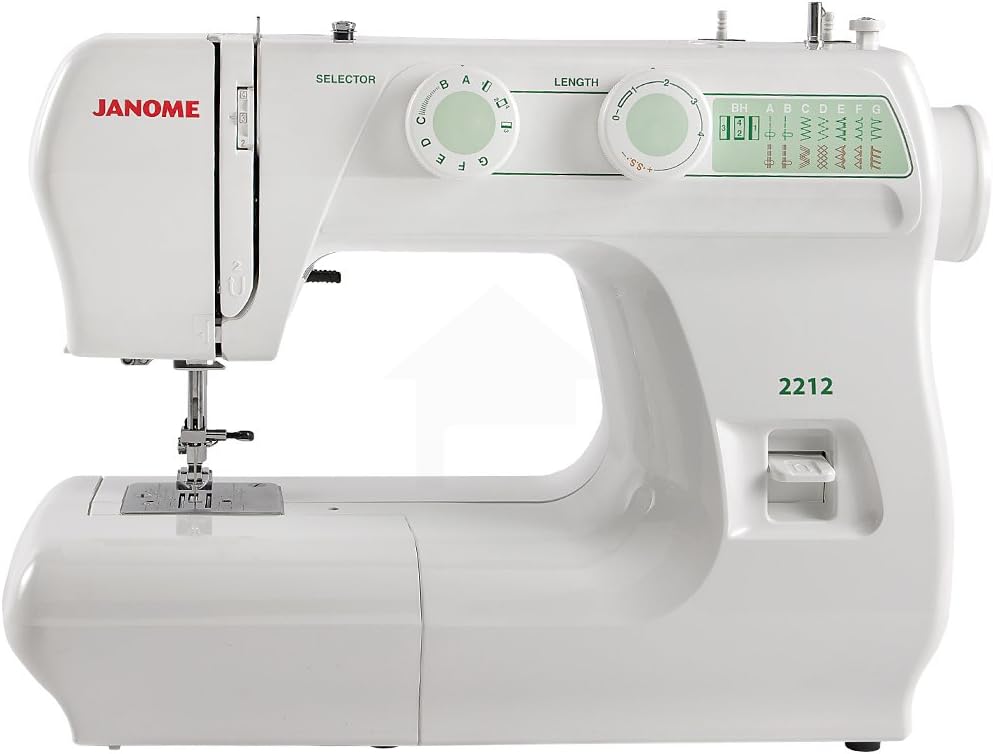
| Model Number | 2212 |
|---|---|
| Power Source | ac |
| Built-in Stitches | 12 |
| Buttonhole | 4-step |
The Janome 2212 is a straightforward, mechanically driven sewing machine built for learning and everyday mending. It uses a dial stitch selector and manual adjustments for stitch length and width, and offers 12 built-in stitches plus a four-step buttonhole for common garment work. Notable features include a free arm for cuffs and sleeves, snap-on presser feet, a front-loading vertical oscillating bobbin, extra-high presser foot lift for thicker seams, and a five-piece feed dog for steady fabric handling. Because it is lightweight and portable, it is easy to move between rooms or store when not in use. The lack of computerized controls keeps operation simple and makes it easier to focus on technique, though it also means you will not get programmed stitches, automatic needle threading, or advanced decorative options. For everyday sewing, repairs, and basic projects the 2212 delivers reliable performance; heavier industrial tasks or users who want many digital features should look elsewhere.
Best for: Buyers who want an affordable, no-frills machine to learn on and handle everyday sewing and mending with straightforward mechanical controls and portability.
Less Ideal for: Sewists who need advanced decorative stitches, automation, or heavy-duty industrial capability should consider more feature-rich or heavy-duty models.
- Simple mechanical controls that are easy for beginners to learn
- Includes 12 useful built-in stitches and a four-step buttonhole for garment work
- Free arm and removable storage compartment for sewing sleeves and small openings
- Extra-high presser foot lift and five-piece feed dog help manage thicker seams and varied fabrics
- Lightweight and portable for easy storage and transport
- No computerized features such as automatic needle threader or programmable stitch memory
- Limited stitch selection compared with more feature-rich machines
- Not designed for heavy industrial or continuous high-volume sewing
Verdict: A dependable, beginner-friendly mechanical sewing machine that covers essential stitches and basic garment work without digital complexity.
Brother GX37 Sewing Machine
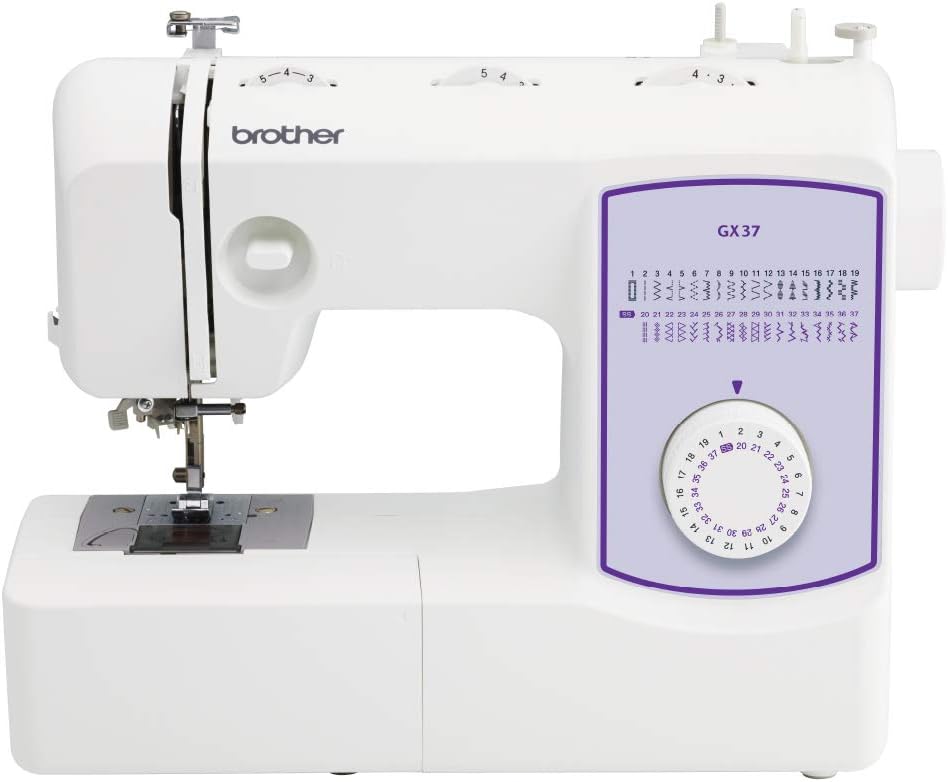
| Built-in stitches | 37 |
|---|---|
| Power source | Corded Electric |
| Input voltage | 120 volts |
The Brother GX37 is a straightforward mechanical sewing machine aimed at everyday sewing and light quilting projects. It offers 37 built-in utility and decorative stitches selected via a dial, a one-step auto-size buttonhole, automatic needle threader, and a jam-resistant drop-in top bobbin that together speed setup and reduce interruptions. The machine ships with six presser feet and a basic accessory bundle, plus a removable accessory tray that reveals a free arm for cuffs and sleeves. In use the GX37 handles lightweight to midweight fabrics reliably and can tackle denim or stretch fabrics when paired with the correct needle and settings, though it is not built for heavy industrial workloads. As a mechanical unit it is simple to maintain and intuitive for users who prefer tactile controls over menus, but it lacks digital stitch customization, advanced speed control, and the larger stitch library found on computerized models. For hobbyists prioritizing durable, no-frills performance on common garments and household sewing, the GX37 delivers consistent, practical results at a budget-friendly level.
Best for: Buyers who want a reliable, no-frills machine that delivers consistent stitch quality for everyday sewing projects and prefer simple, tactile controls over digital features.
Less Ideal for: Users who need extensive stitch programming, automated features, or a heavy-duty machine for frequent high-volume or industrial sewing should look elsewhere.
- 37 built-in stitches plus a one-step auto-size buttonhole for versatile garment and decorative work
- Automatic needle threader and drop-in top bobbin reduce setup time and thread jams
- Includes six presser feet and useful accessories for common tasks out of the box
- Removable accessory tray provides a free arm for hemming sleeves and cuffs
- Mechanical controls limit stitch customization and advanced settings compared with computerized machines
- Not designed for heavy industrial or prolonged high-speed use
Verdict: A dependable, budget-friendly mechanical sewing machine that delivers practical, performance-oriented results for everyday home sewing tasks.
SINGER MX60 Sewing Machine

| Model Number | MX60 |
|---|---|
| Power Source | Corded Electric |
| Stitch Applications | 57 applications |
| Included Components | All purpose foot; Zipper foot; Buttonhole foot; Darning plate; Needles; Bobbins |
The SINGER MX60 is a compact, portable mechanical sewing machine aimed at beginners and hobbyists who need a straightforward, dependable machine for everyday sewing. It offers six built-in stitch types delivered as 57 stitch applications through preset stitch length and width, so you can move from seams to decorative stitching without complicated adjustments. The MX60 includes three presser feet and a starter accessory kit with needles, bobbins, a zipper foot, and a buttonhole foot which makes it ready for common tasks right out of the box. A heavy-duty metal frame keeps the machine stable and helps prevent skipped stitches when working through light to moderate layers, while the top-drop bobbin and LED light simplify threading and visibility. Because it is corded electric and intentionally simple, it lacks computerized stitch selection and advanced tension controls, so users who want needle-positioning, automatic thread trimming, or a wide stitch customization will find it limited. For basic sewing, garment repairs, small craft projects, and classroom use the MX60 is a practical, no-frills choice that balances durability with ease of use.
Best for: Buyers who want an affordable, easy-to-use sewing machine that covers everyday mending, simple garments, and craft projects without learning complex controls.
Less Ideal for: Experienced sewists who need extensive stitch customization, industrial power for heavy fabrics, or advanced automated features should look at higher-end models.
- Lightweight and portable for easy storage and transport
- Includes essential accessory kit (multiple presser feet, needles, bobbins) to start sewing immediately
- Heavy-duty metal frame for stable, skip-free stitching on common fabrics
- Preset stitch length and width simplify use for beginners
- Top-drop bobbin and LED light improve threading and workspace visibility
- Only six built-in stitch types with no computerized customization
- Not suited for heavy industrial fabrics or advanced sewing features
- Limited advanced controls like needle positioning or automatic trim
Verdict: A practical, budget-friendly sewing machine that gives beginners reliable, ready-to-use performance for basic sewing and mending.
KPCB Tech FHSM-201 Sewing Machine

| Power Source | AC adapter |
|---|---|
| Material | Plastic |
| Included Components | Extension Table |
| Model Number | FHSM-201 |
This small electric sewing machine is aimed at first-time users and budget shoppers who want a ready-to-start kit. It includes an extension table, multiple fabric squares, and a set of tools such as bobbins, needles, threader, scissors, and measuring tape, plus tutorial videos to speed learning. The unit offers two stitching speeds and a finger guard for safer practice, and its double-thread design can handle up to five layers of fabric so you can work on simple repairs, patchwork, and light craft projects. As a mini machine it is lightweight and portable and runs from an AC adapter, but the plastic construction and compact footprint limit heavy-duty use or very thick materials. If you want a low-cost, all-in-one starter package to learn basics and do craft projects, this machine delivers solid value, while experienced sewists or heavy garment work will find it underpowered.
Best for: Budget-minded buyers and beginners who want a ready-to-use sewing kit for learning, small repairs, and craft projects without needing extra accessories.
Less Ideal for: People who need a durable, high-power machine for frequent heavy fabrics, tailoring, or professional sewing tasks should choose a larger, more robust model.
- Includes fabric bundles and a full set of beginner tools for immediate use
- Two stitching speeds and a finger guard make learning safer and more controllable
- Double-thread design can sew through as many as five fabric layers for light projects
- Portable, lightweight design with AC adapter power for easy setup and storage
- Plastic construction and mini size limit durability and heavy-duty sewing
- Not suitable for thick upholstery or professional garment work
Verdict: A complete, low-cost starter kit that gets beginners sewing quickly and affordably.
Brother XM2701 Sewing Machine

| Built-in stitches | 27 |
|---|---|
| Included presser feet | 6 |
| Power source | Corded Electric |
| Input voltage | 120 volts |
The Brother XM2701 is a straightforward, reliability-focused mechanical sewing machine aimed at beginners and home sewers who need a dependable everyday machine. It offers 27 built-in stitches including utility, decorative, and stretch options plus a one-step auto-size buttonholer and six quick-change feet for common tasks like zippers, hems, and button sewing. Practical features such as the automatic needle threader, jam-resistant drop-in top bobbin, automatic bobbin winder, and bright LED work light make setup and threading easier and reduce interruption during projects. The dial-based stitch selection and adjustable stitch length and width keep operation simple without a learning curve. Because it is a basic mechanical unit, it does not have computerized screens or the highest stitch-per-minute speed, so users seeking advanced automation or heavy industrial performance may find it limited. For routine mending, garment construction, quilting on light to medium fabrics, and frequent alterations, the XM2701 delivers consistent, no-nonsense performance and easy maintenance.
Best for: Buyers who prioritize a dependable, easy-to-use machine for everyday sewing, repairs, and small projects and want something that starts reliably without complicated setup.
Less Ideal for: People wanting a feature-rich computerized machine with many automated stitches, embroidery capability, or commercial-level heavy-duty power should look elsewhere.
- Automatic needle threader and jam-resistant drop-in bobbin simplify threading and reduce jams
- 27 built-in stitches plus one-step auto-size buttonhole cover common sewing needs
- Six quick-change presser feet included for zippers, button sewing, blind hems, and more
- Lightweight, portable design with built-in free arm for sewing cuffs and sleeves
- Bright LED work light and simple dial controls make it easy to use and maintain
- Mechanical dial controls lack advanced computerized features and automated stitch guidance
- Not designed for heavy industrial or high-speed professional sewing tasks
Verdict: A reliable, easy-to-use sewing machine that covers common sewing tasks well and is built for consistent everyday use on a budget.
Choosing the Right Sewing Machine on a Budget: Key Factors to Consider
Stitch Quality and Tension Control
Stitch quality determines whether seams hold up and look professional. On budget machines, consistent stitch length and secure tension across lightweight to medium-weight fabrics matter because poor tension produces looping or skipped stitches.
Look for machines with accessible tension dials or automatic tension aids. A machine that maintains even stitches when you change thread type or needle size will save you frustration and reduce rework time.
Ease of Threading and Bobbin System
Threading and winding the bobbin are daily tasks that become noticeable time sinks if the design is awkward. Simpler, clearly marked threading paths and a front-loading or drop-in bobbin with a clear cover speed setup and help you confirm correct installation without guessing.
Automatic or semi-automatic needle threaders are especially valuable on budget machines because they reduce eye strain and mistakes. Even small improvements in setup ergonomics make beginner sewing far less intimidating.
Durability and Internal Build
Budget machines vary widely in internal construction. Models with metal-reinforced parts at core stress points like the needle bar or feed dogs typically outlast all-plastic counterparts. Durability matters if you plan frequent sewing, thicker fabrics, or using the machine for multiple household members.
Consider maintenance accessibility too. Machines that allow easy removal of the throat plate and a simple path to the bobbin area encourage regular cleaning and lint removal, extending service life.
Stitch Selection and Practical Features
A useful set of stitches includes a reliable straight stitch, a zigzag, a few stretch or stretch-like stitches, and basic decorative options. Extra stitches are unnecessary if they do not add functional value. Important practical features include a buttonhole function that is simple to use and adjustable stitch length and width.
Utility-focused extras like a free arm for cuffs, an adjustable presser foot pressure, and a reverse stitch lever can increase the machine's versatility more than a long list of rarely used decorative stitches.
Foot Pedal, Speed Control, and Ergonomics
How the machine responds to the foot pedal and how comfortable the controls are will shape everyday use. A smooth, predictable pedal and a clearly labeled speed control reduce mistakes and improve seam accuracy.
Control placement, ease of changing presser feet, and the visibility of stitch selections are also part of ergonomics. Machines that minimize awkward hand positions during common tasks will help beginners learn faster and experienced users work longer without fatigue.
Best Uses for Budget Sewing Machines
Budget sewing machines are well suited to mending, basic garment construction, craft projects, quilting squares, and learning foundational techniques. They typically handle cottons, linens, lightweight denim, and most knits when set up correctly. For heavy upholstery or continuous thick-layer sewing, budget machines may struggle and a specialized machine is preferable.
- Garment repairs and hems
- Simple home decor projects
- Learning basic sewing skills
- Small quilting or patchwork tasks
Setting Up a New Budget Machine
When you first unpack a machine, take time to read the quick-start section and practice threading and winding a bobbin before starting a project. Test stitching on scraps of the fabrics you plan to use, and adjust tension, stitch length, and presser-foot pressure until stitches look even. Confirm that the needle is the correct size and type for your fabric to avoid skipped stitches or damage.
- Check needle orientation and tightness
- Wind and insert the bobbin correctly
- Run several test seams at different stitch lengths
Maintenance Tips to Extend Life
Regular cleaning and light maintenance keep a budget machine running smoothly. Remove lint and trapped thread from the bobbin area and feed dogs after every few projects. Oil moving parts only if the manual specifies oiling locations and intervals; excessive lubrication can attract lint and cause issues. Replace needles frequently; a dull or bent needle ruins stitch quality and can damage fabric.
- Clean bobbin case and feed dogs regularly
- Change needles after 4 to 8 hours of sewing
- Store the machine covered in a dry place
Simple Upgrades That Improve Performance
Small accessories can change how useful a budget machine feels. A handful of quality needles in assorted sizes, a clear presser foot for better visibility, and a metal bobbin case if compatible can boost reliability. A dedicated extension table improves handling larger fabrics and reduces pulling or bunching during longer seams.
- Assorted needle pack for different fabrics
- Clear or walking presser foot options
- Extension table for larger work
When a Budget Machine Is Not Enough
If you routinely sew heavy layers, dense quilting projects, or industrial materials, a budget home machine will likely frustrate you with broken needles and uneven feeding. Similarly, if you need extensive automatic features or advanced embroidery, stepping up to a more capable machine will save time and deliver better results.
- Frequent thick-layer seams
- Professional-grade garment production
- Complex automated embroidery
How We Chose the Best Sewing Machine on a Budget
We focused on machines that deliver dependable basic sewing performance while remaining affordable and easy to own. Our selection criteria prioritized concrete, buyer-relevant dimensions rather than brand hype. Key evaluation points included stitch quality and consistency across common fabrics, the range and usefulness of built-in stitches, and user ergonomics such as threading and presser-foot changes. We also weighed build quality and durability indicators like metal internal components or reinforced areas, plus maintenance demands and available parts that affect long-term ownership. Products were excluded if they lacked basic safety features, had persistent reliability complaints, or offered only novelty features without practical benefit. We disregarded high-end specialty machines and overly simplified toy-grade units that cannot handle standard home sewing tasks. The final picks balance practical capability, low ongoing upkeep, and straightforward controls to suit beginners and budget-conscious hobbyists alike.
Our full evaluation process is outlined in our review methodology.
FAQ
Can a sewing machine on a budget handle denim and thicker fabrics?
Often it depends on the machine and the setup. Many budget machines will manage light to medium denim if you use the correct needle and adjust presser-foot pressure and stitch length. Heavy or multiple layers of very thick denim may exceed a budget machine's capabilities.
How often should I change the needle on a budget sewing machine?
Usually change needles after about 4 to 8 hours of sewing or sooner if you notice skipped stitches, fabric snags, or a change in stitch quality. Changing needles regularly keeps seams clean and prevents damage to fabric.
Is an automatic needle threader necessary on a budget model?
An automatic needle threader is not strictly necessary but it speeds setup and reduces eye strain, especially for beginners or users who switch threads often. It is a convenience feature that improves the overall user experience.
What maintenance does a budget sewing machine require?
Regular maintenance includes removing lint from the bobbin area and feed dogs, occasional oiling if recommended by the manual, and replacing needles. Keeping the machine covered and stored in a dry place also helps prevent dust buildup and corrosion.
Are drop-in bobbins better than front-loading bobbins?
Drop-in bobbins are often easier to access and watch while sewing because they sit under a clear cover and are simple to remove and replace. Front-loading bobbins can be fine but sometimes take more steps to reach for cleaning and maintenance; the best choice depends on personal preference.
Final Verdict
When choosing a sewing machine on a budget, prioritize stitch reliability, manageable setup, and durable components where they matter most. Expect tradeoffs: simpler controls and fewer decorative stitches often mean easier learning and fewer breakdowns. Focus on machines that make threading and bobbin handling straightforward, offer solid stitch quality across common fabrics, and provide basic ergonomic features you will use regularly. Those tradeoffs will help you get maximum utility and longer service from a lower-cost machine.