
Note: This article contains affiliate links. If you click on these links and make a purchase, we may earn a small commission at no extra cost to you. This helps support our research and content. Read our full affiliate disclosure here.
If you work on heavy fabrics, run a small production line, or simply want a long-lasting machine for serious sewing projects, picking the right sewing machine matters. High-end units under $15,000 typically offer industrial-grade components, extended duty cycles, and advanced stitch options that reduce downtime and improve finish quality. This guide covers seven shortlisted Sewing Machines built for demanding use. We evaluated each option across key performance and durability measures so you can match features to the kinds of projects you run. Read on to see why motor capacity, stitch capability, and serviceability should drive your decision.
Top Picks at a Glance
| Best Overall The best all-around choice for most situations | Janome Memory Craft 8200QCP |  |
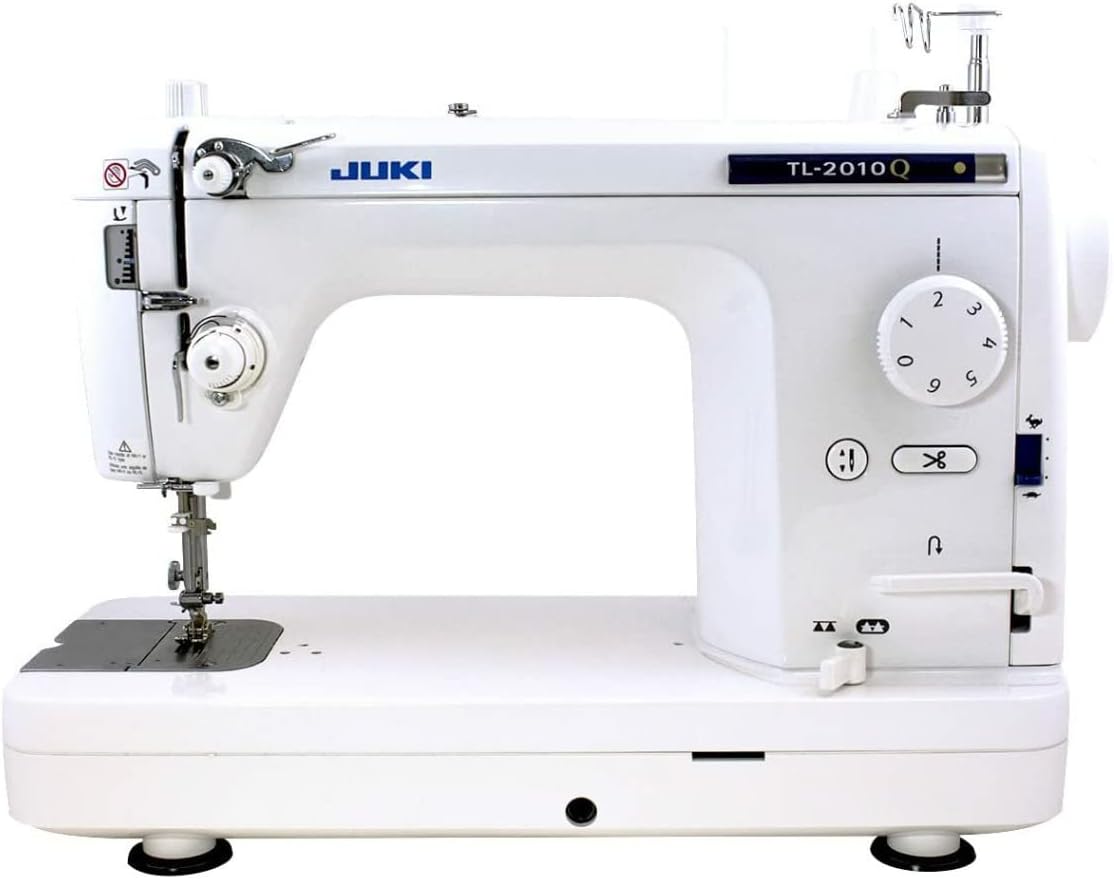
| Best Quality Built to a higher standard if you want something more solid | JUKI TL-2010Q Sewing Machine |  |
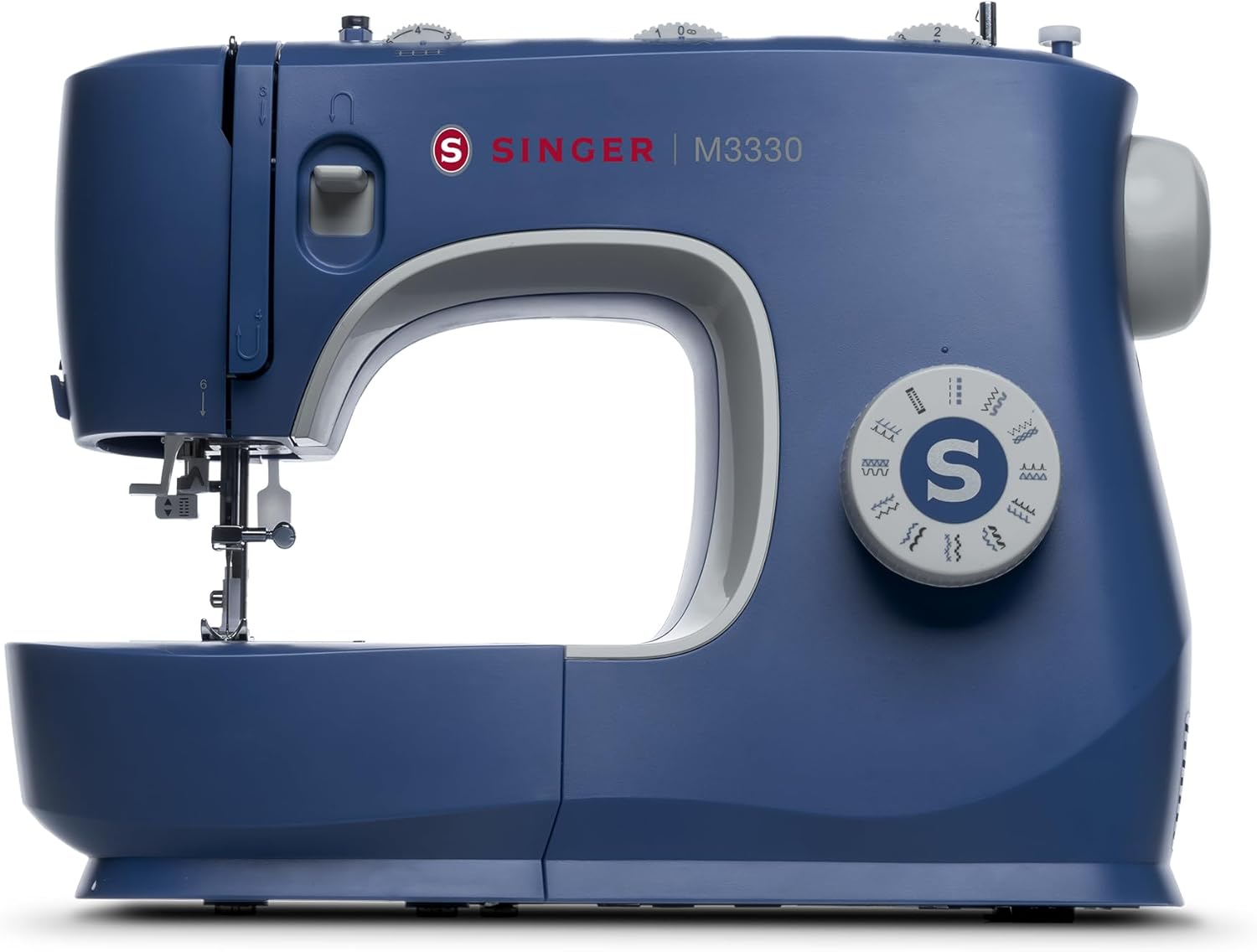
| Best Value The sweet spot between price and what you get | SINGER M3330 Sewing Machine |  |
| Best Budget The cheapest option that still gets the job done reliably | Mryzzsf Mini Handheld Sewing Machine |  |
| Top Rated A top-rated pick with lots of positive feedback | Brother HC1850 Sewing Machine |  |
| Most Popular A crowd favorite that many people choose with confidence | SINGER Heavy Duty 4423 |  |
| Best Seller A high-volume bestseller chosen again and again | Brother XM2701 Sewing Machine |  |
Janome Memory Craft 8200QCP

| Power Source | AC |
|---|---|
| Number of Items | 1 |
| Material | Metal |
| Model Number | 8200QCPSEWVIP |
The Janome Memory Craft 8200QCP is a high-capability computerized machine aimed at quilters and serious sewists who need generous workspace and precise fabric handling. It combines an 11-inch arm for large projects with Janome's built-in ACUFEED FLEX system to feed multiple fabric layers evenly, and offers a 9mm stitch width plus over 200 stitches including alphabets and seven automatic buttonhole styles. Controls are handled via a touchscreen and keypad, and practical touches like an automatic needle threader, needle up/down control, speed limiter, lock stitch, and automatic thread cutter speed workflow and reduce fiddly tasks. The package includes a straight stitch plate, a wide selection of 9mm feet for quilting and garment work, a knee lifter, accessory trolley case, and instructional DVD so you can start big projects right away. Trade-offs are its weight and physical size compared with portable machines, and the learning curve for using the many functions and memory features, but for those tackling quilts, bridal gowns, or heavy home-furnishing sewing it delivers professional-level capability.
Best for: Dedicated sewists and quilters who prioritize workspace, precise multi-layer feeding, and a wide stitch library for large or detailed projects.
Less Ideal for: Casual sewists who need a lightweight, highly portable machine or those who prefer minimal controls and simple operation.
- Large 11-inch arm space suitable for quilting and large garments
- Built-in ACUFEED FLEX dual-feed provides precise handling of multiple fabric layers
- Wide 9mm stitch width and over 200 stitch patterns including alphabets
- Touchscreen and keypad make stitch selection and memorizing combinations straightforward
- Comes with extensive 9mm feet assortment and accessory trolley for immediate use
- Heavier and bulkier than portable machines, limiting bench portability
- Complex feature set requires time to learn to use effectively
Verdict: Buy this if you want a professional-grade sewing and quilting machine with expansive arm space and a factory-quality dual-feed system for large, precise projects.
JUKI TL-2010Q Sewing Machine
| Power Source | Treadle Powered |
|---|---|
| Material | Aluminum |
| Model Number | MO-735 |
The JUKI TL-2010Q is a purpose-built single-needle lockstitch machine designed for quilting, tailoring, and garment work where straight-stitch performance matters. It delivers strong, consistent stitch quality and includes practical pro-style features such as an automatic thread trimmer, a push-lever needle threader, and a knee lifter for hands-free presser-foot control, which speeds workflow on larger projects. The unit is portable and can be used on a tabletop, mounted in a cabinet, or placed on a quilting frame, and the included extension table increases usable workspace for quilts and bulky fabrics. Its construction favors durability and handling of light- to heavyweight materials, though it is focused on straight stitching only and lacks multi-stitch decorative functions. For buyers prioritizing stitch reliability, speed, and streamlined sewing mechanics for demanding home or small-studio projects, the TL-2010Q provides a focused, performance-first tool; those needing many built-in stitch patterns or computerized embroidery features will want a different model.
Best for: Sewers who prioritize stitch performance, reliability, and a streamlined mechanical workflow for quilting, tailoring, or frequent straight-stitch production in a home or small-studio setting.
Less Ideal for: Buyers who want a multi-stitch computerized machine, extensive decorative stitches, or built-in embroidery capabilities should choose a different model.
- Consistent, professional-quality straight stitches suitable for quilting and tailoring
- Automatic thread trimmer and needle threader speed up setup and finishing
- Knee lifter allows hands-free presser-foot control for easier handling of bulky work
- Portable tabletop design with included extension table for larger projects
- Single straight-stitch machine with no decorative or automatic stitch patterns
- No built-in computerized or embroidery features
Verdict: Choose the JUKI TL-2010Q if you need a durable, performance-oriented straight-stitch machine that speeds production with pro features like an automatic thread trimmer and knee lifter.
SINGER M3330 Sewing Machine
| Power Source | Corded Electric |
|---|---|
| Included Components | Accessory Kit, 4 Presser Feet |
| Stitch Applications | 97 |
| Buttonhole | 1-step |
The SINGER M3330 is a straightforward mechanical sewing machine aimed at home sewists who want reliable, no-frills performance. It provides 23 built-in stitches that translate to 97 stitch applications, a one-step buttonhole, front-loading bobbin, and snap-on presser feet, which make switching tasks and basic decorative work fast and simple. The machine includes a built-in needle threader, bright LED light, free arm for cuffs and sleeves, and a heavy-duty metal frame that helps steady the unit when handling medium-weight fabrics. An accessory kit with several presser feet, bobbins, needles, and common tools expands what you can do right away without buying extras. Because it is a mechanical, corded-electric model with manual stitch selection, expect a familiar, hands-on workflow rather than automated programming, and it lacks advanced computerized features found on higher-end machines. For everyday repairs, garment sewing, and hobby projects this model balances capability and simplicity at an accessible level.
Best for: Budget-conscious sewers who want a reliable, no-nonsense machine for home sewing, repairs, and craft projects and who value practical features over computerized bells and whistles.
Less Ideal for: Users who need computerized stitch programming, embroidery capabilities, or a heavy-duty industrial machine for continuous commercial use should look elsewhere.
- Wide stitch versatility: 23 stitches delivering 97 applications for basic, stretch, and decorative sewing
- Beginner-friendly tools: built-in needle threader, one-step buttonhole, and easy stitch selection dial
- Sturdy construction: heavy-duty metal frame provides stability for medium-weight fabrics
- Useful accessory kit included: multiple presser feet, bobbins, needles, and tools ready out of the box
- Free arm and LED light help with sleeves, hems, and low-light visibility
- Mechanical controls mean no computerized automation or memory functions
- Not intended for heavy industrial fabrics or commercial production workloads
Verdict: A practical, beginner-friendly mechanical sewing machine that delivers a broad set of stitches and useful accessories for everyday home sewing projects.
Mryzzsf Mini Handheld Sewing Machine

| Power Source | Battery Powered |
|---|---|
| Material | ABS plastic |
| Package size | 22.8 x 8.5 x 5.2 cm |
| Weight | 292 g |
This mini handheld sewing machine is a lightweight, battery-powered tool for quick mending and simple sewing projects. It runs on four AA batteries (or an optional adapter) and is operated with a single button and a small fabric platen that feeds material as you move the unit, which makes it easy to use for beginners and convenient for travel. The package includes basic accessories such as bobbins, spare needles, and a threading aid so you can start sewing right away. Practical benefits include fast on-the-spot repairs for hems, small seams, and lightweight fabrics and the portability to tuck the unit into a bag for trips. Limitations are its suitability only for thin materials up to about 1.8 mm and the reliance on batteries for cordless use, which reduces continuous run time and power compared with full-size machines; heavier fabrics, thick seams, and precise decorative stitching are outside its capabilities. For small fixes and occasional light sewing, it is an inexpensive and handy option.
Best for: Shoppers who want an ultra-affordable, portable tool for quick repairs, simple hemming, and occasional light sewing without investing in a full-size machine.
Less Ideal for: People who need a machine for heavy fabrics, high-volume sewing, precise decorative work, or professional-level projects should choose a standard tabletop sewing machine instead.
- Very portable and lightweight for travel or quick repairs
- Simple one-button operation suitable for beginners
- Includes basic accessories (bobbins, spare needles, threading tool) to start immediately
- Can run on 4 AA batteries or an adapter for cordless convenience
- Only designed for thin materials and light-duty sewing
- Battery operation limits continuous use and power
Verdict: If you need a cheap, portable sewing tool for quick fixes and light fabric work, this mini handheld machine delivers basic, no-frills performance.
Brother HC1850 Sewing Machine

| Power Source | Corded Electric |
|---|---|
| Input Voltage | 120 volts_of_alternating_current |
| Included Stitches | 185 built-in stitches |
| Included Feet | 8 presser feet |
The Brother HC1850 is a full-featured computerized sewing and quilting machine aimed at hobbyists who want dependable everyday performance. It offers 185 built-in stitches including alphanumeric stitches and eight auto-size buttonhole styles, selected via an easy push-button interface and a backlit LCD that shows stitch settings. Practical features like an automatic needle threader, jam-resistant drop-in top bobbin, adjustable sewing speed, and a wide extension table make it straightforward to tackle garments, home decor, and quilting projects. The machine includes eight presser feet and quilting-specific extras such as a spring-action quilting foot, quilt guide, and the ability to drop the feed dogs for free-motion work. At about 10 pounds and with a built-in carrying handle it is portable enough for classes while still handling medium-weight fabrics like denim and quilting cotton reliably. The HC1850 is not designed for industrial nonstop production, but for home sewers it balances ease of use with useful quilting features and a reputation for solid everyday reliability.
Best for: Buyers wanting a reliable, feature-rich home sewing and quilting machine that is easy to learn and performs consistently for a wide range of hobby projects.
Less Ideal for: People who need a heavy industrial or commercial-grade machine for continuous high-volume production should consider more robust industrial models.
- 185 built-in stitches including 55 alphanumeric stitches and 8 auto-size buttonholes
- Automatic needle threader and jam-resistant top drop-in bobbin for easier setup
- Includes wide extension table and spring-action quilting foot for quilting projects
- Backlit LCD and push-button stitch selection for clear, simple operation
- Rated for 120V US power only, not suitable for use outside supported regions
Verdict: Choose the HC1850 if you want a reliable, easy-to-use computerized sewing and quilting machine with a broad stitch set and quilting features for home use.
SINGER Heavy Duty 4423

| Built-in stitches | 23 |
|---|---|
| Stitch applications | 97 |
| Max speed | 1,100 stitches/min |
| Power source | Corded Electric |
| Input voltage | 120 volts |
The SINGER Heavy Duty 4423 is a mechanically simple, workhorse sewing machine aimed at fast, reliable stitching for home projects. It offers 23 built-in stitches that produce 97 stitch applications, a 1,100 stitches-per-minute top speed, and a stronger motor designed to pierce thick seams like denim and canvas. Everyday conveniences include a top drop-in bobbin for easy thread checks, an automatic needle threader, LED work light, and four presser feet stored in the accessory tray. The metal interior frame and stainless steel bed plate add stability for multi-layer and heavier fabrics, while adjustable presser foot pressure helps with lighter materials. Practical limitations are its mechanical control layout — it lacks computerized stitch memory or touchscreen controls — and users wanting more decorative stitch variety or advanced automation will find it basic. For someone who needs robust, fast stitching for repairs, garment construction, or home decor, this model covers essential needs without complexity.
Best for: Buyers who prioritize proven performance and social proof from many reviewers and want a no-nonsense machine that sews quickly through thick fabrics for garment work, mending, and home projects.
Less Ideal for: If you want computerized features, extensive decorative stitch libraries, or lightweight travel portability, this model is not the best match.
- Powerful motor and high top speed for faster sewing and better penetration of heavy fabrics
- Heavy-duty metal interior frame and stainless steel bed plate for stable, skip-free stitching
- Top drop-in bobbin and built-in needle threader simplify setup and reduce interruptions
- Includes essential presser feet and accessories so you can start most projects right away
- Mechanical controls lack computerized stitch customization or advanced automation
- Relatively heavy for a portable machine
Verdict: Choose the Singer 4423 when you need a fast, heavy-duty mechanical machine with proven reliability and broad user approval.
Brother XM2701 Sewing Machine

| Power Source | Corded Electric |
|---|---|
| Input Voltage | 120 volts |
| Included Stitches | 27 built-in stitches |
| Included Feet | 6 sewing feet |
The Brother XM2701 is a straightforward, beginner-friendly mechanical sewing machine that handles everyday mending, garment construction, and light quilting tasks. It offers 27 built-in stitches including utility, decorative, and a one-step auto-size buttonhole, and comes with six quick-change presser feet for common jobs like zippers, blind hems, and button sewing. Practical touches include an automatic needle threader, jam-resistant drop-in top bobbin, automatic bobbin winding, a built-in LED light, and a free arm for sewing cuffs and sleeves. Controls are dial-based for stitch selection and adjustment, which keeps operation simple and reliable without a steep learning curve. Because it is a corded 120V mechanical model, it is durable and portable enough to move between workspaces, though it lacks computerized features that can speed complex projects or automate specialty stitches. For buyers who want a reliable, no-frills machine that covers the essentials and is easy to maintain, the XM2701 delivers consistent, predictable results.
Best for: Practical buyers who prioritize a reliable, easy-to-use machine for everyday sewing, repairs, and beginner projects and who prefer simple mechanical controls over advanced automation.
Less Ideal for: Sewers who need computerized features, extensive stitch programming, or a machine built for heavy industrial use should consider other options.
- 27 built-in stitches including an auto-size one-step buttonholer for versatility
- Automatic needle threader and jam-resistant top drop-in bobbin simplify setup
- Includes six quick-change presser feet for zipper, blind hem, button, and other common tasks
- Built-in LED light and free arm improve visibility and make sewing cuffs and sleeves easier
- Mechanical dial controls lack the automation and advanced stitch customization of computerized models
- Not designed for heavy industrial workloads or very thick multi-layered fabrics
Verdict: A dependable, easy-to-operate mechanical sewing machine that gives risk-averse buyers the essential features they need for everyday sewing and learning without complexity.
Choosing the Right Sewing Machine: Key Factors to Consider
Motor Power and Duty Cycle
A stronger motor and rated duty cycle matter because heavy use and thicker materials demand sustained torque. Higher torque reduces stalling and enables consistent stitch formation on multiple fabric layers.
Check continuous-duty ratings and whether the motor is servo, clutch, or servo with variable speed control. Lower-noise servo motors often provide finer speed control and better energy efficiency, but clutch motors can offer simpler serviceability in some setups.
Stitch Capabilities and Programmability
The number and type of stitches determine how versatile the machine is for garments, upholstery, and technical fabrics. Look for machines with a broad selection of utility, decorative, and reinforcement stitches as well as programmable pattern sequences for repeatable work.
Consider whether the machine supports memory, sequencing, and external control interfaces. Programmability speeds production and reduces human error when you need identical stitch patterns across many pieces.
Fabric Handling and Feed System
How a machine feeds material affects stitch quality and operator control. Superior feed systems—such as walking feet, compound feed, or high-precision feed dogs—prevent fabric slippage, puckering, and uneven seams.
For bulky or slippery materials, a robust presser foot adjustment range and positive fabric clamping matter. Evaluate throat space and foot clearance if you work with thick layers or bulky assemblies.
Build Quality and Frame Components
A rigid frame and heavy-duty internal components reduce vibration and maintain alignment over years of use. Metals gears, sealed bearings, and solid mounting points extend machine life and keep seams straight even under continuous operation.
Inspect what materials are used for the needle bar, hook assembly, and drive train. Corrosion-resistant finishes and replaceable wear parts are important for longevity in a production environment.
Serviceability and Parts Availability
Downtime is costly, so easy access to replacement parts, authorized service, and straightforward maintenance procedures are essential. Machines with clear modular parts and widely available consumables keep repair time and costs lower.
Consider whether the vendor provides local support, downloadable service manuals, and spare-part kits. Routine maintenance intervals and the complexity of routine tasks like oiling or timing adjustments will influence total cost of ownership.
Operator Ergonomics and Controls
Comfortable controls, clear indicators, and reachable adjustments reduce operator fatigue and errors during long shifts. User-facing features such as adjustable stitch speed, foot pedal responsiveness, and accessible thread paths speed setup and reduce mistakes.
A well-designed control layout also helps with training new operators and standardizing production processes across multiple machines.
Understanding Heavy-Duty Vs Professional Machines
The terms heavy-duty and professional are often used interchangeably, but they imply slightly different priorities. Heavy-duty units focus on raw power and durability to handle thick materials, while professional machines balance power with advanced controls and wider stitch capabilities.
When assessing options under the budget cap, prioritize the attributes that match the work you actually do. For upholstery and leatherwork, raw torque and throat clearance may be most important. For tailored apparel or sample making, stitch versatility and programmable patterns can save time and improve consistency.
- Heavy-duty: emphasis on motor torque, frame rigidity, and simple robust mechanisms
- Professional: emphasis on stitch control, automation, and production-friendly features
Matching Machine Features to Your Workflow
Start by listing the most common materials and processes in your workflow. If you frequently switch tasks, machines with quick-change presser feet and reusable presets reduce setup time.
Think about throughput targets and batch sizes. Features like programmable stitch sequences, automatic thread trimming, and fast-set bobbin systems compound into real time savings at scale.
- For short runs and prototypes, prioritize ease of reprogramming and stitch variety
- For long production runs, prioritize serviceability and minimal required adjustments
Maintenance Practices That Extend Machine Life
Regular maintenance preserves alignment and smooth operation. Follow the manufacturer-recommended schedule for cleaning lint, lubricating moving parts, and replacing wear items like feed dogs or belts.
Keep a small stock of common consumables and a log of maintenance tasks. Simple preventive work, such as timely oiling and needle replacement, reduces the chance of skipped stitches and fabric damage.
- Daily: clean lint and thread debris, inspect needles and presser feet
- Weekly: check tension components and test stitch samples at common settings
- Monthly: review timing, belt wear, and motor mount points
Workspace Setup for Large or Heavy Projects
Ensure your table supports the machine weight and reduces vibration. A stable, level mounting surface helps maintain stitch consistency and operator comfort during long sessions.
Plan for ample working space around the machine to handle large fabric panels. Proper lighting and a clear path for material movement reduce errors and speed production.
- Use a mounting table rated for the machine's weight and duty cycle
- Arrange lighting to minimize shadows on the sewing area
- Provide rollers or support surfaces for long fabric runs
Upgrades, Attachments, and Modular Add-Ons
Many high-end machines accept attachments that expand capability without needing a different machine. Look for compatible feet, walking-foot assemblies, hemming units, or automated trim systems.
Modular upgrades let you tailor the machine to new tasks as your projects evolve. Confirm that upgrade paths exist and that additions do not void service coverage or require complex re-calibration.
- Confirm compatibility of attachments before planning upgrades
- Keep documentation for installation and required adjustments
How We Chose the Best Sewing Machine
We started by filtering for machines that are intended for continuous or heavy professional use and that fall within the target budget ceiling. We excluded hobby-level machines and single-purpose specialty units that lack general sewing versatility. Each candidate had to show evidence of robust construction and an established parts/service pathway. The evaluation emphasized measurements and specifications that matter in heavy use: motor output and sustained duty cycle, stitch range and programmable patterns, feed system quality and fabric handling, and the availability and cost of replacement parts and maintenance. Ease of setup, operator ergonomics, and noise levels were also considered because they affect productivity in longer shifts. Finally, we favored machines with clear documentation and upgrade paths for attachments or automated features. Products were excluded if they were limited to light domestic tasks, lacked documented service support, or did not provide verifiable technical specifications relevant to continuous professional operation.
Our full evaluation process is outlined in our review methodology.
FAQ
How often should I replace needles on a professional sewing machine?
Needles should be changed frequently based on usage. For continuous or heavy use, many operators replace needles daily or after every large panel to avoid dulling, skipped stitches, and fabric damage.
Can I use industrial threads and supplies in these machines?
Often yes. Heavy-duty and professional machines are typically designed to accept heavier threads and larger spools, but confirm thread path dimensions and tension range to ensure compatibility with thicker threads.
What maintenance is required to keep stitching consistent over time?
Consistent stitching depends on routine cleaning, correct lubrication, regular needle changes, and periodic timing checks. Maintaining correct thread tension and replacing worn feed components also preserves stitch quality.
Is a higher stitch-per-minute rating always better?
Not necessarily. Higher speeds can increase throughput but also raise demands on material handling and operator skill. Balance speed with control and the machine's rated duty cycle for reliable results.
How important is local service support for these machines?
Local service and parts availability are very important for professional setups because downtime directly impacts productivity. Machines with accessible service networks and clear parts catalogs reduce repair lead times.
Final Verdict
When choosing a sewing machine under $15,000, prioritize the features that match your daily workload. For heavy or industrial-style projects, focus on motor torque, frame durability, and feed systems. If you need repeatable decorative or sample work, put more weight on stitch programmability and control features. Balance the upfront capability against serviceability and parts availability. A slightly simpler, well-supported machine can outperform a more feature-rich unit if it spends less time offline. Choose based on the fabrics, production volume, and skill level of your operators to ensure long-term productivity.